Cast Iron Plate OEM: Commercial Material Specs Supply
Cast Iron Plate OEM: Material Standards and Commercial Sourcing
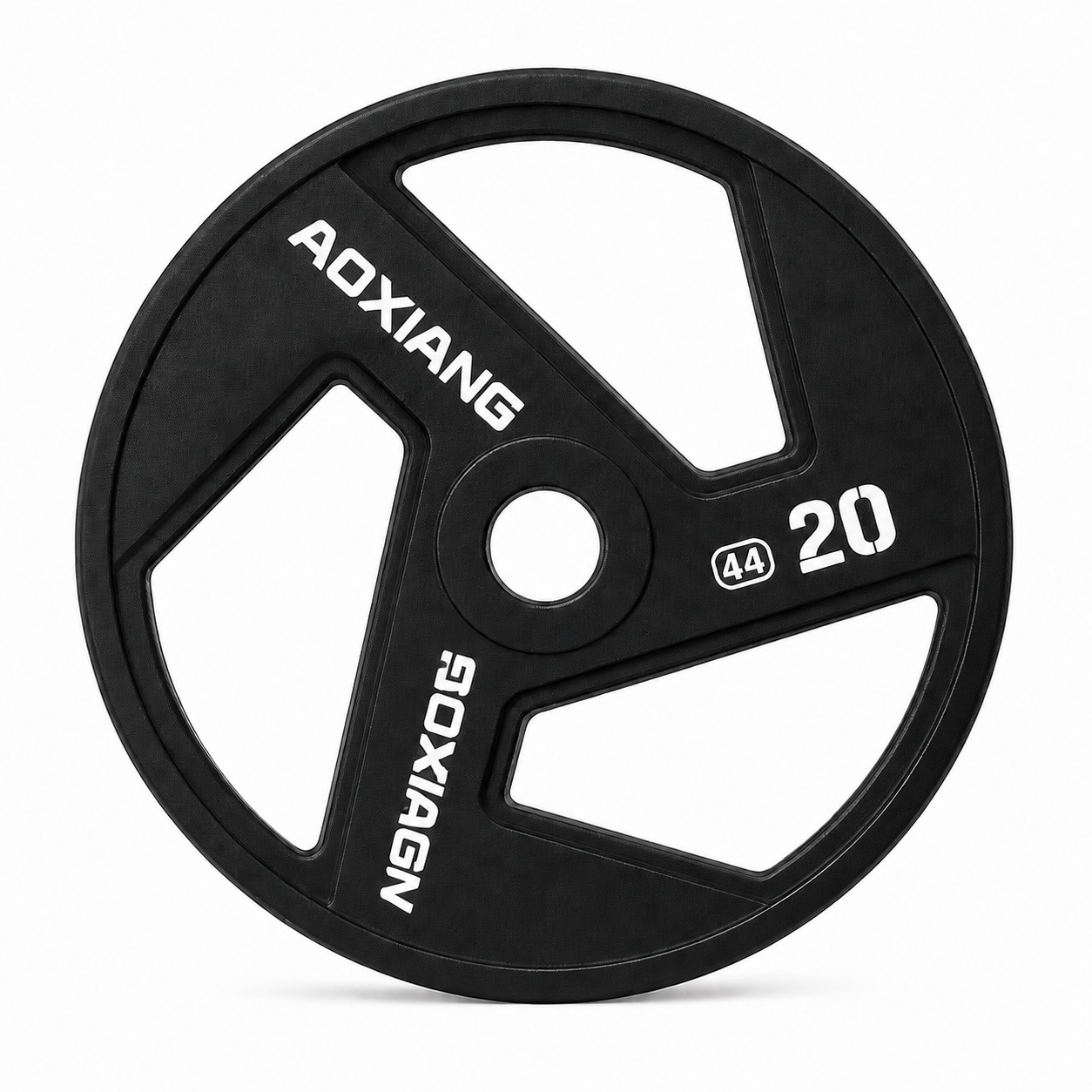
For large-scale gym chains or international distributors, sourcing high-density weight plates requires more than just a low price; it requires strict adherence to material consistency to protect long-term ROI. When managing a high-volume cast iron plate OEM project, procurement officers must prioritize the structural integrity of the iron to ensure uniform weight distribution across thousands of units. Selecting a reliable China factory that specializes in commercial weight plate manufacturing ensures that every batch meets the density requirements necessary for heavy-duty commercial use, reducing the risk of cracks or uneven wear during high-traffic gym operations.
The technical foundation of high-quality plates begins with the selection of raw materials and the precision of the casting method. Most commercial-grade units utilize gray iron due to its excellent machinability and vibration-damping properties. In a professional wholesale iron plates China supply chain, the transition from raw molten iron to a finished, branded product involves multiple stages of refinement to ensure the final product meets global export standards.
Technical Specifications: Material and Casting Excellence
Standard commercial weight plate manufacturing relies heavily on the sand casting process to achieve the desired shape and density. This method is industry-standard for producing durable, heavy-duty plates that can withstand the rigors of a commercial environment. For distributors looking to offer premium or mid-tier options, understanding the nuance between different casting and finishing processes is vital for calculating the total landed cost and product longevity.
The density of the gray iron determines how the plate performs under heavy impact. A consistent density prevents "dead spots" in the weight, which is a critical quality indicator for professional strength training facilities. During the cast iron plate OEM process, the precision of the center bore and the concentricity of the plate are often the primary focus of a pre-shipment inspection to ensure seamless compatibility with various barbell sleeves.
| Material | Process | Key Component/Detail | Commercial Duty | MOQ Impact | Factory QC Point |
|---|---|---|---|---|---|
| Gray Iron | Sand Casting | Center Bore Precision | High-Volume Gyms | Standard | Weight Tolerance |
| Carbon Steel | Machining/CNC | Smooth Inner Ring | Competition/Studio | Higher | Concentricity |
| Cast Iron | Powder Coating | Coating Adhesion | General Commercial | Flexible | Surface Finish |
Surface Finishing and Coating Durability
Beyond the core casting, the surface treatment determines the maintenance load and aesthetic longevity of the equipment. For a wholesale iron plates China distributor, offering a variety of finishes allows for better market segmentation between budget-friendly and premium studio lines. The most common professional finish is the application of a high-grade powder coating. This process ensures that the coating adhesion remains high even under constant friction and impact, preventing the unsightly chipping or rust that can degrade a facility's professional look.
When evaluating a cast iron plate OEM partner, procurement teams should specifically inquire about the thickness and durability of the surface layer. A high-quality powder coating line at the factory provides a smooth, consistent texture that is easier to clean and more resistant to environmental moisture. For specialized boutique studios, advanced finishes such as specialized paint or enamel may be requested, though these often involve a higher MOQ or different lead times due to the additional drying and curing stages required in the production cycle.
Effective sourcing involves verifying these finishing standards during the pre-shipment stage. A reliable supplier will provide documentation or visual evidence of coating adhesion tests and weight calibration to ensure that the added mass of the finish does not create significant deviations in the final weight. We recommend requesting sample approval for any custom branding or specialized color requirements to confirm that the finish meets your brand identity and commercial durability standards before initiating a full bulk order.
Material Composition and Casting Processes for Commercial Grade Plates
For professional importers and distributors, understanding the technical foundation of cast iron plate OEM production is critical for ensuring long-term product reliability and minimizing replacement costs. High-quality commercial grade weight plates rely on precise material density and consistent metallurgical properties to meet international standards for durability and weight accuracy. When sourcing from a China factory, procurement professionals must verify that the foundry utilizes standardized production workflows to prevent structural flaws that lead to high return rates.
The industry standard for high-volume wholesale production is the sand casting method. This process involves pouring molten gray iron into specialized sand molds, which creates a robust, heavy-duty structure suitable for high-traffic commercial environments. A professional supplier ensures that the material density remains uniform throughout the casting, preventing air pockets or brittle zones. This structural integrity is essential for commercial weight plate manufacturing, as it guarantees that the plates can withstand the mechanical stress of heavy lifting without cracking or losing shape over time.
Achieving high density consistency and strict weight tolerance requires more than just basic casting; it demands precision machining and rigorous QC. After the initial sand casting phase, the center bore must undergo CNC machining to ensure the inner diameter is perfectly concentric. This ensures the plate fits securely on standard barbell sleeves without wobbling, a key factor in reducing maintenance and improving the user experience in commercial gyms. For wholesale iron plates China orders, these technical specifications directly impact the landed cost and the overall quality of the finished product delivered to your warehouse.
Casting and Coating Specification Comparison
Selecting the correct finish is a strategic decision for distributors managing a diverse product catalog. The choice between raw iron and specialized coatings impacts both the aesthetic value of your brand and the long-term maintenance load for your clients. For example, while standard sand casting provides the necessary mass, the application of high-grade powder coating significantly increases the durability of the surface, protecting the iron from oxidation in humid gym environments. When evaluating your next wholesale order, consider how the surface finish affects the total cost of ownership for the end-user and your potential for private label differentiation.
| Material Type | Primary Process | Surface Finish | Commercial Duty | MOQ Impact | Factory QC Point |
|---|---|---|---|---|---|
| Gray Iron | Sand Casting | Bare Iron / Phosphate | Standard Commercial | Low | Weight Tolerance |
| Gray Iron | Sand Casting | Powder Coating | Premium Commercial | Medium | Coating Adhesion |
| Carbon Steel | Centrifugal Casting | PU/Rubber Coating | High-End / Boutique | High | Encapsulation Layer |
To optimize your sourcing strategy, it is essential to match the manufacturing process to your target market segment. A factory-direct approach allows for greater control over these technical variables. For instance, a China factory specializing in cast iron plate OEM can offer customized coating thicknesses or specific knurling textures to meet your unique brand identity. Before finalizing a large-scale bulk purchase, we recommend requesting a sample approval or a detailed spec sheet to confirm that the coating adhesion and bore concentricity meet your specific commercial requirements.
Pre-Shipment Inspection and Quality Control Protocols
For distributors and large-scale importers, the risk of receiving substandard batches is a significant threat to profit margins. A rigorous pre-shipment QC protocol is the only way to mitigate the costs of shipping defective weight plates across oceans. When managing a wholesale iron plates China procurement cycle, it is not enough to rely on basic visual checks; professional buyers must demand specific technical inspection points that ensure every unit meets the high-performance standards of a commercial facility.
Our factory implements a multi-stage inspection process that begins with a strict weight calibration check. Every plate is measured against a high-precision scale to ensure it stays within the industry-standard tolerance band, preventing discrepancies that can damage your reputation as a reliable supplier. Following calibration, we perform a detailed concentricity check on the center bore. This step is critical for preventing uneven weight distribution on barbell sleeves, which can lead to mechanical instability during heavy lifts in high-traffic gyms.
The final stage of our cast iron plate OEM quality control focuses on surface durability and logistics readiness. We conduct rigorous coating adhesion tests to ensure that the paint or powder coating will not chip or peel under heavy use, preserving the professional look of your private label products. To protect your investment during transit, we utilize specialized export packaging designed to prevent impact damage and oxidation. We highly recommend that all procurement leads schedule a formal factory audit or a third-party inspection to verify these protocols and confirm that the lead time and production output align with your distribution schedule.
Comparison of Commercial Weight Plate Manufacturing Options
When managing high-volume procurement for fitness centers or distribution networks, understanding the structural differences between manufacturing methods is critical for long-term ROI. Selecting the wrong specification can lead to premature surface degradation or inconsistent weight tolerances, increasing maintenance costs. Professional buyers sourcing cast iron plate OEM solutions must distinguish between standard casting and precision-machined alternatives to ensure the equipment meets the rigors of high-traffic commercial environments.
For distributors looking to optimize their landed cost without sacrificing durability, the choice between basic sand casting and more advanced processes impacts both the initial wholesale price and the long-term replacement cycle. A reliable China factory will provide clear documentation regarding the material density and the specific surface finishing used, allowing for better inventory planning and predictable product lifecycles.
| Material Type | Primary Process | Commercial Duty Level | Durability Profile | Sourcing Impact |
|---|---|---|---|---|
| Gray Iron | Sand Casting | Standard Commercial | High impact resistance; prone to surface oxidation | Lowest MOQ and cost |
| Carbon Steel | Machined Precision | Premium/Competition | High dimensional stability; excellent concentricity | Higher wholesale unit price |
| Coated Iron | Casting + Powder Coating | High-Traffic Studio | Superior corrosion resistance; protects flooring | Variable lead time due to coating |
Effective commercial weight plate manufacturing requires a balance between structural integrity and production speed. While sand casting remains the industry standard for high-volume wholesale iron plates China exports due to its cost-efficiency, precision-machined steel options are necessary for facilities requiring exact weight calibration. Evaluating these technical specifications during the sourcing phase prevents the common pitfall of receiving batches with inconsistent thickness or poor surface adhesion, ensuring your brand maintains a high-quality reputation in the local market.
To optimize your procurement strategy, it is essential to evaluate the technical relationship between the core material and the final finish. For instance, a standard cast iron base may undergo various surface treatments to meet specific facility requirements, such as noise reduction or aesthetic branding. Choosing the correct combination of material and coating directly influences the total cost of ownership (TCO) and the frequency of replacement cycles for your clients.
| Material | Coating/Finish | Manufacturing Process | Floor Protection | Commercial Duty | MOQ/Customization | Factory QC Point |
|---|---|---|---|---|---|---|
| Cast Iron | Bare/Phosphate | Sand Casting | Low (High impact noise) | Standard Commercial Gym | Lowest MOQ | Base flatness & thickness |
| Cast Iron | Powder Coated | Casting + Powder Line | Moderate (Reduces chipping) | High-Traffic Training Centers | Standard OEM levels | Coating adhesion strength |
| Cast Iron | Rubber Coated | Casting + Vulcanization | High (Optimized for sound) | Premium Studios/Commercial | Higher wholesale tier | Encapsulation layer integrity |
| Cast Iron | PU Coated | Casting + Injection/Dip | Maximum (Premium feel) | Luxury Fitness/Boutique | Custom ODM requirements | Surface smoothness/uniformity |
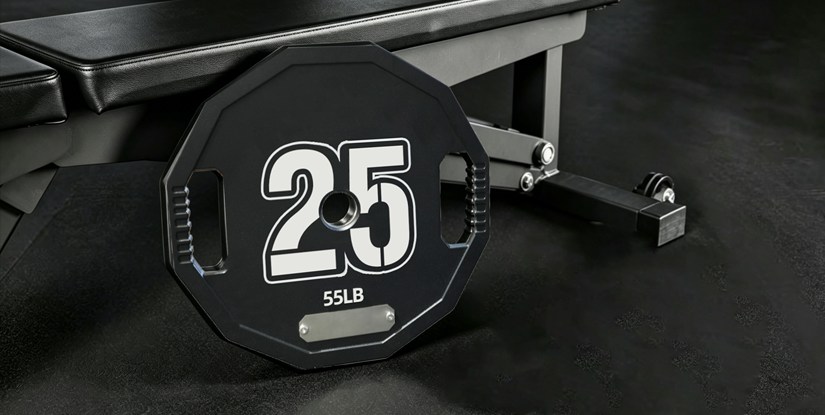
When finalizing a cast iron plate OEM order, technical scrutiny should extend beyond the visual appearance to the structural components. For high-end applications, the precision of the center bore and the concentricity of the weight distribution are vital. A professional supplier will facilitate a pre-shipment inspection focusing on these specific areas to ensure that the landed cost remains justified by the product's long-term performance. We recommend requesting a detailed specification sheet or a sample evaluation to confirm that the manufacturing tolerances and coating durability align with your specific commercial standards before proceeding with full-scale production.
When finalizing a cast iron plate OEM order, technical scrutiny should extend beyond the visual appearance to the structural components. For high-end applications, the precision of the center bore and the concentricity of the weight distribution are vital. A professional supplier will facilitate a pre-shipment inspection focusing on these specific areas to ensure that the landed cost remains justified by the product's long-term performance. We recommend requesting a detailed specification sheet or a sample evaluation to confirm that the manufacturing tolerances and coating durability align with your specific commercial standards before proceeding with full-scale production.
Precision Machining and Surface Finishing Specifications
Achieving professional standards in cast iron plate OEM production requires a strict transition from raw casting to high-precision finishing. For distributors and gym equipment importers, the value of a batch depends on the consistency of the center bore and the durability of the exterior coating. A high-quality China factory must utilize advanced secondary processing to ensure that every unit meets commercial-grade expectations for both balance and longevity.
The production cycle typically begins with high-density sand casting to establish the primary shape and mass. However, to meet the rigorous demands of commercial weight plate manufacturing, the raw cast must undergo secondary CNC machining. This process is critical for refining the inner diameter and ensuring the concentricity of the center hole. Without precise machining, plates may wobble on the barbell, leading to uneven weight distribution and increased wear on commercial bar sleeves. For bulk wholesale buyers, ensuring these technical specs are met reduces the long-term cost of returns and client dissatisfaction.
Technical Standards for Density and Precision
The structural integrity of the plate is determined by the density of the gray iron used during the casting phase. A high-density pour prevents internal air pockets or structural weak points, which is vital for high-impact commercial environments. Following the casting, the precision of the weight tolerance becomes the primary metric for quality control. Professional wholesale iron plates China suppliers implement rigorous calibration steps to ensure the actual weight deviates minimally from the stamped specification.
To protect the integrity of the iron and enhance the aesthetic for premium gym branding, surface finishing is a mandatory step. Most commercial-grade units undergo a multi-stage process involving phosphate treatment followed by heavy-duty powder coating. This layer provides essential protection against oxidation and ensures the plate can withstand the friction of constant use in high-traffic facilities.
Comparative Analysis of Surface Finishing for Commercial Use
When evaluating the long-term TCO (Total Cost of Ownership) for a fitness facility, the choice of surface treatment is as critical as the material itself. For professional procurement leads, the distinction between basic coatings and high-performance finishes determines the maintenance frequency and the visual longevity of the equipment. A specialized supplier must provide clear technical documentation regarding how these finishes interact with the raw cast iron to prevent premature oxidation or coating failure.
The following table outlines the standard industry options available through professional wholesale iron plates China production lines, specifically comparing the durability and maintenance requirements for different commercial applications.
| Material Finish | Process Detail | Key Component | Commercial Duty | Maintenance Load | Procurement Context |
|---|---|---|---|---|---|
| Phosphate Treatment | Chemical conversion coating | Raw iron surface | Standard commercial use | Low to Moderate | Cost-effective bulk sourcing |
| Powder Coating | Electrostatic dry powder application | Outer plate rim/face | High-traffic gym environments | Minimal | Standard OEM requirement |
| PU Coated | Polyurethane injection/dip | Full plate encapsulation | Premium boutique studios | Very Low | Premium tier ODM option |
| Enamel/Paint | Liquid spray application | Decorative face/Logo area | Light commercial/Home gym | Moderate | Standard stock availability |
For buyers focusing on high-volume commercial weight plate manufacturing, we recommend a multi-stage approach: starting with a thorough degreasing and phosphate treatment to ensure maximum adhesion, followed by a heavy-duty powder coating. This specific sequence significantly reduces the risk of chipping or peeling during heavy usage, protecting your client's investment and reducing the need for frequent replacements. When negotiating MOQ and lead times, always confirm the specific coating adhesion test protocols used by the factory to ensure the finish meets your brand's durability standards.
Logistics and Export Standards for Bulk Procurement
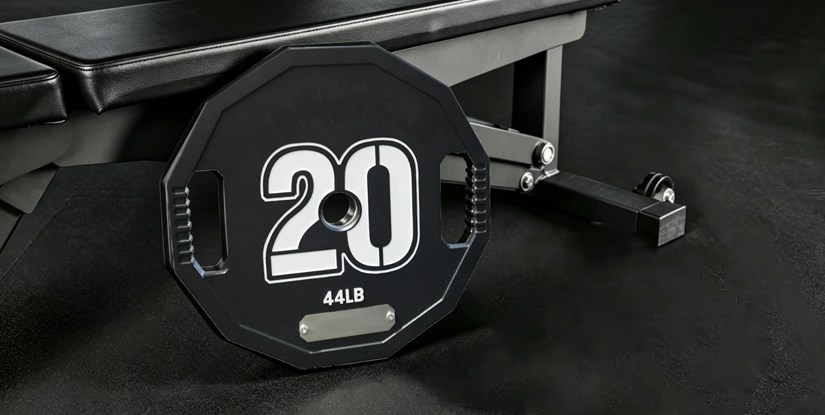
Successful cast iron plate OEM sourcing extends far beyond the casting mold; it requires a robust logistical framework to protect the landed cost and ensure product integrity upon arrival. For international distributors, the risk of damage during transit or discrepancies in weight can significantly erode profit margins. A professional China factory mitigates these risks by implementing standardized export protocols that cover everything from the final inspection to the final container loading.
Before any shipment leaves the facility, a rigorous pre-shipment inspection is mandatory. This involves a comprehensive check of the weight calibration to ensure every plate matches the specified tolerance, alongside a visual audit of the coating adhesion. We recommend that procurement leads request a detailed pre-shipment report that confirms the center bore dimensions and the structural integrity of the embossed branding area. This level of transparency ensures that the quality of your wholesale iron plates China order remains consistent from the factory floor to your local warehouse.
To optimize the landed cost, efficient export packaging is essential. For large-scale commercial weight plate manufacturing orders, plates are typically packed in reinforced, heavy-duty cartons or custom-built wooden crates designed to withstand the rigors of sea freight and container stacking. This prevents denting of the outer rim and protects the powder coating from abrasive contact during transit. When discussing MOQ and lead time with your supplier, always clarify the volumetric weight and the specific packaging dimensions to accurately calculate your shipping and warehousing requirements.
Managing the complexities of international sourcing requires clear communication regarding production cycles. Depending on the complexity of the OEM or ODM specifications—such as custom logo embossing or specialized color coatings—the lead time may vary. We advise distributors to plan procurement cycles well in advance to account for both manufacturing duration and global shipping windows. By coordinating closely with a reliable factory, you can ensure a steady supply chain that supports your inventory turnover and minimizes stock-out risks for your commercial clients.
China Factory QC and Pre-Shipment Inspection Protocols
For distributors and gym equipment importers, the primary risk in cast iron plate OEM sourcing is the high cost of returns due to inconsistent weight or poor surface finishes. Relying on a China factory that lacks rigorous inspection protocols can lead to massive losses in distributor margins. To mitigate these risks, professional procurement teams must demand standardized commercial weight plate manufacturing workflows that include multi-stage verification before any container loading.
A professional wholesale iron plates China supplier should implement a structured inspection checklist. This process moves beyond simple visual checks to ensure every batch meets the commercial durability requirements of high-traffic fitness centers. Effective QC focuses on three critical dimensions: material density, weight accuracy, and surface integrity.
Essential Inspection Points for Bulk Orders
When managing bulk orders, buyers should request a pre-shipment inspection report that covers specific technical tolerances. In commercial weight plate manufacturing, the most frequent failure points are uneven weight distribution and coating adhesion issues. A reliable factory will conduct the following checks to ensure the cast iron plate OEM products are ready for international export:
- Weight Tolerance Verification: Random sampling from the production line to ensure the weight deviation remains within the industry-standard range for commercial-grade plates.
- Surface Finish and Coating Adhesion: Testing the durability of the powder coating or paint to ensure it does not chip or peel under heavy usage, which protects the long-term TCO for the end-user.
- Bore and Concentricity Check: Ensuring the center hole is perfectly machined for a smooth fit on Olympic barbells, preventing uneven wear on the bar.
- Dimensional Accuracy: Verifying the thickness and diameter of the plates to ensure consistency across the entire wholesale batch.
By prioritizing these inspection protocols, importers can ensure that the landed cost of their shipment is not inflated by replacement claims or customer dissatisfaction. We recommend that all procurement leads confirm the specific QC documentation requirements during the initial sourcing phase to align expectations with the supplier.
Technical Specifications and Component Verification
Beyond standard weight checks, high-tier cast iron plate OEM production requires a granular focus on the structural integrity of the casting and the precision of the secondary machining. For large-scale wholesale iron plates China procurement, the difference between a budget unit and a commercial-grade plate lies in the refinement of the edge and the center bore. A failure in these technical details can result in high maintenance loads and poor barbell compatibility for your clients.
A professional factory must demonstrate control over the following technical variables to ensure the product meets the demands of professional training environments:
- Base Flatness and Concentricity: Ensuring the plate sits flush against the barbell sleeve without wobbling, which is critical for stability during heavy lifts.
- Logo Embossing Depth: Verifying that custom branding or weight markings are clearly defined through the sand casting process and remain legible after the powder coating application.
- Bore Machining Precision: Confirming the internal diameter is consistent to prevent friction-related wear on high-end barbell sleeves.
- Export Packaging Durability: Verifying that the export packaging—including palletization and corner protection—is sufficient to withstand long-haul sea freight and prevent impact damage during unloading.
We advise all procurement managers to request a sample for physical evaluation of the logo embossing and base flatness before finalizing a bulk order. Confirming these technical details during the sample approval stage significantly reduces the risk of receiving non-compliant inventory and protects your distributor margins.
OEM/ODM Capabilities and Export Packaging for Global Distributors
For international distributors and gym equipment importers, securing a reliable cast iron plate OEM partner is a strategic decision that impacts long-term brand equity and distributor margins. A professional China factory provides more than just bulk production; they offer the technical infrastructure necessary for high-volume commercial weight plate manufacturing, ensuring that every unit meets the rigorous density and dimensional standards required for professional strength facilities.
The scope of customization extends far beyond simple logo embossing. Professional OEM and ODM services allow buyers to specify precise surface treatments—ranging from standard powder coating to specialized textured finishes—and define exact weight tolerance bands to maintain product consistency across large shipments. For those managing high-volume wholesale iron plates China sourcing, the ability to integrate proprietary branding into the casting mold or via high-durability silk-screen printing is essential for building a recognized private label identity in competitive markets.
Beyond the manufacturing floor, logistics efficiency is a critical component of the total landed cost. A specialized factory must implement export-grade packaging protocols, utilizing reinforced heavy-duty pallets and moisture-resistant wrapping to protect the cast iron surfaces during long-haul ocean freight. This attention to detail in the packing process minimizes transit damage and ensures that the wholesale shipment arrives at your warehouse ready for immediate distribution or retail display.
To ensure maximum efficiency during the final stage of procurement, professional wholesale iron plates China suppliers prioritize palletization density and container loading optimization. High-volume distributors must account for the heavy nature of these goods; therefore, a capable factory utilizes heavy-duty, reinforced wooden pallets and high-strength corner protectors to prevent shifting during maritime transit. This structured approach to export packaging is essential for reducing the risk of surface abrasion and ensuring the integrity of the coating across long-distance shipping routes.
Effective logistics management directly influences the final landed cost for global importers. By optimizing the stackability and weight distribution of each unit, a professional supplier can maximize container utilization, effectively lowering the freight cost per unit. Whether you are managing a small-scale private label launch or a large-scale commercial facility rollout, coordinating with a China factory that offers precise weight tolerance verification and standardized palletization will protect your margins and ensure your inventory arrives in retail-ready condition.
To finalize your procurement planning, we recommend that professional buyers initiate contact to confirm current production lead times and specific MOQ requirements for custom projects. Whether you are seeking to validate technical specifications through a sample evaluation or require a formal factory audit to ensure long-term quality, our team is prepared to support your sourcing journey. Please reach out to request a detailed spec sheet, bulk pricing tiers, or to discuss your specific OEM branding requirements for your next shipment.