Selecting Cast Iron Gym Plates for High Traffic Classes
Evaluating Long-Term Value and Lifecycle Costs of Iron Weight Plates
Many procurement managers mistakenly focus solely on the unit price per kilogram, often overlooking the hidden costs of low-quality casting. A smarter sourcing strategy prioritizes cast iron gym plates with high structural integrity to avoid frequent replacements and logistical headaches caused by premature wear in high-traffic settings.
Calculating Total Cost of Ownership (TCO)
In high-intensity interval training (HIIT) or heavy lifting studios, the true cost of equipment extends far beyond the initial invoice. When sourcing for high-traffic settings, buyers must account for the frequency of replacement and the potential for damage to surrounding equipment. Lower-grade iron often suffers from surface chipping or dimensional inconsistencies, which can compromise commercial weight plate compatibility with premium barbells and collars.
Investing in high-density casting ensures long-term durability, reducing the need for inventory restocking and the associated shipping costs. By selecting plates that maintain consistent iron plate thickness standards, distributors and facility owners minimize maintenance cycles and protect their long-term ROI through extended product lifespans.
To determine the best return on investment, buyers should evaluate the trade-offs between standard finishes and specialized coatings. While standard iron offers a lower entry price, premium finishes often provide superior resistance to the environmental stressors found in commercial gym environments.
Comparison of Plate Finishes and Durability
| Plate Type | Maintenance Requirements | Typical Lifespan | Cost-Efficiency Profile |
|---|---|---|---|
| Standard Raw Cast Iron | Moderate (Requires rust prevention/cleaning) | Medium | Best for low-budget startup inventory |
| Painted/Powder Coated | Low (Occasional wipe-down) | High | Ideal for high-traffic class settings |
| Premium Rubberized/Urethane | Minimal (Protects floor and bar) | Very High | Highest upfront cost; lowest replacement rate |
When managing large-scale procurement, the choice depends on the facility's programming. For high-impact HIIT classes, the increased initial investment in coated or rubberized options often offsets the logistical costs of frequent shipping and restocking associated with standard iron plates. Selecting higher-spec finishes reduces the frequency of inventory turnover, providing a more stable long-term asset for distributors and gym operators.
Optimizing Sourcing and Logistics Strategies
Effective heavy duty gym equipment sourcing requires moving beyond simple price-per-unit comparisons to a model that accounts for volume and quality control (QC). For distributors, managing the MOQ (Minimum Order Quantity) is a critical lever for balancing inventory depth against capital expenditure. High-volume orders can significantly reduce unit costs, but only if the manufacturer adheres to strict iron plate thickness standards to ensure uniform weight distribution across the entire shipment.
To mitigate the risk of receiving substandard batches, implement a rigorous QC protocol that checks for dimensional accuracy and surface uniformity before the product leaves the factory. Furthermore, logistics optimization is essential for large-scale orders; coordinating with manufacturers who offer palletized, reinforced packaging helps prevent transit damage and reduces the frequency of replacement shipments. By integrating these procurement safeguards, facility managers can secure a reliable supply chain that minimizes both unexpected downtime and long-term operational overhead.
Optimizing Equipment Compatibility for High-Intensity Group Training
In high-traffic environments like boutique studios or HIIT studios, the physical integrity of your inventory is directly tied to commercial weight plate compatibility. When instructors move rapidly between exercises, any deviation in plate geometry can lead to uneven loading or bar instability. This is why sourcing must prioritize precision casting over generic manufacturing to ensure every unit fits standard Olympic bars and specialized training rigs seamlessly.
Standardization is not just about the center hole diameter; it involves strict dimensional tolerances across the entire plate surface. High-intensity interval training (HIIT) sessions often involve rapid plate transitions and high-impact movements. If cast iron gym plates lack consistent thickness or surface flatness, they can create friction issues or uneven weight distribution, increasing the wear on expensive barbells and storage racks.
| Procurement Focus | Standard Cast Iron | Precision-Cast Commercial Grade |
|---|---|---|
| Dimensional Tolerance | Variable/Loose | Strict/Consistent |
| Equipment Fit | Occasional Friction | Smooth Transitions |
| Best Use Case | Home/Light Commercial | High-Traffic HIIT/Classes |
| Long-term ROI | Moderate (Higher Wear) | High (Reduced Maintenance) |
For distributors and facility managers, prioritizing manufacturers that emphasize precision casting reduces the total cost of ownership. While standard iron may offer a lower initial MOQ cost, the long-term stability of your equipment ecosystem depends on the dimensional accuracy of every plate in your inventory.
Technical Standards for Durability and Surface Integrity
Beyond dimensional accuracy, the long-term ROI of your inventory is heavily dictated by the quality of the surface treatment. In high-volume settings, constant movement and impact can lead to oxidation or chipping if the casting process is substandard. Buyers must evaluate iron plate thickness standards alongside finish durability to prevent premature degradation and rust-related maintenance cycles.
The following comparison highlights how different finishes impact the lifespan of your equipment in high-intensity environments. Choosing between a basic finish and a specialized coating involves a direct durability vs. cost trade-off that affects your long-term replacement frequency.
| Finish Type | Surface Characteristics | Maintenance Requirement | Commercial Suitability |
|---|---|---|---|
| Raw/Natural Cast | Basic, prone to oxidation | High (requires periodic cleaning) | Low-traffic/Budget settings |
| Powder Coated | Smooth, corrosion-resistant | Low (easy to wipe down) | Standard HIIT/Boutique Studios |
| Electrostatic/Premium | High-density, impact-resistant | Minimal (maximum protection) | High-traffic/Tier-1 Facilities |
When sourcing heavy duty gym equipment, remember that a thicker, more uniform casting provides a better foundation for these coatings. A plate that meets strict thickness standards will not only resist warping under heavy loads but also provide a more stable surface for the protective layers that prevent rust, ensuring your inventory remains professional in appearance for years.
Logistics and Quality Control in Bulk Procurement
Effective heavy duty gym equipment sourcing requires looking beyond the unit price to the structural integrity of the entire shipment. For distributors managing large-scale facility rollouts, the risk of receiving non-uniform batches can disrupt installation timelines and increase labor costs. Implementing a rigorous quality control (QC) protocol is essential to ensure that every shipment meets your specific dimensional consistency requirements before leaving the factory floor.
When negotiating with manufacturers, consider how shipping weight optimization and MOQ considerations impact your landed cost. While high MOQs often unlock better economies of scale, they also increase the complexity of inventory management and transit risks. A professional supplier should offer transparent data regarding weight tolerances and standardized packaging to ensure that the weight of the cast iron gym plates remains consistent across various weight denominations, preventing discrepancies during high-volume inventory audits.
Standardizing Iron Plate Thickness for Rapid Class Transitions
In high-intensity interval training (HIIT) or group strength settings, the speed of equipment reconfiguration dictates the flow of a session. Maintaining strict iron plate thickness standards ensures that weight increments remain predictable and uniform across your entire inventory. When thickness varies between batches or brands, it creates friction during rapid class transitions, forcing instructors to spend valuable time adjusting loads rather than coaching.
True commercial weight plate compatibility extends beyond the center hole diameter; it requires consistent profile depth to ensure seamless stacking on bars and specialized racks. For facility managers, prioritizing standardized cast iron gym plates is a strategic move to optimize facility layout efficiency. Uniform thickness prevents uneven weight distribution on bars, which protects both the equipment lifespan and the safety of the end-user during high-velocity movements.
Procurement decisions should account for the trade-off between precision casting and standard production. While standard casting is cost-effective for high-volume distribution, precision-molded profiles offer superior space optimization by reducing the total footprint on barbell sleeves. Choosing the right profile directly impacts your long-term maintenance frequency and the total cost of ownership (TCO) for your facility.
| Profile Type | Thickness Profile | Primary Use Case | Maintenance Level |
|---|---|---|---|
| Standard Casting | Variable/Thicker | General Strength & Basic HIIT | Moderate (Requires regular inspection) |
| Precision Casting | Uniform/Slimmer | High-Traffic Classes & Specialized Training | Low (Higher durability & stability) |
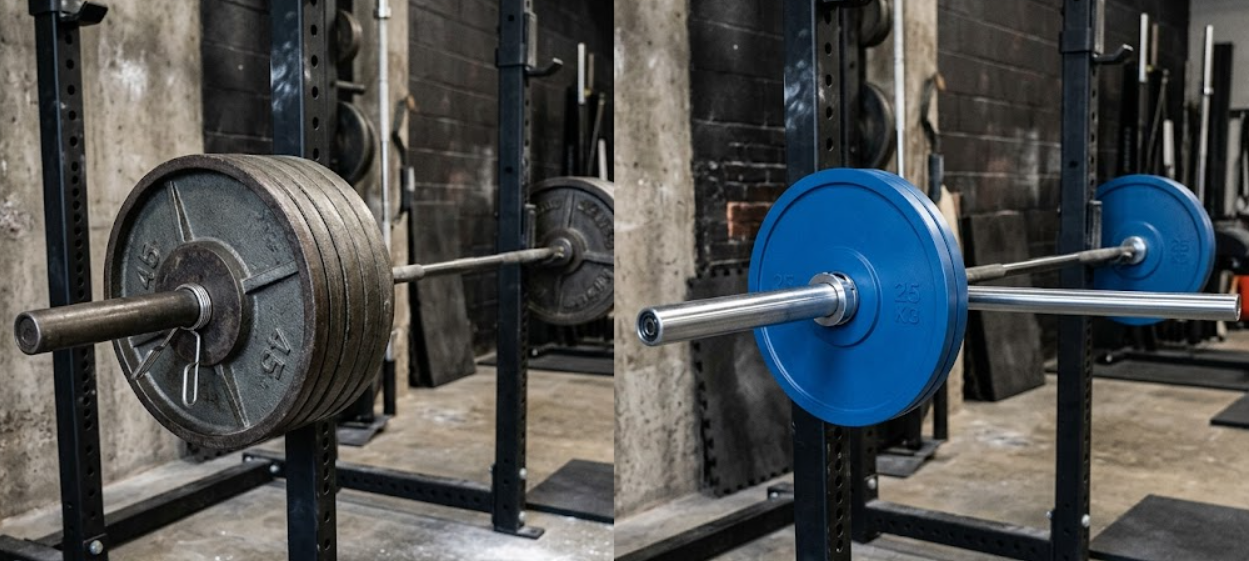
For distributors managing large-scale inventory, the slimmer profile of precision-cast options allows for more weight per barbell, which is critical in space-constrained boutique studios. While standard options may offer a lower initial MOQ cost, precision-engineered thickness reduces the likelihood of uneven wear, ultimately lowering the frequency of replacement and logistical overhead for heavy duty gym equipment sourcing.
Optimizing Long-Term ROI Through Rigorous QC
For distributors and large-scale facility managers, the true cost of procurement is rarely found in the initial invoice but in the long-term maintenance cycle. Successful heavy duty gym equipment sourcing requires moving beyond surface-level aesthetics to focus on structural integrity and dimensional tolerance. Inconsistent casting leads to uneven weight distribution and premature surface degradation, which increases the frequency of replacement cycles and complicates inventory management.
A robust QC inspection protocol is essential to safeguard your total cost of ownership (TCO). When sourcing cast iron gym plates at scale, verify that the manufacturer implements strict tolerances for both diameter and center-hole concentricity. Minor deviations in thickness or shape may seem negligible during a single shipment, but in high-traffic class environments, these discrepancies lead to uneven barbell loading and increased wear on equipment sleeves. By prioritizing high-precision manufacturing over the lowest possible unit price, buyers minimize the long-term maintenance burden and ensure a more predictable lifecycle for their entire strength inventory.
Optimizing Facility Footprint with High-Density Loading
In high-traffic environments like boutique HIIT studios or commercial training centers, floor space is a premium asset. Efficiently managing your facility layout requires a strategic approach to how equipment is stored and utilized during intense programming cycles.
The Impact of Plate Profile on Space Optimization
Selecting the right cast iron gym plates directly influences your ability to maximize usable square footage. For procurement managers, the primary concern is the relationship between plate thickness and barbell capacity. Thinner, high-density profiles allow for more weight to be loaded onto a single barbell without exhausting the sleeve capacity, which is critical for strength-focused classes.
Furthermore, ensuring strict commercial weight plate compatibility prevents wasted space caused by mismatched diameters or excessive thickness that prevents smooth transitions during fast-paced movements. When sourcing for high-volume facilities, prioritize standardized dimensions that facilitate organized vertical storage and streamlined equipment transitions, ensuring your floor plan remains functional and unobstructed.
Density and Storage Configuration Comparison
Effective inventory management depends on understanding the trade-offs between weight density and the physical storage footprint. Buyers must evaluate whether their facility layout favors vertical rack systems or horizontal plate trees, as this dictates the long-term organization of the weight room.
| Configuration Type | Primary Advantage | Typical Footprint | Best Use Case |
|---|---|---|---|
| Vertical Plate Trees | Minimal floor area usage | Small/Compact | Boutique HIIT studios & limited space |
| Horizontal Plate Racks | Easier access for high-speed transitions | Extended/Linear | Strength gyms & heavy lifting zones |
| Wall-Mounted Racks | Zero floor obstruction | Minimal/Vertical | Multi-purpose training functional zones |
When evaluating iron plate thickness standards, consider how the profile affects barbell sleeve compatibility. While high-density thin plates maximize the number of plates per sleeve, they require precise manufacturing tolerances to ensure they do not slip or tilt during high-intensity movement. For distributors, sourcing plates with consistent edge profiles is essential to prevent uneven loading and to ensure that storage solutions—whether vertical or horizontal—remain stable under heavy weight loads.
Logistics and Bulk Procurement Planning
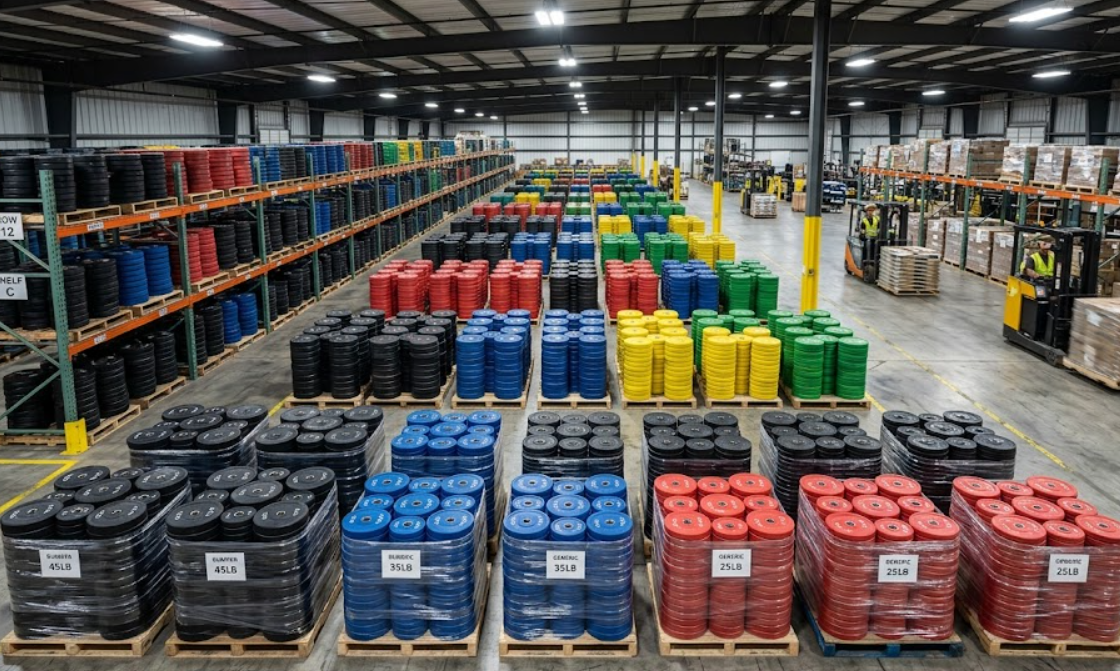
Managing large-scale orders requires a shift from retail thinking to professional heavy duty gym equipment sourcing. For distributors and facility owners, the complexity of logistics often stems from the sheer weight and volume of cast iron gym plates. When planning a rollout, you must account for the significant warehouse footprint required to house incoming shipments before they reach the gym floor.
To optimize your supply chain, look for manufacturers that offer clear MOQ (Minimum Order Quantity) structures that align with your bulk procurement cycles. Efficient inventory management is not just about stock levels; it is about coordinating shipping schedules to prevent bottlenecks in your receiving area. Selecting a supplier with established export-grade packaging and reliable freight consolidation can significantly reduce the risk of damage and unexpected handling costs during transit, ensuring your capital is tied up in usable equipment rather than shipping delays.
Quality Control Benchmarks for Bulk Cast Iron Shipments
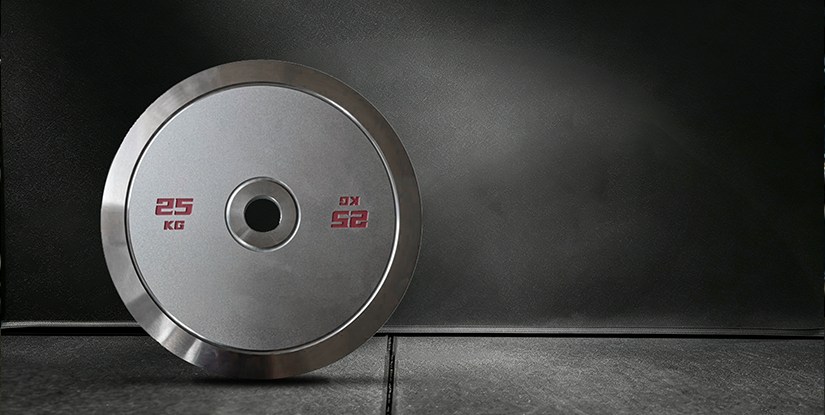
High-traffic commercial environments demand strict adherence to physical specifications to ensure seamless operation. For distributors and facility managers, the primary risk involves receiving batches that fail to meet iron plate thickness standards, leading to uneven weight distribution or barbell imbalance during high-intensity intervals.
Precision in Dimensional Tolerance
Reliable sourcing requires verifying the dimensional tolerance of every unit within a shipment. Inconsistent casting can lead to variations in edge thickness, which compromises commercial weight plate compatibility when stacking multiple plates on a single barbell sleeve. A professional-grade cast iron gym plates order must maintain a consistent center hole diameter to prevent wobbling or excessive play on standard 2-inch Olympic bars. Without strict quality control on these tolerances, high-volume class settings face increased wear on both the plates and the premium barbell sleeves they inhabit.
Evaluating Casting Methods for High-Impact Longevity
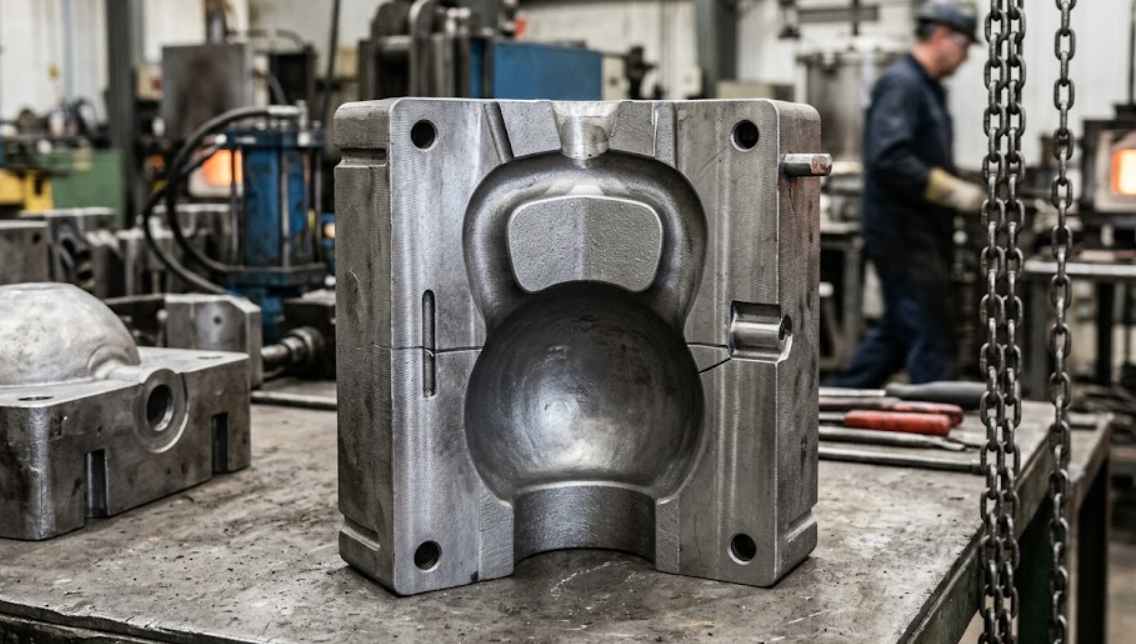
When sourcing for HIIT-focused studios or large-scale commercial facilities, the method of production directly dictates the lifecycle of the inventory. Buyers must distinguish between standard sand casting and higher-end precision options to balance initial procurement costs with long-term maintenance requirements. A lower-quality casting method may result in surface pitting or brittle edges that degrade under the repetitive impact typical of high-intensity training.
| Casting Method | Surface Finish Quality | Edge Durability | HIIT/High-Traffic Suitability |
|---|---|---|---|
| Sand Casting | Textured/Grainy | Moderate (Prone to chipping) | Standard Strength Training |
| Precision Casting | Smooth/Uniform | High (Resilient to impact) | High-Intensity/Group Classes |
For distributors managing large-scale shipments, opting for precision casting offers a better total cost of ownership (TCO). While the initial unit price may be higher, the increased edge resilience reduces the frequency of replacement cycles in environments where weight plates are frequently dropped or moved rapidly during circuit training.
Logistics and Weight Verification Protocols
Successful heavy duty gym equipment sourcing extends beyond the factory floor and into the rigorous inspection of incoming freight. Procurement managers must implement a strict bulk shipment inspection protocol to mitigate the risk of weight discrepancies. A standard benchmark for professional cast iron gym plates is a weight tolerance of +/- 1-2%. Deviations beyond this threshold can disrupt programmed loading for group classes and lead to uneven barbell balancing, which creates liability concerns in a commercial setting.
Beyond individual unit accuracy, packaging durability is a critical variable during transit. High-density stacking and long-distance shipping can cause structural stress on the outer layers of a shipment. Ensure your supplier utilizes reinforced, moisture-resistant packaging to prevent oxidation and physical deformation. Finally, when negotiating MOQ considerations, verify that the minimum order quantity does not compromise the ability to perform randomized weight checks on individual pallets. A robust inspection process ensures that the inventory arriving at your facility is ready for immediate, high-performance deployment.
Logistics and Inventory Planning for Fitness Distributors
Optimizing the procurement of cast iron gym plates requires a strategic shift from looking at unit price to evaluating the total cost of ownership. For distributors and large-scale facility managers, the relationship between bulk procurement and long-term durability determines the actual ROI of a shipment.
Balancing Initial Investment vs. Replacement Cycles
While lower-tier manufacturing might offer a reduced upfront cost, high-traffic environments demand high-traffic durability to prevent premature cracking or uneven wear. Investing in premium-grade cast iron gym plates ensures better commercial weight plate compatibility with standard Olympic bars and high-impact movement patterns found in HIIT and strength classes. A slightly higher initial investment often yields a more favorable replacement cycle, as superior casting quality reduces the frequency of inventory replenishment and minimizes logistical disruptions caused by damaged or substandard units.
| Procurement Strategy | Primary Benefit | Long-term TCO Impact |
|---|---|---|
| Low-MOQ Spot Buying | Minimal upfront capital | Higher replacement frequency due to wear |
| Bulk Volume Sourcing | Reduced unit cost per kg | Stable inventory for high-traffic settings |
| Premium Grade Focus | Maximum durability | Lowest long-term maintenance and swap-out costs |
Sourcing Model Comparison: Factory Direct vs. Local Wholesaler
Distributors must weigh the immediate availability of stock against the long-term margins gained through direct manufacturing. Choosing between a local supplier and direct factory sourcing involves a calculated trade-off between shipping lead times and the control over iron plate thickness standards. While local options mitigate immediate logistical risks, direct procurement offers the scale necessary for high-volume facility rollouts.
| Sourcing Model | Typical MOQ | Lead Time | Unit Cost Impact | QC Oversight |
|---|---|---|---|---|
| Direct Factory | High (Pallet/Container) | Extended (Sea Freight) | Lowest (Bulk Discount) | High (Direct Inspection) |
| Local Wholesaler | Low (Single Box/Case) | Short (Ground Freight) | Moderate (Markup) | Limited (Third-party) |
| Regional Distributor | Medium (Tiered) | Moderate (LTL/Trucking) | Standardized | Moderate (Standardized) |
For heavy duty gym equipment sourcing, direct factory models are ideal for seasonal inventory building, whereas local wholesalers serve best for rapid-response replenishment during unexpected demand spikes.
Optimizing Shipping Volume and Weight Distribution
Efficient heavy duty gym equipment sourcing requires a deep understanding of how physical dimensions affect freight costs. Buyers should prioritize standardized iron plate thickness standards to ensure consistent density across different weight denominations. When thickness is unevenly manufactured, it creates unpredictable weight distribution, often leading to inefficient pallet stacking and increased shipping volume.
To maximize profitability, procurement managers should coordinate with manufacturers to optimize container loading through precise pallet configurations. By aligning weight distribution and plate dimensions, distributors can reduce the number of "dead air" gaps in a sea container, effectively lowering the landed cost per kilogram. High inventory turnover is best maintained when shipments are standardized, allowing for predictable warehouse slotting and rapid deployment to high-traffic fitness facilities.