Cast Iron Weight Plates vs Bumper Plates: China Source
Cast Iron Weight Plates vs Bumper Plates: Commercial Utility and Sourcing
Distinguishing between cast iron weight plates vs bumper plates is a critical baseline for optimizing procurement ROI and facility longevity. Many importers fail by over-investing in high-impact bumpers for traditional strength zones or purchasing brittle iron for high-impact areas, leading to premature replacement costs. A strategic approach involves matching the specific material density to the intended facility type while leveraging wholesale volume to minimize the landed cost.
The commercial utility of each material depends heavily on the training environment. For traditional bodybuilding or powerlifting centers, the compact footprint and high density of iron provide superior space efficiency and stability. Conversely, for functional fitness or CrossFit-style studios, high-durability rubberized plates are essential to protect flooring and equipment. When managing gym equipment sourcing China, procurement leads must balance these durability requirements against the total cost of ownership to ensure long-term profitability.
Selecting the right specification through a professional commercial bumper plates supplier ensures that your inventory matches your members' training styles. Whether you are scaling a boutique studio or a large-scale training center, understanding the mechanical differences between these two standards prevents the common pitfall of high maintenance overhead and frequent equipment turnover.
Technical Comparison for Procurement and Inventory Planning
To streamline your decision-making process, the following table evaluates the technical and economic variables of cast iron weight plates vs bumper plates. This comparison focuses on the operational impact of each material type, helping distributors and facility owners determine the most efficient allocation of capital during a bulk order.
| Feature/Metric | Cast Iron Plates | Bumper Plates (Rubber/Urethane) |
|---|---|---|
| Primary Use Case | Bodybuilding, Powerlifting, Traditional Strength | CrossFit, Olympic Lifting, Functional Fitness |
| Durability Profile | High density; risk of cracking under extreme impact | High impact resistance; designed for floor drops |
| Footprint Efficiency | Superior; compact thickness allows more weight on bars | Lower; thicker profile limits total weight capacity |
| Maintenance Load | Low; requires occasional surface rust prevention | Moderate; requires monitoring for edge wear/tears |
| Typical Price Point | Lower; ideal for high-volume, budget-conscious builds | Higher; premium cost for specialized impact protection |
| Sourcing Optimization | Best for wholesale cast iron weight plates orders | Best for specialized high-performance studio setups |
When evaluating your next shipment, consider that while iron offers a lower initial outlay, the long-term durability of bumper plates in high-impact zones can reduce replacement frequency. Professional buyers should consult with their commercial bumper plates supplier to confirm specific tolerances and material density before finalizing any bulk purchase. We recommend requesting a technical spec sheet to verify weight accuracy and edge construction to ensure your landed cost remains optimized against the expected equipment lifespan.
Logistics and Global Sourcing Strategy
Beyond material selection, the physical properties of cast iron weight plates vs bumper plates directly dictate your shipping and warehousing efficiency. For high-volume distributors, the weight-to-volume ratio is a decisive factor in calculating landed costs. Cast iron plates, being significantly thinner, allow for much higher density per container, effectively reducing the shipping cost per kilogram. This makes them a highly efficient choice for long-distance ocean freight when maximizing container utilization is a priority for your procurement budget.
Conversely, the larger volume of bumper plates can lead to higher dimensional weight charges, which must be accounted for in your total TCO. To mitigate these logistical complexities, working with a direct factory allows for better coordination of export packaging and container loading optimization. A professional China factory can provide customized palletizing or specialized crate configurations to ensure that high-density iron or high-volume rubber plates arrive without damage, maintaining the integrity of your shipment from the production line to your warehouse.
To ensure long-term reliability, we advise all procurement leads to implement a strict QC protocol during the sourcing process. Whether you are ordering high-density iron or impact-resistant rubber, requesting a pre-shipment inspection is essential to verify weight tolerances and surface finish quality. By aligning your technical requirements with a reliable supplier, you can streamline your lead time and ensure that every bulk order meets the rigorous standards of the international commercial fitness market.
Operational Impact: Choosing the Right Plate Type for Facility Layout
When managing high-volume procurement for international distributors or large-scale gym installations, the decision between cast iron weight plates vs bumper plates dictates both the long-term footprint and the initial capital expenditure. Sourcing directly from a China factory allows importers to balance these variables by selecting materials that align with specific facility requirements, whether the goal is high-density storage or heavy-duty impact resistance.
Selecting the wrong specification can lead to significant logistical inefficiencies. For instance, choosing wholesale cast iron weight plates offers superior space efficiency due to their thinner profile, which is ideal for maximizing vertical storage in compact commercial environments. However, the cost-per-kg and the potential for floor damage must be weighed against the durability of rubberized alternatives. Conversely, a commercial bumper plates supplier provides high-impact solutions that protect flooring and equipment, though they require more substantial storage volume. For professional gym equipment sourcing China, understanding these trade-offs is essential to optimizing the landed cost and ensuring the commercial utility of the entire shipment.
Technical Comparison: Physical Dimensions and Commercial Application
To assist procurement officers in calculating total volume requirements and storage density, the following technical comparison outlines the fundamental differences in thickness and durability. This data is critical when planning container loading and warehouse space for large-scale shipments.
| Specification Metric | Cast Iron Plates | Bumper Plates |
|---|---|---|
| Typical Thickness | Slim / High-density profile | Thicker / High-volume profile |
| Diameter Standard | Standard 450mm (approx.) | Standard 450mm (approx.) |
| Impact Durability | Low (Requires floor protection) | High (Designed for dropped loads) |
| Space Optimization | Superior (High weight-to-volume) | Moderate (Requires more storage area) |
| Primary Use Case | Strength training / Fixed machines | Olympic lifting / Dynamic movements |
| Procurement Focus | Cost-efficiency / Compact storage | Durability / Floor preservation |
When evaluating cast iron weight plates vs bumper plates, procurement teams must decide if the priority is minimizing the physical footprint or maximizing the lifespan of the facility flooring. A professional commercial bumper plates supplier will often recommend rubberized options for high-impact zones to reduce long-term maintenance costs, whereas wholesale cast iron weight plates remain the standard for maximizing weight capacity within limited rack space. For effective gym equipment sourcing China, we recommend requesting a detailed spec sheet to confirm exact thickness tolerances before finalizing your bulk order.
Optimizing the landed cost requires a deep understanding of how these physical properties influence shipping volume and long-term facility maintenance. For distributors managing large-scale projects, the thickness of the plates directly impacts the number of units that can fit within a standard 40ft high-cube container. While thinner iron plates allow for a higher density of weight per shipment, the lack of inherent shock absorption necessitates a secondary investment in specialized floor protection to prevent structural damage to the facility.
In high-intensity training environments, the choice between cast iron weight plates vs bumper plates becomes a matter of operational longevity. Relying solely on iron in heavy-drop zones can lead to increased maintenance cycles and potential flooring failure, which offsets the initial savings of a lower purchase price. To mitigate these risks, many professional buyers utilize gym equipment sourcing China to develop a hybrid inventory. By combining high-density iron for stationary strength stations with high-durability rubber for lifting platforms, importers can optimize both their storage footprint and their long-term equipment replacement cycles. We suggest confirming the specific density and shore hardness for rubberized options with your supplier to ensure they meet your local commercial standards before proceeding with a bulk order.
Total Cost of Ownership: Comparing Long-Term Maintenance and Durability
When calculating the total cost of ownership, professional buyers must look beyond the initial purchase price and consider the long-term replacement cycles of their inventory. Choosing between cast iron weight plates vs bumper plates involves a strategic trade-off between low upfront capital expenditure and long-term operational durability. For distributors and gym owners, understanding how material density affects equipment longevity is critical for maintaining high margins and minimizing maintenance downtime.
Selecting the wrong material can lead to frequent replacement frequency, which increases the landed cost per usable year of service. While high-quality rubberized options offer better impact absorption, precision-engineered iron units provide unmatched density and longevity in specific training environments. When wholesale cast iron weight plates are sourced directly from a China factory, the ability to control metallurgical consistency ensures that the durability meets the rigorous demands of high-traffic commercial facilities.
| Procurement Metric | Cast Iron Plate Profile | Bumper Plate Profile |
|---|---|---|
| Initial Capex | Lower per unit cost | Higher per unit cost |
| Primary Use Case | Strength/Powerlifting | Olympic/High-Impact |
| Durability Factor | High density/Minimal wear | Impact absorption/Surface wear |
| Replacement Cycle | Extended in stable environments | Depends on impact frequency |
| Storage Efficiency | Slim profile/Compact footprint | Thicker profile/Requires more space |
Evaluating the cast iron weight plates vs bumper plates dilemma requires a deep dive into your facility's specific training volume and floor-load capacity. A commercial bumper plates supplier can offer various shore hardness levels to optimize durability, but for heavy-duty strength zones, iron remains a standard for long-term ROI. To ensure your procurement strategy aligns with your budget and durability requirements, we recommend requesting a detailed spec sheet or a sample approval to verify the material density and finish quality before finalizing your bulk order.
Technical Maintenance and Surface Integrity
The technical distinction between cast iron weight plates vs bumper plates extends to the long-term maintenance load placed on your facility staff. Iron plates, when produced by a professional commercial bumper plates supplier, typically feature a high-grade powder coating or paint finish that resists oxidation and chipping under standard lifting conditions. This reduces the need for frequent resurfacing or replacement due to rust, which is a vital consideration for long-term asset management in high-humidity or high-traffic environments.
Conversely, rubberized surfaces are subject to different wear patterns, such as surface cracking or material degradation from repeated high-velocity impacts. When managing gym equipment sourcing China, it is essential to verify the shore hardness and density specifications to ensure the product can withstand the intended commercial usage without premature structural failure. For buyers focused on minimizing operational expenses, the choice depends on whether your facility prioritizes the slim, high-density profile of iron or the impact-dampening properties of rubber.
Optimizing Logistics and Landed Cost Through Quality Control
Beyond material durability, the logistical complexity of gym equipment sourcing China requires a focus on weight-to-volume ratios to manage the total landed cost effectively. Cast iron plates offer a significant advantage in shipping density, allowing for more weight per container volume compared to the thicker profiles of bumper plates. For distributors managing large-scale inventory, this density can lead to lower freight costs per kilogram, provided that the weight tolerances are strictly controlled. A reliable supplier must ensure that precision casting is utilized to prevent discrepancies between declared weight and actual weight, which can disrupt customs clearance and budget forecasting.
To mitigate the risks associated with high-volume international shipments, integrating rigorous QC standards at the factory level is non-negotiable. When ordering wholesale cast iron weight plates, procurement leads should mandate pre-shipment inspections that focus on coating adhesion, dimensional accuracy, and weight consistency. High-quality export packaging is also essential to prevent surface damage or oxidation during long-sea transit. By establishing clear protocols for weight tolerance and packaging durability with your factory, you can ensure that your bulk shipment arrives in a condition that meets commercial-grade standards, protecting your distributor margins and ensuring long-term ROI for your end clients.
Sourcing Strategies: China Factory Production and MOQ Requirements
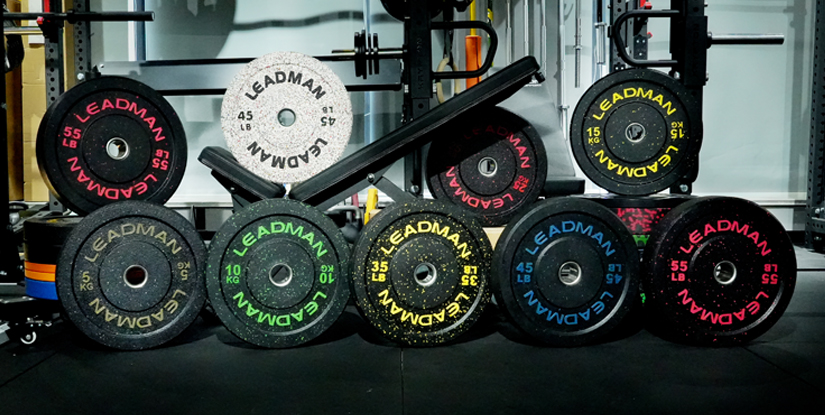
Effective procurement planning requires understanding the logistical divergence between cast iron weight plates vs bumper plates during bulk sourcing. While cast iron offers high shipping density, reducing the number of containers needed for heavy loads, bumper plates occupy significantly more volume per kilogram. For distributors, calculating the landed cost involves balancing the high weight-to-volume ratio of iron against the bulkier dimensions of rubberized plates.
When managing wholesale cast iron weight plates orders, container optimization is the primary driver of profitability. Because iron is extremely dense, a single 40ft HC container reaches weight limits long before volume limits. Conversely, a commercial bumper plates supplier must account for the increased volumetric weight that can inflate freight expenses. Optimizing your China factory sourcing strategy requires a mixed-load approach to ensure you are not paying for empty air in a container while simultaneously managing the heavy-duty MOQ requirements of a professional factory.
Navigating the complexities of production cycles is essential for maintaining inventory stability. A professional commercial bumper plates supplier typically operates on varying production timelines depending on the material complexity and custom requirements. While standard iron production is relatively straightforward, high-grade urethane or specialized rubber coatings for bumper plates may extend the lead time. For large-scale distributors, failing to account for these cycles can lead to stockouts during peak procurement seasons.
Managing Production Cycles and Customization
To maintain high margins, procurement leads should evaluate the capacity for OEM and ODM services during the initial sourcing phase. Engaging directly with a China factory allows for greater control over technical specifications, such as center hole diameters or custom color schemes for branded weight sets. Whether you are requesting a specific texture for your wholesale cast iron weight plates or a unique density for bumper plates, early integration with the factory ensures that QC protocols are aligned with your brand standards.
Strict QC and pre-shipment inspections are non-negotiable when managing the cast iron weight plates vs bumper plates procurement split. Because iron can suffer from surface pitting and bumper plates can exhibit dimensional variances, a supplier must provide documented testing results. To mitigate risks, we recommend scheduling a formal factory audit or requesting a sample approval before finalizing high-volume orders. This ensures that the export packaging is robust enough to handle the heavy-duty wholesale shipments, protecting your investment from transit damage and ensuring a predictable landed cost.
Comparison of Sourcing Variables: Cast Iron vs Bumper Plates
For procurement managers, the decision between cast iron weight plates vs bumper plates extends beyond material durability into the realm of supply chain efficiency. A strategic comparison of procurement variables helps in predicting long-term inventory costs and container utilization.
| Sourcing Variable | Cast Iron Plates | Bumper Plates |
|---|---|---|
| Typical MOQ | Lower per SKU due to standardized casting processes | Higher for specialized rubber/urethane coatings |
| Average Lead Time | Short to moderate; faster production cycles | Moderate to long; depends on material availability |
| Shipping Density | High density; optimizes weight-to-volume ratio | Lower density; increases volumetric weight impact |
| OEM/ODM Capability | High; ideal for custom branding and logo relief | High; ideal for custom colors and material density |
| Packaging Requirement | Heavy-duty reinforced pallets for weight stability | Protective wrapping to prevent rubber deformation |
When evaluating a commercial bumper plates supplier, it is vital to confirm if the factory can provide consistent dimensional tolerances across different weight increments. Discrepancies in thickness or diameter can disrupt your sourcing strategy and impact the perceived quality of your brand. We suggest requesting a detailed specification sheet and confirming the MOQ for any private label or custom branding projects to ensure alignment with your distributor margins and export timelines.
Customization and Branding: OEM/ODM Capabilities for Global Distributors
Distributors often face the challenge of generic product lines that fail to build long-term market authority. When sourcing cast iron weight plates vs bumper plates, the ability to move beyond standard stock is a critical lever for product differentiation. Relying solely on off-the-shelf inventory limits your ability to capture premium segments that demand specific aesthetics or unique weight increments.
By leveraging advanced China factory capabilities, importers can transition from mere resellers to established brand owners. Utilizing OEM or ODM services allows you to integrate custom branding directly into the manufacturing process. This includes precision laser-etched logos, specialized color coatings, or unique plate shapes that align with your brand identity. Such customization is not merely cosmetic; it is a strategic tool to increase distributor margin by offering a proprietary product line that cannot be easily price-compared with generic commodities.
Whether you are building a high-end strength equipment line or a specialized functional training collection, working with a professional supplier ensures your specifications meet international commercial standards. From unique diameter tolerances to custom packaging, these technical customizations help you establish a professional presence in your local market while maintaining a competitive landed cost through direct sourcing.
Technical Specifications for Private Label Manufacturing
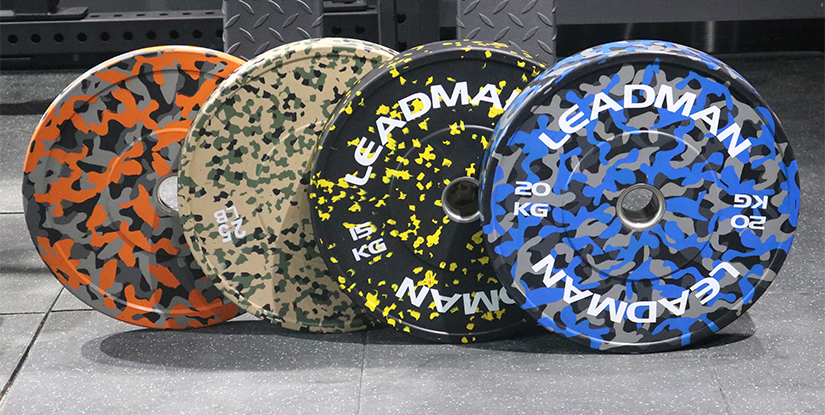
Precision in customization is what separates a high-end commercial collection from basic gym inventory. When deciding between cast iron weight plates vs bumper plates for your private label, you must define specific technical parameters that ensure brand consistency. For iron-based products, this often involves selecting specialized finishes such as high-gloss powder coating or textured matte finishes to prevent oxidation and enhance durability. For rubberized bumper options, customization may extend to the density of the core or the specific color of the outer coating, allowing you to offer a signature look that differentiates your catalog from generic competitors.
Beyond aesthetics, professional wholesale cast iron weight plates and bumper plate production requires strict adherence to branding requirements like logo embossing or precision laser engraving. A reliable commercial bumper plates supplier will offer various methods to ensure your logo remains legible and intact despite heavy usage and impact. Whether you require a recessed area for a raised metal logo or a flush-mount print, these details are essential for building a premium brand perception. High-tier distributors use these options to justify higher price points and secure long-term contracts with premium fitness facilities.
To ensure a seamless transition from design to container loading, we maintain rigorous QC standards throughout the production cycle. This includes multi-stage weight verification and tolerance testing to ensure every unit meets your exact specifications before export. Our logistics process is optimized for international shipping, utilizing reinforced export packaging to prevent damage during sea freight. We provide transparent lead time estimates and manageable MOQ tiers to help you balance inventory turnover with market demand. By coordinating directly with our factory, you can align your branding, packaging, and shipping schedules to optimize your total landed cost and maximize your distributor margins.
Quality Control and Export Standards for Bulk Weight Plate Orders
When managing high-volume cast iron weight plates vs bumper plates procurement, the margin for error in material density and weight accuracy is slim. For professional importers, a lack of rigorous factory QC leads to uneven weight distribution and premature wear, directly increasing your long-term maintenance costs and replacement frequency. Relying on a commercial bumper plates supplier that lacks standardized testing protocols can result in significant landed cost increases due to defective batches and shipping weight discrepancies.
To ensure long-term commercial durability, a professional China factory must implement strict oversight across the entire production lifecycle. This includes verifying material consistency in the iron or rubber compounds and maintaining a tight weight tolerance—typically within industry-standard margins—to ensure every unit in a bulk order meets the exact specifications required for commercial use. Without these quality control standards, distributors risk reputation damage and high return rates. Effective gym equipment sourcing China requires verifying that the supplier utilizes automated calibration and multi-stage inspections to guarantee that cast iron weight plates vs bumper plates arrive at your facility ready for heavy-duty commercial application.
Technical Inspection Benchmarks for Bulk Procurement
Professional buyers must look beyond basic visual checks to validate the technical integrity of their shipment. When evaluating cast iron weight plates vs bumper plates, the inspection criteria should focus on the precision of the manufacturing process to protect your distributor margins. A reliable commercial bumper plates supplier will provide detailed documentation regarding the mechanical properties and dimensional stability of each product line.
| Inspection Parameter | Cast Iron Specification Focus | Bumper Plate Specification Focus | B2B Procurement Importance |
|---|---|---|---|
| Weight Accuracy | Density consistency and mold precision | Homogeneous rubber density and core weight | Prevents disputes over landed cost |
| Thickness Tolerance | Edge uniformity for easy loading | Compression stability under heavy load | Ensures compatibility with barbell sleeves |
| Coating Durability | Powder coating adhesion and rust resistance | High-grade EPDM or virgin rubber resilience | Reduces long-term maintenance cycles |
| Packaging Strength | Reinforced palletizing for heavy metal density | Protective layering to prevent deformation | Minimizes transit damage and insurance claims |
Successful wholesale cast iron weight plates sourcing depends on verifying these specific metrics before the container is sealed. We recommend that importers request a detailed specification sheet and a sample approval process to confirm that the wholesale batch meets your local commercial standards. Once you confirm the MOQ and the specific factory testing results, you can proceed with confidence in your bulk order logistics.
Beyond technical precision, the logistics of gym equipment sourcing China demand specialized expertise in export-grade protection. High-density metal and heavy rubber shipments are subject to significant kinetic stress during ocean freight. A failure in export packaging or container loading optimization can lead to crushed edges or deformed profiles, forcing distributors to absorb the cost of damaged goods. To protect your total cost of ownership, ensure your supplier utilizes reinforced pallets and heavy-duty corrugated protection designed specifically for the weight profiles of cast iron weight plates vs bumper plates.
Optimizing the lead time and shipping efficiency is equally critical for maintaining inventory turnover. A professional factory will provide precise volumetric data and weight breakdowns for every container load, allowing you to calculate an accurate landed cost. When negotiating wholesale agreements, always confirm the specific export packaging standards to prevent transit-related issues. By prioritizing these structural and logistical safeguards, you ensure that your bulk shipment arrives at your warehouse in peak condition, ready for immediate commercial distribution.
Final Procurement Checklist for Wholesale Fitness Equipment Importers
When calculating the long-term ROI for a facility, distinguishing between cast iron weight plates vs bumper plates is a matter of balancing initial capex against operational durability. For distributors and gym owners, selecting the wrong material profile can lead to increased maintenance costs or premature equipment replacement. Successful gym equipment sourcing China requires a deep understanding of how these two distinct product categories impact your total cost of ownership (TCO) across different training environments.
In high-impact zones, the durability of rubberized surfaces is critical to protect flooring and reduce noise, whereas traditional iron options offer unmatched space efficiency and cost-effectiveness for strength-focused setups. To optimize your commercial bumper plates supplier selection, you must evaluate both the landed cost and the functional longevity of the units. A professional wholesale cast iron weight plates order typically focuses on high-density, low-maintenance stability, while bumper procurement focuses on impact absorption and safety standards.
| Procurement Dimension | Cast Iron Profiles | Bumper Plate Profiles |
|---|---|---|
| Primary Cost Driver | Lower initial unit cost | Higher initial material cost |
| Durability Focus | Surface finish and oxidation resistance | Impact absorption and edge integrity |
| Maintenance Load | Low; requires minimal upkeep | Moderate; requires monitoring of rubber wear |
| Ideal Commercial Use | Traditional strength and bodybuilding | Olympic lifting and high-impact training |
| Space Efficiency | High density; thinner profile | Lower density; thicker profile |
Technical Sourcing and Logistics Comparison
Navigating the nuances of cast iron weight plates vs bumper plates requires more than just choosing a material; it requires a strategic assessment of your supply chain. Importers must weigh the high density and lower shipping volume of iron against the impact-resistant, higher-volume requirements of rubberized plates. For large-scale distributors, these technical differences directly influence container loading optimization and final landed costs.
When finalizing your procurement strategy with a China factory, consider how these specifications impact your warehouse management. While iron plates offer superior space efficiency for dense storage, bumper plates require more sophisticated handling and specialized export packaging to prevent deformation during long-transit ocean freight. Successful sourcing depends on aligning these physical attributes with your specific market demand and logistics budget.
| Sourcing Factor | Cast Iron Specifications | Bumper Plate Specifications |
|---|---|---|
| Volume/Space Efficiency | High; thinner profile allows more units per pallet | Moderate; thicker profile increases storage footprint |
| Shipping Density | High weight-to-volume ratio; optimized for heavy freight | Lower density; requires careful volume-based planning |
| Typical MOQ Tiers | Often lower for standard weight increments | Higher for specialized colors or custom branding |
| QC Priority | Surface coating, weight tolerance, and oxidation resistance | Durometer consistency, bounce ratio, and edge durability |
| Packaging Requirement | Heavy-duty reinforced crates or steel frames | Protective wrapping to prevent rubber compression |
Before finalizing your purchase, we recommend requesting a detailed specification sheet to confirm weight tolerances and material density. Whether you are seeking wholesale quantities for a new facility or looking for an OEM partner for your own brand identity, ensure your supplier provides clear documentation regarding pre-shipment inspection protocols and lead time guarantees. Contact us to confirm current MOQ levels and request a formal quote for your upcoming bulk order.
Risk Mitigation and Final Verification Checklist
To protect your margins and ensure long-term reliability, do not rely solely on price-per-unit metrics. A professional procurement workflow for cast iron weight plates vs bumper plates must include a multi-stage verification process. Relying on a generic supplier without verifying their ability to meet international commercial standards can result in unexpected landed cost increases due to weight inaccuracies or material failures.
Before authorizing a large-scale shipment, execute this strategic checklist to ensure your sourcing remains efficient and high-quality:
- Request a full material specification sheet to verify weight tolerance levels (typically +/- 1% to 3%).
- Verify the export packaging standards to ensure heavy iron or high-volume bumper plates survive ocean freight without deformation.
- Confirm the QC protocol, specifically requesting details on pre-shipment inspection and weight verification.
- Align on the exact MOQ and lead time for any OEM or custom branding requests to avoid inventory gaps.
- Evaluate the total landed cost, including container loading optimization for both density-heavy iron and volume-heavy rubber plates.
By implementing these controls, you move beyond simple purchasing and toward professional supply chain management. Whether you require wholesale cast iron weight plates for a traditional strength facility or high-performance bumper plates for a functional training center, thorough documentation is your best defense against procurement risk.