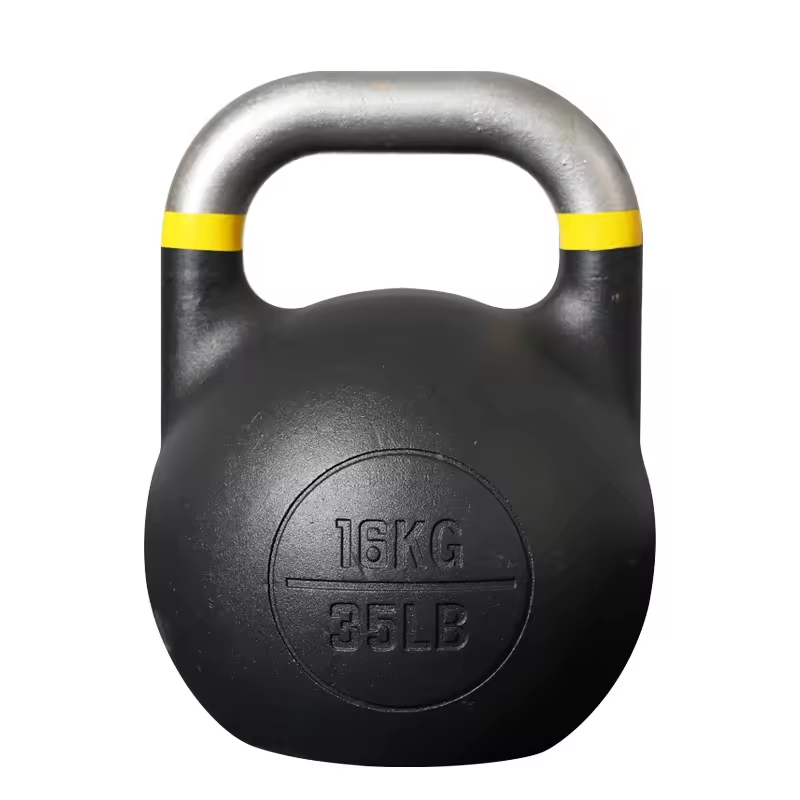
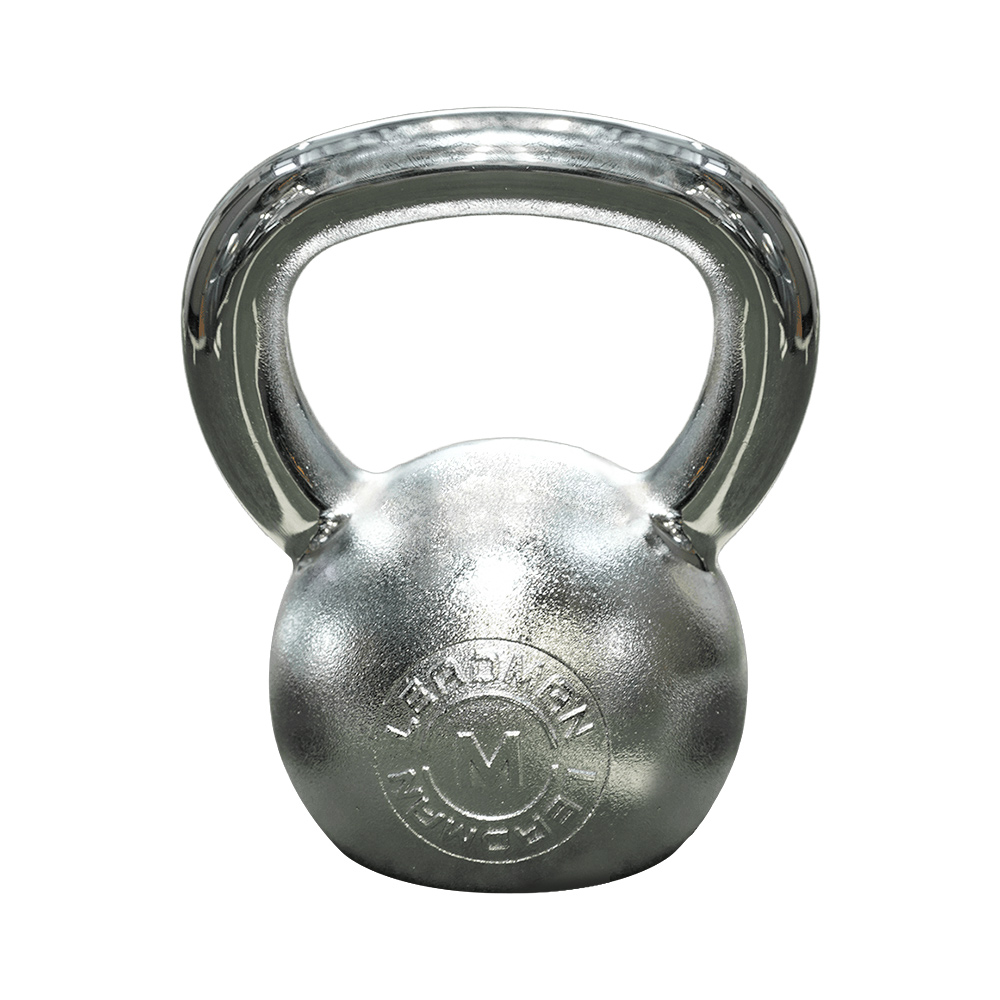
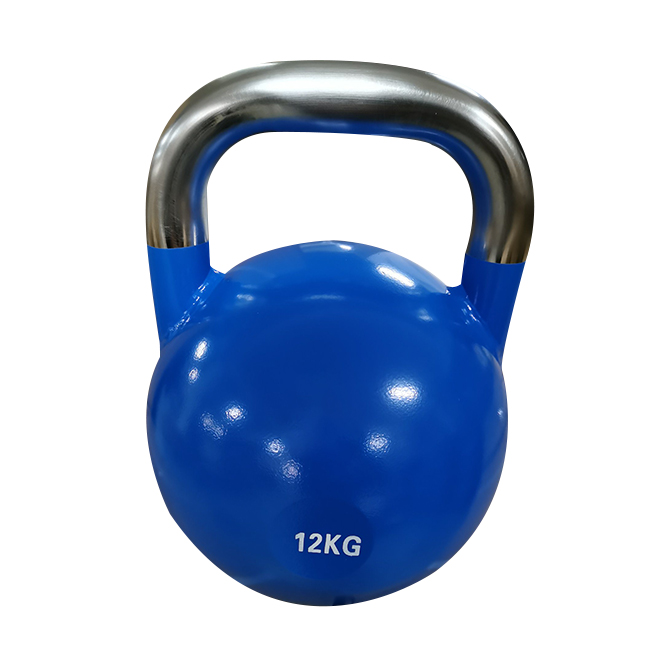
What Is MOQ for Custom Kettlebells: Private Label OEM
What Is MOQ for Custom Kettlebells: Understanding the Fundamentals
Many importers fail by either over-committing to massive inventory or failing to meet the minimum thresholds required for private label branding, resulting in high landed costs or rejected orders. To optimize your procurement, you must understand what is MOQ for custom kettlebells: it is the minimum volume a China factory requires to initiate custom kettlebell manufacturing with your specific logo, color, or weight specifications. Balancing these requirements is essential for maintaining healthy distributor margins and efficient cash flow.
In the context of wholesale custom kettlebells, the MOQ acts as a lever for your total cost of ownership. Sourcing from a professional supplier involves more than just the base price; it requires calculating how volume affects tooling costs, setup fees, and shipping efficiency. When you hit higher production tiers, you unlock significant economies of scale, effectively lowering the unit cost per piece and improving your competitive edge in the commercial market.
Analyzing TCO Through Different Order Volumes
A strategic procurement plan requires looking beyond the per-unit price to evaluate the total impact on your bottom line. When sourcing through a private label kettlebell supplier, the relationship between order volume and the final landed cost is non-linear. Low-volume orders may seem safer for cash flow, but they often incur disproportionately high costs in tooling, custom color application, and freight-per-unit. Conversely, reaching higher tiers of wholesale custom kettlebells production optimizes your investment by amortizing fixed costs across more units.
| Order Scale | Typical MOQ Level | Branding & Customization Impact | Logistics & Landed Cost Efficiency |
|---|---|---|---|
| Low Volume (Sample/Test) | 50 - 100 Units | Limited to standard colors or small logo decals; higher setup fees. | High freight-per-unit cost; often requires air or express shipping. |
| Mid-Tier (Standard Wholesale) | 300 - 500 Units | Full custom kettlebell manufacturing capabilities; standard paint/texture options. | Optimized for LCL (Less than Container Load) sea freight; better margin. |
| High Volume (Full Container) | 1,000+ Units | Complete OEM control; custom molds, specialized finishes, and unique weight ranges. | Maximum shipping efficiency via FCL (Full Container Load); lowest landed cost. |
Understanding what is MOQ for custom kettlebells allows you to decide whether to prioritize rapid market testing or long-term margin stability. For distributors aiming for a premium brand identity, moving toward higher volume tiers is often the only way to achieve the low unit costs necessary for competitive commercial-grade equipment distribution. Before finalizing your purchase, we recommend requesting a detailed quote to confirm how your specific weight ranges and branding requirements will influence the final MOQ and total procurement budget.
Managing Production Cycles and Quality Control
Beyond unit pricing, professional procurement depends on the interplay between volume and the production cycle. A higher MOQ typically provides a more stable window for rigorous quality control. When executing a bulk order, the factory can implement more consistent batch testing and pre-shipment inspections, ensuring that every unit meets commercial-grade tolerances. Rapid, low-volume production often risks higher variability in finish and weight precision, which can damage your brand reputation in the long term.
Furthermore, high-volume custom kettlebell manufacturing allows for a more predictable lead time. Managing inventory effectively requires a deep understanding of how long a specific OEM run takes—from raw material sourcing and casting to final coating and export packaging. By aligning your procurement with the natural production cycle of a leading supplier, you can avoid the stockouts that disrupt distributor revenue and ensure your warehouse remains an efficient asset rather than a cost center.
The Strategic Impact of MOQ on Private Label Branding and Inventory
For distributors and large-scale importers, understanding what is MOQ for custom kettlebells is essential for balancing brand identity with capital efficiency. When you transition from sourcing generic stock to pursuing private label branding, the minimum order requirements directly influence your ability to establish a unique market presence and control your landed cost.
High-volume custom kettlebell manufacturing allows for deeper integration of your brand identity, such as custom color schemes, specialized handle textures, or laser-etched logos. However, these advanced customizations often require a higher MOQ to offset the setup costs at the factory. Managing this balance is critical for optimizing your distributor margins and ensuring long-term stock availability.
Sourcing Models and Inventory Strategy
Choosing the right procurement path depends on your current scale and the depth of customization required. A higher scale of economy is typically achieved through direct wholesale orders of customized units rather than small-batch specialized runs.
| Procurement Model | Customization Depth | Typical MOQ Level | Impact on Unit Cost |
|---|---|---|---|
| Standard Stock Sourcing | Low (Logo only) | Low | Lowest |
| Private label kettlebell supplier | Medium (Colors/Texture) | Medium | Moderate |
| Full custom kettlebell manufacturing | High (Full Mold/Design) | High | Optimized for Volume |
For many distributors, unit cost optimization is achieved by selecting a supplier that offers tiered pricing based on volume. By understanding what is MOQ for custom kettlebells at various stages of production, you can better plan your warehouse stocking cycles and mitigate the risks of overstocking or stockouts during peak seasons.
Volume-Based Comparison for Professional Buyers
To effectively manage your procurement budget and warehouse capacity, you must evaluate how order volumes influence both the complexity of your brand identity and your total landed cost. A strategic approach to wholesale custom kettlebells involves selecting a tier that matches your current distribution reach while allowing for future expansion.
| Order Volume Tier | Branding & Customization Options | Shipping & Logistics Efficiency | Primary Buyer Profile |
|---|---|---|---|
| Low Volume (Small Batch) | Standard colors; basic logo silk-screen or sticker | LCL (Less than Container Load); higher per-unit shipping cost | Boutique studios or specialized fitness retailers |
| Mid-Tier (Standard Wholesale) | Custom powder coating; embossed or engraved logos | Optimized palletization; better container utilization | Regional distributors and large gym franchises |
| High Volume (Bulk Import) | Full private label integration; bespoke molds and textures | FCL (Full Container Load); lowest landed cost per unit | Global importers and large-scale commercial equipment brands |
When calculating your long-term ROI, consider that higher volume orders often unlock more favorable wholesale pricing structures and more efficient export packaging configurations. Before finalizing your procurement plan, we recommend requesting a detailed spec sheet to confirm the specific MOQ for your desired level of customization and to validate the lead time for your specific shipping destination.
Optimizing Lead Time and Production Cycles
A critical factor in your procurement strategy is the relationship between customization and the production schedule. When pursuing specialized OEM/ODM capabilities, the complexity of the design often dictates the total lead time. While standard stock items can be dispatched relatively quickly, bespoke production cycles for high-end commercial equipment require more rigorous planning to ensure your warehouse remains stocked without excessive capital tie-up.
To avoid supply chain disruptions, professional buyers should align their seasonal demand with the production capacity of their China factory. High-specification orders, such as those requiring custom mold adjustments or specialized surface coatings, typically necessitate longer lead times to account for both the manufacturing process and the essential pre-shipment quality control stages. Understanding what is MOQ for custom kettlebells in the context of these timelines allows you to manage client expectations and maintain a reliable distribution flow.
Custom Kettlebell Manufacturing: Balancing Customization and Volume
Understanding what is MOQ for custom kettlebells is critical for distributors managing inventory costs and brand identity. When engaging in custom kettlebell manufacturing, the minimum order quantity is directly dictated by the complexity of the design and the level of OEM/ODM services required.
A standard wholesale order for stock items typically carries a lower threshold, but once you introduce specialized features—such as unique handle geometries, custom color coatings, or specific weight increments—the factory must account for higher setup costs and tooling adjustments. For a private label kettlebell supplier, increasing the scale of customization often necessitates a higher MOQ to offset the production complexity and ensure a sustainable landed cost for the importer.
| Customization Level | Typical Sourcing Requirement | Impact on Lead Time |
|---|---|---|
| Logo Imprint (Pad Printing/Laser) | Lower volume | Standard production speed |
| Custom Color (Powder Coating) | Medium volume | Requires additional drying/curing cycles |
| Full Mold/Shape Alteration | High volume | Longer lead time for tooling development |
For professional buyers, evaluating wholesale custom kettlebells requires a clear understanding of how specific variables influence the final unit price and shipping efficiency. The following framework outlines how different customization tiers impact your procurement planning, from simple branding to complete structural redesigns.
| Customization Tier | Focus Areas | Typical MOQ Impact | Sourcing Advantage |
|---|---|---|---|
| Tier 1: Standard Branding | Logo placement, standard weight increments | Lower threshold | High turnover, low risk |
| Tier 2: Aesthetic Customization | Unique color palettes, specialized textures | Moderate threshold | Enhanced brand identity |
| Tier 3: Full Specification | Custom mold shapes, proprietary material blends | High threshold | Market exclusivity and differentiation |
When negotiating with a private label kettlebell supplier, it is essential to align your brand vision with realistic production constraints. While Tier 1 options allow for rapid market entry with lower capital expenditure, Tier 3 options—though requiring higher initial investment—provide the structural uniqueness needed to dominate premium commercial segments. Always confirm whether your requested specifications will require new tooling or if they can be accommodated within existing production lines to optimize your total landed cost.
Optimizing your procurement strategy requires a granular view of how production variables influence your final margins. A professional buyer must consider that while highly customized units offer greater market differentiation, they also introduce variables in wholesale custom kettlebells sourcing that can affect your bottom line. To maintain high efficiency, we recommend reviewing the specific technical requirements of your order against the current capacity of your partner China factory to ensure seamless execution.
Ultimately, the most efficient way to manage your supply chain is to balance the depth of your branding with the logistical reality of your target market. When you finalize your specifications, ensure you request a detailed breakdown of how each custom element influences the landed cost and the expected lead time. This transparency allows you to plan your inventory cycles more effectively and ensures that your bulk orders arrive in alignment with your distributor or retail demand.
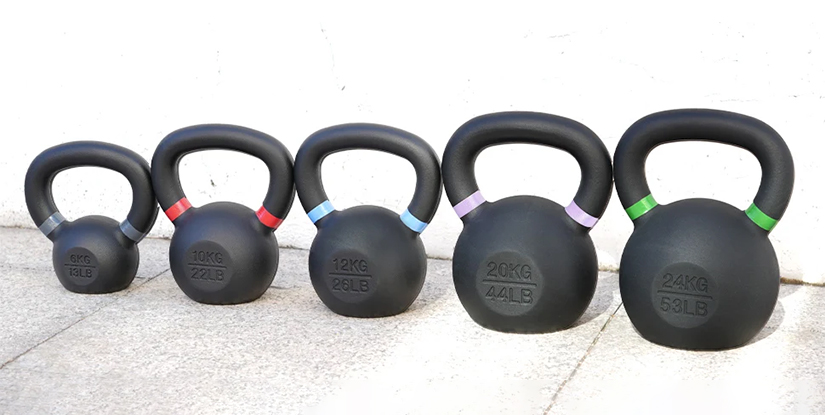
Sourcing from a Private Label Kettlebell Supplier: Quality and Lead Times
When planning a seasonal inventory refresh or a new facility launch, understanding what is MOQ for custom kettlebells is essential for maintaining a predictable supply chain. For professional distributors and gym equipment importers, the relationship between order volume and the production cycle directly dictates your landed cost and market readiness. A private label kettlebell supplier must balance specialized custom kettlebell manufacturing requirements with the factory capacity of their China factory to ensure both brand consistency and timely delivery.
Managing lead time effectively requires more than just tracking shipping dates; it involves accounting for the complexities of wholesale custom kettlebells production, such as mold adjustments for specific OEM branding or specialized coating applications. If a supplier fails to align the MOQ with realistic manufacturing windows, buyers risk stockouts or inflated warehousing costs. To optimize your sourcing strategy, you must evaluate how much control you require over the production cycle versus the speed of a standard wholesale order.
| Sourcing Model | Typical Lead Time | Customization Level | Production Complexity |
|---|---|---|---|
| Standard Stock Wholesale | Short (2-4 weeks) | Low (Logo only) | Low (Pre-existing molds) |
| Private Label (Standard) | Medium (6-8 weeks) | Medium (Color/Texture) | Moderate (Standard molds) |
| Full OEM/ODM Custom | Long (12-16 weeks) | High (Full design) | High (New tooling required) |
Rigorous Quality Control and Inspection Protocols
For high-volume importers, the risk of receiving a shipment with inconsistent weight or structural defects can devastate distributor margins and brand reputation. This is why a professional private label kettlebell supplier must implement a multi-stage QC protocol that extends far beyond simple visual checks. When you are determining what is MOQ for custom kettlebells, you are not just buying a quantity of units; you are investing in a standardized production run that requires strict adherence to commercial-grade specifications.
Reliable custom kettlebell manufacturing relies on precision at every stage, from raw material selection to the final pre-shipment inspection. A Tier-1 factory must ensure material consistency—verifying that the iron density and coating thickness remain uniform across the entire batch. Furthermore, strict weight tolerance controls are mandatory; even a minor deviation in a high-weight unit can lead to significant compliance issues in international markets. By engaging in direct sourcing from a factory-direct source, procurement leads can mandate specific testing for handle smoothness, paint adhesion, and weight accuracy, ensuring that every unit delivered meets the high standards expected by commercial fitness facilities.
Standardizing Quality Assurance for Bulk Orders
A critical failure point in international sourcing is the discrepancy between sample approval and the final bulk delivery. When a buyer asks, what is MOQ for custom kettlebells, they are also implicitly asking how a factory maintains consistency across hundreds or thousands of units. For a professional supplier, the challenge lies in preventing weight drift and surface irregularities during high-speed production runs. High-quality wholesale custom kettlebells must undergo rigorous weight-verification testing to ensure that a 24kg unit remains within strict commercial tolerances throughout the entire batch.
To mitigate the risk of high return rates or client dissatisfaction, procurement specialists should mandate a structured pre-shipment inspection. This process should verify not only the physical weight but also the durability of the OEM branding, ensuring that paint adhesion and logo clarity can withstand heavy commercial use. By integrating these strict quality benchmarks into your initial wholesale agreement, you protect your distributor margins and ensure that your brand identity remains synonymous with reliability and professional-grade durability.
Optimizing Wholesale Custom Kettlebells Procurement and Landed Costs
Understanding what is MOQ for custom kettlebells is critical for calculating your total landed cost and maintaining healthy distributor margins. For professional importers and distributors, the minimum order quantity directly influences the weight-to-value ratio of each shipment, which determines the efficiency of your container utilization during China factory sourcing.
A higher wholesale custom kettlebells volume often reduces the per-unit impact of ocean freight and port fees. When you engage in custom kettlebell manufacturing, the MOQ set by your supplier is not just a production threshold; it is a logistical pivot point. Because kettlebells are high-density, heavy items, your landed cost is heavily dictated by how effectively you manage shipping volume and weight distribution within a standard 20ft or 40ft container.
Failing to align your order size with optimal container capacity can lead to wasted freight spend. By working directly with a China factory to optimize packaging layouts, you can ensure that your private label kettlebell supplier maximizes every cubic meter, effectively lowering the long-term cost of goods sold for your commercial fitness brand.
Comparing Order Scales and Logistics Complexity
To effectively manage your procurement budget, you must evaluate how different order volumes impact both your unit price and your total logistics expenditure. The following table illustrates how scaling your orders affects the relationship between the MOQ, shipping methods, and branding capabilities.
| Order Scale | Primary Shipping Method | Unit Cost Impact | Branding & Customization |
|---|---|---|---|
| Low Volume (Sample/Trial) | LCL (Less than Container Load) | Highest (High freight per unit) | Limited to standard stock items |
| Medium Volume (Standard Wholesale) | LCL or Small Container | Moderate (Optimized for weight) | Basic logo application/engraving |
| High Volume (Full Container Load) | FCL (Full Container Load) | Lowest (Maximum efficiency) | Full OEM/ODM and custom packaging |
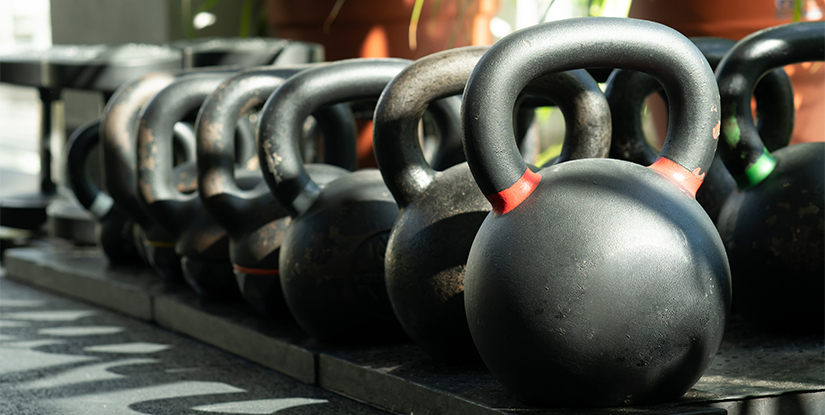
For distributors aiming for maximum ROI, moving from LCL to FCL is the most effective way to decrease the landed cost of heavy iron or cast steel products. While smaller orders offer lower initial capital requirements, they often incur disproportionately high freight and handling fees per unit. We recommend reviewing your inventory turnover rates before finalizing your next bulk order to ensure your shipping volume aligns with your warehouse capacity and market demand.
Strategic logistics planning extends beyond simple freight costs; it involves sophisticated inventory management and customs clearance preparation. When navigating the complexities of international sourcing, professional buyers must account for how weight-to-volume ratios affect the total budget. For instance, optimizing the density of your shipment ensures that you are not paying for "shipping air," which is a common mistake when ordering lighter, low-density equipment alongside heavy kettlebells. By coordinating closely with your factory to synchronize production timelines and container loading schedules, you can minimize the time your capital is tied up in transit and reduce the risk of unexpected storage fees at the port of entry.
Furthermore, a well-structured procurement plan should include a buffer for customs clearance and local warehousing. If your order volume is too close to the minimum threshold, any slight deviation in weight or packaging dimensions could impact your customs declarations or lead to higher per-unit handling costs. For long-term scalability, we suggest reviewing your SKU variety alongside your total weight capacity to ensure that your wholesale custom kettlebells order remains cost-efficient across multiple shipping cycles. This level of detail in your sourcing strategy will ultimately protect your distributor margins and ensure a predictable supply chain for your commercial clients.
Evaluating Factory Capabilities and Pre-Shipment Inspection Standards
Maintaining consistent product integrity is the primary challenge when managing bulk orders from an overseas supplier. For distributors, the cost of receiving a shipment with non-compliant weight variances or surface defects far exceeds the initial savings of a lower unit price. This is why understanding what is MOQ for custom kettlebells must include a clear definition of the quality oversight provided by the China factory during the production cycle.
Rigorous factory QC protocols are essential to mitigate the risks associated with custom kettlebell manufacturing. A professional private label kettlebell supplier should implement multi-stage checks, starting from raw material verification to final pre-shipment inspection. These protocols ensure that every unit meets strict quality standards regarding weight tolerance—preventing discrepancies that could lead to legal or commercial disputes—and surface finish consistency, which is vital for the premium brand identity of your wholesale custom kettlebells.
Standardized Inspection Checklist for Commercial Grade Batches
To ensure your landed cost remains optimized and your brand reputation stays intact, procurement managers must verify specific technical parameters. Relying on a generic description is insufficient; instead, you should demand a detailed inspection report that covers the structural and aesthetic integrity of the entire batch. A high-tier private label kettlebell supplier will provide documentation confirming that each unit meets the specific tolerances required for professional gym environments.
| Inspection Dimension | Critical B2B Specification | Commercial Impact |
|---|---|---|
| Weight Accuracy | Strict +/- 1-3% tolerance per unit | Prevents regulatory non-compliance and distributor disputes |
| Handle Integrity | Smooth surface; no sharp edges or weld burrs | Reduces liability and ensures user safety in high-traffic areas |
| Coating Durability | Adhesion strength and uniform thickness | Extends product lifecycle and lowers long-term replacement costs |
| Material Density | Uniform casting or consistent powder coating | Maintains balance and prevents structural failure during use |
When you finalize your terms regarding what is MOQ for custom kettlebells, ensure that the inspection stage is a non-negotiable part of the contract. Request a sample approval process and a formal factory audit to confirm that the production line can consistently hit these marks. Proactive verification of these technical benchmarks will protect your margins and ensure your bulk shipment arrives ready for immediate commercial deployment.
Managing the logistical complexity of global procurement requires a deep understanding of how technical precision affects your bottom line. When evaluating what is MOQ for custom kettlebells, the conversation must shift from simple volume to the reliability of the production output. A single batch with high defect rates can devastate your distributor margins and damage your brand reputation in the competitive commercial fitness market. By establishing strict oversight, you transform a standard purchase into a strategic asset for your inventory.
High-quality custom kettlebell manufacturing involves more than just casting metal; it requires a systematic approach to minimizing the total landed cost. If a shipment arrives with inconsistent weights or substandard handle finishes, the resulting returns and customer dissatisfaction will quickly negate any initial savings gained through lower unit prices. Consequently, a professional private label kettlebell supplier must demonstrate a robust capability for handling complex wholesale custom kettlebells orders while maintaining the high standards expected by tier-one gym operators and global distributors.
Finalizing Your Sourcing Strategy: From Sample Approval to Bulk Order
Moving from a single prototype to a full-scale bulk order requires a rigorous transition from concept validation to standardized production. For professional importers, the process begins once the sample approval is officially documented, ensuring that the physical specimen meets all dimensional, weight, and coating specifications before the China factory initiates the full manufacturing run.
Managing the production lead time is critical to maintaining your distributor inventory levels and avoiding stockouts. A professional private label kettlebell supplier will provide a transparent timeline that accounts for raw material procurement, casting, and finishing. To mitigate the risks of international sourcing, we highly recommend scheduling a pre-shipment inspection. This QC stage allows your team or a third-party agent to verify that every unit in the wholesale custom kettlebells batch adheres to the approved sample, protecting your landed cost and ensuring consistent quality across all weight increments.
Once the custom kettlebell manufacturing cycle is complete and quality standards are verified, the final stage involves coordinating export-ready packaging and container loading to optimize shipping efficiency.
Comparing Sample Stages and Bulk Production Requirements
Navigating the transition from a single prototype to a full-scale production run is a critical step for any procurement manager. Understanding what is MOQ for custom kettlebells at different stages allows for more accurate budget forecasting and logistics planning. While a sample is a singular tool for validation, a full production run focuses on consistency, scale, and the optimization of your landed cost through volume-based efficiencies.
| Procurement Stage | Focus Area | Typical Requirements | Impact on Lead Time & Logistics |
|---|---|---|---|
| Prototype / Single Sample | Design & Specification Validation | 1–2 units per weight increment | Short lead time; air freight recommended for speed |
| Small Batch (Low MOQ) | Initial Market Testing / Brand Identity | Lower volume per SKU | Moderate lead time; higher per-unit cost |
| Full Scale Production | Mass Distribution & Inventory Stability | Higher volume per SKU | Longer lead time; sea freight/container loading optimized |
When planning your next procurement cycle, it is essential to confirm the specific MOQ for each unique weight or custom color requested. A professional supplier will provide a tiered pricing structure where higher volumes result in improved margins for the distributor. We recommend requesting a detailed spec sheet and a formal quote early in the process to align your branding requirements with the factory production schedule and shipping windows.
Optimizing Export Logistics and Finalizing the Order
The final phase of procurement focuses on the transition from the production floor to your warehouse. To protect your margins, you must ensure that the export packaging is robust enough to withstand long-distance sea freight and container handling. A professional supplier will utilize heavy-duty, reinforced cartons and standardized palletization to prevent movement and damage during transit. This attention to detail is vital for maintaining a low landed cost and ensuring that your branded products arrive in pristine, retail-ready condition.
Before the final payment is released, ensure all shipping documentation—including commercial invoices, packing lists, and certificates of origin—is accurate to prevent customs delays. For long-term partners, the goal is to move beyond one-off transactions toward a reliable distributor relationship. By understanding what is MOQ for custom kettlebells and planning your orders around container-load efficiencies, you can stabilize your supply chain and maintain consistent inventory levels for your commercial clients.