Cast Iron Weight Plate Manufacturer China: Commercial
Cast Iron Weight Plate Manufacturer China: Procurement Standards
Many distributors mistakenly prioritize low unit prices from unverified traders, only to face high TCO due to uneven weight distribution and premature oxidation. A professional cast iron weight plate manufacturer China approach focuses on standardized production cycles—from sand casting to final surface treatment—to ensure consistent commercial-grade durability. For high-volume wholesale cast iron weight plates, securing a partner that controls the entire manufacturing sequence is essential for maintaining long-term ROI and equipment longevity.
In the commercial fitness sector, the difference between a budget-tier product and a premium-grade unit lies in the precision of the manufacturing route. High-quality plates typically undergo a rigorous sequence including sand casting, precision machining of the center bore, and multi-stage surface finishing. Selecting a reliable commercial gym plate supplier ensures that your inventory can withstand the high-frequency usage of professional training environments without frequent replacement or maintenance issues.
Manufacturing Process and Finish Comparison
Understanding the technical distinctions between casting methods and surface treatments is vital for effective procurement. For instance, the choice between sand casting and die casting affects both the surface texture and the scale of production efficiency. A professional China factory weight plate OEM will typically utilize sand casting for standard commercial plates to ensure robust structural integrity, while specialized high-volume orders may require more precise machining of the center bore to maintain concentricity. Furthermore, the method of surface finishing directly impacts the maintenance load and the long-term landed cost of your equipment inventory.
| Material & Process | Surface Finishing | Key Component/Detail | Commercial Duty | MOQ Impact | Factory QC Point |
|---|---|---|---|---|---|
| Sand Casting | Bare Iron / Phosphate | Center Bore Precision | Budget / Standard | Low to Moderate | Weight Tolerance |
| Sand Casting | Paint / Enamel | Coating Adhesion | Standard Commercial | Moderate | Surface Uniformity |
| Sand Casting | Powder Coating | Multi-layer Durability | Premium Commercial | Higher | Coating Thickness |
| Machined Steel | Chrome Finish | Knurled Inner Ring | High-End / Competition | High | Concentricity |
When evaluating your next batch, consider how the finish affects the TCO. While a basic paint finish may offer a lower initial price, a high-grade powder coating provides superior resistance to oxidation and physical abrasion, which is critical for high-traffic facilities. As a seasoned cast iron weight plate manufacturer China, we recommend aligning your finish selection with your specific target market—whether it is a high-turnover commercial gym or a premium boutique studio—to optimize both distributor margins and client satisfaction. Before finalizing your order, we suggest requesting a sample approval or a detailed spec sheet to confirm that the coating adhesion and bore dimensions meet your specific brand identity requirements.
Critical Inspection Points for Bulk Sourcing
For importers managing large-scale logistics, the highest risks involve weight discrepancies and surface failures. A professional cast iron weight plate manufacturer China must implement a rigorous pre-shipment QC protocol that goes beyond simple visual checks. One of the most vital stages is weight calibration; even slight deviations in the casting density can lead to non-compliant sets that damage your reputation as a reliable supplier. High-tier distributors should always request data on how the factory manages weight tolerance during the machining phase to ensure every plate in a bulk shipment meets the specified standard.
Beyond weight, the durability of the surface finish is a non-negotiable factor for commercial longevity. We emphasize the importance of testing coating adhesion to prevent chipping or peeling under heavy use. A failure in the coating process often results in rapid oxidation, increasing the maintenance load for the end-user and hurting your long-term ROI. When coordinating with a commercial gym plate supplier, ensure that the production line includes a multi-stage surface treatment and that the export packaging is robust enough to protect these finishes during long-distance ocean freight. High-quality export packaging, including reinforced corners and moisture-resistant wrapping, is essential to minimize damage and ensure a successful landed cost for your distribution business.
Material Composition and Casting Processes for Commercial Plates
Selecting a reliable cast iron weight plate manufacturer China requires a deep understanding of how base materials and casting methods impact long-term commercial durability and your total cost of ownership. For high-volume distributors and gym equipment importers, the technical integrity of the iron determines whether a batch meets professional standards or results in costly replacement cycles.
Standard commercial plates are typically produced using gray iron, which provides the necessary density and impact resistance required for high-traffic strength training environments. A professional commercial gym plate supplier will utilize established sand casting techniques to ensure the structural integrity of each unit. This process involves creating a precision mold from sand, pouring molten iron into the cavity, and allowing it to solidify before undergoing secondary machining steps to refine the center bore and outer diameter.
When managing wholesale cast iron weight plates orders, buyers must evaluate the calibration of the weight tolerance and the quality of the surface finish. High-tier production lines incorporate CNC machining after the initial casting to ensure the concentricity of the inner ring, which is critical for smooth loading on Olympic barbells. This attention to detail prevents uneven wear on barbell sleeves and reduces maintenance frequency for the end-user.
| Material Tier | Primary Process | Surface Finish | Commercial Durability | Sourcing Context |
|---|---|---|---|---|
| Standard Gray Iron | Sand Casting | Paint or Enamel | High (Standard Gym Use) | Bulk Wholesale |
| Premium Cast Iron | Sand Casting + Machining | Powder Coating | Very High (Commercial/Pro) | OEM / ODM |
| Precision Steel | CNC Machining | Chrome or Galvanized | Extreme (Competition) | Specialized Sourcing |
For distributors looking to establish a China factory weight plate OEM partnership, it is vital to verify the production sequence. A standard industrial workflow includes casting, followed by grinding to remove imperfections, and finally a coating application to prevent oxidation. Ensuring your factory partner follows these systematic steps helps maintain consistent weight distribution and prevents the premature surface degradation often seen in lower-tier production.
Evaluating Surface Treatments and Coating Durability
The final stage of production is often where the distinction between a budget-grade unit and a premium commercial product becomes apparent. For procurement managers, the choice between a simple paint finish and advanced powder coating is a critical decision regarding the long-term maintenance load and aesthetic longevity of the equipment. While basic enamel provides a standard appearance, high-traffic facilities often require more robust surface protection to handle the friction of frequent loading and unloading.
A common industry-standard approach for high-end plates involves a two-step preparation process. Before any color is applied, the cast surface typically undergoes a phosphate treatment. This chemical pre-treatment is essential for creating a stable surface that ensures maximum adhesion of the final coating. Without this step, the coating may peel or chip under heavy commercial use, leading to oxidation and a lower resale or replacement value for the gym owner. When you engage a China factory weight plate OEM, you should confirm if this pre-treatment is part of their standard production line to ensure the durability of your private label products.
The choice of coating also directly impacts the total landed cost and the perceived value of the shipment. For distributors managing large-scale wholesale cast iron weight plates distribution, understanding these technical trade-offs allows for better margin planning. A more advanced coating process might slightly increase the initial unit cost but significantly reduces the long-term service requirements, providing a better return on investment for the end-user. We recommend requesting a sample evaluation to inspect the coating adhesion and surface texture before finalizing any large-scale sourcing agreement.
Optimizing Gym Floor Layout with Efficient Plate Storage
Effective facility management requires balancing equipment density with user mobility. For distributors and gym operators, selecting a professional cast iron weight plate manufacturer China is a strategic decision that impacts both floor utility and long-term operational costs. High-quality plates with standardized dimensions allow for more predictable storage configurations, directly influencing the commercial gym layout and overall capacity of the training area.
When managing high-traffic strength zones, the durability of your inventory determines your maintenance frequency. Sourcing through wholesale cast iron weight plates ensures that your facility utilizes equipment designed for high-volume cycles. Utilizing standardized weight sets reduces the complexity of inventory management and optimizes the space optimization of your lifting platforms and storage racks. By partnering with a reliable commercial gym plate supplier, you can secure products that meet industry-standard tolerances, ensuring that your floor space remains functional and organized rather than cluttered with inconsistent or poorly manufactured units.
Strategic sourcing from a specialized China factory allows importers to align their product selection with specific facility needs, whether that involves maximizing rack density or minimizing the footprint of heavy lifting stations. Ultimately, investing in high-grade plates from a capable China factory weight plate OEM improves the long-term ROI by reducing the need for frequent replacements and minimizing the labor costs associated with equipment upkeep.
Evaluating Material Impact on Storage and Long-Term TCO
For professional procurement leads, the choice between raw finishes and specialized coatings is not merely an aesthetic preference but a decision regarding Total Cost of Ownership (TCO). A professional cast iron weight plate manufacturer China can offer various surface treatments that directly impact the maintenance load and the longevity of your facility's flooring. While standard cast iron is highly cost-effective for bulk orders, certain environments require additional protection to mitigate the risk of floor wear and oxidation.
The following comparison outlines how different plate specifications affect your facility's operational efficiency and long-term procurement planning:
| Material Type | Surface Process | Floor Protection Level | Maintenance Frequency | Typical Commercial Use | Procurement Tier |
|---|---|---|---|---|---|
| Standard Gray Iron | Sand Casting & Bare Finish | Low (Requires Matting) | High (Rust Prevention) | Budget Strength Zones | Economy/Bulk |
| Painted Cast Iron | Powder Coating | Moderate | Low (Standard Cleaning) | Standard Commercial Gyms | Mid-Tier Commercial |
| Rubber Coated Plate | Vulcanized Rubber Molding | High (Impact Absorption) | Very Low | Premium Training Studios | Premium/High-End |
When evaluating wholesale cast iron weight plates, importers must consider the landed cost versus the maintenance frequency. While uncoated plates offer the lowest initial price point, the long-term cost of oxidation management and floor repairs can diminish the initial savings. A professional commercial gym plate supplier will provide detailed specifications regarding coating adhesion and thickness to ensure the product meets your specific facility standards. For distributors looking to offer a high-end product line, a China factory weight plate OEM can assist in selecting specialized coatings that enhance both the aesthetic and the durability of the equipment, ensuring a better return on investment for the end-user.
Customization for Specialized Gym Layouts and Logistics
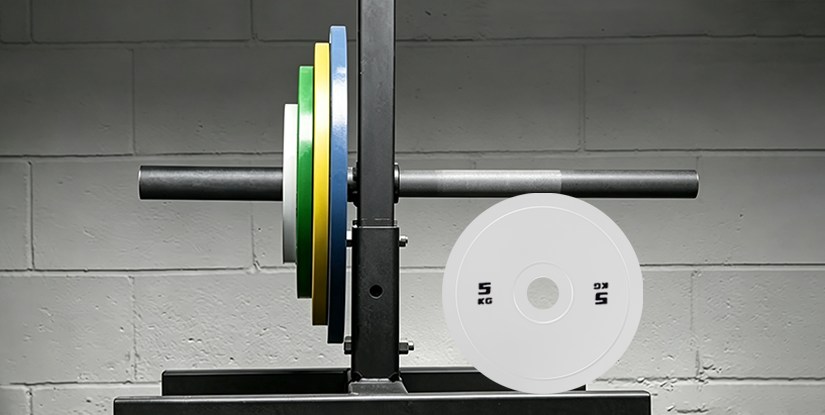
Beyond material selection, the ability to customize dimensions and branding is a critical factor in professional procurement. A specialized China factory weight plate OEM provides more than just standard inventory; they offer the flexibility required for diverse facility footprints. Whether you are outfitting a boutique studio with space-saving specialized storage or a large-scale strength facility, customized storage solutions—such as specific center-hole diameters or unique thickness profiles—can significantly enhance your facility's professional appearance and functional density.
For large-scale distributors, logistics efficiency is just as vital as product quality. When managing high-volume wholesale cast iron weight plates, the way products are palletized and packed directly affects your landed cost and shipping timelines. A reliable commercial gym plate supplier will optimize container loading patterns to maximize volume and minimize damage during transit. This level of attention to detail ensures that your MOQ requirements are met without unexpected shipping overheads or inventory shortages. By coordinating closely with your factory regarding packaging and weight distribution, you can ensure a smoother arrival of goods and a more predictable replenishment cycle for your clients.
China Factory Production and Quality Control Protocols
A professional cast iron weight plate manufacturer China must maintain a standardized production sequence to ensure consistent density and durability for global distributors. Reliable wholesale cast iron weight plates are produced through a rigorous workflow that begins with high-grade sand casting to form the base shape, followed by precise CNC machining to refine the center bore and surface flatness. This structured approach minimizes the risk of uneven weight distribution, a common failure mode in lower-tier production.
For high-volume commercial gym plate supplier orders, the process integrates several critical checkpoints. After the initial casting, plates undergo weight calibration to ensure they meet the required weight tolerance standards. The final stage involves professional surface finishing, such as powder coating or phosphate treatment, to prevent oxidation during maritime transit. Implementing a strict pre-shipment QC protocol is essential for any China factory weight plate OEM to guarantee that every batch meets the structural and aesthetic expectations of professional gym operators. Buyers should always request a sample approval and a detailed inspection report to confirm that the production quality aligns with their specific sourcing requirements.
Production Standard Comparison for Procurement Optimization
Understanding the distinction between manufacturing tiers is vital for managing landed costs and long-term replacement cycles. When evaluating a cast iron weight plate manufacturer China, procurement managers should differentiate between standard casting methods and high-precision finishing. The following table outlines how different production routes impact the commercial utility and the total cost of ownership for distributors.
| Material Tier | Primary Process | Key Component Detail | Commercial Duty | MOQ Impact | Factory QC Point |
|---|---|---|---|---|---|
| Budget Grade | Standard sand casting | Basic center bore | Home/Light Studio | Lower | Visual surface defects |
| Commercial Grade | Sand casting + CNC machining | Refined center bore & flatness | Commercial Gyms | Moderate | Weight tolerance & concentricity |
| Premium/Competition | Precision casting + Multi-stage coating | Advanced powder coating & textured grip | High-traffic/Professional | Higher | Coating adhesion & dimensional precision |
Selecting the appropriate grade allows for better inventory management and margin protection. For example, while budget options may reduce initial capex, high-traffic facilities benefit from the structural integrity of a commercial gym plate supplier that utilizes CNC machining to ensure a perfect fit on Olympic bars. When coordinating with your China factory weight plate OEM, we recommend discussing specific requirements for weight tolerance and coating thickness to ensure the final product meets your brand identity and durability standards.
Logistics, MOQ, and Export Readiness
Managing international procurement requires more than just product selection; it requires a clear understanding of the logistical variables that impact your landed cost. A professional cast iron weight plate manufacturer China typically operates with specific MOQ requirements to ensure production efficiency and competitive wholesale pricing. For distributors and gym equipment importers, understanding these thresholds is essential for optimizing container utilization and minimizing shipping overhead per unit.
Effective sourcing involves coordinating the transition from production to global transit. To protect your investment, ensure your China factory weight plate OEM utilizes specialized export packaging designed for heavy-duty maritime transport. This commonly includes reinforced palletizing and heavy-duty cardboard or wooden crates to prevent impact damage and moisture ingress during long-haul shipping. When placing bulk orders, we recommend confirming the lead time and shipping logistics early in the process to align with your inventory replenishment cycles and warehouse capacity. For customized requirements, professional wholesale partners can also provide guidance on optimizing container loading configurations to maximize your volume-to-freight ratio.
OEM and Private Label Customization for Global Distributors
Scaling a fitness brand requires more than just sourcing standard stock; it requires a strategic partnership with a cast iron weight plate manufacturer China that can translate your brand identity into physical products. For distributors and large-scale gym operators, the ability to transition from generic wholesale to a private label model is a critical lever for increasing market value and brand recognition.
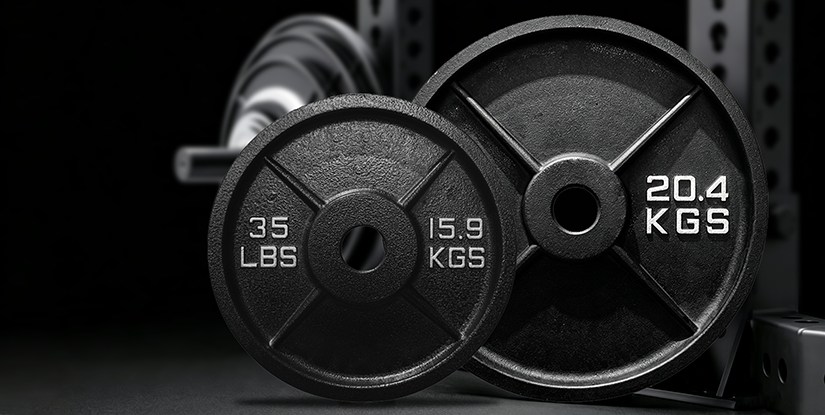
Standardized production often lacks the nuances required for premium positioning. By leveraging professional OEM and ODM services, importers can move beyond basic procurement to offer specialized product lines. This includes the ability to specify custom weight increments that cater to niche training markets or specific studio requirements, ensuring your catalog remains competitive and unique.
Whether you are looking for a commercial gym plate supplier to provide high-volume baseline stock or a China factory weight plate OEM partner to develop a high-end signature line, the scope of customization is extensive. We facilitate professional branding through various methods, such as precision sandblasting for embossed logos or high-durability powder coating with integrated brand colors. Understanding the MOQ and lead time for these specialized processes is essential for effective inventory planning and maintaining healthy distributor margins.
Customization typically involves several stages of the manufacturing route, from the initial casting mold design to the final surface finishing. A professional factory will coordinate these steps to ensure that your custom logo or specific weight markings do not compromise the structural integrity or the weight calibration of the plate. For those managing complex supply chains, we provide clear documentation regarding production timelines to help mitigate the risks of stockouts during peak sourcing seasons.
Comparison of Standard Stock vs. Customized OEM Orders
Selecting the right procurement path depends on your specific business model and the level of brand differentiation required. While standard stock options provide the fastest turnaround for immediate inventory needs, customized orders allow for a more tailored market presence. To assist in your decision-making, we have outlined the typical trade-offs between high-volume wholesale cast iron weight plates and specialized production requests.
| Feature / Requirement | Standard Stock Products | Customized OEM Orders |
|---|---|---|
| Branding & Identity | Standard weight markings only | Custom logo, embossed or painted |
| Color & Finish | Standard black or gray finish | Custom powder coating colors |
| Weight Specifications | Standard industry increments | Custom weight or diameter specs |
| Production Complexity | Low (existing molds/processes) | High (new mold or CNC calibration) |
| Typical MOQ | Lower, easier for small batches | Higher, driven by tool/mold costs |
| Lead Time | Short (ready-to-ship) | Extended (includes mold/QC cycles) |
For importers seeking to maximize their landed cost efficiency, standard stock remains the most predictable option for rapid scaling. However, for distributors aiming to build a premium brand identity, working with a China factory weight plate OEM to develop unique products is a superior long-term strategy. We recommend evaluating your specific MOQ requirements and expected lead time for each category before finalizing your seasonal procurement plan.
Technical Execution: From Mold Design to Pre-Shipment QC
Reliable branding is not merely an aesthetic layer; it is a technical process integrated into the manufacturing workflow. For professional buyers, ensuring that a custom logo does not become a failure point requires a deep understanding of the production sequence. A professional cast iron weight plate manufacturer China manages this through a controlled transition from raw casting to high-precision finishing, ensuring that every custom element meets commercial-grade durability standards.
The technical workflow begins with high-fidelity mold design, where the brand identity is often integrated via logo embossing directly into the casting stage. This ensures the logo is a permanent part of the structural surface rather than a superficial addition. Following the initial sand casting process, the plates undergo CNC machining to ensure the central bore and outer diameters meet strict concentricity requirements. This step is vital for high-end distributors who demand precision and smooth loading performance for their clients.
To achieve a premium aesthetic, the plates move to a professional powder coating line. This process provides a durable, impact-resistant layer that protects the iron from oxidation and enhances color consistency. Before the goods leave the facility, a rigorous pre-shipment QC protocol is executed. This includes weight tolerance spot-checks, coating adhesion testing, and visual inspections of the embossed branding. Finally, to protect the finished product during maritime transit, we utilize specialized export packaging, including reinforced pallets and corner protection, to ensure your wholesale shipment arrives in optimal condition, protecting your landed cost and distributor margins.
Sourcing Strategies for High-Volume Weight Plate Orders
Securing a reliable cast iron weight plate manufacturer China is a critical decision for distributors aiming to stabilize their supply chain and maximize profitability. When managing large-scale gym fit-outs or regional distribution, sourcing directly from a factory eliminates the middleman markup, allowing for better control over both the landed cost and the final product specification.
For professional importers, the primary challenge is not just finding a supplier, but finding one capable of handling complex OEM requirements while maintaining strict weight tolerances. Relying on third-party traders often leads to inconsistent wholesale cast iron weight plates quality, which can erode your distributor margin and damage your reputation with end-users. By establishing a direct relationship with a China factory weight plate OEM partner, you can negotiate more favorable MOQ terms and ensure that your custom branding or specific weight increments are produced to your exact commercial standards.
Evaluating Sourcing Models for Maximum Margin
Professional procurement teams must choose between direct manufacturing and traditional trading routes based on their specific scale and service requirements. While trading companies offer flexibility for small-batch orders, a dedicated commercial gym plate supplier provides the structural advantages necessary for long-term expansion and high-volume stability.
| Sourcing Model | Primary Advantage | Typical MOQ | Quality Control Focus | Impact on Margin |
|---|---|---|---|---|
| Factory-Direct | Direct control over production and OEM specs | Higher | In-process calibration and pre-shipment inspection | Maximum potential for high-volume wholesale |
| Trading Company | Lower entry barriers for small shipments | Lower | Final product inspection only | Reduced due to intermediary markups |
| Direct China factory weight plate OEM | Custom branding and specialized material finishes | Medium to High | Strict adherence to custom technical drawings | Optimized for large-scale distributor growth |
Understanding these variables allows importers to better calculate the total landed cost and plan for long-term inventory turnover. When your business model relies on consistent weight accuracy and surface finish durability, aligning with a specialized cast iron weight plate manufacturer China ensures that your sourcing strategy supports both product reliability and competitive market pricing.
Logistics and Export Packaging Standards
Efficient bulk orders management requires more than just a purchase order; it requires a sophisticated understanding of international logistics and protective packaging. For heavy items like cast iron, the weight-to-volume ratio is a critical factor in determining container utilization and shipping costs. A professional supplier will provide optimized loading plans to ensure that every cubic meter of a 20ft or 40ft container is utilized effectively, reducing the per-unit landed cost for the importer.
To prevent damage during long-haul ocean freight, high-tier manufacturers implement specialized export packaging protocols. This typically involves heavy-duty pallets, reinforced corner protectors, and secure strapping to prevent shifting within the container. Furthermore, maintaining strict weight tolerance is essential during the packing stage. Each batch undergoes a final weight check to ensure that the physical weight matches the stamped specification, preventing discrepancies that could lead to customs delays or client disputes. When wholesale procurement is planned with these technical details in mind, distributors can ensure that their inventory arrives at the warehouse ready for immediate commercial distribution without the need for costly returns or replacements.