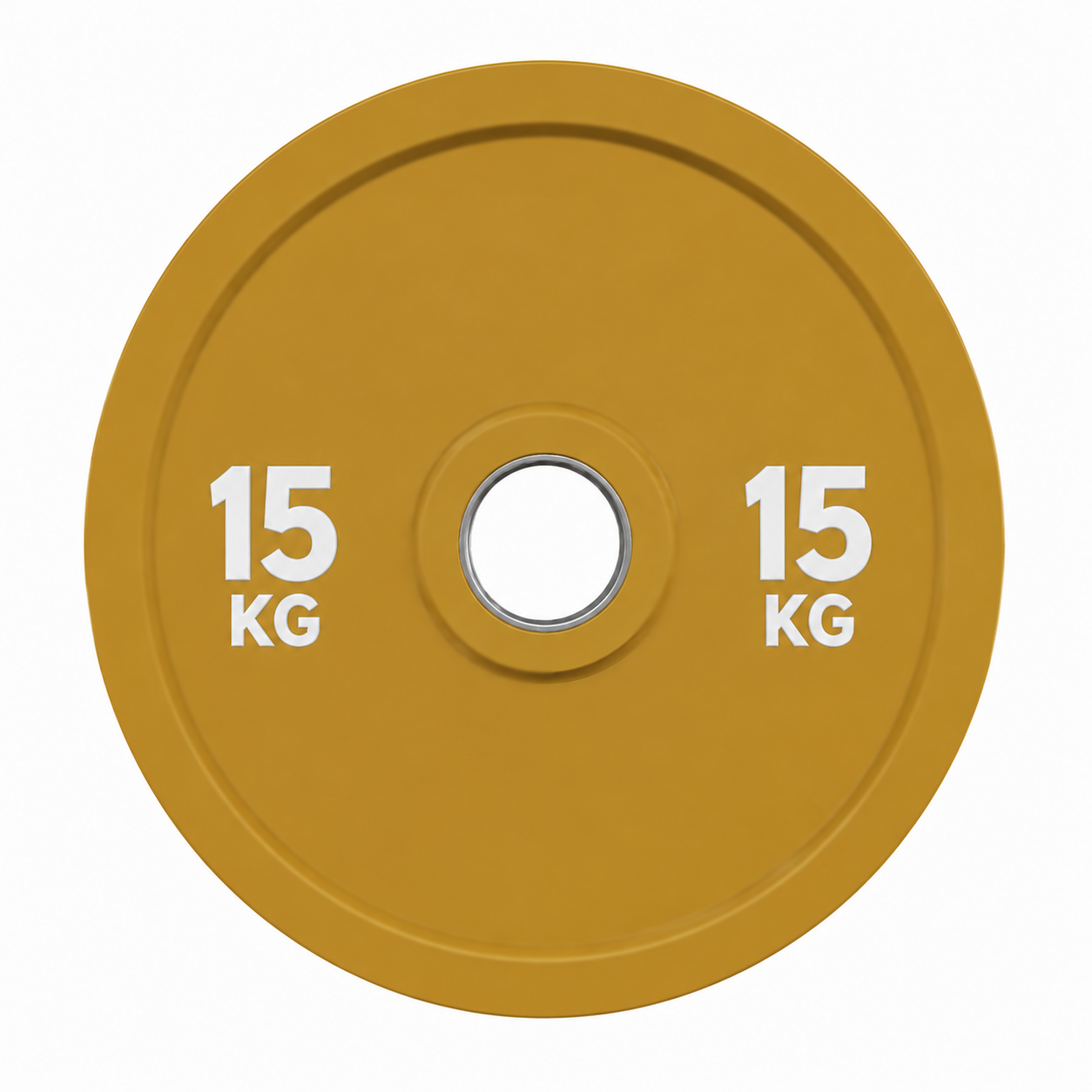
Cast Iron Weight Plate Manufacturer: Material and Specs
Cast Iron Weight Plate Manufacturer: Essential Procurement Criteria
Selecting a cast iron weight plate manufacturer requires distinguishing between low-grade casting and professional-grade production to protect your long-term ROI. Many distributors mistakenly prioritize the lowest unit price, only to face high replacement costs due to inconsistent weight tolerance or poor surface finish. A professional commercial weight plate manufacturer focuses on standardized production cycles—moving from sand casting to precision machining—to ensure every unit meets strict commercial durability standards for high-traffic gym environments.
For large-scale importers and distributors, the procurement focus must shift from individual piece aesthetics to total cost of ownership (TCO). High-quality wholesale cast iron weight plates should offer consistent bore concentricity and a smooth, reliable finish that withstands heavy use. When sourcing from a China factory, verifying the cast iron plate production process is critical to avoid receiving batches with irregular thickness or uneven weight distribution, which can compromise the professional image of your client's facility.
Production Standards and Technical Comparison
Understanding the nuances of the cast iron plate production process is essential for maintaining high-quality inventory. For procurement officers, the choice between sand casting and more advanced methods directly impacts the durability of the coating and the final landed cost. While sand casting is the industry-standard method for producing robust commercial plates, the secondary finishing processes determine how the product performs under heavy commercial use.
The following table provides a technical comparison to assist in your sourcing decisions, highlighting how different production tiers affect your MOQ and long-term maintenance requirements.
| Material Tier | Production Process | Key Component Focus | Commercial Duty | MOQ Impact | Factory QC Point |
|---|---|---|---|---|---|
| Gray Cast Iron | Sand Casting | Bore Concentricity | Standard Commercial | Lower MOQ | Surface Flatness |
| Machined Steel | Precision Casting + CNC | Olympic Collar Fit | Premium/Competition | Higher MOQ | Weight Calibration |
| Coated Iron | Casting + Powder Coating | Coating Adhesion | High-Traffic Studio | Medium MOQ | Paint Thickness |
When evaluating a supplier, we recommend requesting a technical spec sheet to confirm the coating adhesion standards and the precision of the center bore. A reliable cast iron weight plate manufacturer will provide clear documentation regarding their weight tolerance and the specific steps used to ensure the longevity of the finish. For high-volume wholesale orders, we suggest a pre-shipment inspection focused on the flatness of the plate surface and the uniformity of the weight distribution to ensure your distributor margins remain protected.
Logistics Readiness and Export Standards
The final stage of the cast iron plate production process is often where procurement risks manifest if the factory lacks export-ready infrastructure. For international distributors, a high-quality cast iron weight plate manufacturer must demonstrate expertise not just in casting, but in logistics-driven protection. Inadequate protection during transit leads to chipped paint or surface oxidation, which directly increases your landed cost through high return rates and customer dissatisfaction.
Professional wholesale operations require a China factory that integrates rigorous pre-shipment inspection and specialized export packaging. This includes standardized palletization, heavy-duty corner protection, and moisture-resistant wrapping to ensure the plates arrive in pristine condition. When discussing your next bulk order, we recommend confirming the lead time and requesting specific details on how the OEM or ODM branding is applied—whether through high-temperature silk-screening or precision machining—to ensure your brand identity remains consistent and durable across global shipments.
Material Composition and Casting Standards for Commercial Use
Selecting a reliable cast iron weight plate manufacturer requires a deep understanding of how base materials impact long-term durability and total cost of ownership. For high-volume wholesale procurement, the quality of the iron determines whether a product survives years of high-traffic commercial use or becomes a liability due to premature cracking or uneven wear.
In professional gym environments, the industry standard for mass production is gray iron. This specific material is favored by many leading China factory operations because it provides excellent vibration damping and high compressive strength. When sourcing wholesale cast iron weight plates, buyers should prioritize units produced through traditional sand casting, as this method ensures a robust, single-piece structure capable of enduring the rigors of heavy lifting cycles.
A high-quality commercial weight plate manufacturer will utilize a controlled sand casting process to ensure structural integrity. This process involves creating a mold from specialized foundry sand, pouring molten gray iron into the cavity, and allowing for a stabilized cooling phase. This sequence is critical for preventing internal stress fractures that can lead to costly replacements. For distributors and importers, ensuring the cast iron plate production process follows these established metallurgical steps is essential for maintaining consistent margins and minimizing after-sales service requests.
Technical Comparison of Casting and Coating Methods
Understanding the technical trade-offs between different manufacturing routes is vital for effective procurement. The choice between standard casting and specialized coatings directly affects the durability of the unit and the overall landed cost. For instance, while sand casting is the standard for high-volume orders, the secondary surface treatment determines how the plate interacts with flooring and handles environmental moisture in humid commercial settings.
The following table provides a qualitative comparison to assist in your sourcing strategy, helping you align product specifications with your specific market tier or client requirements.
| Material & Process | Key Component/Finish | Commercial Duty Tier | Durability Profile | MOQ Impact | Typical QC Focus |
|---|---|---|---|---|---|
| Sand Casting | Bare Gray Iron | Budget / Basic | High impact resistance; prone to oxidation | Low | Surface flatness & bore concentricity |
| Sand Casting | Powder Coating | Standard Commercial | Improved corrosion resistance; scratch-resistant | Medium | Coating adhesion & uniform thickness |
| Die Casting | Smooth Finish | Premium / Boutique | High precision; excellent aesthetic finish | High | Edge smoothness & dimensional accuracy |
| Cast Iron Base | PU Coating | High-End / Studio | Maximum floor protection; high impact damping | High | Bond line adhesion & layer uniformity |
When evaluating a potential supplier, it is recommended to request a sample or a detailed spec sheet to verify how the coating adheres to the base material. For large-scale wholesale distribution, choosing a method that balances durability with cost-efficiency—such as powder-coated sand casting—often yields the best ROI for commercial gym operators. We suggest confirming the specific finish requirements and any OEM branding needs during the initial quote phase to ensure the production timeline aligns with your delivery schedule.
Ensuring Precision: Weight Tolerance and Pre-Shipment QC
For distributors and large-scale gym operators, the most critical risk in bulk procurement is inconsistent weight accuracy. A professional cast iron weight plate manufacturer must implement rigorous calibration protocols to ensure that every unit in a large shipment meets the specified weight tolerance. Even minor deviations can cause imbalances during heavy training sessions, leading to client dissatisfaction and increased maintenance demands for the end-user.
Reliable wholesale cast iron weight plates undergo a multi-stage inspection sequence to ensure long-term commercial viability. After the initial casting and machining phases, units are typically subjected to a weight calibration check. This is often followed by a visual inspection for surface adhesion issues, particularly for coated models, to ensure the finish does not chip or peel under high-impact use. A reputable China factory will also perform a concentricity check on the central bore to ensure a smooth, centered fit on Olympic barbells.
The final stage of the cast iron plate production process involves a comprehensive pre-shipment QC. This includes checking the flatness of the plate face and the integrity of any custom branding or embossed logos. For those managing large-scale bulk orders, these quality control steps are non-negotiable to protect your distributor margins and ensure a high level of product reliability upon arrival at the destination warehouse. We recommend scheduling a formal inspection or requesting a sample approval to verify these technical standards before finalizing your procurement contract.
Comparing Production Processes and Commercial Duty Tiers
Understanding the distinction between manufacturing methods is critical when selecting a cast iron weight plate manufacturer for high-volume distribution. For importers and gym equipment distributors, the choice between casting techniques directly impacts the Total Cost of Ownership (TCO) through the balance of initial unit price and long-term durability in a commercial environment.
When sourcing wholesale cast iron weight plates, buyers must decide between traditional methods and more modern, high-precision alternatives. While one method offers lower entry costs, the other provides the consistency required for premium facility branding and high-traffic durability.
| Production Method | Typical Application | Commercial Duty Tier | TCO Factor | Procurement Advantage |
|---|---|---|---|---|
| Sand Casting | Standard Gyms / Budget Sets | Entry-Level Commercial | Low initial CAPEX | High wholesale availability |
| Die Casting | Premium Studios / Boutique Gyms | High-End Commercial | Lower long-term maintenance | Superior surface finish |
| Centrifugal Casting | Competition / Specialized Training | Premium / Professional | High durability / Low replacement | Consistent weight density |
The cast iron plate production process typically begins with the selection of raw gray iron. In a standard China factory setting, sand casting is the industry-standard for mass-market commercial weight plate manufacturer orders due to its ability to handle large, irregular shapes with lower tooling costs. However, for distributors targeting the premium segment, die casting or centrifugal methods offer much tighter tolerances and a smoother finish, which reduces the frequency of replacement and enhances the perceived value of your private label products.
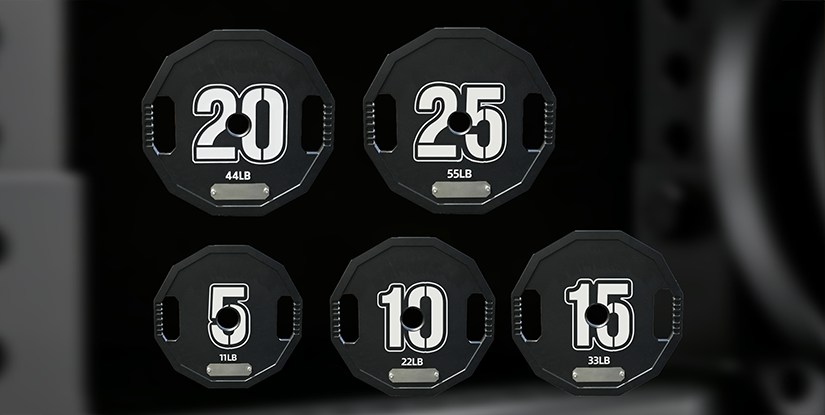
Choosing the correct method depends on your target market's density. A budget-focused supplier will prioritize sand casting to maintain low MOQ thresholds and competitive landed costs, whereas a high-end OEM partner will utilize precision casting to ensure the concentricity and surface integrity required for elite training environments.
Selecting the appropriate manufacturing tier is a strategic decision that dictates both your distributor margins and the long-term reliability of the equipment in the field. A high-quality commercial weight plate manufacturer will provide clear documentation on how these production methods influence the final landed cost and the durability of the product under heavy usage cycles.
For many procurement leads, the decision involves weighing the immediate savings of standard sand casting against the long-term value of precision-machined or die-cast units. While the cast iron plate production process for entry-level products is optimized for high-volume wholesale efficiency, premium tiers are designed to minimize the maintenance load and replacement frequency for high-traffic facilities.
When evaluating a cast iron weight plate manufacturer, we recommend requesting a sample to inspect the bore concentricity and the smoothness of the surface finish. A China factory capable of OEM or ODM services should be able to demonstrate how their specific casting and coating methods meet the rigorous standards of the commercial fitness industry, ensuring that your private label branding remains associated with professional-grade durability.
Selecting the appropriate manufacturing tier is a strategic decision that dictates both your distributor margins and the long-term reliability of the equipment in the field. A high-quality commercial weight plate manufacturer will provide clear documentation on how these production methods influence the final landed cost and the durability of the product under heavy usage cycles.
For many procurement leads, the decision involves weighing the immediate savings of standard sand casting against the long-term value of precision-machined or die-cast units. While the cast iron plate production process for entry-level products is optimized for high-volume wholesale efficiency, premium tiers are designed to minimize the maintenance load and replacement frequency for high-traffic facilities.
When evaluating a cast iron weight plate manufacturer, we recommend requesting a sample to inspect the bore concentricity and the smoothness of the surface finish. A China factory capable of OEM or ODM services should be able to demonstrate how their specific casting and coating methods meet the rigorous standards of the commercial fitness industry, ensuring that your private label branding remains associated with professional-grade durability.
Precision Machining and Quality Control in China Factories
For professional distributors and gym equipment importers, the structural integrity of weight sets depends on the technical rigor of the cast iron weight plate manufacturer. While sand casting provides the fundamental shape, the difference between a budget unit and a premium commercial-grade product lies in the secondary processing stages. High-volume wholesale cast iron weight plates must undergo specific finishing steps to ensure they meet the strict durability requirements of high-traffic training environments.
The production sequence typically begins with traditional sand casting to create the base plate geometry. However, to ensure a perfect fit on Olympic barbells, a professional commercial weight plate manufacturer must implement precision machining. This involves using CNC machining to refine the center bore, ensuring the concentricity is high and the fit is smooth. Without this step, plates may wobble or bind on the barbell, leading to premature wear on both the equipment and the user's bar.
Beyond the bore, rigorous weight calibration is essential for maintaining professional standards. During the cast iron plate production process, individual plates are often checked to manage the weight tolerance. A reliable factory will utilize standardized calibration methods to ensure that the actual weight aligns with the stamped value, preventing discrepancies that can undermine a distributor's reputation. For large-scale sourcing, these technical specifications directly impact the long-term TCO (Total Cost of Ownership) for the end-user and the return rate for the importer.
Production Standards and Commercial Tier Comparison
When managing bulk procurement, understanding the qualitative differences between production tiers is essential for optimizing your landed cost and long-term inventory value. A professional cast iron weight plate manufacturer will typically offer different levels of finishing and precision to suit various market segments, from budget-friendly fitness centers to high-end strength facilities. Choosing the correct tier based on your MOQ and target market is a critical sourcing decision.
| Material Tier | Primary Process | Surface Finishing | Commercial Duty | Typical Sourcing Context |
|---|---|---|---|---|
| Standard Cast | Sand Casting | Bare Iron or Basic Paint | Budget / Home Gym | High-volume wholesale |
| Commercial Grade | Sand Casting + Machining | Industrial Powder Coating | Standard Commercial Gym | Distributor stock / OEM |
| Premium Precision | Casting + CNC Machining | Advanced Coating / Enamel | Elite Strength Clubs | Private Label / High-end |
The cast iron plate production process for premium tiers involves more intensive surface finishing to ensure long-term durability. For example, while a basic plate might rely on simple paint, a high-tier commercial weight plate manufacturer will utilize a professional powder coating line. This creates a much more resilient barrier against oxidation and impact, significantly reducing the maintenance load for the end-user. When evaluating a China factory, always confirm if their quality control (QC) protocols include adhesion testing for these coatings to prevent chipping during high-frequency use.
OEM and Private Label Customization Capabilities
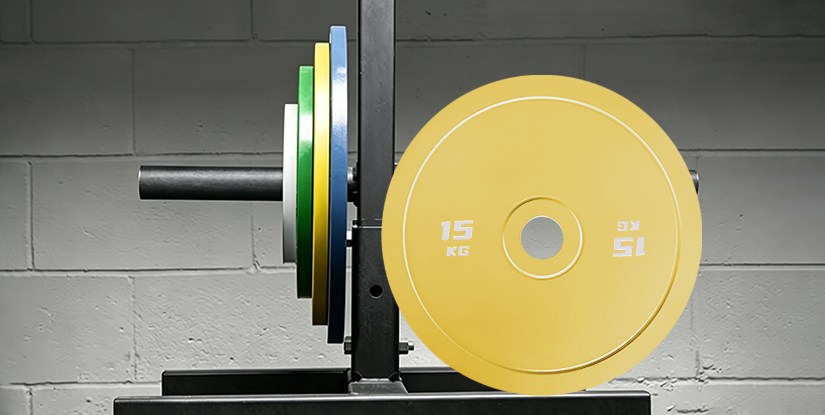
For distributors and global fitness brands, generic inventory often fails to differentiate a product line in a crowded market. A professional cast iron weight plate manufacturer provides the necessary technical infrastructure to transform standard stock into branded assets. By leveraging OEM and ODM services, importers can move beyond basic procurement to build a distinct brand identity through specialized manufacturing.
Customization begins at the mold stage. A leading commercial weight plate manufacturer offers advanced mold development to accommodate custom weight increments that standard catalogs may lack. This allows your brand to offer specialized sets tailored to specific training disciplines or boutique studio requirements. Whether you require high-relief logo embossing directly into the iron or precision custom branding via high-durability silk-screening, the factory can execute these specifications during the initial casting phase to ensure long-term visibility.
The scope of private label production typically involves several layers of technical customization. Beyond visual branding, sourcing agents can specify different surface finishes—such as matte black powder coating or phosphate treatments—to match a specific aesthetic. While high-level customization often requires a higher MOQ, these services allow distributors to control their market positioning through unique product specifications. During the wholesale process, we recommend confirming the specific technical requirements for your custom branding early in the production cycle to ensure seamless integration with the cast iron plate production process.
Customization Tier Comparison for Procurement Managers
Selecting the correct level of customization is a critical decision for managing landed costs and distributor margins. A professional cast iron weight plate manufacturer provides various tiers of production, ranging from simple logo application to full structural design. To assist in your sourcing strategy, the following table outlines the technical trade-offs between standard and highly customized orders.
| Customization Type | Branding Method | Specification Flexibility | Typical MOQ | Production Lead Time | Commercial Duty |
|---|---|---|---|---|---|
| Standard Stock | None or generic | Standard increments only | Low | Short | Basic Commercial |
| Basic Private Label | Silk-screen or paint | Standard colors/finishes | Medium | Medium | Premium Commercial |
| Full OEM | Raised casting relief | Custom dimensions/weights | High | Long | Elite/Competition |
| Advanced ODM | Full mold development | Unique plate geometry | High | Long | Specialized/Boutique |
When evaluating wholesale cast iron weight plates, it is essential to align your branding requirements with your inventory turnover goals. For instance, high-relief casting is more durable for heavy-duty gym environments but requires a higher MOQ and longer lead times compared to surface-level silk-screening. We recommend discussing your long-term product roadmap with your supplier during the sample approval stage to ensure that your chosen cast iron plate production process can scale effectively with your market demand.
Logistics and Export Optimization for Global Importers
Efficiently managing the landed cost of heavy iron goods is a primary concern for any professional importer. Because weight plates are high-density, low-volume items, shipping optimization is critical to maintaining healthy distributor margins. A specialized China factory focuses on maximizing container load density through strategic palletization and optimized export packaging. This ensures that every cubic meter of sea freight is utilized effectively, reducing the per-unit shipping cost during a bulk order.
To mitigate the risk of transit damage, professional wholesale shipments utilize reinforced heavy-duty cartons and moisture-resistant wrapping. This protects the surface finish and prevents oxidation during long-haul maritime transport. We recommend that procurement leads coordinate closely with their supplier regarding container loading plans (FCL vs LCL) to balance volume requirements with freight budgets. By integrating these logistical considerations into the early stages of sourcing, buyers can achieve more predictable pricing and smoother customs clearance for their international distribution networks.
Optimizing Logistics and Export Packaging for Bulk Orders
For professional distributors and gym equipment importers, the total landed cost of a shipment often determines the final profit margin. When sourcing from a cast iron weight plate manufacturer, understanding how packaging density and shipping configurations impact freight expenses is essential for maintaining a competitive edge in the North American market.
Optimizing the shipping volume of bulk orders requires a strategic approach to palletization and container loading. Because cast iron is a high-density, heavy-duty material, the primary constraint is weight capacity rather than physical space. A professional commercial weight plate manufacturer will utilize heavy-duty wooden pallets and reinforced steel strapping to ensure stability during sea freight transit, preventing shifting that could damage the product or the container walls.
To achieve the best wholesale cast iron weight plates pricing, importers should coordinate closely with their supplier regarding the cast iron plate production process and its final packaging stages. Efficiently stacking plates by weight and thickness allows for maximum payload density in 20ft or 40ft containers, effectively lowering the per-unit shipping cost. We recommend requesting a detailed loading plan and a formal quote that accounts for your specific MOQ to ensure your logistics budget remains predictable.
Packaging Selection for Optimized Freight and Protection
Selecting the appropriate export packaging method is a critical decision for procurement managers balancing protection requirements against the total landed cost. Depending on your storage infrastructure and the distance of the final distribution leg, different configurations offer distinct advantages for heavy-duty iron goods.
The following table compares standard industry methods used by a professional cast iron weight plate manufacturer to help you evaluate the trade-offs between cost efficiency and product security during long-distance transit.
| Packaging Configuration | Primary Benefit | Typical Use Case | Protection Level | Logistics Efficiency |
|---|---|---|---|---|
| Loose Bulk Loading | Maximum container density | High-volume wholesale shipments | Standard (minimal) | Highest weight-to-volume ratio |
| Palletized with Shrink Wrap | Ease of mechanized handling | Standard commercial weight plate manufacturer orders | High (stable) | Optimized for forklift loading |
| Reinforced Wooden Crates | Maximum impact resistance | Premium or long-distance sea freight | Highest (heavy-duty) | Increased volume/lower density |
When managing wholesale cast iron weight plates, we advise coordinating with your factory to confirm the specific loading protocols. For example, while loose loading maximizes the number of units per container, palletized shipments significantly reduce labor time and potential breakage at your local warehouse. For highly customized OEM or ODM requests, ensure that your China factory provides a pre-shipment inspection of the pallet integrity and crate reinforcement to mitigate risks during ocean transit.
| Packaging Configuration | Primary Benefit | Typical Use Case | Protection Level | Logistics Efficiency |
|---|---|---|---|---|
| Loose Bulk Loading | Maximum container density | High-volume wholesale shipments | Standard (minimal) | Highest weight-to-volume ratio |
| Palletized with Shrink Wrap | Ease of mechanized handling | Standard commercial weight plate manufacturer orders | High (stable) | Optimized for forklift loading |
| Reinforced Wooden Crates | Maximum impact resistance | Premium or long-distance sea freight | Highest (heavy-duty) | Increased volume/lower density |
When managing wholesale cast iron weight plates, we advise coordinating with your factory to confirm the specific loading protocols. For example, while loose loading maximizes the number of units per container, palletized shipments significantly reduce labor time and potential breakage at your local warehouse. For highly customized OEM or ODM requests, ensure that your China factory provides a pre-shipment inspection of the pallet integrity and crate reinforcement to mitigate risks during ocean transit.