Steel Competition Kettlebell Manufacturer: Material Specs
Steel Competition Kettlebell Manufacturer: Material Selection and Commercial Durability
A professional steel competition kettlebell manufacturer produces high-precision implements using specialized alloys to meet strict international standards. B2B buyers, such as distributors and gym equipment importers, prioritize these units because they offer superior weight consistency and structural integrity required for high-traffic commercial environments and sanctioned training sessions.
Sourcing the correct material is the first step in mitigating long-term replacement costs and maintaining high professional standards. When selecting a commercial grade kettlebell supplier, procurement professionals must look beyond simple casting to the specific metallurgical composition. High-end competition-grade units typically utilize chrome-manganese steel to ensure the bell maintains its shape and surface integrity under rigorous use. This level of material density and strength is essential for maintaining the tight tolerances required for professional athletics.
The primary challenge in bulk sourcing is ensuring that every unit in a large shipment adheres to the same specifications. In many commercial settings, cheaper cast iron alternatives may suffer from surface irregularities or inconsistent weight distribution. However, a specialized steel competition kettlebell manufacturer utilizes a more controlled production route, often involving precision machining and advanced surface treatments to ensure a smooth, consistent finish that is ideal for both grip and aesthetics.
A critical component of the production quality is the weight calibration and concentricity check. For distributors, these technical steps are non-negotiable. If the center of gravity is off due to poor casting or uneven material density, the kettlebell will feel unbalanced, leading to client dissatisfaction and potential liability issues in professional studios. Reliable wholesale competition kettlebells undergo rigorous inspection to ensure the handle-to-body junction and the overall spherical symmetry meet professional-grade requirements.
| Material Type | Primary Process | Key Component Spec | Commercial Duty | MOQ Impact | Factory QC Point |
|---|---|---|---|---|---|
| Chrome-Manganese Steel | Precision Machining | Competition-spec steel bell | Premium / Professional | Higher | Concentricity check |
| Cast Iron | Sand Casting | Standard handle grip | Standard Commercial | Moderate | Base flatness |
| Solid Steel | Forging/Machining | Integrated handle | High-Intensity/Elite | High | Weight calibration |
When negotiating with a China factory, it is essential to clarify how these material standards affect your lead time and MOQ. While premium steel alloys provide better durability and a more professional finish, they often require more intensive machining and longer production cycles than standard cast iron. Understanding these variables allows importers to better manage their landed cost and inventory turnover, ensuring they provide high-value products to their end-users without unexpected delays.
Surface Treatment and Finish Durability
The choice between a powder coating and a chrome finish is a decisive factor for long-term maintenance and total cost of ownership (TCO). A professional steel competition kettlebell manufacturer understands that the surface finish is not merely aesthetic; it is a protective layer that prevents oxidation and ensures grip consistency. For distributors, the durability of this coating directly impacts the replacement frequency and the long-term reputation of the brand being distributed.
In many commercial settings, chrome plating is the standard for high-tier competition units due to its extreme hardness and resistance to chipping. This process provides a smooth, non-porous surface that is highly resistant to sweat and environmental moisture. Conversely, high-grade powder coating offers a robust, textured finish that is excellent for grip stability and is a common choice for high-volume wholesale competition kettlebells. While powder coating is often more cost-effective for large-scale wholesale orders, chrome plating typically offers a more premium, long-lasting surface for elite professional environments.
When evaluating a commercial grade kettlebell supplier, procurement leads should request specific details regarding the coating adhesion and the application process. A high-quality factory will utilize multi-stage surface preparation—such as degreasing and phosphate treatment—before applying the final finish to ensure the layer does not peel under heavy use. This attention to detail prevents the common failure mode of surface flaking, which can be a significant pain point for gym owners and a liability for distributors.
For buyers looking to develop a private label, understanding these technical trade-offs is essential for managing the landed cost. While a chrome-finished unit may require a higher initial MOQ or a higher unit price, the increased durability often results in a better return on investment (ROI) for premium fitness facilities. We recommend requesting a sample evaluation to inspect the coating adhesion and knurling depth before committing to a full-scale OEM or ODM production run.
Manufacturing Processes: From Casting to Precision Machining
For professional importers and distributors, the technical transition from raw casting to final finishing determines the long-term reliability of a bulk shipment. A reliable steel competition kettlebell manufacturer must manage the complex shift from molten metal to a precision-engineered tool. In high-volume sourcing, understanding whether a commercial grade kettlebell supplier utilizes standard casting or advanced machining is critical for minimizing returns and ensuring consistent weight distribution across a full container load.
The production sequence typically begins with the choice of casting method. While sand casting is a standard approach for general commercial use, high-end competition-spec units often require more advanced techniques to ensure concentricity. For instance, the distinction between sand casting and centrifugal casting is vital; centrifugal casting often results in a more uniform density, which is a key requirement for wholesale competition kettlebells intended for professional training environments. This initial stage sets the foundation for all subsequent CNC machining and surface finishing steps.
Once the raw bell shape is established, the process moves to precision CNC machining. This stage is where the steel competition kettlebell manufacturer refines the critical dimensions of the unit. High-precision machining is used to ensure the handle and the bell body meet strict competition-grade standards. Specifically, the precision handle dimensions and the depth of the knurling must be uniform across the entire batch to prevent grip inconsistencies during heavy use. Without rigorous CNC calibration, a factory may face high rejection rates during the final weight tolerance spot-checks, which can directly impact your landed cost and distributor margins.
Manufacturing Method Comparison for Commercial Tiers
Selecting the appropriate production method is a strategic decision that balances initial procurement costs against long-term durability and brand reputation. A professional steel competition kettlebell manufacturer will offer different manufacturing routes depending on your target market segment. Whether you are sourcing for a budget-friendly commercial gym or a high-end professional competition circuit, the manufacturing process directly influences the unit's weight stability and surface integrity.
The following table provides a technical breakdown to assist in your sourcing decisions, comparing the common manufacturing tiers found in a professional China factory. This comparison focuses on how different processes affect the final product's commercial utility and the impact on your bulk order requirements.
| Manufacturing Method | Material/Finish | Key Component Focus | Commercial Duty | MOQ Impact | Factory QC Point |
|---|---|---|---|---|---|
| Sand Casting | Cast Iron / Powder Coating | Handle-to-body junction | Standard Commercial | Low | Base flatness |
| Centrifugal Casting | Solid Steel / Chrome Finish | Concentricity & Weight Uniformity | Premium Competition | Medium | Handle/Grip uniformity |
| CNC Machined & Polished | Chrome-Manganese Steel | Knurling depth & Precision Grip | Elite Professional | High | Weight tolerance spot-check |
When evaluating a supplier, it is essential to verify how these processes integrate with the final assembly. For example, while sand casting is a cost-effective solution for high-volume wholesale distribution, the higher precision of a CNC-machined steel bell ensures that the knurling and handle dimensions remain consistent across large-scale shipments. This level of detail reduces the risk of quality disputes and ensures that your branded equipment meets the expectations of professional athletes.
Surface Finishing and Final Quality Control Protocols
After the machining phase, the focus shifts to surface integrity and aesthetic consistency. For high-end distributors, the durability of the coating is just as important as the weight accuracy. A professional steel competition kettlebell manufacturer must implement rigorous surface finishing protocols to ensure that the metal is protected from oxidation and that the grip remains functional under heavy use. Common industrial routes include high-temperature powder coating for enhanced durability or high-polish chrome plating for that signature professional competition aesthetic.
The critical failure point for many low-tier imports is poor coating adhesion, which leads to chipping and rust in a commercial gym environment. To mitigate this, a reliable supplier utilizes a multi-stage preparation process, often involving chemical degreasing and phosphate treatment before any decorative layer is applied. This ensures the coating bonds deeply with the steel substrate, maintaining the brand identity of your private label equipment over years of intense training cycles.
Before any container is sealed, a strict pre-shipment QC protocol must be executed. This stage is vital for maintaining high distributor margins and avoiding the high costs of replacement or returns. A professional China factory will conduct visual and tactile inspections of the surface finishing, checking for any irregularities in the knurling or inconsistencies in the chrome layer. Furthermore, the final inspection includes verifying the base flatness and ensuring that the weight distribution remains within the specified tolerance levels across the entire batch.
To protect the integrity of the finished units during long-distance ocean freight, specialized export packaging is required. This involves heavy-duty corrugated boxes and reinforced corner protection to prevent denting or surface scratches during transit. When managing your lead time and logistics, ensure that your partner provides detailed packing lists and high-strength packaging solutions. This level of preparation minimizes the risk of damaged goods upon arrival, protecting your landed cost and ensuring your clients receive premium-grade equipment ready for immediate commercial deployment.
As you finalize your procurement strategy, we recommend requesting a technical spec sheet or a sample evaluation to verify these coating and machining standards firsthand. Whether you require OEM custom branding or are looking to confirm the MOQ for a standard wholesale order, our team is available to provide detailed documentation and support your factory audit requirements.
Comparing Competition-Spec Steel vs. Standard Cast Iron
For professional distributors and gym procurement leads, the choice between material types directly dictates the long-term TCO and replacement cycles. When sourcing from a steel competition kettlebell manufacturer, understanding the structural divergence between high-grade steel and standard iron is vital for maintaining high-end facility standards and maximizing ROI.
Standard cast iron is widely used for general commercial training, but it often lacks the dimensional consistency required for high-level athletics. In contrast, a professional commercial grade kettlebell supplier will provide competition-spec steel units that offer superior density and precision. This distinction is critical when your clients demand consistent weight distribution and a predictable handle-to-body ratio during intense training sessions.
The following table outlines the procurement logic when choosing between these two common commercial tiers to help you optimize your wholesale competition kettlebells order based on end-user requirements.
| Material Tier | Primary Process | Weight Precision | Commercial Durability | Best Use Case |
|---|---|---|---|---|
| Cast Iron | Sand Casting | Standard Tolerance | High (General Use) | Commercial Gyms / CrossFit |
| Competition-Spec Steel | Machined / Centrifugal Casting | High Precision | Extreme (Elite Use) | Professional Competition / Sport |
| Powder Coated Steel | Machining + Coating Line | Moderate to High | High (Surface Protection) | Premium Studios / Boutique Gyms |
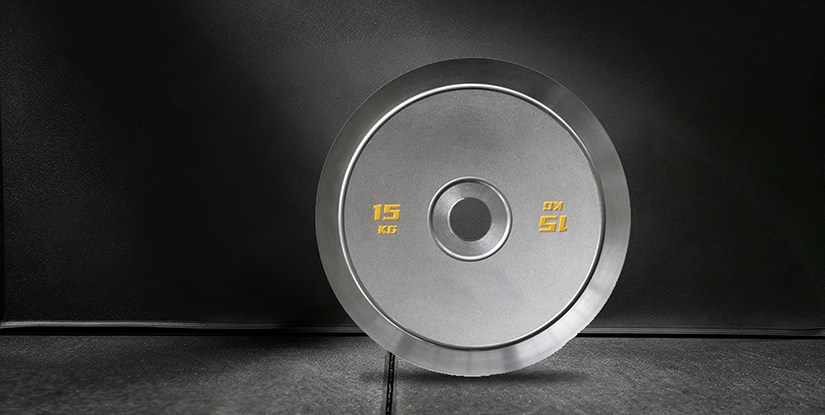
Selecting the correct specification through a reliable steel competition kettlebell manufacturer ensures that your inventory meets the rigorous demands of professional athletes while managing your landed cost effectively. Depending on your target market, a China factory can offer different levels of finishing—from bare iron to advanced powder coating—to suit your specific branding and durability needs.
When evaluating the long-term value of your inventory, procurement officers must look beyond the initial unit price to the total cost of ownership (TCO). A high-quality steel competition kettlebell manufacturer provides products that reduce maintenance frequency and replacement cycles, even if the initial investment is higher. For distributors, the ability to offer a consistent, high-precision product often leads to higher client retention and better long-term margins.
The decision to source high-spec steel versus standard iron should be driven by your target end-user. If your clients are high-performance training centers, the precision of a commercial grade kettlebell supplier becomes your strongest selling point. Conversely, for high-volume commercial gyms where durability and cost-efficiency are the primary drivers, standard cast iron remains a reliable staple. We recommend reviewing the specific finishing and weight calibration requirements of your clients before finalizing your bulk order to ensure the best possible ROI and brand reputation.
The manufacturing complexity of competition-spec units significantly impacts the final landed cost and long-term operational efficiency. Unlike standard cast iron, high-end steel units require advanced CNC machining to achieve the necessary concentricity and handle smoothness. A professional steel competition kettlebell manufacturer will utilize these precision steps to ensure the bell remains balanced under high-velocity movement, a critical factor for professional athletes and high-end studio operators.
Surface treatment also plays a decisive role in procurement. While standard units might rely on basic paint, premium competition models often feature a high-grade chrome finish or advanced powder coating. These processes are not merely aesthetic; they are essential for long-term commercial durability, preventing oxidation and ensuring the knurling remains tactile and consistent over years of heavy use. When you partner with an experienced commercial grade kettlebell supplier, you are investing in a product that minimizes the maintenance load and replacement frequency for your end-users.
From a supply chain perspective, the technical requirements of these processes can influence your lead time and MOQ. Precision-heavy workflows, such as extensive CNC machining and multi-stage plating, require more rigorous factory QC and longer production windows compared to simple casting. We advise importers to account for these variables when planning inventory cycles. By selecting a wholesale competition kettlebells tier that matches your market's specific durability expectations, you can optimize your procurement efficiency and ensure a superior return on investment for your distribution business.
China Factory QC Protocols and Export Standards
Maintaining strict quality control is essential for distributors sourcing high-end fitness gear. A professional steel competition kettlebell manufacturer implements a multi-stage verification system to ensure every unit meets international competition standards before leaving the China factory. This rigorous approach minimizes the risk of weight discrepancies or surface defects that can damage your brand reputation and increase after-sales costs.
Our pre-shipment inspection protocols focus on three critical pillars: structural integrity, weight precision, and surface finish. For a competition-spec steel bell, the process begins with a weight tolerance spot-check to ensure the center of gravity is perfectly balanced. This is followed by a manual inspection of the knurling and handle texture to ensure grip consistency. Finally, we verify the surface finishing, checking for coating adhesion and any irregularities in the chrome finish or powder coating. This systematic QC ensures that your wholesale competition kettlebells arrive ready for professional use, reducing the need for replacement planning or returns.
For high-volume sourcing, we offer detailed inspection reports and can coordinate with third-party agencies to verify commercial grade kettlebell supplier standards. Whether you require OEM customization or standard wholesale orders, our factory maintains full transparency in the production and testing stages to protect your distributor margins.
Technical Inspection Matrix for B2B Procurement
To facilitate efficient product evaluation and reduce the risk of landed cost overruns, we provide a standardized inspection framework. This matrix allows procurement leads to understand the qualitative differences between production tiers and the specific verification points required for high-standard wholesale competition kettlebells. By aligning your inspection criteria with these industry-standard stages, you can better manage your distributor margins and ensure long-term commercial durability.
| Inspection Stage | Focus Area | Commercial Significance | QC Method |
|---|---|---|---|
| Casting & Machining | Body Concentricity | Ensures balanced swing dynamics and weight stability | Visual alignment check and rotation testing |
| Handle Refinement | Knurling & Grip Texture | Prevents grip failure and improves user safety in high-traffic zones | Manual tactile inspection and edge smoothness test |
| Surface Finishing | Coating Adhesion | Reduces maintenance load and prevents oxidation or chipping | Standard friction and surface integrity check |
| Calibration | Weight Precision | Crucial for competition-spec compliance and professional trust | Standardized weight verification and center of gravity check |
| Pre-shipment QC | Base Flatness | Ensures stable placement on gym flooring to prevent movement | Leveling surface test on flat plane |
When managing a large-scale sourcing project, we recommend requesting a specific sample approval for your OEM or ODM designs. This allows you to verify the thickness of the chrome finish or the precision of the handle before the full production run begins. For distributors, understanding these technical checkpoints is the most effective way to ensure that your supplier delivers products that meet the rigorous demands of the global commercial fitness market.
Optimizing Logistics and Export-Ready Packaging
Efficient logistics management is a critical component of a successful sourcing strategy. For high-volume wholesale buyers, the primary concern is often the total landed cost and the risk of damage during long-distance transit. A professional steel competition kettlebell manufacturer must implement specialized export packaging protocols to protect the integrity of the chrome finish and prevent denting or surface scratches that can occur during container loading and sea freight.
To minimize damage risks, we utilize reinforced, heavy-duty corrugated boxes and customized internal dividers designed specifically for the weight distribution of kettlebells. This ensures that even in large bulk orders, each unit remains secure and stable. We also provide optimized palletization and container loading plans to maximize space efficiency, helping you reduce shipping costs per unit. When planning your inventory, please consider the standard lead time for production and the specific MOQ requirements for custom OEM or ODM branding requests. By partnering with a reliable commercial grade kettlebell supplier, you can ensure a predictable supply chain and high-quality delivery to your local distribution center.
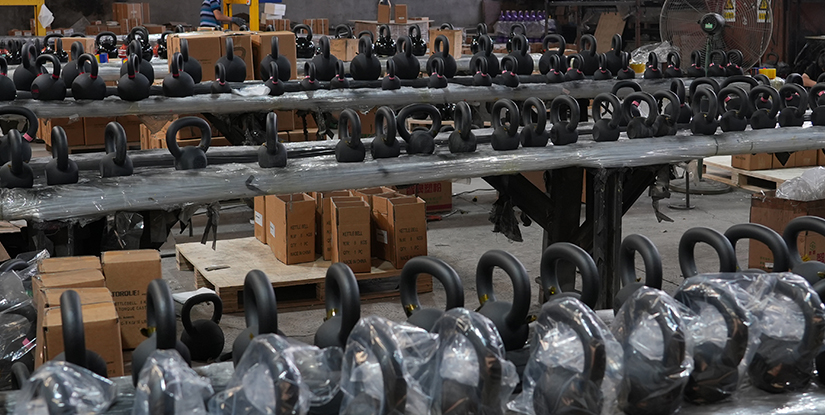
OEM/ODM Capabilities and Private Label Customization
For international distributors and large-scale gym equipment importers, standardizing a product line through a professional steel competition kettlebell manufacturer is a strategic move to build brand equity. Rather than sourcing generic units, professional buyers utilize OEM and ODM services to differentiate their inventory in competitive markets. Whether you are launching a boutique fitness line or expanding a regional distribution network, a specialized China factory can transform a standard steel bell into a signature product that meets specific regional or brand-standard requirements.
Customization goes beyond simple aesthetics; it involves technical precision in the manufacturing chain to ensure your brand identity remains intact throughout the product's lifecycle. A reliable commercial grade kettlebell supplier offers tiered customization options, ranging from minor surface adjustments to complete structural design specifications. This allows importers to manage their landed cost effectively while offering premium, branded solutions to their end clients.
Custom Branding and Technical Specifications
Effective private label production requires strict control over how your brand is integrated into the physical product. We provide various methods for custom branding to ensure your logo remains legible and durable despite high-intensity commercial use. Common options include precision laser etching on the steel body, high-durability silk screening, or even custom metal plates integrated during the assembly stage. For high-end competition-spec units, we can also facilitate logo placement on the handle or the base to meet specific tournament or studio standards.
Beyond logos, color customization is a critical tool for studio operators and distributors looking to align their equipment with specific interior design themes. We can adjust the powder coating or specialized finish colors to match your brand palette. When sourcing wholesale competition kettlebells, it is essential to confirm that these customized finishes do not compromise the weight calibration or the grip texture of the handle. We work closely with our clients to define the MOQ for custom color runs, ensuring that even specialized orders remain commercially viable for your inventory planning.
| Customization Tier | Scope of Service | Typical Branding Method | Impact on Lead Time |
|---|---|---|---|
| Standard Wholesale | Existing stock with standard finishes | None or standard logo | Shortest |
| Basic Private Label | Standard steel bell with custom color | Laser etching or silk screen | Moderate |
| Full Customization | Custom handle geometry and full color | Integrated metal plate or specialized coating | Longest |
| Customization Type | Specification Details | Branding Options | Typical MOQ | Lead Time Impact | Commercial Application |
|---|---|---|---|---|---|
| Standard Wholesale | Standard steel bell with base finish | None or standard logo | Low | Minimal | General fitness distribution |
| Mid-Tier Private Label | Custom color powder coating | Laser etching or silk screen | Moderate | Moderate | Boutique studio branding |
| Premium OEM/ODM | Custom handle geometry or plating | Integrated metal plate or embossed logo | High | Significant | Professional competition lines |
When evaluating a steel competition kettlebell manufacturer, procurement managers must weigh the trade-offs between high-level customization and total landed cost. While full OEM services allow for a unique market position, they naturally involve higher MOQ requirements and longer production cycles. We recommend requesting a detailed spec sheet and a sample evaluation before committing to high-tier custom branding to ensure the weight tolerance and grip texture align with your brand's quality promise.
Sample Evaluation and Sourcing Protocols
To mitigate the risks associated with large-scale international procurement, professional buyers should never bypass the sample evaluation phase. Even when working with an established steel competition kettlebell manufacturer, a physical sample allows your quality control team to verify critical commercial attributes such as handle-to-body junction strength, knurling depth, and coating adhesion. This step is essential for ensuring that the finished product aligns with your brand's specific durability standards before initiating high-volume wholesale production runs.
For distributors planning long-term inventory cycles, we recommend a structured sourcing approach that includes a formal factory audit and a pre-shipment inspection. During the pre-shipment stage, our technicians conduct weight tolerance spot-checks and inspect the structural integrity of the steel bell to ensure every unit meets competition-grade specifications. Furthermore, our specialized export packaging protocols are designed to withstand the rigors of transoceanic shipping, protecting your investment from impact damage and ensuring that the landed cost is not inflated by avoidable replacement or return logistics.
Sourcing and Logistics: Optimizing Your Bulk Order
Directly engaging a steel competition kettlebell manufacturer allows distributors to bypass multiple layers of middleman markup, significantly reducing the total landed cost of high-end fitness inventory. By sourcing directly from a China factory, professional importers can align their procurement cycles with actual production capacities, ensuring that high-spec steel units arrive with predictable margins and optimized shipping volumes.
Managing the logistics of heavy iron and steel components requires precision in both container loading and shipping logistics to prevent unnecessary freight overhead. For large-scale distributors, understanding the relationship between MOQ requirements and container utilization is critical for maintaining a competitive edge in the North American market. When you secure wholesale contracts, you are not just buying equipment; you are optimizing your entire supply chain for better ROI.
A professional commercial grade kettlebell supplier will provide transparent timelines regarding lead time and production stages. This transparency is essential for inventory planning, especially when managing wholesale competition kettlebells that require specific surface treatments or custom branding. Effective sourcing strategies focus on balancing these production windows with efficient sea freight scheduling to ensure a steady flow of premium stock to your warehouse.
Sourcing Model Comparison: Direct Factory vs. Trading Company
Selecting the correct procurement path is a decisive factor in determining your final distributor margin. While trading companies offer convenience, a dedicated steel competition kettlebell manufacturer provides the technical oversight necessary for high-spec steel production. For buyers prioritizing long-term commercial durability and consistent weight tolerances, direct sourcing remains the industry standard for reducing landed cost and ensuring high-quality output.
| Sourcing Model | Primary Advantage | Customization Capability | Quality Control Access | Typical MOQ Impact |
|---|---|---|---|---|
| Direct Factory | Optimized landed cost and direct technical communication | High (Full OEM and ODM support) | Direct oversight of QC and pre-shipment inspection | Higher, based on production line efficiency |
| Trading Company | Lower initial volume requirements and simplified logistics | Limited to existing stock or basic branding | Indirect; dependent on third-party reports | Lower, suitable for small-scale testing |
When evaluating your next bulk order, consider that direct engagement with a supplier allows for more rigorous quality inspection protocols. This includes verifying the precision of the knurling, the adhesion of the chrome finish, and the concentricity of the steel bell. For professional importers, the ability to request specific pre-shipment audits and custom branding protocols is often worth the higher MOQ, as it protects your brand reputation and long-term profitability.
Export Packaging and Container Loading Efficiency
Shipping dense, heavy steel products requires specialized export packaging to mitigate the risk of impact damage or surface oxidation during long-haul transit. A professional steel competition kettlebell manufacturer understands that even a minor dent or a compromised chrome finish can lead to costly returns and damaged distributor margins. To ensure safe arrival, units should be secured in reinforced, heavy-duty corrugated cartons, often with internal dividers or protective layers to prevent metal-on-metal friction during sea freight movement.
Optimizing shipping efficiency is a vital component of managing your total landed cost. For high-volume orders, we recommend discussing container loading patterns with your supplier to maximize volume utilization. Whether you are utilizing 20ft or 40ft containers, ensuring that the weight distribution is balanced and the export packaging is stackable will reduce both freight expenses and the likelihood of product shifting. When coordinating your next bulk order, please contact us to request a detailed loading plan or to confirm the MOQ for customized palletized shipping configurations.