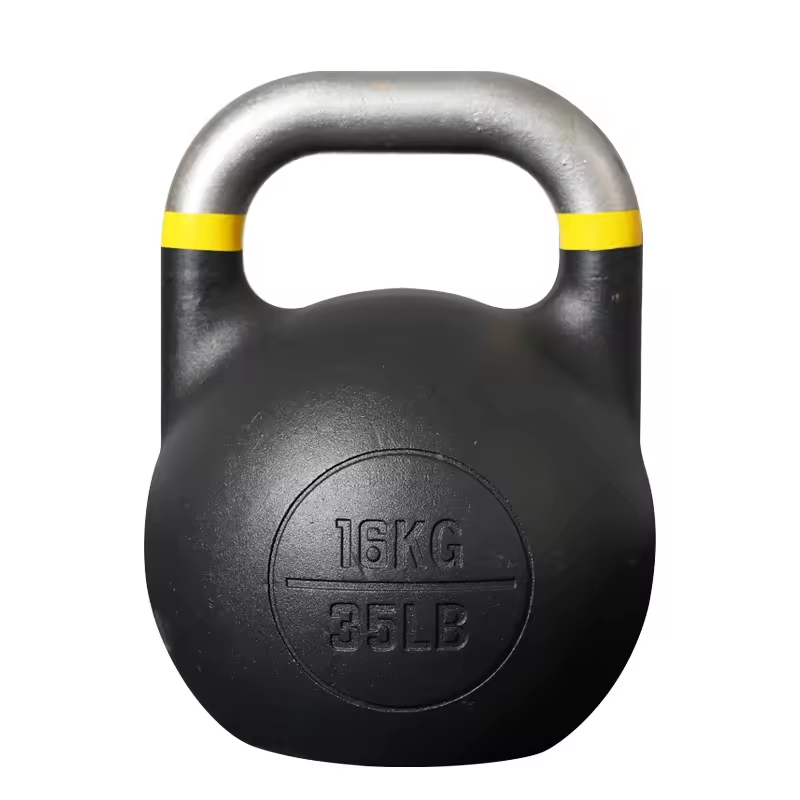
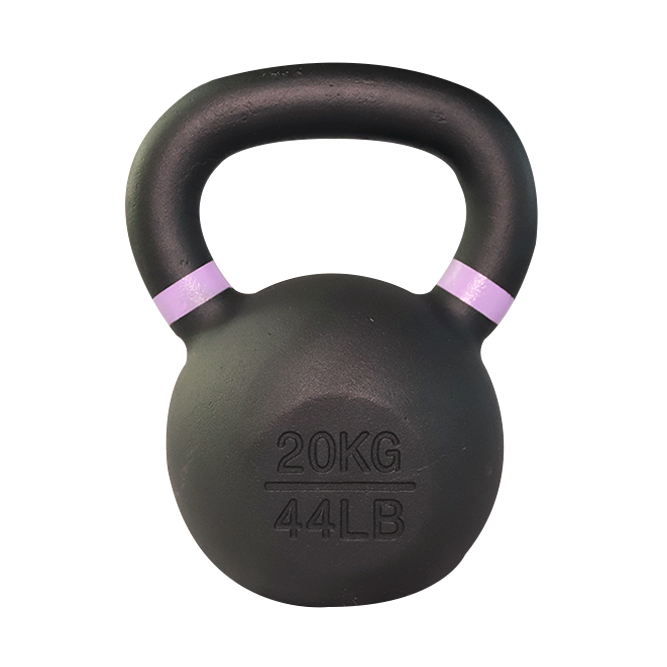
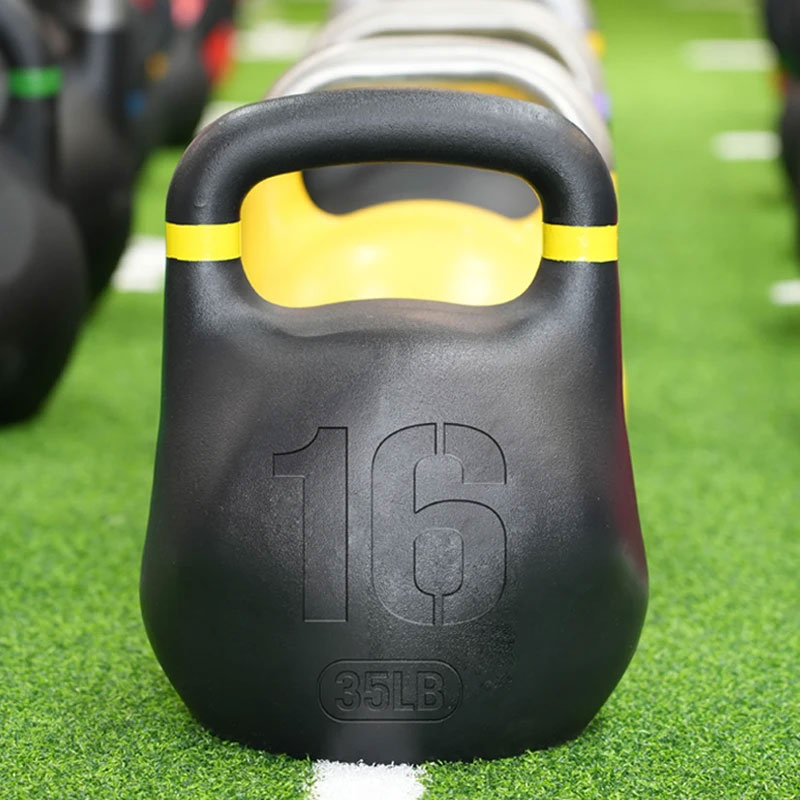
Cast Iron Kettlebell Manufacturer China: Wholesale Material
Cast Iron Kettlebell Manufacturer China: Material and Commercial Deployment
When initiating a large-scale procurement cycle, professional buyers must evaluate three critical checkpoints: material structural integrity, weight tolerance consistency, and long-term maintenance requirements. Selecting a reliable cast iron kettlebell manufacturer China ensures that your inventory meets the rigorous demands of high-traffic gym environments while maintaining a competitive landed cost. A professional wholesale kettlebell supplier focuses on providing units that balance high-density gray iron with optimized surface finishes to prevent premature oxidation and handle wear.
For high-volume commercial deployment, the material choice directly impacts the total cost of ownership. Most commercial cast iron kettlebells are produced using traditional sand casting methods, which create a robust, single-piece body capable of withstanding heavy impact. This manufacturing route is standard for China factory direct kettlebell production, offering a balance between structural durability and efficient wholesale scaling. For distributors, understanding the distinction between basic iron casting and premium surface treatments is essential for managing client expectations regarding product longevity.
The manufacturing sequence typically begins with high-grade gray iron casting to ensure a uniform density across the bell. Following the initial casting, the units undergo precision machining to refine the handle-to-body junction and ensure the concentricity required for professional training. The final surface finishing stage is where quality differentiation occurs; industry-standard options include phosphate treatments or multi-stage powder coating to enhance grip and prevent rust in humid studio environments. As a professional supplier, we ensure that every batch undergoes a strict weight calibration and coating adhesion check to meet international commercial standards before export.
Comparison of Casting and Coating Processes for Commercial Procurement
To optimize your procurement strategy, it is essential to understand how different manufacturing routes affect both the durability of the equipment and your overall margins. A professional cast iron kettlebell manufacturer China will offer various tiers of production to suit different budget requirements and usage intensities. The following table outlines the qualitative differences between common industrial processes to assist in your sourcing decisions.
| Material Type | Primary Process | Key Component Focus | Commercial Duty Tier | MOQ Impact | Factory QC Point |
|---|---|---|---|---|---|
| Gray Iron | Sand Casting | Single-piece body | Standard Commercial | Lower | Base Flatness |
| Gray Iron | Sand Casting + Powder Coating | Handle-to-body junction | Premium Commercial | Moderate | Coating Adhesion |
| Ductile Iron | Die Casting | Precision Knurling | High-End Studio | Higher | Weight Tolerance |
When evaluating a China factory direct kettlebell order, technical buyers should prioritize the integrity of the handle-to-body junction and the consistency of the surface finish. For instance, while sand casting is a highly efficient method for bulk wholesale orders, adding a secondary phosphate treatment or a professional powder coating line significantly increases the product's resistance to oxidation. This attention to detail reduces long-term maintenance costs for the end-user and enhances the reputation of your brand. We recommend requesting a sample approval or a technical spec sheet to confirm that the weight tolerance and coating thickness meet your specific commercial deployment standards before finalizing any large-scale OEM or ODM production run.
Pre-Shipment Inspection and Export Logistics Standards
Reliability in high-volume procurement is not determined solely by the casting quality, but by the rigor of the pre-shipment QC protocols. For an experienced importer, the risk of receiving a shipment with inconsistent weight distributions or compromised surface finishes can significantly impact the total landed cost. A professional cast iron kettlebell manufacturer China implements a systematic inspection sequence—moving from individual weight calibration to a visual audit of the coating adhesion and handle texture—to ensure every unit is export-ready.
The final stage of the supply chain involves specialized export packaging designed to withstand long-distance maritime transit. To protect the integrity of the powder coating and prevent impact damage to the handle-to-body junction, high-volume orders are typically secured in reinforced, moisture-resistant cartons. Efficient container loading is a critical factor for distributors looking to optimize shipping volumes and reduce per-unit freight costs. We recommend that buyers confirm the specific packaging dimensions and palletization standards during the initial quote phase to ensure seamless warehouse integration upon arrival.
Before finalizing your bulk procurement, we encourage partners to request a formal factory audit or a detailed sample evaluation. Whether you are looking for a standard stock replenishment or a custom OEM solution, verifying the pre-shipment inspection checklist—including weight tolerance spot-checks and surface finish durability—is a vital step in securing a high-quality, long-term supply chain. Please contact our team to confirm current MOQ requirements and obtain a customized quote for your next commercial deployment.
Material Selection and Casting Processes for Commercial Tiers
Selecting a reliable cast iron kettlebell manufacturer China requires a deep understanding of how raw material grades and casting techniques directly impact your long-term TCO. For distributors and gym procurement leads, the difference between high-grade gray iron and substandard alloys determines whether a product survives heavy commercial use or becomes a liability due to premature surface failure or weight inconsistencies.
Most professional-grade units utilize sand casting to form the core body. This method is industry-standard for producing commercial cast iron kettlebells that offer high density and structural integrity. During the manufacturing sequence, the molten gray iron is poured into precision sand molds, followed by a cooling phase that ensures the bell maintains its concentricity. A critical inspection point for any wholesale kettlebell supplier is the handle-to-body junction, as a seamless single-piece cast design is significantly more durable for high-traffic facilities than two-piece assemblies.
To protect the iron from oxidation and improve grip, a high-quality China factory direct kettlebell undergoes a specialized surface treatment, typically a multi-stage powder coating process. This coating must exhibit high adhesion to prevent chipping during heavy use. Evaluating these technical specifications during your sourcing phase helps mitigate the risk of frequent replacements and lowers the total cost of ownership for your clients.
| Material Tier | Primary Process | Surface Finish | Commercial Durability | Procurement Focus |
|---|---|---|---|---|
| Standard Commercial | Sand Casting | Basic Powder Coating | High (Standard Gyms) | Cost-effective Bulk |
| Premium Commercial | Precision Sand Casting | Enhanced Powder Coating | Very High (High-Traffic) | Long-term TCO |
| Competition Spec | CNC Machined/Die Cast | Enamel or Chrome | Extreme (Professional) | Brand Identity/Premium |
When evaluating a factory for your next bulk order, we recommend requesting a sample to inspect the weight tolerance and the smoothness of the handle texture. A professional manufacturer should be able to provide clear documentation regarding their weight calibration and coating adhesion standards to ensure your shipment meets all commercial requirements.
Technical Comparison of Casting and Coating Methods
The decision between sand casting and die casting, or choosing a specific coating, is a critical part of the sourcing process. For high-volume importers, the choice of manufacturing route determines the balance between initial landed cost and the long-term durability required by commercial end-users. A well-structured wholesale order should account for these variables to ensure the product meets the specific demands of the target market, whether it is a budget-conscious studio or a high-end training facility.
| Casting Method | Surface Detail | Primary Application | Typical Commercial Use | Procurement Decision |
|---|---|---|---|---|
| Sand Casting | Natural/Textured | Standard Commercial Gyms | High-volume training | Optimizing bulk margins |
| Die Casting | Smooth/Precision | Boutique Studios/Competition | High-end/Aesthetic focus | Premium brand positioning |
| CNC Machined | Ultra-Smooth | Professional/Competition | Precision movement | High-tier specialized kits |
Beyond the core casting, the surface finish is where most quality failures occur. A professional supplier will ensure that the powder coating or enamel layer is applied after a thorough cleaning of the iron body to prevent peeling. When you contact a cast iron kettlebell manufacturer China, you should specifically ask about their coating adhesion and the consistency of the knurling on the handle. Verifying these technical details during the sample approval stage helps prevent the high replacement costs often associated with lower-tier manufacturing.
Precision Engineering and Quality Control in Production
Achieving consistent results in a large-scale production run requires more than just raw casting; it demands rigorous technical control over every secondary process. For a professional cast iron kettlebell manufacturer China, the transition from a raw cast bell to a finished commercial product involves several critical stages where precision can significantly impact the final landed cost and product reliability. A single error in the machining or coating stage can lead to high return rates, which ultimately erodes the distributor's margin.
One of the most essential steps for premium units is the use of CNC machining to refine the handle and the bell junction. This ensures that the handle texture remains consistent and that the transition from the grip to the body is smooth and ergonomic. In high-standard production lines, after the initial casting, the units undergo a thorough cleaning and surface refinement. This is followed by a specialized coating process where coating adhesion is the primary metric for success. Without proper surface preparation, the powder coating may chip under the stress of repeated commercial use, leading to rust and a degraded aesthetic.
To ensure your bulk order meets international commercial standards, a reliable wholesale kettlebell supplier must implement a structured pre-shipment QC protocol. This includes weight tolerance spot-checks to ensure each unit falls within the acceptable industry-standard band, as well as physical inspections of the knurling and handle-to-body junction. Furthermore, because these items are heavy and dense, the export packaging must be robust. A professional China factory direct kettlebell production facility will utilize reinforced corner protection and heavy-duty cartons to prevent damage during long-distance ocean freight, ensuring the product arrives at your warehouse in pristine condition and ready for immediate distribution.
Surface Finishing and Handle Junction Integrity
When sourcing high-volume fitness inventory, procurement professionals must look beyond basic weight specifications to assess the long-term durability of the product. A reliable cast iron kettlebell manufacturer China ensures that every unit meets the structural demands of high-traffic commercial environments. For distributors, the primary concern is minimizing replacement costs caused by surface degradation or structural failures at critical stress points.
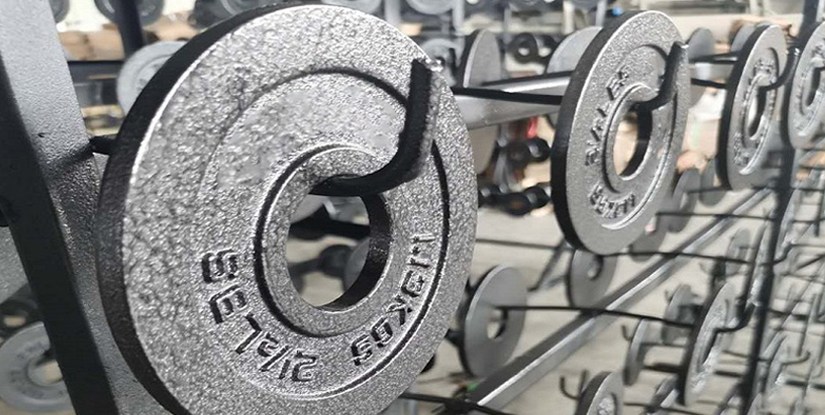
The engineering of commercial cast iron kettlebells relies heavily on the quality of the sand casting process and the subsequent surface treatment. A high-quality China factory direct kettlebell undergoes a rigorous surface finishing stage to eliminate casting imperfections. This typically involves a precision powder coating application that provides a consistent texture and protects the gray iron core from oxidation. For importers, ensuring high coating adhesion is vital to prevent peeling during heavy usage, which directly impacts the product's lifespan and your brand's reputation.
Furthermore, the integrity of the handle-to-body junction is a non-negotiable safety standard. In many commercial settings, the transition between the grip and the bell body is the most common failure point. A professional wholesale kettlebell supplier provides units where the handle is part of a single-piece casting or features a seamless, reinforced junction. This structural continuity ensures consistent weight tolerance and prevents cracking under heavy ballistic movements. When managing a sourcing strategy for large-scale gym deployments, prioritizing these technical specifications reduces the total cost of ownership and prevents the logistical burden of frequent warranty claims.
To facilitate efficient procurement, the following table compares common finishing and construction standards. This allows importers to select the appropriate tier based on their target market and budget requirements.
| Material & Process | Key Component | Commercial Duty | MOQ Impact | Factory QC Point |
|---|---|---|---|---|
| Bare Iron / Phosphate | Single-piece cast handle | Standard Commercial | Standard | Handle-to-body junction integrity |
| Powder Coating | Smooth-textured grip | Premium Commercial | Higher | Coating adhesion and uniformity |
| PU / Rubber Coating | Encapsulated handle | High-End Studio | Highest | Layer thickness and surface consistency |
Selecting the right wholesale tier is essential for maintaining healthy distributor margins. While bare iron options offer a lower entry cost, a factory that specializes in advanced coating lines can provide a more durable product for high-end boutique studios. We recommend requesting a sample evaluation or a technical spec sheet to verify the handle texture and coating durability before finalizing your bulk order. Please contact our team to confirm the current MOQ or to discuss OEM branding requirements for your next shipment.
Selecting the right wholesale tier is essential for maintaining healthy distributor margins. While bare iron options offer a lower entry cost, a factory that specializes in advanced coating lines can provide a more durable product for high-end boutique studios. We recommend requesting a sample evaluation or a technical spec sheet to verify the handle texture and coating durability before finalizing your bulk order. Please contact our team to confirm the current MOQ or to discuss OEM branding requirements for your next shipment.
Optimizing Inventory with a Wholesale Kettlebell Supplier
For international distributors and large-scale gym operators, managing the balance between stock availability and capital expenditure is a constant challenge. Sourcing directly from a cast iron kettlebell manufacturer China allows businesses to bypass the inflated costs of middle-tier importers and gain direct control over their supply chain. By establishing a relationship with a wholesale kettlebell supplier, you can better predict volume-based pricing and align your procurement cycles with seasonal demand shifts.
Efficient inventory management relies heavily on understanding the logistical variables inherent in overseas sourcing. When you work with a China factory direct kettlebell provider, you gain clarity on the critical metrics that impact your bottom line: landed cost, MOQ, and lead time. Unlike purchasing from local wholesalers who maintain high markups to cover their own storage costs, a factory-direct model allows you to optimize your inventory turnover by ordering precisely what your market requires, thereby maximizing your distributor margin.
Sourcing Model Comparison: Factory Direct vs. Trading Company
Selecting the right procurement route is essential for maintaining a competitive edge in the commercial fitness market. The following table outlines the structural differences between working with a direct manufacturer and a third-party trading company, focusing on the variables that impact your total cost of ownership and long-term scalability.
| Procurement Model | Primary Advantage | Customization Capability | Typical MOQ Impact | Supply Chain Control |
|---|---|---|---|---|
| Direct Manufacturer | Optimized landed cost and direct technical communication | High capacity for OEM and ODM requirements | Lower threshold for specialized production runs | Direct oversight of factory QC and production schedules |
| Trading Company | Simplified single-point contact for multiple product types | Limited to existing stock or standard catalog items | Often requires higher volume to offset markup | Indirect control over manufacturing and material specs |
When evaluating your next batch of commercial cast iron kettlebells, consider that a direct partnership offers superior transparency in the production sequence—from the initial sand casting to the final powder coating. While trading companies may offer convenience, a specialized wholesale partner provides the technical depth necessary to ensure weight tolerance consistency and coating adhesion across large-scale shipments. We recommend requesting a detailed spec sheet and confirming your MOQ requirements early in the process to ensure your shipping logistics and warehouse planning remain on schedule.
Scaling Through Customization: OEM and ODM Capabilities
To differentiate your product lineup in a crowded commercial market, relying on generic stock is often insufficient. A high-tier cast iron kettlebell manufacturer China provides the technical infrastructure necessary for professional branding and product differentiation. Through OEM and ODM services, distributors can integrate their own brand identity directly into the manufacturing process—whether through custom handle knurling patterns, specialized powder coating colors, or precision-molded logos. This capability allows you to transition from a mere reseller to a recognized brand owner, increasing your market value and long-term customer loyalty.
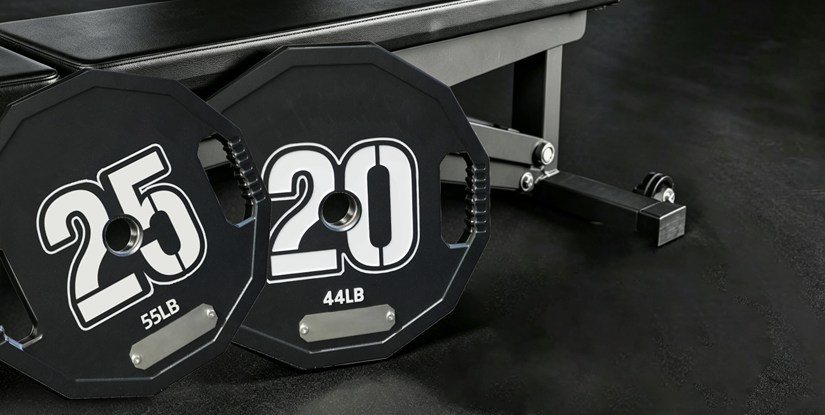
Beyond aesthetics, professional branding extends to the precision of the product itself. High-capacity wholesale partners can manage complex specifications, such as specific weight increments or unique handle-to-body junction designs, to meet the rigorous demands of premium studios. To ensure these custom requirements are met without compromising your landed cost, we recommend a structured approach to procurement: start by requesting a sample for physical evaluation, followed by a formal factory audit and a detailed review of the pre-shipment inspection protocols. This rigorous validation ensures that every bulk order arrives at your warehouse meeting the exact commercial-grade standards your clients expect.
China Factory Direct Kettlebell: Quality Control and Export Standards
For distributors and warehouse operators, the primary risk in bulk procurement is the high cost of returns due to inconsistent weight or poor surface integrity. A professional cast iron kettlebell manufacturer China must implement a rigorous quality control framework to ensure every unit meets commercial-grade expectations. Relying on a China factory direct kettlebell source allows for closer oversight of the production sequence—from the initial sand casting to the final coating—ensuring that the finished product can withstand the high-traffic demands of professional fitness environments.
Standardized manufacturing is not merely about the casting itself, but also about the precision of the secondary processes. High-quality commercial cast iron kettlebells require strict weight tolerance management and a consistent surface finish to prevent premature oxidation or grip failures. When sourcing through a wholesale kettlebell supplier, buyers should verify that the factory utilizes a systematic approach to calibration and inspection to maintain uniform density and handle ergonomics across entire batches.
Commercial Grade Manufacturing Tiers
| Material Type | Primary Process | Key Component Detail | Commercial Duty | QC Focus Point |
|---|---|---|---|---|
| Gray Iron | Sand Casting | Single-piece body | Standard Commercial | Weight consistency |
| Cast Iron | Casting & Machining | Smooth handle junction | Premium Commercial | Surface texture |
| Steel | CNC Machining | Competition-spec handle | Elite/Competition | Dimensional accuracy |
Surface Treatment and Durability Standards
The long-term value of your inventory depends heavily on how the surface treatment handles high-frequency usage. In the commercial sector, a common failure mode is the peeling or chipping of the finish, which can compromise both aesthetics and grip safety. When selecting a cast iron kettlebell manufacturer China, it is essential to evaluate the specific application of the coating. For instance, a high-quality powder coating provides a much higher level of adhesion and durability for standard gym environments compared to basic spray paint, significantly reducing the long-term maintenance load for your end-users.
For premium studio deployments where floor protection and noise reduction are critical, specialized coatings like PU coating or rubberized finishes are often preferred. These processes involve a secondary molding or dipping stage that ensures a consistent, non-slip texture. From a sourcing perspective, understanding these material-process distinctions allows you to better manage your landed cost and product positioning. A distributor can choose to stock a high-volume, budget-friendly sand-cast line for general fitness centers, or a high-margin, PU-coated line for boutique studios, depending on the specific market demand and target ROI.
Before finalizing a bulk order, we recommend requesting a sample evaluation to inspect the coating adhesion and handle-to-body junction. A thorough pre-shipment inspection should always include a check of the base flatness and the uniformity of the knurling to ensure the product meets the professional standards expected by your clients. Please contact us to confirm the current MOQ for customized coating orders or to request a detailed specification sheet for your next procurement cycle.
Critical Pre-Shipment Inspection Points for Bulk Orders
For distributors and warehouse managers, the most significant risk in bulk procurement is receiving a shipment with inconsistent quality that damages your reputation and increases return rates. A reliable wholesale kettlebell supplier should provide a transparent pre-shipment inspection protocol. During a factory audit or a final quality check, professional buyers should focus on three critical technical areas: handle texture, base flatness, and coating adhesion. These factors directly impact the product's commercial longevity and user safety in high-traffic environments.
First, the handle texture must be inspected for consistency; uneven or overly sharp knurling can lead to grip fatigue or user discomfort. Second, the base flatness is a vital metric for stability; a slightly uneven casting can cause the kettlebell to wobble, which is unacceptable for professional gym settings. Finally, testing the coating adhesion ensures that the finish will not chip or peel under heavy use. When you source directly from a China factory, you have the opportunity to request these specific spot-checks to ensure that the entire batch meets your brand's quality standards. Ensuring these details are addressed before the container is loaded will optimize your logistics safety and protect your distributor margins.
Custom Branding and OEM Capabilities for Global Distributors
For professional importers and distributors, the ability to move beyond generic stock items is a critical lever for long-term market differentiation. Relying solely on unbranded, commodity-grade products often leads to price wars and thin margins. By leveraging a specialized cast iron kettlebell manufacturer China, partners can transition from being mere resellers to established equipment authorities with a distinct brand identity.
A high-tier wholesale kettlebell supplier provides more than just bulk shipments; they offer the infrastructure for private label expansion. Through OEM and ODM services, you can integrate your company logo directly into the casting or via high-durability surface applications. This level of customization allows you to build brand recognition within your specific territory, whether you are supplying boutique studios or large-scale commercial fitness centers.
Strategically, utilizing custom branding through a China factory helps protect your distributor margin. When your clients purchase a product that carries your unique specifications and visual identity, they are less likely to price-shop against generic alternatives. This builds a proprietary product line that increases your business value and long-term sourcing stability.
Technical Execution of Customization and Logistics
Precision in branding is essential to ensure that your proprietary logo does not degrade under heavy commercial use. A professional cast iron kettlebell manufacturer China typically offers three primary methods for customization: deep-mold logo embossing, where the brand identity is integrated during the sand casting process, and secondary applications such as high-durability powder coating or laser etching. For distributors seeking a premium aesthetic, we provide various powder coating colors and specialized custom handle texture options to differentiate your product line from standard commodity offerings.
Effective wholesale procurement requires a clear understanding of the technical constraints and logistical requirements involved in custom orders. Unlike standard stock items, customized production involves specific production cycles that impact your inventory planning. We maintain transparent communication regarding the following critical procurement factors:
- MOQ (Minimum Order Quantity): Custom branding, such as specialized colorways or embossed logos, typically requires a higher MOQ than standard black iron units to cover the setup costs for specialized molds or coating lines.
- Lead Time: The total lead time encompasses the casting duration, specialized surface finishing, and the customized pre-shipment QC process. We recommend factoring in these windows to ensure consistent stock availability for your clients.
- Export Packaging: To protect your landed cost and prevent transit damage, all units undergo reinforced export packaging. This includes heavy-duty corrugated boxes and optimized palletization designed to maximize container density and stability during maritime shipping.
When planning your next seasonal refresh or new product launch, we suggest contacting our team to request a detailed spec sheet, confirm the current MOQ for your specific customization needs, or discuss sample approval protocols to ensure the final product aligns with your brand standards.