Sourcing Cast Iron Weight Stack Plates: a Buyer Checklist
Optimizing Facility Footprint and Machine Density
When outfitting a high-density boutique studio or a large-scale commercial fitness center, the physical dimensions of your equipment dictate your revenue-per-square-foot potential. Procurement managers must look beyond basic weight increments to evaluate how the thickness and profile of cast iron weight stack plates impact the overall machine footprint. A stack composed of thinner, high-density plates allows for more commercial gym weight stacks to be installed within a limited floor area without compromising the user's range of motion.
Efficient footprint optimization requires a strategic balance between vertical vs. horizontal space. While vertical stacks are standard for saving floor area, the diameter and thickness of the plates determine how much clearance is needed for the guide rods and the machine's total depth. Sourcing plates with standardized, compact dimensions ensures that your selectorized equipment remains compact, allowing for tighter machine rows and better circulation in high-traffic zones.
Comparing Plate Configurations for Space Efficiency
Distributors and facility planners often face a trade-off between traditional plate profiles and modern high-density alternatives. Choosing the wrong configuration can lead to bulky machine footprints that hinder movement in tight commercial gym layouts. Use the following comparison to determine which profile aligns with your specific facility constraints and loading requirements.
| Plate Configuration Type | Typical Profile | Stack Height Impact | Primary Benefit |
|---|---|---|---|
| Standard Cast Iron | Thicker, traditional profile | Increased vertical height | Lower production cost; high durability |
| Slim/High-Density | Thin, compact profile | Reduced vertical stack height | Optimized machine density; saves vertical clearance |
When negotiating with manufacturers, specify whether your equipment design requires high-density iron to minimize the total stack length. A slimmer profile is particularly advantageous for multi-tier installations or facilities with low ceiling clearances, ensuring that your strength equipment procurement supports a more versatile and dense floor plan.
Vertical Clearance and Installation Constraints
Beyond the floor footprint, verticality is a critical variable in strength equipment procurement. The cumulative thickness of the cast iron weight stack plates directly dictates the total height of the weight stack assembly, including the top weight and the selector pin mechanism. In many commercial settings, such as hospitality gyms or boutique studios with exposed ductwork, ceiling clearance is often a non-negotiable constraint. If the stack height is not accurately calculated against the machine's total vertical profile, you risk installation failures or the inability to use the full weight range effectively.
High-quality iron selectorized plate quality must extend to dimensional uniformity. Inconsistent plate thickness can lead to "stack wobble" or uneven vertical travel, which may cause the weight stack to strike the top of the frame or ceiling-mounted components. When sourcing for facilities with low-profile ceilings, prioritize manufacturers that offer high-density, precision-cast iron. This ensures that your commercial gym weight stacks remain within a predictable vertical range, preventing unexpected installation constraints during the final assembly and facility fit-out.
Evaluating Material Integrity and Surface Finish Standards
High-use environments demand extreme structural integrity from every component. For procurement managers, the long-term ROI of commercial gym weight stacks depends heavily on the metallurgical consistency of the plates. Inferior casting processes often lead to premature failure under constant mechanical stress.
Density and Porosity Control
When sourcing cast iron weight stack plates, the primary technical concern is internal density. High porosity—the presence of tiny air pockets within the metal—can create structural weak points. These microscopic voids often lead to surface defects or even complete fractures during heavy loading cycles. A quality manufacturer ensures a dense, uniform grain structure to prevent the plates from cracking or chipping when subjected to the rapid kinetic shifts common in high-traffic strength facilities.
While structural density prevents physical fractures, the surface treatment dictates the product's lifespan in high-humidity or high-traffic environments. Selecting the correct finish is a strategic decision that balances upfront procurement costs against long-term maintenance expenses and the aesthetic longevity of your strength equipment.
Comparative Analysis of Surface Treatments
Different finishing standards offer varying levels of protection against oxidation and mechanical wear. Distributors should evaluate the intended environment—such as climate-controlled boutique studios versus high-humidity commercial centers—to determine the most cost-effective coating.
| Finishing Method | Durability Level | Corrosion Resistance | Maintenance Profile | Procurement Impact |
|---|---|---|---|---|
| Raw / Unfinished | Low | Minimal (High Oxidation Risk) | Frequent cleaning/oiling required | Lowest unit cost; high replacement risk |
| Powder Coating | Moderate to High | Excellent (Shields against moisture) | Low; periodic wipe-down | Mid-range; best for standard commercial use |
| Electroplating | High | Superior (Industrial grade) | Minimal; extremely stable | Highest upfront cost; maximum longevity |
For large-scale facility rollouts, powder coating remains the industry standard for balancing aesthetic appeal with structural protection. However, in regions with high salt-air or humidity levels, opting for electroplated finishes can significantly reduce the total cost of ownership by delaying the onset of surface rust and plate degradation.
Strict QC Inspection Protocols for High-Volume Shipments
To avoid the logistical nightmare of receiving a defective batch, distributors must implement a rigorous visual inspection and verification protocol before signing off on shipment readiness. True iron selectorized plate quality is determined by more than just the exterior appearance; it requires a multi-point check of physical tolerances and structural refinement.
A professional inspection should prioritize edge smoothness to ensure the plates slide seamlessly through the selectorized guide rods without snagging or causing friction. Even slight burrs or uneven casting can lead to catastrophic jams in a commercial setting. Furthermore, procurement managers should verify weight tolerance across a randomized sample from the batch. Significant variance in mass between plates can disrupt the kinetic balance of the stack, leading to uneven wear on the machine's internal components. Always confirm batch consistency by checking that weight markings are deeply embossed and uniformly legible, ensuring the cast iron weight stack plates meet the precise specifications required for professional-grade strength equipment.
Dimensional Precision and Compatibility for Commercial Gym Weight Stacks
Precision in manufacturing is the primary safeguard against premature mechanical failure. For high-use selectorized equipment, even minor deviations in the diameter or thickness of cast iron weight stack plates can lead to uneven loading, increased friction, and structural instability over time.
The Impact of Tolerance Levels on Longevity
Strict adherence to tolerance levels is critical for maintaining smooth movement within the guide rod system. If plates are inconsistent in size, they can cause "stack tilting," which places lateral stress on the guide rods and bushings. This lack of precision accelerates selectorized equipment maintenance cycles, forcing facility managers to replace worn parts more frequently. Ensuring high-quality commercial gym weight stacks requires verifying that the center bore and outer circumference remain uniform across an entire production batch.
| Specification Standard | Impact on Durability | Maintenance Requirement |
|---|---|---|
| Tight Tolerance (±0.5mm) | Reduces lateral friction and rod wear | Low; extends bushing life |
| Loose Tolerance (±2.0mm) | Increases vibration and stack wobble | High; requires frequent lubrication |
| Inconsistent Thickness | Uneven weight distribution | Critical; risk of rod bending |
When sourcing for large-scale distribution, prioritize manufacturers who utilize precision casting and CNC finishing. Consistent dimensions ensure that the stack transitions through its entire range of motion without catching, protecting the long-term ROI of the strength equipment.
Evaluating Iron Selectorized Plate Quality via Precision
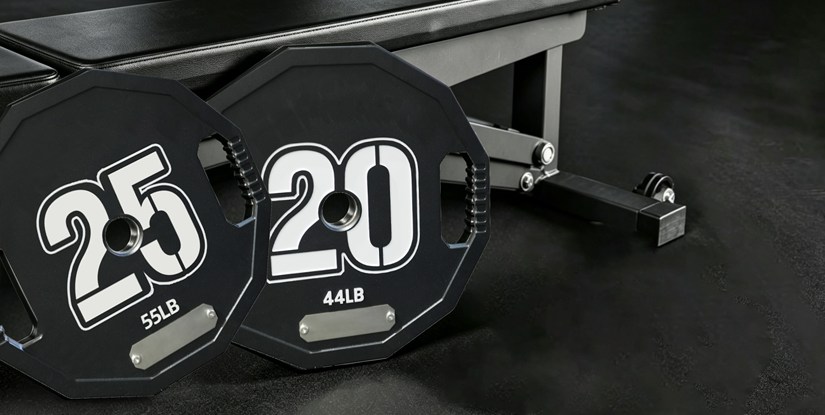
The long-term cost of ownership for a fitness facility is often dictated by the dimensional precision of the components. Inconsistent casting leads to uneven edges and diameter fluctuations, which directly impact the friction levels against the guide rods. When procurement managers overlook these technical nuances, they inadvertently sign up for a higher frequency of technical support calls and increased labor costs for routine upkeep.
Higher iron selectorized plate quality ensures that the center bore remains perfectly concentric. This prevents the stack from binding during high-velocity eccentric movements, a common cause of premature wear and tear in heavy-use environments. By enforcing strict QC standards for dimensional stability, distributors can effectively lengthen the maintenance cycle and ensure the equipment remains operational under heavy commercial loads.
Layout Optimization and Inventory Management
Beyond mechanical smoothness, the physical dimensions of your order dictate facility layout and long-term inventory strategy. When planning strength equipment procurement for large-scale facilities, buyers must consider how the total stack height and the footprint of individual plates impact machine spacing and vertical clearance. For example, a stack designed with thicker, high-density plates may offer a more compact vertical profile, but if the diameter is inconsistent, it can disrupt the alignment of the entire machine line.
For distributors and gym owners, wholesale ordering requires a deep understanding of compatibility between the plates and the existing guide rod systems. Mismatched diameters can compromise shipping stability and lead to damaged shipments if the weight distribution is uneven within the master carton. Prioritizing manufacturers that guarantee standardized dimensions allows for more predictable floor planning and reduces the risk of inventory mismatch during multi-unit installations.
Optimizing Inventory and Procurement for Strength Equipment
High-quality cast iron weight stack plates serve as the foundational engine for selectorized strength equipment. For facility operators and distributors, selecting the right components requires looking beyond the initial invoice to understand the long-term economic impact of the hardware on a facility's lifecycle.
Maximizing Long-Term ROI and TCO
When sourcing commercial gym weight stacks, procurement managers often face a tension between low initial unit costs and long-term durability. While budget-tier iron may offer immediate savings, low-density casting often leads to structural inconsistencies, surface oxidation, and premature wear on guide rods. This increases the total cost of ownership (TCO) through frequent replacement cycles and increased maintenance downtime.
Investing in premium cast iron weight stack plates ensures a consistent center of gravity and superior coating resilience. This upfront investment protects your ROI by extending the equipment's functional lifespan, reducing the frequency of component swaps, and maintaining a high-end aesthetic for the facility over many years of heavy use.
Strategic sourcing decisions depend heavily on your specific order volume and your capacity to manage international logistics. Choosing between a direct factory model and a local distribution network involves a trade-off between unit cost optimization and operational risk mitigation.
Sourcing Model Comparison for Procurement Managers
| Feature | Direct Factory Sourcing | Local Distributor Model |
|---|---|---|
| Typical MOQ | High (Container Load) | Low to Moderate (Pallet/Unit) |
| Lead Times | Extended (Production + Sea Freight) | Short (Domestic Shipping) |
| QC Oversight | Direct Inspection/Third-Party Audit | Relies on Distributor Standards |
| Iron Selectorized Plate Quality | Controlled via Factory Specs | Varies by Distributor Inventory |
| Logistics Management | Complex (Incoterms/Customs/Port) | Simplified (Domestic Freight) |
For large-scale gym chains or equipment manufacturers, direct factory procurement offers the highest margins and precise control over iron selectorized plate quality. However, for boutique studios or regional distributors, the local model provides a necessary buffer against shipping volatility and minimizes the immediate impact of high minimum order requirements.
Optimizing your inventory strategy requires a balanced approach to strength equipment procurement that accounts for both storage constraints and future expansion needs. Relying on erratic, small-batch orders often results in inconsistent replacement cycles, as slight variations in casting density or plate thickness can disrupt the calibration of existing machines.
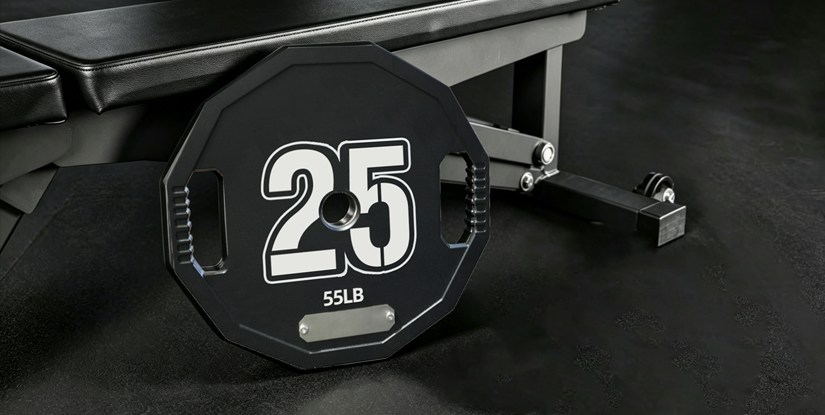
To maximize inventory turnover and ensure seamless equipment updates, consider the bulk ordering benefits of standardized weight increments. Sourcing complete sets or high-volume increments through a single factory allows you to lock in more predictable logistics reliability and lower per-unit shipping costs. By anticipating the natural wear of high-traffic selectorized machines, procurement officers can maintain a "buffer stock" of essential plates, preventing long-term machine downtime and ensuring facility uptime remains constant even as equipment ages.
The Hidden Impact of Packaging on Landed Cost
A common oversight in strength equipment procurement is equating low unit prices with actual savings. When ordering cast iron weight stack plates in bulk, the true landed cost is dictated by how well the shipment survives the transit from factory to warehouse. Neglecting protective layering or failing to specify moisture protection during sea freight can lead to surface oxidation or physical deformation.
If the shipping damage rate increases due to substandard palletization or thin corrugated boxing, your margin evaporates through replacement claims and logistical headaches. High-quality commercial gym weight stacks require reinforced crate structures and moisture-resistant wraps to ensure that the inventory arriving at your facility matches the quality inspected at the source. Investing in robust packaging protocols is a strategic move to mitigate these unforeseen expenses.
Comparing Shipping Configurations for International Freight
Selecting the appropriate packaging method requires balancing immediate freight expenditures against long-term risk mitigation. Procurement managers must decide whether to prioritize volume density or maximum physical protection based on the transit distance and the fragility of the specific load. The following table outlines the standard configurations used when importing cast iron weight stack plates to assist in your logistical planning.
| Packaging Type | Cost Impact | Protection Level | Best Use Case |
|---|---|---|---|
| Standard Palletization | Low | Moderate | Short-haul or domestic regional trucking |
| Reinforced Crating | Medium | High | Standard long-distance sea freight |
| Custom Wooden Skids | High | Maximum | Trans-oceanic shipments for high-value orders |
While standard palletization offers the lowest upfront cost, it often lacks the structural integrity required for multi-container sea voyages. For high-volume distributor orders, utilizing reinforced crating or custom wooden skids is a prudent insurance policy against the mechanical stresses of heavy lifting and stacking during transit.
Mitigating Oxidation and Damage Through Inspection Protocols
To safeguard your investment, implement strict quality control (QC) during the loading process. Rather than relying solely on factory claims, professional buyers should mandate a final inspection before dispatch. This protocol ensures that every unit of the cast iron weight stack plates meets the specified weight tolerance and surface finish standards before being sealed.
A critical requirement for international sea freight durability is the use of moisture-proof vacuum packaging. Metal components are highly susceptible to humidity-induced corrosion during long-haul transit; therefore, specifying airtight sealing or specialized desiccant integration is essential. Furthermore, ensure your supplier provides a detailed loading report. Verifying that the pallets are structurally sound and that the moisture-resistant layers are intact prevents the arrival of rusted or damaged iron selectorized plate quality at your facility.
Mitigating Common Sourcing Errors in Cast Iron Procurement
Procurement professionals often fall into the trap of prioritizing the lowest unit price when ordering cast iron weight stack plates. While a lower initial invoice looks favorable on a quarterly budget, it rarely accounts for the long-term financial impact of substandard manufacturing and inconsistent density.
Understanding Total Cost of Ownership (TCO)
When sourcing commercial gym weight stacks, the true expense is found in the replacement cycles necessitated by poor quality control. Low-grade casting often results in structural imperfections or uneven weight distribution, which can accelerate wear on the selectorized machine's guide rods and bushings. These hidden costs—ranging from increased maintenance labor to premature component failure—frequently outweigh the initial savings of a "budget" order. A rigorous quality inspection protocol during the manufacturing stage is an essential investment to protect your facility's long-term ROI.
To make an informed decision, buyers must look beyond the single-item price tag. The following comparison illustrates how varying manufacturing standards impact the long-term value and operational reliability of your strength equipment procurement strategy.
| Evaluation Metric | Unbranded/Low-Cost Suppliers | Commercial-Grade Manufacturers |
|---|---|---|
| Unit Price | Extremely Low | Moderate to Premium |
| Iron Selectorized Plate Quality | Inconsistent density; high surface flaws | High precision; uniform weight & finish |
| Durability | Susceptible to cracking or chipping | Engineered for high-traffic longevity |
| Shipping Damage Risk | High (minimal protective packaging) | Low (reinforced industrial boxing) |
| Typical MOQ | Small, erratic batches | Consistent, volume-based scaling |
Choosing the budget option often introduces volatility into your inventory management. While unbranded suppliers may satisfy immediate cash flow constraints, commercial-grade manufacturers provide the stability required for large-scale distributor distribution and high-use fitness environments.
Optimizing Logistics and Volume Efficiency
Beyond unit costs, the most significant volatility in strength equipment procurement arises from shipping and handling. Because cast iron weight stack plates are high-density, low-volume items, freight costs are heavily dictated by the weight-to-volume ratio. Inefficient packaging or poorly planned container loading can lead to excessive "dead air" in a shipping container, effectively forcing you to pay for shipping empty space.
To protect your margins, prioritize bulk procurement strategies that align with standard container dimensions. When negotiating with a factory, request specific shipping standards, such as heavy-duty palletization or reinforced industrial crating, to prevent transit damage. Furthermore, managing Minimum Order Quantities (MOQ) effectively is vital; while smaller orders might seem easier for cash flow, the per-unit logistics optimization gained through full container loads (FCL) or large palletized shipments often results in a much lower landed cost per kilogram. Always demand a detailed packing list from your supplier to verify that the volumetric weight is optimized before the shipment leaves the port.