Sourcing Cast Iron Plates: a Commercial Procurement Guide
Critical Selection Criteria for Commercial Weight Plate Procurement
High-quality cast iron plates for gym use are precision-molded iron discs designed to provide consistent weight increments and high density. B2B buyers prioritize these components because they offer unmatched durability and a smaller physical footprint compared to alternative materials, making them essential for high-traffic strength facilities.
The Link Between Manufacturing Standards and ROI
For facility owners and distributors, the total cost of ownership (TCO) extends far beyond the initial purchase price. While low-cost, substandard manufacturing might offer immediate savings, it often leads to premature failure through cracking or uneven weight distribution. Ensuring strict manufacturing standards during the casting process is vital for maintaining structural integrity under heavy use.
Investing in premium cast iron plates for gym environments guarantees long-term durability and reduces the frequency of replacement cycles. When plates maintain their shape and weight accuracy over years of rigorous training, the operational overhead decreases, ultimately protecting the profit margins of commercial fitness centers and equipment retailers.
Evaluating Sourcing Models: Direct vs. Local Distribution
Choosing between direct bulk iron plate manufacturing and local commercial weight plate suppliers depends on your specific procurement scale and logistical capacity. While direct sourcing offers the lowest unit cost, it requires managing more complex international logistics reliability and higher MOQ requirements. Conversely, local distributors reduce risk but often include a markup to cover their own inventory costs.
| Feature | Direct Factory Sourcing | Local Commercial Distributor |
|---|---|---|
| Unit Cost | Lowest (Factory Direct) | Higher (Retail/Wholesale Markup) |
| MOQ | High (Full Container Loads) | Low (Small Batch/Case Orders) |
| Lead Times | Extended (Production + Sea Freight) | Short (Domestic Shipping) |
| Risk Profile | Higher (Logistics & Customs) | Lower (Local Returns/Support) |
For large-scale gym chains or international distributors, direct manufacturing provides the best ROI through economies of scale. However, boutique studios or single-location facilities often find better value in local distributors to mitigate the complexities of international shipping and shorter lead times.
Mitigating Hidden Costs via Quality Control
A significant portion of procurement leakage occurs through overlooked technical discrepancies. Rigorous quality control protocols must be a prerequisite for any order to ensure that weight tolerance remains within acceptable commercial margins. Even minor deviations in mass can lead to unbalanced barbell rotations, which negatively impacts the user experience and can increase liability for the facility.
Furthermore, shipping damage prevention is a critical variable in calculating true landed costs. Relying on substandard packaging reliability often results in surface chipping or structural fractures during long-haul ocean freight. By enforcing strict gym equipment import standards—such as reinforced palletizing and moisture-resistant wrapping—buyers can avoid the logistical nightmare of processing replacement claims and the high costs of returning damaged inventory.
Technical Specifications and Manufacturing Precision
High-performance cast iron plates for gym environments require more than just basic casting; they demand rigorous control over material composition to withstand high-volume commercial use. For facility owners and distributors, the distinction between budget casting and professional-grade iron lies in the internal consistency of the metal.
Structural Integrity and Density Consistency
The longevity of your inventory depends on manufacturing precision during the cooling process. Premium commercial weight plate suppliers prioritize density consistency to eliminate air pockets or microscopic voids within the iron. Without this level of control, plates are susceptible to cracking or chipping under heavy impact, which compromises the structural integrity of the entire weight set. When sourcing in bulk, ensuring the manufacturer utilizes standardized metallurgical recipes is vital to prevent premature equipment failure in high-traffic strength zones.
Beyond the internal density, the external finish determines how the equipment interacts with the gym floor and the long-term maintenance budget. Choosing the right surface treatment is a trade-off between upfront procurement costs and the total cost of ownership (TCO) regarding facility upkeep.
Finish Comparison and Maintenance Requirements
Different manufacturing finishes serve distinct commercial environments, from high-intensity strength zones to hospitality-focused boutique studios. Use the following technical comparison to align your selection with your facility's specific operational needs and durability standards.
| Finish Type | Durability Profile | Corrosion Resistance | Impact Protection | Maintenance Level |
|---|---|---|---|---|
| Raw Cast Iron | High (Structural) | Low (Requires oiling) | Minimal | High (Frequent cleaning) |
| Powder-Coated | Medium-High | Moderate | Moderate | Low (Standard wipe-down) |
| Rubber-Encapsulated | High (Surface) | Excellent | Maximum | Very Low (Minimal upkeep) |
While raw iron offers the lowest initial cost per unit, it often necessitates a higher labor overhead for rust prevention. Conversely, rubber-encapsulated options provide superior protection for flooring and reduce noise, making them the preferred choice for multi-use commercial facilities, despite the higher initial investment and specialized shipping considerations.
Verifying Precision and Compliance
To avoid the logistical headache of substandard shipments, procurement managers must look beyond surface aesthetics and demand specific quality control protocols. In bulk iron plate manufacturing, the most common failure point is inconsistent weight deviation. Reliable commercial weight plate suppliers should offer a documented tolerance level—typically within a +/- 1% to 2% margin—to ensure uniform loading across barbell sets. Without these strict gym equipment import standards, a mismatched set can lead to user imbalances and increased liability for the facility.
When negotiating MOQ considerations, do not sacrifice technical verification for lower unit prices. Requesting a pre-shipment inspection report that details the tolerance levels for both diameter and weight is a standard practice for professional importers. A high-tier factory will provide data-backed assurance that every unit in the container meets the same metallurgical and dimensional specifications, protecting your margins from the costs of returns and replacements.
Ensuring Long-Term Durability Through Compliance
Procuring cast iron plates for gym environments requires more than just comparing price per kilogram. For commercial distributors and facility managers, the primary risk lies in inconsistent manufacturing standards that lead to uneven weight distribution or premature oxidation. Without rigorous quality control (QC), substandard batches can result in structural flaws that compromise durability and increase long-term liability for the facility.
Reliable commercial weight plate suppliers must demonstrate strict adherence to tolerance specifications. Inconsistent casting can lead to "out-of-round" plates, which create vibration issues during heavy lifting and accelerate wear on barbell sleeves. Prioritizing suppliers with documented QC processes ensures that your inventory remains a high-value asset rather than a recurring maintenance headache.
| Procurement Focus | Standard Grade | Premium Commercial Grade |
|---|---|---|
| Weight Tolerance | Higher variance | Strict precision control |
| Surface Finish | Basic coating | Anti-corrosion treatment |
| Ideal Use Case | Home/Light use | High-traffic commercial gyms |
| Maintenance Needs | Frequent inspection | Minimal upkeep |
Technical Benchmarks for Material and Dimensional Consistency
To mitigate the risk of receiving defective batches, procurement managers should evaluate suppliers based on specific international benchmarks. These standards dictate the level of precision in both the chemical composition of the iron and the physical dimensions of the finished product. Relying on generic descriptions is insufficient; instead, request documentation regarding the following technical parameters to ensure your order meets gym equipment import standards.
| Standard Type | Focus Area | Material Consistency | Dimensional Tolerance | Surface Finish Quality |
|---|---|---|---|---|
| ISO (International Organization for Standardization) | Quality Management | High; standardized batch testing | Controlled; predictable variance | Uniform; consistent texture |
| ASTM (American Society for Testing and Materials) | Material Properties | Extreme; focuses on iron purity | Strict; high precision for load | Optimized for structural integrity |
| CE (Conformité Européenne) | Safety & Compliance | Standardized; meets EU safety norms | Acceptable for commercial use | Reliable; safe for high-traffic |
When vetting bulk iron plate manufacturing partners, verify if their production lines utilize automated calibration. High-tier manufacturers typically offer tighter tolerances in center-hole diameter and plate thickness, which prevents the "wobble" effect often seen in lower-grade imports. Selecting a supplier that aligns with these technical benchmarks reduces the total cost of ownership by extending the replacement cycle of your facility's equipment.
The Impact of Dimensional Accuracy on TCO
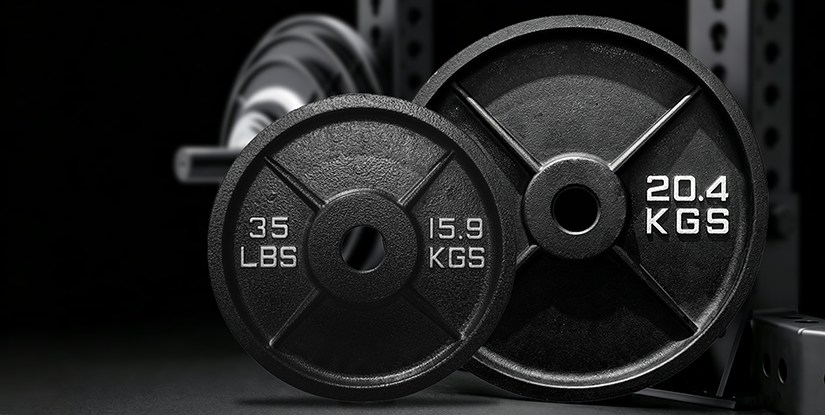
The relationship between precision and long-term profitability is direct. In high-traffic commercial settings, slight deviations in dimensional accuracy—such as inconsistent thickness or uneven center-hole diameters—can lead to uneven loading on barbell sleeves. This mechanical imbalance often accelerates the wear and tear of both the plates and the expensive barbells they occupy, effectively shortening the lifespan of your entire lifting ecosystem.
Optimizing the maintenance cycle depends heavily on the quality of the initial bulk iron plate manufacturing. High-precision plates with superior wear resistance require significantly less frequent intervention. When sourcing, prioritize manufacturers that emphasize consistent surface density and edge smoothness; these technical details prevent chipping and oxidation, reducing the labor hours your staff must spend on routine equipment upkeep. Ultimately, investing in higher-spec plates may carry a higher upfront cost, but it drastically lowers the total cost of ownership by extending the replacement interval and protecting your secondary equipment assets.
Logistics Optimization for Bulk Iron Plate Shipments
When procurement budgets are finalized, many buyers overlook the significant impact of freight logistics on the final unit price. Because cast iron plates for gym use are exceptionally dense, the primary cost driver is rarely the manufacturing markup, but rather the weight-to-volume ratio during international transit.
Managing Weight vs. Volume in Freight Calculations
Effective sourcing requires a deep understanding of how shipping density dictates your landed cost calculation. Unlike lighter fitness accessories, iron plates possess high actual weight but low volumetric weight, meaning you will almost always be billed based on the physical mass. However, inefficient palletization or poorly designed crates can introduce unnecessary air gaps, leading to wasted container space and higher freight costs per kilogram.
To optimize your margins, work with commercial weight plate suppliers who utilize high-density packing configurations. A supplier capable of maximizing container load factors—balancing the volumetric weight vs actual weight—will directly reduce your per-unit shipping expense, ensuring your inventory remains competitive in the North American market.
Evaluating Shipping Methods for Budget and Urgency
Selecting the right shipping configuration is a critical decision for distributors and facility managers. The choice between LCL and FCL depends heavily on your order volume and the required lead time. While air freight offers the fastest transit, the extreme weight of iron makes it economically unviable for bulk inventory. Most professional buyers rely on sea freight to maintain cost-efficiency.
| Shipping Method | Typical Lead Time | Cost-Efficiency | Best Use Case |
|---|---|---|---|
| FCL (Full Container Load) | 30–45 Days | Highest | Large-scale distributor restocking or new facility launches |
| LCL (Less than Container Load) | 40–55 Days | Moderate | Boutique studio replenishment or small gym expansions |
| Air Freight | 7–14 Days | Lowest | Urgent, low-weight accessory orders only |
For maximum savings, prioritize FCL shipments. When you book an entire container, you control the palletization strategy, allowing you to stack plates tightly to minimize wasted space. When sourcing from bulk iron plate manufacturing partners, always confirm their ability to provide secure, heavy-duty palletization to prevent shifting and damage during long-haul sea transit.
Mitigating Hidden Costs via Packaging and Quality Control
The lowest factory quote often becomes the most expensive option once damaged goods arrive. In the context of bulk iron plate manufacturing, the real threat to your margin is not the manufacturing price, but the cost of returns and replacements caused by inadequate packaging reliability. Heavy iron shipments are subject to intense vibration and shifting during ocean transit, which can lead to structural cracks or surface chipping if the load is not properly stabilized.
To ensure customs clearance efficiency and prevent costly delays, verify that your supplier adheres to strict gym equipment import standards. This includes using heavy-duty, reinforced pallets and high-tensile strapping. Prioritize manufacturers that emphasize pallet stability and breakage prevention techniques, such as custom-fit wooden crates or reinforced steel banding. By investing slightly more in robust packaging at the source, you mitigate the risk of receiving unusable inventory and avoid the logistical nightmare of international returns.
Common Pitfalls in International Sourcing and Quality Control
When procuring cast iron plates for gym facilities, the most significant risk involves overlooking the long-term structural integrity of the units. In high-traffic commercial environments, inferior manufacturing processes often lead to premature product failure, which increases replacement frequency and disrupts facility maintenance schedules.
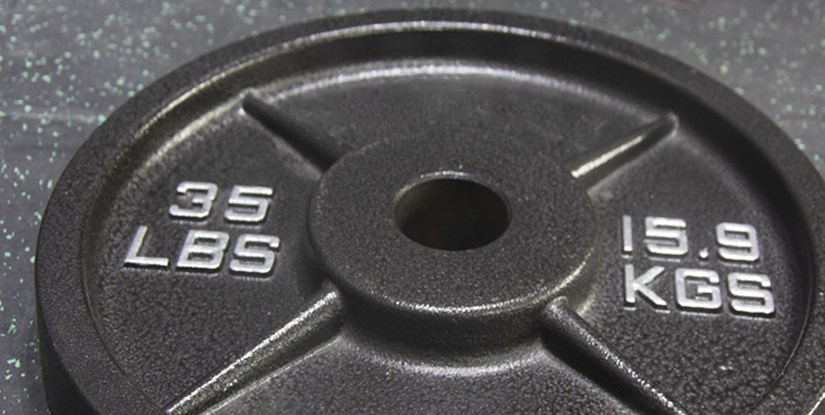
Structural Integrity and Surface Degradation
A primary concern for procurement managers is the risk of cracking or chipping during heavy use. High-quality commercial weight plate suppliers must ensure that the casting process eliminates internal air pockets or impurities that compromise the durability of the iron. Beyond physical breakage, the surface coating is a critical point of failure; low-grade finishes often flake or peel under standard mechanical stress, leading to oxidation and aesthetic degradation. Without rigorous quality control, these issues can escalate from minor cosmetic flaws to serious safety hazards in a professional training environment.
Effective risk mitigation requires understanding how subtle manufacturing deviations translate into operational costs. When sourcing through bulk iron plate manufacturing, buyers must distinguish between superficial blemishes and structural flaws that violate gym equipment import standards. Neglecting these technical nuances often results in a higher Total Cost of Ownership (TCO) due to frequent replacement cycles and increased labor for facility upkeep.
Defect Impact Assessment
| Defect Type | Physical Symptom | Commercial Impact |
|---|---|---|
| Porosity | Microscopic air pockets or surface pits | Structural weakness; high risk of cracking under impact |
| Improper Annealing | Brittle texture or uneven weight distribution | Reduced lifespan; potential for catastrophic failure |
| Inconsistent Casting | Irregular thickness or non-standard diameters | Difficulty in stacking; complicates barbell loading/unloading |
| Poor Powder Coating | Flaking, peeling, or early oxidation | Increased maintenance; diminished facility aesthetic |
For distributors and facility owners, a single shipment of substandard plates can jeopardize the reliability of an entire strength training zone. Ensuring that your manufacturer adheres to strict quality control protocols helps prevent these common failures, securing a more predictable maintenance budget and long-term durability for your inventory.
Logistics, Packaging, and Transit Risks
Even if the casting quality is flawless, the physical state of your shipment depends heavily on packaging reliability. Because cast iron is exceptionally dense and heavy, improper palletization can lead to catastrophic shipping damage. If plates are not secured in reinforced crates or heavy-duty steel bands, the sheer kinetic energy during ocean transit can cause edges to chip or even fracture the iron under the weight of adjacent units.
To avoid common lead time delays and unexpected costs, procurement professionals should establish strict inspection protocols before the goods leave the factory. Do not rely solely on a manufacturer's word; verify that the MOQ (Minimum Order Quantity) requirements include standardized export packaging that meets international shipping safety. A failure to audit the loading process often results in "dead on arrival" inventory, where the cost of returning damaged goods far outweighs the initial savings of a lower-priced supplier. Always confirm that the palletized configurations are optimized for container stability to protect your capital investment during long-haul transit.
Inventory Management for Gym Equipment Distributors
Optimizing the procurement of cast iron plates for gym facilities requires a strategic balance between upfront capital expenditure and long-term storage efficiency. For distributors, the goal is to maximize inventory turnover while minimizing the impact of heavy freight costs on the bottom line.
Scaling Through Bulk Iron Plate Manufacturing
When negotiating with bulk iron plate manufacturing partners, the MOQ (Minimum Order Quantity) serves as the primary lever for reducing unit cost vs. shipping weight ratio. Because iron is a high-density, low-value-per-pound commodity, shipping costs often represent a significant portion of the landed cost. Buyers must evaluate whether the savings gained from a higher volume order outweigh the increased carrying costs and the physical footprint required in a warehouse.
| Procurement Strategy | Primary Benefit | Risk Factor | Ideal For |
|---|---|---|---|
| Low-Volume Spot Orders | Minimal capital tie-up | High per-unit shipping cost | Boutique studios |
| Standardized Bulk MOQ | Balanced unit cost | Moderate storage needs | Regional distributors |
| High-Volume Direct Factory | Lowest landed cost | Heavy inventory carry | Large-scale wholesalers |
To maintain healthy margins, distributors should prioritize high-demand denominations—such as 45lb and 25lb plates—to ensure consistent movement. A disciplined approach to sourcing cast iron plates for gym use ensures that capital is not trapped in slow-moving SKUs, allowing for a more agile response to market shifts.
Direct Factory vs. Commercial Weight Plate Suppliers
Choosing between direct manufacturing and established commercial weight plate suppliers involves a trade-off between unit price and operational simplicity. While direct sourcing offers the lowest base price, it requires the buyer to assume full responsibility for quality control, international logistics, and customs compliance. Conversely, working through a distributor often increases the per-unit cost but significantly lowers the total cost of ownership (TCO) by streamlining the supply chain.
When calculating your budget, do not focus solely on the invoice price from the factory. You must account for the hidden variables that impact the final landed cost. For instance, direct shipments often face longer lead times and higher volatility in ocean freight rates. In contrast, domestic distributors typically maintain local stock, allowing for faster replenishment and reduced shipping complexity, which is vital when a facility needs to scale its equipment rapidly.
| Metric | Direct Factory Sourcing | Commercial Suppliers/Distributors |
|---|---|---|
| Unit Price | Lowest (Ex-works/FOB) | Higher (Markup included) |
| Lead Times | Long (Production + Sea Freight) | Short (Local stock availability) |
| Logistics Complexity | High (Requires customs/freight management) | Low (Domestic shipping/Standardized delivery) |
| Quality Assurance | Buyer-led (Requires 3rd party inspections) | Supplier-managed (Pre-vetted standards) |
For large-scale wholesalers, the direct model is often the only way to maintain competitive margins on high-density items. However, for facility managers or regional distributors, the reliability and reduced lead times provided by professional commercial weight plate suppliers often provide a more predictable and scalable procurement cycle.
Mitigating Hidden Costs in International Logistics
The true cost of sourcing cast iron plates for gym facilities is rarely found in the factory invoice alone. Unforeseen expenses stemming from poor packaging reliability or inadequate QC inspection can quickly erode profit margins. To protect your investment, procurement professionals must look beyond the unit price and evaluate the total landed cost, specifically focusing on how the manufacturer handles high-density, heavy-weight cargo.
A common pitfall in international sourcing is neglecting the impact of shipping density and protection against environmental factors. If a supplier utilizes substandard packaging, the risk of breakage or surface rust during transit increases significantly. Implementing strict gym equipment import standards—such as requiring moisture-resistant linings and reinforced palletizing—is essential to prevent damage. Furthermore, a rigorous QC inspection protocol should be established before any container is sealed. This ensures that every shipment meets weight tolerances and surface finish requirements, preventing costly returns and ensuring that your bulk iron plate manufacturing orders arrive in a condition that meets commercial grade expectations.