Ce Certified Kettlebell Manufacturer: Factory Direct
Optimizing Commercial Space with a Ce Certified Kettlebell Manufacturer
When managing high-traffic fitness facilities, procurement leads must balance floor footprint with equipment longevity to ensure a high return on investment. Selecting a CE certified kettlebell manufacturer involves evaluating more than just weight increments; it requires a rigorous assessment of product standardization, logistical reliability, and long-term durability to prevent frequent replacement cycles. A professional wholesale kettlebell supplier provides the necessary scale to outfit entire functional training zones while ensuring that every unit meets international safety and structural benchmarks, effectively reducing the total cost of ownership through standardized quality.
In many commercial settings, the choice between different casting and coating methods directly impacts both commercial space optimization and long-term maintenance schedules. For instance, sourcing high-quality cast iron units with a smooth powder coating or a specialized PU coating can significantly reduce floor damage and noise levels in studio environments. By working directly with a commercial kettlebell manufacturer, distributors can secure specific material profiles that align with their target market's needs, whether they require rugged, high-impact iron for strength zones or premium, floor-friendly finishes for boutique studios.
Optimizing your inventory strategy requires a clear understanding of how material selection affects your ROI. While budget-tier options may offer a lower initial landed cost, they often lack the coating adhesion and weight consistency required for heavy commercial use, leading to higher depreciation and maintenance labor. A professional China factory can offer tiered solutions—ranging from standard sand-cast iron to premium competition-spec steel—allowing importers to customize their product mix based on the specific demands of their client base, from local gyms to large-scale fitness chains.
Material and Process Comparison for Commercial Sourcing
To make an informed procurement decision, buyers must evaluate how different manufacturing routes impact the long-term operational expenses of a facility. A professional CE certified kettlebell manufacturer will offer distinct tiers of production, ranging from standard sand casting for high-volume wholesale to precision-engineered options for premium studios. Understanding these nuances allows distributors to manage their margins more effectively when negotiating MOQ or bulk orders.
The following table outlines the technical differences between common commercial-grade options to assist in your sourcing strategy. This comparison focuses on the relationship between manufacturing processes and the total cost of ownership.
| Material Type | Primary Process | Key Component Detail | Commercial Duty Tier | Procurement Impact | Typical Factory QC Point |
|---|---|---|---|---|---|
| Cast Iron (Powder Coated) | Sand Casting & Powder Coating | Handle-to-body junction | Standard Commercial | Lower landed cost; high volume | Coating adhesion & base flatness |
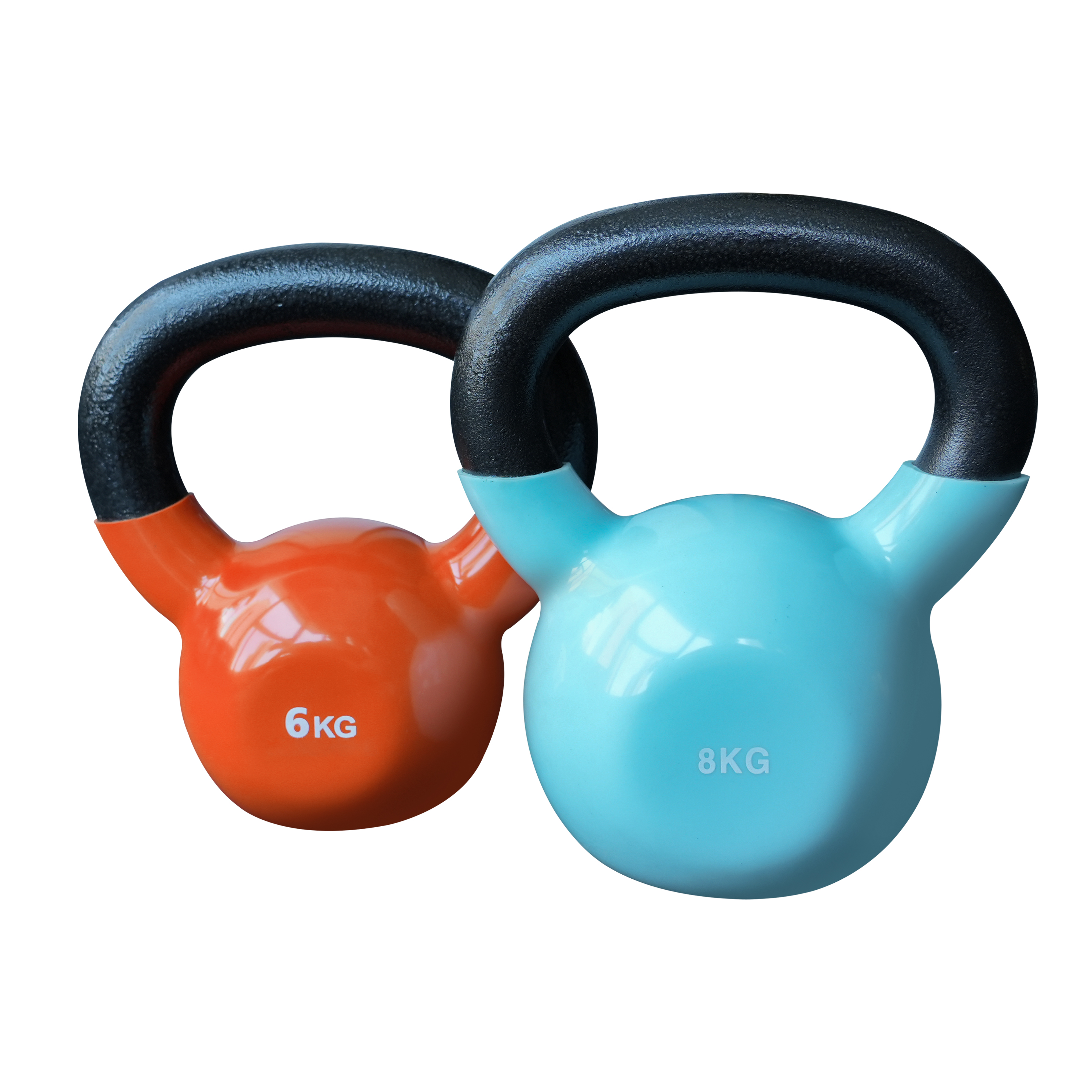
| Cast Iron (PU Coated) | Sand Casting & Polyurethane Dip | Encapsulation layer | Premium Studio/Boutique | Higher MOQ; premium positioning | Coating thickness & surface smoothness |
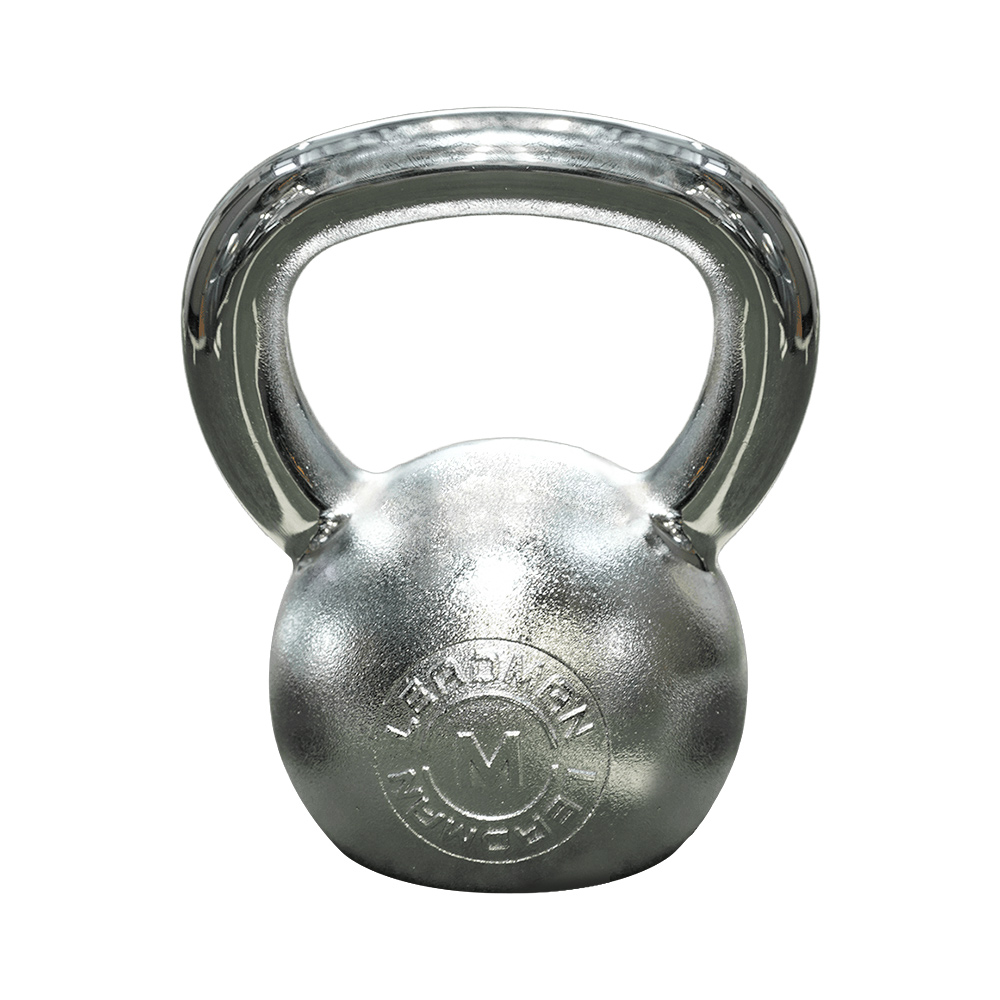
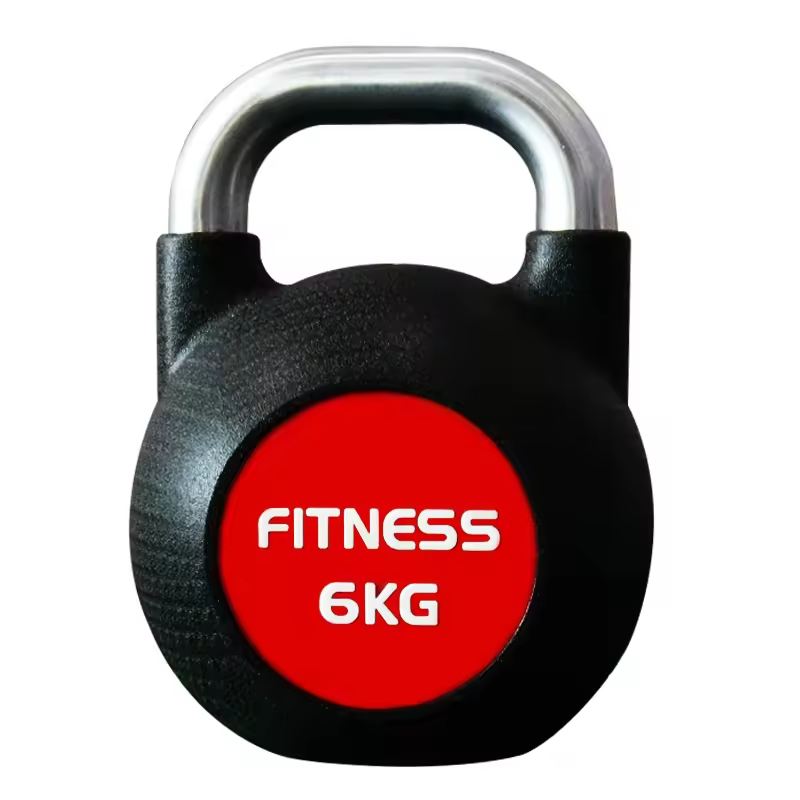
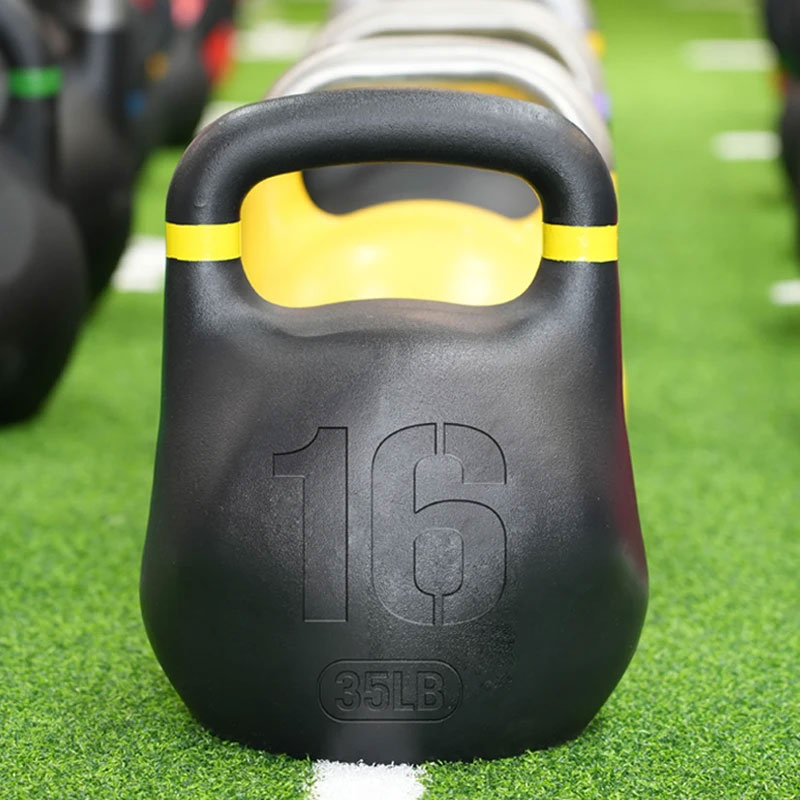
| Solid Steel (Competition) | Machining & Chrome Finish | Precision knurling | High-End/Professional | Specialized OEM/ODM requirements | Weight tolerance & concentricity |
When evaluating your next batch, consider that the choice of coating—such as a standard powder coat versus a thick PU coating—will dictate the frequency of floor maintenance and equipment replacement. A reliable wholesale kettlebell supplier will provide detailed specifications on the weight tolerance bands and the durability of the handle texture to ensure your clients receive consistent, high-performance tools.
Before finalizing your order, we recommend requesting a detailed specification sheet or a sample to verify the coating adhesion and handle ergonomics. Our China factory can also provide guidance on custom branding options to help you build a distinctive product line under your own label.
When managing high-traffic fitness facilities, procurement leads must balance floor footprint with equipment longevity to ensure a high return on investment. Selecting a CE certified kettlebell manufacturer involves evaluating more than just weight increments; it requires a rigorous assessment of product standardization, logistical reliability, and long-term durability to prevent frequent replacement cycles. A professional wholesale kettlebell supplier provides the necessary scale to outfit entire functional training zones while ensuring that every unit meets international safety and structural benchmarks, effectively reducing the total cost of ownership through standardized quality.
In many commercial settings, the choice between different casting and coating methods directly impacts both commercial space optimization and long-term maintenance schedules. For instance, sourcing high-quality cast iron units with a smooth powder coating or a specialized PU coating can significantly reduce floor damage and noise levels in studio environments. By working directly with a commercial kettlebell manufacturer, distributors can secure specific material profiles that align with their target market's needs, whether they require rugged, high-impact iron for strength zones or premium, floor-friendly finishes for boutique studios.
Optimizing your inventory strategy requires a clear understanding of how material selection affects your ROI. While budget-tier options may offer a lower initial landed cost, they often lack the coating adhesion and weight consistency required for heavy commercial use, leading to higher depreciation and maintenance labor. A professional China factory can offer tiered solutions—ranging from standard sand-cast iron to premium competition-spec steel—allowing importers to customize their product mix based on the specific demands of their client base, from local gyms to large-scale fitness chains.
Material Selection and Casting Processes for High-Traffic Gyms
Selecting a reliable CE certified kettlebell manufacturer requires understanding the structural integrity of the casting process to ensure long-term commercial durability. For high-traffic fitness facilities, the transition from raw material to finished product determines the total cost of ownership and replacement frequency. When managing sourcing for large-scale gym deployments, distributors must prioritize units that maintain consistent weight and structural balance under heavy use.
The production of professional-grade kettlebells typically begins with high-grade gray iron through a specialized sand casting process. This method is industry-standard for creating a robust, single-piece body that can withstand the rigors of high-intensity functional training. A professional wholesale kettlebell supplier will ensure that the casting stage includes precise weight calibration to maintain strict weight tolerance standards across an entire set, preventing discrepancies that can affect training accuracy and professional certification compliance.
Once the casting is complete, the surface finishing stage is critical for both grip ergonomics and equipment longevity. Many premium commercial kettlebell manufacturer options utilize a multi-stage surface treatment, moving from initial grinding to a high-durability powder coating. This coating provides a consistent texture and protects the iron core from oxidation, which is a common failure mode in humid gym environments. For specialized studio environments, a PU coating may be offered to provide additional floor protection and a softer tactile feel.
| Material Type | Primary Process | Commercial Duty Tier | Key Benefit for Importers | QC Focus Point |
|---|---|---|---|---|
| Gray Iron | Sand Casting | Standard Commercial | High durability and cost-efficiency | Base flatness and handle balance |
| Cast Iron | Sand Casting + Powder Coating | Premium Commercial | Enhanced grip and oxidation resistance | Coating adhesion and texture consistency |
| Steel | CNC Machining | Competition/Elite | Precision weight and smooth handle | Concentricity and weight tolerance |
For buyers looking for ce certified fitness equipment China, inspecting the handle-to-body junction and the uniformity of the coating is essential during pre-shipment QC. Whether you are requesting a factory audit or evaluating a sample, ensure the manufacturer can demonstrate consistent results in coating adhesion and handle texture. This attention to detail reduces the risk of premature wear and ensures your inventory meets the expectations of high-end fitness professionals.
Optimizing TCO Through Material and Coating Selection
When evaluating a procurement strategy for a new facility or a retail replenishment, the distinction between different surface treatments significantly impacts the long-term maintenance load. A professional wholesale kettlebell supplier will offer a variety of finishes to suit different usage intensities and environmental conditions. For instance, while standard cast iron provides excellent value for high-volume weight rooms, the addition of a rubber coating or PU coating can drastically reduce noise levels and provide better floor protection, which is a vital consideration for boutique studios and hotel gyms where acoustic control is a priority.
The decision between powder coating and specialized encapsulation—such as PU coating—often comes down to the intended commercial duty of the equipment. Powder coating is a highly reliable method for increasing the lifespan of the iron core by preventing rust, making it an industry-standard choice for large-scale gym deployments. Conversely, high-end PU coating provides a more premium tactile feel and superior grip, though it may involve different MOQ requirements depending on the production line setup. Understanding these nuances allows distributors to optimize their landed cost while meeting the specific branding and durability needs of their local markets.
Before finalizing a bulk order, we recommend that procurement managers request a detailed specification sheet or a physical sample to verify the coating adhesion and handle ergonomics. Whether you are looking for a standard commercial set or a specialized studio-grade option, confirming these technical details during the initial inquiry ensures that your investment aligns with your facility's operational requirements and long-term maintenance budget.
Surface Finishes: Powder Coating vs. Pu Coating for Floor Protection
When sourcing bulk inventory, professional buyers must evaluate how surface finishes impact long-term maintenance and the total cost of ownership. Selecting a CE certified kettlebell manufacturer with expertise in specialized coatings ensures that your equipment survives high-traffic environments while minimizing facility damage. For distributors and gym owners, the choice between a standard finish and a premium encapsulation layer directly affects replacement cycles and floor longevity.
Choosing a wholesale kettlebell supplier involves more than just comparing unit prices; it requires understanding how different manufacturing routes serve specific commercial settings. While powder coating is a standard industry-grade solution, premium facilities often opt for specialized coatings to enhance durability and provide superior floor protection.
Material and Coating Comparison for Commercial Procurement
| Material Type | Primary Process | Key Component Focus | Commercial Duty Tier | MOQ Impact | Factory QC Point |
|---|---|---|---|---|---|
| Cast Iron with Powder Coating | Sand casting and electrostatic spray | Handle texture and base flatness | Standard Commercial | Lower threshold for wholesale orders | Coating adhesion and surface smoothness |
| Cast Iron with PU Coating | Molding or high-grade dip coating | Encapsulation layer and grip consistency | Premium/High-End Studio | Typically higher for OEM production | Thickness uniformity and impact resistance |
A reliable commercial kettlebell manufacturer will provide clear documentation on these processes to assist with your sourcing decisions. For example, powder coating is highly effective for general weightlifting areas due to its hard, durable finish, but it offers less impact absorption. Conversely, PU coating provides a seamless, high-density layer that is often preferred for boutique studios where minimizing noise and protecting high-end flooring is a priority. When negotiating bulk contracts, confirm whether the China factory utilizes automated spray lines or manual dip processes, as this affects the consistency of the final product and your long-term maintenance load.
Evaluating the technical nuances of surface treatments is essential for managing long-term maintenance costs and protecting facility assets. A professional ce certified fitness equipment China source will typically offer distinct finishing paths depending on your target market segment. For high-volume distributors, the distinction between a standard electrostatic finish and a high-density encapsulation layer determines whether your client base experiences frequent replacement cycles or long-term reliability.
The selection of a ce certified kettlebell manufacturer should be guided by the intended environment of the end-user. While traditional cast iron methods focus on structural integrity, the secondary coating process determines the product's impact on flooring and grip performance. Understanding these variables allows procurement leads to optimize their landed cost against the expected lifespan of the equipment.
Strategic Selection for Commercial Deployment
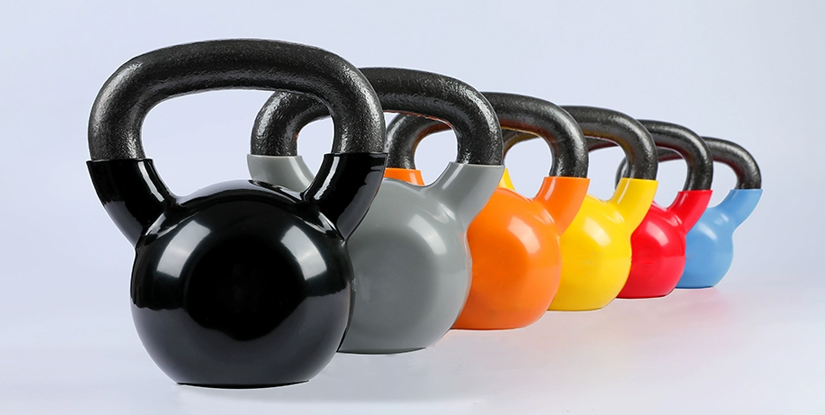
In many commercial settings, the choice between a hard-surface finish and a soft-shell coating is a trade-off between immediate cost-efficiency and long-term floor protection. A standard wholesale kettlebell supplier often provides powder-coated options that are ideal for rugged, high-impact training zones. However, for premium studio environments, the increased investment in specialized coatings can significantly reduce the frequency of facility repairs and equipment turnover.
When conducting a factory audit or reviewing technical spec sheets, we recommend verifying the specific application method used for each finish. For instance, a high-quality China factory will implement rigorous quality control to ensure coating adhesion at the handle-to-body junction, preventing the peeling or bubbling that often occurs with lower-tier manufacturing processes. This level of detail is critical when managing large-scale bulk orders where consistency across thousands of units is mandatory.
In many commercial settings, the choice between a hard-surface finish and a soft-shell coating is a trade-off between immediate cost-efficiency and long-term floor protection. A standard wholesale kettlebell supplier often provides powder-coated options that are ideal for rugged, high-impact training zones. However, for premium studio environments, the increased investment in specialized coatings can significantly reduce the frequency of facility repairs and equipment turnover.
When conducting a factory audit or reviewing technical spec sheets, we recommend verifying the specific application method used for each finish. For instance, a high-quality China factory will implement rigorous quality control to ensure coating adhesion at the handle-to-body junction, preventing the peeling or bubbling that often occurs with lower-tier manufacturing processes. This level of detail is critical when managing large-scale bulk orders where consistency across thousands of units is mandatory.
Selecting a ce certified kettlebell manufacturer should be guided by the intended environment of the end-user. While traditional cast iron methods focus on structural integrity, the secondary coating process determines the product's impact on flooring and grip performance. Understanding these variables allows procurement leads to optimize their landed cost against the expected lifespan of the equipment.
Ensuring Precision Through Factory QC and Weight Calibration
Maintaining strict weight tolerance is critical for distributors and gym operators who require consistency across full sets. A professional ce certified kettlebell manufacturer implements standardized calibration protocols to ensure that every unit meets the required commercial-grade specifications. For importers, relying on a wholesale kettlebell supplier that prioritizes these metrics reduces the risk of mismatched sets and client complaints during facility deployment.
In many commercial settings, precision casting is the foundation of product reliability. The manufacturing sequence typically begins with high-quality sand casting to create the primary bell shape, followed by intensive machining to refine the handle and body geometry. A professional commercial kettlebell manufacturer ensures that the handle-to-body junction is seamless and the concentricity is optimized for balanced movement. Without rigorous quality control standards, slight deviations in weight or balance can occur, which negatively impacts the long-term value of a bulk order.
When managing China factory sourcing, procurement leads should focus on the calibration phase of the production line. This stage involves weighing each unit and adjusting the final mass to stay within the acceptable tolerance band. This attention to detail ensures that your inventory remains professional-grade and ready for high-traffic commercial use. Before shipping, a factory must also verify coating adhesion and surface finish to prevent premature wear in demanding environments.
Technical Comparison of Production Tiers and Quality Benchmarks
Selecting the appropriate production route is essential for balancing your landed cost with the durability requirements of your target market. For distributors managing high-volume inventory, understanding the distinctions between different manufacturing processes allows for better decision-making regarding MOQ and product positioning. A reliable ce certified fitness equipment China partner will provide clear differentiation between these tiers to ensure your brand identity remains consistent with your quality promises.
| Material & Process | Key Component Focus | Commercial Duty Tier | Typical Sourcing Use Case | Factory QC Point |
|---|---|---|---|---|
| Sand Casting + Powder Coating | Handle-to-body junction | Standard Commercial | General Gyms & Studios | Coating adhesion & surface smoothness |
| Cast Iron + Vinyl/PU Coating | Encapsulation layer thickness | Premium Boutique | High-end Wellness & Hotel Gyms | Handle grip texture & layer integrity |
| Precision Die Casting + Chrome | Concentricity & handle balance | Competition/Professional | Specialized Training Facilities | Weight calibration & dimensional accuracy |
From a sourcing perspective, the choice between a powder-coated finish and a PU-coated option significantly impacts your long-term maintenance load and shipping volume. While powder coating offers a robust, cost-effective solution for high-traffic environments, PU coating provides superior floor protection and a premium tactile feel. We recommend that buyers request a sample evaluation to inspect the knurling depth and handle texture before finalizing any large-scale wholesale agreements. Verifying these technical specifications during a factory audit or pre-shipment inspection is the most effective way to ensure your bulk order meets professional standards.
Export-Ready Packaging and Global Logistics Optimization
For international distributors, the risk of damaged inventory during long-distance transit is a significant concern that can erode profit margins. A professional ce certified kettlebell manufacturer understands that robust export packaging is just as vital as the casting process itself. To mitigate the impact of heavy-duty sea freight and mechanical handling, high-quality units must be secured in reinforced, moisture-resistant packaging designed to withstand the rigors of international logistics.
Standard export packaging protocols for a heavy bulk order typically involve heavy-duty corrugated cartons, protective corner reinforcements, and palletization to ensure stability during container loading. For premium or PU-coated models, additional layers of protective wrapping are often utilized to prevent surface abrasions and maintain the integrity of the coating during transit. This meticulous approach to packaging reduces the likelihood of returns and ensures that the product arrives at your warehouse in the exact condition intended for your clients.
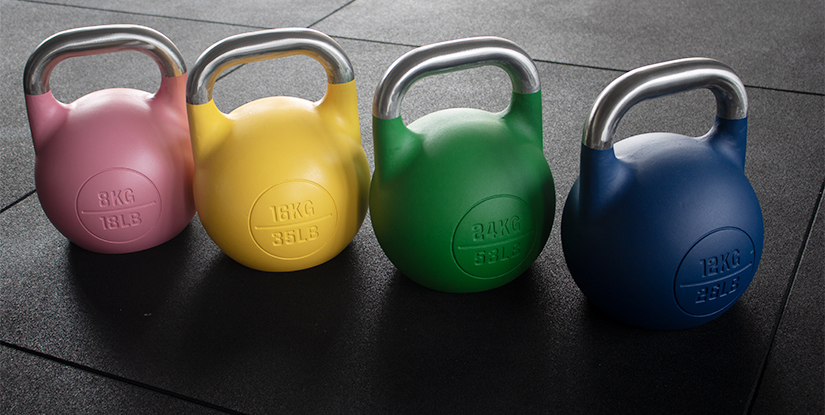
When coordinating with your supplier, we recommend discussing specific palletization requirements and container loading optimization to manage your landed cost effectively. Whether you are sourcing a single SKU or a diverse range of weights, our factory provides detailed packing lists and weight-per-carton data to streamline your customs clearance and local distribution. We encourage buyers to confirm packaging specifications and request a pre-shipment inspection to ensure all durability and shipping standards are met before the cargo departs the China factory.
Sourcing Strategies: MOQ and Lead Times for Wholesale Orders
Optimizing your procurement cycle requires a clear understanding of how a CE certified kettlebell manufacturer manages production scales. For international distributors and large-scale gym developers, navigating the balance between MOQ requirements and lead time is critical to maintaining a consistent distributor margin and preventing stockouts during peak seasons.
When engaging in China factory sourcing, professional buyers must account for the total landed cost, which includes not only the unit price but also shipping durations and potential customs delays. A reliable wholesale kettlebell supplier will provide transparent timelines that distinguish between standard stock availability and custom OEM production runs. Effective inventory management relies on these predictable windows to ensure that your warehouse remains stocked without overextending capital on slow-moving SKUs.
| Order Type | Typical MOQ | Estimated Lead Time | Primary Advantage | Procurement Focus |
|---|---|---|---|---|
| Standard Stock | Lower | Short | Rapid replenishment | Fast turnover |
| wholesale Customization | Higher | Longer | Enhanced brand identity | distributor margin optimization |
| Full OEM Production | Highest | Extended | Complete specification control | Market differentiation |
To secure the most competitive pricing and ensure your commercial kettlebell manufacturer can meet your specific volume needs, we recommend initiating a formal inquiry early. Contact us to request a detailed specification sheet, confirm current MOQ tiers for your target weights, or discuss sourcing schedules for your next bulk shipment.
Choosing between rapid replenishment and full-scale customization depends on your specific market positioning. A wholesale kettlebell supplier typically offers ready-to-ship inventory for standard weight increments, which is ideal for immediate retail or studio needs. However, for distributors looking to establish a premium brand presence, engaging in OEM or ODM processes allows for complete control over the product's aesthetic and functional identity. This might include selecting specific coating types, such as high-durability powder coating or specialized PU coating, to differentiate your catalog from generic options.
While bulk orders of standard stock offer the fastest path to market, they may limit your ability to implement custom branding. Conversely, a full production run through a CE certified kettlebell manufacturer provides the opportunity to refine the handle texture or the thickness of the encapsulation layer, ensuring the product meets the exact standards of your target demographic. When planning your sourcing strategy, always factor in the production cycle—ranging from the initial sand casting and weight calibration to the final pre-shipment QC—to ensure your warehouse efficiency remains high and your landed cost stays within budget.
Choosing between rapid replenishment and full-scale customization depends on your specific market positioning. A wholesale kettlebell supplier typically offers ready-to-ship inventory for standard weight increments, which is ideal for immediate retail or studio needs. However, for distributors looking to establish a premium brand presence, engaging in OEM or ODM processes allows for complete control over the product's aesthetic and functional identity. This might include selecting specific coating types, such as high-durability powder coating or specialized PU coating, to differentiate your catalog from generic options.
While bulk orders of standard stock offer the fastest path to market, they may limit your ability to implement custom branding. Conversely, a full production run through a CE certified kettlebell manufacturer provides the opportunity to refine the handle texture or the thickness of the encapsulation layer, ensuring the product meets the exact standards of your target demographic. When planning your sourcing strategy, always factor in the production cycle—ranging from the initial sand casting and weight calibration to the final pre-shipment QC—to ensure your warehouse efficiency remains high and your landed cost stays within budget.
Custom Branding and OEM Capabilities for Global Distributors
For distributors and large-scale gym operators, generic inventory often fails to differentiate a brand in a crowded market. Partnering with a professional CE certified kettlebell manufacturer allows you to move beyond standard stock and build a proprietary product line. By utilizing OEM and ODM services, you can transform a standard cast iron unit into a signature piece of equipment that reflects your specific brand identity.
The strategic advantage of China factory sourcing lies in the ability to customize every visible touchpoint. Whether you require specialized color/coating options—such as high-visibility powder coating or premium PU finishes—or specific custom branding via embossed logos or precision silk-screen printing, the factory can accommodate these requirements to meet your market's aesthetic standards. This level of customization is essential for a wholesale kettlebell supplier looking to provide high-value solutions to premium fitness studios and boutique chains.
While customization adds value, we maintain a focus on procurement efficiency. We offer tiered MOQ levels to support both growing distributors and established commercial kettlebell manufacturer clients. Our production workflows are designed to balance bespoke branding with predictable lead time management, ensuring your branded inventory arrives ready for deployment without disrupting your supply chain. From selecting the specific handle texture to the final coating adhesion, every step is optimized for your private label success.
Customization Tiers and Procurement Options
Selecting the right level of customization is a critical decision for procurement managers balancing brand differentiation against landed cost. As a professional ce certified fitness equipment China partner, we provide structured options that allow you to scale your investment based on your specific market positioning and budget constraints.
The following table outlines the typical differences between standard wholesale orders and full-scale customization. This comparison helps distributors determine whether to focus on high-volume, low-complexity stock or high-margin, branded specialty products.
| Customization Level | Branding Options | Material/Coating | Typical MOQ | Commercial Use Case |
|---|---|---|---|---|
| Standard Wholesale | Generic or Unbranded | Cast Iron with Powder Coating | Low | General Gyms & Retail Distribution |
| Private Label | Embossed Logo or Silk-Screen | Standard Colors (Black/Red/Blue) | Medium | Boutique Studios & Fitness Brands |
| Full OEM/ODM | Custom Mold & Bespoke Textures | Premium PU or Rubberized Coating | High | High-End Commercial Chains & Specialized Series |
When evaluating your next batch, consider that higher customization levels often impact the initial MOQ and total lead time. While standard powder-coated units offer the fastest turnaround for rapid restocking, a full OEM approach allows you to control the tactile experience of the grip and the visual identity of the product. We recommend requesting a sample evaluation for any custom coating or specialized handle texture to ensure the final product meets your quality standards before proceeding with a bulk order.
Technical Execution of Custom Orders
Precision in the manufacturing workflow is what separates a standard unit from a high-tier branded product. For professional buyers, the technical execution of an OEM order must be seamless to prevent downstream issues like coating peeling or weight discrepancies. Our production sequence begins with highly controlled mold customization, ensuring that your embossed logo or specific handle geometry is integrated directly into the casting stage for a permanent, high-quality finish.
Following the casting process, each unit undergoes rigorous weight calibration to ensure it stays within industry-standard tolerance bands. This is a critical step for a commercial kettlebell manufacturer, as weight consistency is a primary metric for professional training environments. Once the weight is verified, the unit moves to the surface finishing stage, where we apply high-adhesion powder coating or specialized PU layers. This process is monitored for coating adhesion to ensure the finish remains intact even under heavy commercial usage.
The final stage of our production focuses on reliability and logistics readiness. Before any bulk orders are cleared for shipment, a strict pre-shipment QC protocol is executed. This includes inspecting the handle-to-body junction and the uniformity of the coating across the entire surface. Finally, we utilize reinforced export packaging designed to withstand long-haul maritime transit, ensuring that your inventory arrives at your warehouse in optimal condition. By managing these technical details, we help you optimize your total landed cost and maintain high distributor margins.