Casting Manufacturer: Step by Step Production QC Supply
The Strategic Role of a Casting Manufacturer in Commercial Procurement
For international distributors supplying high-traffic boutique studios or large-scale fitness chains, the decision to partner with a professional casting manufacturer determines the long-term viability of a product line. Unlike retail-focused sourcing, commercial-grade equipment procurement requires a focus on structural integrity and predictable maintenance cycles. When sourcing bulk orders, a reliable casting manufacturer ensures that every unit meets the rigorous density and balance standards required for heavy-duty use, effectively mitigating the risk of premature hardware failure in professional environments.
The primary challenge in commercial equipment production is not just the initial purchase price, but the total cost of ownership. Low-quality casting often results in uneven weight distribution, surface imperfections, or brittle handles that fail under repetitive stress. For a supplier, these defects translate into high replacement costs, increased customer complaints, and damaged brand reputation. By prioritizing high-standard OEM casting quality control, importers can ensure that their inventory remains functional and aesthetically consistent throughout its intended lifecycle, protecting their distributor margins and enhancing overall ROI.
Evaluating Quality Tiers and Long-Term Value
In the global sourcing market, procurement officers must distinguish between superficial cost savings and true commercial durability. A high-tier casting manufacturer provides more than just a product; they provide a predictable asset. Choosing between budget and premium tiers involves a calculated trade-off between the initial landed cost and the eventual maintenance load. While budget options may lower the immediate capital expenditure, they often lack the robust internal density and surface stability required for high-traffic commercial settings, leading to higher long-term expenses.
To assist in your selection process, the following table outlines how different production standards impact your total cost of ownership. This comparison focuses on the qualitative differences found when sourcing through a professional China factory versus lower-tier alternatives.
| Material & Process Tier | Primary Material | Surface Finishing | Commercial Duty Level | Impact on Maintenance/TCO |
|---|---|---|---|---|
| Budget Tier | Standard Gray Iron | Basic Paint or Thin Enamel | Light Commercial / Home Use | Higher frequency of surface chipping and oxidation issues |
| Standard Commercial | High-Density Cast Iron | Industrial Powder Coating | Professional Gym / Studio | Balanced durability with standard wear-and-tear expectations |
| Premium Tier | Precision Cast Iron / Steel | Multi-layer PU or Heavy-duty Rubber | High-Traffic / Elite Performance | Minimal maintenance; optimized for high-volume durability |
When evaluating your next batch, consider that the most significant savings often come from avoiding the replacement of defective units. A supplier specializing in commercial equipment production will typically offer higher-grade materials and more rigorous surface-adhesion testing, which directly reduces your after-sales service obligations. We recommend requesting a detailed specification sheet and discussing specific OEM requirements to ensure the product aligns with your target market's durability needs.
Material Selection and Surface Finishing Standards
For distributors and importers, the durability of cast iron products directly impacts the long-term Total Cost of Ownership (TCO). A professional casting manufacturer must prioritize high-grade gray iron to ensure structural integrity under high-volume commercial use. Selecting the right material and surface treatment is not just about aesthetics; it is a critical commercial equipment production decision that dictates how often a facility must perform maintenance and how long the product remains in active rotation.
When sourcing from a China factory, procurement leads should evaluate the layering of the finish. While basic paint may suffice for low-tier use, premium commercial-grade units typically utilize a multi-stage powder coating process. This ensures superior adhesion and resistance to chipping, which is essential for maintaining a professional appearance in high-traffic gym environments. High-quality OEM casting quality control involves inspecting these coating layers to prevent premature oxidation and surface degradation.
| Material Type | Surface Finish | Commercial Duty | Maintenance Requirement | Sourcing Context |
|---|---|---|---|---|
| Gray Iron | Basic Paint | Budget / Light Commercial | Moderate (Rust Risk) | Low MOQ / High Volume |
| Cast Iron | Powder Coating | Standard Commercial | Low (Durable Layer) | Standard Wholesale |
| Premium Iron | PU / Vinyl Coating | High-End Studio / Premium | Minimal (High Protection) | Custom OEM / High MOQ |
Strategic Material Choices for TCO Optimization
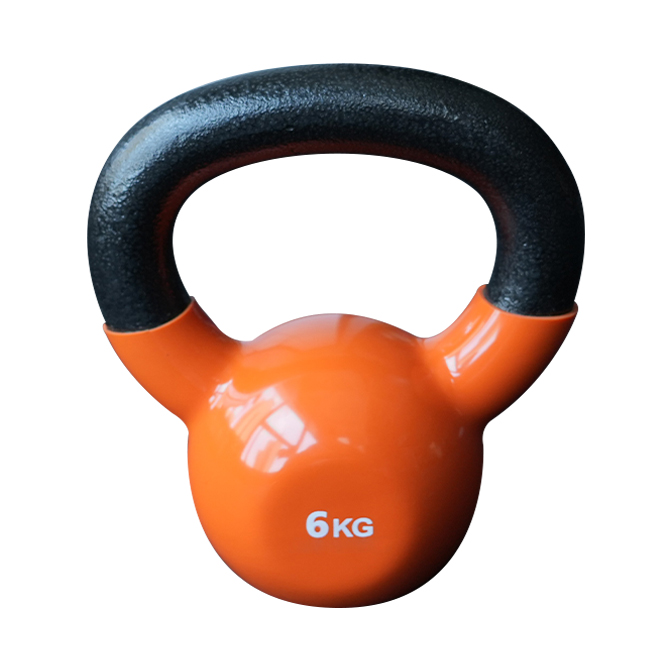
Choosing between bare iron and advanced coatings is a fundamental decision for any professional buyer. Bare iron or simple phosphate treatment offers a classic look but requires more frequent maintenance to prevent oxidation in humid environments. Conversely, a high-quality PU coating or thick vinyl encapsulation provides an additional barrier against moisture and physical impact, making it an ideal choice for premium studio environments where long-term durability and aesthetic consistency are paramount.
From a procurement perspective, the complexity of the surface finishing directly influences the total landed cost. While a basic finish may reduce the initial purchase price, the long-term maintenance load and replacement frequency can increase the Total Cost of Ownership (TCO). When negotiating with a supplier, it is essential to clarify how the coating process affects the MOQ and the overall lead time. Advanced finishes like polyurethane or multi-coat powder systems often require specialized production lines, which can impact production schedules and bulk pricing tiers.
To ensure the highest level of reliability, a professional casting manufacturer should provide clear documentation regarding the application process. This includes the sequence from the initial sand casting to the final surface treatment and the subsequent pre-shipment inspection. Buyers should confirm that the coating adhesion meets industry-standard commercial requirements to avoid high return rates or distributor dissatisfaction due to surface chipping or peeling in the field.
Weight Tolerance and Pre-Shipment Inspection Protocols
For large-scale distributors, the most significant risk in a bulk order is the variance in unit weight. Inconsistent weights across a shipment can lead to severe logistical issues and client dissatisfaction. A reliable casting manufacturer implements strict weight tolerance spot-checks throughout the production cycle. Rather than relying on a single sample, professional quality control involves testing a statistically significant percentage of the batch to ensure each unit meets the specified commercial weight standards. This precision is vital for maintaining the credibility of your brand when supplying high-end fitness facilities.
The final stage of commercial equipment production must include a comprehensive pre-shipment QC protocol that extends beyond the product itself. This includes a rigorous inspection of the export packaging to ensure the items can withstand long-distance ocean freight. High-quality manufacturers utilize reinforced corner protection and heavy-duty corrugated cartons to prevent impact damage during transit. For high-volume wholesale orders, the stability of the internal packing and the strength of the outer crates are just as critical as the casting quality to ensure a low landed cost by minimizing damage claims upon arrival.
Before finalizing a purchase, we recommend that procurement leads request a detailed pre-shipment inspection report or arrange for a third-party factory audit. Confirming the specific export packaging standards and the frequency of weight calibration will help mitigate the risks of transit damage and product inconsistency. Whether you are pursuing a standard wholesale order or a complex OEM project, verifying these logistical and quality control details is the most effective way to protect your distributor margins and ensure long-term product reliability.
Core Production Stages for Commercial-Grade Equipment
A professional casting manufacturer follows a rigorous metallurgical sequence to ensure that every unit meets the structural demands of high-traffic fitness environments. For distributors and importers managing bulk orders, understanding this workflow is essential for evaluating the long-term durability and TCO of their inventory. The process begins with precise mold preparation, typically utilizing high-grade sand casting techniques to create a stable cavity for the metal. Once the mold is set, the molten metal pouring phase occurs, where liquid iron is introduced under controlled temperatures to prevent air pockets or structural weaknesses. Following this, the controlled cooling stage is critical; uneven thermal reduction can lead to micro-fractures, which are unacceptable for commercial-grade equipment. By maintaining these industry-standard stages, a casting manufacturer ensures the structural integrity required for heavy-duty use, reducing the risk of premature failure and minimizing the maintenance-related downtime for your end-users.
Standardized commercial equipment production relies on these predictable metallurgical cycles to maintain consistency across large-scale shipments. Whether you are sourcing via OEM or purchasing stock units, the quality of the initial casting dictates the success of subsequent finishing steps, such as powder coating or weight calibration. For a China factory specializing in export, these foundational stages are the first line of defense in OEM casting quality control, ensuring that the final product can withstand the rigorous mechanical stresses of a professional gym setting.
| Production Tier | Primary Casting Method | Surface Finish Standard | Typical Commercial Application | Procurement Focus |
|---|---|---|---|---|
| Standard Commercial | Sand Casting | Powder Coating | General Fitness Centers | High Volume / Low TCO |
| Premium Professional | Precision Casting | PU or Rubber Coating | High-End Studios | Durability / Brand Identity |
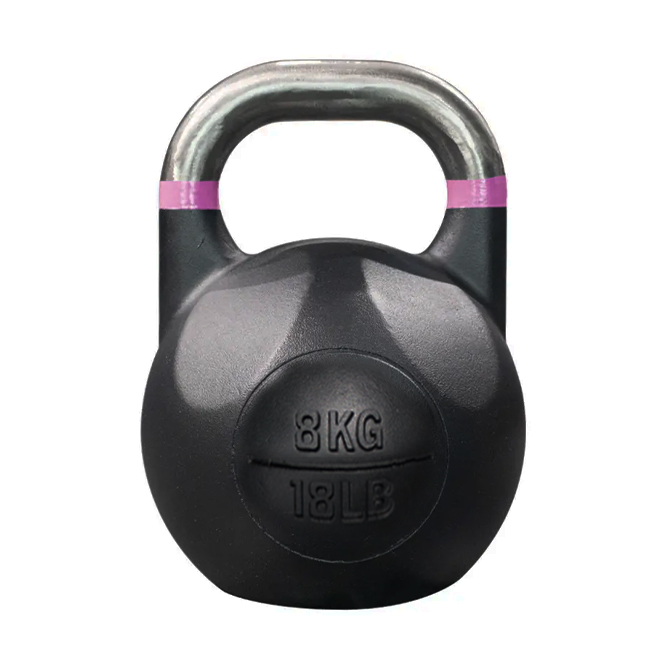
| Competition Spec | Die Casting / Machining | Chrome or Enamel | Professional Training | Precision / Aesthetic |
Precision Secondary Processing and Final QC
After the initial casting is stabilized, the product moves into advanced secondary processing where technical precision directly impacts your landed cost and product longevity. A reliable casting manufacturer utilizes CNC machining to refine critical contact points, such as the handle or base, ensuring smooth operation and consistent grip texture. Following this, the surface finishing stage—typically involving high-grade powder coating or specialized PU coating—is applied. This layer is not merely aesthetic; it serves as a vital protective barrier against oxidation and impact. For a supplier managing large-scale export, ensuring high coating adhesion is a non-negotiable part of OEM casting quality control to prevent peeling or chipping during transit and heavy commercial use.
The final stage of commercial equipment production involves rigorous weight calibration and pre-shipment inspection. Each batch must undergo a weight tolerance spot-check to ensure the physical mass aligns with the declared specifications, a critical factor for distributor trust and professional gym standards. For distributors managing high-volume wholesale accounts, these final steps are where the distinction between budget and premium tiers becomes evident. Precision in these stages reduces the frequency of replacement requests and protects your brand reputation. When negotiating your next MOQ or OEM project, we recommend verifying the specific calibration and coating adhesion protocols to ensure the final shipment meets your exact commercial-grade requirements.
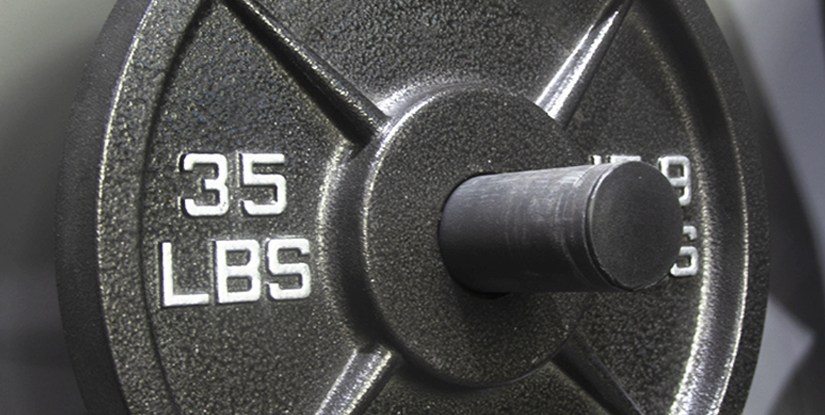
Optimizing Quality Control and Pre-Shipment Inspection
For distributors and importers, the risk of receiving substandard batches from a casting manufacturer can devastate profit margins and reputation. In commercial equipment production, relying on visual inspection alone is insufficient for bulk orders. Professional sourcing requires a standardized protocol to verify that every unit meets the weight and structural requirements of a high-traffic gym environment.
A reliable China factory must implement a multi-stage quality control framework that addresses both physical dimensions and surface integrity. For instance, a professional OEM casting quality control process typically begins with a weight tolerance spot-check to ensure consistency across a single batch. This is followed by a surface finish evaluation, where technicians inspect the powder coating or encapsulation layer for adhesion issues, cracks, or unevenness that could lead to premature wear in a commercial setting.
Beyond individual unit specs, the factory must also verify the integrity of critical junctions, such as the handle-to-body connection, to prevent structural failure under heavy use. For high-volume wholesale clients, we recommend arranging a pre-shipment inspection to confirm that the final product matches the approved sample in both texture and weight density before the container is sealed.
Technical Inspection Matrix for Commercial-Grade Procurement
To mitigate the risk of high return rates or customer complaints, procurement professionals should evaluate a casting manufacturer based on their ability to provide detailed inspection data. A standardized technical checklist allows a supplier to demonstrate transparency regarding material density, structural stability, and finish durability. Below is a comparison of common inspection points used to differentiate between standard and high-performance commercial production.
| Material / Process | Key Component / Detail | Commercial Duty Tier | Typical Inspection Point | Procurement Impact |
|---|---|---|---|---|
| Gray Iron Casting | Base Flatness | Standard Commercial | Surface levelness check | Stable stacking for warehouse efficiency |
| Sand Casting | Handle-to-Body Junction | Premium Commercial | Structural integrity scan | Reduced maintenance and replacement costs |
| Powder Coating | Coating Adhesion | High-Traffic Commercial | Surface scratch and peel test | Long-term aesthetic and durability value |
| Machined Steel | Knurling Consistency | Competition/Elite | Texture and grip depth check | Improved user experience and brand identity |
When managing a large-scale wholesale order, the focus must shift from individual unit perfection to batch-wide consistency. We suggest that buyers request specific documentation regarding the OEM casting quality control steps, particularly for components where surface failure is common, such as the coating layer or the grip texture. Confirming these technical benchmarks during the sample approval stage or via a third-party factory audit can significantly reduce the total cost of ownership (TCO) and ensure a smoother distribution process for your local market.
Export Packaging and Logistics Standards for International Shipping
Even the highest quality output from a casting manufacturer can be compromised by inadequate export packaging. For distributors managing bulk orders, the primary concern is preventing damage during long-haul sea freight and container loading. A single dented surface or a cracked coating caused by poor protection can increase your landed cost through returns and customer dissatisfaction. Therefore, professional logistics planning must begin at the factory floor, not at the port.
Standardized export packaging for commercial-grade equipment typically involves heavy-duty corrugated boxes, reinforced corner protection, and moisture-resistant liners to prevent oxidation during transit. For high-volume wholesale shipments, we recommend palletized loading with shrink wrapping to ensure stability. When calculating your MOQ and total lead time, always account for the time required for rigorous pre-shipment inspection and specialized packing. This proactive approach ensures that your inventory arrives in a condition that maintains your brand identity and protects your distributor margins.
Sourcing Logistics: MOQ, Lead Times, and Export Packaging
For distributors and professional importers, managing inventory cycles requires a deep understanding of how a casting manufacturer balances production scales with logistics. Efficient commercial equipment production depends on aligning your procurement schedule with the China factory output capacity to avoid stockouts or excessive warehousing costs. When you engage in wholesale sourcing, understanding the interplay between order volume and shipping readiness is essential for maintaining healthy distributor margins.
The relationship between MOQ and lead time is a fundamental pillar of the supply chain. Typically, a higher MOQ allows a supplier to optimize the casting and cooling cycles, which can result in a more stable lead time for large-scale commercial equipment production. Conversely, smaller or highly customized OEM orders may require specialized mold adjustments or unique surface treatments, which can extend the production window. Professional buyers must evaluate these variables to ensure that landed costs remain competitive while meeting market demand.
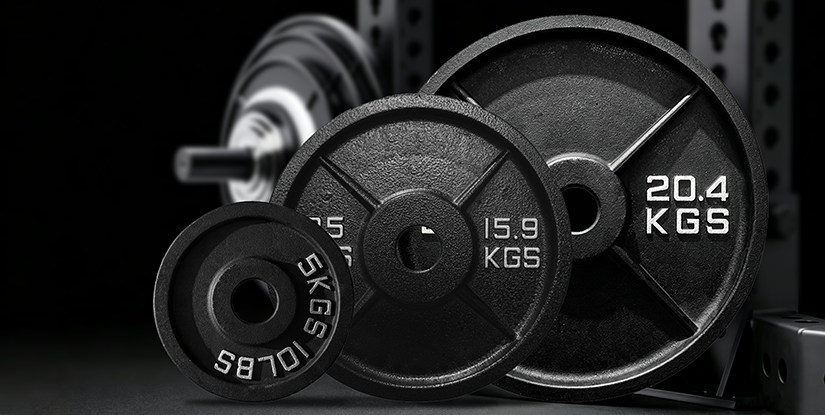
Reliable sourcing also requires rigorous attention to export-ready standards. A professional casting manufacturer does not merely focus on the casting itself but also on the protection of the finished unit during long-haul transit. This includes high-density foam corner protection, reinforced corrugated boxes, and palletization strategies designed to withstand sea freight environments. For high-volume wholesale clients, specifying these packaging requirements during the initial OEM or ODM discussion ensures that the product arrives at your warehouse in premium condition, reducing the risk of damage-related returns and protecting your bottom line.
Strategic Order Scaling and Logistics Variables
Navigating the complexities of international procurement requires a clear view of how different order tiers impact your total investment. To assist in your decision-making process, the following table outlines the typical shifts in logistics and cost structures when sourcing from a professional casting manufacturer. These variables are designed to help you optimize your landed cost and manage warehouse capacity effectively.
| Order Scale | Typical MOQ | Lead Time Impact | Packaging Standard | Primary Focus |
|---|---|---|---|---|
| Sample/Prototype | Low | Short (Pre-production) | Single Unit Protective Box | Design Verification |
| Standard Wholesale | Medium | Standard Production Cycle | Reinforced Export Carton | Inventory Turnover |
| Bulk/Distributor Scale | High | Extended (Optimized Batch) | Palletized/Container Load | Distributor Margin |
| Custom OEM/ODM | High | Variable (Mold/Tooling) | Custom Brand/Protective Packaging | Brand Identity |
When planning your next procurement cycle, we recommend evaluating these tiers based on your specific market demand and storage capabilities. For instance, moving from standard wholesale volumes to full container load bulk orders can significantly improve your unit economics by lowering the shipping cost per unit. However, for specialized OEM casting quality control requirements, such as custom handle textures or unique colors, please account for additional time in your lead time planning to ensure smooth arrivals at your facility. We suggest contacting our team to confirm current MOQ levels and request a detailed quotation based on your projected volume.
Ensuring Shipping Safety and Warehouse Efficiency
A critical oversight in international procurement is neglecting the final stage of the supply chain: the transition from the factory floor to your facility. For a professional casting manufacturer, the job is not finished when the product leaves the cooling station; it is finished when the product arrives at your warehouse without structural or cosmetic compromise. High-quality export packaging is a non-negotiable requirement for commercial-grade products, as even minor surface abrasions or casting chips can diminish the perceived value of your brand and lead to costly returns.
To maintain high warehouse efficiency and protect your distributor margins, we implement rigorous pre-shipment QC protocols focused on container-ready stability. This involves utilizing heavy-duty corrugated cartons, reinforced corner protectors, and industrial-grade palletization to ensure maximum shipping safety during long-haul ocean freight. For high-volume wholesale clients, optimizing the load density within a container is essential to reducing the landed cost per unit. By coordinating closely with the China factory on pallet dimensions and weight distribution, importers can streamline the unloading process and minimize labor time at their local distribution centers.
Customization and Private Labeling Capabilities
For distributors and large-scale importers, a professional casting manufacturer provides much more than just raw hardware; they offer a strategic platform for market differentiation. Moving beyond standard stock items allows your company to build a recognizable brand identity that resonates with premium fitness centers and professional training studios. Whether you are looking to expand a high-end boutique line or develop a robust, budget-friendly series for mass-market gyms, the ability to control product aesthetics and specifications is a critical lever for increasing distributor margins.
Professional OEM services allow you to integrate custom logos, specific colorways, and unique handle textures into the production flow. This level of customization ensures that your products do not look like generic commodity items, but rather like specialized, high-tier equipment. A reliable China factory will manage the complexities of integrating your branding into the casting or coating stages—such as precision laser-etched logos or custom powder coating colors—ensuring the final product meets your exact design requirements without compromising structural integrity.
Navigating the ODM landscape requires a partner who understands the balance between unique design and commercial equipment production efficiency. While high-level customization is essential for brand positioning, it must be balanced against MOQ constraints and lead time expectations to maintain a healthy supply chain. A capable supplier will offer tiered options, allowing you to choose between standard commercial-grade casting and highly customized, premium-spec versions depending on your target market's price sensitivity and your specific sourcing strategy.
Comparison of Customization Tiers for Professional Sourcing
Understanding the distinction between standard procurement and full-scale development is essential for accurate landed cost calculations. For many importers, selecting the right level of service directly impacts the scalability of their product line and the complexity of their pre-shipment inspection requirements.
| Customization Level | Typical Scope | Branding Options | Lead Time Impact | MOQ Requirement | Commercial Duty Tier |
|---|---|---|---|---|---|
| Standard Wholesale | Stock colors and standard finishes | Standard logo plate or sticker | Short (Ready to ship) | Low | Budget / Entry-Level |
| OEM (Original Equipment Manufacturer) | Custom colors and specific handle textures | Laser-etched or cast-in logos | Moderate (Production cycle + 1 month) | Medium | Commercial / Standard |
| ODM (Original Design Manufacturer) | Full structural and material redesign | Full integration of brand identity | Long (R&D + Tooling + Production) | High | Premium / Professional |
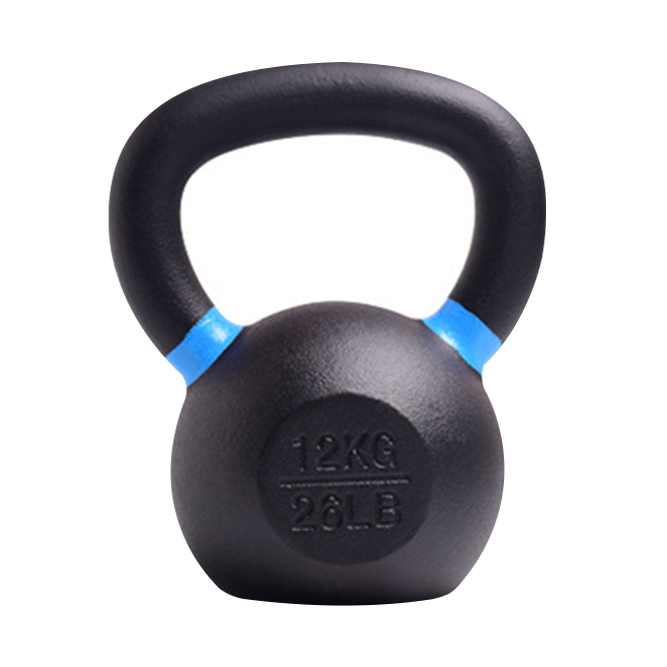
When executing OEM casting quality control, buyers should note that higher customization levels often require specialized tooling or unique mold adjustments. For example, a standard cast iron kettlebell may have a quick turnaround, but a version with a custom-molded PU coating or a specific knurling pattern will require longer lead times to ensure the coating adhesion meets commercial standards. It is highly recommended to request a sample evaluation or a detailed spec sheet before committing to large-scale commercial equipment production to confirm that the custom finish or weight tolerance aligns with your brand's quality expectations.
Technical Execution of Branding and Surface Finishes
Achieving a high-end aesthetic requires more than just a surface-level sticker; it requires deep integration into the manufacturing workflow. A professional casting manufacturer ensures that your brand identity is permanent and durable by utilizing methods such as cast-in relief or precision CNC engraving. This ensures that even after heavy use in a high-traffic commercial gym, your logo remains legible and professional. When managing large-scale sourcing, it is vital to confirm whether the branding is part of the initial mold creation or a secondary process, as this affects both the final product weight and the long-term durability of the surface.
Surface finishing is a critical component of OEM casting quality control, particularly regarding coating adhesion and long-term maintenance. For premium product lines, a multi-stage powder coating process is typically employed to provide a robust, scratch-resistant layer that can withstand the rigors of commercial training environments. This process often includes a pre-treatment phase, such as phosphate treatment, to ensure the coating adheres perfectly to the metal substrate. For buyers, verifying these finishing steps during a factory audit or via sample evaluation is essential to prevent issues like peeling or oxidation, which can increase the total cost of ownership and damage your brand reputation in the long run.