Kettlebell Core: China Factory Supply for Space Optimization
Optimizing Facility Footprint with Kettlebell Core Systems
Professional facility managers must evaluate three critical checkpoints when upgrading training zones: technical specification compliance, logistical ease of unloading, and long-term floor maintenance. A high-density kettlebell core provides a streamlined solution for these requirements, allowing importers to maximize usable square footage while maintaining high equipment variety. By sourcing directly from a China factory, distributors can secure high-quality, space-saving storage solutions that reduce the overall footprint of strength training areas without compromising on professional standards.
Efficient gym floor layout efficiency is often the difference between a high-traffic commercial center and a cluttered, low-utility training space. Standardized, vertical storage or modular rack systems allow for higher commercial gym density, enabling more users to train simultaneously within a smaller designated area. When planning a procurement cycle, selecting a wholesale provider that offers integrated storage components ensures that your shipment arrives as a complete, cohesive system rather than disconnected individual units.
The primary challenge for studio operators is the rapid degradation of floor surfaces due to improperly stored free weights. Implementing a structured commercial kettlebell sets organization system mitigates the risk of surface damage and improves safety during peak hours. For high-volume distributors, managing wholesale fitness equipment storage through optimized, stackable, or racked systems reduces the landed cost per square foot of training space, directly improving the long-term ROI of the facility installation.
Spatial and Logistical Comparison: Integrated Systems vs. Traditional Loose Storage
When evaluating the procurement of strength training equipment, decision-makers must look beyond the individual unit price and consider the total cost of ownership. A disorganized training area increases maintenance labor and limits the effective capacity of the facility. By transitioning from loose storage to an integrated kettlebell core, procurement leads can optimize both the physical layout and the long-term operational efficiency of their client sites.
The following table outlines the critical differences between sourcing loose weight sets and investing in integrated professional systems. For distributors looking to provide high-value solutions, selecting an integrated approach offers superior benefits in terms of durability and long-term facility management.
| Procurement Metric | Traditional Loose Storage | Integrated kettlebell core Systems |
|---|---|---|
| Floor Footprint | High; requires large, dispersed floor areas | Optimized; high-density vertical or modular footprints |
| Surface Protection | Low; high risk of impact damage to flooring | High; specialized racks protect the gym floor |
| Inventory Organization | Difficult; high labor for sorting and restocking | Streamlined; rapid access to commercial kettlebell sets |
| Logistical Complexity | Higher; requires more complex wholesale fitness equipment storage solutions | Lower; cohesive, single-unit shipments from the factory |
| Long-term Durability | Variable; depends on manual handling and floor contact | Standardized; engineered for high-volume commercial use |
| Landed Cost Efficiency | Higher per-unit space cost over time | Improved ROI via optimized square footage utilization |
For large-scale distributors and gym developers, the decision to source integrated systems often depends on specific MOQ requirements and customized branding needs. We recommend requesting a full technical spec sheet and a bulk pricing breakdown during your initial sourcing phase. This allows for a precise calculation of the landed cost and ensures your facility design accommodates the most efficient possible training density.
Strategic procurement for high-volume fitness centers requires more than just selecting durable products; it demands a focus on long-term operational efficiency. For distributors and large-scale facility developers, the ability to leverage kettlebell core customization through OEM or ODM services can significantly alter the total cost of ownership. A standardized, high-quality kettlebell core reduces the frequency of replacement cycles and lowers the long-term maintenance burden, ensuring a much higher ROI for the end-user facility.
When negotiating with a China factory, professional buyers should prioritize manufacturers that offer specialized customization. Whether it is the integration of your own brand identity onto the equipment or the development of bespoke rack dimensions to fit specific architectural constraints, these capabilities allow for a more sophisticated market offering. High-quality commercial kettlebell sets produced under strict quality control protocols ensure that the weight distribution and material integrity remain consistent across every batch, protecting your reputation as a reliable supplier.
Beyond the physical product, the procurement process must account for the logistical nuances of international shipping and inventory management. Engaging in a direct sourcing partnership allows you to control variables such as pre-shipment inspection, export packaging durability, and container loading efficiency. By addressing these technical aspects early—such as defining the MOQ for custom-branded units—importers can better manage their landed costs and ensure that their warehouse management systems are optimized for high-density, professional-grade equipment arrival.
Maximizing Gym Floor Layout Efficiency via Strategic Sourcing
Optimizing a facility's square footage requires a shift from scattered equipment to high-density organization. A professional kettlebell core configuration ensures that functional training zones remain compact and high-traffic ready. For importers and distributors, sourcing these integrated units directly from a China factory allows for the procurement of specialized racks that maximize vertical space and improve gym floor layout efficiency.
When planning a commercial installation, the method of storage dictates the long-term usability of the training area. Standard loose equipment placement often leads to cluttered walkways and increased safety risks. By utilizing wholesale fitness equipment storage solutions, such as tiered vertical racks or heavy-duty floor-mounted stands, facility operators can achieve significant footprint optimization. This approach not only streamlines movement but also increases the perceived value of the training zone for end-users.
| Storage Configuration Type | Space Utilization | Load Capacity Profile | Best Sourcing Scenario |
|---|---|---|---|
| Vertical Tiered Racks | High - Vertical focus | High density/Compact | Small studios/Boutique gyms |
| Horizontal Floor Trays | Moderate - Horizontal spread | Stable/Heavy weight | Large scale commercial gyms |
| Custom Integrated Systems | Maximum - Tailored fit | Variable/High-end | Professional OEM projects |
Choosing between these configurations depends on your specific sourcing strategy and the desired aesthetic of the facility. A China factory can provide custom storage solutions that align perfectly with your brand identity, ensuring the rack dimensions match your specific kettlebell weight increments and facility dimensions. This level of customization is essential for distributors looking to offer premium, space-saving kits to their local markets.
Evaluating the financial impact of your procurement decisions requires a comparison of total cost of ownership and scalability. For professional buyers, the choice between purchasing ready-to-ship stock or investing in a OEM or ODM partnership determines the long-term ROI of the entire equipment line. While stock orders offer speed, customized manufacturing through a China factory provides greater control over brand consistency and long-term maintenance costs.
| Sourcing Model | Primary Advantage | Typical MOQ | Landed Cost Profile | Impact on kettlebell core Setup |
|---|---|---|---|---|
| Standard Stock Purchase | Fastest lead time | Low/No minimum | Higher per-unit cost | Quick deployment of commercial kettlebell sets |
| Wholesale Bulk Order | Lower unit price | Medium tier | Optimized for volume | Standardized, repeatable layouts |
| Full Custom Manufacturing | Unique brand identity | High/Project-based | Best long-term value | Maximum space and functional integration |
A strategic sourcing plan must account for the total landed cost, including shipping, duties, and potential modification needs upon arrival. When ordering commercial kettlebell sets in high volumes, working directly with a manufacturer allows you to negotiate better margins and integrate custom branding that differentiates your facility or retail offering. We recommend requesting a detailed spec sheet and confirming the specific MOQ for custom colors or weight increments during the initial inquiry stage to ensure your project remains within budget and schedule.
A strategic sourcing plan must account for the total landed cost, including shipping, duties, and potential modification needs upon arrival. When ordering commercial kettlebell sets in high volumes, working directly with a manufacturer allows you to negotiate better margins and integrate custom branding that differentiates your facility or retail offering. We recommend requesting a detailed spec sheet and confirming the specific MOQ for custom colors or weight increments during the initial inquiry stage to ensure your project remains within budget and schedule.
Commercial Kettlebell Sets: High-Density Storage Solutions
Optimizing a professional training facility requires balancing equipment variety with usable floor space. For distributors and gym operators, the kettlebell core serves as a vital component of a high-density functional training zone. Sourcing directly from a China factory allows buyers to secure integrated storage systems that maximize vertical space and reduce the total footprint of commercial kettlebell sets.
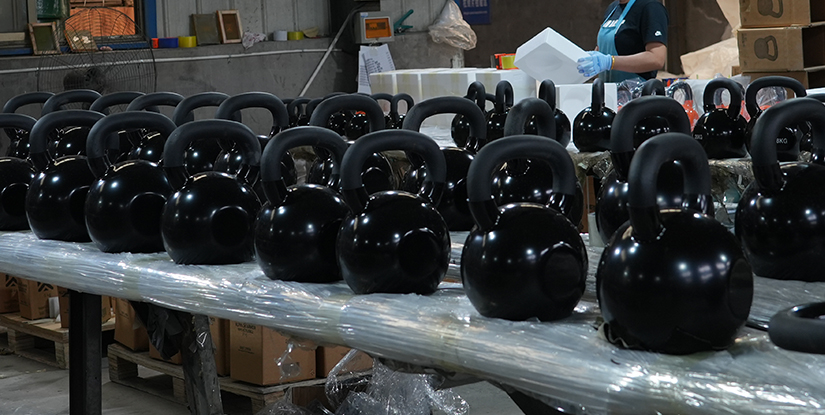
Inefficient storage leads to cluttered training areas, increased trip hazards, and higher maintenance overhead. By implementing structured, high-density organization, facility managers can improve gym floor layout efficiency and increase the capacity for more high-margin training zones. Procuring these specialized solutions through wholesale channels ensures that your facility remains both professional and scalable.
| Requirement Metric | Standard Floor Storage | High-Density Rack Solutions |
|---|---|---|
| Space Utilization | Large horizontal footprint per unit | Optimized vertical stacking |
| Equipment Access | High retrieval time/cluttered flow | Rapid, organized selection |
| Maintenance Load | Higher risk of floor damage | Protected weight distribution |
| Typical Sourcing Model | Retail or small-batch stock | Bulk procurement/wholesale |
| Procurement Focus | Standard piece-by-piece | Integrated commercial kettlebell sets |
| Landed Cost Efficiency | Higher shipping/storage overhead | Lower cost per square foot |
| Customization Potential | Minimal branding options | Full OEM/ODM capabilities |
When calculating total cost of ownership (TCO), professional buyers must look beyond the initial purchase price to the long-term value of wholesale fitness equipment storage. A standard floor layout without specialized racks often results in premature wear on flooring and inefficient movement patterns. In contrast, sourcing specialized high-density racks from a professional supplier ensures that the weight is distributed safely and vertically, protecting your capital investment.
For large-scale distributors and facility developers, the ability to request OEM configurations—such as customized rack heights or specific weight-tier spacing—is a critical advantage. This allows for a seamless integration of the kettlebell core into any bespoke facility design. Before finalizing your next bulk order, we recommend requesting a detailed spec sheet to confirm dimensions, weight-bearing tolerances, and to verify how your specific MOQ affects the final landed cost and shipping volume.
Managing the logistics of heavy, high-density weight equipment requires more than just a standard shipping plan. For international importers, the complexity of moving a full kettlebell core involves navigating strict weight-per-volume ratios and ensuring the integrity of the shipment upon arrival. A professional China factory provides the structural oversight necessary to mitigate these risks through specialized export packaging and optimized container loading protocols.
Standard shipping methods often fail to account for the high density of iron or cast-iron units, leading to damaged packaging or inefficient container utilization. To protect your margins, it is essential to source from a manufacturer that utilizes reinforced palletizing and heavy-duty carton specifications. This rigorous approach to wholesale fitness equipment storage during transit ensures that your commercial kettlebell sets arrive at your warehouse or facility without the structural deformation or surface damage that typically accompanies substandard handling. We recommend confirming the specific packing dimensions and weight-per-carton details during the sourcing phase to accurately calculate your final landed cost and shipping budget.
Beyond logistics, professional buyers often require the ability to scale their brand presence through custom branding. Whether you are a gym franchise looking to standardize your identity or a distributor building a private label line, the ability to integrate your logo onto the equipment or the storage racks is a significant value-add. Our OEM and ODM capabilities allow you to move beyond generic hardware to a branded solution that enhances your market position. To ensure these specifications meet your quality standards, we invite you to request a sample or a factory audit to verify the precision of our production and the durability of our branding applications before committing to a large-scale bulk order.
China Factory Manufacturing and OEM/ODM Customization
Optimizing a professional training environment requires more than just equipment; it requires a strategic approach to kettlebell core integration. For distributors and facility developers, sourcing directly from a China factory allows for precise control over both product specifications and footprint management. By leveraging OEM and ODM capabilities, buyers can ensure that every piece of equipment aligns with specific facility dimensions and brand aesthetics.
The ability to customize weight increments, handle textures, and storage configurations is essential for maximizing gym floor layout efficiency. When procuring commercial kettlebell sets through a direct supplier, you move beyond standard stock offerings to solutions that solve specific spatial constraints. This level of customization ensures that your wholesale investment directly contributes to higher density and improved user flow within the training zone.
| Procurement Model | Customization Depth | Typical MOQ | Primary Advantage |
|---|---|---|---|
| Standard Wholesale | Low (Color/Logo only) | Low | Rapid deployment and lower initial landed cost |
| OEM Manufacturing | Medium (Dimensions/Texture) | Medium | Optimized gym floor layout efficiency for specific racks |
| ODM Development | High (Full Product Design) | High | Unique market positioning and proprietary kettlebell core designs |
Strategic sourcing decisions regarding kettlebell core density and storage integration can significantly impact long-term operational efficiency. We recommend requesting a detailed specification sheet and discussing your specific MOQ requirements with our engineering team to ensure all custom dimensions meet your facility's structural and spatial needs.
Selecting the right procurement path is vital for long-term facility management. While trading companies offer convenience, a factory-direct model provides the granular control necessary for large-scale commercial installations. For professionals managing wholesale fitness equipment storage, understanding the difference between third-party sourcing and direct manufacturing is the difference between a generic setup and a high-performance training environment.
The following comparison highlights why many professional buyers prioritize direct manufacturing when building out a high-density kettlebell core. For large-scale projects, the ability to control the technical specifications ensures that the equipment integrates seamlessly with your existing floor plan and storage systems.
| Sourcing Factor | Trading Company Model | Direct Manufacturer Model |
|---|---|---|
| Technical Oversight | Limited to third-party QC reports | Direct control over QC and material density |
| Customization Potential | Standardized, stock-only inventory | Deep OEM and ODM capabilities |
| Lead Time Predictability | Subject to trader-to-factory communication delays | Streamlined production schedules and direct lead time management |
| Cost Structure | Markup-heavy with indirect logistics costs | Optimized landed cost via direct export |
Beyond simple weight increments, direct manufacturing allows for the development of specialized nesting or stacking features. This is critical for optimizing wholesale fitness equipment storage in premium facilities where every square meter of floor space carries a high operational value. We suggest conducting a sample approval process and a factory audit to validate that all production standards align with your specific commercial requirements before finalizing bulk orders.
Beyond simple weight increments, direct manufacturing allows for the development of specialized nesting or stacking features. This is critical for optimizing wholesale fitness equipment storage in premium facilities where every square meter of floor space carries a high operational value. We suggest conducting a sample approval process and a factory audit to validate that all production standards align with your specific commercial requirements before finalizing bulk orders.
Quality Control and Export Standards for Bulk Orders
Maintaining a consistent kettlebell core inventory requires rigorous oversight during the manufacturing process. For distributors and gym chains, sourcing from a China factory involves more than just selecting a unit; it requires verifying that every batch meets strict weight tolerance and material consistency standards to protect long-term ROI.
The risk of receiving non-compliant shipments—such as units with uneven weight distribution or inferior coating—can lead to high replacement costs and damaged brand reputation. To mitigate these issues, professional sourcing strategies must prioritize factory-direct inspection protocols. High-tier commercial kettlebell sets demand precise quality control (QC) to ensure that the casting and handle integrity can withstand the high-frequency usage typical of commercial environments.
By implementing standardized testing for density and surface durability, wholesale buyers can ensure their landed cost protection. This oversight minimizes the need for mid-cycle equipment replacements and stabilizes the total cost of ownership (TCO) for the end-user facility.
Technical Standard Comparison for Global Procurement
Selecting between standard production and professional-grade equipment is a critical decision for facility managers. For high-volume orders, understanding the technical disparities between mass-market versions and high-end export units is essential for optimizing gym floor layout efficiency. A lack of precision in manufacturing leads to uneven wear and higher maintenance loads, whereas professional-grade units support long-term durability and efficient wholesale fitness equipment storage configurations.
| Technical Specification | Standard Production Grade | High-End Commercial Export Grade |
|---|---|---|
| Weight Accuracy | +/- 5% Variance | +/- 1% to 2% Precision |
| Coating Durability | Basic Powder Coating | High-Density Polyurethane or Vulcanized Rubber |
| Handle Integrity | Standard Cast Iron | Reinforced Grip with Smooth Finish |
| Packaging Strength | Standard Single Box | Reinforced Export-Grade Palletized Crates |
| Volume Suitability | Small Studios / Retail | Large Scale kettlebell core Deployment |
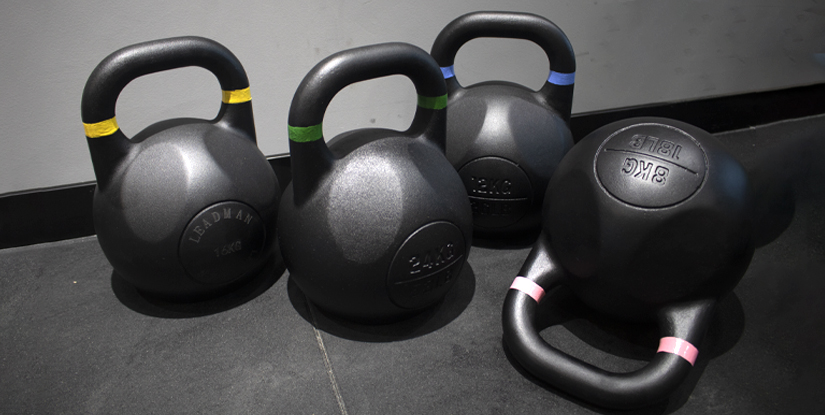
Professional procurement specialists should always request a formal specification sheet and confirm the MOQ for specialized finishes. We recommend requesting a sample approval and a pre-shipment inspection report to verify that the weight accuracy and coating strength align with your specific facility requirements before finalizing the bulk order.
Logistics and Customization Capabilities for International Importers
Navigating international procurement requires a clear understanding of how a China factory manages the transition from production to final delivery. For distributors looking to expand their product lines, the ability to leverage OEM and ODM services is a significant competitive advantage. Whether you require custom branding to build your own brand identity or specific weight increments to fill a niche in your market, high-tier manufacturers offer the flexibility to adapt to your precise commercial specifications.
Effective sourcing also depends heavily on logistics optimization. To maximize container utilization and reduce the landed cost per unit, professional suppliers employ advanced export packaging techniques. This includes palletized stacking and reinforced crating designed specifically for long-distance sea freight. By coordinating with the factory on volume-optimized packaging, buyers can ensure that their kettlebell core shipments arrive at their destination with minimal transit damage and the highest possible density per shipping container.
Before finalizing any large-scale purchase, we advise all procurement leads to confirm the MOQ for custom colors or specialized handle grips. Understanding the exact lead time for both production and sea freight transit is essential for maintaining your inventory turnover and meeting the demands of your local clients or facility launches.
Wholesale Fitness Equipment Storage and Logistics Management
Efficiently managing a commercial facility requires balancing high-density equipment with accessible floor space. Utilizing a professional kettlebell core system allows distributors and gym operators to consolidate heavy iron or cast iron weights into organized, vertical, or tiered structures. By sourcing directly from a China factory, procurement managers can secure specialized storage solutions that maximize gym floor layout efficiency through high-density stacking and compact footprint designs.
Standard retail storage often fails the durability requirements of high-traffic commercial environments. For large-scale importers, the goal is to minimize the landed cost while ensuring the storage hardware can withstand constant heavy loading. Selecting commercial kettlebell sets that include integrated, heavy-duty racks reduces the need for fragmented wholesale fitness equipment storage solutions, creating a more streamlined and professional training area.
When planning large-scale facility rollouts, the logistics of weight and volume are critical. A direct wholesale partnership allows for better coordination between product dimensions and container loading optimization. This ensures that the weight-to-volume ratio of your shipment is maximized, reducing shipping overhead and improving the overall ROI of your initial equipment investment.
Sourcing Specialized Racks: Factory-Direct vs. Generic Retail Options
For professional importers and facility developers, selecting the correct storage hardware is a decision that impacts both long-term TCO and immediate floor density. While generic retail options may seem accessible for small orders, they often lack the structural integrity required for heavy-duty usage. Choosing specialized solutions through an OEM partnership ensures that the storage dimensions perfectly match your specific weight requirements and brand identity.
| Procurement Metric | Generic Retail/Trader Sourcing | Direct Manufacturer/Specialized Sourcing |
|---|---|---|
| Structural Integrity | Standard light-gauge steel; prone to bending under heavy loads | Industrial-grade reinforced steel designed for high-frequency use |
| Customization Potential | Fixed dimensions and single-style designs only | High capacity for ODM and custom branding to match facility aesthetics |
| Volume Efficiency | Randomized sizing makes dense stacking difficult | Optimized for high-density vertical stacking and space optimization |
| Cost Structure | Higher unit price due to middle-man margins | Lower landed cost through direct bulk procurement and optimized loading |
| Durability/Longevity | Low tolerance for heavy impact or constant weight shifts | Engineered for high-traffic commercial durability and high ROI |
The strategic advantage of working with a specialized supplier lies in the ability to control the entire procurement chain. When you move beyond simple stock purchases to a structured sourcing model, you gain the ability to request specific engineering tolerances and custom dimensions. This level of control is essential for any large-scale project where every square meter of training area must be utilized to its maximum potential. We recommend that buyers contact us to request a full technical specification sheet or to discuss specific MOQ requirements for custom-engineered storage solutions.
Optimizing the long-term operational efficiency of a commercial facility requires looking beyond initial procurement to the total lifecycle of the equipment. When sourcing a kettlebell core, professional buyers must account for how weight distribution and packaging impact both the initial shipping and the eventual facility maintenance load. A strategic sourcing approach ensures that the physical footprint of your equipment remains compact and organized through years of heavy usage.
Disruptions in the supply chain or poor quality control can lead to unforeseen expenses, such as high replacement rates or inefficient container loading. By establishing a direct relationship with a reliable supplier, you can implement rigorous pre-shipment inspections and customized export packaging protocols. This level of oversight is vital for reducing the long-term maintenance load on your facility staff and ensuring that your high-density storage units remain structurally sound under the weight of full commercial kettlebell sets. For distributors looking to scale, we recommend contacting our team to confirm current MOQ levels, request a factory audit, or discuss customized OEM solutions for your specific market needs.