Kettlebell Cardio: China Source Factory Partner and OEM
Kettlebell Cardio: Sourcing Standards for High-Volume Importers
High-performance kettlebell cardio equipment consists of precision-weighted implements designed for high-intensity functional training in commercial environments. Professional importers and distributors prioritize kettlebell cardio through China factory partnerships to ensure consistent weight tolerances, ergonomic grip integrity, and long-term durability for heavy-duty use.
Selecting a reliable supplier involves more than comparing unit prices; it requires rigorous quality control to mitigate the high cost of defective shipments. For distributors managing large-scale gym builds or retail inventories, sourcing commercial kettlebell sets from a non-vetted source often leads to uneven weight distribution, peeling coatings, or structural failure. These issues increase maintenance loads and damage professional brand reputations. By implementing strict durability standards and verifying wholesale kettlebell equipment through pre-shipment inspections, procurement leads can effectively manage risk and protect their long-term margins.
Evaluating Sourcing Channels: Specialized Manufacturer vs. General Trading Company
Procurement professionals must distinguish between direct manufacturing capabilities and middleman services to optimize the total landed cost of their inventory. While general trading companies may offer a broader variety of fitness products, they often lack the technical oversight required for high-volume wholesale kettlebell equipment orders. Specialized manufacturers provide direct control over the production line, ensuring that every unit meets the strict weight tolerances and coating durability required for professional use.
A specialized gym supplier manufacturing partner allows for deeper integration into your supply chain, particularly when developing custom product lines. For importers, the primary difference lies in the ability to influence the technical specifications and the degree of control over the final output. The following comparison outlines the structural differences in sourcing models to assist in your strategic decision-making.
| Sourcing Dimension | Specialized China Factory | General Trading Company |
|---|---|---|
| Production Control | Direct oversight of raw materials and casting processes | Limited to final product inspection |
| Customization Capability | Advanced OEM and ODM services for branding | Basic product selection with minimal customization |
| Quality Assurance | Integrated QC protocols during every production stage | Dependent on third-party inspection results |
| Lead Time Management | Predictable timelines based on actual production capacity | Variable timelines due to multi-vendor coordination |
| Cost Structure | Direct factory pricing for optimized distributor margins | Markup applied for procurement and coordination services |
| Minimum Order Quantity | Tiered MOQ based on specific production runs | Variable based on available stock or vendor limits |
To ensure the highest level of transparency, we recommend that buyers initiate a factory audit or request a detailed technical spec sheet before finalizing any bulk purchase. Confirming the MOQ and verifying the capacity for OEM branding allows you to build a more resilient and profitable inventory for your target market.
Critical Verification Steps for High-Volume Procurement
To mitigate the risks associated with international sourcing, procurement leads must implement a multi-stage verification process. Relying solely on photographic evidence is insufficient for high-volume kettlebell cardio orders. Instead, professional buyers should demand documentation regarding material consistency and batch testing protocols. A high-tier factory will provide detailed reports on the metallurgical properties of the cast iron or the density of the urethane coating to ensure uniform weight distribution across the entire set.
Furthermore, verifying compliance with international export standards is a non-negotiable step for large-scale distributors. This includes confirming that the gym supplier manufacturing process adheres to strict tolerance levels, preventing the common issue of weight discrepancies that can compromise commercial training sessions. Before finalizing a large-scale shipment, we advise all importers to schedule a pre-shipment inspection. This step allows for a final check of the wholesale kettlebell equipment against your specific technical requirements, ensuring that every unit in the container meets your brand's durability expectations and optimizes your total landed cost.
Evaluating Commercial Kettlebell Sets: Durability and Material Integrity
For professional distributors and gym operators, sourcing commercial kettlebell sets requires a shift in focus from aesthetics to long-term Total Cost of Ownership (TCO). In high-traffic gym environments, equipment failure is not just a maintenance issue; it is a disruption to client retention and a drain on operational margins. High-quality kettlebell cardio equipment must withstand repetitive impact and constant friction without compromising structural safety.
When managing large-scale wholesale kettlebell equipment orders, procurement specialists must evaluate the material integrity of each unit. Choosing a China factory that prioritizes industrial-grade casting and high-density coatings ensures that the product remains a reliable asset rather than a recurring replacement expense. A failure to vet the gym supplier manufacturing standards can result in chipped surfaces, weight imbalances, or handle degradation, all of which increase the long-term landed cost through frequent replacements.
| Procurement Factor | Standard Retail Grade | Commercial-Grade (Factory Direct) |
|---|---|---|
| Material Core | Lightweight/Hollow Fill | Solid Cast Iron or High-Density Polyurethane |
| Surface Durability | Thin Paint/Powder Coat | Industrial-Grade Impact Resistance |
| Handle Integrity | Standard Smooth Finish | Reinforced Ergonomic Grip for High-Volume Use |
| TCO Impact | High Replacement Frequency | Low Maintenance/Long Service Life |
Selecting a reliable supplier allows for better control over these variables. By working directly with a factory, buyers can specify the exact coating thickness and material density required to meet the rigorous demands of professional training facilities, effectively mitigating the risks associated with lower-tier wholesale options.
Material Specification and Durability Comparison
Understanding the technical nuances between material types is essential for accurate procurement planning. For distributors managing diverse client needs, the choice between cast iron, urethane, and neoprene significantly impacts the replacement frequency and the long-term landed cost of the inventory. A professional kettlebell cardio program requires equipment that maintains its structural and surface integrity under high-volume usage cycles.
When sourcing through a China factory, procurement leads should request specific material density and coating thickness data. For example, while cast iron offers the highest impact durability for heavy-duty training, high-grade urethane provides superior floor protection and surface longevity in premium studio settings. Selecting the correct material tier ensures that your commercial kettlebell sets meet the specific operational requirements of your clients while optimizing your distributor margins.
| Material Type | Wear Resistance | Impact Durability | Commercial Suitability | Maintenance Profile |
|---|---|---|---|---|
| Cast Iron | Moderate (Requires Coating) | Very High | High-Intensity Training | Low; Occasional Surface Check |
| Urethane | High (Impact Resistant) | High | Premium Studios/Boutique Gyms | Minimal; High Surface Longevity |
| Neoprene | Low (Surface Wear) | Moderate | Light/Moderate Commercial Use | Moderate; Surface Degradation Risk |
To ensure your bulk order aligns with these quality standards, we recommend requesting a sample evaluation or a technical spec sheet during the sourcing process. Our gym supplier manufacturing protocols allow for customized coating options to match your brand identity, ensuring that your wholesale kettlebell equipment remains a durable, high-value asset in any professional fitness environment.
Strict Quality Control and Manufacturing Standards
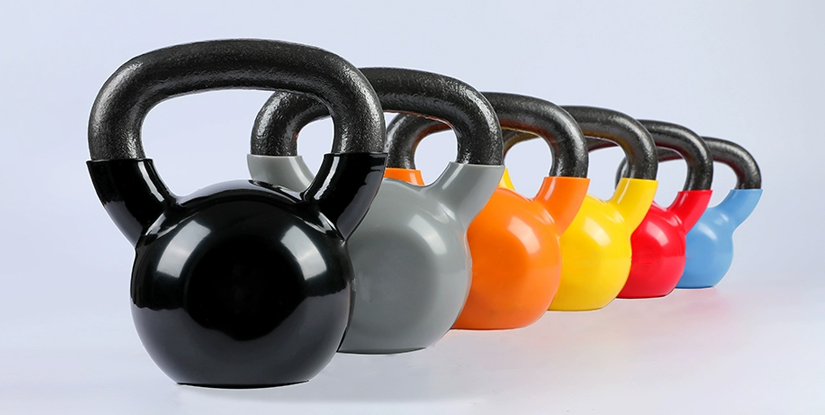
For distributors managing high-volume wholesale kettlebell equipment, the risk of weight variance or surface defects can significantly impact brand reputation and return rates. A professional China factory must implement rigorous QC protocols that extend beyond simple visual checks. In high-performance kettlebell cardio training, even minor deviations in weight tolerance or handle balance can lead to equipment rejection by professional facility managers.
To mitigate these risks, a reliable supplier should provide documentation regarding their pre-shipment inspection processes. This includes verifying weight accuracy within industry-standard tolerances and ensuring the surface finish—whether powder coat or urethane—is free of microscopic fissures. When placing bulk orders, procurement leads should confirm that the gym supplier manufacturing workflow includes multi-stage testing to ensure every unit in the commercial kettlebell sets shipment meets the exact specifications required for high-traffic commercial deployment.
Optimizing Wholesale Kettlebell Equipment Procurement via OEM/ODM
Establishing a distinct market position requires more than just standard inventory; it requires a specialized supply chain capable of delivering high-spec kettlebell cardio solutions. For distributors and large-scale gym operators, leveraging OEM and ODM services from a professional China factory allows for the integration of unique product features that align with specific commercial gym requirements. This strategic approach moves beyond simple wholesale transactions, enabling partners to build a proprietary brand identity through customized weight distributions, specialized handle ergonomics, and distinct colorways.
The transition from sourcing generic stock to implementing a customized manufacturing strategy addresses the common procurement pain point of product homogenization. When a supplier provides advanced customization capabilities, buyers can control the technical specifications of their commercial kettlebell sets—from the density of the cast iron to the specific texture of the coating. This control ensures that the final kettlebell cardio equipment meets the rigorous durability standards expected in high-traffic commercial environments while protecting the long-term margins of the importer.
Comparison of Procurement Models for Global Distributors
Decision-makers must evaluate whether to prioritize rapid inventory turnover or long-term brand differentiation. Choosing between standard bulk procurement and a specialized wholesale kettlebell equipment customization program depends heavily on your current scale, capital availability, and target market positioning. While standard stock orders offer speed, OEM solutions provide the technical control necessary to differentiate your product line in competitive regions.
| Procurement Dimension | Standard Wholesale Sourcing | Customized OEM/ODM Solution |
|---|---|---|
| Product Specification | Fixed industry-standard designs | Custom dimensions, weight increments, and ergonomics |
| Branding Options | Generic or existing supplier marks | Full private label and custom branding integration |
| Supply Chain Control | Limited to available stock | High control over material density and finish |
| Typical MOQ | Lower threshold for standard items | Higher requirements for specialized production |
| Lead Time | Short (ready-to-ship inventory) | Extended (production and testing cycles) |
| Landed Cost Efficiency | Optimized for small to mid-sized batches | Optimized for high-volume, large-scale distribution |
When calculating the total landed cost, procurement managers should account for the long-term value of a customized gym supplier manufacturing partnership. Although OEM orders typically require a higher initial MOQ and longer lead times, the ability to control the quality of the kettlebell cardio equipment reduces the frequency of replacement cycles and customer complaints. We recommend requesting a detailed specification sheet and confirming the minimum order requirements for your specific design concepts before initiating a formal factory audit or sample approval process.
Rigorous Technical Oversight and Quality Control Standards
To maintain high-tier commercial standards, a professional gym supplier manufacturing process must integrate strict oversight at every production stage. For distributors sourcing kettlebell cardio equipment, the primary risk is inconsistent density or uneven coating, which can lead to weight discrepancies and premature wear. A reliable China factory mitigates these risks by implementing a multi-stage QC protocol that monitors material purity, casting precision, and surface finish integrity throughout the entire production cycle.
Technical excellence begins with strict material specifications, ensuring that the cast iron or steel components meet international density requirements. Following the casting process, every unit undergoes a rigorous pre-shipment inspection to verify weight tolerances and handle ergonomics. This level of scrutiny ensures that all commercial kettlebell sets comply with global export standards, protecting the buyer from the high costs of defective returns and ensuring the equipment remains a durable asset for the end-user's facility.
Managing Lead Times and MOQ for Gym Supplier Manufacturing
Efficient kettlebell cardio procurement requires a strategic alignment between your inventory cycles and the gym supplier manufacturing schedule. For distributors and large-scale fitness retailers, understanding the relationship between order volume and production timelines is critical to avoiding stockouts during peak fitness seasons.
Managing wholesale kettlebell equipment orders involves more than just selecting a supplier; it requires precise inventory planning to account for production cycles. When sourcing commercial kettlebell sets, buyers must factor in the time required for raw material procurement, casting, and quality control. High-volume orders typically face longer lead time windows due to the specialized machinery and labor required for high-grade finishing. By coordinating with your China factory well in advance of seasonal demand spikes, you can optimize your landed cost and ensure consistent product availability for your clients.
Procurement Matrix: Stock Orders vs. Custom Manufacturing
To optimize your capital expenditure and warehouse turnover, you must differentiate between rapid replenishment and long-term brand development. Standardized commercial kettlebell sets are typically maintained in ready-to-ship inventory, whereas highly customized units require a more intensive production lifecycle. Choosing the correct procurement path depends on your immediate stock requirements versus your long-term strategy for brand differentiation and market positioning.
| Order Type | Typical MOQ | Estimated Lead Time | Primary Strategic Use |
|---|---|---|---|
| Standard Stock Order | Low to Medium | 2–4 Weeks | Rapid replenishment and seasonal stock spikes |
| Standard wholesale kettlebell equipment | Medium to High | 4–6 Weeks | Bulk inventory building for distributors |
| OEM Custom Branding | High | 8–12 Weeks | Developing proprietary brand identity and unique product lines |
| ODM Full Specification Design | Very High | 12+ Weeks | Launching specialized, market-leading product categories |
For importers, the decision between stock and custom production directly impacts your landed cost and logistical planning. While stock orders offer the shortest lead time for urgent market needs, investing in kettlebell cardio customization through an OEM partnership allows for greater control over your brand identity and long-term profit margins. We recommend reviewing your annual volume forecasts before finalizing your MOQ to ensure your shipping logistics and warehouse capacity are perfectly aligned with your production cycles.
Strategic sourcing from a direct China factory allows professional buyers to mitigate the risks of fragmented supply chains. By establishing a direct link with the manufacturer, distributors can bypass intermediary markups and gain transparency into the actual production stages of their kettlebell cardio inventory. This direct-to-factory approach is essential for maintaining a competitive edge in markets where price volatility and shipping delays can erode distributor margins.
When evaluating your long-term procurement strategy, consider how a stable supplier relationship impacts your total cost of ownership. A partner capable of managing both high-volume wholesale orders and specialized OEM requests provides the scalability needed to grow from niche retail to large-scale commercial distribution. To ensure your procurement process remains efficient, we recommend requesting a detailed specification sheet and confirming the specific MOQ for any custom branding or specialized weight increments before finalizing your purchase orders.
Quality Control Protocols and Pre-Shipment Inspection Standards
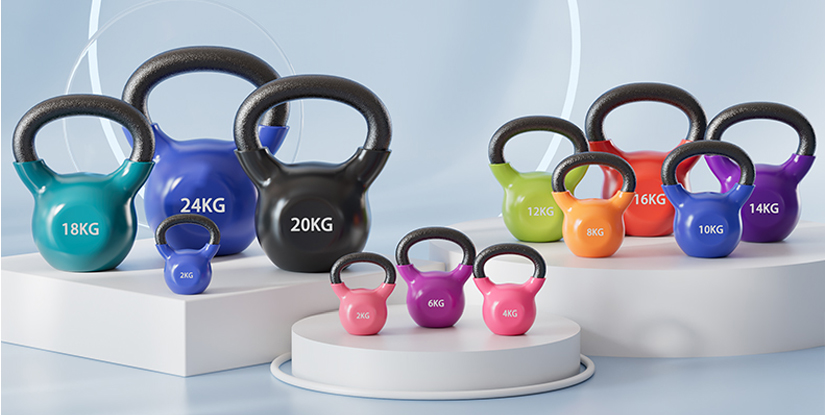
In the high-stakes environment of commercial fitness, substandard equipment leads to high return rates and severe brand damage. For distributors managing large-scale inventory, ensuring that every unit of kettlebell cardio equipment meets strict tolerance levels is a critical B2B procurement risk mitigation strategy. Relying on a professional China factory with established quality control systems ensures that your shipments arrive without the cost of replacement or client dissatisfaction.
Precision in manufacturing is non-negotiable when sourcing commercial kettlebell sets. Discrepancies in weight accuracy can compromise the integrity of a professional training program, while poor surface finish or structural flaws increase maintenance loads for gym operators. By working directly with a specialized gym supplier manufacturing partner, importers can implement rigorous pre-shipment inspections to verify that every batch adheres to industry-standard specifications for durability and safety.
A reliable factory-direct model allows for deeper transparency into the production line. Rather than accepting a finished product blindly, professional buyers can request specific verification of material density, handle ergonomics, and coating adhesion. This level of oversight is essential for maintaining a high ROI and ensuring that your wholesale kettlebell equipment remains a premium offering in your local market.
Technical Inspection Stages and Verification Standards
To maintain a competitive edge in the global market, professional buyers must verify that their wholesale kettlebell equipment undergoes a multi-stage validation process. A professional China factory does not merely check the finished product; it implements a rigorous sequence of inspections starting from raw material procurement through to final container loading. This systematic approach minimizes the risk of defective units reaching your warehouse, protecting your distributor margins and long-term brand reputation.
The following table outlines the standard technical inspection protocols required for high-tier gym supplier manufacturing. These stages ensure that every piece of kettlebell cardio equipment meets the structural and weight requirements expected by commercial gym operators and professional distributors.
| Inspection Stage | Technical Focus Area | Verification Method | B2B Procurement Objective |
|---|---|---|---|
| Raw Material Sourcing | Cast iron density and steel purity | Material spectrography and density testing | Ensuring long-term structural integrity |
| Casting & Shaping | Handle ergonomics and surface uniformity | Dimensional tolerance calipers | Preventing ergonomic failures in high-use settings |
| Weight Verification | Mass accuracy and weight distribution | High-precision calibrated electronic scales | Guaranteeing precise weight increments per unit |
| Surface Coating | Coating thickness and adhesion strength | Micrometer measurement and cross-cut test | Reducing maintenance load and preventing rust |
| Pre-Shipment QC | Packaging integrity and container loading | Visual inspection and drop-test simulation | Minimizing transit damage and landed cost |
Implementing these standards allows importers to request detailed inspection reports or even book a third-party factory audit before final payment. For those managing large-scale OEM or ODM projects, confirming these technical benchmarks at the factory level is the most effective way to ensure that your bulk shipments arrive ready for immediate commercial deployment.
Effective risk management in international trade requires more than just trust; it requires verified data. For distributors managing high-volume bulk orders, the cost of a single defective batch can erode an entire season's profit margin. By integrating strict pre-shipment inspection protocols, professional buyers can transition from reactive troubleshooting to proactive quality assurance, ensuring that their kettlebell cardio inventory meets the rigorous demands of high-traffic commercial environments without unexpected downtime or replacement costs.
Beyond the physical product, logistical reliability is a core component of a successful sourcing strategy. A professional supplier must demonstrate excellence in export packaging and container loading optimization. This ensures that heavy, high-density items are secured to prevent shifting during maritime transit, which directly impacts your final landed cost and ensures the product arrives in a sale-ready condition. When your wholesale kettlebell equipment is handled with professional-grade logistics, you secure a higher long-term ROI through reduced transit damage and streamlined warehouse receiving processes.
Optimizing Landed Cost Through Strategic Export Packaging
Managing the total landed cost of heavy ironware is a critical variable for distributors and gym chains. When sourcing kettlebell cardio equipment from a China factory, shipping volume and weight density directly dictate your final margin. Efficient logistics planning ensures that your wholesale investment is not eroded by excessive freight charges or air-space waste.
A professional gym supplier manufacturing partner focuses on maximizing container utilization to reduce the per-unit shipping expense. By utilizing specialized stacking configurations and heavy-duty export packaging, we ensure that high-density items like kettlebells occupy the optimal ratio of weight to volume. This strategic approach minimizes the "empty space" penalty often found in standard shipping, providing a more predictable and lower landed cost for bulk orders.
| Procurement Factor | Standard Export Method | Optimized Factory-Direct Strategy |
|---|---|---|
| Shipping Volume Efficiency | Loose or single-unit boxing | Nested or palletized stacking |
| Container Utilization | High void space per container | Maximum density per cubic meter |
| Risk of Damage | Standard cardboard protection | Reinforced industrial-grade packaging |
| Impact on Unit Margin | Higher freight cost per piece | Optimized wholesale unit cost |
To achieve the best ROI on your commercial kettlebell sets, we recommend coordinating with our logistics team during the sourcing phase. We can provide detailed packing lists and volumetric data to help you calculate precise container loads before production begins. This transparency allows for better inventory planning and more accurate budgeting for your upcoming shipments.
Maximizing Shipping Density for Global Distribution
For importers managing large-scale inventory, understanding the relationship between volumetric weight and sea freight efficiency is essential. Unlike lightweight fitness accessories, the heavy nature of kettlebell cardio equipment requires a specialized approach to loading. A failure to optimize the ratio of weight to volume can lead to underutilized containers, effectively increasing your per-unit shipping expense and reducing your competitive edge in local markets.
Our logistics protocols prioritize high-density loading to ensure that every cubic meter of your sea freight is utilized effectively. By implementing standardized palletization and reinforced structural support, we minimize the risk of product shifting or damage during long-haul transit. This precision in packing is a core competency of our wholesale kettlebell equipment supply chain, ensuring that your commercial kettlebell sets arrive at your warehouse with maximum density and minimal overhead.
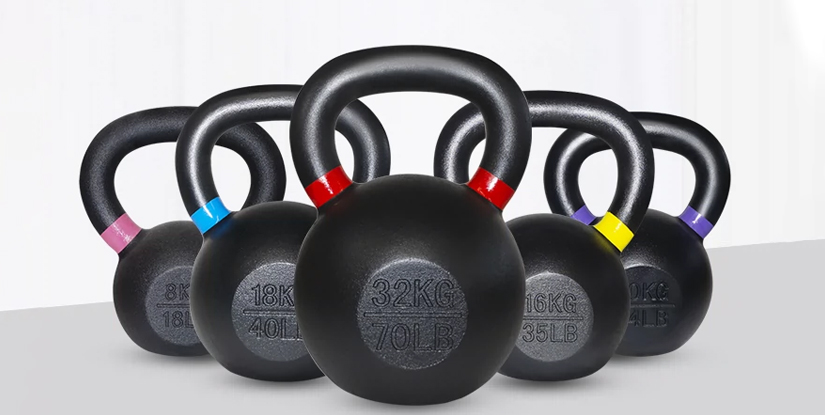
To refine your procurement strategy, we invite you to request a detailed packing specification sheet. We can provide exact dimensions, weight limits, and container loading capacity for your specific order volume. Whether you are planning a full container load or a smaller LCL shipment, our team is ready to assist with precise volume calculations to support your inventory planning and budget accuracy.
Beyond volumetric density, a reliable gym supplier manufacturing partner must prioritize rigorous quality assurance to prevent the hidden costs of damaged goods. For distributors, the most significant threat to a healthy margin is not just the freight rate, but the arrival of defective or dented units that require costly returns or replacements. A single instance of poor pre-shipment inspection can result in a significant loss of customer trust and increased operational overhead.
Our factory implements a multi-stage QC protocol designed specifically for high-density ironware. This includes verifying weight tolerances, surface finish consistency, and handle integrity before any item is cleared for export. To prevent surface abrasion and structural deformation during transit, we utilize multiple layers of protective layering, including reinforced edge protection and heavy-duty industrial wraps. This meticulous damage prevention strategy ensures that your kettlebell cardio inventory maintains its premium appearance and structural reliability from the moment it leaves our facility until it reaches your distribution center.
By aligning our lead time and production schedules with your specific sourcing requirements, we provide a predictable timeline for your inventory turnover. We recommend confirming your specific packaging requirements and requesting a sample evaluation of our reinforced boxing structures during the initial MOQ discussion. This proactive approach guarantees that your high-durability equipment arrives in perfect condition, protecting both your capital and your brand reputation.
Next Steps for Professional Sourcing and Bulk Orders
Transitioning from product research to large-scale procurement requires a shift in focus from individual unit features to supply chain reliability. For distributors and gym operators, the primary objective is securing a kettlebell cardio inventory that balances high durability with competitive landed costs. Engaging directly with a China source factory allows you to bypass middleman markups and gain control over the entire production lifecycle.
Standard retail purchasing models often fail to meet the rigorous demands of high-volume commercial distribution. Whether you are managing wholesale kettlebell equipment for a regional rollout or establishing a gym supplier manufacturing partnership for a private label line, understanding the logistics of bulk orders is essential. Effective professional sourcing involves more than just selecting a weight; it requires verifying MOQ thresholds, production lead time, and the ability to scale output based on seasonal market demand.
To ensure your procurement strategy maximizes ROI and minimizes stockouts, we recommend the following professional workflow for your next kettlebell cardio shipment:
- Request a detailed specification sheet to confirm material density and coating standards.
- Confirm the MOQ for OEM or ODM custom branding requests.
- Arrange for a sample evaluation to test grip texture and weight consistency.
- Verify factory QC protocols and pre-shipment inspection availability.
- Obtain a landed cost estimate including export packaging and container loading optimization.
For procurement professionals, the distinction between a direct manufacturer and a trading company is often the difference between a scalable brand and a limited inventory. When sourcing commercial kettlebell sets, the complexity of weight tolerance and coating durability requires a partner capable of deep technical oversight. A trading company may offer convenience, but a dedicated factory provides the direct control necessary to maintain long-term brand integrity and margin stability.
| Sourcing Dimension | Direct Factory-Direct Model | Trading Company Model |
|---|---|---|
| Price Structure | Optimized for high-volume wholesale and lowest landed cost | Includes middleman margins and service fees |
| Customization Ability | Full capability for OEM and ODM development | Limited to existing stock or basic branding |
| Quality Oversight | Direct control over production and pre-shipment inspection | Dependent on third-party vendor reporting |
| Supply Chain Transparency | Direct access to material origins and production schedules | Opaque layers between buyer and actual manufacturing |
| Scalability | High capacity for large-scale, custom production runs | Often restricted by vendor-specific inventory limits |
Selecting a supplier that functions as a true production partner ensures that your kettlebell cardio inventory meets international commercial standards consistently. By prioritizing a direct manufacturing relationship, you secure the ability to implement custom branding, manage complex logistics, and maintain a competitive edge in your local market.
Initiating a partnership requires a structured approach to mitigate the risks associated with international procurement. Rather than treating a shipment as a simple transaction, professional buyers treat it as a technical integration of a new product line. Whether you are looking to launch a private label collection or expand your existing distribution catalog, the following technical milestones ensure your specifications are met with precision.
Technical Validation and Customization Workflow
The first phase of a professional engagement begins with technical alignment. When a buyer moves beyond standard stock, they enter the realm of OEM and ODM. This stage is critical for ensuring that the physical characteristics of the equipment—such as the handle diameter, center of gravity, and surface friction—align with your brand identity. A transparent factory will provide detailed CAD drawings or technical blueprints for approval before any casting or molding begins, preventing costly errors in the final product.
Following technical approval, the process shifts to physical validation. We strongly advise all distributors to undergo a formal sample evaluation. This step allows your quality control team to assess the durability of the coating and the accuracy of the weight tolerances under real-world commercial conditions. Once the sample is approved, the production schedule is locked, and the lead time for the full wholesale order is established. This structured sequence minimizes the risk of receiving inconsistent batches and ensures that your kettlebell cardio inventory remains a reliable asset for your end users.
Finally, the procurement cycle concludes with rigorous logistics management. From optimizing container loading to ensure maximum shipping efficiency to coordinating pre-shipment inspections, every detail impacts your final landed cost. By engaging directly with a specialized supplier, you maintain visibility over the entire movement of goods, ensuring that your high-volume shipments arrive at your warehouse or distribution center ready for immediate commercial deployment.