25 Pound Kettlebell: Top China Factory for OEM Buyers
Total Cost of Ownership for 25 Pound Kettlebell Procurement
Many procurement professionals focus exclusively on the unit price when ordering a 25 pound kettlebell, often overlooking the hidden expenses of low-quality manufacturing. A cheap purchase from an unverified vendor frequently results in higher landed cost due to premature replacement cycles and high maintenance costs. Conversely, sourcing from a professional China factory ensures that the initial investment accounts for long-term durability and lower operational expenses in high-traffic commercial environments.
Evaluating a commercial grade kettlebell supplier requires looking beyond the invoice to the entire lifecycle of the equipment. For distributors and gym operators, the goal is to maximize ROI by minimizing the frequency of re-orders. A high-quality 25 pound kettlebell maintains its structural integrity and surface finish even under heavy daily use, whereas inferior units often suffer from paint chipping or weight inconsistencies that necessitate frequent replacement.
| Procurement Metric | Low-Cost/Non-Specialized Vendor | Professional China factory Sourcing |
|---|---|---|
| Initial Unit Price | Lower initial outlay | Competitive wholesale pricing |
| Estimated Lifespan | Short (high replacement rate) | Long (optimized for commercial use) |
| Total landed cost | High (due to frequent re-ordering) | Low (stable long-term investment) |
| Maintenance Load | High (surface and weight issues) | Minimal (robust construction) |
| Brand Reliability | Variable/Unpredictable | High (consistent OEM standards) |
When managing a wholesale 25 pound kettlebell budget, savvy buyers prioritize a custom branded kettlebell manufacturer that offers standardized quality control. This approach stabilizes your inventory turnover and ensures that your brand identity is associated with premium, lasting equipment rather than disposable gear. By focusing on the total cost of ownership, you secure better margins for your distribution business and higher satisfaction for your end-users.
Optimizing your procurement strategy involves analyzing how shipping volume and logistics efficiency impact your final margins. For large-scale importers, the weight-to-volume ratio of a 25 pound kettlebell is a critical factor in container utilization. Working directly with a specialized commercial grade kettlebell supplier allows for better coordination of palletization and export packaging, ensuring that every cubic meter of your sea freight is utilized effectively. This precision reduces the per-unit shipping expense, which is a vital component of your total landed cost.
Furthermore, professional sourcing from an established manufacturer mitigates the risks associated with inconsistent quality control. While generic imports might offer a lower initial price, they often fail to meet the strict tolerances required for commercial fitness environments. A professional custom branded kettlebell manufacturer implements rigorous pre-shipment inspections to ensure that every unit meets the exact weight specifications and handle ergonomics required by your clients. This attention to detail prevents the logistical headache of processing returns or dealing with defective inventory, ultimately protecting your long-term ROI and professional reputation in the market.
Beyond physical product quality, long-term profitability for distributors is heavily influenced by the ability to scale a unique market presence. Engaging a custom branded kettlebell manufacturer allows you to move beyond generic commodity trading and into high-value brand building. By integrating your own logo and specialized color schemes through OEM processes, you build a recognizable brand identity that fosters customer loyalty and justifies premium positioning in your local market. This strategic differentiation is essential for distributors looking to move away from price-war competition and toward high-margin, specialized fitness solutions.
The efficiency of your supply chain is also directly tied to packaging optimization. A specialized commercial grade kettlebell supplier understands that for a 25 pound kettlebell, the weight-to-volume ratio is a critical lever for cost control. Optimized palletization and reinforced export boxing reduce the risk of transit damage and maximize container density. For a large-scale wholesale buyer, these marginal gains in shipping efficiency and reduced breakage rates translate directly into a higher distributor margin. By minimizing the friction of damaged goods and inefficient freight, you ensure that your bulk procurement strategy remains both profitable and scalable across global markets.
Optimizing Inventory with a Commercial Grade Kettlebell Supplier
Maintaining a balanced weight distribution is critical for gym inventory management. The 25 pound kettlebell serves as a foundational weight for intermediate training, making it a high-turnover SKU for distributors. By sourcing from a specialized commercial grade kettlebell supplier, importers can ensure consistent weight accuracy and durability across large batches.
Efficiently managing your warehouse requires strategic planning regarding weight increments and stock levels. Relying on a direct China factory allows for better control over the wholesale 25 pound kettlebell supply chain, reducing the risk of stockouts during peak seasonal demand. When negotiating with a supplier, professional buyers should prioritize transparency regarding MOQ requirements and landed cost calculations to maximize their distributor margins and overall ROI.
Evaluating Sourcing Models: Factory Direct vs. Trading Companies
Distributors must choose between the agility of a trading company and the cost-efficiency of a specialized manufacturer. While trading companies offer variety, a dedicated custom branded kettlebell manufacturer provides the technical oversight necessary for high-volume commercial orders. Understanding these structural differences helps in calculating the true landed cost and long-term reliability of your inventory.
| Sourcing Dimension | Specialized Manufacturer (Factory Direct) | General Trading Company |
|---|---|---|
| Customization Capability | High: Full control over colors, textures, and logos | Limited: Mostly relies on existing stock availability |
| Quality Control | Direct oversight of raw materials and production lines | Dependent on third-party inspection reports |
| Price Structure | Optimized for high-volume wholesale and bulk orders | Includes markup for service and middleman logistics |
| Production Lead Time | Predictable based on direct factory capacity | Variable depending on supplier coordination |
| Brand Identity | Ideal for private label and customized branding | Standardized products with little customization |
For professionals managing large-scale procurement, the ability to implement custom branding is a significant competitive advantage. Working directly with a specialized factory ensures that your brand identity is integrated into the production process, from the cast iron mold to the final powder coating. When evaluating your next shipment, always request a formal spec sheet and confirm the specific production capacity to ensure your lead time aligns with your distribution schedule.
Logistics Optimization and Export Standards
Managing international shipments requires more than just product quality; it requires rigorous attention to logistics to prevent damage and minimize overhead. When placing bulk orders for the 25 pound kettlebell, the structural integrity of the export packaging becomes a critical factor in your landed cost. A professional China factory understands that high-density iron products require specialized palletization and reinforced outer cartons to withstand the stresses of sea freight and multiple handling points.
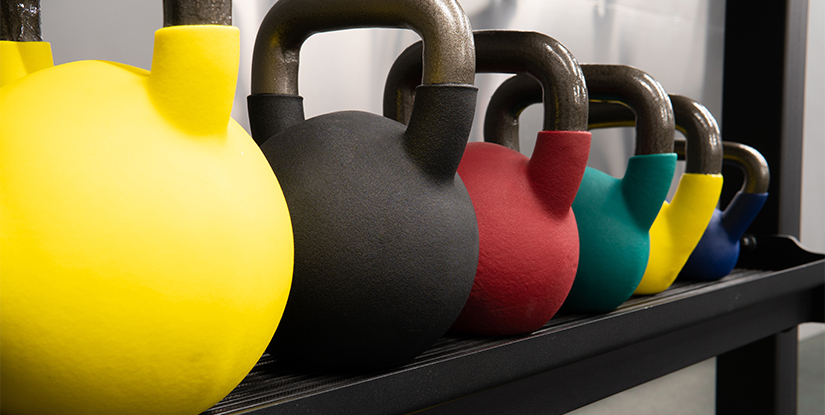
To streamline the procurement process, professional buyers should look for partners capable of providing comprehensive OEM and ODM services that extend into the shipping phase. This includes optimizing container loading patterns to maximize volume efficiency and reducing the number of shipments required for large-scale distribution. By coordinating directly with a manufacturer that specializes in export packaging, distributors can reduce breakage rates and ensure that every unit arrives in a retail-ready state for their end-users. Before finalizing any contract, we recommend requesting a detailed loading plan and confirming the specific packaging specifications to ensure your warehouse operations remain efficient and cost-effective.
Custom Branded Kettlebell Manufacturer Capabilities and OEM Standards
Distributors seeking to strengthen their market position often move beyond generic stock to establish a unique brand identity. As a professional custom branded kettlebell manufacturer, our China factory provides the technical infrastructure required to transform standard equipment into proprietary product lines. This transition from simple wholesale purchasing to private label production allows importers to command higher margins and build long-term loyalty within the commercial fitness sector.
Our OEM and ODM service scope for the 25 pound kettlebell covers every critical touchpoint of physical customization. We offer diverse color/color customization options, ranging from matte industrial finishes to high-visibility vibrant coatings, ensuring the product aligns with your specific aesthetic requirements. To ensure high-fidelity logo application methods, we utilize precision laser etching for permanent metal marking, embossed casting for integrated structural branding, or high-durability paint stenciling for a clean, professional look.
To maintain efficiency in sourcing, we provide tiered MOQ requirements tailored to different scales of brand development. Whether you are launching a boutique studio line or a massive retail distribution network, our production capacity scales to meet your volume. By controlling the manufacturing process directly, we ensure that every 25 pound kettlebell produced meets the exact weight tolerances and surface textures required by your brand's quality standards.
Technical Manufacturing Standards and Quality Control
Maintaining a consistent supply chain requires rigorous oversight of raw material integrity and structural precision. For a professional commercial grade kettlebell supplier, the production of a 25 pound kettlebell begins with strict material verification. We utilize high-density cast iron or premium steel, ensuring material consistency across every batch to prevent structural flaws or uneven weight distribution during high-volume production. This focus on high-grade metallurgy is essential for distributors who must guarantee product longevity in high-traffic commercial environments.
Precision in weight measurement is a non-negotiable standard for professional procurement. Our China factory implements strict weight tolerance protocols to ensure each unit remains within industry-standard deviations. This level of accuracy prevents the logistical and reputational issues often caused by inconsistent mass in bulk orders. Furthermore, we prioritize surface coating durability, employing advanced powder coating or high-impact paint techniques that resist chipping and oxidation. This ensures the equipment maintains its professional appearance under heavy usage, protecting the long-term value of your inventory.
To mitigate the risks associated with international wholesale sourcing, we implement multi-stage QC inspection protocols. Every stage, from the initial casting of the 25 pound kettlebell to the final packaging, undergoes rigorous testing for surface smoothness, handle ergonomics, and coating adhesion. This comprehensive pre-shipment inspection process ensures that the landed cost remains optimized by reducing the frequency of defective returns or replacements. We invite distributors to request a detailed specification sheet or discuss specific quality benchmarks to align our production with your commercial requirements.
Strategic Sourcing: Standard Wholesale vs. Full Customization
Deciding between rapid replenishment and long-term brand development is a critical procurement step. For many distributors, the choice depends on whether the immediate goal is inventory coverage or market differentiation. Understanding the technical and logistical differences between these two pathways helps optimize your landed cost and long-term ROI.
The following comparison outlines the operational differences between purchasing a standard 25 pound kettlebell in bulk versus utilizing our full manufacturing capabilities to create a proprietary product line.
| Customization Level | Standard Wholesale | Full OEM/ODM |
|---|---|---|
| Product Specification | Standardized stock designs | Custom molds and dimensions |
| Branding Options | Generic or unbranded | Custom logo, color, and texture |
| MOQ | Lower, volume-based tiers | Higher, production-specific requirements |
| Lead Time | Short (existing inventory) | Extended (tooling and production) |
| Design Control | Fixed factory specifications | Complete technical oversight |
When sourcing a wholesale 25 pound kettlebell through standard stock orders, the primary advantage is speed and lower entry barriers. This is an efficient strategy for filling immediate gaps in retail or studio inventory. However, for distributors aiming to establish a high-end product identity, the OEM path offers the ability to control every detail, from the handle ergonomics to the specific aesthetic finish. While full customization requires a more significant upfront commitment in terms of MOQ and production timelines, it builds a defensible market position that generic products cannot replicate.
We encourage procurement professionals to contact our team to confirm specific MOQ levels for both paths. Whether you require a rapid shipment of standard units or wish to begin a detailed ODM project for a custom product line, our factory is equipped to provide the necessary technical documentation and sample approval processes to ensure a seamless transition from design to container loading.
China Factory Quality Control and Pre-Shipment Inspection Protocols
Maintaining rigorous standards is essential when sourcing a 25 pound kettlebell in bulk to protect your distributor margins and brand reputation. For professional importers, a single batch of inconsistent weight or poor surface finish can lead to high return rates and costly logistical headaches. A reliable commercial grade kettlebell supplier implements multi-stage verification to ensure every unit meets international fitness standards before leaving the China factory.
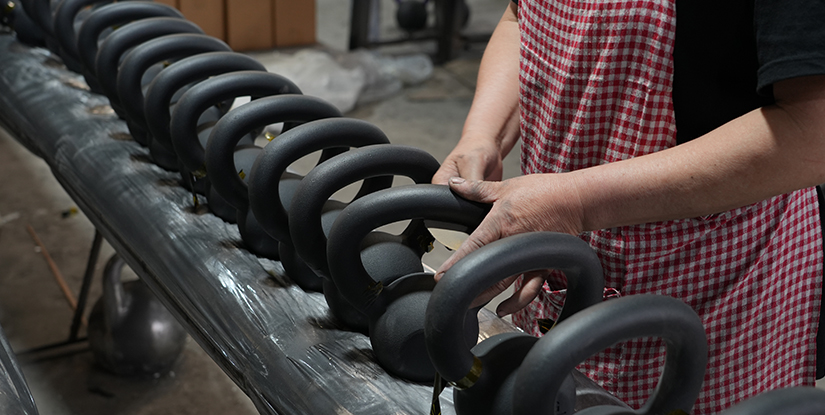
Precision in manufacturing is not optional for professional strength equipment. Our quality control protocols focus on three critical pillars: weight accuracy, surface integrity, and batch consistency. Each 25 pound kettlebell undergoes calibrated testing to ensure the weight deviation remains within strict industry-standard tolerances. This prevents the liability issues associated with uneven weight distribution in commercial gym settings.
Beyond weight, we prioritize the tactile experience and long-term durability of the product. This includes inspecting the surface finish for smoothness to prevent skin abrasions and ensuring the handle coating is uniform and durable. By utilizing a specialized custom branded kettlebell manufacturer approach, we ensure that your private label markings remain crisp and do not degrade under heavy usage. This level of detail reduces the total cost of ownership for your end-users and minimizes your after-sales support requirements.
Standardized Inspection Stages for Bulk Sourcing
To mitigate the risks associated with international procurement, we implement a tiered inspection framework. This process begins at the raw material stage, where the iron or cast material is verified for density and purity. For a wholesale 25 pound kettlebell order, ensuring the base material is free from structural inclusions is the first step in preventing cracks or breakage during high-impact training. This foundational check ensures that the bulk shipment meets the structural requirements of professional training facilities.
During the production phase, we focus on the precision of the casting and the uniformity of the handle diameter. This stage is critical for any custom branded kettlebell manufacturer to ensure that the ergonomic feel remains consistent across thousands of units. We monitor the heat treatment and the application of the coating to prevent peeling or bubbling, which are common defects in low-tier manufacturing. This rigorous oversight ensures that every unit delivered to your warehouse maintains the high-end feel expected by premium gym operators.
The final stage involves a comprehensive pre-shipment inspection and packaging durability test. Before any 25 pound kettlebell is loaded into a container, it must pass a final weight tolerance check and a surface coating inspection. We also perform stress tests on the export packaging to ensure that the units can withstand the rigors of long-distance ocean freight. This focus on packaging integrity reduces the likelihood of transit damage, protecting your landed cost and ensuring that your inventory arrives in retail-ready condition.
Technical Comparison: Standard vs. Premium QC Protocols
Distributors and procurement managers must differentiate between basic manufacturing and professional-grade quality assurance. When evaluating a wholesale 25 pound kettlebell order, understanding these technical deviations is vital for calculating long-term reliability and minimizing replacement costs. The following table compares the standard protocols often found in general production against the premium standards required for commercial-grade distribution.
| Inspection Parameter | Standard Production (Low-Tier) | Premium Commercial Grade (Our Standard) |
|---|---|---|
| Weight Deviation | +/- 5% variance per unit | Strict +/- 1% to 2% tolerance |
| Surface Defect | Visible pitting or uneven coating | Uniform, smooth powder coating |
| Handle Smoothness | Rough edges or casting seams | Ergonomic, seamless transition |
| Packaging Strength | Single-wall cardboard/loose packing | Reinforced export-grade bulk cartons |
| Material Density | Variable iron purity levels | Consistent, high-density cast iron |
Utilizing a high-standard commercial grade kettlebell supplier ensures that your inventory remains consistent across all SKUs. High weight deviation or surface imperfections can damage your brand identity if you are pursuing a private label strategy. By prioritizing a China factory that adheres to these premium benchmarks, you secure a more stable landed cost and reduce the risk of batch rejections during your pre-shipment inspection phase. We recommend that all procurement leads request a specific sample approval and a detailed technical spec sheet to verify these tolerances before finalizing any bulk order or large-scale OEM production run.
Logistics and Export Packaging for Wholesale 25 Pound Kettlebell Orders
Efficient logistics management is a critical factor for importers managing the landed cost of heavy iron goods. When sourcing a 25 pound kettlebell in bulk, the technical requirements for transit protection directly impact your distributor margins and overall inventory integrity.
Standard domestic shipping methods often fail to meet the rigors of long-haul international transit. To ensure your wholesale 25 pound kettlebell shipments arrive without surface abrasions or structural compromise, a professional China factory must implement a multi-layered protection strategy. This includes the use of reinforced, heavy-duty cartons designed to withstand stacking pressure and moisture during sea freight. We prioritize palletization and high-density packing configurations to achieve maximum sea freight optimization, reducing the volume-to-weight ratio and lowering your container utilization costs. By utilizing specialized export-standard packaging, we mitigate the risks of denting or coating damage, ensuring that every unit meets your quality standards upon arrival at your warehouse.
For distributors managing high-volume SKU counts, our commercial grade kettlebell supplier protocols focus on load stability. Every shipment undergoes a rigorous packing inspection to ensure that the weight distribution across pallets is balanced, preventing shifting during ocean transit. This systematic approach to damage prevention and container loading efficiency helps minimize the risk of costly returns or insurance claims, protecting your capital investment and ensuring a predictable supply chain for your clients.
Optimizing Shipping Methods and Packaging Configurations
Selecting the appropriate logistics channel is a strategic decision that balances speed against the total landed cost. For high-volume distributors, understanding the technical trade-offs between air and sea transit is essential for maintaining healthy profit margins. Below is a technical comparison to assist your procurement planning when ordering from a professional custom branded kettlebell manufacturer.
| Shipping Method | Typical Packaging Type | Protection Level | Volume Efficiency | Best Use Case |
|---|---|---|---|---|
| Sea Freight (FCL/LCL) | Heavy-duty reinforced export cartons on heat-treated pallets | High: Designed for long-term stacking and moisture resistance | Maximum: Optimized for container density and weight distribution | Bulk inventory replenishment and large-scale warehouse stocking |
| Air Freight | Standardized industrial cartons with reinforced edges | Moderate: Focused on impact prevention during rapid handling | Lower: High volume-to-weight ratio increases shipping costs | Urgent sample approvals or low-volume high-priority restocks |
When managing a 25 pound kettlebell shipment, we recommend sea freight for all major wholesale orders to achieve the best cost-to-volume ratio. Our facility coordinates closely with freight forwarders to ensure that pallet dimensions are optimized for standard 20ft or 40ft containers. This precision in loading minimizes empty space and prevents shifting, which is vital for maintaining the integrity of the product coating. Before final dispatch, we can provide detailed packing lists and dimensions to help you calculate exact shipping costs and prepare your warehouse receiving teams.
Strict Quality Control and Pre-Shipment Inspection Protocols
Maintaining consistent product standards is the primary challenge for high-volume importers. A single batch of inconsistent weight or damaged finishes can erode your brand reputation and increase the total cost of ownership. To eliminate these risks, our factory-direct QC process implements a multi-stage verification system designed specifically for the heavy-duty requirements of professional fitness environments.
Before any shipment leaves our facility, every 25 pound kettlebell undergoes a rigorous weight tolerance check. We utilize calibrated high-precision scales to ensure each unit falls within strict industry-standard deviations, preventing the weight discrepancies that often plague lower-tier manufacturers. Following weight verification, we perform a detailed surface coating integrity test. This ensures the powder coating or paint application is uniform, durable, and free from chips, bubbles, or uneven textures that could compromise the aesthetic and longevity of the equipment.
As a professional commercial grade kettlebell supplier, we recognize that physical product quality is only half of the equation; the other half is transit stability. Our pre-shipment inspection includes a final pallet stability audit and professional loading supervision. We verify that all pallets are securely wrapped in high-gauge stretch film and that the load-bearing capacity of the packaging is sufficient for the weight of the 25 pound units. This meticulous oversight ensures that your bulk order arrives at your warehouse in a condition that is ready for immediate retail or distribution, protecting your margins and reducing the need for replacement planning.
Strategic Sourcing: Finalizing Your Bulk Order and Sample Approval
Before committing to a full container load or a large-scale purchase, professional importers must prioritize a rigorous sample evaluation process. Relying solely on digital specifications or standard catalog photos is a high-risk strategy in global procurement. For a commercial grade kettlebell supplier, the goal is to ensure that the physical product delivered to your warehouse matches the exact standards required by your end-users, whether they are boutique studio owners or large-scale gym operators.
The procurement process should always begin with a physical 25 pound kettlebell sample to conduct a comprehensive physical weight verification. Discrepancies in weight can lead to significant issues with inventory accuracy and customer trust. Beyond weight, you must inspect the material texture and surface finish to ensure the coating is durable enough for high-traffic commercial environments. A professional custom branded kettlebell manufacturer will provide samples that allow you to verify the integrity of the handle, the smoothness of the cast iron or steel, and the consistency of the paint or powder coating. Establishing these standards during the sampling phase mitigates the risk of receiving sub-standard batches and ensures long-term quality consistency across your entire wholesale 25 pound kettlebell order.
To streamline the decision-making process for distributors and procurement managers, it is essential to understand the fundamental differences between purchasing standard stock and investing in custom production. Choosing the right procurement model directly impacts your brand identity, product differentiation, and total landed cost.
| Procurement Dimension | Standard Stock Order | Custom OEM/ODM Order |
|---|---|---|
| Primary Objective | Rapid replenishment and low-risk inventory | Brand differentiation and market exclusivity |
| Customization Scope | Limited to standard colors or basic weight marks | Full control over color, texture, and logo placement |
| Branding Method | Standard factory markings or neutral finish | Laser engraving, silk screen, or custom casting |
| Typical MOQ | Low (based on standard carton increments) | Higher (specific to custom production runs) |
| Lead Time | Short (ready for immediate export/shipping) | Extended (includes production and QC cycles) |
| Packaging | Standard export-grade bulk packaging | Customized retail-ready or branded packaging |
When sourcing a 25 pound kettlebell, the choice between these two models depends on your market position. Stock orders are ideal for distributors needing to fill immediate gaps in their inventory with minimal upfront capital. However, if your goal is to build a premium fitness brand, working with a custom branded kettlebell manufacturer allows you to implement unique branding methods, such as high-visibility logos or specialized handle textures, that distinguish your catalog from generic competition.
For large-scale distributors, the wholesale 25 pound kettlebell volume often justifies the transition from stock to OEM or ODM production. While the MOQ and lead time are naturally higher for customized units, the ability to control every aspect—from the specific powder coating thickness to the custom packaging requirements—ensures that the final product aligns perfectly with your brand's quality promise. We recommend requesting a detailed specification sheet and a formal quote to compare the long-term ROI of customized production against the speed of standard stock sourcing.
Export Packaging and Container Loading Optimization
The final stage of the procurement cycle is as critical as the production phase itself. For importers, the total landed cost is heavily influenced by shipping volume optimization and the efficiency of container loading. A professional commercial grade kettlebell supplier understands that high-density iron products require strategic palletization to prevent damage and maximize space. If the loading plan is inefficient, you face increased freight costs per unit, which directly erodes your distributor margins.
To ensure product integrity during long-haul maritime transit, we utilize reinforced export packaging designed for heavy-duty weight loads. Every 25 pound kettlebell must be secured in high-strength, double-walled corrugated cartons that can withstand stacking pressures without collapsing. For bulk shipments, we implement standardized palletizing and shrink-wrapping protocols to stabilize the load within the container. This level of attention to detail prevents shifting and impact damage during sea transit, ensuring that your wholesale 25 pound kettlebell inventory arrives at your warehouse in retail-ready condition.
Before any vessel departs, a rigorous pre-shipment inspection is mandatory to validate that the actual batch matches your approved sample. This inspection covers weight tolerances, surface finish consistency, and packaging durability. By conducting a final audit at the China factory, we provide the transparency required for large-scale procurement. This process mitigates the risk of receiving non-compliant goods and ensures that your custom branded kettlebell manufacturer obligations are fully met. We recommend that buyers coordinate a final inspection schedule with their logistics partner to ensure seamless transition from factory-direct loading to final port delivery.