Kettlebell Arm Workout: China Factory OEM Supply Wholesale
Kettlebell Arm Workout: Optimizing Commercial Inventory and Durability
For boutique strength studios and high-traffic commercial fitness centers, the replacement cycle of training gear is a critical variable in total cost of ownership. When clients perform a high-intensity kettlebell arm workout, the equipment undergoes repetitive mechanical stress and potential impact. Sourcing from a reliable China factory ensures that your inventory can withstand these demands without frequent replacement costs or aesthetic degradation.
Standard retail-grade equipment often fails under the high-frequency usage typical of professional environments. To maintain high margins and low maintenance loads, distributors should prioritize commercial kettlebell manufacturing processes that emphasize structural integrity. High-quality production involves utilizing high-density cast iron and a specialized heavy-duty coating to provide superior impact resistance. This level of durability is essential for preventing surface chipping and rust, which preserves the professional appearance of your facility and extends the lifespan of the asset.
Investing in professional-grade kettlebell arm training gear minimizes the long-term opex for gym owners. By selecting units that meet rigorous factory-direct standards, procurement leads can ensure that the equipment remains functional and visually intact even after years of heavy use. This focus on build quality directly impacts the ROI of your initial bulk wholesale purchase by reducing the frequency of replacement cycles and maintenance-related downtime.
Material Selection and Coating Performance Standards
Selecting the correct material finish is a strategic decision for distributors managing long-term inventory. The choice between cast iron, vinyl, and silicone affects not only the tactile experience during a kettlebell arm workout but also the long-term maintenance requirements and durability in high-traffic zones. A mismatch between material type and environment can lead to rapid degradation, increasing the replacement frequency for your clients.
Professional procurement teams should evaluate the technical specifications of different coatings to optimize their landed cost versus expected lifespan. For example, while vinyl offers aesthetic appeal, cast iron with advanced powder coating provides the structural resilience required for rigorous wholesale gym equipment distribution. Understanding these material nuances allows a supplier to provide better guidance to end-users regarding equipment care and longevity.
| Material / Coating Type | Impact Resistance | Long-term Wear Profile | Ideal Commercial Application |
|---|---|---|---|
| Cast Iron (Powder Coated) | High | Minimal chipping under standard use | High-intensity strength studios |
| Vinyl Dipped | Moderate | Potential for cracking or peeling | Boutique fitness or light studio use |
| Silicone Coated | Medium | High grip, resistant to surface scuffs | Premium wellness or home-gym retail |
When evaluating a kettlebell arm training gear batch, we recommend requesting material samples to verify coating adhesion and weight consistency. For large-scale importers, confirming these technical specs during the pre-shipment stage is vital to ensuring that the bulk order meets the durability expectations of professional fitness facilities.
Ensuring Logistics Integrity and Bulk Order Reliability
For international distributors, the durability of a product is not only determined by its physical construction but also by its journey from the China factory to the final destination. A high-performance kettlebell arm workout tool is only as reliable as its packaging and shipping protocols. If the protective layers fail during sea freight or container loading, the resulting impact damage or oxidation can significantly increase the landed cost through damaged goods and returns.
To mitigate these risks, professional wholesale gym equipment sourcing requires strict oversight of export packaging standards. We implement reinforced, heavy-duty corrugated boxes and specialized internal bracing to secure each unit. This ensures that even when shipping high-volume kettlebell arm training gear, the structural integrity and surface finish remain pristine. For procurement leads, this level of attention to detail translates to higher distributor margins and fewer logistical headaches during the receiving process.
Optimizing your procurement strategy involves more than just selecting a supplier; it requires verifying the entire supply chain's ability to handle bulk logistics. We recommend that importers coordinate closely with the factory to confirm container loading patterns and palletization methods. By aligning on these technical requirements during the MOQ negotiation phase, you can ensure that your kettlebell arm workout inventory arrives at your warehouse ready for immediate commercial deployment, fully preserving your initial investment and long-term ROI.
Kettlebell Arm Workout Engineering: Material Standards for High-Traffic Gyms
For distributors and gym operators, a high-quality kettlebell arm workout routine depends heavily on the structural integrity of the equipment. When sourcing in bulk, understanding the engineering behind commercial kettlebell manufacturing is essential to avoid the high replacement costs associated with low-grade, consumer-focused units. A reliable factory must prioritize material density and casting precision to ensure every unit meets the rigorous demands of professional training environments.
In high-traffic facilities, the primary pain point is equipment fatigue. Substandard casting can lead to internal structural weaknesses, which becomes a significant liability during intense training. By choosing a professional supplier, procurement leads ensure that the weight distribution remains consistent and the exterior coating resists the constant impact and abrasion typical of commercial settings. This focus on durability directly impacts the long-term TCO (Total Cost of Ownership) and reduces maintenance-related downtime.
| Procurement Factor | Standard Cast Iron Units | Premium Competition-Grade Units |
|---|---|---|
| Material Consistency | Variable density common | Uniform high-density casting |
| Surface Finish | Basic powder coating | Advanced ergonomic texture |
| Durability Rating | Standard commercial use | High-intensity/High-traffic |
| Maintenance Load | Moderate inspection required | Low maintenance requirements |
Optimizing your kettlebell arm training gear inventory requires a deep dive into the specific production capabilities of your China factory partner. Professional buyers should evaluate the metallurgical standards used to prevent surface cracking and ensure the handle remains ergonomic under heavy load. Whether you are looking for wholesale quantities for a global distribution network or a specific OEM production run for your own brand, prioritizing these engineering specifications ensures your inventory remains a premium asset in the market.
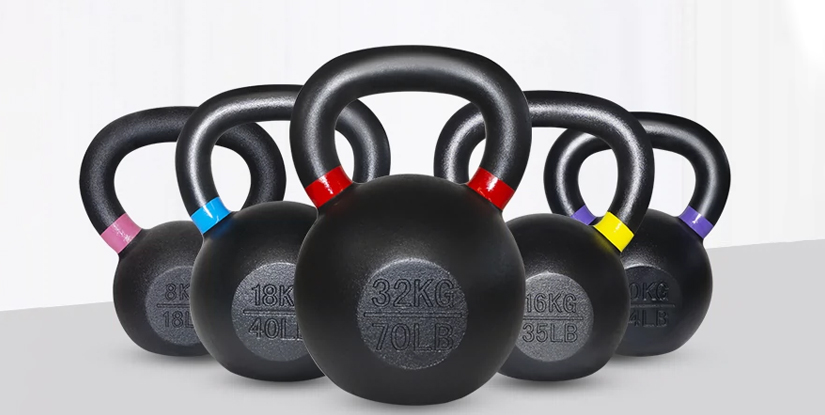
Material Specification Comparison for Professional Sourcing
To ensure high performance during a kettlebell arm workout, procurement officers must differentiate between standard retail-grade products and professional-grade equipment. Selecting the wrong material can lead to rapid oxidation or handle degradation, increasing your replacement frequency and lowering your overall ROI. We recommend evaluating the following technical specifications when negotiating with a wholesale gym equipment provider to ensure your inventory meets international commercial standards.
| Technical Dimension | Cast Iron (Standard) | Steel (High-End) | Impact on Procurement |
|---|---|---|---|
| Structural Core | Solid cast iron density | Precision-welded steel | Weight consistency |
| Coating Durability | Standard powder coat | Multi-layer urethane | Surface longevity |
| Handle Ergonomics | Smooth cast surface | Textured/Knurled steel | Grip reliability |
| Corrosion Resistance | Basic oxidation protection | High-grade anti-rust | Maintenance frequency |
When evaluating a kettlebell arm training gear shipment, the distinction between cast iron and steel-based construction is critical for your landed cost and product positioning. While cast iron offers excellent weight density for a lower price point, high-grade steel constructions often provide superior impact resistance for high-intensity environments. We suggest requesting a detailed specification sheet or a sample approval before finalizing a large-scale wholesale order to verify that the coating durability and weight tolerances align with your brand identity and distributor requirements.
Quality Assurance and Export Logistics Protocols
Reliability in a kettlebell arm workout setup is not merely about the weight itself, but the rigorous testing protocols behind it. For professional importers, the risk of receiving a shipment with inconsistent weight tolerances or surface defects can disrupt entire distribution cycles. This is why a transparent China factory must implement a multi-stage QC process that covers everything from raw material testing to final load-bearing stress tests. Ensuring these standards are met before the product leaves the facility is the most effective way to protect your distributor margins and maintain a reputation for quality.
Beyond the physical product, the complexity of global logistics requires a partner capable of sophisticated export-ready solutions. When managing a large-scale wholesale procurement, you must account for the total landed cost, which includes not just the unit price, but also the efficiency of container loading and the durability of export packaging. A professional supplier will provide optimized palletization and reinforced crating to prevent damage during long-sea transit, ensuring that your kettlebell arm training gear arrives in a retail-ready state, ready for immediate distribution or facility deployment.
To mitigate procurement risks, we recommend that buyers initiate a formal factory audit or request a pre-shipment inspection (PSI) for all high-volume orders. Whether you are pursuing a standard wholesale gym equipment order or a specialized OEM production run, confirming the lead time and shipping documentation early in the process is vital. Contact our team today to request a full product specification sheet, confirm your specific MOQ, or discuss custom branding requirements to ensure your next shipment aligns perfectly with your commercial objectives.
Kettlebell Arm Workout Sourcing: China Factory OEM and ODM Capabilities
For international distributors and fitness brands, optimizing a kettlebell arm workout product line requires more than just selecting weights; it requires a strategic manufacturing partner. Sourcing directly from a China factory allows professional buyers to control the technical specifications of grip texture, weight distribution, and coating durability, ensuring the equipment meets the rigorous demands of commercial environments.
Standardized stock orders often fail to meet the specific branding requirements of premium fitness chains. By utilizing OEM and ODM services, procurement managers can transition from being mere resellers to owning a distinct market position. Whether you need to adjust the handle diameter for specific ergonomic standards or require custom color palettes to align with a client's facility design, specialized commercial kettlebell manufacturing provides the necessary technical infrastructure to scale your inventory with precision.
Establishing a strong brand identity through private label solutions is a proven method to increase long-term enterprise value. Instead of competing on price alone with generic commodities, high-volume importers can leverage customization options—such as laser-etched logos or proprietary cast iron shapes—to build a professional equipment line that commands higher margins in the North American and European markets. This level of control over the kettlebell arm training gear specification ensures that every unit shipped maintains your brand's reputation for quality and reliability.
Technical Comparison: Wholesale Procurement vs. OEM/ODM Customization
When planning a large-scale inventory expansion, procurement officers must decide between the speed of standard wholesale purchasing and the long-term value of customized manufacturing. While stock orders offer immediate availability, they lack the differentiation required for high-end studio chains or specialized distributors. A strategic kettlebell arm workout procurement plan often involves a hybrid approach: sourcing standard weights for rapid replenishment while utilizing custom production for flagship product lines.
The following table outlines the primary differences in sourcing logic to assist in your budgetary and logistical decision-making. Choosing between these paths depends on your target market positioning and the specific technical requirements of your wholesale gym equipment distribution model.
| Procurement Dimension | Standard Wholesale Sourcing | OEM/ODM Custom Manufacturing |
|---|---|---|
| Product Specification | Standardized weights and textures | Custom handle diameter and coatings |
| Branding Capability | Generic or third-party neutral | Full private label and logo integration |
| Production Control | Pre-existing inventory models | Direct control over material density |
| Typical MOQ | Lower thresholds for rapid shipping | Higher requirements for custom tooling |
| Lead Time | Shortest duration for immediate export | Extended due to custom production cycles |
| Cost Structure | Lower upfront investment | Higher initial cost with better long-term margins |
For distributors aiming to capture the premium segment, the ability to specify material excellence is vital. High-performance kettlebell arm training gear often requires specific tolerances in casting and weight consistency that standard off-the-shelf products may not provide. By engaging in a direct partnership with a specialized supplier, you can implement rigorous pre-shipment inspection protocols to ensure every batch meets your exact commercial-grade standards before it leaves the facility.
Before finalizing your next bulk order, we recommend requesting a detailed technical specification sheet. Our team can provide clarity on current MOQ tiers, estimated lead time for custom branding, and detailed export packaging solutions to optimize your landed cost and container loading efficiency.
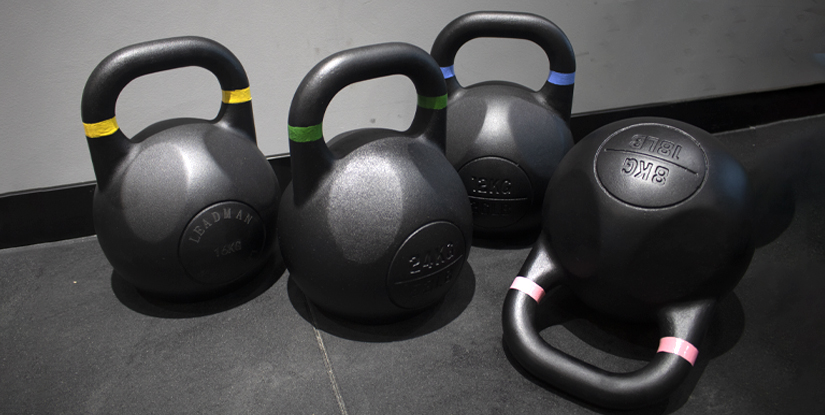
Kettlebell Arm Workout Procurement: Managing MOQ and Lead Times for Bulk Orders
Optimizing a professional fitness facility requires a reliable kettlebell arm workout gear supply chain. For distributors and large-scale gym operators, managing the balance between inventory depth and capital liquidity is critical. Relying on a direct China factory minimizes the risks associated with middleman markups and fragmented stock availability.
A predictable MOQ and transparent lead time are the pillars of supply chain stability when scaling a product line. Without these clearly defined parameters, procurement teams face the threat of stockouts during peak seasonal demand or excessive warehousing costs due to uncoordinated shipments. Professional wholesale gym equipment buyers must align their purchase orders with production cycles to ensure consistent availability of high-demand training tools.
When sourcing commercial kettlebell manufacturing services, understanding the relationship between order volume and logistics efficiency is essential for maintaining healthy margins. A structured approach to sourcing allows for better planning of container loading and landed cost calculations, ensuring that your kettlebell arm workout equipment arrives on schedule and within budget.
Procurement Models: Standard Stock vs. Custom OEM/ODM
Distributors and facility managers must choose between immediate availability and brand differentiation. Selecting the right procurement path impacts your landed cost, inventory turnover, and long-term brand identity. While standard stock orders offer rapid deployment, a dedicated OEM or ODM partnership allows for specialized product development tailored to specific market segments.
| Procurement Parameter | Standard Stock Order | Custom OEM/ODM Production |
|---|---|---|
| Order Minimums | Lower MOQ (typically based on weight increments) | Higher MOQ (based on specific tooling/mold requirements) |
| Production Cycle | Immediate or short lead time (existing inventory) | Extended production cycle (typically 35-50 days) |
| Customization Depth | Limited to standard colors or basic weight sets | Full customization (branding, color, texture, and weight specs) |
| Logistics Strategy | Faster transit via LCL or air freight | Optimized for full container loading (FCL) to reduce wholesale costs |
| Primary Advantage | Speed and low initial capital expenditure | High differentiation for kettlebell arm training gear distribution |
Deciding between these models depends on your current growth stage and market positioning. A factory-direct stock order is ideal for testing market response to specific weights, whereas a custom ODM contract is better suited for established distributors looking to build a proprietary product line with unique kettlebell arm training gear specifications. To optimize your procurement, we recommend requesting a detailed spec sheet and confirming current MOQ tiers for both standard and customized production runs.
Optimizing Landed Cost and Export Logistics
For international importers, the true cost of a kettlebell arm workout order extends far beyond the unit price. A comprehensive understanding of the landed cost—the total price of a product once it has arrived at the buyer's door—is vital for maintaining competitive distributor margins. Because kettlebells are high-density, heavy-weight items, shipping weight and volumetric efficiency directly dictate your final procurement budget. Failure to optimize container loading can lead to inflated freight charges and diminished ROI on every shipment.
Professional wholesale buyers should prioritize partners who utilize advanced export packaging to protect product integrity during long-haul maritime transit. High-durability equipment requires robust, standardized packaging that maximizes pallet stability and prevents damage to coatings or handles. When planning your next kettlebell arm workout bulk order, consider the impact of container utilization. Utilizing full container loads (FCL) rather than less-than-container loads (LCL) is a standard industry practice to drive down the per-unit shipping cost and mitigate the risks associated with fragmented logistics. To secure the most efficient shipping schedule, we invite you to request a formal quote including current freight estimates and packaging specifications for your target volume.
Kettlebell Arm Workout Logistics: Export Packaging and Quality Control Standards
Maintaining consistent weight tolerances and surface integrity is vital when sourcing for a professional kettlebell arm workout. For distributors and gym chains, a single defective unit in a bulk shipment can compromise professional standards and increase replacement costs. High-tier commercial kettlebell manufacturing requires rigorous oversight to ensure that every unit meets international weight and balance specifications before leaving the factory.
Reliable quality control (QC) standards act as a safeguard for your landed cost and product reputation. We implement strict pre-shipment inspection protocols to verify material density, handle grip texture, and coating adhesion. This systematic approach prevents the common issues of weight deviation or surface chipping that often plague lower-quality wholesale gym equipment sourced without proper oversight.
To ensure transit durability during long-distance ocean freight, our China factory utilizes reinforced protective packaging. This includes heavy-duty corrugated cartons and customized internal dividers designed to prevent metal-on-metal impact. By prioritizing robust export-grade housing, we ensure that your kettlebell arm training gear arrives at your warehouse in pristine, retail-ready condition, ready for immediate deployment in high-traffic commercial environments.
Technical Comparison: Factory-Direct vs. Standard Trading Protocols
Understanding the distinction between professional manufacturing standards and standard trading services is essential for calculating the true total cost of ownership. For a professional kettlebell arm workout, the difference often lies in the invisible details of production and logistics. While many traders offer lower initial prices, they frequently overlook the structural and logistical requirements necessary for high-volume commercial distribution.
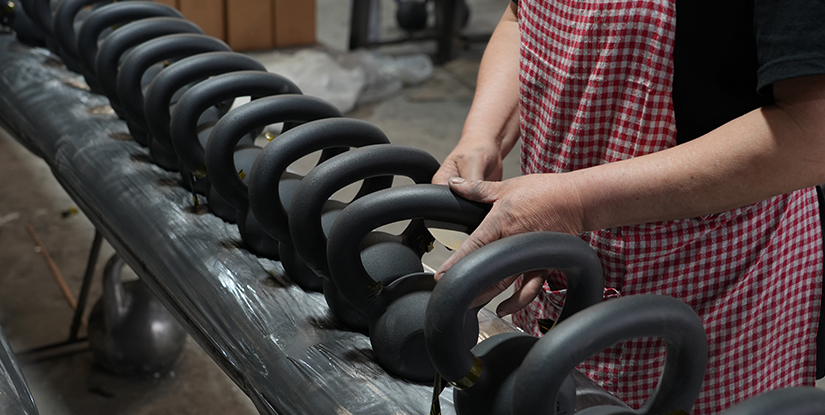
A specialized China factory focuses on the technical variables that impact your long-term profitability, such as weight precision and shipping safety. The following comparison outlines how professional-grade commercial kettlebell manufacturing protects your margins compared to standard market offerings.
| Procurement Metric | Factory-Direct Professional Standards | Standard Trader / Lower-Tier Supply |
|---|---|---|
| Weight Tolerance | Strict +/- 1% industry standard deviation | Unregulated or high deviation margins |
| Surface Finish Inspection | Automated and manual coating adhesion testing | Basic visual check only |
| Packaging Durability | Reinforced export-grade corrugated housing | Standard retail-grade single-wall cartons |
| Landed Cost Protection | Optimized container loading and structural safety | Higher risk of transit damage and replacement costs |
| Sourcing Efficiency | Direct wholesale gym equipment control | Dependent on third-party stock availability |
When managing a large-scale kettlebell arm training gear order, these technical advantages translate directly into reduced replacement cycles and higher client satisfaction. We recommend that procurement leads request a detailed specification sheet and confirm the MOQ for custom branding or specific weight increments. To ensure your shipment meets your exact requirements, you may also book a factory audit or request a sample evaluation before finalizing your bulk order.
Optimizing Container Loading and Sea Freight Efficiency
For large-scale distributors, maximizing container utilization is a critical factor in reducing the total landed cost of any kettlebell arm workout shipment. Efficient sea freight optimization requires more than just stacking boxes; it involves strategic palletization and weight distribution to prevent shifting during transit. Our logistics team specializes in high-density loading patterns that ensure every cubic meter of your container is utilized without compromising the structural integrity of the kettlebell arm training gear.
To facilitate seamless warehouse receiving, we provide standardized palletization that aligns with international shipping protocols. By utilizing heavy-duty, export-grade cartons and reinforced pallet wraps, we mitigate the risks of crushing and moisture exposure. Whether you are sourcing a single weight increment or a full-spectrum range of wholesale gym equipment, our factory-direct logistics approach ensures that your inventory arrives ready for immediate distribution, minimizing labor costs and downtime at your receiving dock.
Kettlebell Arm Workout Investment: Total Cost of Ownership for Distributors
For professional distributors and gym procurement leads, the true value of a kettlebell arm workout kit is measured by its lifespan in a high-traffic environment rather than the initial purchase price. When sourcing from a China factory, understanding the relationship between material density, coating integrity, and replacement cycles is essential for maintaining healthy profit margins.
Low-quality units often suffer from handle deformation or coating failure under heavy use, leading to frequent replacement requests and diminished client trust. By prioritizing commercial kettlebell manufacturing standards, importers can significantly lower the long-term replacement costs and operational overhead. Investing in premium kettlebell arm training gear ensures that the equipment remains functional and aesthetically professional for years, maximizing the long-term ROI for both the distributor and the end-user facility.
Evaluating Landed Cost vs. Long-Term Value
Distributors must distinguish between low initial unit costs and the actual total cost of ownership. While low-tier suppliers may offer attractive prices, the lack of rigorous QC often results in hidden expenses such as high return rates, shipping damage, and premature replacement cycles. Selecting a professional wholesale gym equipment partner allows for a more predictable procurement model where durability offsets the frequency of reordering.
The following table compares the economic impact of sourcing via low-standard traders versus a direct-to-factory model. This analysis focuses on the long-term stability of your inventory and the stability of your client relationships.
| Procurement Metric | Low-Standard Trading Model | Direct Factory-Sourcing Model |
|---|---|---|
| Initial Unit Price | Lower initial cost per unit | Standardized commercial pricing |
| Quality Control (QC) | Variable and inconsistent | Strict pre-shipment inspection |
| Maintenance Load | High due to coating/handle failure | Minimal due to high-grade materials |
| Landed Cost Impact | High risk of hidden replacement costs | Optimized for long-term durability |
| Inventory Lifespan | Short-term; high turnover required | Long-term; stable asset lifecycle |
Optimizing your kettlebell arm workout procurement involves looking beyond the FOB price to the total landed cost over a three-to-five-year period. A reliable supplier provides the transparency needed to project replacement schedules accurately, ensuring your business maintains consistent margins without the volatility of defective batches.
Optimizing Logistics and Export Packaging for Global Distribution
Beyond the manufacturing stage, the final landed cost of your kettlebell arm workout order is heavily dictated by shipping efficiency and protection protocols. For international distributors, the risk of transit damage—such as dented casting or compromised powder coating—can instantly erase the margin gained from bulk purchasing. Working with a specialized China factory that understands global export requirements ensures that your inventory arrives in retail-ready or facility-ready condition.
Effective logistics optimization requires a dual approach: high-density palletization and robust export packaging. By utilizing heavy-duty corrugated boxes and reinforced pallet wrapping, a professional supplier minimizes the physical footprint per unit, effectively lowering the shipping cost per kilogram. Furthermore, coordinating with a partner who manages precise lead time forecasting allows you to synchronize your container loading with seasonal demand, preventing stockouts or excessive warehousing fees. When you prioritize advanced export packaging and optimized container loading during your sourcing process, you protect both your capital and your reputation for delivering premium kettlebell arm training gear to your clients worldwide.