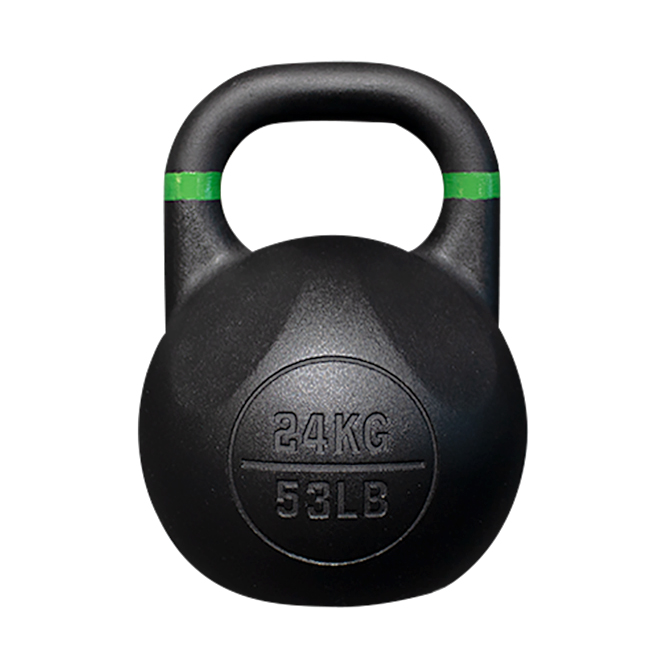
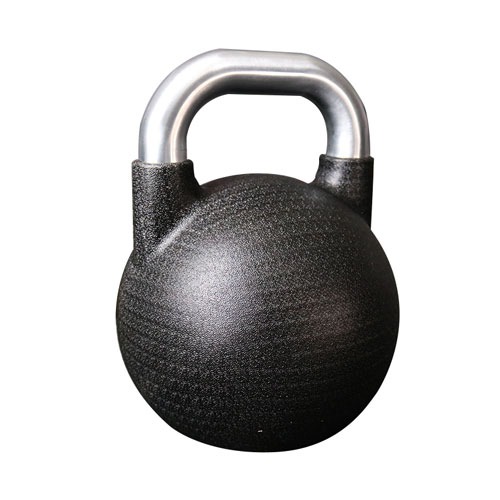
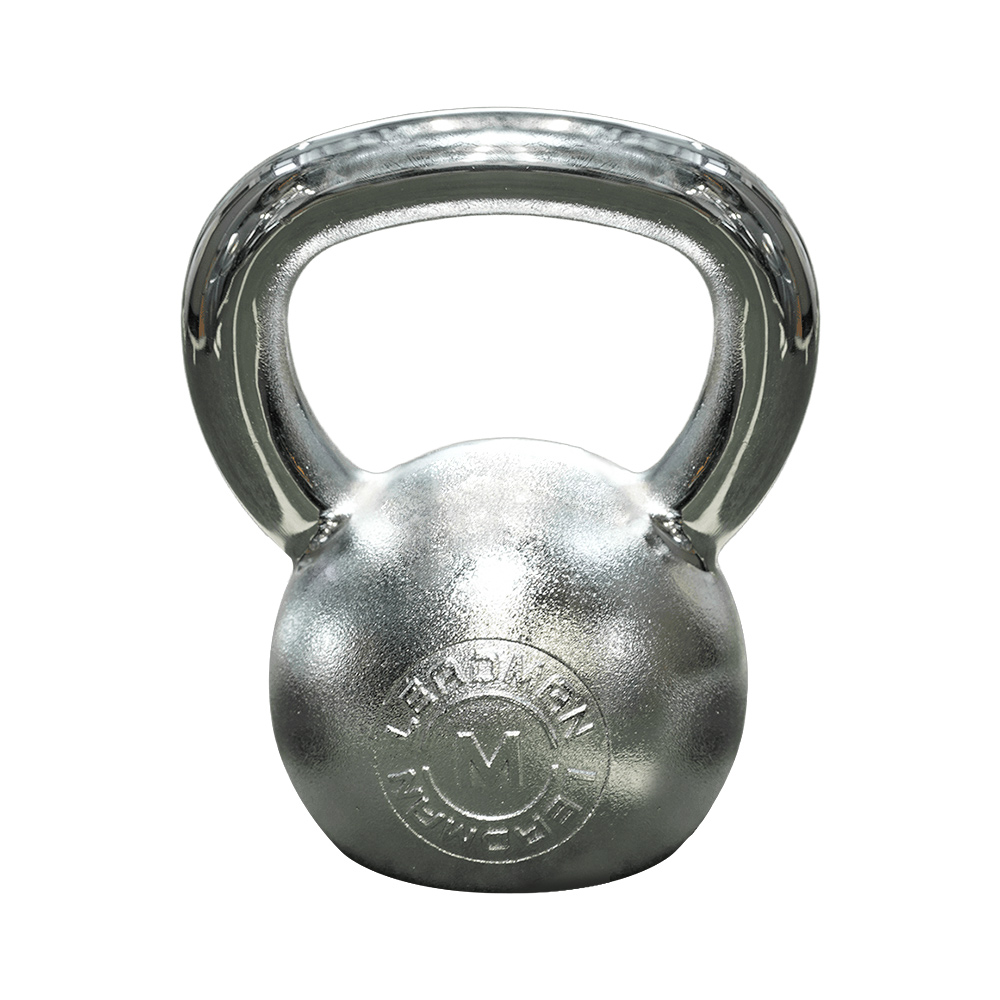
Kettlebell øVelser: Factory Direct Wholesale Export
Optimizing Commercial Inventory with Kettlebell øVelser
For large-scale fitness chains and hospitality procurement managers, the decision to refresh functional training zones involves more than just aesthetic updates; it is a strategic calculation of total cost of ownership. When sourcing kettlebell øvelser for high-traffic environments, the focus shifts from individual unit price to the long-term stability of the commercial gym inventory. A single batch of substandard equipment can lead to rapid surface degradation, requiring frequent replacement cycles that disrupt facility operations and inflate annual budgets.
High-quality kettlebell øvelser manufactured with industry-standard casting and premium coatings ensure that the equipment withstands the rigorous demands of constant use. By prioritizing durability and selecting a reliable wholesale fitness equipment partner, facility owners can significantly reduce maintenance frequency. This approach optimizes the long-term ROI by extending the lifecycle of the assets and ensuring that the landed cost per year of service remains as low as possible. Utilizing factory-direct sourcing allows distributors and gym owners to bypass middleman markups while maintaining strict control over the structural integrity of every unit ordered.
Economic Impact of Sourcing Quality
The difference between retail-grade and commercial-grade units becomes apparent during high-volume usage. Professional buyers must evaluate the material density and handle ergonomics to prevent premature wear. A robust gym equipment manufacturer provides products designed for high-frequency throughput, ensuring that the weight distribution remains consistent over years of training. This reliability is essential for maintaining a premium facility standard without constant reinvestment.
| Procurement Dimension | Standard Wholesale Option | Premium Factory-Direct Option |
|---|---|---|
| Material Integrity | Standard cast iron with basic coating | High-density cast iron with reinforced finish |
| Maintenance Requirement | Moderate to high due to surface wear | Low due to advanced coating technology |
| Lifecycle Expectancy | Standard commercial lifespan | Extended lifespan for high-traffic zones |
| Landed Cost Efficiency | Lower initial outlay | Optimized TCO over equipment lifespan |
| Specification Metric | Retail-Grade Bulk Supply | Professional commercial kettlebell supply |
|---|---|---|
| Weight Precision | Variable tolerance levels | Strict industrial-grade weight accuracy |
| Surface Coating | Basic powder coat or paint | Advanced high-durability protective finish |
| Handle Ergonomics | Standard rough texture | Precision-engineered for professional grip consistency |
| Durability Profile | Standard usage capability | Engineered for high-volume commercial throughput |
| Procurement Focus | Low initial unit cost | Optimized long-term TCO and ROI |
When evaluating your next batch of wholesale fitness equipment, the distinction in weight precision and coating integrity is critical. A professional gym equipment manufacturer ensures that each unit meets rigorous density standards, which is vital for maintaining the professional standards of a high-end facility. Choosing a direct kettlebell øvelser sourcing strategy allows you to secure equipment that balances initial capital expenditure with long-term operational efficiency. To ensure your procurement meets specific facility requirements, we recommend contacting our team to request a technical spec sheet, confirm current MOQ levels, or initiate a sample approval process for your upcoming project.
Selecting a reliable gym equipment manufacturer is a decision that directly impacts the operational overhead of a modern fitness facility. In high-throughput environments, the cost of poor material choices manifests through chipped coatings, uneven weight distribution, and premature replacement cycles. By focusing on a professional commercial kettlebell supply, procurement officers can mitigate these risks, ensuring that the equipment remains a durable asset rather than a recurring expense. This strategic approach to kettlebell øvelser sourcing prioritizes long-term stability over the lowest possible unit price, ultimately protecting the facility's capital investment.
Quality Control and Manufacturing Standards
A rigorous quality control process is the backbone of professional-grade equipment production. When sourcing from China factory facilities, it is essential to verify that the manufacturer employs strict pre-shipment inspections to ensure weight accuracy and surface uniformity. High-standard production environments utilize advanced casting techniques and multi-layer coating applications to prevent the oxidation and structural degradation often seen in lower-tier products. For distributors and large-scale gym operators, this attention to detail translates to a more predictable replacement schedule and a more professional experience for the end-user.
To maintain a competitive edge, many distributors leverage OEM and ODM capabilities to differentiate their product lines. Whether you are looking to establish a private label or require specific handle dimensions for a specialized training program, working directly with a factory allows for greater customization. This direct-to-source model ensures that every specification—from the texture of the grip to the precision of the weight—aligns with the high standards required for professional-grade functional training zones.
Strategic Selection Criteria for High-Traffic Gym Environments
When procuring equipment for high-density training facilities, the focus must shift from individual unit cost to long-term operational efficiency. High-quality kettlebell øvelser demand rigorous material integrity to withstand constant impact and heavy usage cycles. For distributors and facility owners, selecting the right commercial kettlebell supply involves evaluating the durability of coatings, the precision of weight distribution, and the overall resistance to environmental wear.
Failure to prioritize industrial-grade specifications often leads to premature degradation, increasing your maintenance load and reducing the lifespan of your inventory. By engaging in direct wholesale fitness equipment procurement, buyers can ensure that every unit meets the strict standards required for professional commercial gym environments. This strategic approach minimizes the frequency of replacements and optimizes the total cost of ownership across your entire facility deployment.
Evaluating the long-term value of your inventory requires a clear understanding of how material choice affects both maintenance and replacement cycles. A professional gym equipment manufacturer provides the technical documentation necessary to justify these capital expenditures through improved durability and lower long-term opex.
| Procurement Factor | Standard Retail Grade | Professional Commercial Grade |
|---|---|---|
| Primary Use Case | Low-frequency/Home use | High-volume/Commercial facility |
| Coating Durability | Basic paint/Light powder | Industrial-grade urethane or cast iron |
| Maintenance Requirement | Moderate/Frequent | Low/Minimal |
| TCO Profile | Higher replacement frequency | Optimized long-term ROI |
| Sourcing Model | Single unit retail | Bulk wholesale or factory direct |
To secure the best margins and ensure product longevity, we recommend conducting a thorough sourcing evaluation. Please contact our team to request a full specification sheet, confirm current MOQ levels, or discuss OEM branding options for your upcoming facility projects.
Material Specification Comparison for Professional Procurement
Selecting the correct material for your inventory is a critical decision that impacts both the aesthetic longevity and the physical durability of the units. For professional buyers, the choice between cast iron, vinyl-coated, or competition-grade finishes is not merely a matter of preference, but a calculation of total cost of ownership and maintenance frequency. A reliable gym equipment manufacturer will provide detailed material breakdowns to ensure your procurement aligns with your specific facility throughput requirements.
Different environments demand different surface properties. For instance, high-traffic strength zones may require the ruggedness of cast iron, while boutique studio settings might prioritize the smooth, protective finish of high-grade coatings. Understanding these nuances allows distributors to optimize their product mix and ensure long-term client satisfaction.
| Material Type | Surface Durability | Weight Consistency | Commercial Suitability | Best Use Case |
|---|---|---|---|---|
| Cast Iron | Extremely High (Impact Resistant) | High Precision | Standard Commercial Strength Training | Weightlifting zones and heavy-duty gyms |
| Vinyl/Neoprene Coated | Moderate (Surface Wear Possible) | Variable | High-End Studios and Boutique Fitness | Aerobics, HIIT, and light functional training |
| Competition Grade | Very High (Precision Finish) | Maximum Precision | Professional Competition & Training | Elite training facilities and professional sport centers |
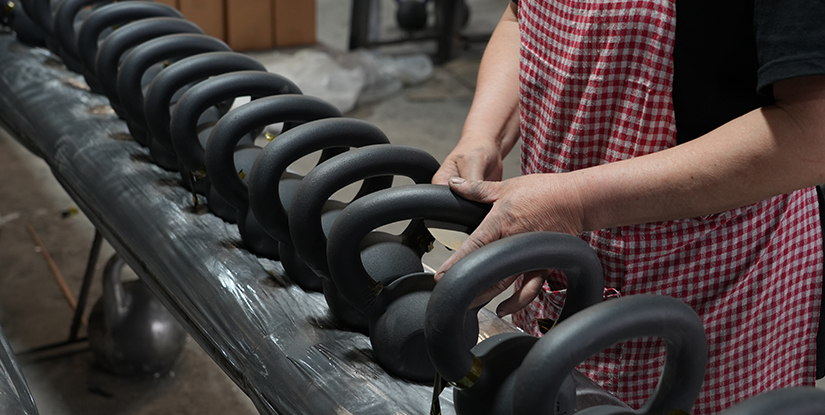
When managing large-scale facility deployments, we suggest reviewing the technical spec sheets for each material type. Whether you are seeking a specialized factory direct solution or a specific OEM custom finish, ensuring material compliance with your brand standards is essential for a successful launch. Please reach out to our supplier team to discuss bulk pricing, lead times, or to request a sample for quality evaluation.
Strict Quality Control and Pre-Shipment Protocols
For international distributors and large-scale facility developers, the greatest risk in overseas procurement is the discrepancy between sample approval and final container arrival. A professional factory must implement rigorous QC protocols to ensure that every batch of kettlebell øvelser maintains identical weight tolerances and structural integrity. Relying on a high-standard gym equipment manufacturer means your procurement process includes multi-stage verification, from raw material testing to final weight calibration.
Our production workflow prioritizes the elimination of structural defects that could lead to liability or high replacement costs. This includes specialized testing for impact resistance and coating adhesion to ensure the surface does not chip or peel under heavy commercial use. By conducting strict pre-shipment inspections, we ensure that your wholesale fitness equipment arrives ready for immediate deployment, meeting all international safety and dimensional standards without the need for costly on-site adjustments.
Effective sourcing requires more than just selecting a product; it requires auditing the manufacturing capability to handle high-volume orders with consistency. We invite professional buyers to engage in our quality assurance process, which includes detailed documentation of our testing phases. To ensure your project meets all technical requirements, please contact us to request our latest QC report, discuss MOQ requirements for custom orders, or arrange a factory audit to verify our production standards firsthand.
Custom Branding and OEM/ODM Capabilities for Global Distributors
For international distributors and large-scale gym developers, standardizing a product line through kettlebell øvelser sourcing is a critical step in building a professional presence. Moving beyond generic white-label products to a specialized private label model allows you to control your market position and build long-term customer loyalty.
A professional brand identity is often the deciding factor for premium studio chains and high-end fitness facilities. By utilizing OEM or ODM services from a specialized factory, you can move from being a mere reseller to a recognized equipment provider. This transition creates significant market differentiation, ensuring that your inventory is not easily replaced by lower-tier generic alternatives.
Customization extends beyond just a logo; it involves technical specifications that align with your target market's needs. Whether you require specific weight increments, unique handle textures, or specialized color schemes, a capable gym equipment manufacturer can adapt production to meet these exact requirements. This level of custom branding ensures that your wholesale fitness equipment offerings remain distinct in a competitive global landscape.
Strategic Value of Customization for B2B Buyers
The ability to offer a tailored product line provides immense B2B value by increasing your margins and establishing authority. When you source through a commercial kettlebell supply chain that supports full customization, you are investing in a scalable business model rather than a one-off purchase.
| Sourcing Model | Branding Control | Production Flexibility | Target Buyer Profile |
|---|---|---|---|
| Standard Wholesale | Low (Generic) | Low (Stock Items) | Small Studios / Retailers |
| Custom Branding | Medium (Logo/Color) | Medium (Standard Specs) | Regional Distributors |
| Full OEM/ODM | High (Complete Identity) | High (Custom Specs) | Global Brands / Large Chains |
To maintain a competitive edge, professional buyers must consider the technical depth of their kettlebell øvelser procurement. A high-tier gym equipment manufacturer does not merely provide a finished unit; they provide a platform for your brand to scale through precise technical execution. This includes everything from material selection—such as cast iron versus powder-coated steel—to the specific ergonomic requirements of the handle diameter.
Precision in customization is essential for maintaining professional standards in high-traffic commercial environments. Our commercial kettlebell supply process allows for detailed specification management, including custom weight increments that may not be standard in retail markets. This ensures your inventory meets the exact demands of professional strength athletes and specialized training studios. By managing these details at the source, you minimize the risk of receiving non-compliant products that fail to meet commercial durability standards.
Logistical reliability is just as critical as the physical product. We prioritize rigorous wholesale fitness equipment shipping protocols to protect your landed cost and ensure inventory arrives ready for deployment. This includes standardized export packaging designed to withstand long-haul ocean freight and multi-stage handling. Every batch undergoes strict quality control and pre-shipment inspection to ensure that the volume of your order—regardless of the specific MOQ—remains consistent in weight, balance, and finish quality. We recommend that distributors contact our team to request a full technical specification sheet, confirm current MOQ levels, or arrange a sample approval process before finalizing large-scale container bookings.
To maintain a competitive edge, professional buyers must consider the technical depth of their kettlebell øvelser procurement. A high-tier gym equipment manufacturer does not merely provide a finished unit; they provide a platform for your brand to scale through precise technical execution. This includes everything from material selection—such as cast iron versus powder-coated steel—to the specific ergonomic requirements of the handle diameter.
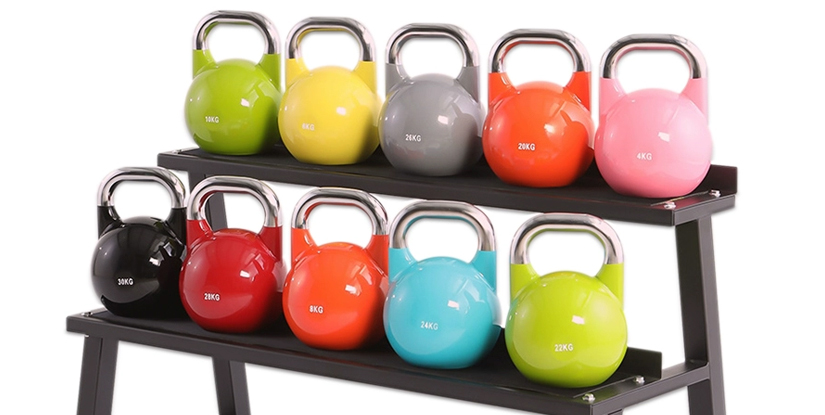
Precision in customization is essential for maintaining professional standards in high-traffic commercial environments. Our commercial kettlebell supply process allows for detailed specification management, including custom weight increments that may not be standard in retail markets. This ensures your inventory meets the exact demands of professional strength athletes and specialized training studios. By managing these details at the source, you minimize the risk of receiving non-compliant products that fail to meet commercial durability standards.
Logistical reliability is just as critical as the physical product. We prioritize rigorous wholesale fitness equipment shipping protocols to protect your landed cost and ensure inventory arrives ready for deployment. This includes standardized export packaging designed to withstand long-haul ocean freight and multi-stage handling. Every batch undergoes strict quality control and pre-shipment inspection to ensure that the volume of your order—regardless of the specific MOQ—remains consistent in weight, balance, and finish quality. We recommend that distributors contact our team to request a full technical specification sheet, confirm current MOQ levels, or arrange a sample approval process before finalizing large-scale container bookings.
China Factory Production Standards and Quality Control Protocols
Ensuring the integrity of kettlebell øvelser is a critical baseline for any professional procurement strategy. For distributors and gym owners, sourcing from a reliable China factory means moving beyond basic aesthetics to verify the structural precision required for high-traffic environments. Without rigorous oversight, inconsistent batches can lead to significant replacement costs and increased liability risks for your facility.
A professional gym equipment manufacturer must implement multi-stage verification to meet global commercial gym standards. This process begins with raw material verification to ensure the density and purity of the cast iron or steel core. High-quality kettlebell øvelser require absolute weight consistency across the entire production run; even minor deviations can disrupt professional training programs and damage a distributor's reputation for reliability.
Beyond weight, the surface finish and handle ergonomics are vital for long-term durability. We prioritize a seamless integration of texture and grip to prevent material fatigue under heavy use. By implementing strict wholesale fitness equipment inspection protocols—including ultrasonic testing for core density and automated surface inspection—we mitigate the B2B sourcing risk mitigation concerns typically associated with large-scale international orders. This systematic approach ensures that every unit delivered to your warehouse meets the exact specifications of your commercial kettlebell supply contract.
The technical integrity of a production batch depends heavily on the precision of the initial casting and subsequent finishing stages. To maintain the high standards required for a professional commercial kettlebell supply, our technical oversight begins with raw material testing. We verify the chemical composition of the iron to prevent structural brittleness, ensuring that each unit can withstand the high-impact environment of a commercial gym. This foundational step is essential for any wholesale fitness equipment order where durability directly impacts the total cost of ownership for the end user.
Technical Inspection and Weight Tolerance Standards
Precision in weight is the most critical metric during the manufacturing process. We utilize calibrated electronic scales to monitor weight tolerance during the casting precision stage. For a professional gym equipment manufacturer, maintaining a deviation within industry-standard margins is non-negotiable. A slight variance in a single batch can compromise the calibration of a professional training setup, making strict control over the molding process vital for bulk procurement success.
Following the casting stage, we implement a rigorous testing sequence for coating adhesion and surface durability. This ensures that the powder coating or paint remains intact under constant friction and environmental exposure. Before any shipment is cleared, a comprehensive pre-shipment inspection (PSI) is conducted. This final audit validates that every unit in the container meets the specific weight, texture, and finish requirements outlined in your initial kettlebell øvelser specification sheet. This level of detail reduces the risk of returns and ensures your landed cost remains optimized by delivering a product that is ready for immediate commercial deployment.
Technical Comparison: Commercial Grade vs. Low-Grade Manufacturing
When evaluating your next bulk shipment, it is vital to distinguish between standard retail-grade units and professional-grade equipment. For high-volume importers, the difference between a low-tier supplier and a specialized gym equipment manufacturer often manifests in the long-term durability and the total cost of ownership. Using a comparison of technical specifications can help procurement managers identify whether a commercial kettlebell supply will withstand the rigorous demands of a professional studio or if it will require frequent replacement cycles.
| Technical Metric | Standard/Low-Grade Production | Professional Commercial Grade |
|---|---|---|
| Weight Deviation | High variance; inconsistent mass between units | Strict precision; minimal deviation per batch |
| Handle Smoothness | Rough casting; potential for friction points | Seamless, ergonomic finish for high-repetition use |
| Coating Durability | Thin coating; prone to chipping and oxidation | High-adhesion, impact-resistant powder coating |
| Commercial Suitability | Limited to light home use or low-traffic settings | Optimized for high-frequency, heavy-duty usage |
| Material Integrity | Potential for internal air pockets or brittleness | Consistent density and structural stability |
Selecting a wholesale fitness equipment partner that prioritizes these technical benchmarks reduces the risk of client dissatisfaction and equipment failure. Whether you are managing a single large-scale facility or acting as a regional distributor, verifying these QC standards during the sourcing process ensures that your kettlebell øvelser inventory meets the expectations of elite athletes and professional trainers alike. We recommend requesting a detailed specification sheet or a sample approval to confirm that the weight tolerance and surface finish align with your specific brand identity and commercial requirements.
Logistics and Export Packaging for Bulk Global Shipments
Calculating the total landed cost is a critical step for any importer or distributor managing a commercial kettlebell supply. While the unit price from a factory is a primary metric, the final cost per unit is heavily dictated by shipping volume, weight-to-volume ratio, and international freight logistics. For professional buyers, understanding how density affects container utilization is essential to maintaining healthy distributor margins.
Efficient wholesale fitness equipment procurement requires a strategic approach to packaging. Because kettlebells are high-density items, the goal is to maximize the weight capacity of a container without leaving excessive empty space that increases volumetric weight costs. A professional gym equipment manufacturer will provide optimized palletization and reinforced export cartons to prevent damage during long-haul sea freight. By focusing on high-density loading patterns, buyers can significantly reduce the landed cost per unit, ensuring that the kettlebell øvelser arrive at the destination warehouse in premium condition while optimizing the total cost of ownership.
To ensure a seamless transition from the China factory to your local distribution center, we implement rigorous export standards designed for high-volume movement. Standardizing the export packaging process involves using heavy-duty, double-walled corrugated cartons and reinforced palletization to withstand the mechanical stresses of sea freight. This systematic approach minimizes the risk of denting or surface damage, which is vital for maintaining the professional aesthetics required by premium fitness facilities.
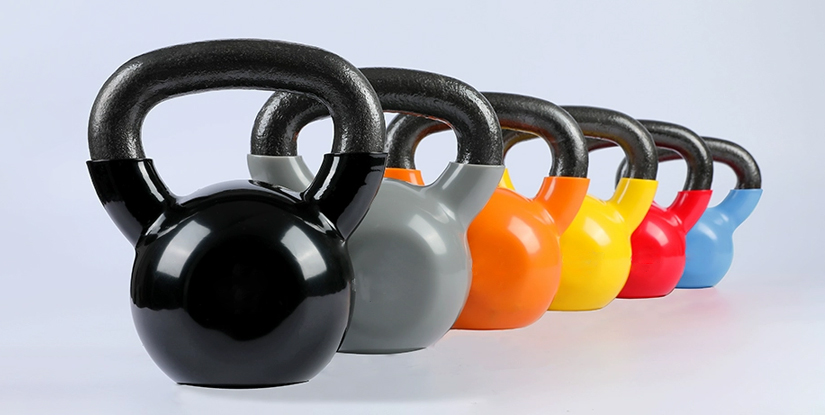
For large-scale procurement, container loading optimization is the most effective way to lower the landed cost. We provide detailed packing lists and weight distribution plans to ensure every cubic meter of a 20ft or 40ft container is utilized effectively. By coordinating the weight of various kettlebell øvelser sets, we prevent uneven load shifts during transit. Our strict QC protocols include a pre-shipment inspection of both the product integrity and the structural stability of the export pallets, ensuring your bulk order meets international shipping safety standards before leaving the warehouse.
Logistics Efficiency and Cost-per-Unit Comparison
Understanding the financial impact of logistics is essential for professional importers. Choosing between standard small-batch shipping and optimized bulk export can drastically alter your procurement budget. The following table illustrates how a professional gym equipment manufacturer approaches volume efficiency to protect your margins.
| Logistics Metric | Standard Small-Batch Shipping | Optimized B2B Bulk Export |
|---|---|---|
| Container Utilization | High volumetric waste; low density | Maximum weight-to-volume density |
| Packaging Standard | Standard retail-grade cartons | Reinforced heavy-duty export packaging |
| Risk of Transit Damage | Moderate due to loose stacking | Minimal due to secured palletization |
| Relative Landed Cost | Higher per-unit freight expense | Lowest possible per-unit cost |
| Loading Strategy | Mixed SKU loose loading | Strategically weighted kettlebell øvelser sets |
For distributors, the ability to secure a predictable kettlebell øvelser inventory at a low landed cost depends on these technical efficiencies. We recommend requesting a detailed loading plan and weight distribution specification during your initial sourcing phase to ensure your container capacity is fully utilized before final payment approval.
Scaling Your Product Line via Direct Sourcing and MOQ Management
Optimizing your inventory starts with securing a reliable commercial kettlebell supply that aligns with your specific market demands. When distributors transition from local purchasing to direct factory sourcing, they gain control over the entire value chain, from material selection to final container loading. This shift is essential for those managing high-volume kettlebell øvelser imports where consistency determines long-term client retention.
The primary challenge for many importers is the fluctuating landed cost caused by intermediary markups and inefficient logistics. By working directly with a China factory, professional buyers can bypass the hidden costs of trading companies and establish a predictable distributor margin. Managing these variables requires a clear understanding of how MOQ levels and production cycles impact your capital turnover and warehouse efficiency.
Strategic Sourcing: Factory-Direct vs. Traditional Trading Models
Choosing the right procurement path determines your ability to scale. While trading companies offer simplicity, they often lack the technical depth required for high-spec wholesale fitness equipment. A direct manufacturer provides the transparency needed for rigorous quality control and custom branding initiatives.
| Procurement Dimension | Factory-Direct Model | Traditional Trading Model |
|---|---|---|
| Cost Structure | Optimized for high-volume wholesale | Includes multiple intermediary markups |
| Customization | Full OEM and ODM capabilities | Limited to existing stock availability |
| Quality Oversight | Direct access to factory QC processes | Dependent on third-party inspections |
| Supply Chain Control | Direct control over MOQ and lead times | Indirect influence on production schedules |
| Landed Cost | Minimized through direct shipping coordination | Higher due to layered service fees |
Understanding these structural differences is critical for long-term scaling. A professional gym equipment manufacturer does not just sell a product; they provide a foundational component for your brand identity. When you leverage OEM or ODM services, you are investing in the ability to differentiate your catalog through custom weight increments, unique handle ergonomics, or specific color palettes that match your client's aesthetic requirements.
Beyond product design, operational efficiency relies heavily on the precision of the QC protocols and the reliability of the lead time. For distributors managing large-scale gym deployments, a delay in a single shipment can disrupt an entire project timeline. This is why vetting a supplier based on their ability to manage complex export packaging and container loading optimization is just as important as the product specification itself. Ensuring your shipment arrives with minimal damage and maximized volume efficiency directly impacts your bottom-line profitability.
To move forward with your procurement strategy, we recommend requesting a detailed specification sheet for your current kettlebell øvelser requirements. Our team can provide a formal quote based on your target MOQ, discuss potential customization options for your private label, and facilitate a factory audit or sample approval process to ensure all technical standards meet your commercial expectations.
Professional procurement requires more than just selecting a product; it requires securing a robust logistics framework. When managing large-scale bulk orders, the difference between a profitable quarter and a logistical bottleneck often lies in the precision of the shipping strategy. High-density items like kettlebell øvelser demand specialized handling to ensure that container volume is maximized without compromising structural integrity during long-haul transit.
Effective logistics management involves optimizing every cubic meter of a shipping container. For distributors, this means working with a factory that understands the relationship between weight distribution and shipping efficiency. Using specialized export-grade packaging—such as reinforced heavy-duty cartons and standardized palletization—prevents product shifting and reduces the risk of surface damage. This attention to detail is a critical component of warehouse optimization, ensuring that your inventory arrives ready for immediate distribution or retail display with minimal unboxing overhead.
By prioritizing a supplier that integrates high-standard packaging into their standard export protocols, you mitigate the risk of damaged goods and high return rates. This structural reliability allows you to maintain a lean inventory model while ensuring that your wholesale shipments reach their destination with the highest possible volume-to-weight efficiency, ultimately protecting your margins and your reputation in the commercial fitness market.