Cable Machine Commercial: China Factory OEM ODM Supply
Optimizing Floor Layouts with a cable machine commercial Solution
When professional buyers evaluate a cable machine commercial unit, the decision hinges on three critical checkpoints: technical specification compliance, long-term durability under high-traffic loads, and the logistical efficiency of the import process. A single poorly dimensioned unit can disrupt a gym's entire flow, leading to wasted square footage and reduced member satisfaction. To mitigate these risks, procurement leads must prioritize a space-efficient design that offers high versatility without an excessive footprint. Sourcing directly from a China factory allows distributors to secure high-performance equipment that maximizes the utility of every square meter in a facility.
Maximizing the return on investment for a commercial facility requires balancing equipment versatility with floor density. A high-quality commercial cable station serves as a multi-functional centerpiece, capable of replacing several single-function machines. For distributors and gym owners, this means a higher density of training options per square foot. By leveraging professional wholesale strength training equipment, operators can provide a diverse range of functional movements—from cable crossovers to lateral raises—within a compact area, significantly increasing the revenue-generating potential of the available floor space.
Footprint Comparison and Configuration Selection
Selecting the correct configuration is a strategic procurement decision that directly impacts a facility's revenue per square foot. For importers and distributors, understanding the trade-off between specialized single-station units and high-density multi-functional systems is essential for accurate floor planning. A well-chosen commercial cable station can either serve as a compact corner solution or a high-capacity training hub, depending on your client's specific space constraints and budget.
The following table compares common configurations to assist in your sourcing strategy, focusing on how different models impact floor density and utility. This comparison helps procurement leads determine whether to prioritize a high volume of smaller units or a few high-performance, multi-functional systems.
| Configuration Type | Typical Footprint | Functionality Density | Best Sourcing Use Case |
|---|---|---|---|
| Single Functional Station | Compact / Low | Single Movement Focus | Boutique Studios or Small Home Gyms |
| Dual-Function Station | Medium | Two Integrated Movements | Mid-sized Commercial Gyms |
| Multi-Functional Station | Variable / High | Comprehensive Full-Body Training | Large-scale Fitness Centers and Clubs |
| Integrated Functional Trainer | High Density | Maximum Versatility per Sq Ft | High-traffic Professional Facilities |
When planning a large-scale deployment, we recommend evaluating the total weight coverage efficiency of your order. A single, robust gym equipment manufacturer can provide customized dimensions to fit specific architectural layouts. Before finalizing your bulk order, we suggest requesting a detailed technical specification sheet to confirm that the footprint and clearance requirements align perfectly with your intended floor plan. This ensures a seamless installation process and maximizes the long-term value of your investment.
Strategic procurement for large-scale facilities requires more than just selecting a model; it involves precise coordination between architectural constraints and equipment dimensions. For distributors and project managers, the ability to secure custom dimensions through an experienced gym equipment manufacturer is a significant competitive advantage. Whether you are outfitting a boutique studio with limited square footage or a massive multi-level fitness club, the ability to adjust the height, width, or depth of a cable machine commercial unit ensures that the installation integrates seamlessly into the existing floor plan without creating bottlenecks.
Beyond physical dimensions, professional buyers must account for the total landed cost and long-term operational efficiency. Sourcing via OEM or ODM pathways allows you to move beyond standard stock items and instead procure equipment tailored to your specific market's spatial needs. This level of customization helps optimize the density of the training area, ensuring that the high versatility of a commercial cable station is matched by a footprint that respects the facility's flow and safety clearances. We recommend consulting with your supplier during the initial sourcing phase to align technical drawings with your facility's structural blueprint, thereby reducing the risk of costly on-site modifications or installation delays.
Maximizing Versatility via Commercial Cable Station Configurations
Optimizing floor layout efficiency requires a strategic approach to equipment selection. When sourcing a cable machine commercial solution, distributors and gym owners must evaluate how different structural footprints impact the total usable area of a facility. A well-designed commercial cable station serves as a multi-functional anchor, offering diverse movement patterns within a controlled radius, which is essential for maximizing high-traffic zones in boutique studios or large-scale fitness centers.
From a procurement perspective, the configuration of these units directly affects the long-term durability and maintenance load of the facility. High-density training environments demand hardware that maintains structural integrity under constant tension. By working directly with a gym equipment manufacturer, buyers can specify reinforced steel gauges and high-grade pulley systems that ensure durability during high-traffic usage. This focus on build quality reduces the total cost of ownership and minimizes downtime caused by component wear.
For importers looking to scale their product lines, selecting wholesale strength training equipment with modular or compact designs allows for better warehouse management and more flexible installation options for end-users. Whether you are sourcing through a China factory for customized dimensions or standard stock units, prioritizing space-efficiency ensures your clients can accommodate more high-value training stations within their existing square footage, ultimately driving better ROI for their facility.
Configuration Comparison for Strategic Floor Planning
Selecting the right configuration is a critical decision for facility planners and distributors. The following comparison outlines how different structural designs impact space utilization and functional output. For professional buyers, choosing between these models involves balancing the footprint against the versatility required by the end-user's training programs.
| Configuration Type | Typical Footprint | Functional Versatility | Sourcing & Customization Advantage |
|---|---|---|---|
| Functional Trainer | Moderate/Compact | High (Multi-angle movements) | Excellent for OEM branding and specialized accessory kits |
| Dual Adjustable Pulley | Small/Linear | Moderate (Vertical focus) | Ideal for high-volume wholesale orders of standard units |
| Multi-Station System | Large/Expansive | Maximum (Integrated training) | Best for complex ODM projects with custom structural requirements |
When evaluating these options, procurement specialists should consider the total landed cost alongside the space-saving benefits. A compact configuration might offer a lower initial price point, but a multi-station setup often provides higher long-term value by consolidating multiple training functions into a single footprint. Depending on your MOQ requirements, a factory can often adjust the base dimensions or weight stack capacities to better suit specific regional market demands.
To ensure your facility or client project meets specific spatial constraints, we recommend requesting a detailed technical spec sheet. Our team can provide exact dimensions, weight stack height requirements, and clearance zones to assist in your professional layout planning. Contact us to confirm current lead times for bulk shipments or to discuss custom configuration possibilities.
For distributors and large-scale facility planners, the decision to implement a cable machine commercial system involves more than just choosing a machine; it is a strategic move to optimize long-term capital expenditure. When you coordinate with a professional gym equipment manufacturer, you gain the ability to align equipment dimensions with specific floor-plan constraints, ensuring that high-performance training areas do not become bottlenecks in high-traffic environments. This level of precision in the early stages of procurement helps mitigate the risk of underutilized square footage and maximizes the revenue-generating potential of every meter of the gym floor.
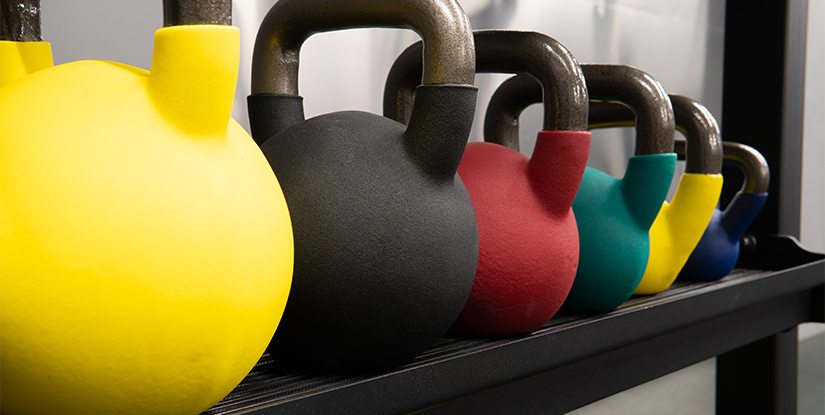
Beyond the physical footprint, the ability to customize components is a significant advantage when sourcing through a China factory. For instance, professional buyers can request variations in weight stack increments, cable length, or attachment variety to better suit local market preferences. This flexibility allows a supplier to provide solutions that are specifically tailored to boutique studios or high-end residential clubs, where space-efficiency and aesthetic integration are paramount. By selecting wholesale strength training equipment that offers modularity, you ensure that your inventory remains versatile and capable of meeting diverse client needs without requiring constant SKU turnover.
To finalize your procurement strategy, we suggest moving beyond basic dimensions to evaluate the total operational impact of your order. Please reach out to our team to request a formal quote, confirm the current MOQ for customized builds, or discuss how our ODM capabilities can support your private label branding goals. We are available to provide detailed technical drawings and shipping logistics data to help you calculate an accurate landed cost for your next bulk shipment.
Strategic Sourcing: Selecting a Reliable Gym Equipment Manufacturer
Procuring a cable machine commercial unit requires more than comparing basic specifications; it demands a rigorous evaluation of long-term operational expenditure. For distributors and large-scale facility operators, the cost of a single substandard unit extends beyond the initial purchase to include increased maintenance downtime and diminished user satisfaction. To secure a high return on investment, professional buyers must prioritize a gym equipment manufacturer that adheres to strict commercial gym equipment standards, ensuring that every component can withstand the rigors of continuous, high-volume use.
Selecting the wrong supplier often leads to significant procurement risks, such as premature cable fraying, pulley misalignment, or frame instability. These issues create hidden costs in the form of frequent replacement parts and labor-intensive repairs. By sourcing directly from a China factory, importers can mitigate these risks through direct oversight of the production process, ensuring that the high-traffic durability required for modern fitness centers is built into the core architecture of the machine.
Optimizing the total cost of ownership (TCO) involves analyzing the balance between initial capital expenditure and long-term reliability. Below is a comparison of common procurement models to assist in your sourcing strategy.
| Procurement Model | Initial Capital Outlay | Maintenance Frequency | Customization Potential | Long-term ROI Profile |
|---|---|---|---|---|
| Local Retailer/Trader | High | Standard | Low | Lower due to markup |
| Wholesale Distribution | Medium | Low | Moderate | Stable/Predictable |
| Factory-Direct (OEM) | Optimized | Minimal | High | Maximum/Highest |
When evaluating a commercial cable station, professional buyers should request detailed technical documentation and material certifications. A transparent factory will provide clear data on steel gauge, pulley bearing types, and cable tensile strength. Establishing a relationship with a supplier capable of handling OEM or ODM requests allows your business to differentiate its product line while maintaining a competitive landed cost and superior build quality.
For distributors and large-scale importers, the distinction between a trading company and a direct China factory often determines the ultimate profitability of a product line. While trading companies offer convenience, they frequently introduce multiple layers of markup and lack direct control over the production line. In contrast, sourcing a cable machine commercial unit directly from the source allows for greater transparency in the manufacturing process and a more competitive landed cost.
A direct manufacturing relationship provides the necessary leverage to manage complex requirements such as custom branding and specific component upgrades. Whether you are looking to expand your existing catalog or launch a new private label line, working with a professional gym equipment manufacturer ensures that your specific engineering tolerances and aesthetic preferences are met without the communication lag often found in third-party brokerage models.
Direct Sourcing Comparison: Factory vs. Trading Company
| Feature/Metric | Trading Company Model | Direct Wholesale Factory Model |
|---|---|---|
| Average Margin for Importer | Lower (due to multi-tier markups) | Higher (direct-from-source pricing) |
| OEM & ODM Flexibility | Limited to existing stock/catalog | High (custom specifications/branding) |
| Quality Control Oversight | Indirect/Third-party dependent | Direct (on-site pre-shipment inspection) |
| Typical MOQ Requirements | Variable (often lower, but higher unit cost) | Structured (volume-based optimization) |
| Supply Chain Control | Limited visibility into production | Full control over material & lead time |
To ensure the highest level of quality assurance, we recommend that all procurement professionals conduct a formal factory audit or request a pre-shipment inspection before final payment. When ordering a commercial cable station in bulk, confirming the specific MOQ for custom colorways or branded weight stacks is essential for accurate inventory planning. Contact our team to request a detailed spec sheet, discuss bulk pricing tiers, or initiate a sample evaluation for your next project.
To ensure the highest level of quality assurance, we recommend that all procurement professionals conduct a formal factory audit or request a pre-shipment inspection before final payment. When ordering a commercial cable station in bulk, confirming the specific MOQ for custom colorways or branded weight stacks is essential for accurate inventory planning. Contact our team to request a detailed spec sheet, discuss bulk pricing tiers, or initiate a sample evaluation for your next project.
Customization Capabilities: OEM and ODM for Private Labeling
Distributors and large-scale gym developers often face the challenge of generic product lines that fail to differentiate their market presence. When sourcing a cable machine commercial grade unit, the ability to control technical specifications and aesthetic direction is critical for long-term brand equity. Choosing between OEM and ODM services allows professional buyers to balance speed-to-market with deep structural customization.
For importers looking to establish a high-end private label, working with a China factory that offers advanced ODM capabilities is essential. This route allows you to design unique movement profiles or proprietary weight stack configurations that set your catalog apart. Conversely, if your goal is to scale a proven design with minor adjustments to colors or branding, OEM production provides a more streamlined sourcing path with optimized landed cost structures.
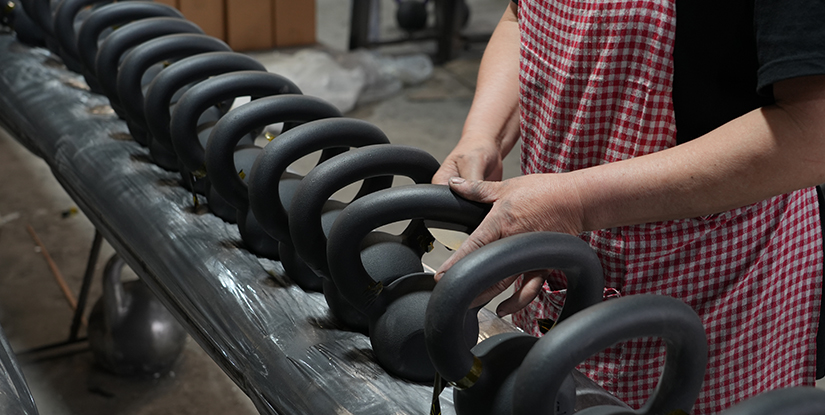
Strategic Differences in Manufacturing Models
Understanding these two paths helps procurement leads decide where to allocate R&D budgets versus inventory investment. A gym equipment manufacturer can provide varying levels of support depending on your technical requirements and wholesale volume.
| Feature | OEM (Original Equipment Manufacturing) | ODM (Original Design Manufacturing) |
|---|---|---|
| Design Ownership | Uses manufacturer's existing blueprints | Customized or entirely new engineering |
| Brand Identity | Logo and color application on standard units | Full integration of unique brand aesthetics |
| Technical Specs | Standardized components and dimensions | Customizable weight stacks and cable paths |
| Development Speed | Faster; ready for immediate wholesale | Longer; requires prototyping and testing |
| Typical MOQ | Lower; based on standard production runs | Higher; due to specialized tooling needs |
Whether you require a standard commercial cable station for rapid distribution or a bespoke strength training solution, aligning your choice with your brand identity ensures your product line remains competitive. We recommend requesting a detailed spec sheet and confirming the MOQ for any custom ODM requests to ensure your project timeline aligns with your market launch.
| Dimension | OEM Service Model | ODM Service Model |
|---|---|---|
| Customization Level | Moderate; focuses on branding and color | High; focuses on structural engineering |
| Design Ownership | Manufacturer holds the intellectual property | Buyer can co-develop or own specific features |
| Manufacturing Complexity | Lower; utilizes existing production lines | Higher; requires new tooling and prototyping |
| Sourcing Speed | Rapid; optimized for high-volume wholesale | Extended; involves R&D and testing phases |
| Ideal For | Distributors scaling existing product lines | Brands developing proprietary equipment |
When evaluating a commercial cable station for your catalog, consider how much technical control your market position requires. A high-tier gym equipment manufacturer can adjust material thickness or weight stack increments under an ODM agreement, whereas OEM is the most efficient way to manage landed cost for standard high-performance units. We suggest requesting a formal quote and a sample approval process to verify that the factory's output meets your specific commercial durability standards before committing to a full container load.
Managing international procurement requires more than just selecting a high-performance cable machine commercial unit; it requires a predictable supply chain. For distributors and large-scale gym developers, the risks of delayed shipments or inconsistent build quality can directly erode profit margins and damage client trust. A professional gym equipment manufacturer must provide transparency regarding production cycles to ensure your inventory levels align with market demand and seasonal peaks.
The complexity of manufacturing a commercial cable station involves precision engineering of pulleys, cables, and weight stacks. Because these components are subject to high mechanical stress, a rigorous QC (Quality Control) protocol is non-negotiable. Reliable partners implement multi-stage inspections—from raw material testing to pre-shipment audits—to mitigate the risk of receiving defective units that incur high replacement costs and downtime for your end-users.
Procurement Logistics and Production Variables
Effective sourcing strategies rely on understanding how customization and volume impact your total landed cost. While standard units offer faster turnaround, specialized orders require more extensive planning. Below is a typical breakdown of how production variables influence your procurement timeline.
| Order Type | Estimated lead time | Primary Focus | Inventory Impact |
|---|---|---|---|
| Standard Stock/OEM | 4–6 Weeks | Speed and High Volume | Low risk of delay |
| Customized ODM | 12–16 Weeks | Unique Specs/Branding | Requires advanced planning |
| Bulk Container Load | 8–10 Weeks | Cost Optimization | Optimized for wholesale |
When negotiating a bulk order, it is vital to clarify the MOQ for both standard and customized configurations. Higher volumes typically allow for better economies of scale, reducing the unit price and optimizing your shipping efficiency per cubic meter. We recommend that buyers request a detailed production schedule and a formal factory audit to ensure the facility meets international commercial-grade standards before finalizing any large-scale purchase agreement.
Quality Assurance and Export Standards for Bulk Orders
Reliable procurement of a cable machine commercial unit requires more than just selecting a design; it demands rigorous oversight of the entire production chain. For distributors and gym owners sourcing from a China factory, the risk of receiving damaged components or non-compliant hardware can significantly increase landed costs and disrupt project timelines.
A professional gym equipment manufacturer must implement a multi-stage quality control (QC) protocol to ensure every commercial cable station meets international safety and durability standards. Without strict factory-direct oversight, high-volume orders are susceptible to mechanical failures or shipping damage, which compromises the long-term ROI of your strength training facility.
Standardized Inspection and Export Protocols
To mitigate risks during wholesale strength training equipment procurement, we prioritize standardized pre-shipment inspection and robust international shipping standards. Every unit undergoes mechanical stress testing to confirm the structural integrity of the frame and the smooth movement of the pulley systems, ensuring commercial grade performance under heavy usage.
Effective sourcing strategies must account for the complexities of long-distance logistics. We utilize reinforced export packaging designed to withstand containerized sea freight, protecting the precision components of your cable machine commercial order from moisture and impact. This focus on protection ensures that your bulk shipment arrives at the destination ready for immediate installation and deployment.
Logistics Optimization and Packaging Specifications
Managing the landed cost of a cable machine commercial order requires a deep understanding of how container loading and palletization impact your bottom line. For large-scale importers, shipping air is a wasted expense; therefore, our logistics team focuses on high-density loading to maximize every cubic meter of sea freight space. We provide detailed packing lists and volumetric data early in the procurement process to assist distributors in calculating accurate freight costs and warehouse requirements.
To prevent transit damage during long-haul international transport, we implement specialized export packaging for every commercial cable station. This includes heavy-duty corrugated boxes, reinforced corner protectors, and customized foam inserts for precision parts. For high-volume orders of wholesale strength training equipment, we offer various shipping configurations to suit your specific inventory management needs.
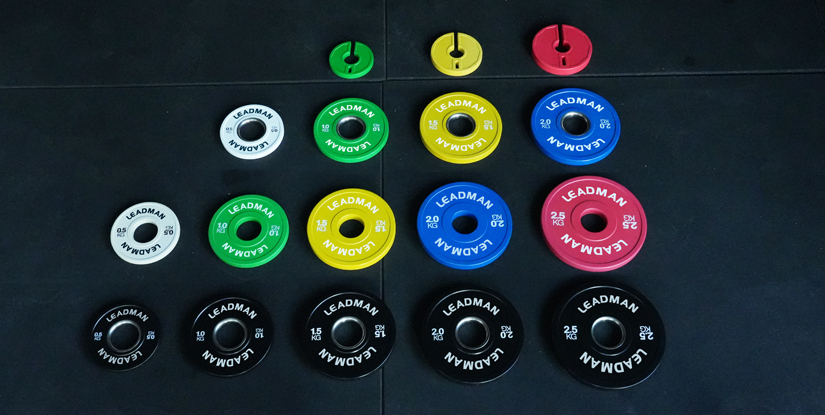
| Shipping Configuration | Best Use Case | Primary Benefit | Packaging Standard |
|---|---|---|---|
| Standard Palletization | Regular replenishment orders | Fast unloading and warehouse stability | Reinforced wooden or plastic pallets |
| SKD (Semi-Knocked Down) | Maximizing container volume | Reduced sea freight costs per unit | High-density nested component boxing |
| CKD (Completely Knocked Down) | Large-scale facility rollouts | Lowest landed cost for bulk imports | Heavy-duty industrial export cartons |
| Custom Crating | High-end or oversized units | Maximum protection against impact | Solid wood reinforced export crates |
Transparency in the supply chain is essential for successful sourcing. We provide comprehensive shipping documentation, including commercial invoices, packing lists, and certificates of origin, to ensure smooth customs clearance in your local market. By coordinating the lead time and container loading optimization with your warehouse team, we help you maintain a lean, efficient inventory flow without the risk of unexpected delays or damaged arrivals.
Global Logistics and Custom Branding Integration
For distributors looking to scale, the value of a cable machine commercial order is heavily influenced by the ability to integrate unique brand identities into the supply chain. We offer comprehensive OEM and ODM services that allow you to transition from a general importer to a specialized brand owner. This includes custom color schemes, logo placement on weight stacks or frames, and specialized instructional decals that align with your specific brand identity.
Beyond physical product customization, our China factory manages the entire complexity of international logistics coordination. We understand that for a professional gym equipment manufacturer, the job is not finished when the product leaves the assembly line. We provide end-to-end support, from managing the port of departure to ensuring the final container reaches your local distribution center with minimal friction. Whether you are managing a single high-value shipment or complex wholesale distributions across multiple regions, our processes are designed to protect your margins and your reputation.
To ensure your procurement strategy remains agile, we recommend contacting us to request a detailed specification sheet, confirm current MOQ levels for your custom branding projects, or schedule a virtual factory audit. Our team is ready to assist with bulk pricing inquiries and detailed logistics planning to optimize your total landed cost.
Streamlining Procurement: MOQ and Lead Time Management
Efficiently managing a cable machine commercial procurement cycle requires a clear understanding of how order volumes impact your total landed cost. For distributors and large-scale gym developers, sourcing directly from a China factory allows for significant economies of scale that are often unavailable through local trading companies or smaller-scale importers.
When scaling a fitness facility or replenishing inventory, the relationship between MOQ and production scheduling is critical. A higher wholesale volume typically reduces the per-unit cost and can optimize shipping container utilization, which is essential for minimizing freight expenses. However, professional buyers must balance these cost savings against the required lead time to ensure equipment arrives in alignment with facility opening dates or seasonal demand shifts.
Working with an experienced gym equipment manufacturer ensures that production timelines are predictable. Whether you are ordering a standard commercial cable station or a custom-configured unit, understanding the tiered pricing structures and production windows allows for better capital expenditure planning and more reliable project management.
| Sourcing Model | Typical MOQ | Lead Time Impact | Primary Advantage |
|---|---|---|---|
| Standard Stock Order | Low | Shortest | Rapid deployment for immediate needs |
| Custom OEM Production | Medium to High | Extended | Enhanced brand identity and specific specs |
| Wholesale Bulk Import | High | Variable | Lowest per-unit landed cost |
Choosing between rapid replenishment and high-margin customization depends entirely on your business model. For many distributors, the decision to utilize ODM services versus standard stock orders is a strategic choice between speed-to-market and long-term brand differentiation. While stock units offer a faster path to fulfillment, a specialized gym equipment manufacturer can provide the technical depth required to meet specific regional or high-end boutique requirements.
When planning your next procurement cycle, we recommend reviewing technical specifications and requesting a formal quote early. To ensure your project remains on schedule, please contact our sales team to confirm current MOQ levels, verify production windows, or discuss your requirements for private label branding. We are available to assist with factory audits, sample approval processes, and detailed shipping logistics to streamline your global sourcing operations.
Ensuring Reliability Through Rigorous QC and Export Standards
The primary risk in long-distance sourcing is the discrepancy between factory specifications and the physical product arriving at your facility. To mitigate this, a professional gym equipment manufacturer must implement a multi-stage quality control process. This involves testing the structural integrity of the frame, the smoothness of the pulley system, and the durability of the cable coating before any unit is cleared for shipment. For a commercial cable station, even minor deviations in weight stack movement or cable tension can lead to increased maintenance costs and decreased user satisfaction.
Beyond mechanical performance, the physical protection of the equipment during ocean freight is a critical component of the wholesale strength training equipment supply chain. High-density export packaging is non-negotiable to prevent damage from moisture, salt air, and physical impact during container loading. We ensure that every cable machine commercial unit is secured in reinforced, moisture-resistant packaging designed to withstand the rigors of international transit, ensuring the product arrives in a state ready for immediate assembly and deployment.
For distributors managing complex logistics, we offer transparent communication regarding pre-shipment inspections. You may arrange for third-party inspections or request detailed photographic evidence of the loading process to ensure your landed cost is not inflated by unexpected transit damage. By prioritizing these rigorous standards, we help you maintain high reliability and professional standards for your end clients, regardless of your geographic location.