How to Request Kettlebell Factory Quote: China Factory OEM
Essential Criteria for How to Request Kettlebell Factory Quote
For boutique studio owners or large-scale gym distributors, a vague request leads to mismatched inventory and wasted shipping costs. To ensure your how to request kettlebell factory quote process yields accurate pricing, you must define technical parameters that affect both durability and landed cost. Whether you are sourcing for a high-end fitness franchise or a regional wholesale distribution network, precision in your initial RFQ prevents costly re-orders and production delays.
Defining Technical Specifications and Material Standards
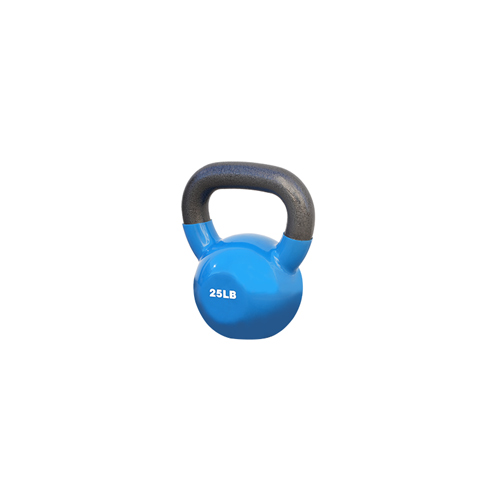
A professional wholesale kettlebell manufacturer requires specific data to provide a firm quote. You must specify the core material, as the choice between cast iron and rubber-coated finishes significantly impacts the unit weight and surface durability. For high-traffic commercial environments, rubber-coated options offer better floor protection, while traditional cast iron remains a standard for strength training facilities. Clearly state your required weight increments—such as 2kg intervals—to ensure the China factory can meet your specific SKU requirements.
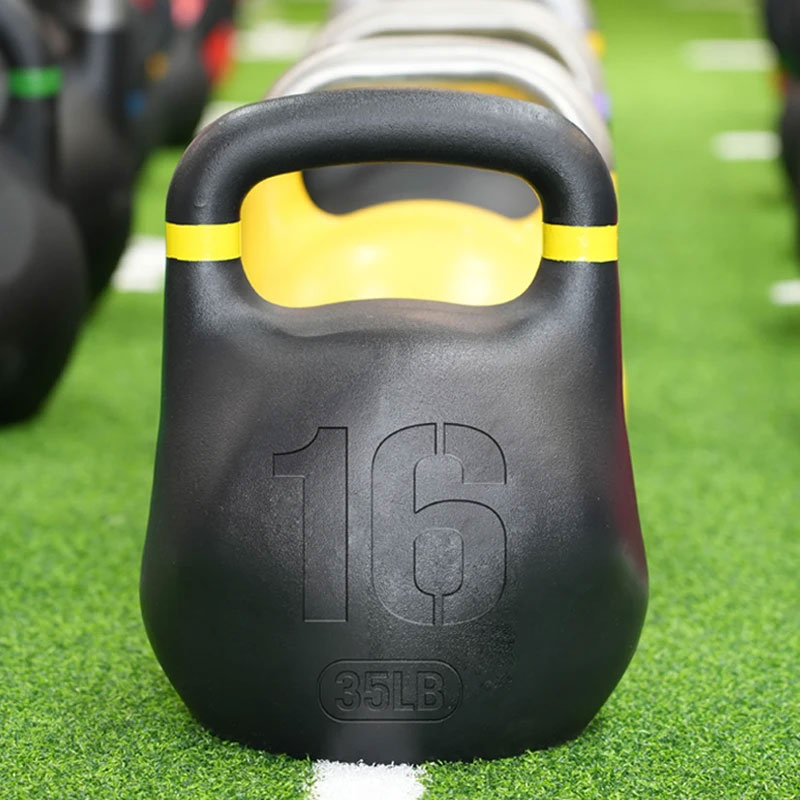
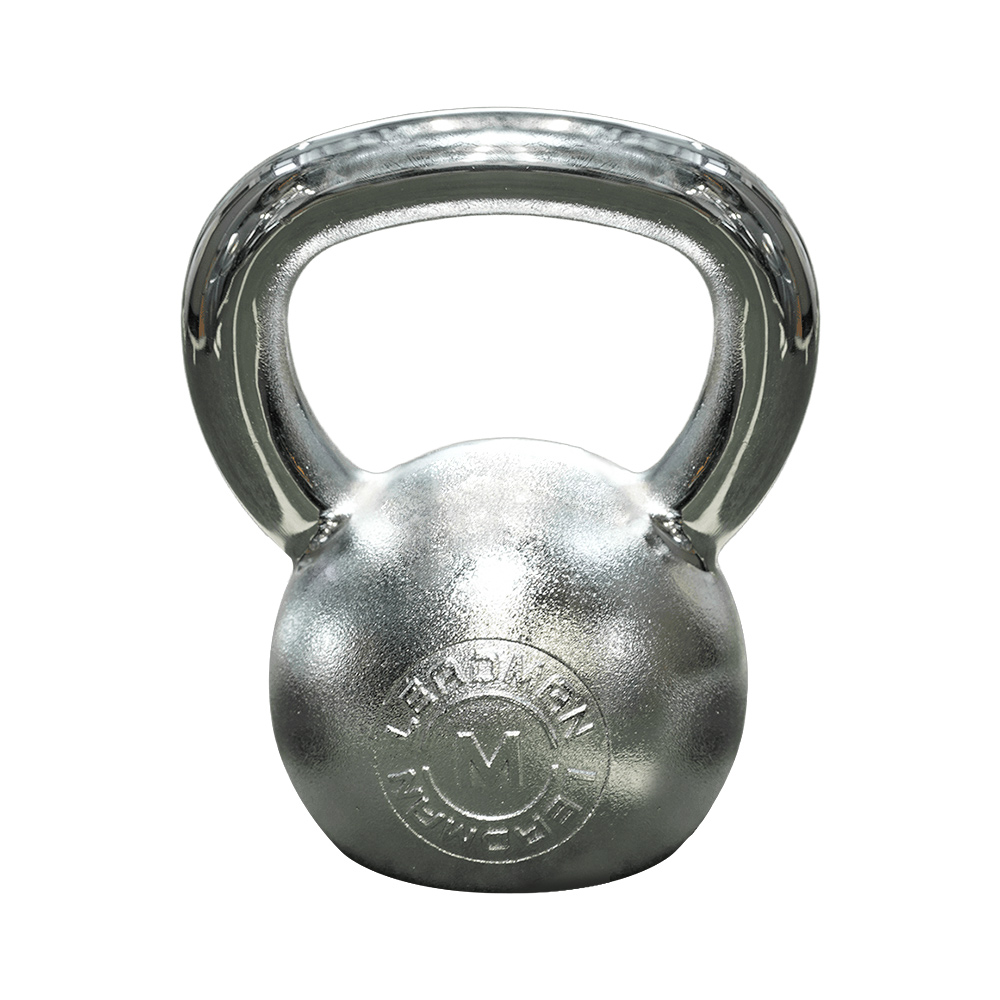
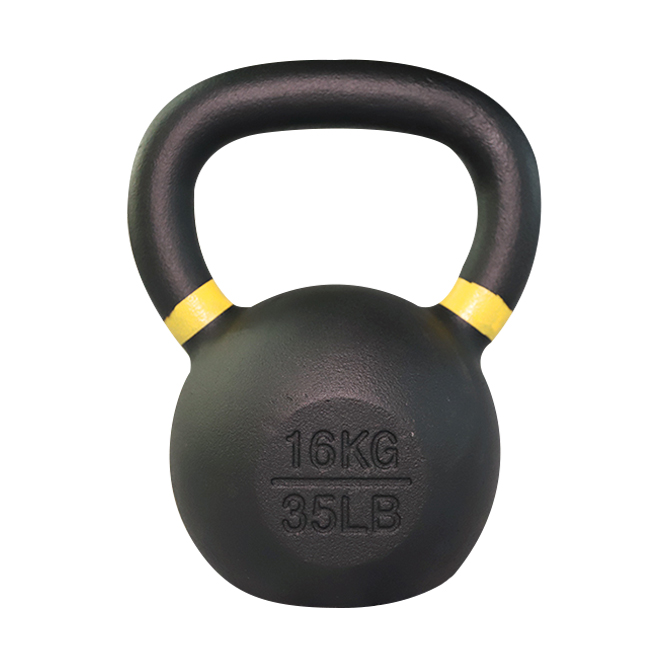
Beyond the core, detail the handle/grip texture and any commercial kettlebell OEM branding needs. Specify if you require a powder-coated finish for color customization or a specific knurling pattern on the handle for grip consistency. For bulk kettlebell sourcing, clearly outline your OEM or ODM requirements, including logo placement methods (such as sand casting or silk screening) and any custom color codes, to ensure the final product aligns with your brand identity and professional standards.
Comparing Procurement Models: Standard vs. Custom
Understanding the difference between purchasing existing stock and initiating a custom production run is vital for managing your capital expenditure and lead time. When you learn how to request kettlebell factory quote details, you must distinguish between rapid replenishment and long-term brand building. A standard order typically relies on the manufacturer's existing molds, whereas a custom project allows for complete control over the product's physical and visual identity.
| Dimension | Standard Wholesale Model | Custom OEM Model |
|---|---|---|
| Minimum Order Quantity (MOQ) | Lower; often based on existing carton increments | Higher; typically requires full container or pallet-level volume |
| Customization Depth | Limited to standard colors or basic logo application | High; includes custom molds, textures, and color codes |
| Production Lead Time | Short; subject to current factory stock availability | Longer; includes time for tooling, sampling, and mass production |
| Brand Identity Control | Standardized product appearance | Full control over unique brand aesthetics and specs |
| Cost Structure | Predictable unit pricing for rapid turnover | Variable based on specialized tooling and custom materials |
Choosing the right model depends on your current inventory strategy and growth stage. For distributors needing quick stock replenishment to fill immediate gaps, the standard model offers the fastest route to market. However, for established brands looking to differentiate their product line through unique weight increments or proprietary grip textures, the custom route provides the necessary competitive edge. Always confirm the specific requirements for each model during your initial inquiry to avoid unexpected costs in your landed cost calculations.
Logistics, Quality Control, and Total Landed Cost
The final stage of how to request kettlebell factory quote efficiency involves moving beyond unit price to account for the total landed cost. Professional importers must define shipping terms—typically FOB or CIF—to understand exactly when the risk and cost transfer from the factory to the buyer. For large-scale bulk kettlebell sourcing, failing to specify export-grade packaging can result in damaged inventory or inefficient container utilization, directly impacting your distributor margins.
To protect your investment, your RFQ must mandate specific QC inspection points. Request documentation for pre-shipment inspections that verify weight tolerances, handle durability, and coating adhesion. A reliable supplier will provide clear protocols for weight verification to ensure every unit meets the specified commercial grade. By integrating these logistics and quality parameters into your initial inquiry, you mitigate the risk of receiving sub-standard batches and ensure your wholesale order arrives ready for immediate commercial distribution.
Technical Specifications for Commercial-Grade Kettlebell Sourcing
Understanding the technical requirements is the first step in how to request kettlebell factory quote details that protect your long-term investment. For distributors and gym operators, sourcing high-quality units from a China factory requires more than just comparing prices; it requires a deep dive into material integrity and manufacturing precision to minimize replacement costs and maintenance overhead.
When managing bulk kettlebell sourcing, the discrepancy between a standard consumer model and a professional-grade unit often lies in the internal density and external coating. A failure to specify these parameters can lead to uneven weight distribution or premature surface degradation, directly impacting your total cost of ownership and brand reputation.
Critical Engineering Parameters for Professional Rfqs
To ensure your wholesale kettlebell manufacturer delivers products capable of high-frequency commercial use, your request for quotation must include specific tolerances for material composition, handle ergonomics, and coating durability. Relying on generic descriptions often results in receiving sub-standard units that do not meet the rigorous demands of a high-traffic training facility.
| Specification Category | Cast Iron (Standard Commercial) | Steel/Powder Coated (Premium) | Vinyl/Neoprene (Light/Studio) |
|---|---|---|---|
| Primary Use Case | High-intensity strength training | Cross-training and functional fitness | Studio classes and light movement |
| Durability Level | High impact resistance | Excellent impact and abrasion resistance | Moderate; prone to tearing |
| Weight Tolerance | Strict +/- 1-3% requirement | Strict +/- 1-3% requirement | Variable; higher tolerance allowed |
| Handle Ergonomics | Smooth, cast-in surface | Precision-molded or textured steel | Soft-touch grip texture |
A professional commercial kettlebell OEM process should always prioritize precise weight tolerances. For large-scale distribution, even a slight deviation in mass across a full set can lead to significant logistical issues and customer dissatisfaction. Ensure your sourcing document explicitly requests a weight accuracy standard to maintain consistency across your entire inventory.
To minimize communication errors during the procurement cycle, use the following technical template. This structured approach ensures that your how to request kettlebell factory quote inquiry provides the exact engineering benchmarks required for commercial-grade durability and professional certification.
Technical Specification Template for Rfqs
| Specification Category | Requirement Detail | Commercial Importance |
|---|---|---|
| Material Grade | High-density cast iron or solid steel core | Ensures impact resistance and long-term structural integrity in high-traffic gyms |
| Surface Finish | Industrial powder coating or high-grade urethane | Prevents rust, resists abrasion, and maintains aesthetic quality under heavy use |
| Handle Grip Texture | Precision-molded ergonomic or textured steel | Reduces slip risk and improves user safety during high-intensity training |
| Weight Tolerance | Strict +/- 1-3% mass deviation | Guarantees consistency across sets, essential for professional training standards |
| Base Stability | Smooth or reinforced bottom surface | Protects flooring and prevents unwanted movement during ground-based exercises |
Utilizing this level of detail when contacting a OEM ODM partner allows you to verify if the MOQ aligns with your specific quality requirements. By defining these parameters upfront, you reduce the risk of receiving non-compliant inventory and can more accurately calculate your landed cost and potential distributor margins.
Utilizing this level of detail when contacting an OEM ODM partner allows you to verify if the MOQ aligns with your specific quality requirements. By defining these parameters upfront, you reduce the risk of receiving non-compliant inventory and can more accurately calculate your landed cost and potential distributor margins.
Optimizing Your Bulk Order with OEM and Private Label Requirements
Understanding how to request kettlebell factory quote details regarding customization is essential for distributors looking to build long-term equity. When you transition from simple bulk kettlebell sourcing to a structured commercial kettlebell OEM model, you move from buying generic commodities to developing a proprietary product line. This strategic shift allows you to control your brand identity and differentiate your catalog in competitive fitness markets.
A professional China factory can accommodate various customization options to meet specific market tiers. This includes precise technical specifications such as weight tolerances, handle diameter, and material density. Beyond structural requirements, you can specify color, texture, and logo application methods—such as laser engraving or high-durability silicone casting—to ensure your private label products meet premium commercial standards. Establishing these requirements early in the sourcing process ensures that the final wholesale shipment aligns with your brand's quality expectations and reduces the risk of costly returns or market rejection.
Evaluating Sourcing Models: Wholesale vs. Customized OEM
Deciding between standard inventory and a customized production run depends on your current market position and long-term growth strategy. For many importers, the transition from basic wholesale kettlebell manufacturer orders to a specialized commercial kettlebell OEM model is a critical milestone for increasing distributor margins and establishing market authority. While stock orders offer speed, customized production allows for the precision required in high-end commercial fitness environments.
The following comparison outlines the operational differences between these two procurement paths to help you refine how to request kettlebell factory quote documentation for your next shipment. Each model carries different implications for your initial capital expenditure and your ability to scale a proprietary product line.
| Procurement Dimension | Standard Wholesale Order | Customized OEM/ODM Order |
|---|---|---|
| Customization Depth | Standardized colors and logos only | Full control over weight, texture, and color |
| MOQ Requirements | Lower; based on existing factory stock | Higher; based on specific production runs |
| Lead Time Impact | Short; typically ready for immediate export | Extended; includes tooling and testing phases |
| Branding Control | Limited to basic label application | Full integration of your private label identity |
| Cost Structure | Fixed unit price per standard SKU | Variable based on material and custom tooling |
When conducting bulk kettlebell sourcing, consider that while OEM orders require a higher upfront investment and longer lead times, they significantly reduce long-term competition by allowing you to offer a unique product specification that is not readily available through generic channels. Always confirm the specific MOQ and the impact on the total landed cost before finalizing your purchase order.
Critical Logistics: Quality Control and Export Readiness
Effective bulk kettlebell sourcing requires more than just selecting a design; it demands rigorous oversight of the production lifecycle. To prevent the high cost of damaged or non-compliant goods arriving at your warehouse, you must integrate strict QC protocols into your procurement contract. A reliable supplier will provide detailed documentation of their inspection stages, ensuring that weight accuracy and coating durability meet the high-stress demands of commercial gym environments.
Before finalizing how to request kettlebell factory quote terms, clarify the requirements for sample evaluation and export packaging. Requesting a physical sample is a non-negotiable step to validate material density and handle ergonomics before committing to a full production run. Furthermore, ensure your China factory partner uses reinforced, export-grade packaging designed to withstand long-distance sea freight. This minimizes the risk of dented castings or compromised finishes during transit, protecting your distributor margins and ensuring a professional unboxing experience for your end clients.
Managing MOQ and Lead Times with a China Factory
Understanding the relationship between volume and production cycles is essential when you learn how to request kettlebell factory quote details. For professional distributors, the MOQ directly influences your initial capital expenditure and long-term inventory turnover. A wholesale kettlebell manufacturer typically sets these minimums based on the complexity of the production line, whether you are ordering standard cast iron units or specialized commercial kettlebell OEM products with specific handle coatings.
When coordinating bulk kettlebell sourcing, buyers must account for the fact that higher volumes often trigger volume-based pricing advantages but may extend the lead time due to material procurement and production scheduling. If your project involves custom branding requirements, such as laser-etched logos or unique colorways, the China factory will require a longer preparation window to ensure OEM specifications meet your brand identity standards. Effective sourcing requires balancing these MOQ thresholds against your warehouse capacity and projected landed cost to maintain healthy distributor margins.
Production cycles are often dictated by seasonal demand shifts and raw material availability. To maintain a stable supply chain, professional importers should synchronize their orders with the factory production schedule to avoid peak-season delays. A well-managed production cycle ensures that your shipment is not delayed by logistics bottlenecks or high-volume global surges. When you master how to request kettlebell factory quote parameters, you can better predict when to trigger your next replenishment cycle to ensure continuous stock availability for your clients.
Reliable shipping logistics and export packaging planning are equally critical to your total landed cost. For large-scale wholesale orders, coordinating with the supplier regarding container loading optimization can significantly reduce freight expenses per unit. Whether you are managing a single container or multiple LCL shipments, understanding these variables allows you to mitigate risks associated with supply chain instability and ensures your commercial inventory arrives ready for immediate distribution.
Order Scale and Procurement Variables
To optimize your procurement strategy, you must evaluate how different order tiers impact your logistical and financial planning. The following table illustrates the typical variations in production requirements and delivery windows depending on the scale of your engagement with a professional supplier.
| Order Category | Typical MOQ | Estimated Lead Time | Primary Focus |
|---|---|---|---|
| Sample Order | 1–5 Units | 7–14 Days | Quality verification and specification approval |
| Standard Wholesale | 100–500 Units | 30–45 Days | Inventory replenishment and stock availability |
| Large-scale OEM/ODM | 1,000+ Units | 60–90 Days | Custom branding, specialized coatings, and container optimization |
When evaluating these tiers, remember that a China factory may offer more flexible terms for recurring wholesale partners. For instance, while a commercial kettlebell OEM request for a custom colorway might increase the initial MOQ, it often results in a lower per-unit landed cost during subsequent high-volume bulk kettlebell sourcing cycles. Always confirm these variables during your initial inquiry to ensure your sourcing timeline aligns with your distribution or retail launch.
Quality Control and Pre-Shipment Inspection Protocols
When managing high-volume imports, the most significant risk to your bottom line is receiving a shipment that fails to meet commercial-grade standards. Understanding how to request kettlebell factory quote details must include a deep dive into their quality control procedures. Without rigorous testing, a wholesale order can quickly become a liability due to structural defects or uneven weight distribution.
A professional China factory specializing in commercial kettlebell OEM production should provide transparent inspection standards for every batch. For distributors, the goal is to ensure long-term durability and minimize the high cost of replacements. During your bulk kettlebell sourcing process, always verify that the supplier performs weight tolerance checks, coating adhesion tests, and handle grip integrity assessments before any container is sealed.
Pre-Shipment Inspection Checklist for Procurement Officers
To mitigate the risk of high return rates or damaged inventory, professional buyers utilize a standardized checklist during the final inspection phase. When you learn how to request kettlebell factory quote documentation, ensure it includes specific tolerance thresholds for weight and coating. A reliable wholesale kettlebell manufacturer will offer a detailed inspection report that covers the following critical technical dimensions to ensure your landed cost remains optimized and your product reputation stays intact.
| Inspection Parameter | Commercial Standard Requirement | Procurement Verification Method |
|---|---|---|
| Weight Accuracy | Strict tolerance within industry-standard limits | Random sampling with calibrated digital scales |
| Coating Integrity | Uniform thickness without peeling or bubbling | Visual inspection and adhesion testing |
| Handle Smoothness | Zero sharp edges or casting imperfections | Manual tactile check and surface profile test |
| Packaging Durability | Reinforced export-grade cartons for bulk transit | Drop test and stack strength verification |
| Branding Consistency | Alignment with your custom OEM specifications | Visual match against approved pre-production sample |
Following these protocols ensures that your bulk kettlebell sourcing yields high-performance equipment capable of withstanding rigorous commercial use. Once you have reviewed the inspection results, proceed to confirm the final MOQ and shipping volumes before authorizing the final payment and container loading.
Integrating Third-Party Audits into Your Rfq
To eliminate uncertainty in international procurement, experienced distributors often mandate a third-party audit as part of their initial inquiry. When you first learn how to request kettlebell factory quote documentation, explicitly state your requirement for an independent inspection agency to visit the facility. This step validates that the factory operates under the technical standards promised during the negotiation phase. By integrating this into your early RFQ, you establish a baseline for accountability regarding lead time and manufacturing precision.
A well-structured procurement plan also accounts for the total landed cost, which includes the expense of these professional audits and specialized export packaging. A professional supplier will provide a clear timeline that includes time for these inspections to prevent delays in your shipping schedule. For high-volume orders, coordinating a third-party inspection alongside the final production phase ensures that shipping safety and product consistency are verified before the goods leave the warehouse, protecting your distributor margins and long-term inventory reliability.
Logistics and Export Packaging for International Distribution
Understanding how to request kettlebell factory quote requirements must include specific protocols for international transit to protect your margins. For distributors and large-scale importers, the landed cost is heavily influenced by how effectively a China factory manages container volume and prevents transit damage.
Standard retail packaging is insufficient for bulk kettlebell sourcing; instead, professional wholesale kettlebell manufacturer partners utilize reinforced export packaging designed for sea freight. This includes heavy-duty corrugated boxes, customized internal dividers, and palletization to ensure stability during long-distance shipping. Proper container loading optimization is critical—efficiently stacking weight-heavy items reduces the number of containers required, directly lowering your shipping overhead and improving overall ROI for your commercial kettlebell OEM order.
To minimize the total landed cost, procurement managers must evaluate the trade-offs between packaging durability and shipping density. Choosing the wrong configuration can lead to unexpected expenses from damaged goods or inefficient use of container volume. When you learn how to request kettlebell factory quote details, always specify your preferred shipping method and packaging tier to align with your warehouse capacity and budget.
Comparison of Packaging and Shipping Methods for Bulk Orders
| Packaging Type | Shipping Method | Volume Efficiency | Best Use Case |
|---|---|---|---|
| Standard Export Box | LCL (Less than Container Load) | Moderate | Small studio replenishment or testing new SKUs |
| Reinforced Heavy-Duty Carton | LCL (Less than Container Load) | High | Distributors requiring high protection for premium units |
| Palletized & Shrink-Wrapped | FCL (Full Container Load) | Maximum | Large-scale wholesale distribution and high-volume imports |
| Customized OEM Crates | FCL (Full Container Load) | Optimized for Weight | High-end commercial kettlebell OEM projects with strict QC requirements |
For most professional importers, FCL is the most cost-effective approach for long-term bulk kettlebell sourcing. While LCL offers flexibility for smaller volumes, the higher per-unit shipping cost and increased handling risks can erode distributor margins. We recommend coordinating with your supplier to finalize a weight-to-volume ratio that maximizes container utility without exceeding safety limits. Once your packaging specifications are confirmed, you can proceed to request a formal quote to finalize your procurement timeline.
Documentation and Customs Clearance Protocols
Effective bulk kettlebell sourcing requires more than just physical product quality; it demands flawless administrative execution. To avoid costly port delays or unexpected storage fees, you must verify that your wholesale kettlebell manufacturer provides a complete documentation package. This includes a precise Bill of Lading, commercial invoice, and packing list that accurately reflect the weight and dimensions of every unit. Discrepancies between the declared weight and the actual cargo can trigger lengthy inspections, disrupting your entire distribution timeline.
When you learn how to request kettlebell factory quote details, always ask for a sample of the draft export documents. Ensure the port of loading is clearly defined and that the China factory can provide a Certificate of Origin to facilitate smoother customs clearance in your specific region. Furthermore, a rigorous QC inspection should be conducted before the final container seal is applied. Verifying that the physical goods match the technical specifications and that the export packaging is intact will significantly reduce the risk of rejected shipments and protect your long-term importer margins.
Finalizing Your Procurement and Requesting a Quote
Transitioning from product selection to a formal procurement phase requires a shift from general interest to technical precision. To effectively execute how to request kettlebell factory quote protocols, importers must move beyond basic weight requests and provide a comprehensive technical specification sheet. Without these details, a wholesale kettlebell manufacturer cannot provide an accurate landed cost or a reliable production timeline, which can lead to significant delays in your inventory replenishment cycles.
A professional RFQ (Request for Quote) must define the exact material requirements—specifying whether you require traditional cast iron or high-grade steel construction—and the exact weight increments required for your set. For instance, a distributor sourcing a full commercial range must clarify if the tolerances for weight accuracy meet industry standards for professional training environments. Providing these granular details upfront ensures that your commercial kettlebell OEM partner can align their production capacity with your brand identity and quality expectations.
When engaging in bulk kettlebell sourcing, do not rely on verbal agreements. Your documentation should explicitly state your expectations for finish, handle diameter, and packaging requirements to prevent costly errors during the China factory production run. Once your specifications are finalized, the next actionable step is to request a formal quotation that includes the MOQ, unit price tiers, and estimated lead time for export.
Strategic Selection: Stock vs. Custom Manufacturing
Before submitting your final inquiry, you must determine the most cost-effective procurement model for your business. Choosing between purchasing existing inventory and initiating a custom production run will significantly impact your initial capital expenditure and your long-term brand positioning. A professional wholesale approach requires balancing the speed of stock availability against the long-term value of proprietary design.
| Procurement Variable | Standard Stock Order | Custom OEM Order |
|---|---|---|
| Primary Goal | Rapid inventory replenishment | Brand differentiation and exclusivity |
| Custom Branding | Limited to logo placement | Full private label and color control |
| Typical MOQ | Lower volume requirements | Higher volume for production setup |
| Lead Time | Short (standard shipping time) | Extended (production plus shipping) |
| Design Control | Standardized dimensions and finishes | Full OEM technical specifications |
| Landed Cost | Predictable unit pricing | Variable based on customization complexity |
For distributors prioritizing speed and low entry barriers, standard stock orders from a reliable supplier offer the fastest way to test market demand. However, if your objective is to build a premium fitness brand with unique handle textures or specific weight increments, investing in a custom ODM process is essential. This path allows you to control every aspect of the product, ensuring your inventory meets the exact durability standards required for high-traffic commercial environments.
Actionable Checklist for Professional Procurement
To ensure a seamless transition from inquiry to shipment, follow these standardized procurement steps. Completing this checklist will minimize communication friction and ensure your bulk kettlebell sourcing project remains on schedule and within budget.
- Finalize Technical Spec Sheet: Define weight tolerances, material composition (cast iron vs. steel), and handle diameter.
- Confirm MOQ and Pricing Tiers: Request a breakdown of unit costs at different volume levels to optimize your margin.
- Request Sample Approval: Always secure a physical sample to verify finish, weight accuracy, and grip texture before mass production.
- Verify Factory QC Protocols: Confirm the manufacturer's pre-shipment inspection processes and quality control standards.
- Finalize Export Packaging: Ensure packaging is robust enough for international sea freight to prevent damage and reduce replacement costs.
- Execute Formal Quote and Proforma Invoice: Confirm all terms, including FOB/CIF pricing, lead times, and payment schedules.
Verification and Logistics: The Final Safeguards
The final stage of how to request kettlebell factory quote protocols involves rigorous verification to protect your capital expenditure. Before authorizing any final payment, professional buyers must mandate a formal pre-shipment inspection. This process ensures that the mass-produced batch strictly adheres to the approved sample and your specific technical tolerances. Relying on a third-party or internal quality control report is essential to mitigate the risk of receiving inconsistent weight increments or substandard surface finishes in your bulk order.
Furthermore, do not overlook the technical requirements for export packaging. High-density cast iron or steel products require specialized packing solutions to survive long-distance sea freight and container loading. Confirm that your supplier utilizes reinforced cartons or custom wooden crates as required for your specific logistics route. Finally, always demand a transparent breakdown of the total landed cost. Understanding the complete financial commitment—including production, export packaging, and freight to your destination—is the only way to accurately calculate your distributor margins and ensure a positive ROI for your commercial inventory.