Calibrated Weight Plate Trade Supplier: China Source Factory
The Hidden Costs of Low-Quality Weight Plate Procurement
A professional calibrated weight plate trade supplier provides precision-engineered weight plates designed to meet strict weight tolerance standards for commercial environments. For distributors and gym owners, sourcing from a specialized China factory ensures consistent mass and durability, which are essential for high-traffic facility stability.
Procurement teams often face significant financial setbacks when overlooking the technical specifications of their wholesale gym weight plates. Choosing a low-cost, non-specialized supplier might lower the initial landed cost, but it frequently leads to much higher long-term expenses. Inaccurate weight distribution or uneven mass across a single batch can undermine the credibility of a professional training facility and create friction with high-end clientele.
The primary risk involves inconsistent weight tolerance. When a commercial steel plate manufacturer does not utilize precision machining or rigorous calibration processes, the resulting variance can cause significant imbalances during heavy lifting. For a distributor, this means high return rates and dissatisfied clients. Furthermore, poor-quality casting or inadequate surface treatments lead to increased replacement frequency, as plates may crack, chip, or suffer from premature oxidation under standard commercial use.
These operational failures directly impact the total cost of ownership (TCO). If a facility must replace a large portion of its inventory every two years due to durability issues, the cost of labor, shipping, and new procurement far outweighs the initial savings gained from a cheaper, unverified source. To protect your margins and facility reputation, it is essential to vet the production standards and calibration capabilities of your calibrated weight plate trade supplier before finalizing any bulk order.
Beyond weight accuracy, the structural integrity of the product is often compromised by substandard manufacturing routines. Many budget-tier manufacturers skip essential steps in the casting and coating sequence, leading to immediate visual and functional defects. For example, improper sand casting techniques often result in surface pitting or air pockets within the metal. These casting defects are not merely cosmetic; they create structural weak points that can lead to catastrophic failure under heavy impact, increasing the liability and maintenance load for the end-user.
Surface finishing is another critical area where procurement risks manifest. A reliable calibrated weight plate trade supplier ensures that every unit undergoes a standardized surface treatment, such as a high-grade powder coating or phosphate treatment. Without a controlled powder coating line, the finish may exhibit poor adhesion, leading to chipping and peeling. Once the coating fails, the underlying metal becomes susceptible to oxidation and rust. This degradation is especially problematic for importers, as it can lead to logistics damage during sea freight if humidity levels are not controlled, ultimately increasing the landed cost through high replacement rates and damaged reputation.
From a distributor perspective, these technical oversights transform a single purchase into a recurring expense. If the surface finish is inconsistent or the plating is thin, the plates will appear worn and unprofessional after only a few months of heavy use. This necessitates frequent restocking and complicates inventory management. By prioritizing a commercial steel plate manufacturer that emphasizes rigorous surface finishing and robust casting, professional buyers can mitigate these hidden operational costs and ensure their long-term profitability.
Commercial Tier Comparison: Budget vs. Professional Grade
Understanding the qualitative differences in production standards is vital when evaluating your next batch. A professional calibrated weight plate trade supplier focuses on precision and long-term durability, whereas budget-tier options often prioritize low initial costs over operational efficiency. For distributors and importers, the choice between these two tiers determines whether the product remains a stable asset or becomes a recurring maintenance liability.
| Material Tier | Calibration & Process | Surface Finish | Commercial Suitability | Sourcing Risk |
|---|---|---|---|---|
| Standard Cast Iron | Basic casting with minimal machining | Thin paint or basic enamel | Light commercial/Home use | High weight variance and chipping |
| Premium Steel/Iron | Precision machining and calibration | High-grade powder coating | Heavy-duty commercial/Professional | Low return rates and high TCO stability |
| Specialized Steel | CNC machining and concentricity check | Advanced coating or plating | Competition/Elite training | Requires high MOQ and strict QC |
When sourcing wholesale gym weight plates, the discrepancy in the calibration process is often the most significant factor. While budget options may rely on basic casting, a professional commercial steel plate manufacturer incorporates specialized machining steps to ensure the center of gravity remains consistent. This level of precision reduces the risk of uneven wear on equipment and ensures that the landed cost remains low by preventing frequent replacements and client dissatisfaction.
Material Standards for a Calibrated Weight Plate Trade Supplier
Selecting a reliable calibrated weight plate trade supplier requires a deep understanding of how base materials impact long-term durability and landed costs. For distributors and gym operators, the choice between cast iron and high-grade steel determines the replacement frequency and the overall maintenance load of a commercial facility. When sourcing in bulk, understanding these material distinctions helps mitigate the risk of receiving substandard, inconsistent units that fail to meet commercial weight tolerance standards.
A professional commercial steel plate manufacturer typically offers a range of material tiers to suit different budget and performance requirements. While cast iron is the industry standard for high-volume wholesale orders due to its cost-effectiveness, precision-machined steel is preferred for high-end competition or premium training environments where extreme concentricity is required. Choosing the right material at the factory level ensures that your inventory maintains its value and structural integrity over years of heavy usage.
| Material Type | Common Process | Commercial Duty Tier | Durability Profile | Procurement Impact |
|---|---|---|---|---|
| Gray Iron | Sand Casting | Budget / Standard | High impact resistance; common for general gym use | Lowest cost per kg; ideal for high-volume wholesale |
| Solid Steel | Machining & Finishing | Premium / Competition | Extreme precision; high resistance to deformation | Higher MOQ; target for high-end studio clients |
| Steel with PU Coating | Molding & Encapsulation | High-End Commercial | Excellent floor protection and noise reduction | Increased shipping volume; higher landed cost |
For many importers, the wholesale gym weight plates market is divided by the level of surface treatment and core material. A commercial steel plate manufacturer will often utilize powder coating or phosphate treatments to prevent oxidation, a critical factor for sourcing equipment for humid or high-traffic environments. When evaluating a calibrated weight plate trade supplier, always verify the specific coating adhesion and the quality of the base metal to ensure the product meets the expected commercial lifespan.
Precision Manufacturing and Surface Finishing Processes
The technical differentiation between a standard unit and a professional-grade plate lies in the sequence of production. A high-tier calibrated weight plate trade supplier manages a strict workflow that moves from raw casting or steel forging through to final calibration. For B2B buyers, the value is found in the precision of the machining and the durability of the surface finish, as these factors directly influence the product's lifespan and the facility's maintenance costs.
In many commercial settings, the manufacturing route begins with sand casting or centrifugal casting for iron-based plates, followed by intensive CNC machining to achieve the necessary concentricity. To protect the core metal and enhance the aesthetic value for your brand, a professional commercial steel plate manufacturer will implement specialized finishing stages. Common options include phosphate treatment for a matte, industrial look, or high-durability powder coating for enhanced resistance to scratches and oxidation. For premium studio environments, the process may involve high-grade urethane or PU encapsulation, which provides superior floor protection and a more refined tactile feel during heavy lifting sessions.
When conducting a factory audit or reviewing technical spec sheets, importers should look for evidence of a standardized production sequence: casting → machining → surface treatment → weight calibration → pre-shipment QC. Understanding these nuances allows a supplier to provide more accurate lead times and better manage the MOQ requirements for custom-branded or specialized runs. Whether you are selecting a budget-friendly cast iron option or a premium steel-core plate, the quality of the finishing process remains a primary indicator of the long-term ROI for your distributed inventory.
Critical QC Checkpoints for Importers and Distributors
To ensure the integrity of a bulk shipment, professional procurement teams must look beyond basic weight markings. A reliable calibrated weight plate trade supplier provides documentation that includes specific results from a weight tolerance spot-check. This process ensures that every unit in a container meets the narrow deviation limits required for professional training, preventing the common issue of mismatched weight sets during high-volume distribution. For those managing large-scale wholesale orders, these precision metrics are essential for maintaining high distributor margins and client trust.
Beyond weight accuracy, the structural integrity of the surface finish is a non-negotiable factor during a China factory inspection. Importers should specifically verify the coating adhesion and the uniformity of the surface finish. In many commercial settings, a failure in the coating process—such as poor bonding or uneven application—leads to premature oxidation and chipping, which increases the maintenance load for the end-user. A high-standard commercial steel plate manufacturer will conduct rigorous pre-shipment QC to ensure that the edges are smooth, the color is consistent, and the protective layer can withstand the friction of high-frequency commercial use.
When evaluating your next batch of wholesale gym weight plates, we recommend requesting a sample evaluation or a detailed pre-shipment inspection report. Verifying these technical details—from the smoothness of the inner ring to the durability of the outer coating—allows you to confirm that the product meets your specific commercial-grade requirements before the final landed cost is calculated. Whether you are planning an OEM run for a private label or a standard stock replenishment, these quality control checkpoints are the best defense against procurement risks.
Manufacturing Processes and Precision Calibration
A professional calibrated weight plate trade supplier must prioritize technical precision to ensure equipment consistency for high-traffic facilities. For distributors and gym equipment importers, sourcing from a reliable China factory means ensuring that every unit meets strict weight tolerance standards through a disciplined manufacturing sequence. Inaccurate weights lead to training imbalances and increased maintenance liabilities for commercial gym operators.
The production of high-end plates begins with high-quality casting, typically using gray iron or solid steel, followed by advanced machining to refine the inner ring and surface flatness. A reputable commercial steel plate manufacturer utilizes these steps to ensure the concentricity of the plate is perfect, allowing for smooth rotation and balanced loading on Olympic bars. This precision is vital for maintaining the long-term durability of the barbell and reducing wear on the weight sleeves.
During the final stages of production, rigorous quality control protocols are implemented to verify that the finished product aligns with the requested specifications. A professional wholesale gym weight plates supplier will conduct weight tolerance spot-checks and surface finish inspections before any bulk order is cleared for export. This level of scrutiny minimizes the risk of receiving inconsistent batches, protecting your distributor margins and ensuring client satisfaction upon delivery.
Technical Comparison of Production Methods
When evaluating a calibrated weight plate trade supplier, understanding the fundamental difference between traditional casting and precision machining is essential for calculating the long-term value of your procurement. While both methods are standard in the industry, they serve different commercial tiers and impact the total landed cost and durability of your inventory.
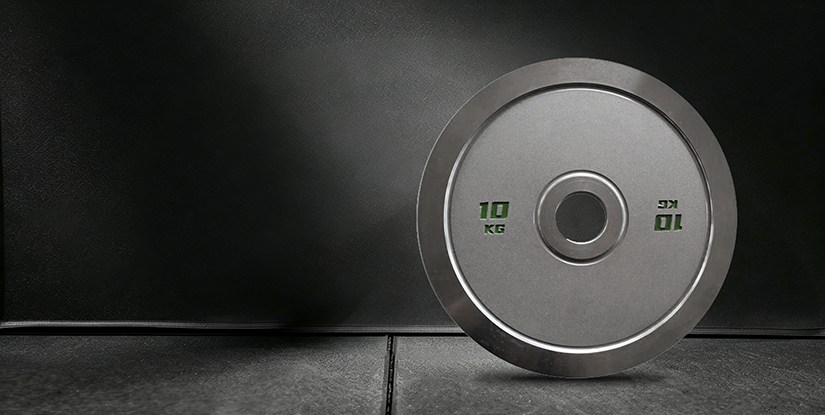
Most wholesale gym weight plates for standard commercial gyms rely on sand casting to achieve efficient production volumes and lower MOQs. However, for premium facilities or competition-grade requirements, CNC machining is the industry-standard requirement to ensure the plate remains perfectly balanced. Choosing the correct process prevents the common failure mode of uneven weight distribution, which can damage expensive barbell sleeves over time.
| Material | Primary Process | Key Component / Detail | Commercial Duty | MOQ Impact | Factory QC Point |
|---|---|---|---|---|---|
| Gray Iron | Sand Casting | Textured surface / Molded logo | Standard Commercial / Budget | Lower | Surface smoothness and density |
| Solid Steel | CNC Machining | Precision inner ring / Concentricity | Premium / Professional | Higher | Weight tolerance and flatness |
| Steel Hub | Assembly / Welding | Knurled ring / Bearing integration | High-Performance / Competition | Variable | Handle-to-body junction stability |
For buyers focused on a commercial steel plate manufacturer with high-end specifications, the transition from casting to machining is where the true quality of the calibrated weight plate trade supplier is revealed. A professional China factory will offer these tiered options to help you optimize your product mix based on your target market's budget and performance needs.
Pre-Shipment Inspection and Export Readiness
The final stage of the procurement cycle is the most critical for preventing costly returns and shipping disputes. A professional calibrated weight plate trade supplier implements a mandatory pre-shipment inspection to verify the integrity of every batch. This process involves checking the coating adhesion of the powder coating or paint, ensuring the weight calibration is within the accepted industry-standard tolerance, and verifying the concentricity of the inner ring to prevent wobbling during use.
For distributors managing large-scale logistics, the reliability of the export packaging is just as important as the product itself. High-density cardboard, reinforced corner protectors, and heavy-duty wooden crates are standard requirements to protect the weight plates from impact damage during sea freight. When sourcing through a wholesale model, you should confirm that the factory provides detailed packing lists and weight verification reports to ensure the landed cost and container loading efficiency remain optimized. Always request a formal sample approval or a factory audit to confirm that the MOQ and lead time requirements align with your local distribution timelines.
Optimizing Your Sourcing with a Commercial Steel Plate Manufacturer
When managing large-scale facility upgrades or replenishing distributor inventory, the selection of a calibrated weight plate trade supplier directly dictates your long-term operational efficiency. For professional gym owners and large-scale importers, the initial purchase price is often a deceptive metric. True value lies in the total cost of ownership (TCO), which accounts for the replacement frequency, maintenance requirements, and the accuracy of the equipment over years of heavy use.
Selecting a high-tier commercial steel plate manufacturer ensures that your procurement avoids the common pitfalls of low-precision casting. In a high-traffic commercial environment, weight variance is not merely a technicality; it is a source of friction for professional athletes and a liability for facility standards. Relying on a calibrated weight plate trade supplier that prioritizes precision calibration and standardized manufacturing processes reduces the risk of premature wear and uneven weight distribution across your barbell sets.
Low-quality alternatives often present significant procurement risks, such as inconsistent weight tolerances and poor coating adhesion. These issues lead to increased maintenance loads and the need for frequent replacements, which ultimately erodes your profit margins. By sourcing wholesale gym weight plates from a factory that utilizes controlled machining and standardized weight calibration, you secure a more predictable landed cost and a much higher long-term ROI through enhanced commercial durability.
Technical Differentiation in Manufacturing Standards
To effectively evaluate a potential partner, buyers must distinguish between standard casting and precision-engineered production. The manufacturing route chosen by the factory determines whether the product is a budget-tier item or a high-performance commercial asset. In many commercial settings, the difference between sand casting and precision machining is the primary driver of both product lifespan and the accuracy of weight increments.
The following table outlines the qualitative differences in manufacturing standards to assist in your sourcing decisions. This comparison helps identify which tier of production aligns with your specific facility requirements or distributor brand positioning.
| Material Tier | Primary Process | Key Component/Detail | Commercial Duty | MOQ Impact | Factory QC Point |
|---|---|---|---|---|---|
| Cast Iron | Sand Casting | Rough surface texture | Budget/Entry-level | Low | Surface integrity |
| Machined Steel | CNC Machining | Smooth, precise edges | Professional/Standard | Medium | Weight calibration |
| Premium Steel | Precision Machining | Advanced surface finishing | High-end/Competition | High | Concentricity check |
When evaluating wholesale gym weight plates, inspect the surface finishing and the depth of the weight markings. A professional calibrated weight plate trade supplier will typically utilize a standardized sequence: raw material casting, followed by CNC machining for dimensional accuracy, and ending with a specialized coating process—such as powder coating or phosphate treatment—to ensure long-term adhesion. For those pursuing private label opportunities, ensure the China factory can maintain consistent logo embossing or laser-etched branding throughout the production cycle to protect your brand identity.
Before finalizing a bulk order, we recommend requesting a detailed specification sheet or a sample for evaluation. This allows you to verify the weight calibration accuracy and the quality of the surface coating firsthand. Whether you are looking for a specific MOQ for a boutique studio or a large-scale container load for global distribution, conducting a pre-shipment inspection of the weight tolerance and packaging durability is essential to optimize your landed cost and ensure seamless delivery to your warehouse.
Customization and OEM Capabilities for Global Distributors
Establishing a distinct market presence requires more than just high-quality stock; it requires a strategic partnership with a calibrated weight plate trade supplier that understands the nuances of brand identity. For distributors and large-scale gym operators, the ability to transition from generic sourcing to a specialized private label model is a critical lever for increasing long-term margins and customer loyalty.
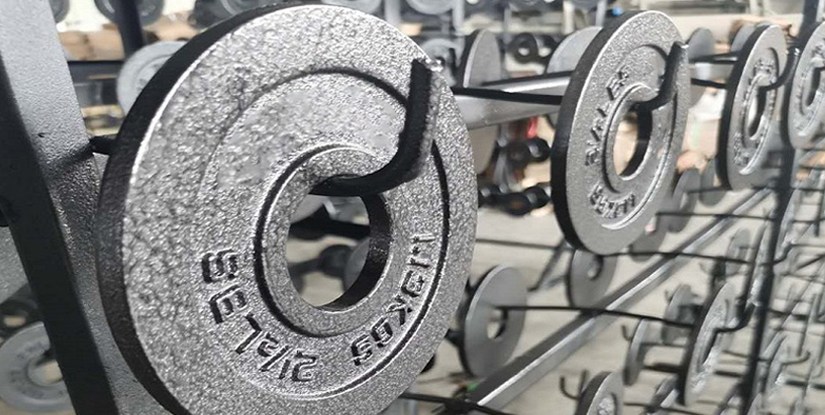
Working directly with a China factory allows you to move beyond standard off-the-shelf products. Whether you require specific color-coding for weight increments, custom embossed logos on the center hub, or specialized custom branding for your professional strength line, the OEM and ODM pathways provide the necessary flexibility. These services are designed to help you build a cohesive, professional-grade product catalog that aligns with your specific market positioning.
While high-level customization is available, we recognize that scalability is a primary concern for bulk procurement. Our wholesale solutions are structured to accommodate various MOQ requirements, ensuring that whether you are launching a boutique studio line or a nationwide distribution network, your production cycles remain predictable. By leveraging a professional commercial steel plate manufacturer, you can integrate bespoke design elements—such as specific paint finishes or unique weight markings—without the typical complexities of managing fragmented supply chains.
Strategic Comparison of Customization Tiers
Selecting the appropriate level of customization is a decisive factor in balancing your initial capital expenditure against your long-term brand equity. A professional calibrated weight plate trade supplier provides tiered options that allow you to scale your brand presence alongside your business growth. For many distributors, the decision between standard wholesale and full-scale customization depends on your target market's sensitivity to visual identity and your specific MOQ capabilities.
High-tier customization often involves precision machining to ensure weight consistency remains within industry-standard tolerances, while lower-tier options focus on cost-effective volume. When engaging in wholesale gym weight plates procurement, understanding these technical boundaries helps prevent unexpected landed costs or delays in your product launch cycle.
| Customization Level | Specification Focus | Branding Options | Typical MOQ | Best For |
|---|---|---|---|---|
| Standard Wholesale | Common cast iron or steel specs | Standard manufacturer markings | Low | Rapid stock replenishment |
| Enhanced Branding | Standard colors and finishes | Silk-screened logos or color-coding | Medium | Studio-specific product lines |
| Full OEM/ODM | Precision machined tolerances | Embossed/Debossed custom logos | High | Global distributors and premium brands |
When planning your next production run, we recommend requesting a detailed spec sheet for each tier. This allows your procurement team to evaluate the exact technical specifications and confirm the MOQ for each branding level. Whether you are looking for a simple color-coded system or a fully customized professional-grade product, our factory can provide the necessary documentation and sample approval processes to ensure your brand identity meets international commercial standards before the final pre-shipment inspection.
Technical Execution of Surface Finishes and Logo Application
Precision in the final stages of production is what separates a standard product from a premium commercial-grade asset. For a professional calibrated weight plate trade supplier, the technical execution of surface treatments is not merely aesthetic; it is a critical component of long-term durability and maintenance efficiency. A robust surface finishing process ensures that the weight plate can withstand high-traffic gym environments without premature oxidation or coating failure, which directly impacts your long-term replacement planning and total cost of ownership.
The technical workflow typically follows a rigorous sequence: after the initial casting and calibration, the plates undergo specific treatment paths depending on your OEM or ODM requirements. For instance, high-end commercial lines often utilize a multi-stage powder coating process. This involves thorough cleaning and a phosphate treatment to ensure maximum adhesion before the coating is applied. This method provides a much more durable finish compared to standard liquid paint, reducing the risk of chipping during heavy usage. Furthermore, for clients requiring high-level brand visibility, we offer precision logo embossing. This process integrates your brand identity directly into the metal during the casting or machining stage, ensuring the logo remains legible and intact even after years of heavy commercial use.
Beyond visual identity, the technical specifications of the surface can influence the functional performance of the equipment. For example, high-precision CNC machining is often employed during the calibration phase to ensure the center hole and the plate thickness meet strict industrial tolerances. This level of machining is essential for professional-grade plates to ensure they sit perfectly flat and remain concentric. When managing your sourcing strategy, it is vital to understand that these advanced processes—ranging from specialized surface textures to precision machining—will influence both the lead time and the final export packaging requirements. We recommend confirming these technical details during the sample approval stage to ensure the final product aligns with your distributor-level quality expectations.
Factory QC and Export Packaging Standards
For professional distributors, the final stage of procurement is where potential profit margins are either protected or lost. A reliable calibrated weight plate trade supplier must implement a rigorous quality control framework that extends far beyond the production line and into the final loading process. When managing a bulk order, the primary logistics risk is not just shipping delays, but the arrival of goods with weight discrepancies or physical surface damage that compromises your brand reputation.
To mitigate these issues, a professional commercial steel plate manufacturer utilizes a multi-stage pre-shipment inspection protocol. This typically involves a systematic weight tolerance check where a sample from the current batch is verified against the declared specification. Furthermore, the China factory must ensure that every unit undergoes a visual inspection for coating adhesion and edge smoothness to prevent chipping during transit. For high-volume wholesale gym weight plates, specialized export packaging is mandatory—utilizing reinforced heavy-duty cartons and palletized shrink-wrapping to stabilize the load within the container. Without these stringent standards, the landed cost of your shipment can rise unexpectedly due to damaged inventory or non-compliant weight specifications upon arrival.
Technical Inspection Points for Commercial Durability
Precision in the manufacturing sequence is vital for maintaining long-term distributor margins. A professional calibrated weight plate trade supplier ensures that every unit passes through a structured workflow: starting with casting, followed by precision machining to ensure concentricity, and concluding with a high-grade surface treatment. During the machining phase, the internal diameter and the outer edge profile are strictly monitored to ensure the plate remains perfectly balanced and flat, which is essential for high-frequency commercial use.
The durability of the finish is often the first indicator of a product's true quality. A reliable commercial steel plate manufacturer focuses heavily on coating adhesion and the quality of the surface finish. Whether the plates are finished with a standard paint or a heavy-duty powder coating, the layer must be resilient enough to withstand the mechanical impacts common in a high-traffic gym environment. In many cases, a specialized weight calibration step is performed after the final coating to ensure that the added layer of material does not push the unit outside of the acceptable commercial-grade tolerance band.
For those managing large-scale wholesale gym weight plates procurement, verifying these specific technical attributes is a critical part of the sourcing process. We recommend that buyers request a sample to evaluate the thickness of the coating and the precision of the knurled or smooth edges. Confirming these details during the initial sourcing stage helps prevent common failure modes, such as premature rust or surface chipping, which can significantly increase your long-term maintenance load and decrease the overall ROI of your shipment.
Packaging and Shipping Tier Comparison
To optimize your wholesale procurement, it is essential to understand how packaging configurations impact both the physical safety of the product and the overall landed cost. For high-volume sourcing, the method of palletization and the robustness of the export packaging directly influence the stability of the load during sea freight. A professional calibrated weight plate trade supplier will offer tiered options to balance protection and shipping efficiency.
| Packaging Tier | Typical Application | Protection Level | Standard Configuration | Logistics Benefit |
|---|---|---|---|---|
| Standard Export | Basic wholesale orders | Moderate | Reinforced corrugated cartons and single layer wrap | Cost-effective for smaller volumes |
| Premium Commercial | High-end gym distributors | High | Heavy-duty double-wall cartons and reinforced palletization | Reduces surface chipping and transit damage |
| Bulk Container Load | Large-scale importer/OEM | Maximum | Customized wooden crates or industrial-grade palletized shrink-wrap | Optimizes space and ensures shipping safety for heavy steel |
When finalizing your bulk order, we suggest confirming the specific palletization requirements with your supplier. For large-scale wholesale gym weight plates shipments, utilizing reinforced wooden crates or standardized palletized units is the industry-standard method to ensure the weight remains balanced and the surface coating stays intact during long-distance sea freight. We recommend requesting a detailed packing list and a photo of a sample palletized load to confirm that the China factory standards meet your specific distribution requirements.