Sourcing Adjustable Kettlebell Weights for Commercial Use
Evaluating Lifecycle Value and Total Cost of Ownership
Total Cost of Ownership (TCO) for kettlebell adjustable weights extends far beyond the initial procurement cost. For commercial gym operators and distributors, true value is found in the intersection of build durability and long-term operational stability, ensuring that the equipment survives high-traffic usage cycles without frequent replacement.
When sourcing commercial grade adjustable kettlebells, buyers must weigh the immediate savings of budget-tier models against the long-term expenses of frequent maintenance and hardware failure. High-quality kettlebell adjustable weights typically feature more robust locking mechanisms and higher-grade coatings, which directly impact the frequency of maintenance cycles and the overall lifespan of the unit within a professional facility.
| Procurement Factor | Standard Consumer-Grade | Commercial Grade Adjustable Kettlebells |
|---|---|---|
| Initial Unit Price | Lower | Higher |
| Expected Lifespan | Short (1–2 years) | Long (5+ years) |
| Maintenance Frequency | High (Frequent part replacement) | Low (Minimal oversight) |
| Long-term ROI | Diminished by replacement costs | Optimized through durability |
A strategic procurement approach prioritizes equipment that minimizes downtime. Choosing precision-engineered adjustable weight systems reduces the risk of mechanical fatigue, protecting your investment and ensuring a consistent user experience for your clients.
Mechanical Reliability and Precision Standards
The mechanism used to transition between weights dictates both the user experience and the long-term maintenance schedule. In high-volume environments, the precision of adjustable kettlebell weight increments is a critical quality control metric. Inaccurate increments or loose tolerances can lead to uneven weight distribution, causing shifting during high-intensity movements.
Buyers should evaluate the specific adjustment type to assess potential mechanical failure risks and wear and tear. While pin-lock systems offer high security, they may face friction-related issues over time, whereas dial or plate-based systems rely on the structural integrity of the internal housing to maintain weight stability.
| Mechanism Type | Precision Level | Wear and Tear Risk | Ideal Use Case |
|---|---|---|---|
| Pin-Lock System | High | Moderate (Pin/Hole erosion) | Standard Strength Training |
| Dial/Selector Plate | Very High | Low (Internal gear wear) | Boutique Studios |
| Manual Weight Insertion | High | Low (Mechanical simplicity) | Heavy Resistance Work |
When vetting factory capabilities, request data on how these mechanisms perform under repetitive load cycles. A reliable mechanism ensures that the weight increments remain consistent, preventing the gradual loss of precision that often plagues lower-tier adjustable systems during heavy commercial use.
To ensure long-term profitability, procurement managers must align their selection process with rigorous fitness equipment procurement standards. Beyond the physical weight, the precision of the internal switching mechanism determines whether a unit remains a functional asset or becomes a liability. A lack of weight increment precision—often caused by loose tolerances in the weight selection plates—can lead to inconsistent training loads, forcing facility owners to face a higher replacement frequency as units lose their calibration.
From a bulk order quality control perspective, it is essential to verify that the weight increments are standardized across the entire production run. Discrepancies in weight distribution during mass manufacturing can compromise the balance of the kettlebell, potentially leading to structural fatigue. By prioritizing high-tolerance engineering and testing for mechanical stability under repetitive load, distributors can secure a much higher ROI through reduced service calls and extended product lifecycles.
Precision Standards for Adjustable Kettlebell Weight Increments
For high-traffic fitness facilities, the value of kettlebell adjustable weights lies in their ability to facilitate progressive overload without the clutter of dozens of individual units. However, mass-market versions often fail to meet the rigorous demands of professional strength training environments.
The Necessity of Increment Accuracy
In a commercial setting, precision is a non-negotiable metric. Discrepancies in weight increments can disrupt a client's training programming and diminish the perceived value of the facility's equipment. High-quality commercial grade adjustable kettlebells must provide consistent, predictable jumps—typically in 1kg or 2lb intervals—to ensure mathematical accuracy during heavy compound movements.
Structural Integrity and Long-Term Durability
Beyond calibration, the mechanical components used to change weights must withstand constant manipulation. Cheap adjustment mechanisms are prone to rapid wear and tear, leading to stripped threads or unstable locking systems. When sourcing, distributors should prioritize robust housing and high-grade internal locking hardware to ensure durability throughout the product's lifecycle, reducing the total cost of ownership and frequent replacement cycles.
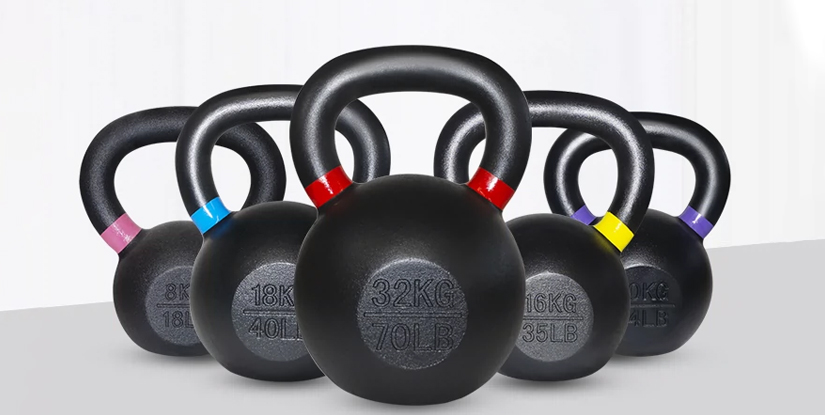
Evaluating the mechanical interface of these units is essential for predicting long-term reliability and maintenance costs. Different adjustment methods offer distinct trade-offs between speed of use and structural stability under high-intensity training loads.
Comparison of Weight Adjustment Mechanisms
| Mechanism Type | Precision Level | Durability Rating | Maintenance Frequency | Commercial Suitability |
|---|---|---|---|---|
| Pin-Lock Systems | High | Excellent | Low | Best for High-Traffic Gyms |
| Screw-on/Threaded | Very High | Moderate | Medium | Boutique Studios/Personal Training |
| Magnetic/Slide | Moderate | Low | High | Residential/Light Commercial |
While screw-on mechanisms offer the most granular control, they are susceptible to thread fatigue in heavy-use environments. For distributors and facility managers, pin-lock designs generally provide the optimal balance of speed and ruggedness, as they rely on physical displacement rather than friction-dependent threads, making them more resistant to the impact and vibration common in strength training.
Verifying Weight Accuracy and Tolerance Standards
Before finalizing bulk orders, procurement managers must verify that the manufacturer adheres to strict fitness equipment procurement standards. A common pitfall in low-cost sourcing is a high weight deviation, where the actual mass differs significantly from the labeled weight. During factory inspections or sample testing, do not rely on verbal assurances; instead, implement a formal inspection checklist centered on physical verification.
Effective quality control (QC) protocols should include weighing at least five random units from a sample batch across various weight settings. In a professional setting, a tolerance margin of +/- 1% to 3% is standard, depending on the mechanism. If a supplier cannot provide calibrated data or if weight drift is inconsistent across different increments, it is a red flag for long-term reliability and potential liability in commercial environments.
Structural Integrity and Material Specifications for Commercial Use
When sourcing kettlebell adjustable weights for high-traffic gym settings, the primary concern for procurement managers is the long-term reliability of the mechanical components. Unlike standard fitness models, commercial grade adjustable kettlebells must withstand constant weight transitions and repetitive impacts without compromising safety or mechanical precision.
True durability in a professional environment is defined by the structural integrity of the internal locking mechanisms and the casing. A high-quality build must account for a significant load-bearing capacity to ensure that the weight plates remain secure during dynamic movements. For distributors and gym owners, selecting equipment with robust construction reduces the total cost of ownership by minimizing replacement cycles and maintenance-related downtime.
Evaluating the construction method is essential for predicting the lifespan of your inventory. Depending on whether you are outfitting a boutique studio or a large-scale strength facility, the choice between solid casting and modular plate systems will significantly impact your maintenance budget and replacement frequency.
| Construction Type | Material Composition | Impact Resistance | Maintenance Profile |
|---|---|---|---|
| Cast Iron Shells | High-density cast iron | High; excellent for floor drops | Low; requires occasional rust inspection |
| Steel Plate Systems | Precision-cut steel plates | Moderate; sensitive to edge wear | Medium; requires checking locking pins |
| Polyurethane Coated | Steel/Iron with PU skin | Very High; protects internal parts | Minimal; high resistance to oxidation |
From a procurement standpoint, the coating quality determines how long the equipment retains its aesthetic and functional value. For high-volume distributors, we recommend prioritizing powder-coated or polyurethane-encapsulated options. These finishes meet strict fitness equipment procurement standards by shielding the metal from oxidation and reducing surface abrasions, which is critical for maintaining high resale or long-term utility in humid or high-use environments.
Precision in Weight Increments and Mechanical Reliability
Beyond external coatings, the internal functionality of the adjustment system dictates the long-term utility of the product. Professional buyers must verify the adjustable kettlebell weight increments to ensure they are consistent across an entire production batch. Inaccurate increments can lead to uneven training loads, a significant liability in professional strength and conditioning environments.
The reliability of locking mechanisms is the most critical factor in preventing mechanical failure. During high-frequency usage, components are subject to constant mechanical wear. High-quality manufacturers implement rigorous quality control (QC) for bulk orders, testing the ease of weight transitions and the strength of the pins or dials under repeated stress. When evaluating suppliers, ensure their internal protocols align with global fitness equipment procurement standards to prevent issues such as stuck weight plates or loose-fitting shells. A precise, smooth adjustment process is not just a luxury; it is a fundamental requirement for maintaining operational efficiency and user safety in any commercial facility.
Optimizing Inventory Management via Modular Weight Systems
Transitioning from fixed-weight sets to kettlebell adjustable weights allows facility managers to maximize square footage while diversifying training options. For high-traffic commercial environments, a modular approach reduces the physical footprint required for strength training zones without sacrificing the variety of resistance levels available to members.
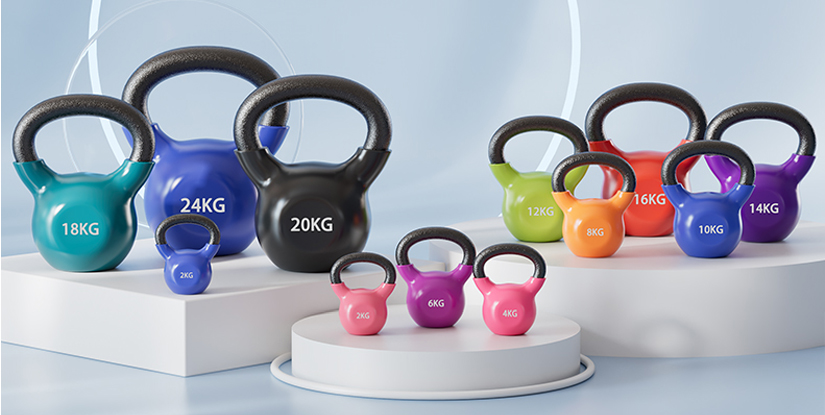
The Impact of Increment Precision on Facility Efficiency
Selecting commercial grade adjustable kettlebells with standardized adjustable kettlebell weight increments is critical for maintaining high turnover rates. In boutique studios or premium hotel gyms, space optimization is a primary KPI. A single modular system can effectively replace multiple individual kettlebell SKUs, freeing up valuable floor space for other functional training modalities.
When procuring for distributors or large-scale gyms, prioritize systems that offer consistent weight jumps. High-quality kettlebell adjustable weights ensure that as users progress, the transition between resistance levels remains smooth and predictable, preventing the logistical bottleneck of managing dozens of individual cast-iron pieces during peak hours.
Comparative Analysis: Fixed vs. Modular Systems
Deciding between traditional fixed-weight sets and modular kettlebell adjustable weights involves more than just upfront costs. Procurement professionals must evaluate the Total Cost of Ownership (TCO) by weighing initial capital expenditure against long-term floor space utility and replacement cycles. While fixed bells offer maximum durability for heavy-duty functional training, modular systems provide superior versatility for facilities with fluctuating membership demographics.
| Metric | Fixed-Weight Sets | Modular Weight Systems |
|---|---|---|
| Storage Footprint | High (Requires extensive racking) | Low (Compact, centralized footprint) |
| Initial Investment | Moderate (Linear scaling per weight) | Higher (Premium for modular mechanism) |
| Long-term Value | High (Extreme durability/longevity) | High (Versatility across many SKUs) |
| Replacement Frequency | Rare (Minimal moving parts) | Occasional (Check increment mechanisms) |
For distributors focused on space-constrained boutique environments, modular systems offer a competitive advantage. However, for heavy-duty strength facilities, the reliability of fixed-weight sets remains a baseline standard for high-impact training. Evaluate your facility's specific training density before finalizing your bulk order quantities.
Adhering to Fitness Equipment Procurement Standards
Strict adherence to fitness equipment procurement standards is the only way to mitigate the risks associated with high-volume usage. When sourcing adjustable systems, durability is not just about the outer shell, but the integrity of the internal locking mechanisms. In heavy-duty commercial settings, mechanical failure during a high-intensity set can lead to liability concerns and increased maintenance costs.
To ensure long-term reliability, buyers should scrutinize the precision of the weight delivery system. High-quality manufacturers provide rigorous documentation regarding weight precision, ensuring that the physical mass remains consistent across the entire range of the product. A discrepancy in weight between increments can disrupt user progress and signal a lack of quality control during the production stage.
Effective bulk ordering considerations must also include a maintenance protocol. While modular systems offer efficiency, they require a structured inspection schedule for moving parts and adjustment dials. We recommend requesting samples from manufacturers to test the tactile feedback of the adjustments and the resistance of the grip materials. This proactive vetting process minimizes the long-term Total Cost of Ownership (TCO) and ensures the equipment meets the rigorous demands of professional training environments.
Quality Control Protocols for High-Volume B2B Orders
Reliability in a commercial setting depends on the precision of every component. When sourcing kettlebell adjustable weights for large-scale gym installations or distributor inventory, the margin for error is slim. Inconsistent manufacturing can lead to significant liability issues if mechanical parts fail during high-intensity training.
Mitigating Risks of Weight Discrepancy and Failure
For commercial grade adjustable kettlebells, quality control must extend beyond surface aesthetics to internal mechanical integrity. Procurement managers should demand strict validation of weight increment precision to ensure that every setting matches the specified load. Even minor deviations can disrupt progressive overload programming for professional athletes and high-end gym clients.
Beyond weight accuracy, mechanical durability is a critical KPI for high-volume orders. Mechanical failure in the locking or adjustment mechanisms is a primary cause of product returns and increased maintenance costs. We recommend verifying that the adjustment interfaces are engineered for high-frequency use, ensuring the structural stability required for rigorous commercial environments.
Technical Standard Benchmarking for Components
To effectively audit a factory's capability, procurement professionals must look beyond basic specifications. High-tier manufacturing processes involve distinct testing protocols for the mechanical interface, the weight distribution, and the protective coatings. Evaluating these technical benchmarks helps determine the long-term total cost of ownership (TCO) and reduces the frequency of replacement cycles in high-traffic facilities.

| Component Metric | Standard (Basic) | Commercial Grade (High-End) | Procurement Impact |
|---|---|---|---|
| Weight Accuracy | ± 5% variance | ± 1% to 2% precision | Consistency in training load |
| Coating Durability | Standard powder coat | High-density TPU/Rubberized | Reduced floor impact and noise |
| Locking Reliability | Manual screw-in | Quick-release/Precision pin | Speed of use and safety |
| Increment Consistency | Variable weights | Fixed, uniform increments | Ease of programming/scaling |
When evaluating potential suppliers, request documentation regarding their fitness equipment procurement standards, specifically focusing on how they validate the consistency of adjustable kettlebell weight increments. A reliable manufacturer will demonstrate a systematic approach to testing both the structural integrity of the handle and the mechanical stability of the weight plates under repetitive stress.
Operational Maintenance and Long-Term Reliability
Effective facility management requires a proactive approach to equipment upkeep to protect the initial investment. In high-traffic commercial gyms, the lifespan of kettlebell adjustable weights is dictated by the rigor of the onsite maintenance cycles. Rather than waiting for mechanical failure, procurement teams should implement standardized inspection protocols to monitor wear and tear on moving parts and locking interfaces.
A critical focus for facility managers should be the regular inspection of adjustment pins and sliding mechanisms. Debris, oxidation, or even minor physical impact can cause these components to bind, leading to uneven weight distribution or unsafe usage. By scheduling quarterly technical audits, gym operators can mitigate the risk of sudden mechanical failure and ensure the long-term total cost of ownership (TCO) remains low. Consistent lubrication and particulate removal from the adjustment tracks can prevent premature aging of the internal mechanisms, ensuring the gear remains a reliable asset for years rather than a recurring replacement expense.
Logistics and Export Packaging Requirements for Global Distribution
Ensuring the long-term durability of kettlebell adjustable weights begins long before they reach the gym floor. For distributors, the primary concern is whether the unit arrives with its precision mechanisms and aesthetic finishes intact, despite the rigors of international ocean or air freight.
Impact Resistance and Protective Coating Integrity
High-quality commercial grade adjustable kettlebells require more than just standard cardboard boxing. To prevent micro-fractures in the protective coating or misalignment of the internal weight plates, manufacturers must utilize high-density foam inserts and reinforced corrugated outer shells. Effective shipping damage prevention strategies focus on high impact resistance to protect the adjustment collars and threaded components from vibration-induced wear during transit. Neglecting these structural safeguards can lead to premature oxidation or mechanical failure, increasing the total cost of ownership for the end-user and complicating warranty claims for the importer.
Logistics planning for bulk orders requires a strategic balance between shipping speed and total landed cost. Depending on your inventory turnover and the specific volume of adjustable kettlebell weight increments being imported, the choice between air and sea transport significantly impacts both your margins and the integrity of the product packaging.
Shipping Volume and Logistics Strategy Comparison
Procurement managers must evaluate the MOQ and total weight of each shipment to determine the most cost-effective method. While air freight offers speed for small-scale boutique studio replenishment, sea freight remains the standard for large-scale distributor stocking due to its capacity for heavy, palletized loads.
| Shipping Method | Ideal Order Volume | Standard Packaging Requirement | Primary Logistics Risk |
|---|---|---|---|
| Air Freight | Low (Sample/Small Restock) | Individual reinforced boxes | High vibration during turbulence |
| Sea Freight (LCL) | Medium (Distributor Level) | Double-walled corrugated cartons | Moisture and salt air exposure |
| Sea Freight (FCL) | High (Bulk/Warehouse) | Heavy-duty palletization & Shrink wrap | Shifting load in container |
For full container loads (FCL), we recommend strict palletization standards to ensure stability. Each pallet should utilize heavy-duty corner protectors and multi-layer protective layering to prevent the mechanical components from shifting. This level of preparation is critical when shipping high-density equipment to ensure that the precision of the adjustable mechanisms remains uncompromised upon arrival at the destination facility.
Pre-Shipment Inspection and Mechanical QC Protocols
Before final dispatch, a rigorous pre-shipment inspection is essential to validate that the products meet strict fitness equipment procurement standards. Unlike static iron kettlebells, adjustable systems rely on mechanical precision to function safely. Procurement specialists should demand a verification process that includes a functional test of the locking mechanisms and a calibration check of the adjustable kettlebell weight increments. This ensures that every unit provides consistent weight increment accuracy, preventing discrepancies that can frustrate professional trainers and users.
Beyond mechanical movement, the inspection must address environmental protection. High-quality manufacturing requires strict moisture control during the final assembly and packaging stages. For shipments traveling through high-humidity maritime routes, verify that manufacturers use desiccants and moisture-resistant liners within the internal packaging. This prevents internal oxidation of the adjustment tracks and protects the integrity of the moving parts, ensuring that the first user to operate the mechanism experiences smooth, fluid adjustments without the friction caused by transit-induced corrosion.