Commercial Grade Weight Plate Manufacturer: OEM Contract
Commercial Grade Weight Plate Manufacturer: Essential Procurement Criteria
A professional commercial grade weight plate manufacturer provides high-durability lifting components designed for high-traffic fitness environments. B2B buyers prioritize these specialized units because they offer superior structural integrity, consistent weight calibration, and long-term cost efficiency compared to consumer-grade alternatives during large-scale sourcing operations.
In high-intensity commercial gym settings, equipment undergoes constant mechanical stress and physical impact. Standard plates often fail due to surface cracking or coating degradation, leading to increased maintenance costs and replacement cycles. For distributors and gym operators, selecting a reliable fitness equipment OEM factory is a strategic decision to protect long-term margins and ensure user safety. Utilizing high-quality cast iron as the primary material ensures the density and impact resistance required for heavy lifting protocols.
The durability of a weight plate is largely determined by its surface treatment and manufacturing precision. Most professional-grade units undergo a rigorous process involving sand casting, followed by precision machining to ensure concentricity. To prevent oxidation and surface wear, a high-grade powder coating is typically applied. This layer provides a robust barrier against moisture and physical abrasion, which is critical for maintaining the aesthetic and structural value of the inventory over years of heavy usage. When managing wholesale cast iron plates orders, verifying the adhesion and thickness of this coating is a standard part of the factory inspection process to mitigate the risk of premature rusting or chipping.
Material and Process Comparison for Bulk Procurement
When managing large-scale procurement, understanding the relationship between material selection and total cost of ownership (TCO) is vital. A professional commercial grade weight plate manufacturer will offer various tiers of production to match different market segments, from budget-friendly strength facilities to high-end boutique studios. The following table outlines the standard industry-grade options to assist in your sourcing decisions.
| Material Tier | Surface Finishing | Key Component/Detail | Commercial Duty | MOQ Impact | Factory QC Point |
|---|---|---|---|---|---|
| Bare Gray Iron | Phosphate Treatment | Sand Casting Texture | Budget/Standard | Lower | Weight Tolerance |
| Cast Iron | Powder Coating | High-Adhesion Layer | High-Traffic Commercial | Medium | Coating Integrity |
| Steel/Iron Core | PU or Rubber Coating | Encapsulation Layer | Premium/Boutique | Higher | Bond Line Adhesion |
Choosing between these tiers affects not only the initial landed cost but also the long-term maintenance load. For instance, while bare iron units are cost-effective for high-volume wholesale cast iron plates orders, they require more frequent cleaning to prevent oxidation. In contrast, a powder coating or rubberized finish increases the upfront investment but significantly extends the equipment's lifespan in humid or high-usage environments. When evaluating a fitness equipment OEM factory, we recommend requesting samples to inspect the thickness of the coating and the smoothness of the concentricity machining to ensure the plates sit flat during heavy lifting.
Precision Calibration and Pre-Shipment Standards
For professional distributors and gym owners, the primary risk in large-scale procurement is inconsistent weight distribution. A high-tier commercial grade weight plate manufacturer must prioritize weight calibration and concentricity during the machining phase. If the center bore is not perfectly aligned or the weight variance is too high, it can lead to uneven loading on barbells, creating mechanical instability that affects both user safety and the lifespan of the barbell itself. This precision is a hallmark of a professional fitness equipment OEM factory.
To ensure long-term ROI, the manufacturing sequence must follow a disciplined path: from initial sand casting to CNC machining, followed by surface treatment and final calibration. During the pre-shipment QC stage, a reputable factory does not just perform random spot-checks; they verify the concentricity of the inner ring and the density of the metal to ensure the plates remain balanced under high-frequency use. For buyers managing bulk orders, requesting a detailed specification sheet that outlines these calibration steps is a critical step in the sourcing process. This rigor reduces the frequency of replacement and minimizes the long-term maintenance load for the end-user, protecting your brand reputation and distributor margins.
Material Specifications and Casting Processes for High-Volume Orders
Selecting a reliable commercial grade weight plate manufacturer requires a deep understanding of how raw material integrity translates into long-term durability for commercial facilities. For distributors and gym owners managing high-volume wholesale cast iron plates, the production quality determines the total cost of ownership and replacement frequency. High-tier production typically relies on high-density gray iron, ensuring the structural stability required for heavy lifting environments.
The standard manufacturing route begins with industrial sand casting, a process that allows for the creation of complex shapes and robust profiles. This method is widely used by a professional fitness equipment OEM factory to ensure the plates can withstand the physical rigors of a high-traffic commercial gym. Following the initial casting, the plates undergo several critical stages to meet export standards.
Technical Production Stages and Quality Standards
A rigorous production sequence is essential to minimize defects that lead to costly returns or distributor complaints. In a professional China factory, the workflow moves from the raw casting stage to precision machining and surface treatment. This ensures that each unit meets the necessary concentricity and balance required for safe, professional use.
The following table outlines the typical material and process tiers found when sourcing through an OEM or ODM partnership, helping buyers distinguish between budget and premium commercial offerings.
| Material Tier | Primary Process | Key Component/Feature | Commercial Duty | MOQ Impact | Factory QC Point |
|---|---|---|---|---|---|
| Cast Iron | Sand Casting | Standard Bore Fit | Budget Commercial | Lower | Weight Tolerance |
| Painted Iron | Casting + Enamel | Smooth Surface Finish | Standard Commercial | Medium | Coating Adhesion |
| Powder Coated | Casting + Powder Coating | High-Durability Layer | Premium Commercial | Higher | Surface Uniformity |
| Urethane/PU | Molded Encapsulation | Impact-Resistant Shell | Elite/Competition | Highest | Edge Bonding |
To maintain high standards, a commercial grade weight plate manufacturer must implement strict precision calibration protocols. This includes a weight tolerance spot-check and a concentricity check to ensure the plates do not wobble during high-speed movements. For large-scale sourcing projects, these technical checkpoints are vital to reducing the landed cost of defective goods and ensuring consistent quality across every container shipped.
Surface Finishing and Coating Durability
The choice between surface treatments directly impacts the maintenance load and longevity of your inventory. For high-traffic facilities, a standard paint finish may suffice, but premium buyers often specify powder coating to ensure a more resilient, uniform layer that resists chipping and oxidation. In many commercial settings, the durability of the surface finishing is a primary indicator of the product's long-term value, especially when equipment is subjected to constant friction and environmental moisture.
For high-end studio environments or boutique fitness brands, urethane coating provides an additional layer of protection. This process involves a thick, impact-resistant shell that offers superior floor protection and noise reduction compared to bare iron. When negotiating wholesale terms, procurement managers should evaluate whether the added cost of advanced coatings aligns with their target market's requirements for a premium user experience. Understanding these material trade-offs allows for better inventory planning and helps optimize the total cost of ownership for your clients.
Pre-Shipment Inspection and Export-Ready Quality Control
For international distributors, the risk of receiving non-compliant stock is a significant concern that can inflate the landed cost through returns and local replacements. A professional commercial grade weight plate manufacturer mitigates this risk through a systematic pre-shipment QC protocol. Rather than relying on basic visual checks, a high-standard fitness equipment OEM factory implements a multi-stage inspection process that targets the specific failure modes of cast and coated products.
During the final inspection phase, technicians perform a critical concentricity check to ensure the bore remains perfectly centered, preventing uneven weight distribution during use. Simultaneously, a coating adhesion test is conducted to verify that the surface finish—whether paint, powder, or urethane—can withstand heavy handling without premature peeling. Furthermore, a rigorous weight calibration process is mandatory; this involves a calibrated spot-check to ensure that the actual mass of the plates aligns with the specified weight within industry-standard tolerances. For high-volume wholesale orders, these steps ensure that every unit in the container meets the professional standards required by your end-users.
The final stage of the production cycle focuses on logistics-ready protection. Because weight plates are high-density, heavy-duty items, the export packaging must be robust enough to handle the stresses of sea freight and long-distance container loading. This typically includes reinforced carton corners, heavy-duty dividers, and standardized palletization to prevent shifting and impact damage during transit. By prioritizing these technical QC and packaging details, a reliable supplier ensures that your bulk shipment arrives in optimal condition, protecting your profit margins and reducing the need for post-delivery adjustments.
Comparison of Commercial Weight Plate Production Tiers
When sourcing from a commercial grade weight plate manufacturer, professional buyers must look beyond the initial unit price to understand the long-term TCO. For distributors and gym operators, the choice between budget and premium options dictates future maintenance costs and equipment replacement cycles. Selecting the right tier depends on your specific facility usage and the intended ROI for your clients.
A professional fitness equipment OEM factory typically categorizes production into three distinct tiers based on the casting method and surface finishing. While wholesale cast iron plates in the budget tier offer the lowest landed cost, high-traffic commercial facilities often benefit from the increased durability of premium-spec units to reduce long-term replacement frequency.
| Production Tier | Primary Material & Process | Typical Surface Finish | Commercial Application | Impact on TCO |
|---|---|---|---|---|
| Budget Tier | Standard sand casting | Bare iron or basic paint | Light commercial or home use | Higher replacement frequency |
| Standard Commercial | Refined cast iron casting | Industrial powder coating | Standard strength & conditioning gyms | Balanced durability and cost |
| Premium / Competition | Precision machined steel or high-density iron | Polyurethane or high-grade rubber coating | Professional training centers & high-traffic clubs | Lowest long-term maintenance cost |
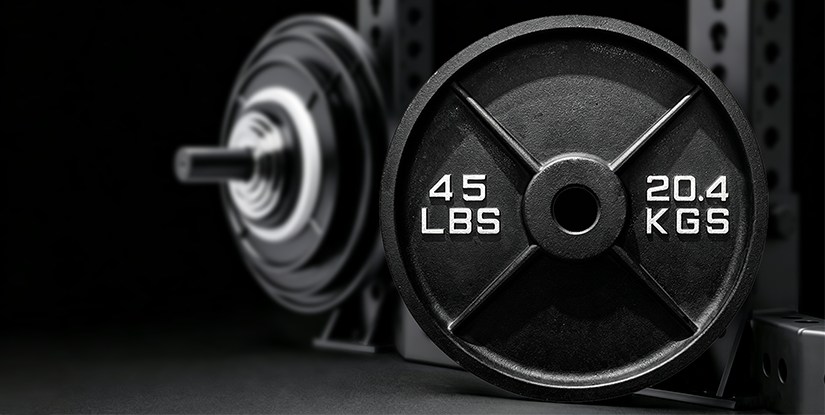
Understanding these tiers allows an importer to align sourcing strategies with their target market's needs. For instance, a supplier specializing in OEM solutions can adjust the powder coating thickness or the precision of the sand casting process to meet specific MOQ requirements and budget constraints, ensuring the final product fits the intended commercial environment.
A critical factor in the procurement process is the precision of the manufacturing steps. For a professional commercial grade weight plate manufacturer, the difference between a standard unit and a high-performance one often lies in the post-casting stages. While sand casting is a reliable and cost-effective method for producing high volumes of wholesale cast iron plates, the subsequent machining and calibration steps are what determine the long-term commercial value and operational efficiency for the end-user.
Technical Specifications and Manufacturing Nuances
High-performance plates require more than just basic casting; they necessitate rigorous finishing to ensure consistency across a full set. A professional fitness equipment OEM factory will implement a multi-stage production line that includes CNC machining to refine the center bore and ensure perfect concentricity. This technical precision prevents uneven loading on barbells, which is a common failure mode in lower-tier production. Additionally, the quality of the surface finish—whether it is a standard paint application or a high-durability powder coating—directly affects the resistance to oxidation and the overall aesthetic longevity of the equipment in humid gym environments.
From a sourcing perspective, buyers should evaluate the specific weight tolerance standards and the quality of the coating adhesion. In a professional China factory setting, pre-shipment inspections often focus on these critical points: the smoothness of the bore for a seamless Olympic collar fit, the consistency of the surface texture, and the structural integrity of the edges. When negotiating MOQ levels, it is advantageous to ask for detailed specifications regarding the machining tolerances and the specific type of industrial coating used, as these factors significantly influence the landed cost and the long-term durability of your inventory.
Precision Calibration and Surface Finishing Standards
For professional distributors and gym procurement leads, the technical integrity of weight plates directly impacts long-term TCO and user safety. A reliable commercial grade weight plate manufacturer must prioritize rigorous weight calibration and high-standard surface finishing to ensure every unit meets industry-standard specifications. When sourcing wholesale cast iron plates in bulk, understanding these manufacturing nuances is critical for maintaining consistent product quality across large-scale shipments.
In high-traffic commercial environments, inconsistent weight distribution or poor surface adhesion leads to rapid depreciation and increased maintenance. A professional fitness equipment OEM factory utilizes standardized production sequences—typically moving from sand casting to CNC machining and finally to precision weight calibration—to minimize deviations. This level of control is essential for importers who require high-volume commercial grade weight plate manufacturer output that maintains strict weight tolerance and concentricity, ensuring a seamless fit on Olympic barbells without wobbling or uneven wear.
Furthermore, the quality of the surface finishing determines the product's longevity in demanding settings. Whether opting for a phosphate treatment, paint, or a heavy-duty powder coating, the adhesion must withstand constant impact and environmental moisture. A reputable China factory implements a structured China factory QC process that includes weight spot-checks and coating adhesion inspections before any export packaging occurs. This ensures that your landed cost remains optimized by reducing the frequency of replacements and returns due to surface chipping or weight inaccuracies.
Surface Finishing Selection for Commercial Environments
Choosing the correct finish is a strategic procurement decision that balances initial capital expenditure against long-term maintenance loads. For high-traffic strength facilities, the durability of the coating layer is a primary indicator of the product's lifecycle. A professional commercial grade weight plate manufacturer provides various finishing options tailored to specific gym environments, from high-impact training zones to premium boutique studios. Selecting the wrong specification can lead to premature oxidation or coating failure, increasing the total cost of ownership for distributors.
| Material Type | Surface Process | Commercial Duty Tier | Typical Use Case | Maintenance Level | Procurement Advantage |
|---|---|---|---|---|---|
| Cast Iron | Phosphate or Paint | Budget Commercial | Standard Strength Gyms | Moderate | Optimized for high-volume wholesale |
| Cast Iron | Powder Coating | Premium Commercial | High-Traffic Training Centers | Low | Enhanced durability and aesthetics |
| Iron or Steel | PU Coating | Premium Studio | Boutique & Wellness Centers | Very Low | Superior impact absorption and grip |
| Steel/Iron | Rubber Coating | High-Impact Professional | CrossFit & Heavy Lifting Zones | Low | Maximum floor protection and noise reduction |
When managing bulk orders, it is vital to confirm the specific coating adhesion standards with your supplier. For example, while paint offers a cost-effective solution for entry-level sets, a multi-layer powder coating or a specialized PU coating provides significantly better resistance to chipping during heavy drops. For importers looking to build a premium brand identity through OEM or ODM partnerships, specifying a high-grade coating ensures the equipment maintains a professional appearance even after years of rigorous use. We recommend requesting a sample evaluation or a detailed spec sheet to verify the thickness and bond strength of the finish before finalizing your large-scale procurement contract.
Standardized Inspection for Bulk Export and Logistics
Reliable logistics and predictable lead time depend heavily on the efficiency of the pre-shipment inspection phase. For a professional commercial grade weight plate manufacturer, the final stage of production is not merely about packing, but about ensuring that the entire bulk order is ready for long-distance ocean freight. A disciplined China factory implements a multi-step verification process to prevent the high costs associated with damaged goods or weight discrepancies upon arrival at your warehouse.
Before any container loading occurs, the fitness equipment OEM factory conducts a final quality audit focusing on three critical areas: weight tolerance, concentricity, and packaging integrity. This includes random spot-checks of the bore fit to ensure compatibility with standard Olympic bars, as well as testing the coating adhesion to prevent chipping during transit. Furthermore, because weight plates are high-density items, the export packaging must be robust enough to withstand the stresses of international shipping. We recommend that distributors and procurement leads coordinate a pre-shipment inspection to verify that the carton drop resistance and pallet stability meet international commercial standards, ensuring a smooth landed cost and reducing the risk of damaged inventory during the final mile of delivery.
China Factory QC and Export Packaging Protocols
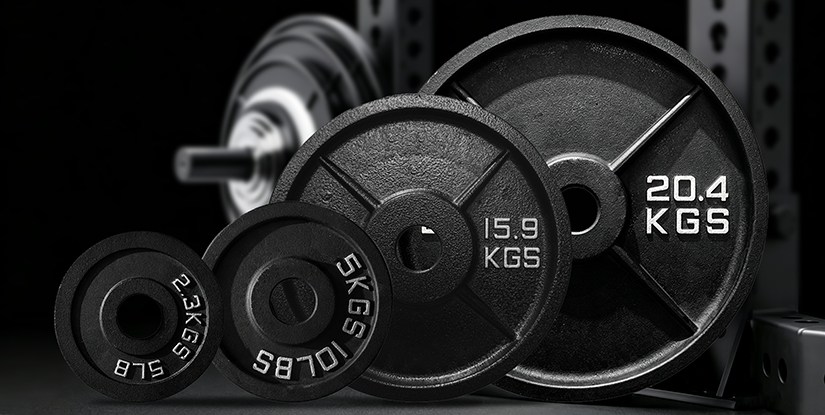
Maintaining strict quality standards is the primary responsibility of a professional commercial grade weight plate manufacturer when fulfilling large-scale international orders. For distributors and gym equipment importers, the risk of receiving batches with inconsistent weight or poor surface adhesion can lead to significant returns and damaged brand reputation. To mitigate these procurement risks, a reliable factory implements a multi-stage inspection sequence that begins at the raw material stage and continues through to the final container loading process.
The production cycle typically follows a standardized industrial sequence to ensure commercial duty compliance. After the initial casting process, each unit undergoes precise machining to ensure concentricity and a proper Olympic collar fit. To prevent oxidation and surface degradation during sea freight, plates undergo a rigorous surface finishing stage. This commonly includes a phosphate treatment to prepare the metal surface, followed by a high-durability powder coating or specialized paint application. This multi-layer approach ensures the wholesale cast iron plates can withstand high-traffic commercial environments without premature chipping or rusting.
Beyond surface aesthetics, a professional fitness equipment OEM factory conducts a mandatory weight tolerance spot-check. Rather than relying solely on theoretical calculations, quality control teams perform physical weighing of random samples from every production batch to ensure they meet the specified weight class. This level of scrutiny is essential for sourcing high-precision equipment where consistency is a non-negotiable requirement for professional strength facilities.
The final stage of the procurement cycle focuses on logistics durability and protection against the harsh variables of international transit. For bulk importers, the integrity of the product upon arrival is as critical as the initial manufacturing quality. A seasoned commercial grade weight plate manufacturer understands that improper palletization or inadequate moisture protection can result in high landed costs due to damaged goods or corrosion during long-distance sea freight.
Export Packaging and Container Loading Standards
To ensure that wholesale cast iron plates arrive in pristine condition, we implement a standardized export packaging protocol. This process begins with heavy-duty palletization, where plates are organized in a way that optimizes weight distribution and prevents shifting within the container. Each pallet is typically wrapped in multiple layers of high-strength stretch film to provide structural stability and a first line of defense against dust and debris.
Because long-duration sea freight involves high humidity and temperature fluctuations, advanced moisture protection is mandatory. We utilize industrial-grade desiccant packs and specialized waterproof liners to prevent oxidation of the metal surfaces. This rigorous preparation minimizes the risk of rust and ensures that the finished product meets the high expectations of your local clients. When planning your next shipment, we recommend discussing the specific container loading configuration with our team to optimize your volume-to-weight ratio and reduce the overall landed cost. We are happy to provide detailed packaging specifications and confirm the MOQ for customized palletizing or private label labeling requirements before the shipping date is finalized.
Quality Control Inspection Points for Commercial Plates
To assist in your procurement planning, the following table outlines the critical inspection points used by a professional fitness equipment OEM factory. This comparison helps buyers understand the technical rigor required for different product tiers, ensuring that your sourcing strategy aligns with the intended commercial use and durability requirements.
| Material Tier | Process Focus | Key Component/Spec | Commercial Duty | MOQ Impact | Factory QC Point |
|---|---|---|---|---|---|
| Bare Iron | Sand Casting | Surface Texture | Budget/Home Gym | Lower | Oxidation/Rust Check |
| Painted/Enamel | Casting & Coating | Bond Line Adhesion | Standard Commercial | Medium | Coating Uniformity |
| Powder Coated | CNC Machining & Powder | Bore Precision | Premium Commercial | Higher | Weight Calibration |
| Urethane/Rubber | Molding & Injection | Edge/Seam Integrity | High-Traffic/Premium | Highest | Dimensional Accuracy |
When evaluating a commercial grade weight plate manufacturer, it is vital to verify these specific inspection metrics. For instance, in high-tier production, we prioritize dimensional accuracy and weight calibration to ensure seamless compatibility with Olympic bars. For distributors managing high-volume inventory, understanding these qualitative tiers allows for better margin management and more accurate client expectations regarding product longevity and maintenance. We recommend requesting a sample evaluation or a detailed technical spec sheet to confirm how our OEM processes meet your specific branding and durability standards.
OEM/ODM Capabilities and Global Sourcing Logistics
For international distributors and gym equipment importers, navigating the complexities of production cycles and shipping schedules is critical to maintaining healthy margins. A professional commercial grade weight plate manufacturer must provide more than just hardware; they must offer a reliable supply chain that balances high-volume output with strict quality control. Whether you are scaling a private label line or fulfilling a large-scale commercial tender, understanding the interplay between MOQ, production capacity, and logistics is essential for successful sourcing.
Managing bulk orders requires precise coordination between the China factory and global freight schedules. When ordering wholesale cast iron plates, buyers must account for the time required for the full manufacturing sequence—moving from raw material casting to final weight calibration and export-ready packaging. A transparent supplier will provide a clear timeline that includes material procurement, the OEM production phase, and the final pre-shipment inspection to ensure your landed cost remains predictable and your inventory turnover stays efficient.
Optimizing Procurement with a Fitness Equipment OEM Factory
Working directly with a fitness equipment OEM factory allows for greater control over product specifications and branding. Unlike purchasing from a trading company, direct OEM or ODM partnerships enable you to customize the surface finish, such as choosing between a standard powder coating or a premium PU coating, to better suit your target market's durability requirements. This direct access also simplifies the process of managing MOQ tiers for specialized items, ensuring that your custom-branded products meet the exact standards of your commercial clients.
Strategic procurement depends on choosing the right level of involvement with your production partner. For distributors seeking rapid inventory turnover, purchasing standard stock items is often the most efficient route. However, for brands looking to build long-term equity, engaging in a full OEM or ODM contract is the superior method to ensure product differentiation and strict adherence to brand identity. A specialized commercial grade weight plate manufacturer will offer tiered options to accommodate different business scales, from smaller boutique studio requirements to massive international distributor shipments.
Comparing Procurement Models for Commercial Sourcing
| Procurement Model | Typical Focus | Customization Level | MOQ Impact | Best For |
|---|---|---|---|---|
| Standard Stock | Rapid replenishment and immediate shipping | Minimal (standard finishes only) | Lower per-order requirements | Small gyms and local distributors |
| OEM Production | Brand identity and specific technical specs | High (custom logos, colors, and coatings) | Higher due to specialized tooling | Global brands and large-scale distributors |
| Full ODM Solution | Complete product development and design | Maximum (unique plate geometry or materials) | Highest (requires dedicated production lines) | Tier-one equipment manufacturers |
When evaluating your next batch, consider how these models affect your total landed cost and lead time. While wholesale stock orders provide speed, they lack the exclusivity of custom-branded units. Conversely, while sourcing via a custom factory contract offers greater control over the casting and coating quality, it requires more advanced planning for production cycles and ocean freight. We recommend requesting a detailed spec sheet and a current MOQ breakdown for both stock and custom options to align your procurement strategy with your upcoming expansion or seasonal demand.
For international distributors and gym equipment importers, navigating the complexities of production cycles and shipping schedules is critical to maintaining healthy margins. A professional commercial grade weight plate manufacturer must provide more than just hardware; they must offer a reliable supply chain that balances high-volume output with strict quality control. Whether you are scaling a private label line or fulfilling a large-scale commercial tender, understanding the interplay between MOQ, production capacity, and logistics is essential for successful sourcing.
Managing bulk orders requires precise coordination between the China factory and global freight schedules. When ordering wholesale cast iron plates, buyers must account for the time required for the full manufacturing sequence—moving from raw material casting to final weight calibration and export-ready packaging. A transparent supplier will provide a clear timeline that includes material procurement, the OEM production phase, and the final pre-shipment inspection to ensure your landed cost remains predictable and your inventory turnover stays efficient.