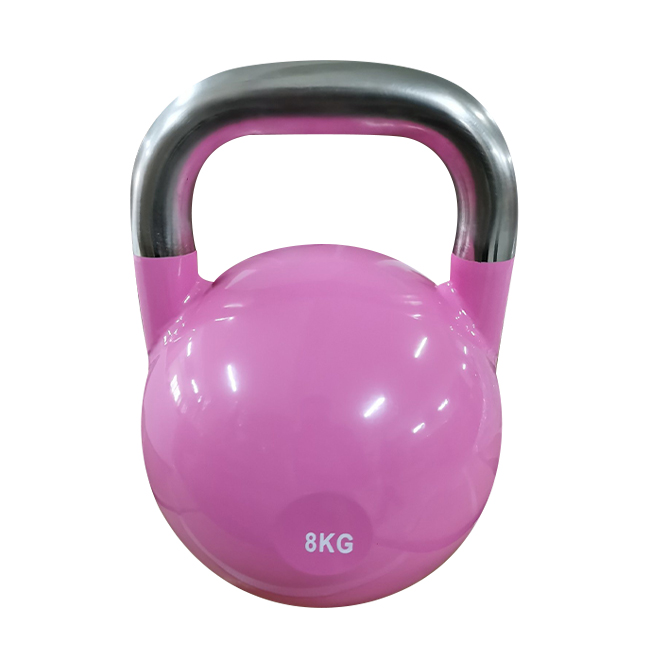
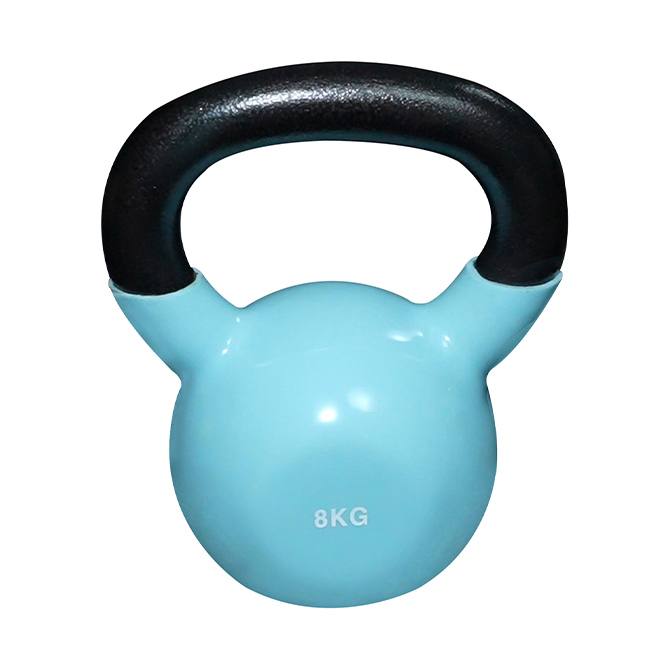
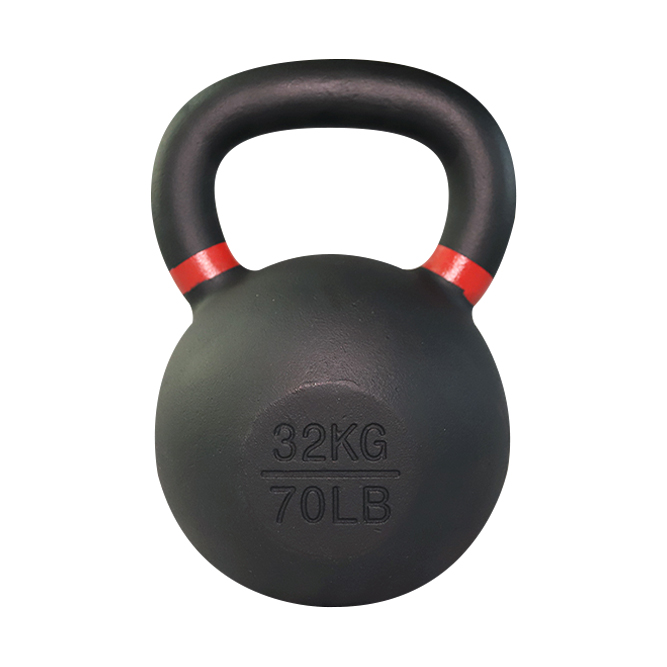
Custom Mold Kettlebell Manufacturer: China OEM Production
Selecting a Professional Custom Mold Kettlebell Manufacturer
Navigating the complexities of international procurement requires a rigorous evaluation of a potential custom mold kettlebell manufacturer to mitigate risks regarding product consistency, technical specifications, and shipping logistics. Professional buyers must look beyond basic pricing to verify if a China factory possesses the specialized tooling required for high-volume OEM and ODM requests. A qualified supplier must demonstrate mastery over the entire production cycle, ensuring that every unit meets the strict durability standards expected in global commercial fitness environments.
The primary challenge for distributors is the lack of uniformity in mass-produced weights, where inconsistent casting or poor surface finishing can lead to high return rates and damaged brand reputation. Selecting a specialized custom mold kettlebell manufacturer allows you to control the specific geometry of the handle and the texture of the grip, ensuring your private label products stand out in the market. High-tier production relies on consistent commercial-grade casting techniques to prevent structural flaws that often occur in lower-quality batches.
A reliable China kettlebell OEM factory will implement a multi-stage quality control protocol that focuses on critical commercial checkpoints. This includes a rigorous weight tolerance verification to ensure mass accuracy across a full set, as well as a detailed inspection of the surface finishing to confirm optimal powder coating adhesion and handle ergonomics. By sourcing directly from a specialized factory, importers can secure better wholesale margins and more predictable lead time management for large-scale gym deployments or retail distributions.
Technical Manufacturing Standards for Commercial Procurement
To ensure long-term durability and reduce maintenance costs, professional buyers should evaluate the technical differentiation between standard production and high-tier commercial manufacturing. When sourcing wholesale commercial kettlebells, the distinction often lies in the precision of the initial casting and the durability of the final surface treatment. A high-quality custom mold kettlebell manufacturer focuses on structural integrity and ergonomic consistency to prevent common failure modes such as coating peeling or handle deformation.
The following table outlines the qualitative differences in production standards that a professional China kettlebell OEM factory provides compared to budget-tier production options. This comparison is designed to assist procurement leads in calculating the total cost of ownership and long-term value for their distribution or gym deployment projects.
| Material & Process | Key Component Detail | Commercial Duty Tier | Typical MOQ Impact | Critical Factory QC Point |
|---|---|---|---|---|
| Sand Casting | Handle texture & concentricity | Budget/Standard | Lower | Base flatness & weight calibration |
| Precision Casting | Smooth handle-to-body junction | Commercial/Premium | Moderate | Coating adhesion & logo emboss clarity |
| Powder Coating | High-density surface layer | Premium/Professional | Higher | Surface smoothness & grip consistency |
| Custom Mold/Tooling | Proprietary brand identity shape | Custom/Private Label | Highest (Initial Tooling) | Mold precision & weight uniformity |
For distributors, the technical reliability of the custom mold kettlebell manufacturer directly impacts the landed cost and after-sales service requirements. A professional custom mold kettlebell manufacturer ensures that the base flatness is sufficient for stable placement on gym floors and that the weight calibration is strictly monitored throughout the production run. We recommend that buyers request a detailed spec sheet and confirm the specific wholesale terms, including the MOQ and export packaging standards, prior to finalizing a bulk order to ensure the product arrives in optimal condition for immediate commercial use.
Pre-Shipment Inspection and Quality Verification Protocols
For high-volume importers, the risk of receiving a defective batch is a significant threat to distributor margins and long-term client satisfaction. A professional custom mold kettlebell manufacturer must implement a rigorous pre-shipment inspection (PSI) that addresses the specific failure points of cast iron and coated products. Rather than relying on superficial visual checks, a qualified China kettlebell OEM factory utilizes targeted technical verification to ensure every unit meets commercial-grade standards before leaving the facility.
Critical inspection points must include a detailed assessment of the handle-to-body junction to ensure structural integrity and the absence of casting voids. Furthermore, technical buyers should verify the coating adhesion through standardized checks, ensuring the powder coating or rubber layer remains intact under high-frequency use. A reliable supplier will also perform a weight tolerance spot-check across the entire production run to maintain strict uniformity, which is essential for professional training environments. Finally, evaluating the efficiency of export packaging—ensuring heavy iron units are secured to prevent denting or surface damage during sea freight—is a vital step in protecting the total landed cost and ensuring the shipment arrives ready for immediate commercial deployment.
Material and Casting Standards for Commercial Use
Selecting a professional custom mold kettlebell manufacturer requires a deep understanding of how raw material selection and casting precision impact your long-term total cost of ownership (TCO). For distributors and gym operators, the difference between a standard unit and a premium commercial-grade product lies in the structural integrity of the iron and the consistency of the surface finish, which directly affects maintenance cycles and replacement frequency.
In high-traffic commercial environments, sourcing wholesale commercial kettlebells made from high-quality cast iron ensures that the density remains uniform across all weight increments. A reliable China factory will typically utilize sand casting methods to create a robust, single-piece body that minimizes structural weaknesses. This focus on material density is critical for preventing cracks or weight fluctuations that can compromise your brand reputation and increase replacement costs.
Material and Process Comparison for Procurement
| Material Type | Primary Process | Surface Finish | Commercial Duty | MOQ Impact | Factory QC Point |
|---|---|---|---|---|---|
| Cast Iron | Sand Casting | Powder Coating | High-Volume Commercial | Standard | Base Flatness |
| Ductile Iron | Precision Casting | Enamel or Paint | Premium Studio | Higher | Concentricity |
| Solid Steel | Machining | Chrome Finish | Competition/Elite | Very High | Handle Texture |
When managing wholesale commercial kettlebells orders, buyers must evaluate the adhesion of the powder coating to the cast iron base. In many commercial settings, inferior coating application leads to premature chipping at the handle-to-body junction or the logo emboss area. A professional China kettlebell OEM factory implements a multi-stage surface treatment—typically involving phosphate treatment before the final coating—to ensure the finish survives heavy daily use and maintains a premium aesthetic for your clients.
Technical Specifications and Sourcing Variables
Effective procurement of custom equipment requires a clear understanding of how specific manufacturing routes affect your landed cost and product durability. For instance, while sand casting is a common and cost-effective method for producing heavy-duty cast iron units, it requires strict weight calibration to ensure consistent density across a full set. A specialized custom mold kettlebell manufacturer will implement a rigorous calibration stage to address the natural variations inherent in sand casting, ensuring that the weight tolerance remains within industry-standard commercial limits before the units move to the coating line.
Surface treatment is another critical variable for distributors. In many high-volume orders, the durability of the finish is determined by the sequence of the surface finishing process. A high-tier China kettlebell OEM factory will not simply apply paint; they will follow a sequence of sandblasting, phosphate treatment, and finally, a high-durability powder coating. This sequence is essential for preventing the common failure mode of coating delamination at the handle-to-body junction, a frequent issue in lower-quality production that can lead to increased maintenance loads for gym owners.
When negotiating your next bulk order, we recommend requesting a detailed specification sheet that outlines the specific casting method and coating adhesion standards. Understanding these technical nuances—such as the difference between a single-coat and a multi-coat application—will help you better manage your inventory quality and ensure your brand identity remains intact through years of heavy commercial use. Please contact our team to confirm your specific requirements, discuss MOQ levels, or request a sample for quality evaluation.
Manufacturing Processes and Quality Control Benchmarks
For international distributors and gym equipment importers, selecting a reliable custom mold kettlebell manufacturer is a decision rooted in long-term product durability and brand reputation. High-volume sourcing requires a production partner that manages the entire technical workflow—from initial mold creation to final weight calibration—ensuring that every unit meets the rigorous demands of commercial fitness environments. A professional China kettlebell OEM factory provides the necessary infrastructure to scale production while maintaining consistent physical dimensions and surface integrity.
The production sequence typically begins with sand casting to create the core body shape, followed by CNC machining to refine the handle dimensions and ensure concentricity. This precision is vital for preventing wobbling during high-intensity use. After the structural shaping, the units undergo specialized surface treatments, such as powder coating or enamel application, to enhance grip and prevent oxidation. Finally, a strict weight calibration process ensures that the mass of each unit aligns with the specified commercial standard before the products move to the export packaging stage.
Commercial Grade Production Tiers
| Material/Process Type | Surface Finish | Commercial Duty | Durability Profile | Procurement Focus |
|---|---|---|---|---|
| Sand Casting | Powder Coating | High (Commercial) | Excellent Impact Resistance | wholesale commercial kettlebells |
| Sand Casting | Enamel/Paint | Standard (Studio) | Good Surface Protection | Bulk Sourcing |
| Precision Casting | Chrome/Steel | Premium (Competition) | High Precision/Low Wear | Specialized OEM |
When evaluating your next batch, it is essential to verify the coating adhesion and the handle-to-body junction integrity. A top-tier custom mold kettlebell manufacturer will implement a pre-shipment QC step that includes spot-checking the weight tolerance and inspecting the base flatness. For distributors managing large-scale gym deployments, these technical benchmarks directly impact the total cost of ownership and reduce the frequency of replacement or after-sales claims.
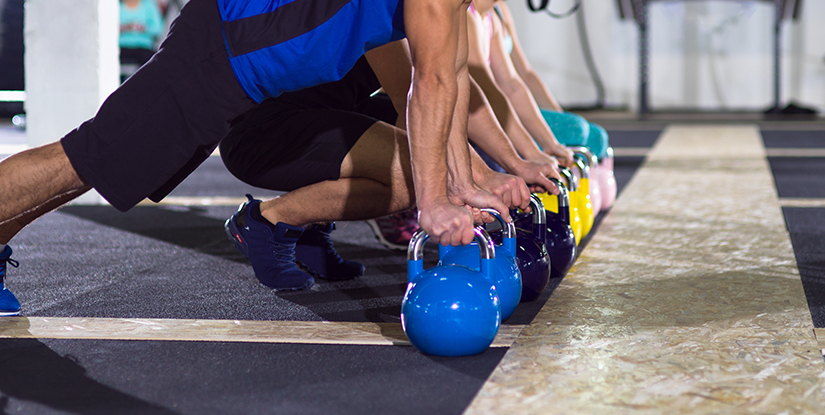
For international distributors and gym equipment importers, selecting a reliable custom mold kettlebell manufacturer is a decision rooted in long-term product durability and brand reputation. High-volume sourcing requires a production partner that manages the entire technical workflow—from initial mold creation to final weight calibration—ensuring that every unit meets the rigorous demands of commercial fitness environments. A professional China kettlebell OEM factory provides the necessary infrastructure to scale production while maintaining consistent physical dimensions and surface integrity.
The production sequence typically begins with sand casting to create the core body shape, followed by CNC machining to refine the handle dimensions and ensure concentricity. This precision is vital for preventing wobbling during high-intensity use. After the structural shaping, the units undergo specialized surface treatments, such as powder coating or enamel application, to enhance grip and prevent oxidation. Finally, a strict weight calibration process ensures that the mass of each unit aligns with the specified commercial standard before the products move to the export packaging stage.
Pre-Shipment Inspection and Export Standards
Reliable procurement depends on a rigorous pre-shipment QC protocol that goes beyond basic visual checks. For professional importers, a single defective batch can result in high landed costs due to returns or damaged brand reputation. A professional custom mold kettlebell manufacturer mitigates these risks by implementing standardized inspection checkpoints before the final export packaging stage. This ensures that every unit in a bulk order is ready for immediate deployment in high-traffic commercial facilities.
Our technical inspection process focuses on four critical areas: weight tolerance spot-check, coating adhesion, base flatness, and the handle-to-body junction. We commonly utilize calibrated testing equipment to ensure weight consistency across the entire production run, preventing discrepancies that can compromise professional training standards. Furthermore, we inspect the base flatness to ensure stability on gym floors and test the handle-to-body junction for structural integrity. By prioritizing these technical benchmarks, our China kettlebell OEM factory helps distributors maintain high quality standards and minimize after-sales service requirements.
To ensure safe transit and maximize container loading efficiency, we utilize reinforced export packaging designed for heavy-duty lifting. This stage is vital for maintaining the integrity of the powder coating and preventing surface abrasions during sea freight. Whether you are managing a small wholesale order or a large-scale OEM production run, our standardized packaging protocols ensure your inventory arrives in optimal condition, protecting your margins and ensuring a smooth delivery process for your end clients.
Custom Branding and OEM/ODM Production Capabilities
For global distributors and fitness equipment importers, the ability to differentiate a product line through a unique brand identity is a critical competitive advantage. Relying on generic, unbranded stock often limits your ability to command premium margins in specialized markets. Partnering with a professional custom mold kettlebell manufacturer allows you to move beyond standard commodity products toward a proprietary collection that meets specific market demands.
Distributors typically face a choice between two primary production models: OEM and ODM. With OEM (Original Equipment Manufacturing), your factory produces kettlebells based on your specific technical drawings, precise weight requirements, and custom handle textures. This is the ideal route for established brands that require strict control over the commercial-grade specifications and material composition. Conversely, ODM (Original Design Manufacturing) offers a more streamlined sourcing path, where you leverage the existing R&D and optimized molds of the China factory to introduce new product variations with minor aesthetic or branding adjustments. Both paths provide significant customization options to ensure your private label products stand out in a crowded professional landscape.
Whether you are looking to refine a specific handle-to-body junction design or simply require high-volume wholesale commercial kettlebells with a permanent embossed logo, understanding these production nuances is essential for effective inventory planning and long-term brand positioning.
Technical Execution of Custom Molds and Surface Finishing
The precision of a custom mold kettlebell manufacturer is defined by the transition from a raw design concept to a high-fidelity physical product. The process typically begins with high-grade sand casting to ensure the structural integrity of the cast iron core. Once the basic shape is established, CNC machining is utilized to refine the handle and the weight-bearing junctions, ensuring concentricity and smooth grip transitions. This technical rigor prevents common failure modes, such as uneven weight distribution or handle-to-body structural weaknesses, which can lead to costly returns for a distributor.
For professional buyers, the visual and tactile quality of the surface finishing is a primary indicator of commercial durability. After the initial casting and machining phases, the bells undergo a rigorous surface treatment sequence. This often involves a phosphate treatment to prepare the metal, followed by a high-durability powder coating application. This coating provides a resilient, matte, or textured finish that resists chipping during heavy use. For clients requiring high-end branding, we offer logo embossing directly into the mold or high-precision pad printing, ensuring that your brand identity remains intact even under rigorous commercial training conditions. Every batch undergoes strict weight calibration and a final quality control inspection to ensure that the landed cost of your shipment is not undermined by weight discrepancies or coating adhesion failures.
Comparison of Customization Models for B2B Procurement
When planning your next bulk order, choosing the correct production model is essential for balancing development costs against market exclusivity. A professional custom mold kettlebell manufacturer provides two distinct pathways depending on your technical requirements and budget. While wholesale commercial kettlebells from existing molds offer the fastest time-to-market, custom mold development allows for complete control over the product's physical identity.
The following table compares the two primary development routes to assist in your sourcing decision-making process. These tiers are designed to help distributors and gym owners align their procurement with their specific inventory goals, whether they are launching a new private label line or expanding an existing catalog.
| Feature | OEM (Original Equipment Manufacturing) | ODM (Original Design Manufacturing) |
|---|---|---|
| Customization Depth | High: Full control over mold shape, handle texture, and weight distribution | |
| Branding Method | Deep: Custom mold embossing, unique handle-to-body junctions, and specialized coatings | |
| Development Time | Longer: Requires time for mold engineering, casting tests, and prototyping | |
| Typical MOQ | Higher: Generally requires larger volumes to justify custom tooling and mold creation | |
| Production Complexity | High: Involves bespoke CNC machining and specialized surface finishing steps | |
| Ideal For | Established brands seeking a proprietary, market-leading product line | |
| Ideal For | Distributors looking to expand existing collections with branded variations |
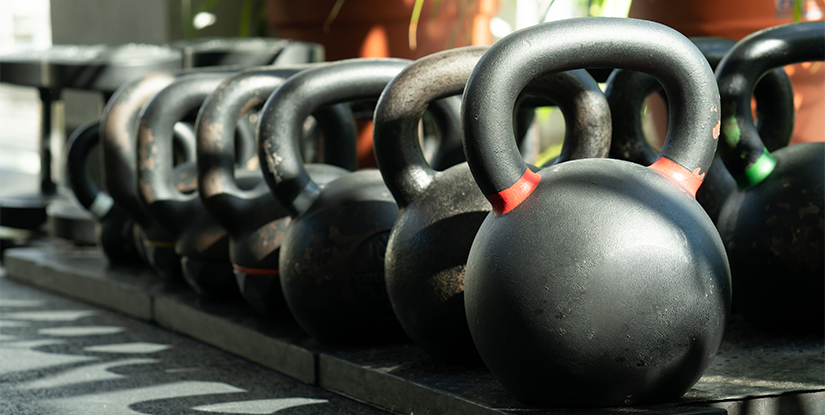
Understanding these distinctions ensures that your China kettlebell OEM factory partner can meet your exact lead time and technical specifications. We recommend requesting a sample evaluation or a formal quote for both models to compare the long-term ROI and landed cost implications before finalizing your production agreement.
Export Packaging and Logistics Optimization
Managing the total landed cost of a bulk shipment requires more than just negotiating a low unit price; it requires a strategic approach to weight-to-volume ratios and transit security. For distributors and gym owners sourcing from a custom mold kettlebell manufacturer, the final cost is heavily dictated by how efficiently the goods are packed and how well they are protected against the rigors of international freight.
Standard shipping methods often fail to account for the high density and irregular shapes of cast iron products. Without specialized export packaging, even a small percentage of transit damage—such as chipped powder coating or dented handles—can quickly erode your profit margins and increase replacement overhead. A professional China kettlebell OEM factory will implement tiered packaging solutions to optimize container utilization and minimize breakage.
To maintain high margins, importers should evaluate the following logistics standards when requesting a quote for wholesale commercial kettlebells:
| Packaging Tier | Protection Level | Volume Efficiency | Ideal Sourcing Scenario |
|---|---|---|---|
| Standard Export Carton | Basic protection for surface coating | Moderate; standard pallet footprint | Low-volume wholesale orders |
| Reinforced Heavy-Duty Case | High; prevents denting and handle stress | High; optimized for stacking stability | Long-distance sea freight / LCL |
| Custom Branded Wooden Crate | Maximum; prevents impact damage | Variable; depends on pallet configuration | Premium OEM or high-value shipments |
Optimizing your bulk shipping strategy involves working closely with a supplier to ensure that the weight-to-volume ratio is maximized within each 20ft or 40ft container. By refining the palletization process and ensuring high-density loading, you can significantly reduce the per-unit freight cost, directly improving your overall landed cost and competitive edge in the local market.
Effective logistics management is a critical variable in the procurement of heavy iron goods. When negotiating with a custom mold kettlebell manufacturer, the technical configuration of your shipment can determine whether your margins remain healthy or are consumed by unexpected freight overhead. For large-scale distributors, the goal is to achieve maximum density without compromising the integrity of the surface coating or the structural safety of the handle.
The difference between a standard shipment and a professionalized logistics plan lies in the attention to palletization and container loading efficiency. A specialized China kettlebell OEM factory understands that high-density cast iron products require specific stacking protocols to prevent crushing or shifting during sea transit. Choosing the right packaging types allows you to balance the immediate cost of materials against the long-term stability of your landed cost.
To ensure your next wholesale commercial kettlebells order arrives in showroom condition, we recommend reviewing the following logistical benchmarks during your sourcing process:
| Packaging Method | Protection Level | Shipping Efficiency | Best For |
|---|---|---|---|
| Standard Single Carton | Basic protection for minor scuffs | Standard density | Small wholesale batches |
| Reinforced Double-Wall Box | High resistance to impact and vibration | Optimized for LCL | Standard OEM distribution |
| Custom Palletized Crating | Maximum stability for heavy iron loads | High-density FCL loading | Large-scale bulk imports |
When planning your procurement, always request a detailed loading plan from your supplier. This includes the total weight per pallet and the exact dimensions of the outer cartons. By coordinating the sea freight optimization and palletization strategy early in the production cycle, you can maximize the number of units per container, effectively lowering your per-unit shipping expense and enhancing your market competitiveness.
When planning your procurement, always request a detailed loading plan from your supplier. This includes the total weight per pallet and the exact dimensions of the outer cartons. By coordinating the sea freight optimization and palletization strategy early in the production cycle, you can maximize the number of units per container, effectively lowering your per-unit shipping expense and enhancing your market competitiveness.
Sourcing Strategy for Wholesale Commercial Kettlebells
Optimizing your supply chain requires more than finding a low price; it requires a custom mold kettlebell manufacturer that understands the impact of landed cost on your total margin. For distributors and warehouse operators, the goal is to balance high-volume capacity with consistent product specifications to ensure long-term reliability in commercial fitness environments.
When sourcing wholesale commercial kettlebells, the primary risk is inconsistent weight distribution or poor coating adhesion, which leads to increased returns and damaged brand reputation. A professional China kettlebell OEM factory mitigates these risks by implementing standardized casting and finishing protocols that align with international commercial standards. By controlling the production process directly at the factory level, importers can better manage their MOQ requirements and ensure that every unit meets the durability expectations of high-traffic gyms and professional studios.
Production Tier Comparison for Procurement Decision-Making
Selecting the appropriate production method is critical for managing both your initial capital expenditure and your long-term maintenance load. Depending on whether your target market is high-end boutique studios or high-traffic strength facilities, the choice between standard casting and specialized finishes will directly affect your distributor margins and the total cost of ownership for your clients.
A professional custom mold kettlebell manufacturer typically offers different tiers of production to accommodate diverse market segments. For example, while standard sand casting is efficient for high-volume wholesale orders, advanced processes like specialized powder coating or PU encapsulation provide the premium feel required for high-end commercial environments. Understanding these technical distinctions allows procurement leads to align their inventory with specific consumer demand while managing the complexities of international shipping and warehouse space efficiency.
| Material Tier | Surface Finish | Key Component Focus | Commercial Duty | MOQ Impact | Factory QC Point |
|---|---|---|---|---|---|
| Cast Iron | Powder Coating | Handle-to-body junction | High-Traffic Gyms | Lower | Coating adhesion |
| Cast Iron | Vinyl/PU Dip | Base flatness | Boutique Studios | Medium | Encapsulation layer |
| Ductile Iron | Enamel/Paint | Weight calibration | Professional Training | High | Concentricity check |
| Steel | Chrome Finish | Knurling texture | Competition/Premium | Very High | Handle precision |
To ensure a successful partnership, we recommend requesting a detailed spec sheet and confirming the MOQ for any ODM or custom branding requests. Before finalizing a large-scale purchase, it is standard practice to undergo a sample approval process and, if possible, a factory audit to verify that the production line and pre-shipment QC protocols meet your specific commercial requirements.