Precision Weight Plate Manufacturer: China Source Factory
Precision Weight Plate Manufacturer: Essential Sourcing for Global Distributors
A professional precision weight plate manufacturer provides high-tolerance machined steel and specialized coatings designed for high-traffic commercial environments. For global distributors, sourcing from a specialized factory ensures consistent weight accuracy and long-term durability, which are critical for maintaining professional gym standards and high distributor margins.
In the competitive landscape of commercial fitness supply, the difference between a standard cast iron plate and a precision-engineered unit lies in the manufacturing complexity. Relying on low-grade production often leads to uneven weight distribution, inconsistent concentricity, and premature coating failure. These technical flaws result in increased returns and diminished trust from gym owners. By establishing a direct partnership with a precision weight plate manufacturer, importers can secure high-performance OEM steel weight plates that meet the strict requirements of professional strength facilities.
The ability to offer high-tolerance products allows distributors to move away from the budget tier and into the premium commercial segment. While low-cost alternatives may offer initial savings, the long-term cost of replacement and maintenance often outweighs the benefits. High-quality commercial weight plate wholesale programs focus on minimizing these variables through controlled machining and superior material selection, ultimately protecting the buyer's reputation and bottom line.
Technical Tier Comparison and Procurement Standards
When evaluating your next batch, it is essential to understand how manufacturing routes impact the total cost of ownership (TCO). For professional buyers, the choice between budget-tier casting and premium-tier machining determines the frequency of replacement and the level of client satisfaction. A professional precision weight plate manufacturer will typically offer different production tiers to suit various market segments, from standard commercial gyms to high-end performance centers.
The following table outlines the qualitative differences between production methods to assist in your sourcing strategy. This comparison focuses on how material processing and finishing affect the long-term commercial utility of the product.
| Material Tier | Primary Process | Key Component Detail | Commercial Duty | MOQ Impact | Factory QC Point |
|---|---|---|---|---|---|
| Standard Cast Iron | Sand Casting | Rough surface texture | Budget / Basic Commercial | Lower | Base flatness and casting integrity |
| Machined Steel | CNC Machining | High-tolerance bore and concentricity | Professional / Premium Commercial | Moderate | Weight calibration and edge smoothness |
| Advanced Hybrid | Machining + Coating | High-grade commercial-grade rubber coating | Elite / Competition Grade | Higher | Coating adhesion and thickness consistency |
For distributors looking to scale, choosing OEM steel weight plates with a focus on precision machining ensures that the center of gravity remains consistent during heavy use. While sand casting is a common method for high-volume wholesale orders, it may lack the concentricity required for high-performance training. In contrast, a premium precision weight plate manufacturer utilizes advanced surface finishing and rigorous calibration to ensure that every unit meets the expected weight standards. Investing in superior products reduces the long-term burden of returns and replacement planning, securing a more stable ROI for your distribution business.
Supply Chain Reliability and Global Distribution Logistics
Navigating the complexities of international procurement requires more than just selecting a product; it requires a partner capable of managing high-volume logistics and strict quality benchmarks. For a professional precision weight plate manufacturer, the goal is to provide a seamless transition from the China factory to your local warehouse. This involves managing the variables of MOQ, production schedules, and the intricacies of international shipping to ensure your inventory levels remain optimized without unnecessary capital tie-up.
Efficient sourcing strategies must account for the total landed cost, which includes not only the unit price but also the costs of shipping, duties, and potential damage during transit. To mitigate these risks, a professional supplier implements standardized export packaging protocols. This typically includes reinforced corner protection, heavy-duty pallets, and moisture-resistant wrapping to ensure that high-tolerance plates arrive in pristine condition, regardless of the shipping distance or duration.
Reliability in the supply chain is also defined by transparent lead time management and rigorous quality control. A reputable factory will provide clear production timelines, allowing distributors to plan their seasonal stock replenishment with confidence. Furthermore, a comprehensive pre-shipment QC process—which includes visual inspections of the coating adhesion, weight calibration checks, and bore concentricity verification—serves as a final safeguard. By addressing these technical and logistical details before the goods leave the dock, a precision weight plate manufacturer helps you maintain high service levels for your end-users while protecting your distributor margins.
Material and Machining Standards for High-Tolerance Plates
For distributors and gym equipment importers, the technical integrity of a precision weight plate manufacturer determines the long-term reliability of a commercial facility. High-performance environments require more than just raw weight; they demand consistent concentricity and structural balance to prevent uneven wear on barbell sleeves and training equipment. When managing large-scale commercial weight plate wholesale orders, understanding the distinction between basic casting and high-tolerance machining is critical for minimizing replacement costs and ensuring professional-grade performance.
Standard casting processes often leave irregularities in thickness or center-bore alignment, which can lead to wobbling during heavy lifts. To meet rigorous commercial gym standards, professional-grade units undergo secondary CNC machining to refine the inner diameter and ensure the plate sits perfectly flush on the bar. This precision is vital for maintaining the lifespan of expensive barbell sets and ensuring the safety of the end-user. By sourcing directly from a specialized China factory, buyers can ensure that each batch undergoes systematic calibration and flatness checks, providing the stability required for high-traffic commercial strength zones.
Material and Finishing Tier Comparison
Choosing between different manufacturing routes directly impacts the total cost of ownership and the maintenance load for your clients. While sand casting is a standard method for producing high volumes of bulk weight, it often lacks the surface smoothness required for premium commercial settings. For distributors looking to offer high-end products, opting for OEM steel weight plates that undergo secondary machining ensures much tighter tolerances and better weight distribution across the entire set.
The following table outlines the qualitative differences between common production methods to assist in your procurement decision. This comparison helps determine which tier fits your specific market positioning, whether you are sourcing for budget-friendly training centers or premium performance studios.
| Material Type | Primary Process | Surface Finish | Commercial Duty Tier | MOQ Impact | Factory QC Focus |
|---|---|---|---|---|---|
| Cast Iron | Sand Casting | Paint or Enamel | Budget/Standard | Lower | Base Flatness |
| Steel | Machining & Calibration | Powder Coating | Professional/Premium | Moderate | Bore Concentricity |
| Steel/Iron Core | Molding & Encapsulation | Rubber or PU Coating | High-End/Performance | Higher | Coating Adhesion |
When evaluating a precision weight plate manufacturer, it is essential to verify the specific surface treatment used. A high-quality powder coating or high-grade rubber encapsulation provides a layer of protection that prevents oxidation and reduces floor impact noise. During your pre-shipment inspection, we recommend checking the adhesion of the coating and the smoothness of the inner bore to ensure the plates meet your brand's quality standards before they leave the factory.
Pre-Shipment QC and Export Standards
For professional importers, the most significant risk in a bulk order is receiving inconsistent batches that fail to meet technical specifications. A reliable precision weight plate manufacturer must implement a multi-stage quality control protocol that extends beyond simple visual inspection. This is especially critical when managing high-volume commercial weight plate wholesale contracts, where even minor deviations in weight or center-bore alignment can lead to significant returns and damage to your reputation as a supplier.
A professional China factory should demonstrate a rigorous pre-shipment QC process that includes weight calibration and concentricity verification. In many commercial settings, plates are subject to secondary machining to ensure the inner diameter remains consistent, preventing the "wobble" effect often seen in lower-tier products. During your factory audit or third-party inspection, we recommend focusing on three specific areas: the precision of the center-bore, the uniformity of the surface coating (such as powder coating or rubber adhesion), and the overall flatness of the plate face. Ensuring these technical details are verified at the source helps stabilize your landed cost by reducing the need for after-sales replacements or part-level compensation.
If you are looking to secure high-tolerance equipment for your next project, we suggest contacting us to request a detailed specification sheet, confirm the current MOQ for OEM steel weight plates, or discuss custom branding options for your product line.
Comparing Commercial Weight Plate Wholesale Tiers
Selecting a precision weight plate manufacturer requires a strategic focus on Total Cost of Ownership (TCO) rather than just the initial unit price. For distributors and gym operators, the true cost includes long-term durability, maintenance requirements, and the replacement frequency of the inventory. When engaging in commercial weight plate wholesale, understanding the different quality tiers ensures that your procurement aligns with your target market's expectations and your long-term profit margins.
A low-cost, uncalibrated option might offer a lower landed cost initially, but it often leads to higher TCO due to uneven weight distribution, surface oxidation, or coating failure. Conversely, sourcing OEM steel weight plates with standardized machining and high-grade finishes provides a more stable ROI by reducing client complaints and replacement cycles in high-traffic commercial environments.
| Tier Level | Material & Finish | Primary Use Case | Procurement Focus | TCO Profile |
|---|---|---|---|---|
| Budget/Standard | Cast Iron / Basic Paint | Home Gyms / Small Studios | Low MOQ / Low Unit Price | Higher replacement risk |
| Commercial Grade | Machined Steel / Powder Coating | Commercial Gyms / Training Centers | Standardized Wholesale | Balanced durability/cost |
| Premium/Competition | High-Grade Steel / PU or Rubber | Professional Training / High-End Clubs | Custom OEM/ODM Specs | Low maintenance/High longevity |
When evaluating a China factory for your next bulk order, we recommend requesting a detailed specification sheet. A professional supplier should be able to clarify the weight tolerance bands and the specific coating adhesion processes used during production to ensure the product meets your brand identity standards.
A professional precision weight plate manufacturer will typically offer distinct production paths based on these material and process tiers. For distributors, the decision often hinges on whether the end-user requires basic weight increments or high-precision, high-impact resistance. Choosing the correct tier during the sourcing phase prevents future issues with uneven wear or weight discrepancies that can damage your reputation as a reliable provider.
The following table outlines how material selection and manufacturing complexity impact your procurement decisions. Whether you are looking for standard commercial weight plate wholesale options or high-end OEM steel weight plates, understanding these variables is essential for calculating your long-term landed cost and distributor margins.
| Material Tier | Core Process | Key Component/Finish | Commercial Duty | MOQ Impact | Factory QC Point |
|---|---|---|---|---|---|
| Cast Iron | Sand Casting | Basic Paint or Enamel | Light Commercial/Home | Lower MOQ | Surface Flatness |
| Machined Steel | CNC Machining | Powder Coating | Full Commercial/Gyms | Standard Wholesale | Bore Concentricity |
| High-Grade Steel | Precision Machining | PU or Rubber Coating | Elite/Professional | Higher MOQ | Coating Adhesion |
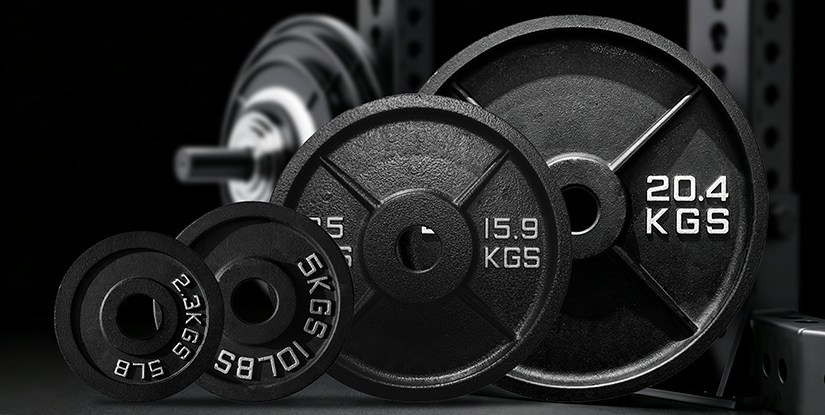
Before finalizing your bulk order, we suggest conducting a sample evaluation to verify the specific weight tolerance and coating thickness. A reliable factory will provide transparent data regarding their calibration steps and pre-shipment inspection protocols to ensure every unit meets your specific commercial-grade requirements.
Before finalizing your bulk order, we suggest conducting a sample evaluation to verify the specific weight tolerance and coating thickness. A reliable factory will provide transparent data regarding their calibration steps and pre-shipment inspection protocols to ensure every unit meets your specific commercial-grade requirements.
Optimizing Floor Layout and Storage Efficiency
For gym operators and distributors, every square meter of facility space represents significant overhead. A professional precision weight plate manufacturer provides more than just equipment; they provide solutions for high-density storage. By sourcing through a China factory, importers can access products designed with standardized dimensions and high stacking capability, ensuring that weight sets remain organized and compact during both transport and facility use.
Inefficient equipment leads to cluttered floor layouts and increased maintenance labor. When procurement leads select commercial weight plate wholesale options with consistent thickness and concentricity, they ensure plates sit flat and stack securely. This precision reduces the risk of wobbling or uneven weight distribution, which can damage flooring and decrease the overall ROI of a commercial space. Utilizing OEM steel weight plates with optimized profiles allows for tighter nesting in racks and more efficient vertical storage, directly improving the utility of your facility's footprint.
Comparison of Storage and Maintenance Efficiency
Selecting the correct tier of equipment is a strategic decision for long-term facility management. While budget-tier options may offer lower initial landed costs, they often lead to higher operational expenses due to poor stacking stability and increased maintenance needs. A professional precision weight plate manufacturer ensures that high-tolerance profiles are maintained, which is essential for maximizing vertical storage and reducing floor clutter in high-traffic commercial environments.
| Metric | Standard Commercial Tier | Precision Machined Tier |
|---|---|---|
| Thickness Consistency | Variable; potential for uneven stacking | High; optimized for vertical stability |
| Stacking Stability | Moderate; prone to wobbling | Excellent; high nesting capability |
| Storage Footprint | Standard; requires more rack space | Optimized; allows for tighter nesting |
| Maintenance Frequency | Higher due to surface irregularities | Lower; smoother profiles and coatings |
| Commercial Utility | General fitness use | High-density training and professional facilities |
When evaluating your next batch, consider the total cost of ownership rather than just the unit price. Sourcing OEM steel weight plates with superior flatness and concentricity reduces the time staff spends reorganizing equipment and minimizes the wear on storage racks. For distributors looking to provide premium value to their clients, prioritizing these technical specifications ensures a more professional and durable product offering.
For large-scale distributors and gym chains, the landed cost is heavily influenced by shipping density and the durability of the transit packaging. A specialized precision weight plate manufacturer understands that weight is a constant, but volume is a variable that must be managed. By optimizing the stacking profile of the plates, a China factory can increase the number of units per container, effectively reducing the per-unit shipping cost and improving the overall logistics efficiency for global importers.
Standardizing the packaging process is critical to preventing damage during long-distance sea freight. When procuring commercial weight plate wholesale orders, the risk of coating abrasion or dimensional deformation increases if the export packaging is insufficient. Professional manufacturers implement rigorous packing protocols, such as reinforced palletization and moisture-resistant wrapping, to ensure that the OEM steel weight plates arrive at the destination in factory-spec condition. This focus on packaging durability reduces the frequency of replacement claims and protects your distributor margins.
Pre-Shipment Inspection and Quality Control Focus
To mitigate the risks associated with overseas sourcing, professional buyers should focus on specific QC checkpoints during the pre-shipment phase. A reliable precision weight plate manufacturer will provide transparency regarding the calibration and inspection steps used to verify the product before it leaves the facility. For high-volume orders, we recommend requesting a detailed inspection report that covers both the physical dimensions and the surface integrity of the plates.
- Bore Concentricity: Verification of the center hole alignment to ensure smooth loading on Olympic bars.
- Surface Adhesion: Inspection of the coating or rubber bond to prevent peeling under heavy commercial use.
- Weight Calibration: Spot-checks to ensure the weight tolerance remains within industry-standard commercial limits.
- Packaging Integrity: Testing the strength of pallets and corner protectors to withstand container loading stresses.
If you are planning a large-scale procurement or looking to develop a private label line, we suggest contacting our team to discuss your specific MOQ, lead times, and custom branding requirements. We can provide technical spec sheets or arrange for sample evaluations to ensure our manufacturing standards align with your facility's durability needs.
China Factory QC and Export Packaging Protocols
For international distributors and gym equipment importers, the reliability of a precision weight plate manufacturer is defined by the rigor of their final inspection and the durability of their shipping preparations. Relying on a China factory that prioritizes standardized quality control (QC) standards ensures that every unit arriving at your warehouse meets strict weight tolerance requirements. Without these protocols, bulk shipments often face high rates of replacement costs due to calibration errors or physical defects.
A professional pre-shipment inspection is a non-negotiable step in the commercial weight plate wholesale workflow. This process typically includes checking the concentricity of the center bore, the adhesion of the OEM steel weight plates coating, and the flatness of the casting surfaces. These checks prevent the common issue of plates failing to sit flush on barbell sleeves, which can damage high-end commercial bars and decrease the lifespan of the equipment.
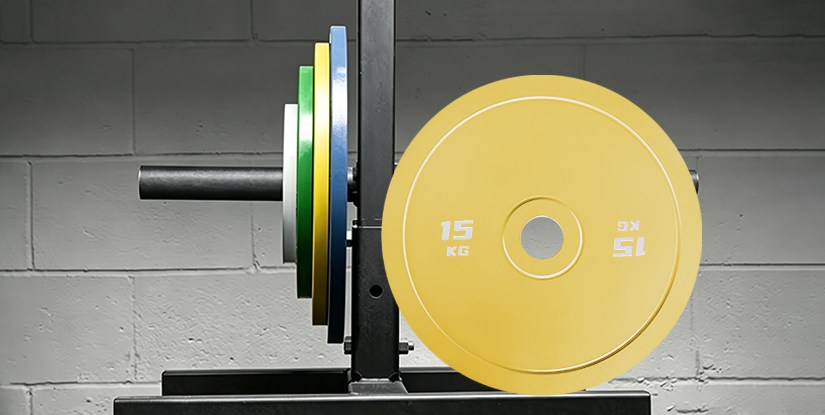
Beyond production, specialized export packaging is essential for reducing damage during transit. High-density foam corner protectors, heavy-duty corrugated cartons, and reinforced wooden crates are industry standards for protecting heavy steel components from impact and moisture during sea freight. By investing in robust packaging, importers can achieve significant landed cost optimization, as it reduces the frequency of damaged goods claims and minimizes the need for expensive secondary shipments or local replacements.
Optimizing Logistics and Shipping Stability
Efficient sea freight protection is a critical component of the total landed cost calculation for large-scale distributors. Because high-density steel components create immense concentrated loads, standard packaging is often insufficient for long-distance maritime transit. A professional precision weight plate manufacturer utilizes standardized palletization techniques to ensure stability within the shipping container. This involves securing the load with heavy-duty shrink wrap and edge protectors to prevent shifting during ocean swells, which protects both the product integrity and the container walls.
For high-volume commercial weight plate wholesale orders, the export packaging strategy must account for the specific weight distribution of the shipment. We recommend reinforced wooden crates or heavy-duty pallets for large-scale OEM steel weight plates orders to maintain structural rigidity. When planning your sourcing, it is vital to confirm the MOQ and the specific lead time for customized palletization to ensure your warehouse arrival schedules remain predictable. Please contact our factory team to request a detailed packing specification sheet or to arrange a pre-shipment inspection schedule for your upcoming bulk order.
Packaging and QC Tier Comparison
Selecting the appropriate service level is essential for managing your distributor margins and total landed cost. Depending on your target market—whether you are supplying budget-friendly commercial gyms or high-end strength studios—you must choose a tier that balances material protection with shipping efficiency. A professional precision weight plate manufacturer offers tiered options to accommodate different sourcing requirements and MOQ constraints.
| Feature | Standard Wholesale Tier | Premium OEM Tier |
|---|---|---|
| Material Protection | Standard moisture-resistant film | Multi-layer heavy-duty shrink wrap and edge guards |
| Pallet Type | Standardized export wooden pallets | Reinforced heavy-duty pallets for high-density loads |
| Inspection Depth | Standard weight and bore check | Full surface coating adhesion and concentricity audit |
| Shipping Suitability | General sea freight/LCL | High-stability container loading for long-haul maritime |
| Branding Capability | Standardized factory packaging | Custom private label and branded crate options |
When evaluating commercial weight plate wholesale options, consider that the Premium Tier is specifically designed to minimize the risk of surface oxidation or denting during long-distance transit. For clients pursuing OEM or ODM partnerships, we recommend the premium protocol to ensure that your OEM steel weight plates arrive in showroom condition, ready for immediate distribution. Please contact our factory directly to discuss specific pre-shipment requirements or to request a customized packaging quote based on your container volume.
Custom Branding and OEM/ODM Capabilities
For global distributors and gym equipment importers, transitioning from generic stock to a proprietary product line is a critical step in building a defensible market position. Partnering with a professional precision weight plate manufacturer allows you to move beyond simple commodity trading toward establishing a high-value brand identity. Whether you are launching a boutique studio line or a large-scale commercial fitness chain, specialized OEM and ODM services provide the technical infrastructure to turn high-tolerance steel components into branded assets.
The strategic value of custom branding lies in the ability to control the visual and technical specifications of your inventory. While standard commercial weight plate wholesale orders focus on rapid replenishment, private label programs allow you to integrate specific logos, unique color schemes, or specialized coatings that differentiate your catalog from generic competitors. This level of customization is essential for maintaining high distributor margin, as branded, specialized equipment commands a premium price point in the professional market compared to unbranded, mass-market alternatives.
A capable China factory does not merely print a logo; they manage the entire development lifecycle. This includes selecting the appropriate base material—such as high-density cast iron or precision-machined steel—and applying specific finishes like high-durability powder coating or specialized rubber encapsulation to match your brand's aesthetic. By leveraging ODM capabilities, you can request specific adjustments to the plate' better concentricity, unique edge profiles, or custom thickness profiles to meet the exact requirements of your target fitness segment.
Strategic Sourcing Tiers for Branded Equipment
| Sourcing Model | Customization Scope | Typical MOQ | Primary Objective | Brand Value |
|---|---|---|---|---|
| Standard Wholesale | Minimal (Logo Only) | Low to Medium | Rapid Inventory Turnover | Low |
| OEM Production | Medium (Color/Finish) | Medium to High | Product Differentiation | Medium |
| Full ODM Development | High (Full Spec) | High | Market Leadership | High |
When evaluating your next procurement cycle, consider how much control you require over the finished product's technical profile. While standard wholesale orders offer the fastest lead time for immediate stock needs, a dedicated OEM or ODM partnership offers the long-term stability required to scale a professional fitness brand. We recommend contacting our supplier team to discuss your specific MOQ requirements, technical drawings, and potential custom branding options to ensure your products meet both your aesthetic standards and commercial durability needs.
Navigating the transition from bulk procurement to proprietary product development requires a clear understanding of technical limitations and production timelines. For many importers, the primary friction point is balancing the desire for unique aesthetics with the realities of a China factory production schedule. A high-tier precision weight plate manufacturer will provide structured tiers of customization, ensuring that your custom branding does not compromise the fundamental weight tolerance or the structural integrity of the steel weight plates being shipped.
The following comparison outlines how different procurement strategies impact your landed cost and product uniqueness. While a standard commercial weight plate wholesale order is optimized for speed and low MOQ, a full ODM project is optimized for market exclusivity and specialized performance features.
| Customization Level | Technical Scope | Typical MOQ | lead time Impact | Commercial Application |
|---|---|---|---|---|
| Standard Stock | Fixed Material & Color | Low | Shortest | General Gym Replenishment |
| OEM (Branded) | Logo Application & Finish | Medium | Moderate | Distributor Private Label |
| Full ODM | Custom Spec & Shape | High | Longest | Premium Fitness Brand Launch |
When managing your sourcing strategy, it is vital to account for how custom branding affects your lead time. Adding a specialized surface finish, such as a specific color of powder coating or a custom rubber encapsulation layer, typically extends the production cycle compared to standard black iron or bare steel. Furthermore, complex logo application methods—whether through CNC machining, casting directly into the plate, or high-durability paint—must be vetted during the pre-shipment QC stage to ensure long-term adhesion and prevent peeling under heavy commercial use.
To ensure your brand identity remains consistent across large-scale shipments, we recommend a multi-step validation process. Before committing to a large wholesale volume, request a technical spec sheet and a physical sample to evaluate the weight tolerance and the quality of the surface finish. Once the sample meets your professional standards, you can proceed with a formal factory audit or a video inspection to confirm that the production line is meeting your specific OEM requirements.
Navigating the transition from bulk procurement to proprietary product development requires a clear understanding of technical limitations and production timelines. For many importers, the primary friction point is balancing the desire for unique aesthetics with the realities of a China factory production schedule. A high-tier precision weight plate manufacturer will provide structured tiers of customization, ensuring that your custom branding does not compromise the fundamental weight tolerance or the structural integrity of the OEM steel weight plates being shipped.
The following comparison outlines how different procurement strategies impact your landed cost and product uniqueness. While a standard commercial weight plate wholesale order is optimized for speed and low MOQ, a full ODM project is optimized for market exclusivity and specialized performance features.
| Customization Level | Technical Scope | Typical MOQ | lead time Impact | Commercial Application |
|---|---|---|---|---|
| Standard Stock | Fixed Material & Color | Low | Shortest | General Gym Replenishment |
| OEM (Branded) | Logo Application & Finish | Medium | Moderate | Distributor Private Label |
| Full ODM | Custom Spec & Shape | High | Longest | Premium Fitness Brand Launch |
When managing your sourcing strategy, it is vital to account for how custom branding affects your lead time. Adding a specialized surface finish, such as a specific color of powder coating or a custom rubber encapsulation layer, typically extends the production cycle compared to standard black iron or bare steel. Furthermore, complex logo application methods—whether through CNC machining, casting directly into the plate, or high-durability paint—must be vetted during the pre-shipment QC stage to ensure long-term adhesion and prevent peeling under heavy commercial use.
To ensure your brand identity remains consistent across large-scale shipments, we recommend a multi-step validation process. Before committing to a large wholesale volume, request a technical spec sheet and a physical sample to evaluate the weight tolerance and the quality of the surface finish. Once the sample meets your professional standards, you can proceed with a formal factory audit or a video inspection to confirm that the production line is meeting your specific OEM requirements.