Fan Blade Weight Plate Manufacturer: Global Export
Defining the Role of a Fan Blade Weight Plate Manufacturer
A professional fan blade weight plate manufacturer provides specialized, high-density weight components designed for integration into commercial aerobic and strength training machines. For distributors and gym equipment importers, sourcing directly from a China factory ensures consistent density, precise dimensional tolerances, and the scalability required for large-scale facility installations.
For procurement professionals, the transition from retail-level purchasing to professional sourcing requires a partner capable of managing complex supply chains. Relying on a standard commercial weight plate supplier is insufficient when your project demands specific integration for fan-based resistance systems or specialized strength machines. You need a partner that understands how weight distribution affects the rotational stability and long-term mechanical integrity of the equipment.
Effective procurement strategies focus on minimizing the total landed cost while maintaining strict quality standards. When ordering wholesale gym equipment parts, buyers must evaluate more than just the unit price; they must consider the MOQ, production lead time, and the reliability of the factory to meet technical specifications. A failure to secure high-grade components can lead to increased maintenance frequency and higher long-term operational costs for the end-user facility.
Technical Differentiation in Production Processes
The distinction between standard production and professional manufacturing lies in the precision of the casting and finishing stages. A specialized fan blade weight plate manufacturer utilizes advanced sand casting or centrifugal casting methods to ensure the density is uniform across the entire component. This uniformity is critical for rotational stability in high-speed aerobic equipment, where any internal void or uneven weight distribution could cause mechanical vibration or premature wear on the machine's drive system.
Following the casting stage, high-tier manufacturers implement a rigorous sequence involving CNC machining for the bore, followed by a professional powder coating application. Unlike basic paint finishes that may flake under heavy use, industrial-grade powder coating provides a durable, impact-resistant layer that protects the underlying iron from oxidation and moisture. This ensures the product remains functional in high-traffic commercial environments, reducing the replacement frequency for the distributor.
Quality control is integrated at every milestone, specifically focusing on weight calibration and concentricity. A reliable commercial weight plate supplier performs regular spot-checks to ensure each unit meets the specified weight tolerances. During the pre-shipment QC process, technicians often inspect the coating adhesion and the precision of the central bore to ensure a seamless fit with the machine assembly. For those managing large-scale wholesale gym equipment parts orders, these technical benchmarks are the primary indicators of long-term durability and low maintenance overhead.
| Material Tier | Primary Process | Surface Finish | Commercial Duty | QC Focus Point |
|---|---|---|---|---|
| Cast Iron | Sand Casting | Powder Coating | Standard Commercial | Weight Calibration |
| Ductile Iron | Centrifugal Casting | High-Grade Enamel | Premium Commercial | Concentricity & Bore Fit |
| Solid Steel | Machining | Chrome or PU | High-Performance | Surface Smoothness |
When evaluating a potential OEM or ODM partner, importers should request detailed technical specifications regarding the material density and the specific coating application method. Understanding these manufacturing nuances allows a distributor to better manage the total cost of ownership for their clients and ensures that the landed cost reflects a high-quality, durable component rather than a low-cost, high-maintenance alternative.
| Material Tier | Primary Process | Surface Finish | Commercial Duty | QC Focus Point |
|---|---|---|---|---|
| Cast Iron | Sand Casting | Powder Coating | Standard Commercial | Weight Calibration |
| Ductile Iron | Centrifugal Casting | High-Grade Enamel | Premium Commercial | Concentricity & Bore Fit |
| Solid Steel | Machining | Chrome or PU | High-Performance | Surface Smoothness |
When evaluating a potential OEM or ODM partner, importers should request detailed technical specifications regarding the material density and the specific coating application method. Understanding these manufacturing nuances allows a distributor to better manage the total cost of ownership for their clients and ensures that the landed cost reflects a high-quality, durable component rather than a low-cost, high-maintenance alternative.
Material Selection and Casting Processes for Commercial Plates
Selecting a reliable fan blade weight plate manufacturer requires a deep understanding of how raw materials and casting techniques influence long-term durability and landed costs. For global distributors and gym equipment importers, sourcing high-quality components from a professional China factory ensures that the finished products meet the rigorous demands of high-traffic commercial environments.
Most high-volume commercial weight plate supplier operations utilize high-grade cast iron as the primary material. This choice is driven by the need for consistent density and structural integrity during the manufacturing cycle. The process typically begins with sand casting, a method favored for its ability to produce thick, durable plates with stable weight profiles. This method is industry-standard for producing the heavy, robust components required for professional strength training equipment.
The production sequence follows a strict path to ensure quality: starting with the initial casting, the plates undergo CNC machining to ensure the center bore is perfectly concentric. This step is critical for a smooth fit on Olympic bars. Following machining, the plates move to a surface treatment stage—often involving phosphate treatment or powder coating—to prevent oxidation and enhance aesthetic appeal. By managing these technical variables, a specialized wholesale gym equipment parts provider can offer products that balance performance with competitive pricing for bulk sourcing.
Comparing Casting Methods and Surface Finishes
When evaluating procurement options, buyers must distinguish between different casting and coating technologies to optimize their total cost of ownership. A professional fan blade weight plate manufacturer will offer various tiers of finishing, ranging from basic paint to high-durability coatings. Choosing the correct specification is essential for minimizing maintenance costs and ensuring the equipment remains visually intact under heavy commercial use.
Sand casting is the standard for high-volume production due to its reliability in creating thick, heavy-duty plates. While die casting can offer higher precision for smaller or lighter components, sand casting remains the preferred route for bulk weight plates because of its structural stability. Furthermore, the choice between a standard paint finish and advanced options like powder coating or PU coating significantly affects the product's lifespan and the distributor's replacement frequency. While a basic paint finish may lower initial costs, a high-grade coating provides better resistance to chipping and oxidation in high-humidity environments.
| Material / Finish | Primary Process | Key Component Detail | Commercial Duty | MOQ Impact | Factory QC Point |
|---|---|---|---|---|---|
| Cast Iron (Painted) | Sand Casting | Smooth Bore | Budget / Entry-Level | Lower | Surface Uniformity |
| Cast Iron (Powder Coated) | Sand Casting + Powder Line | Enhanced Adhesion | Standard Commercial | Medium | Coating Thickness |
| Cast Iron (PU Coated) | Molding / Dip Coating | Protective Layer | Premium Commercial | Higher | Encapsulation Integrity |
For distributors looking to scale their product lines, understanding these technical trade-offs is vital. We recommend requesting a sample evaluation or a detailed spec sheet to confirm how different finishes meet your specific market requirements. A direct consultation with your supplier can also help clarify lead times and any adjustments needed for OEM or ODM custom branding requests.
Comparing Production Tiers for Wholesale Gym Equipment Parts
When managing long-term procurement cycles, professional buyers must look beyond the initial unit price to understand the true TCO of their inventory. A low-cost fan blade weight plate manufacturer might offer lower upfront costs, but if the material quality is substandard, the resulting high replacement frequency and maintenance costs will erode your distributor margins. For large-scale facility rollouts or distributor stock replenishment, selecting the correct production tier is essential for maximizing ROI and ensuring long-term durability in high-traffic environments.
The following table outlines how different manufacturing approaches impact your long-term operational expenses. Whether you are sourcing through a commercial weight plate supplier or looking for specialized wholesale gym equipment parts, understanding these qualitative differences helps in calculating the total landed cost and lifecycle value of your order.
| Production Tier | Typical Material Base | Surface Treatment | Commercial Durability | TCO Impact |
|---|---|---|---|---|
| Economy/Entry Tier | Standard Gray Iron | Basic Paint or Bare Finish | Moderate; higher risk of oxidation | Low initial cost; high replacement frequency |
| Standard Commercial | High-Density Cast Iron | Industrial Powder Coating | High; resistant to daily wear | Balanced; optimized for high-volume use |
| Premium/Professional | Precision Cast Iron or Steel | Multi-layer PU or Rubber Coating | Maximum; optimized for floor protection | Highest initial cost; lowest maintenance load |
For many distributors, the middle tier offered by a reliable fan blade weight plate manufacturer provides the best balance of durability and price. Choosing a China factory that utilizes standardized powder coating processes ensures that the plates can withstand the rigors of a commercial gym without frequent surface degradation. When evaluating your next wholesale order, we recommend requesting a sample to inspect the coating adhesion and weight consistency to ensure it meets your specific OEM or ODM requirements.
Selecting the appropriate tier is not merely a choice of material, but a strategic decision regarding your long-term inventory turnover and client satisfaction. A professional fan blade weight plate manufacturer will provide clear distinctions in manufacturing complexity to help you align your procurement with your specific market positioning.
| Tier | Material Base | Manufacturing Process | Key Component Focus | Commercial Duty | MOQ Impact | Factory QC Point |
|---|---|---|---|---|---|---|
| Budget | Cast Iron | Sand Casting & Basic Paint | Bore Diameter | Light Commercial | Lower MOQ | Surface Smoothness |
| Commercial | Cast Iron / Steel | Casting & Powder Coating | Bore Fit & Coating Adhesion | Full Commercial | Standard MOQ | Weight Spot-check |
| Premium | Precision Steel / High-Grade Iron | Machining & Rubber/PU Molding | Encapsulation Layer | Elite/Professional | Higher MOQ | Concentricity & Edge Finish |
When sourcing from a commercial weight plate supplier, the complexity of the manufacturing process directly influences the final landed cost. For instance, moving from a simple painted finish to a specialized PU coated or rubberized surface requires additional molding and vulcanization stages, which typically increases the lead time and MOQ. However, for distributors targeting high-end fitness centers, the higher durability of these premium layers reduces the long-term maintenance load and replacement requests. We suggest that buyers confirm the specific factory QC protocols for the chosen tier—such as checking the bore fit or the thickness of the coating—before finalizing a wholesale agreement to ensure the product meets the rigorous demands of your target market.
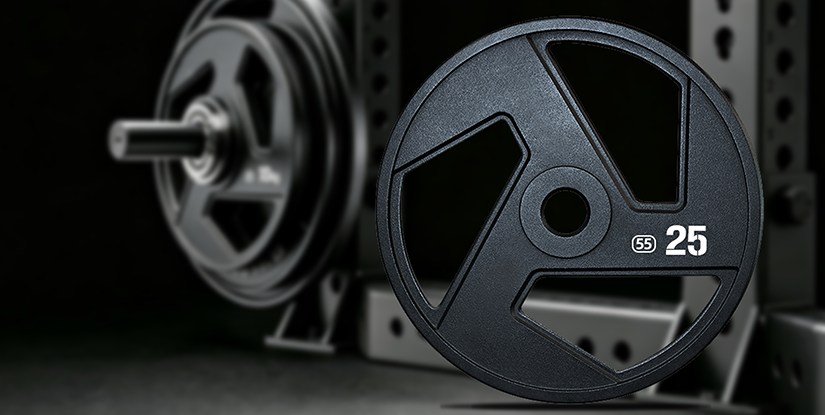
When sourcing from a commercial weight plate supplier, the complexity of the manufacturing process directly influences the final landed cost. For instance, moving from a simple painted finish to a specialized surface requires additional molding and vulcanization stages, which typically increases the lead time and MOQ. However, for distributors targeting high-end fitness centers, the higher durability of these premium layers reduces the long-term maintenance load and replacement requests. We suggest that buyers confirm the specific factory QC protocols for the chosen tier—such as checking the bore fit or the thickness of the coating—before finalizing a wholesale agreement to ensure the product meets the rigorous demands of your target market.
Ultimately, the decision to utilize OEM or ODM capabilities should be driven by your long-term branding strategy and the desired distributor margin. A specialized fan blade weight plate manufacturer can offer more than just hardware; they provide the ability to integrate custom branding and specific weight tolerances that differentiate your product line in a competitive market. Whether you are looking for a factory-direct relationship to minimize costs or a partner capable of complex custom specifications, aligning your production tier with your business model is the most effective way to ensure a sustainable long-term partnership and consistent profitability.
Factory QC Protocols and Pre-Shipment Inspection Standards
Effective risk management in the procurement of heavy lifting components requires more than just a visual check. For distributors and gym equipment importers, the cost of receiving a shipment with inconsistent weight or poor surface adhesion can lead to significant commercial loss and damaged client trust. When sourcing directly from a fan blade weight plate manufacturer, establishing a rigorous pre-shipment inspection protocol is essential to ensure that every unit meets the high standards of commercial-grade facilities.
A professional commercial weight plate supplier must implement a multi-stage quality control sequence that begins at the casting stage and continues through to the final packaging. This process typically involves checking the concentricity of the bore, the integrity of the surface finish, and the precision of the weight calibration. Without these standardized checks, bulk orders may suffer from uneven weight distribution or premature coating failure, increasing the total cost of ownership for the end-user.
To maintain high wholesale gym equipment parts standards, a reliable China factory will conduct systematic inspections on several critical dimensions. This includes verifying the fit of the Olympic collar, checking the thickness and adhesion of the powder coating, and performing random weight spot-checks to ensure compliance with the ordered specifications. For large-scale sourcing projects, we recommend that buyers request a detailed inspection report or book a third-party factory audit to confirm that the production batch aligns with the approved sample and meets all commercial durability requirements.
Pre-Shipment Inspection Checklist for Bulk Procurement
To minimize the risk of product returns and protect your distributor margins, professional buyers should utilize a structured inspection framework. Relying on a single visual check is insufficient for high-volume orders; instead, use a technical checklist to verify that the fan blade weight plate manufacturer has adhered to the agreed-upon technical specifications before the container is sealed.
The following table outlines the critical inspection points required to ensure the structural and aesthetic integrity of your shipment. This checklist is designed for procurement managers to use during a factory audit or a third-party pre-shipment inspection to verify the quality of wholesale gym equipment parts.
| Inspection Point | Focus Area | Commercial Duty Standard | Typical Failure Mode to Watch |
|---|---|---|---|
| Casting Integrity | Surface & Body | Smooth, consistent surface without large air pockets or cracks | Structural weak points or uneven weight distribution |
| Bore Precision | Center Hole | Consistent concentricity for smooth Olympic collar fit | Wobble or uneven wear on barbell sleeves |
| Coating Adhesion | Finish Layer | Uniform thickness and strong bond to the cast iron base | Chipping or peeling during heavy commercial use |
| Weight Accuracy | Mass Calibration | Consistent weight within industry-standard tolerances | Batch-to-batch weight discrepancies |
| Packaging & Loading | Export Protection | Reinforced carton corners and stable palletizing | Crushed edges or moisture damage during sea freight |
When finalizing your sourcing strategy, always confirm whether the supplier provides a batch-specific QC report. For OEM or ODM orders, ensure the inspection includes a verification of your custom branding or logo placement to prevent any misalignment with your brand identity before the final export process begins.
Export Packaging and Logistics Optimization
A critical yet often overlooked stage in the procurement process is the transition from the factory floor to the shipping container. For a professional fan blade weight plate manufacturer, the quality of export packaging is just as vital as the casting process itself. High-density weight plates are prone to impact damage and moisture-related oxidation during long-haul sea freight. To protect your landed cost and ensure the shipment arrives in a condition ready for immediate retail or facility installation, robust packaging protocols must be strictly followed.
Standard industry-grade export packaging typically involves reinforced heavy-duty cartons with reinforced corners to prevent crushing during pallet stacking. For high-volume wholesale gym equipment parts, we recommend utilizing heat-treated pallets and moisture-absorbent liners to safeguard the metal surfaces from salt air and humidity. A reliable commercial weight plate supplier will also implement strict container loading optimization, ensuring that the weight distribution within the container is balanced to prevent shifting during transit, which can lead to container damage or delayed arrivals at the port.
When managing your sourcing timelines, it is essential to account for both production lead time and the time required for thorough pre-shipment verification. A transparent factory will provide a clear schedule that includes time for final calibration, packaging, and the loading process. By confirming these details upfront, distributors can better predict their inventory turnover and optimize their supply chain efficiency. We encourage all procurement leads to request a detailed packing list and shipping dimensions to calculate accurate landed costs and plan warehouse space effectively before the order departs the China factory.
Custom Branding and OEM/ODM Capabilities for Distributors
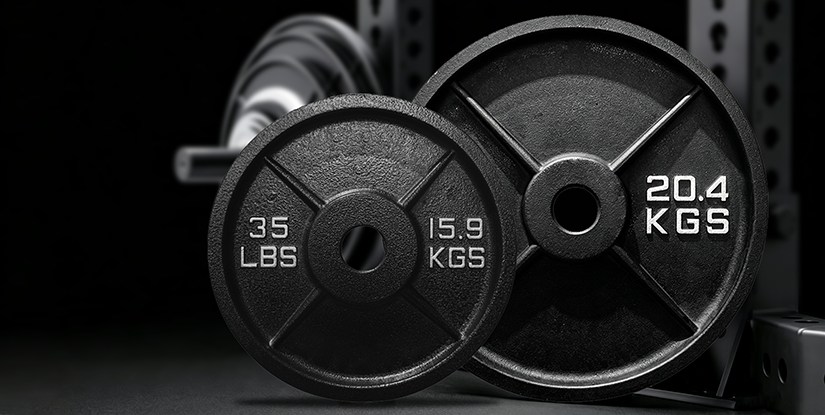
For global distributors and gym equipment importers, establishing a unique market presence requires more than just generic stock. Partnering with a professional fan blade weight plate manufacturer allows you to transition from a simple reseller to a recognized brand owner. Through specialized OEM and ODM services, a China factory can transform standard production runs into proprietary product lines that align with your specific brand identity.
The ability to offer private label solutions is a critical lever for increasing distributor margins and long-term customer loyalty. Whether you require subtle logo embossing directly into the cast iron mold for a permanent, high-end look, or high-visibility powder coating colors to match a studio's interior design, customization is a standard part of the professional sourcing process. These options allow you to differentiate your catalog from budget-tier competitors by providing specialized aesthetic and functional features.
To maintain efficient inventory management and predictable lead time, most wholesale customization requests are subject to a specific MOQ. This ensures that specialized tooling for custom molds or specific color batches remains cost-effective for the supplier while providing the high-quality commercial weight plate supplier output your clients expect. When planning your next bulk order, we recommend confirming specific branding requirements early to ensure seamless integration with the production and pre-shipment inspection phases.
Sourcing Decision Matrix: Standard Stock vs. Custom Solutions
When evaluating your procurement strategy, understanding the distinction between off-the-shelf inventory and tailored production is essential for optimizing your landed cost and brand positioning. A professional fan blade weight plate manufacturer typically offers two distinct paths: purchasing ready-to-ship standard units or initiating a customized production cycle. While standard stock minimizes your lead time and requires a lower MOQ, customized solutions allow for higher differentiation in the premium commercial market.
The following table outlines the typical procurement differences to assist in your selection process. Choosing the right tier depends on whether your priority is rapid inventory turnover or building a specialized product line through a reliable commercial weight plate supplier.
| Feature/Dimension | Standard Stock Product | Customized OEM/ODM Solution |
|---|---|---|
| Primary Use Case | Rapid replenishment/General gym stock | Brand building/Niche studio requirements |
| Branding Options | Standard unbranded or generic logo | Custom logo embossing or color-matched coating |
| Color & Finish | Industry-standard black/silver/iron | Customized powder coating or specialized finishes |
| Typical MOQ | Lower/Flexible for small batches | Higher due to specialized tooling/mold setup |
| Production lead time | Short (ready for immediate export) | Extended (includes mold/sample approval phases) |
| Procurement Focus | Speed and cost-efficiency | Brand identity and market differentiation |
For distributors looking to scale, we suggest a tiered approach. Start with standard wholesale gym equipment parts to establish baseline logistics, then transition to OEM orders once your volume justifies the investment in custom molds or specialized finishes. This strategy balances immediate availability with long-term brand growth.
Technical Execution: From Casting to Export-Ready Quality
Achieving a premium finish requires a disciplined manufacturing sequence that moves from raw material shaping to precision refinement. A high-tier fan blade weight plate manufacturer utilizes a structured workflow to ensure every unit meets commercial durability standards. The process begins with high-grade sand casting to create the base plate structure, followed by CNC machining to ensure the central bore is perfectly concentric and meets strict diameter tolerances for a smooth Olympic collar fit. This mechanical precision is vital for preventing uneven wear during high-volume commercial use.
Once the structural form is finalized, the plates undergo specialized surface treatments to enhance longevity and aesthetic appeal. Depending on your sourcing requirements, this may involve a multi-stage powder coating line or a specialized dipping process. A critical checkpoint in this stage is testing coating adhesion to ensure the finish does not chip or peel under heavy impact. Following the coating phase, each unit undergoes a final weight calibration and a thorough pre-shipment QC to verify that the physical weight aligns with the declared specification. Finally, to minimize damage during long-distance sea freight, we utilize heavy-duty export packaging, including reinforced carton corners and moisture-resistant liners, ensuring your wholesale order arrives at your warehouse in optimal condition.
Optimizing Export Logistics and Landed Cost Management
Managing the logistics of heavy industrial components requires more than just selecting a fan blade weight plate manufacturer; it requires a strategic approach to total procurement costs. For distributors and gym equipment importers, the primary challenge lies in the high weight-to-volume ratio of these items, which can drastically impact the final landed cost if not planned correctly. Unlike lighter equipment, the density of cast iron plates means that shipping volume and container utilization are the most critical factors in maintaining healthy distributor margins.
When managing bulk orders, professional buyers must coordinate closely with their China factory to optimize container loading patterns. Because these parts are heavy and relatively compact, the goal is to maximize the weight capacity of a 20ft or 40ft container before hitting the volumetric limit. A professional commercial weight plate supplier will provide detailed packing lists and dimensions early in the sourcing process to help you calculate the most efficient sea freight options. Failure to account for these variables often results in unexpected surcharges or inefficient wholesale gym equipment parts shipments that erode your expected ROI.
To mitigate these risks, we recommend establishing a clear MOQ and lead time schedule that accounts for both production cycles and ocean transit durations. By working directly with a factory that understands international export standards, you can implement logistics optimization strategies—such as palletization or specialized crate stacking—to ensure your inventory arrives safely and cost-effectively. We encourage partners to request a detailed shipping specification sheet during the initial quote phase to ensure all logistical variables are transparent before final payment.
Shipping and Packaging Strategy Comparison
Selecting the correct logistics method is essential for managing the total cost of ownership. Depending on your inventory turnover and budget, different packaging types and transit modes will impact your final margin. A professional fan blade weight plate manufacturer will offer several tiers of service to accommodate different commercial needs, from standard sea freight for large-scale distribution to expedited options for urgent stock replenishment.
| Shipping Method | Typical Packaging Type | Primary Advantage | Best Use Case |
|---|---|---|---|
| Sea Freight | Heavy-duty Palletization | Highest cost-efficiency for bulk | Large-scale distributors and gym chains |
| Air Freight | Reinforced Export Cartons | Fastest delivery speed | Urgent replenishment of high-demand SKUs |
| LCL (Less than Container Load) | Standard Wooden Crates | Flexible for smaller volume orders | Boutique studios or specialized importers |
| FCL (Full Container Load) | Optimized Container Loading | Lowest per-unit landed cost | High-volume wholesale procurement |
For most high-volume importers, maximizing container loading density through strategic palletization is the most effective way to reduce the per-unit landed cost. When you source wholesale gym equipment parts, we recommend requesting a pre-shipment volume report. This allows your logistics team to verify that the weight distribution within the container is balanced, preventing damage during transit and ensuring that your commercial weight plate supplier has met all export-grade stability requirements.
Ensuring Product Integrity Through Pre-Shipment QC
The final stage of the procurement cycle is the most critical for maintaining long-term commercial durability. A reliable fan blade weight plate manufacturer must implement a rigorous pre-shipment QC protocol to prevent the arrival of defective or inconsistent units. For professional buyers, receiving a shipment with uneven weight distribution or surface defects is not just a quality issue; it is a direct hit to your distributor margins and customer satisfaction. Standard industrial inspection should focus on the structural integrity of the cast iron, the uniformity of the coating, and the precision of the central bore.
During the final inspection phase, we focus on several key technical benchmarks to ensure the product meets commercial-grade expectations. This includes a weight tolerance spot-check to ensure consistency across the entire batch, a coating adhesion test to prevent premature rust or peeling, and a physical inspection of the central hole for concentricity and fit. Furthermore, specialized export packaging is utilized to mitigate the risks of heavy-duty transit. We employ reinforced cartons and heavy-duty palletization techniques designed for high-density loads, ensuring that the structural stability of the stack is maintained during sea freight. By prioritizing these damage prevention measures, we ensure that your wholesale gym equipment parts arrive in a condition that is ready for immediate commercial deployment.