Foundry Kettlebell Manufacturer China: OEM Contract
Foundry Kettlebell Manufacturer China: Strategic Sourcing and OEM Capabilities
For international distributors managing high-volume inventory or large-scale fitness chains, the transition from simple procurement to a strategic partnership with a foundry kettlebell manufacturer China is a critical decision. While a boutique studio might focus on small-batch aesthetic variety, professional importers require a supplier capable of maintaining consistent weight tolerances and structural integrity across massive shipments. Moving beyond transactional purchasing to a formal OEM or ODM relationship allows your brand to control the technical specifications of the casting process, ensuring that every unit meets the rigorous demands of high-traffic commercial environments.
Relying on a generic wholesale market often leads to unpredictable quality fluctuations, such as inconsistent handle textures or uneven coating adhesion. By establishing a direct line to a specialized China factory, procurement leads can integrate specific requirements—such as custom logo embossing or specialized powder coating thicknesses—directly into the production cycle. This proactive sourcing strategy mitigates the risk of high return rates and protects your distributor margins by ensuring the landed cost reflects a product built for long-term commercial durability rather than short-term retail trends.
Technical Audit: Manufacturing Standards and Quality Control
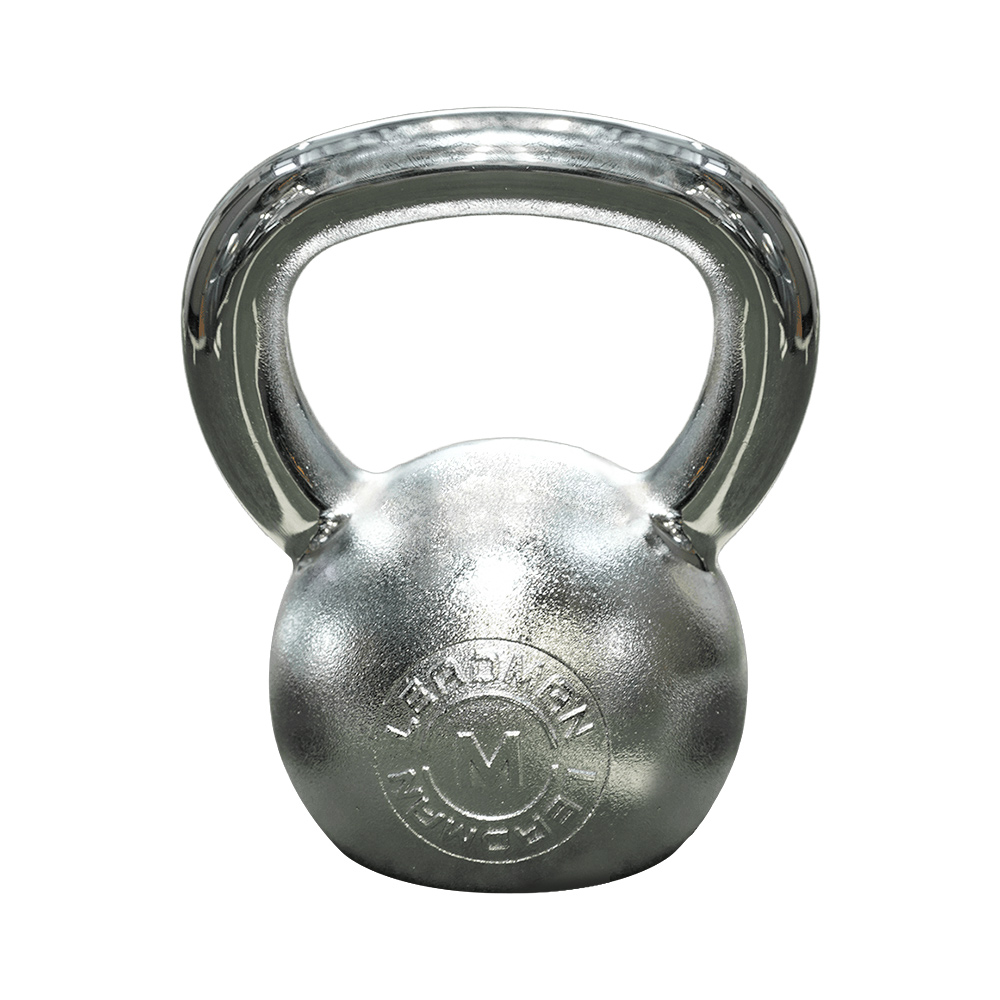
Professional buyers must look beyond basic aesthetics to audit the fundamental manufacturing steps that define commercial-grade durability. A reliable foundry kettlebell manufacturer China will utilize a structured production sequence—beginning with high-grade sand casting to ensure a robust, single-piece body, followed by precision machining of the handle area to ensure smooth transitions. For those procuring wholesale cast iron kettlebells, the critical differentiator lies in the surface treatment and weight calibration stages. A high-standard commercial gym equipment OEM process involves rigorous inspection of the handle-to-body junction and the uniformity of the finish to prevent premature rust or peeling in high-humidity gym environments.
| Material Tier | Primary Process | Key Component Focus | Commercial Duty | QC Inspection Point |
|---|---|---|---|---|
| Gray Cast Iron | Sand Casting | Base Flatness | Standard Commercial | Weight Tolerance Spot-check |
| Solid Steel | Machining/Welding | Handle Junction | Premium/Competition | Knurling Uniformity |
| Coated Iron | Powder Coating | Coating Adhesion | High-Traffic Studio | Surface Smoothness |
During a factory audit or pre-shipment inspection, technical teams should prioritize the verification of the powder coating layer and the precision of the handle texture. In many commercial settings, the failure of a coating or an inconsistent grip is a primary driver of replacement costs. We recommend requesting sample approval to verify the weight calibration and the durability of the logo embossing before authorizing full-scale production. Evaluating these technical benchmarks ensures your bulk order meets international commercial standards and optimizes your long-term landed cost.
Material and Manufacturing Standards for Commercial-Grade Kettlebells
Selecting a reliable foundry kettlebell manufacturer China requires a deep understanding of how raw materials and casting methods impact long-term durability and total cost of ownership. For distributors and gym equipment importers, sourcing high-quality wholesale cast iron kettlebells is not just about the initial price, but about minimizing replacement cycles and maintenance costs in high-traffic environments.
In professional strength training facilities, the structural integrity of the bell and the uniformity of the handle are non-negotiable. A professional foundry kettlebell manufacturer China typically utilizes industrial sand casting to ensure the density and strength required for commercial-grade equipment OEM production. This process involves creating a precise mold to house molten gray iron, which, when cooled correctly, provides the necessary impact resistance for heavy use.
The following table outlines the qualitative differences in material and process standards that professional buyers should evaluate when comparing various supply options.
| Material Type | Primary Process | Key Component Focus | Commercial Duty Tier | Procurement Value |
|---|---|---|---|---|
| Gray Cast Iron | Sand Casting | Base Flatness & Handle Smoothness | Standard Commercial | High Volume / High ROI |
| Solid Steel | Machining / Forging | Precision Grip & Concentricity | Premium / Competition | Low Volume / Specialized |
| Coated Iron | Dip Coating / Powder Coating | Coating Adhesion & Grip Texture | High-End Commercial | Enhanced Durability |
When evaluating a factory for your next bulk order, it is essential to inspect the handle-to-body junction and the consistency of the surface finish. A high-tier supplier will implement a rigorous calibration and pre-shipment QC process to ensure weight tolerances meet industry standards and that the cast iron surfaces are free from structural defects that could lead to premature failure in a commercial setting.
Surface Finishing and Coating Specifications
The longevity of your inventory depends heavily on the quality of the surface treatment applied after the initial casting. For many distributors, the choice between a basic phosphate treatment and advanced finishes like powder coating or PU coating is a critical decision that affects both the aesthetic appeal and the long-term maintenance load of the product. A professional foundry kettlebell manufacturer China will offer various levels of protection to suit different market segments, from standard gym environments to premium boutique studios.
In a high-volume commercial gym equipment OEM workflow, the coating must be applied with precision to ensure it does not interfere with the handle texture or the weight calibration. Powder coating is a standard industry choice for its robust adhesion and resistance to chipping, making it ideal for durable, high-traffic facility use. Conversely, PU coating (polyurethane) provides a smoother, more tactile grip and a premium aesthetic, often preferred for high-end studio equipment where surface feel and visual consistency are primary procurement drivers.
During the pre-shipment quality control phase, a reliable China factory will perform adhesion tests and visual inspections to check for unevenness at the base ring or the logo area. For buyers managing large-scale wholesale shipments, verifying that the coating thickness and the handle-to-body junction are uniform across the entire batch is vital to prevent high return rates and ensure the landed cost remains optimized through reduced after-sales support needs. We recommend requesting a sample evaluation or a detailed specification sheet to confirm that the chosen finish aligns with your brand identity and the durability requirements of your target end-users.
Critical Inspection Points for International Importers
For procurement professionals, the risk of receiving a shipment with structural inconsistencies can significantly impact the total landed cost and distributor margins. A professional foundry kettlebell manufacturer China must implement a multi-stage inspection protocol that goes beyond simple visual checks. To ensure product safety and longevity, technical buyers should focus on four specific engineering dimensions during the pre-shipment inspection phase.
First, handle concentricity and grip integrity are paramount. In a high-standard commercial gym equipment OEM workflow, the handle must be perfectly centered within the bell's mass to prevent uneven weight distribution during movement. Importers should verify that the handle-to-body junction is smooth and free of sharp casting flashes, as any irregularity can lead to grip failure or user injury. A reliable supplier will ensure that the knurling or texture is consistent throughout the entire production run.
Second, base flatness is a critical metric for stability. When sourcing wholesale cast iron kettlebells, unevenness in the casting base can cause the unit to wobble or tilt, which is a major liability in commercial strength training environments. A competent factory will utilize precision machining or calibrated molds to ensure each unit sits flush on the floor, reducing the risk of equipment movement or damage to the facility surface.
Third, coating adhesion must be rigorously tested. Whether you are ordering bare iron, powder-coated, or PU-coated units, the surface layer must withstand high-frequency contact without chipping or peeling. During the QC process, professional manufacturers perform scratch and impact tests to ensure the coating remains intact around the handle and the logo area. This prevents premature oxidation and maintains the premium look required for your brand identity.
Finally, the export packaging must be robust enough to handle long-distance maritime transit. High-volume wholesale orders are often subject to significant movement within shipping containers. We recommend that buyers confirm the use of heavy-duty corrugated boxes and reinforced corner protection to prevent denting or coating damage. Verifying the export packaging standards before the final payment is a vital step in protecting your investment and ensuring that the products arrive at your warehouse in retail-ready condition.
Optimizing Facility Footprint with High-Density Kettlebell Storage
Effective floor management is a critical factor for gym operators looking to maximize revenue per square foot. When sourcing from a professional foundry kettlebell manufacturer China, procurement leads should prioritize weight sets that support high-density organization. Utilizing specialized racks or tiered storage systems allows for better space optimization, ensuring that heavy cast iron inventory does not obstruct high-traffic training zones or functional movement areas.
For distributors and large-scale facility planners, footprint efficiency is directly tied to the professional design of the equipment. A commercial gym equipment OEM partner can provide customized weight ranges and standardized sizing that integrates seamlessly into compact storage solutions. This level of planning is essential during wholesale procurement to ensure that the landed cost of the equipment includes the long-term value of a streamlined, professional gym layout.
Kettlebell Configuration and Layout Impact
The choice between different kettlebell styles significantly impacts the density of your functional training area. When planning a bulk order, procurement specialists must consider how the physical dimensions of the bell and its storage requirements affect the overall floor layout. For instance, standard cast iron bells with a wider base require more clearance, whereas specialized competition-style bells often feature more compact profiles that facilitate denser stacking in tiered racks.
Choosing the right configuration during the sourcing phase can prevent future operational bottlenecks. A mismatch between kettlebell diameter and rack spacing can lead to disorganized training zones, increasing the risk of equipment damage and reducing the utility of the space. To assist in your procurement planning, the following table compares common commercial kettlebell types and their impact on facility density and logistics.
| Kettlebell Type | Typical Material & Profile | Storage Density | Commercial Utility | Procurement Focus |
|---|---|---|---|---|
| Standard Cast Iron | Gray iron with powder coating; larger diameter | Moderate; requires wide-base racks | High-volume commercial gyms; rugged use | Cost-effective bulk wholesale |
| Competition Style | Solid steel or chrome-manganese; compact profile | High; optimized for vertical stacking | Professional training centers; specialized studios | Precision and weight tolerance |
| Coated/Encapsulated | PU or rubber coating; increased outer diameter | Low; requires larger footprint per unit | Boutique studios; floor protection focus | Durability and aesthetic branding |
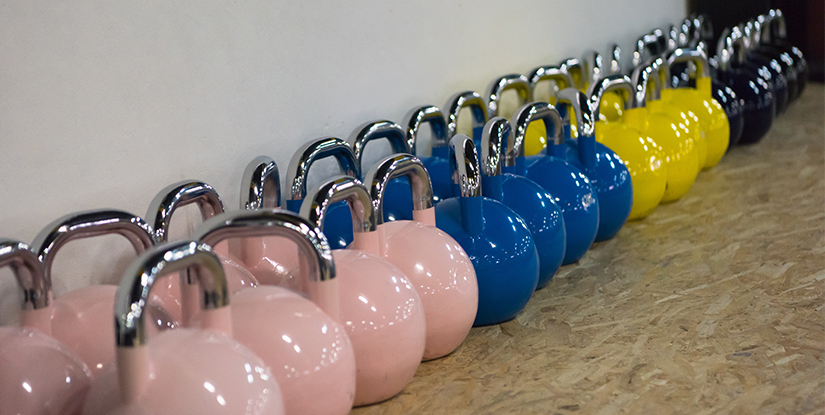
When evaluating wholesale cast iron kettlebells for your facility, always verify the compatibility between the bell's outer diameter and your intended storage hardware. A professional foundry kettlebell manufacturer China can offer ODM services to adjust handle or body dimensions to better fit specific commercial rack systems, ultimately improving the long-term commercial utility of your equipment investment.
Managing the logistics of heavy iron inventory requires more than just floor space; it requires a strategic approach to volume and weight distribution. For importers and distributors, working with a specialized foundry kettlebell manufacturer China allows for the customization of product dimensions to meet specific rack or shelving requirements. By selecting optimized weight increments and standardized bell diameters through OEM or ODM protocols, buyers can significantly reduce the physical footprint of their inventory during both the shipping phase and the final facility installation.
Efficient logistics management begins at the factory level. A reliable supplier can assist in optimizing container loading density by grouping compatible weight sets, which helps in lowering the total landed cost per unit. Whether you are stocking a boutique studio or a large-scale training center, ensuring that your commercial gym equipment OEM partner understands your spatial constraints will result in a more professional, organized, and high-density equipment layout.
Quality Control Protocols and Pre-Shipment Inspection Standards
For professional distributors and gym equipment importers, the cost of receiving a sub-standard shipment often exceeds the initial savings of a low-cost foundry kettlebell manufacturer China. Relying on a factory that lacks rigorous inspection protocols leads to high return rates and damaged brand reputation. To mitigate these risks, a professional foundry kettlebell manufacturer China must implement a multi-stage verification process that covers everything from the raw casting stage to the final export-ready packaging.
Effective commercial gym equipment OEM production requires strict oversight of structural integrity and weight consistency. During the pre-shipment phase, a reliable supplier focuses on three critical areas: weight tolerance, surface finish, and structural symmetry. Because wholesale cast iron kettlebells are subject to high-impact use, even minor casting defects like internal air pockets or surface fissures can lead to catastrophic failure in a commercial setting. A professional China factory ensures that every unit meets industry-standard specifications before the container is sealed.
Essential Inspection Points for Bulk Orders
When conducting a factory audit or requesting a sample evaluation, buyers should verify that the following technical standards are part of the standard operating procedure:
- Weight Calibration: Verifying the weight tolerance across a full batch to ensure consistency, which is vital for professional strength programs.
- Surface Integrity: Inspecting the surface finish for any unevenness in the powder coating or paint adhesion that could lead to premature rusting.
- Handle Ergonomics: Checking the knurling depth and the handle-to-body junction for smoothness to prevent grip fatigue or skin abrasions.
- Structural Geometry: Ensuring the base flatness and concentricity are within acceptable limits to prevent wobbling during ground-based movements.
By prioritizing these technical checkpoints, importers can secure a more stable landed cost and reduce the long-term maintenance load for their end-users. Whether you are managing an OEM project or a standard wholesale replenishment, a transparent QC process is the best way to protect your distributor margins.
Technical Inspection Standards for Bulk Procurement
To ensure a reliable supply chain, procurement managers should evaluate the technical depth of a foundry kettlebell manufacturer China through their specific inspection metrics. A standard wholesale order should be subject to qualitative tiers of inspection that align with the intended commercial use. The following table outlines the standard inspection categories required to maintain high quality across different production tiers.
| Inspection Category | Commercial Grade Standard | Premium/Competition Standard | Critical QC Point for Importers |
|---|---|---|---|
| Weight Accuracy | Standard deviation within industry-standard limits | Tight tolerance for high-precision training | Weight calibration consistency |
| Coating Adhesion | Uniform paint or powder coating application | High-durability PU or specialized finish | Coating or encapsulation layer integrity |
| Handle & Grip | Standardized knurling for basic grip | Precision knurling and smooth junction | Handle-to-body junction smoothness |
| Packaging Durability | Standard export carton and protection | Reinforced heavy-duty commercial packaging | Container loading and impact resistance |
When managing high-volume sourcing, the focus must extend beyond the product itself to the packaging durability. For wholesale cast iron kettlebells, the risk of damage during long-haul sea freight is a significant factor in the final landed cost. A professional factory will utilize reinforced corners and moisture-resistant wrapping to ensure the shipment arrives in a condition that meets your brand identity standards. We recommend that all buyers confirm the specific export packaging protocols and request a pre-shipment inspection report to verify these standards before final payment and container loading.
Managing Landed Costs and Export Packaging for Bulk Orders
Understanding the total landed cost is essential for distributors and gym owners when sourcing from a foundry kettlebell manufacturer China. The landed cost represents the final price of your wholesale cast iron kettlebells once they arrive at your warehouse, encompassing not just the factory price but also international freight, insurance, and customs duties. By optimizing your procurement strategy through a direct China factory, you can better manage these variables to protect your profit margins.
A significant portion of your total expenditure is determined by shipping efficiency and container utilization. Because cast iron is a high-density material, the weight-to-volume ratio is critical. A professional commercial gym equipment OEM partner will assist in optimizing pallet layouts to ensure you are not paying for empty space while maximizing the weight capacity of each sea container. Furthermore, negotiating a clear MOQ and understanding the port of loading requirements can prevent unexpected surcharges during the sourcing process.
Procurement Tier Comparison for Bulk Sourcing
| Sourcing Model | Logistics Complexity | Packaging Standard | Typical MOQ | Landed Cost Impact |
|---|---|---|---|---|
| Direct Factory Order | Moderate (FOB/CIF) | Heavy-duty export crates | Higher | Lowest per unit |
| Wholesale Distributor | Low (Local Delivery) | Standard retail boxes | Lower | Higher per unit |
| Custom OEM Production | High (Custom Logistics) | Branded/Reinforced Pallets | Highest | Optimized for Volume |
To mitigate risks during transit, professional wholesale suppliers utilize reinforced export packaging designed for heavy iron products. This includes multi-layer corrugated boxes and moisture-resistant wraps to prevent oxidation during long-sea voyages. When evaluating your next shipment, always confirm with your supplier whether the quote includes pre-shipment inspection and specific export-grade palletizing to ensure your landed cost remains predictable and your inventory arrives in merchantable condition.
Standardized Export Packaging and Container Loading Protocols
For professional importers, the risk of damage or oxidation during sea freight is a critical concern that can negatively impact the final landed cost. A professional foundry kettlebell manufacturer China understands that heavy cast iron products require more than standard retail packaging; they require rigorous export packaging protocols. To ensure the integrity of the order, high-volume shipments typically utilize heavy-duty wooden crates or reinforced pallets designed to withstand the high-pressure environment of a shipping container. This level of protection is standard when engaging in commercial gym equipment OEM services to prevent metal-on-metal friction and structural damage during transit.
Optimizing container loading is a specialized skill used to maximize weight distribution and space efficiency. Because kettlebells are extremely dense, the primary constraint is often weight rather than volume. A competent supplier will implement a strategic palletization process, ensuring that weight is evenly distributed across the container floor to prevent shifting. This prevents both the physical damage to the products and potential safety issues during unloading. We recommend that buyers confirm the specific loading configuration and the use of moisture-resistant barriers during the sourcing phase to protect the iron surface from salt air and humidity throughout the journey.
Logistics Strategy and Shipping Method Comparison
Selecting the most efficient logistics route is a vital decision for any importer managing a wholesale inventory. Depending on your order volume and storage capacity, the choice between different shipping methods will directly impact your landed cost and your ability to maintain consistent stock levels for your clients. A professional foundry kettlebell manufacturer China can provide guidance on the most cost-effective way to transport high-density iron products across international waters.
| Shipping Method | Packaging Type | Weight Capacity | Protection Level | Cost Impact | Suitability for Bulk Orders |
|---|---|---|---|---|---|
| LCL (Less than Container Load) | Standard Export Carton | Low to Moderate | Standard | Moderate | Small to Mid-sized wholesale orders |
| FCL (Full Container Load) | Reinforced Pallets/Crates | High (Maximized) | Premium | Lowest per Unit | Large-scale OEM production runs |
| Air Freight | Single-layer Reinforced Box | Very Low | High (Speed-focused) | Very High | Urgent, low-weight sample requests |
When negotiating with your supplier, consider how the weight of the wholesale cast iron kettlebells affects your choice of container. For large-scale commercial gym equipment OEM projects, FCL is almost always the preferred method to ensure the highest level of stability and the lowest possible freight cost per unit. Before finalizing your sourcing contract, we recommend requesting a detailed packing list and a confirmed loading plan to ensure your inventory arrives safely and meets your warehouse's logistical requirements.
Custom Branding and Private Labeling for Global Distributors
For distributors and gym equipment importers, establishing a distinct market presence requires more than just generic inventory. Partnering with a professional foundry kettlebell manufacturer China allows you to transition from a simple reseller to a recognized brand owner through high-value OEM and ODM solutions. Whether you are looking to launch a premium line or expand a budget-friendly series, a specialized China factory provides the technical infrastructure to turn your vision into a retail-ready product.
The scope of customization extends far beyond a simple custom logo. Professional commercial gym equipment OEM services encompass full-scale product differentiation, including specific handle textures, unique weight increments, and specialized surface finishes. By leveraging a private label strategy, you can control your brand identity and optimize your wholesale margins by sourcing directly from the production source, ensuring your brand stands out in a competitive global market.
Branding and Finishing Options for Commercial Inventory
Selecting the correct branding and finish is a critical decision for distributors managing total cost of ownership (TCO) and product longevity. A mismatch between branding complexity and the intended commercial environment can lead to premature surface degradation, impacting your brand reputation. When sourcing wholesale cast iron kettlebells, you must evaluate how different manufacturing methods affect both the aesthetic appeal and the long-term durability of the unit in high-traffic environments.
The following table outlines common B2B customization tiers to assist your procurement planning and help align your order with specific market segments, from budget-conscious studios to premium training facilities.
| Branding Method | Surface Finish Type | Commercial Duty Tier | Durability Profile | MOQ Impact |
|---|---|---|---|---|
| Embossed Logo (Cast-in) | Bare Iron or Phosphate | Budget / Standard | High (Integral to structure) | Standard |
| Laser Engraved | Powder Coating | Premium / Professional | Moderate (Surface level) | Higher |
| Silk Screen Print | Enamel or Paint | Commercial / Retail | Lower (Subject to abrasion) | Lower |
| Custom Metal Plate | Multi-layer Coating | Elite / Competition | High (Protected by finish) | Highest |
When evaluating your next batch, consider that embossed logos offer the highest durability for high-impact commercial use, as the branding is part of the casting itself. Conversely, specialized powder coating or color-coded finishes provide superior visual differentiation for your brand but may require more rigorous pre-shipment QC to ensure coating adhesion at the handle-to-body junction. We recommend requesting a sample evaluation or a detailed spec sheet to confirm how your chosen branding method aligns with your target landed cost and distributor margins.
Logistics, Lead Time, and Export Quality Control
Effective procurement planning requires a deep understanding of how a foundry kettlebell manufacturer China manages the transition from production to international shipping. For large-scale distributors, the risk of shipping delays or damaged goods can directly impact warehouse efficiency and seasonal market availability. To mitigate these risks, a professional foundry kettlebell manufacturer China implements a structured sequence involving casting, machining, surface finishing, and rigorous pre-shipment inspection to ensure every unit meets the expected commercial-grade standards.
Managing bulk orders involves more than just volume; it requires synchronized coordination of the lead time and export-ready packaging. During the production cycle, a standard China factory typically follows a sequence of sand casting, followed by weight calibration and surface treatment (such as powder coating or phosphate treatment). For international clients, the QC process must include specific checks on base flatness, handle texture consistency, and coating adhesion. High-quality export packaging—utilizing reinforced cartons and protective corner guards—is essential to prevent denting or rust during long-haul sea freight, ultimately protecting your landed cost and ensuring a seamless arrival at your distribution center.
Before finalizing your next wholesale contract, we recommend initiating a formal inquiry to confirm current production capacities. Please contact us to request a detailed spec sheet, confirm the current MOQ for your specific branding requirements, or book a factory audit to verify our quality control protocols.