Custom Mold Weight Plate Manufacturer: Export Ready China
Custom Mold Weight Plate Manufacturer: Essential Sourcing Standards
For high-end boutique studios or large-scale commercial gym chains, the transition from purchasing generic stock to developing a proprietary product line is a critical milestone. Relying on a professional custom mold weight plate manufacturer ensures that your brand identity is embedded into the very weight of your equipment, rather than just a superficial sticker. While standard wholesale options are sufficient for basic gym setups, professional distributors and premium fitness brands require the specialized capabilities of a commercial weight plate OEM to ensure consistent branding, specific weight tolerances, and unique aesthetic profiles that differentiate their market position.
Selecting a reliable supplier involves more than just comparing unit prices; it requires a deep audit of factory capability and technical precision. A true custom mold weight plate manufacturer must demonstrate mastery over the entire production cycle—from the initial mold design and casting to the final surface treatment and weight calibration. For professional buyers, the goal is to move away from the volatility of generic wholesale gym plate production and toward a controlled, scalable OEM or ODM partnership that secures long-term inventory stability and brand exclusivity.
Evaluating Sourcing Tiers: Factory-Direct vs. Trading Entities
In the global procurement landscape, professional buyers must distinguish between direct manufacturing and secondary trading. Choosing a custom mold weight plate manufacturer directly from a China factory provides significant advantages in both cost control and product control. While traders may offer a wider variety of disparate products, they lack the technical oversight required for high-precision mold development. For distributors looking to scale, understanding these structural differences is essential for calculating the true landed cost and ensuring long-term quality stability.
| Sourcing Model | Customization Depth | Typical MOQ | Lead Time Control | Quality Control (QC) | Landed Cost Impact |
|---|---|---|---|---|---|
| Trading Company | Limited to existing stock | Low to Moderate | Variable (Dependent on third-party) | Superficial/Visual only | Higher due to middleman margins |
| Direct factory | Full OEM/Private Label | Moderate to High | High (Direct production scheduling) | Deep (Material and process-based) | Optimized for high-volume wholesale |
| Professional custom mold weight plate manufacturer | High (Proprietary molds) | Defined by mold complexity | Strict (Integrated production) | Rigorous (Multi-stage calibration) | Best for long-term brand scaling |
When managing large-scale wholesale gym plate production, the primary risk is not just the price, but the inconsistency of the product. A trading entity cannot intervene if a casting defect occurs during the sand casting or powder coating stage. Conversely, a dedicated custom mold weight plate manufacturer manages the entire workflow—from the initial mold carving to the final pre-shipment inspection. This direct oversight allows for precise control over the weight tolerance and the durability of the surface finish, ensuring that every batch meets the specific requirements of your commercial clients.
To ensure a successful partnership, professional buyers should request a comprehensive technical spec sheet and confirm the MOQ for any custom mold projects early in the process. We recommend initiating a sample evaluation and a formal factory audit to verify that the production processes—specifically the machining and calibration steps—align with your brand's quality standards before committing to a bulk order.
Material and Manufacturing Processes for Commercial Grade Plates
For distributors and gym equipment importers, selecting a reliable custom mold weight plate manufacturer is a decision that directly impacts long-term product durability and client satisfaction. High-volume procurement requires a deep understanding of how raw materials and casting techniques influence the final landed cost and maintenance requirements of the finished goods.
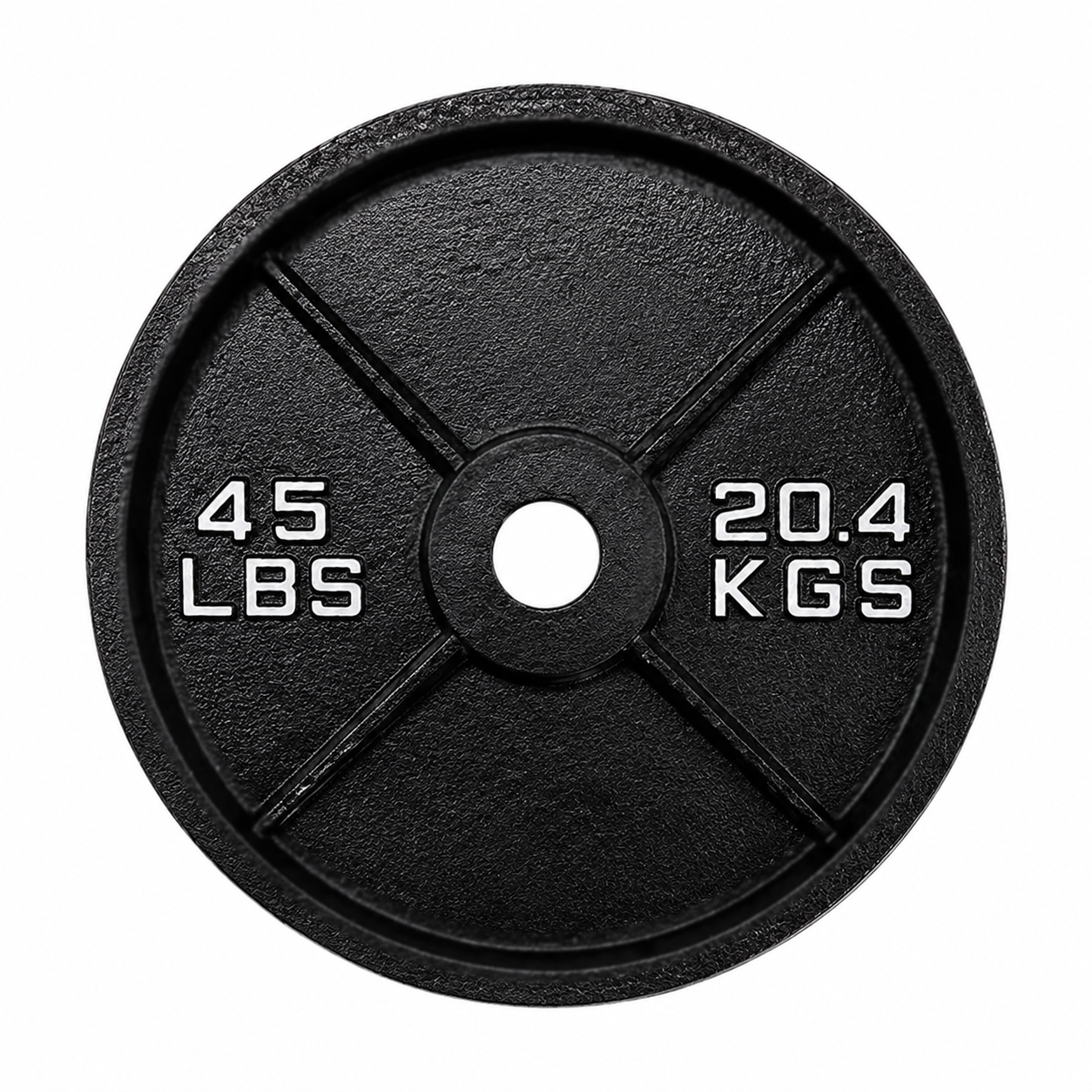
Professional wholesale gym plate production typically utilizes high-grade cast iron or gray iron as the foundational material. The manufacturing journey begins with precision sand casting, a method widely used in a China factory to create consistent plate profiles. Following the initial casting, the units undergo essential machining steps—such as bore refinement and surface smoothing—to ensure they meet the concentricity standards required for commercial gym environments. To prevent oxidation and enhance aesthetic appeal, a secondary process of powder coating or specialized paint application is standard for most commercial weight plate OEM orders, providing a durable barrier against moisture and heavy usage.
Understanding the trade-offs between different production tiers allows procurement leads to optimize their inventory based on target market segments, whether they are supplying budget-friendly commercial gyms or premium training facilities.
| Material Type | Primary Process | Key Component Focus | Commercial Duty Tier | Procurement Benefit |
|---|---|---|---|---|
| Cast Iron | Sand Casting | Base Flatness & Profile | Standard Commercial | High Margin / High Volume |
| Steel with Coating | Machining & Coating | Coating Adhesion | Premium Commercial | Low Maintenance / High Durability |
| Rubber Coated | Molding / Vulcanization | Edge Protection | High-End / Specialized | Floor Protection / Noise Reduction |
Surface Finishing and Coating Selection
Choosing the correct surface finishing is a critical procurement decision that affects the total cost of ownership (TCO) for your end clients. A mismatch between the coating method and the gym environment can lead to premature oxidation or high maintenance costs, impacting your reputation as a reliable distributor. For example, while a simple paint finish may suffice for low-traffic areas, a specialized coating is often required for high-intensity commercial settings.
When sourcing from a custom mold weight plate manufacturer, you must evaluate how different finishes handle friction and moisture. For instance, a high-quality powder coating provides a robust, scratch-resistant layer that is essential for heavy-duty lifting environments. In contrast, a PU coating or rubber coating offers superior impact absorption and floor protection, making it a preferred choice for premium studios or specialized training zones where noise reduction and equipment longevity are paramount. Depending on your target market and the intended durability requirements, these material choices will influence your initial MOQ and the final landed cost of the shipment.
To assist in your technical evaluation, the following comparison outlines the typical application and utility of common commercial-grade finishes. Selecting the right tier ensures that your inventory meets the specific operational needs of your clients, from standard commercial gyms to high-end boutique facilities.
Technical Specifications and Surface Durability
Selecting the correct surface finishing is a critical procurement decision that affects the total cost of ownership (TCO) for your end clients. A mismatch between the coating method and the gym environment can lead to premature oxidation or high maintenance costs, impacting your reputation as a reliable distributor. While a simple paint finish may suffice for low-traffic areas, a specialized coating is often required for high-intensity commercial settings.
When sourcing from a custom mold weight plate manufacturer, you must evaluate how different finishes handle friction and moisture. For instance, a high-quality powder coating provides a robust, scratch-resistant layer that is essential for heavy-duty lifting environments. In contrast, a PU coating or rubber coating offers superior impact absorption and floor protection, making it a preferred choice for premium studios or specialized training zones where noise reduction and equipment longevity are paramount. Depending on your target market and the intended durability requirements, these material choices will influence your initial MOQ and the final landed cost of the shipment.
To assist in your technical evaluation, the following comparison outlines the typical application and utility of common commercial-grade finishes. Selecting the right tier ensures that your inventory meets the specific operational needs of your clients, from standard commercial gyms to high-end boutique facilities.
Optimizing Facility Footprint with Precision Weight Sets
A professional custom mold weight plate manufacturer provides more than just equipment; they provide spatial solutions for high-density commercial environments. For distributors and gym operators, the ability to source specialized plate designs is critical for maximizing usable square footage. By utilizing high-quality commercial weight plate OEM services, buyers can transition from bulky, inefficient equipment to streamlined, space-saving configurations that improve the overall flow of a training facility.
Efficient wholesale gym plate production allows for the development of compact, nested, or specialized-thickness plates that facilitate better storage. Whether you are outfitting a boutique strength studio with limited floor area or a large-scale commercial facility requiring high-density storage solutions, sourcing directly from a China factory ensures you receive products engineered for specific footprint requirements. This level of customization helps optimize the commercial gym layout, ensuring that weight storage racks and lifting stations do not obstruct movement or decrease the facility's capacity.
Comparing Plate Types for Spatial Efficiency and Procurement
Selecting the correct material profile is a strategic decision that impacts both the long-term maintenance load and the immediate floor layout. When sourcing through a custom mold weight plate manufacturer, procurement leads must evaluate how material thickness and diameter ratios affect the total storage footprint. For example, while traditional cast iron offers high durability, the volumetric requirements for storage racks differ significantly from high-density polyurethane options. Understanding these trade-offs allows distributors to optimize their landed cost versus the spatial value of the facility.
| Material Type | Manufacturing Process | Key Component | Commercial Utility | Storage Footprint | Procurement Advantage |
|---|---|---|---|---|---|
| Cast Iron | Sand Casting & Machining | Steel Center Bore | Standard Strength Training | Moderate/Bulky | Low unit cost for bulk orders |
| Bumper (Rubber) | Compression Molding | Internal Steel Hub | High-Impact/Olympic Lifting | High (Width-dependent) | Durability for high-traffic zones |
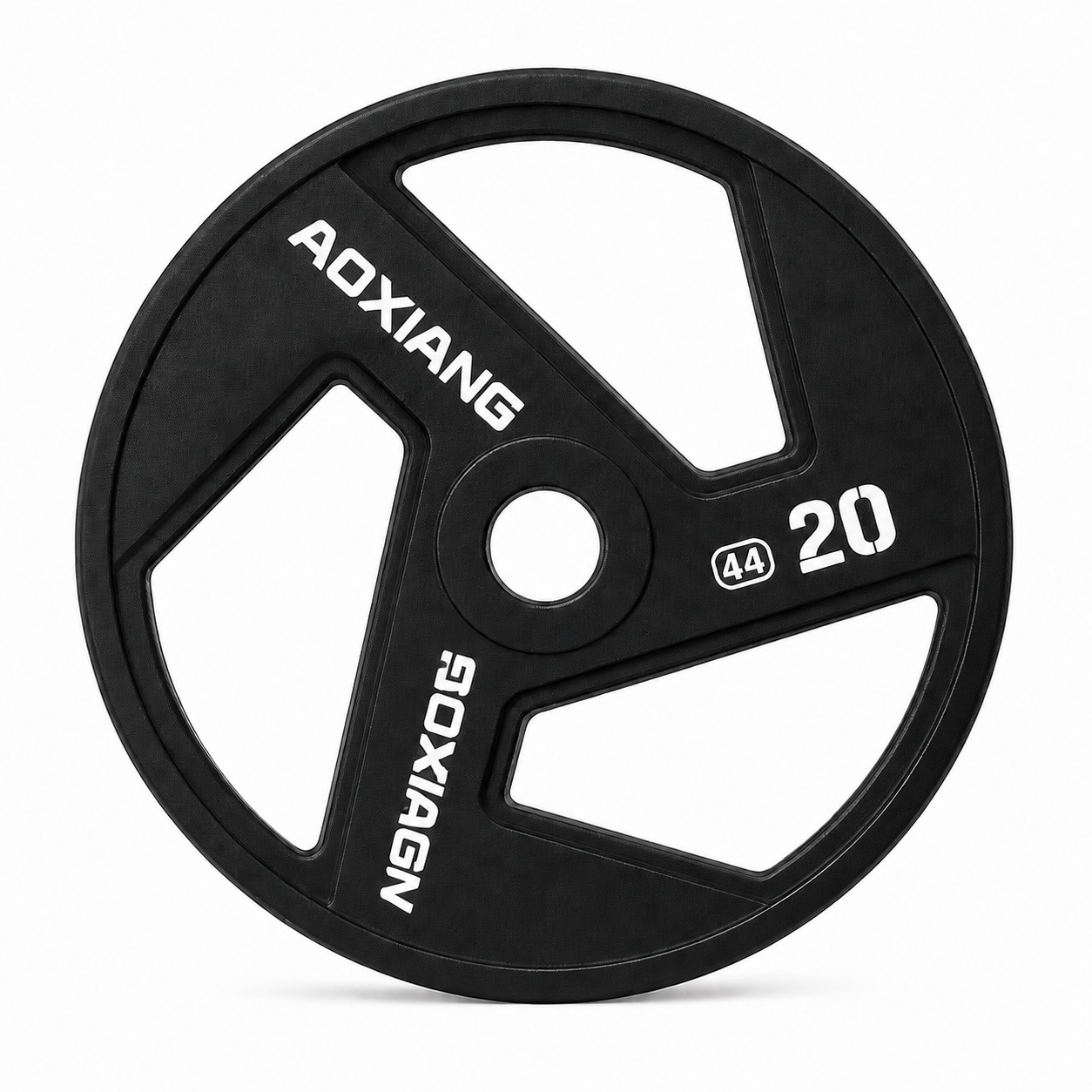
| Polyurethane (PU) | Injection/Vulcanization | Precision Steel Core | Premium/Boutique Studios | Optimized/Compact | High aesthetic and longevity |
The choice between these profiles often dictates the efficiency of weight tree configurations and specialized storage racks. A specialized commercial weight plate OEM can adjust the diameter-to-thickness ratio to meet specific branding or storage needs, helping to reduce the total depth required for weight stations. For large-scale importers, balancing these material characteristics is essential to ensure the final facility layout remains functional and professional.
Optimizing the logistical chain requires a deep understanding of how product dimensions influence the final landed cost. When managing high-volume imports, the relationship between product density and container loading is a primary driver of profitability. A professional custom mold weight plate manufacturer understands that shipping density is not just about volume, but about the strategic configuration of weight sets to maximize every cubic meter of a shipping container. For distributors, this means the difference between a high-margin shipment and one burdened by excessive freight overhead.
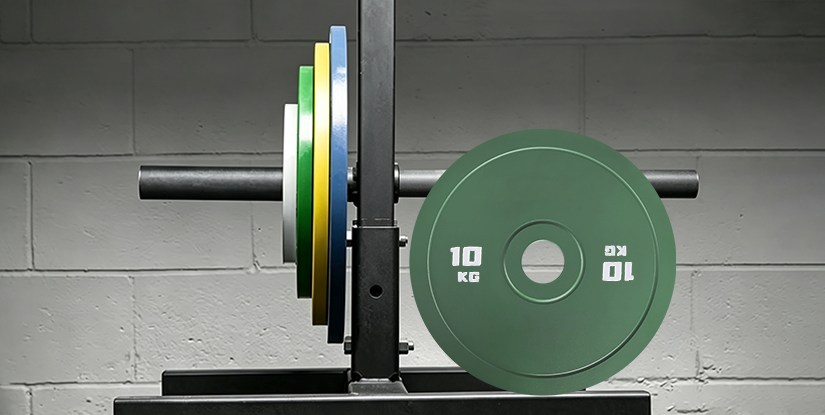
Strategic wholesale gym plate production enables the creation of nested dimensions and optimized packaging protocols that directly impact container optimization. By working with a China factory that offers advanced molding and packaging solutions, buyers can minimize dead space within shipping units. This precision in the manufacturing and packing stage ensures that your specialized training zones are outfitted with high-density, high-value equipment without the inflated shipping costs typically associated with bulky, unoptimized weight sets. We recommend contacting our sourcing team to confirm specific dimensions and weight-to-volume ratios for your next bulk order.
OEM and Private Label Capabilities for Global Distributors
For distributors looking to scale, transitioning from generic stock items to a proprietary product line is a critical strategic move. Partnering with a professional custom mold weight plate manufacturer allows you to move beyond commodity trading and begin building a distinct brand identity. By utilizing specialized molds, you can control the aesthetic and functional signature of your weight plates, ensuring they stand out in a crowded commercial market.
The shift from standard wholesale to a private label model significantly enhances your distributor margin. Rather than competing solely on price for generic units, you offer a branded solution that carries perceived higher value. Whether you require a specific center hole design, unique texture, or custom logo integration, a reliable commercial weight plate OEM partner provides the technical infrastructure to execute these requirements at scale. While wholesale gym plate production typically focuses on high-volume standard specs, our ODM services allow for deeper customization of the casting mold and surface finish to meet your specific market positioning.
Navigating the complexities of China factory sourcing requires a partner who understands the balance between customization and efficiency. We manage the transition from concept to mass production by maintaining strict MOQ thresholds that allow for specialized runs without prohibitive entry costs. This ensures that your branded plates—whether they are basic cast iron or premium rubber-coated versions—maintain consistent quality across every shipment, protecting your reputation as a premier supplier in your local region.
Strategic Customization Tiers for Procurement Managers
Selecting the correct level of customization is essential for optimizing your landed cost and managing inventory complexity. Depending on whether your goal is rapid market penetration or building a premium boutique line, your custom mold weight plate manufacturer requirements will shift. High-volume distributors often choose between standardized bulk orders and high-margin, specialized production runs.
The following table outlines the technical and commercial differences between the three primary sourcing models. This comparison helps procurement leads evaluate the trade-offs between speed to market and brand exclusivity.
| Customization Tier | Material & Process Focus | Branding Options | Typical MOQ | Lead Time Impact |
|---|---|---|---|---|
| Standard Wholesale | Standard cast iron or rubber coating; existing molds | Standardized markings or basic color | Higher/Standard | Shortest (Stock/Ready-to-ship) |
| OEM Production | Specific surface finish or color coating | Logo integration (embossed or printed) | Medium | Moderate (Production cycle + QC) |
| Full ODM / Custom Mold | Unique mold shape, thickness, or specialized hub | Complete proprietary brand identity | Higher/Specialized | Longer (Mold development + Testing) |
When evaluating a custom mold weight plate manufacturer, consider the long-term implications of your choice on your landed cost. While a custom mold increases initial investment and extends the lead time, it provides the strongest defense against local competition. For distributors focusing on high-turnover commercial gyms, the standard wholesale gym plate production model offers the best ROI through speed and low entry costs. Conversely, if you are targeting premium fitness centers, investing in a specialized commercial weight plate OEM process ensures your products meet the exact aesthetic and durability standards your clients demand.
Technical Execution and Export Compliance
Maintaining high-volume consistency requires a rigorous manufacturing sequence that begins with precision casting. Most high-grade plates undergo a process starting with sand casting to ensure structural integrity, followed by precision machining of the center bore to achieve the necessary concentricity for commercial use. Once the base form is established, the plates move through a controlled powder coating line or specialized dip process to ensure long-term coating adhesion and resistance to oxidation in high-traffic gym environments.
For professional buyers, the true value of a custom mold weight plate manufacturer lies in the final stages of the production cycle. Every batch must undergo systematic weight calibration to ensure that the mass within the allowed industry-standard tolerance band. This is followed by a comprehensive pre-shipment QC process where technicians inspect the base flatness, knurling quality, and surface finish. Finally, specialized export packaging is applied—utilizing reinforced materials and optimized palletization—to maximize logistics efficiency and minimize the risk of damage during long-haul sea freight. By prioritizing these technical checkpoints, a reliable supplier ensures that the landed cost remains predictable and the product reaches the end-user in perfect commercial condition.
China Factory QC Protocols and Pre-Shipment Inspection
For international distributors and large-scale gym operators, the cost of receiving a defective batch far outweighs the initial savings of a low-tier supplier. A professional custom mold weight plate manufacturer must implement a multi-stage inspection system to ensure every unit meets commercial-grade standards. Rely much on visual checks alone; instead, look for a China factory that integrates technical calibration into their standard operating procedures to protect your distributor margins and brand reputation.
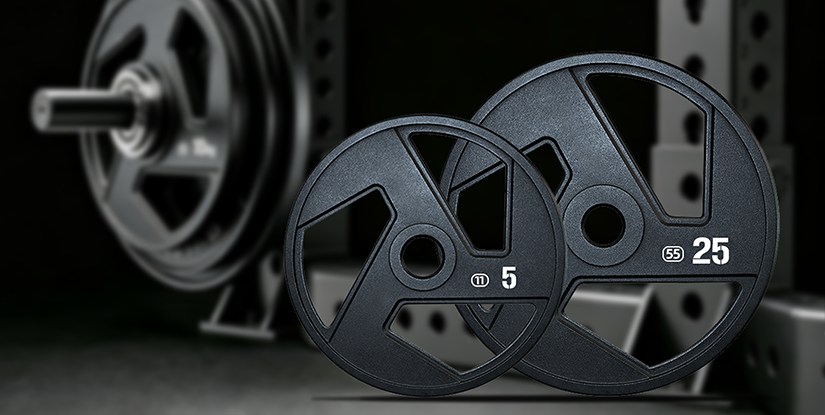
Reliable wholesale gym plate production relies on strict adherence to weight and dimensional stability. During the pre-shipment phase, a reputable supplier conducts rigorous spot-checks on weight tolerance to ensure that high-volume orders do not suffer from significant deviations. This is critical for maintaining professional equipment standards in premium commercial facilities.
Quality control must also extend to the physical integrity of the unit. A specialized commercial weight plate OEM will inspect the surface finish and the adhesion of the coating—whether it is powder coating or rubber encapsulation—to prevent premature peeling or oxidation. These technical checkpoints are essential to ensure long-term commercial durability and to reduce the frequency of after-sales claims for the importer.
Effective sourcing management requires understanding the specific technical checkpoints used during the final production stages. A professional custom mold weight plate manufacturer will focus on three primary pillars of stability: dimensional accuracy, surface resilience, and logistical security. This ensures that the landed cost remains optimized by preventing returns or replacement requests due to manufacturing flaws.
Technical Inspection Categories for Commercial Procurement
| Inspection Category | Focus Area | Commercial Duty Standard | Typical QC Checkpoint |
|---|---|---|---|
| Weight Calibration | Mass Consistency | High-volume stability | Randomized weight tolerance spot-checks |
| Coating Adhesion | Surface Integrity | Durability in high-traffic zones | Visual and physical layer bond inspection |
| Packaging Integrity | Shipping Protection | Reduced transit damage | Container loading and pallet stability check |
| Dimensional Accuracy | Bore/Diameter | Smooth bar interaction | Diameter and concentricity verification |
When managing wholesale gym plate production, procurement leads should verify the factory's ability to handle export-grade packaging. This includes ensuring that heavy metal components are secured to prevent shifting during sea freight, which protects the product and reduces the risk of container damage. For high-volume commercial weight plate OEM orders, we recommend requesting a pre-shipment inspection report or a sample of the final export-ready packaging to confirm it meets your distributor requirements before the container is sealed.
Optimizing the landed cost of heavy equipment requires more than just a low unit price; it requires a rigorous final verification process. A professional custom mold weight plate manufacturer understands that the final stage of the supply chain—from the factory floor to the shipping container—is where the most significant risks to your margin occur. If the packaging fails or the loading density is incorrect, your logistical expenses will spike, negating any initial wholesale savings.
Export Packaging and Container Loading Protocols
For high-volume orders, standard retail boxing is insufficient. We implement specialized export packaging designed to withstand the rigors of long-distance sea freight and port handling. This typically involves heavy-duty corrugated cartons or reinforced crates, depending on the specific weight plate type and the total volume of the order. Ensuring that the coating remains protected from moisture and physical abrasion during transit is a critical step in maintaining the quality promised during the initial sourcing phase.
Effective container loading is a specialized skill within the China factory setting. To maximize space efficiency and stabilize the load, plates are palletized and secured using industrial-grade wrapping and bracing. This prevents the shifting of heavy iron or rubber-coated units during ocean transit, which is essential for preventing both product damage and container structural issues. When coordinating your next bulk order, we recommend discussing specific pallet dimensions and loading configurations to ensure your shipping documents and warehouse space requirements are perfectly aligned.
Before finalizing any shipment, we provide clear documentation regarding the MOQ, lead time, and final weight specifications. This transparency allows distributors to plan their inventory cycles and local distribution schedules with precision. Whether you are looking for a one-time bulk replenishment or a long-term OEM partnership, our focus remains on delivering a predictable, high-quality arrival that supports your commercial growth and protects your bottom line.
Logistics Efficiency: Export Packaging and Landed Cost Management
Optimizing the landed cost is a critical priority for distributors and gym owners managing large-scale imports. For professional buyers, the price per unit at the factory is only one part of the equation; the total expenditure includes freight, duties, and the costs associated with damaged goods during transit. A professional custom mold weight plate manufacturer understands that high-volume bulk orders require a strategic approach to export packaging to ensure maximum shipping efficiency and protect profit margins.
Poorly managed logistics can lead to unexpected expenses through broken pallets, damaged coatings, or inefficient container utilization. When sourcing high-density iron products, the weight-to-volume ratio is extreme. A specialized commercial weight plate OEM focuses on volume optimization, ensuring that every cubic meter of a shipping container is utilized effectively. By implementing standardized palletizing and reinforced carton structures, a wholesale gym plate production partner helps reduce the frequency of transit-related claims and stabilizes the total landed cost for the end importer.
Optimizing Container Utilization and Shipping Strategies
To manage the total landed cost effectively, procurement managers must choose between different packaging configurations based on their specific budget and durability requirements. Since weight plates are high-density products, the primary logistical challenge is not volume, but weight-to-space optimization. A professional custom mold weight plate manufacturer provides several standardized options to help importers balance shipping speed with protection. For instance, loose-loading plates directly into a container can maximize weight capacity but increases the risk of surface scratches, whereas palletized shipments offer superior stability for long-distance sea freight.
| Packaging Type | Shipping Method | Volume Efficiency | Weight Distribution | Cost Impact |
|---|---|---|---|---|
| Standard Reinforced Carton | LCL / Air Freight | Moderate | Balanced | Higher per unit |
| Heavy-Duty Wooden Crate | LCL / Sea Freight | Lower | Highly Stable | Medium |
| Bulk Container Loading (Loose) | FCL (Full Container Load) | Maximum | High Density | Lowest per unit |
| Custom Palletized Unit | FCL / Sea Freight | Optimized | Uniform | Standard Commercial |
When managing wholesale gym plate production, we recommend coordinating closely with our logistics team to confirm the final dimensions and weight per pallet. This ensures that your commercial weight plate OEM order meets the specific weight limits of your local port or warehouse equipment. Whether you are ordering a small MOQ for a boutique studio or a full container for a national distribution chain, our export protocols are designed to minimize transit damage and protect your distributor margins.
For a detailed breakdown of shipping dimensions or to request a customized quote for your specific volume, please contact our factory directly to discuss your logistics requirements and lead times.
Pre-Shipment QC and Breakage Prevention Protocols
Reliability in international trade depends on rigorous pre-shipment QC that extends beyond the casting floor to the loading dock. For a professional custom mold weight plate manufacturer, quality control is a multi-stage defense against transit-related losses. Before any unit is cleared for export, it must undergo a final inspection to verify surface coating adhesion, concentricity, and dimensional accuracy. This prevents the common failure mode where weight discrepancies or coating chips lead to expensive returns or client dissatisfaction during the sourcing process.
To ensure structural integrity, our wholesale gym plate production lines utilize a strict protocol of palletization and moisture protection. Each pallet is secured with heavy-duty strapping and industrial-grade stretch wrap to prevent shifting during maritime transit. For high-value orders, we implement specialized moisture barriers and reinforced corner protection to mitigate the risks of humidity and mechanical impact. By prioritizing these industrial-standard packaging steps, we ensure that your commercial weight plate OEM order arrives at your warehouse in showroom condition, ready for immediate distribution without the need for costly re-processing or replacement.