Commercial Gym Brands: China Factory OEM Supply Wholesale
Commercial Gym Brands: The Economic Reality of Bulk Procurement
Evaluating commercial gym brands involves analyzing the total cost of ownership rather than just the initial purchase price. For professional distributors and large-scale facility operators, sourcing through a China factory allows for significant cost optimization, ensuring high-performance standards while maintaining competitive market positioning.
The primary challenge for importers is the tension between brand prestige and profit margins. While established names offer high recognition, the high premium often erodes the distributor margin. By shifting focus toward commercial equipment sourcing directly from high-capacity manufacturers, businesses can secure premium-spec machinery at a fraction of the traditional cost, allowing for better scalability and localized market control.
Optimizing the Supply Chain for Maximum Returns
A strategic approach to wholesale fitness equipment procurement requires a deep understanding of the landed cost. When distributors rely on middle-tier traders, they often encounter hidden markups and reduced transparency. Transitioning to a factory-direct model minimizes these layers, providing a clearer view of the production timeline and quality control benchmarks.
The following table illustrates the structural differences between traditional brand procurement and direct manufacturing sourcing to help decision-makers evaluate their ROI potential:
| Procurement Model | Typical Unit Cost | Brand Identity Control | Logistics Complexity | Margin Potential |
|---|---|---|---|---|
| Established Global Brands | High Premium | Fixed Brand Identity | Low (Standardized) | Low/Fixed |
| wholesale Tier-One Brands | Mid-High | Limited Customization | Moderate | Moderate |
| China factory-direct Sourcing | Optimized/Low | Full OEM/ODM Capability | High (Requires Management) | High/Scalable |
For warehouse owners and regional distributors, the ability to offer custom branding through OEM services is a critical competitive advantage. This allows you to build your own market presence under a proprietary label while leveraging the manufacturing efficiency of a specialized supplier. Managing the MOQ and shipping schedules directly with the factory ensures that your inventory levels remain optimized for local demand without the unnecessary overhead of high-prestige brand markups.
Understanding the relationship between order volume and unit price is essential when navigating the complexities of commercial equipment sourcing. For many importers, the decision to move away from traditional retail-oriented models toward a direct gym equipment manufacturer model is driven by the need for predictable landed costs and higher scalability. By managing the procurement process at the source, businesses can mitigate the risks of inflated middleman fees and inconsistent supply chains.
To achieve long-term profitability, procurement leads must evaluate the trade-offs between established market names and the operational flexibility offered by a specialized supplier. While high-prestige names may offer immediate recognition, they often lack the customization agility required for localized market expansion. In contrast, working with a direct source allows for precise control over product specifications, ensuring that every piece of equipment meets the specific durability requirements of your target facility type.
Before finalizing your next bulk order, we recommend contacting our team to request a detailed specification sheet, confirm current MOQ tiers, and discuss potential OEM or ODM customization options for your specific market needs.
Understanding the relationship between order volume and unit price is essential when navigating the complexities of commercial equipment sourcing. For many importers, the decision to move away from traditional retail-oriented models toward a direct gym equipment manufacturer model is driven by the need for predictable landed costs and higher scalability. By managing the procurement process at the source, businesses can mitigate the risks of inflated middleman fees and inconsistent supply chains.
To achieve long-term profitability, procurement leads must evaluate the trade-offs between established market names and the operational flexibility offered by a specialized supplier. While high-prestige names may offer immediate recognition, they often lack the customization agility required for localized market expansion. In contrast, working with a direct source allows for precise control over product specifications, ensuring that every piece of equipment meets the specific durability requirements of your target facility type.
Before finalizing your next bulk order, we recommend contacting our team to request a detailed specification sheet, confirm current MOQ tiers, and discuss potential OEM or ODM customization options for your specific market needs.
Mitigating Procurement Risks in Commercial Equipment Sourcing
When evaluating commercial gym brands, professional buyers must look beyond the initial purchase price to understand the true cost of operations. Selecting sub-standard units often results in high maintenance costs and premature replacement cycles. For distributors and large-scale facility operators, effective commercial equipment sourcing requires a focus on structural integrity to ensure a high long-term ROI.
Procuring directly from a China factory allows importers to bypass middleman markups while maintaining strict control over durability. By choosing a factory-direct model, you mitigate the risk of unexpected downtime caused by mechanical failure or worn components. This approach ensures that your bulk inventory meets international commercial standards, protecting your brand reputation and operational margins.
| Procurement Factor | Standard Retail Sourcing | Factory-Direct OEM Sourcing |
|---|---|---|
| Initial Capex | Higher due to distributor margins | Optimized for bulk wholesale |
| Maintenance Frequency | Variable depending on build quality | Low, due to commercial-grade specs |
| Operational Downtime | High risk with low-tier units | Minimized through high durability |
| Customization Ability | Limited to existing stock | High via OEM or ODM options |
| Total Cost of Ownership | Higher over 3-5 year cycles | Lower due to extended lifespan |
Reliable wholesale fitness equipment serves as the backbone of a profitable facility. When the commercial gym brands you represent rely on low-quality parts, the resulting service calls and equipment unavailability can erode customer trust and increase labor expenses. Strategic sourcing from a specialized manufacturer ensures that every unit is engineered for heavy-duty use, effectively lowering your total cost of ownership through superior build quality.
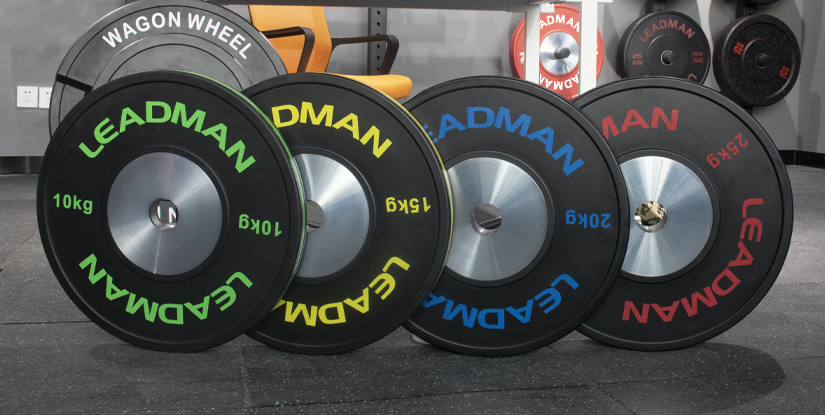
To ensure long-term profitability, buyers should prioritize a direct relationship with a specialized gym equipment manufacturer. This structural approach allows for more precise control over the technical specifications of every shipment. Before finalizing any bulk order, we recommend that procurement officers request a detailed spec sheet, confirm the specific MOQ for custom branding, and schedule a virtual factory audit to verify production standards.
To ensure long-term profitability, buyers should prioritize a direct relationship with a specialized gym equipment manufacturer. This structural approach allows for more precise control over the technical specifications of every shipment. Before finalizing any bulk order, we recommend that procurement officers request a detailed spec sheet, confirm the specific MOQ for custom branding, and schedule a virtual factory audit to verify production standards.
Ensuring Quality Through Rigorous Inspection and Logistics
Securing a reliable supply chain requires more than just finding a low price; it requires a partner capable of high-level quality control. For professional importers, the risk of receiving damaged or non-compliant goods is a significant threat to the landed cost. A professional China factory mitigates this by implementing strict pre-shipment inspection protocols, ensuring that every piece of commercial-grade equipment meets the structural tolerances required for high-traffic environments. This oversight is critical when managing large-scale wholesale fitness equipment orders where even a small percentage of defective units can disrupt an entire distribution cycle.
Beyond the production line, professional sourcing must account for the complexities of international logistics. Whether you are utilizing OEM specifications for a private label line or ordering standard stock, the way equipment is packed and loaded into containers directly impacts its arrival condition. Robust export packaging and optimized container loading strategies are essential to prevent transit damage, ensuring that your commercial gym brands identity remains untarnished upon delivery. We encourage distributors to consult with their supplier regarding container volume optimization and lead time scheduling to maintain a consistent and predictable inventory flow.
Optimizing Product Mix via Gym Equipment Manufacturer Partnerships
Distributors often face a critical dilemma: maintaining a broad catalog versus protecting net margins. Relying on generic commercial gym brands often results in high procurement costs and low differentiation. By establishing a direct relationship with a specialized gym equipment manufacturer, importers can bypass middleman markups and control the entire supply chain from the factory level.
A diversified product mix is essential for capturing different market segments, from boutique studios to large-scale fitness centers. When you engage in direct commercial equipment sourcing, you gain the ability to balance high-turnover strength equipment with premium cardio units. This strategic approach allows a distributor to optimize the landed cost of each SKU, ensuring that the total investment per container maximizes the potential margin across the entire shipment.
Supply Chain Models and Margin Impact
| Sourcing Model | Product Control | Typical MOQ | Profit Potential |
|---|---|---|---|
| Local Wholesaler | Low (Stock Only) | Low | Low |
| International Trader | Moderate | Medium | Medium |
| factory-direct OEM | High (Custom Specs) | High | High |
Selecting the right wholesale fitness equipment partner is not just about the lowest unit price; it is about reducing procurement risk. A direct partnership provides the transparency needed to verify material grades and assembly standards before the container leaves the port. For professional buyers, this control over the wholesale process ensures that the product mix remains both profitable and consistent with the brand identity they wish to build in their local market.
| Sourcing Model | Product Control | Typical MOQ | Margin Potential | Lead Time Control |
|---|---|---|---|---|
| Local Trading Agent | Limited to existing stock | Low | Reduced due to markup | Low (Dependent on agent) |
| Third-Party Importer | Standardized models | Medium | Moderate | Moderate |
| Direct China factory | Full OEM/ODM customization | Defined by MOQ | Maximum optimization | High (Direct production) |
For distributors aiming to scale, the distinction between a trader and a direct supplier lies in the ability to manipulate the landed cost through volume and specification control. While traders offer convenience for small orders, they cannot provide the technical depth required for high-end commercial gym brands. A direct partnership allows for precise adjustments to steel gauge, upholstery density, and mechanical components to meet specific regional durability standards.
When evaluating your next bulk shipment, consider how a factory-direct model simplifies the sourcing process. Instead of managing multiple vendors through a single middleman, you can coordinate directly with the production line to manage lead time and ensure that custom branding or specialized hardware requirements are executed without error. This level of oversight is critical when transitioning from a simple importer to a specialized brand owner in the global fitness market.
Protecting Brand Identity via Rigorous Quality Control
For professional distributors, the greatest threat to long-term growth is not a single delayed shipment, but a consistent decline in product reliability. When building a reputation under your own label, any deviation in material thickness or mechanical smoothness can damage your brand identity. This is why high-tier commercial gym brands prioritize a direct relationship with a manufacturer that offers robust QC protocols and transparent production stages.
Relying on unverified middle-men often leads to "spec-drift," where the final product delivered to your warehouse differs from the initial sample approved. By working with a specialized China factory, you can implement strict pre-shipment inspections and material verification. Whether you are requesting OEM manufacturing for strength equipment or ODM development for specialized cardio units, maintaining oversight of the production line ensures that every piece of equipment meets the durability standards expected by your end-users.
Effective quality control extends beyond the assembly line to include export packaging and container loading protocols. For high-volume wholesale buyers, ensuring that heavy-duty frames and sensitive electronic components are protected against transit damage is vital for reducing the total cost of ownership and avoiding costly after-sales claims. When you manage the sourcing process directly with the source, you gain the technical authority to demand higher standards, ensuring your product mix remains a premium asset in your local market.
Customizing Brand Identity Through OEM and ODM Services
Establishing a presence among top-tier commercial gym brands requires more than just importing generic hardware; it requires a distinct market position. For distributors and large-scale importers, leveraging OEM and ODM services allows for the transition from a simple reseller to a specialized equipment provider with a proprietary product line.
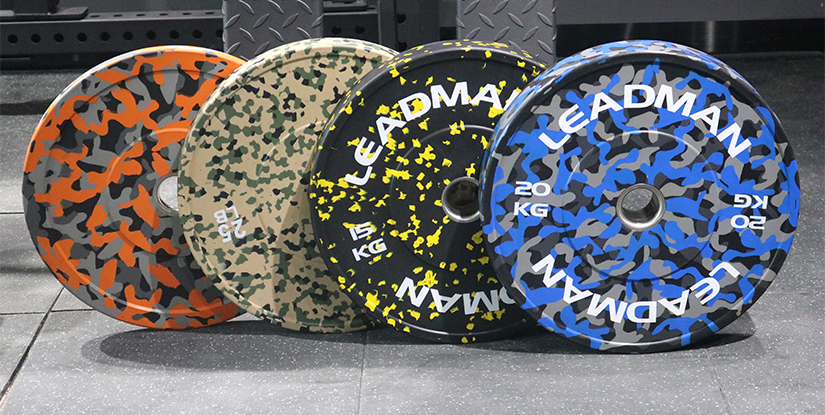
The strategic value of private label manufacturing lies in the ability to control your brand identity and product specifications. Instead of competing solely on price with identical stock items, customization enables you to offer unique aesthetic and functional features that align with your specific target demographic. This level of differentiation is essential for long-term market positioning in competitive regions.
By partnering with a capable China factory, buyers can integrate specific color schemes, upholstery textures, and logo placements directly into the production line. This sourcing strategy ensures that your catalog reflects a cohesive professional standard, rather than a fragmented collection of third-party products. Whether you are developing a boutique studio line or a heavy-duty strength series, commercial equipment sourcing through direct manufacturing channels provides the control necessary to build lasting equity.
Strategic Comparison: Sourcing Models for Distributors
| Sourcing Model | Primary Benefit | Brand Control | Typical Application |
|---|---|---|---|
| Standard Wholesale | Low entry barrier and fast lead times | Minimal | Small-scale gym startups |
| OEM Manufacturing | High customization of existing designs | Significant | Established regional distributors |
| ODM Development | Full control over unique engineering | Maximum | Global commercial gym brands |
Technical Specifications and Manufacturing Depth
Deciding between different levels of customization depends heavily on your internal engineering capabilities and the complexity of your design specifications. For many distributors, commercial equipment sourcing via OEM involves applying your brand identity to an existing, proven mechanical structure. This approach utilizes the manufacturer's established technical drawings and vetted components, which significantly reduces the risk of mechanical failure and simplifies the initial QC process. It is an efficient way to scale a product line without the heavy R&D investment required for ground-up development.
In contrast, true ODM services allow for a much deeper level of technical intervention. This is ideal for procurement managers who possess proprietary design specifications or wish to introduce a unique ergonomic feature to the market. When you engage in ODM, the China factory works with your specialized engineering requirements to develop new tooling, unique frame geometries, or specialized resistance profiles. While this path offers the highest degree of market differentiation, it typically requires a higher MOQ and a longer lead time to account for the prototyping and testing phases. Understanding these variables is critical for maintaining your inventory turnover and ensuring that your landed cost remains competitive despite the increased development complexity.
Logistics and Quality Assurance in Bulk Procurement
Navigating the complexities of wholesale fitness equipment procurement requires a rigorous approach to quality oversight and logistical planning. To prevent the high costs associated with defective shipments or delayed inventory, professional buyers must integrate strict verification steps into their commercial equipment sourcing workflow. This involves moving beyond simple order placement to active participation in the production lifecycle, ensuring that every unit meets the durability standards expected by high-traffic commercial facilities.
A successful partnership with a gym equipment manufacturer relies on a structured process of sample evaluation and pre-shipment inspection. Before committing to a full-scale production run, it is standard practice to request a functional sample to verify ergonomics, material thickness, and finish quality. Once the sample is approved, the factory should provide a detailed production timeline, including specific milestones for component fabrication, assembly, and final testing. This transparency allows distributors to manage their local inventory levels and client expectations with precision.
To achieve optimal landed cost optimization, buyers must also consider the intricacies of export packaging and container loading. High-density shipping—maximizing the cubic capacity of a 40HQ container—is essential for reducing the per-unit freight cost. However, this must be balanced against the need for robust, export-grade packaging that protects heavy steel frames and sensitive electronic components during maritime transit. Implementing a rigorous QC standard that includes a final pre-shipment inspection (PSI) ensures that any discrepancies in color schemes, logo placement, or mechanical tolerances are addressed before the goods leave the China factory. By formalizing these protocols, importers can mitigate the operational risks and protect their profit margins during large-scale wholesale shipments.
Standardizing Quality Control and Export Packaging Protocols
For distributors and large-scale importers, the true cost of equipment is not the purchase price, but the total landed cost. Selecting the wrong commercial gym brands often results in hidden expenses through shipping damages, assembly failures, or premature component wear. To protect your margins and brand reputation, a China factory must implement rigorous quality control protocols that extend far beyond the assembly line.
Reliable commercial equipment sourcing requires a multi-stage verification process. This includes strict pre-shipment inspection to ensure every weld, bearing, and electronic component meets industry-standard tolerances. Without direct factory-direct oversight, a single faulty batch can lead to high replacement costs and diminished distributor trust. Effective wholesale fitness equipment procurement relies on a supplier who treats damage prevention as a core technical requirement, not an afterthought.
Standardized export packaging is the final line of defense in the global supply chain. High-density foam, reinforced corner protectors, and heavy-duty corrugated cartons are essential to ensure that heavy steel frames and sensitive electronics arrive in optimal condition. By prioritizing robust packaging and thorough inspection, importers can minimize the risk of transit-related downtime and ensure a seamless installation process for their end-users.
Technical Comparison of Export Packaging and Logistics Protocols
To maintain high margins during commercial equipment sourcing, procurement managers must evaluate the specific technical standards used for long-distance transit. Standard retail-grade packaging is insufficient for the heavy steel structures and precision components characteristic of professional fitness facilities. A professional gym equipment manufacturer must provide documented proof of specialized protection to ensure a successful landed cost and minimize the risk of arrival-day defects.
| Packaging Specification | Standard Export Method | Premium B2B/OEM Standard | Procurement Advantage |
|---|---|---|---|
| Small Components | Standard Cardboard Box | Reinforced Poly-bag & Double-wall Corrugated | Prevents moisture and vibration damage |
| Heavy Steel Frames | Single Layer Wrap | Heavy-duty Crates & Steel Reinforcement | Eliminates structural deformation during sea freight |
| Sensitive Electronics | Bubble Wrap | Anti-static Shielding & High-density Foam | Protects circuit integrity from humidity |
| Palletized Loads | Basic Shrink Wrap | Customized Wood Pallets & Edge Protectors | Optimizes container loading and stability |
Efficient wholesale fitness equipment logistics requires more than just durable crates; it requires strategic container optimization. When managing bulk orders, the ability to maximize volume through precise stacking and palletization directly impacts your shipping-to-unit ratio. This level of logistics efficiency reduces the per-unit freight cost, providing a competitive edge when competing among various commercial gym brands in your local market. We recommend that buyers request specific loading diagrams and packaging samples during the initial consultation to confirm these standards meet your local warehouse handling capabilities.
Optimizing the procurement cycle requires a shift from viewing equipment as a single purchase to viewing it as a long-term asset. For professional importers, the ability to scale is often limited by the technical capacity of the gym equipment manufacturer. Whether you are expanding a single facility or managing a national distribution network, your success depends on a partner who can harmonize high-volume production with strict adherence to your specific brand standards and timelines.
To ensure long-term operational stability, we suggest that procurement teams move beyond simple price-per-unit metrics. Instead, evaluate the total cost of ownership, which includes the efficiency of replacement planning and the availability of spare parts. A robust wholesale fitness equipment partnership provides the stability needed to manage high-traffic commercial environments where downtime is not an option. When evaluating your next batch, consider requesting a detailed breakdown of component lifespans and a clear protocol for technical support to ensure your investment remains productive for years to come.
We invite distributors and facility operators to contact us for a comprehensive technical consultation. Whether you need to confirm a specific MOQ for a new product line, request a detailed specification sheet for a custom OEM project, or schedule a formal factory audit, our team is ready to support your growth. Contact us today to discuss bulk pricing, custom branding options, or to receive a customized quote tailored to your specific market requirements.
Managing Lead Times and MOQ for Wholesale Fitness Equipment
Effective procurement planning for commercial gym brands requires a deep understanding of how production volume dictates your supply chain stability. When sourcing through a China factory, the relationship between the MOQ and the total lead time is the primary lever for managing your landed cost and inventory turnover.
A common pain point for distributors is the unexpected delay caused by rigid production cycles. If your scale of order is too low, you may face extended waiting periods as the factory prioritizes larger production runs. Conversely, failing to account for production cycles during peak seasons can result in empty showroom floors or missed contract deadlines for your clients.
To optimize your commercial equipment sourcing, professional buyers should evaluate the following variables when negotiating with a wholesale fitness equipment supplier:
| Order Variable | Low Volume Impact | High Volume Impact |
|---|---|---|
| Production Priority | Lower priority in standard cycles | High priority for dedicated lines |
| Customization Capability | Limited OEM/ODM options | Full private label integration |
| Logistics Efficiency | Higher per-unit shipping cost | Optimized container utilization |
| Lead Time Predictability | Variable based on factory availability | Stable through scheduled production |
When scaling your business, aligning your scale of order with the factory capacity ensures that your wholesale margins remain protected against shipping volatility and rising freight costs. We recommend confirming specific MOQ requirements and detailed lead time windows during the initial RFQ stage to ensure your distribution schedule remains uninterrupted.
Optimizing Procurement Models for Maximum Margin
Selecting the right procurement model is a strategic decision that directly impacts your long-term ROI and brand identity. For distributors looking to scale, understanding the distinction between purchasing standard stock and initiating a custom manufacturing project is essential for effective commercial equipment sourcing.
Standardized stock orders offer the fastest way to replenish inventory, but they often limit your ability to differentiate your catalog. For professionals building a specialized identity, leveraging OEM or ODM capabilities allows you to integrate specific technical requirements or custom branding into your product line, effectively transforming a generic unit into a signature offering for your local market.
| Procurement Model | Primary Advantage | Typical Lead Time | Best For |
|---|---|---|---|
| Standard Stock Order | Rapid fulfillment and lower initial risk | Shortest window via existing inventory | Small studio replenishment or urgent needs |
| Custom OEM Production | High brand differentiation and control | Extended window for design and tooling | Established distributors building a brand |
| Full ODM Development | Complete technical and aesthetic autonomy | Longest window for R&D and testing | Large-scale manufacturers launching new lines |
Deciding between these models depends on your current inventory turnover and your long-term vision for the commercial gym brands you represent. While stock orders minimize immediate lead time, high-volume wholesale customization often results in a lower landed cost per unit when scaled across multiple containers. We advise buyers to request a detailed specification sheet and a formal quote for both stock and custom tiers to accurately calculate their total cost of ownership before committing to a production cycle.
Ensuring Quality Standards Through Rigorous QC and Pre-Shipment Inspection
The highest risk in long-distance commercial equipment sourcing is not the shipping duration, but the discrepancy between ordered specifications and delivered reality. For professional buyers, a single batch of non-compliant units can devastate a distributor's reputation and increase long-term maintenance costs. To mitigate these risks, a robust quality control framework must be integrated into the production timeline rather than treated as an afterthought.
Reliable commercial gym brands rely on a multi-stage verification process to ensure every component meets international commercial standards. This includes raw material testing, in-process monitoring, and a final, comprehensive pre-shipment inspection. By implementing these protocols, a China factory can guarantee that mechanical tolerances, welding strength, and electronic stability are consistent across every container, regardless of the total volume.
A structured inspection plan reduces the total cost of ownership by preventing the arrival of defective units that require expensive on-site repairs or replacements. Professional procurement teams should prioritize the following inspection checkpoints when managing their wholesale fitness equipment orders:
- Material Verification: Confirming steel gauge thickness and coating durability against the approved sample.
- Mechanical Stress Testing: Ensuring moving parts, cables, and bearings operate within specified resistance parameters.
- Electronic Calibration: Verifying console accuracy, sensor responsiveness, and software stability for smart equipment.
- Pre-shipment Inspection: A final physical audit of the entire batch before the container is sealed.
Effective commercial equipment sourcing requires transparency regarding how and when these checks occur. We recommend that distributors schedule a formal third-party or factory-led inspection once production reaches 90% completion. This ensures that your wholesale shipment meets every technical requirement, protecting your distributor margin and ensuring your clients receive only high-performance, commercial-grade equipment.