Commercial Gym Equipment Casting Manufacturer: Manufacturing
Understanding the Role of a Commercial Gym Equipment Casting Manufacturer
Many distributors fail by sourcing from generic hardware suppliers, leading to high breakage rates and inconsistent weight tolerances that damage brand reputation. A professional commercial gym equipment casting manufacturer provides a strategic advantage by integrating specialized metallurgy with precision engineering, ensuring that every bulk order meets the rigorous demands of high-traffic commercial facilities. By working directly with a specialized factory, importers can secure consistent structural integrity and predictable wholesale pricing.
The core of high-performance fitness equipment manufacturing lies in the stability of the base components. While low-tier suppliers often overlook the structural nuances of iron density, a dedicated commercial gym equipment casting manufacturer manages the entire lifecycle from raw material selection to the final commercial casting process. This oversight minimizes the risk of surface fractures or uneven weight distribution, which are common failure modes in lower-grade sourcing efforts.
For wholesalers looking to scale, the ability to leverage OEM capabilities is essential for differentiation. A specialized China factory can adapt the commercial casting process to meet specific brand identities, whether through customized handle textures or proprietary coating applications. This level of customization, combined with optimized MOQ structures, allows distributors to maintain healthy distributor margin while offering premium, branded solutions to their local markets.
Tiered Comparison of Casting Quality and Procurement Impact
Selecting the correct tier of production is a critical decision for procurement leads managing total cost of ownership (TCO). Choosing between budget-grade and high-end options directly affects your after-sales maintenance load and long-term reliability in professional gym environments. A qualified OEM gym equipment factory will typically provide clear documentation on these tiers to assist in your selection process.
The following table outlines the qualitative differences encountered when sourcing through different production standards. This comparison is designed to help importers evaluate the trade-offs between initial landed cost and long-term commercial durability.
| Material & Process | Key Component Focus | Commercial Duty Tier | Sourcing Impact | Typical Factory QC Point |
|---|---|---|---|---|
| Standard Sand Casting | Basic handle texture | Budget / Entry-Level | Low initial cost; higher replacement frequency | Surface smoothness & weight consistency |
| Advanced Casting & Machining | Precision knurling & smooth grip | Mid-Tier Commercial | Balanced ROI; standard for studio chains | Handle-to-body junction & coating adhesion |
| Precision Casting & Multi-Coat | Refined ergonomics & seamless finish | Premium / Professional | High durability; optimized for high-traffic gyms | Base flatness & weight tolerance spot-check |
When evaluating a potential supplier, we recommend requesting a sample evaluation or a detailed spec sheet to verify these material distinctions. Understanding these tiers ensures that your bulk order aligns with your target market's expectations, protecting your reputation as a provider of high-quality commercial solutions.
To ensure high-margin delivery, the logistics and quality control pipeline must be as robust as the casting itself. For a commercial gym equipment casting manufacturer, the process does not end once the metal cools; it extends through rigorous QC protocols and specialized export packaging designed to minimize damage during long-haul transit. For distributors, a failure in this stage leads to increased landed cost due to replacement fees and lost warehouse efficiency.
A reliable OEM/ODM partner integrates inspection points into every stage of the fitness equipment manufacturing workflow. This includes checking the commercial casting process outputs for structural flaws before they reach the assembly line, ensuring that the final product is ready for immediate deployment in professional settings. By optimizing container loading and utilizing heavy-duty, reinforced packaging, a professional China factory helps importers maximize shipping volume and reduce the risk of transit-related losses, ultimately protecting the distributor margin.
Industrial Casting and Material Selection for Durability
For distributors and gym operators managing long-term capital expenditures, the structural integrity of heavy-duty components is non-negotiable. Selecting a reliable commercial gym equipment casting manufacturer ensures that your bulk orders consist of units capable of withstanding high-volume usage without structural fatigue. When sourcing heavy-duty equipment, the distinction between budget-grade items and professional-grade units often lies in the fundamental metallurgical foundation and the precision of the initial pour.
In many commercial settings, high-quality sand casting remains the industry standard for producing heavy, stable bases and weight components. A professional China factory typically utilizes gray iron for these parts due to its excellent vibration damping properties and high compressive strength. This material choice is critical for maintaining a low total cost of ownership (TCO), as it reduces the frequency of replacement and maintenance cycles for the end-user. By prioritizing a commercial casting process that emphasizes material density and uniform cooling, an OEM gym equipment factory can significantly mitigate the risks of hairline fractures or uneven weight distribution in high-stress applications.
The fitness equipment manufacturing workflow must integrate these casting standards with rigorous surface treatments to ensure long-term durability. For example, a common requirement for wholesale orders is a multi-stage finishing process that includes phosphate treatment followed by high-grade powder coating. This sequence ensures superior coating adhesion, protecting the underlying iron from oxidation in humid gym environments. For buyers evaluating MOQ tiers, understanding these material-to-finish transitions is essential for predicting the long-term maintenance load and the overall value of the landed cost.
Technical Comparison of Surface Finishes and Coating Methods
Procurement professionals must evaluate the trade-offs between different finishing methods to optimize the total cost of ownership and product longevity. While a standard commercial casting process might focus solely on the structural pour, high-tier fitness equipment manufacturing requires a sophisticated surface treatment to prevent corrosion and wear in high-traffic environments. Depending on your target market—whether premium studio or high-volume commercial gym—the choice of coating will directly impact the maintenance cycle and the final landed cost of your shipment.
The following table provides a qualitative comparison to assist in your selection during the sourcing phase. It outlines how different finishes affect the commercial utility and the complexity of the production line at a China factory.
| Material Base | Surface Finish Type | Typical Commercial Duty | Maintenance Profile | MOQ Impact | Standard Factory QC Point |
|---|---|---|---|---|---|
| Gray Iron / Cast Iron | Powder Coating | High-Volume Commercial | Low; highly resistant to scratches | Standard Tier | Coating adhesion and thickness |
| Cast Iron | PU Coating (Polyurethane) | Premium Studio / Boutique | Medium; soft touch, high durability | Higher Tier | Encapsulation uniformity |
| Steel / Iron | Bare Iron / Phosphate | Budget / Basic Training | High; requires regular oiling/care | Low Tier | Surface oxidation and rust spots |
When negotiating with an OEM gym equipment factory, it is advisable to request specific details regarding the application method. For instance, a high-quality commercial gym equipment casting manufacturer will typically employ an automated powder coating line to ensure a consistent finish across the entire batch. This level of precision is vital for ensuring that the weight tolerance remains within acceptable commercial-grade ranges and that the branding or logo remains legible after extensive use. We recommend requesting a sample evaluation or a technical spec sheet to confirm that the coating thickness and adhesion meet your specific brand identity requirements before finalizing large-scale bulk orders.
Pre-Shipment QC and Export-Grade Inspection Standards
For professional distributors and large-scale importers, the risk of receiving damaged or non-compliant components from a distant China factory can significantly impact profit margins and customer trust. A faulty casting—such as one with poor base flatness or inconsistent knurling—can lead to expensive returns and increased maintenance costs for the end-user. To eliminate these friction points during the sourcing process, a top-tier commercial gym equipment casting manufacturer implements a multi-stage inspection protocol that goes far beyond simple visual checks.
A professional OEM gym equipment factory focuses its pre-shipment QC on high-stress contact points and functional durability. This includes verifying the base flatness of heavy casting components to ensure stability on gym flooring, as well as checking the precision of knurling depth for grip consistency. Furthermore, we emphasize the testing of coating adhesion to ensure that the powder coating or PU layer does not flake under heavy use. By conducting these technical audits before the lead time expires, we ensure that every unit in your bulk orders meets the rigorous demands of the North American commercial market.
Beyond component-level checks, the commercial casting process concludes with specialized export packaging protocols. To protect the integrity of heavy cast iron and steel components during transoceanic shipping, we utilize reinforced edge protectors, heavy-duty corrugated cartons, and customized palletizing. This attention to detail minimizes the risk of transit-related damage, ensuring that your wholesale shipment arrives at your warehouse in optimal condition, ready for immediate distribution. We suggest that buyers confirm specific packaging requirements and request a detailed inspection report during the sample approval stage to optimize the total landed cost and ensure a seamless delivery experience.
Precision Manufacturing and Assembly Sequences
Maintaining consistent durability in bulk orders requires a rigorous technical sequence. A professional commercial gym equipment casting manufacturer must oversee every stage from raw metal preparation to final calibration to ensure that high-volume shipments meet international standards. For importers and distributors, understanding these technical transitions is essential for evaluating the long-term reliability of their inventory.
The process begins with sand casting to form the primary structure of the weight components or heavy frames. This method is industry-standard for producing the high-density iron shapes required for commercial-grade durability. Once the raw casting is cooled, the parts undergo CNC machining to refine critical contact points, such as handle interfaces or mounting brackets, ensuring a precise fit during final assembly. This technical precision prevents the premature wear and mechanical failures that often plague lower-tier products.
To ensure the accuracy of every unit, a dedicated weight calibration stage is performed. This step is critical for a fitness equipment manufacturing facility to ensure that the actual weight matches the stamped specification within industry-standard tolerances. Following calibration, the components move through a high-grade powder coating or specialized finish line to protect the metal from oxidation and heavy usage. This structured commercial casting process ensures that the final product is ready for the rigorous environment of a commercial gym.
| Material / Process Type | Primary Manufacturing Method | Key Component Focus | Commercial Duty Tier | QC Inspection Point |
|---|---|---|---|---|
| Standard Cast Iron | Sand Casting | Base Stability & Shape | Commercial/Budget | Surface Smoothness |
| Precision Machined Steel | CNC Machining | Connection Points & Joints | Premium/Professional | Tolerance Accuracy |
| Coated Performance Unit | Powder Coating Line | Coating Adhesion & Grip | High-Traffic Commercial | Finish Consistency |
For professional buyers, selecting a reliable OEM gym equipment factory means verifying these specific technical checkpoints. When managing large-scale sourcing projects, we recommend that clients confirm the specific calibration methods and coating standards used during production. This oversight helps mitigate the risks of high return rates and protects your distributor margins. Depending on your specific MOQ and customization requirements, we can provide detailed technical spec sheets or facilitate a factory audit to review these assembly sequences in person.
Selecting the right manufacturing partner requires a clear understanding of how different methods impact both the product lifecycle and your total landed cost. For high-volume importers, the distinction between casting types and finishing techniques often determines the long-term maintenance load and replacement frequency for your clients.
Technical Comparison of Casting and Finishing Standards
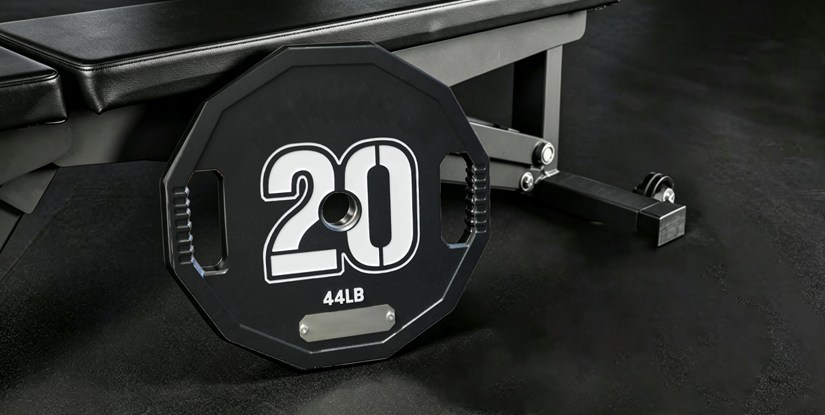
A professional commercial gym equipment casting manufacturer typically utilizes different approaches depending on the desired tier of the equipment. While sand casting is the industry-standard for high-density, heavy-duty iron components, more refined processes like die casting or CNC machining are employed when precision at connection points is required. Understanding these variations allows distributors to better align their product catalog with specific market segments, whether they are targeting high-traffic commercial centers or premium boutique studios.
| Manufacturing Method | Primary Use Case | Key Component Focus | Commercial Duty Tier | Impact on Sourcing |
|---|---|---|---|---|
| Sand Casting | Heavy weight plates/bases | Structural density | Standard Commercial | Optimized for wholesale |
| Die Casting | Small precision parts | Consistent geometry | Premium/Specialty | Higher MOQ requirements |
| Powder Coating | Frame and handle surfaces | Oxidation resistance | High-Traffic Commercial | Protects landed cost |
Beyond the core structure, the quality of the surface finishing dictates the durability of the unit in humid or high-use environments. A reliable OEM gym equipment factory will implement a multi-stage coating process, often involving a phosphate treatment before the final application to ensure maximum adhesion. This prevents the common failure mode of coating peeling or rust formation, which can significantly increase the maintenance burden for gym operators and damage a distributor's reputation.
When evaluating your next batch, we suggest focusing on the integration of these components. A well-executed commercial casting process ensures that the transition from the raw cast metal to the finished, coated product is seamless, with no structural weaknesses at the high-stress joints. We invite professional buyers to request a full technical specification sheet or discuss specific ODM requirements to ensure the manufacturing output aligns perfectly with your brand's quality standards and regional market demands.
Final Inspection and Export-Ready Logistics
The final stage of production is where a professional commercial gym equipment casting manufacturer ensures that bulk orders are truly export-ready. Before any container is loaded, a comprehensive pre-shipment QC protocol is executed to mitigate the risks of transit damage and mechanical failure. This rigorous inspection focuses on critical touchpoints: verifying weight tolerance accuracy, checking for any structural micro-cracks in the casting, and performing a rigorous coating adhesion test to ensure the finish can withstand high-traffic commercial environments.
For international distributors, the reliability of export packaging is just as vital as the equipment itself. To protect your distributor margin, we implement heavy-duty, reinforced packaging solutions designed for long-haul sea freight. This includes corner protection for heavy cast components and moisture-resistant wrapping to prevent oxidation during transit. By prioritizing these final quality gates, we help importers minimize the landed cost associated with damaged returns and ensure that every unit arrives in a condition that meets the highest commercial standards.
If you are planning large-scale bulk orders or require specific branding for your inventory, we recommend scheduling a final inspection or requesting a sample evaluation. Our team can provide detailed documentation regarding the final assembly and packaging specifications to ensure your logistics provider can manage the arrival of your shipment with maximum efficiency.
Critical QC Inspection Points for Export Quality
Maintaining consistent standards is the primary concern for distributors sourcing heavy iron goods. A professional commercial gym equipment casting manufacturer must implement rigorous inspection protocols to prevent high return rates and protect distributor margins. For overseas buyers, the pre-shipment inspection phase is the final safeguard to ensure that every batch meets the durability requirements of high-traffic fitness facilities.
Reliable fitness equipment manufacturing goes beyond the initial pour; it requires systematic verification of physical dimensions and surface integrity. During the commercial casting process, errors in mold density or cooling can lead to structural weaknesses. Therefore, a high-standard China factory will conduct multi-stage checks—from raw material purity to final assembly—to ensure the goods can withstand international shipping and long-term commercial use. For bulk orders, we recommend a weight tolerance spot-check to verify that the actual mass aligns with the labeled specifications, ensuring transparency in your wholesale procurement.
Essential Inspection Checklist for B2B Sourcing
| Inspection Category | Key Component/Feature | Commercial Duty Standard | Procurement Impact | QC Verification Point |
|---|---|---|---|---|
| Structural Integrity | Cast Body & Junctions | High-traffic durability | Reduces maintenance/replacement costs | Visual crack & porosity check |
| Dimensional Accuracy | Handle & Base Diameter | Standardized fitment | Ensures compatibility with racks/stands | Weight tolerance spot-check |
| Surface Quality | Coating & Knurling | Consistent grip & aesthetics | Protects brand identity/premium feel | Coating adhesion & texture depth |
| Export Readiness | Packaging & Load Stability | Safe long-distance transit | Minimizes landed cost from damages | Corner protection & carton strength |
When managing high-volume OEM or ODM projects, the technical details of the final inspection determine your total cost of ownership. For professional importers, a single oversight in the commercial casting process—such as poor coating adhesion or uneven handle textures—can lead to significant logistics delays or product returns. To mitigate these risks, procurement managers should focus on specific tactile and visual benchmarks during the factory audit or via third-party inspections.
A high-standard commercial gym equipment casting manufacturer will provide detailed reports covering critical touchpoints: the base flatness of the cast unit to ensure stability, the depth of the knurling for grip consistency, and the integrity of the surface finish. Whether you are sourcing a small MOQ for a boutique studio or a large bulk order for a global distribution network, verifying these specifications at the source is essential for maintaining a premium brand reputation. We recommend requesting a sample approval or a pre-shipment inspection report to confirm that all weight tolerances and coating standards meet your specific commercial-grade requirements before the final container loading.
Maintaining consistent standards is the primary concern for distributors sourcing heavy iron goods. A professional commercial gym equipment casting manufacturer must implement rigorous inspection protocols to prevent high return rates and protect distributor margins. For overseas buyers, the pre-shipment inspection phase is the final safeguard to ensure that every batch meets the durability requirements of high-traffic fitness facilities.
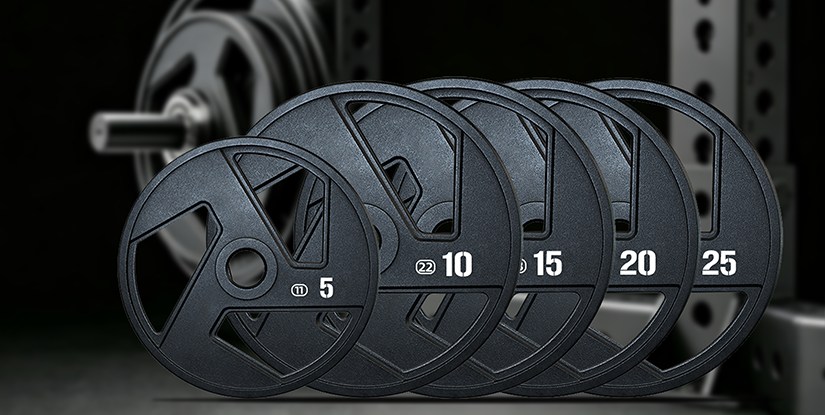
Reliable fitness equipment manufacturing goes beyond the initial pour; it requires systematic verification of physical dimensions and surface integrity. During the commercial casting process, errors in mold density or cooling can lead to structural weaknesses. Therefore, a high-standard China factory will conduct multi-stage checks—from raw material purity to final assembly—to ensure the goods can withstand international shipping and long-term commercial use. For bulk orders, we recommend a weight tolerance spot-check to verify that the actual mass aligns with the labeled specifications, ensuring transparency in your wholesale procurement.
OEM and Private Label Customization Capabilities
For distributors and gym chain procurement leads, standard catalog items often fail to meet specific brand identity requirements. Partnering with a professional commercial gym equipment casting manufacturer allows you to move beyond generic inventory toward a proprietary product line. Whether you require unique aesthetic features or specific functional modifications, our China factory provides the technical infrastructure to support your growth through scalable OEM and ODM solutions.
Effective fitness equipment manufacturing at the source requires more than just simple logo placement. We offer deep integration into the production cycle, ranging from initial mold development to advanced material selection. This ensures that your custom branding is not just a surface-level addition, but a seamless part of the high-durability product. By managing the commercial casting process internally, we can adjust specifications for cast iron density or steel thickness to meet your target price points and market positioning.
Our OEM services are designed to reduce the friction often found in complex sourcing projects. We provide clear guidance on MOQ requirements for custom molds and specialized finishes, ensuring that your wholesale orders remain cost-effective while maintaining premium commercial standards. This capability allows importers to build long-term brand equity through differentiated, high-quality equipment.
Customization Tier Comparison for Strategic Procurement
To assist in your decision-making process, we have categorized our customization capabilities into three distinct commercial tiers. Choosing the correct tier depends on your desired market positioning, target landed cost, and the specific MOQ required for your wholesale shipment. While budget tiers focus on high-volume efficiency, our premium options allow for significant differentiation in the global market.
| Tier Level | Material & Finish Options | Branding & Customization | Typical Commercial Duty | MOQ Impact |
|---|---|---|---|---|
| Budget Tier | Standard gray iron with basic paint or enamel | Single-color silk screen or logo plate | Standard commercial/semi-commercial | Lower threshold for bulk orders |
| Commercial Tier | Durable powder coating or vinyl dip coating | Integrated casting relief or color-matched paint | High-traffic professional gyms | Moderate volume requirements |
| Premium Tier | Advanced PU coating or specialized chrome finish | Full ODM mold development and custom textures | Elite training facilities & competition | Higher threshold for custom tooling |
When engaging with a commercial gym equipment casting manufacturer, it is vital to understand how these specifications affect your long-term maintenance load and total cost of ownership. For example, choosing a higher-grade coating through our fitness equipment manufacturing process may increase initial procurement costs but significantly reduces the frequency of surface-related repairs in high-humidity environments. We recommend reviewing these technical trade-offs with your supplier to ensure your chosen specification aligns with your regional market's durability expectations and your brand's quality promise.
Logistics Management and Export Quality Control
Navigating the complexities of international sourcing requires a transparent view of how customization affects your final landed cost. In the commercial casting process, the introduction of custom molds or specialized surface finishes can influence both the initial production lead time and the total weight-to-volume ratio for container loading. As an experienced OEM gym equipment factory, we provide detailed documentation regarding lead times to help distributors plan their inventory cycles and avoid stockouts during peak procurement seasons.
To ensure the integrity of every shipment, our QC protocols extend beyond the casting line to include comprehensive pre-shipment inspections. We focus on critical assembly points, such as the adhesion of the powder coating and the dimensional accuracy of the handle textures, to prevent high return rates. Furthermore, our specialized export packaging is designed to withstand the rigors of long-distance ocean freight, utilizing reinforced corners and heavy-duty protective layers to safeguard your bulk orders. By optimizing our production workflow and container utilization, we help you maintain competitive margins while delivering a consistent, high-quality product to your end users.
Optimizing Sourcing and Logistics for Bulk Orders
For international distributors and gym equipment importers, managing the landed cost of heavy iron components is a critical variable in maintaining healthy profit margins. When sourcing from a commercial gym equipment casting manufacturer, the relationship between order volume and total procurement expense is direct: larger bulk orders allow for greater economies of scale in both production and international freight logistics.
A China factory specializing in high-volume output can optimize the commercial casting process by streamlining mold usage and material handling. By meeting higher MOQ requirements, buyers typically benefit from reduced per-unit costs and more efficient container utilization. This efficiency is vital for fitness equipment manufacturing partners looking to balance high-quality output with competitive wholesale pricing. Strategic sourcing involves not just selecting the right OEM gym equipment factory, but also understanding how shipping efficiency and volume-based pricing structures can lower the final cost of goods delivered to your warehouse.
Procurement Tiers and Volume Impact
Understanding the interplay between customization depth and order scale is essential for long-term inventory planning. When engaging with a professional commercial gym equipment casting manufacturer, the level of OEM or ODM requirement will significantly influence your lead time and landed cost. Small-scale orders often rely on existing production runs, whereas highly customized specifications require dedicated production cycles and specialized tooling.
| Order Type | Customization Level | Typical Lead Time | Logistics Complexity | Volume Impact |
|---|---|---|---|---|
| Standard Stock | Minimal (Standard Finish) | Short | Low (Standard Container Loading) | Lower MOQ required |
| Standard OEM | Moderate (Logo/Color) | Medium | Medium (Custom Palletizing) | Higher wholesale discount |
| Full ODM | High (New Mold/Design) | Long | High (Complex Inspection/Packaging) | Maximum Scale Benefits |
To optimize your sourcing strategy, we recommend evaluating your project requirements against these tiers. Whether you are seeking a single high-spec line or massive bulk quantities for global distribution, aligning your volume expectations with the factory production capacity ensures more predictable lead time management and optimized freight costs.
Mitigating Risk Through Export-Ready Packaging and QC
The final stage of the commercial casting process is often the most overlooked by inexperienced buyers: the transition from the production line to the shipping container. For heavy cast iron products, even minor failures in export packaging can lead to surface damage, coating abrasions, or structural compromises during ocean freight. To protect your landed cost, a professional commercial gym equipment casting manufacturer must implement rigorous, multi-layered protection protocols designed for long-haul maritime transit.
Reliable fitness equipment manufacturing requires more than just high-quality casting; it requires a specialized pre-shipment QC routine that focuses on transit durability. This includes inspecting the integrity of the powder coating or enamel, checking for any casting imperfections that could catch on packaging, and ensuring that heavy items are secured with high-density foam or heavy-duty corner protectors. For distributors, this attention to detail prevents the high cost of returns and the loss of brand reputation due to damaged goods arriving at the destination.
When managing your sourcing, always verify the factory's standard for container loading. A seasoned OEM gym equipment factory will utilize optimized palletizing and moisture-resistant wrapping to safeguard the metal from saltwater corrosion and physical impact. By prioritizing these technical logistics, you ensure that your wholesale order arrives in pristine condition, maintaining the high standards of your own product line and ensuring maximum profitability upon delivery.