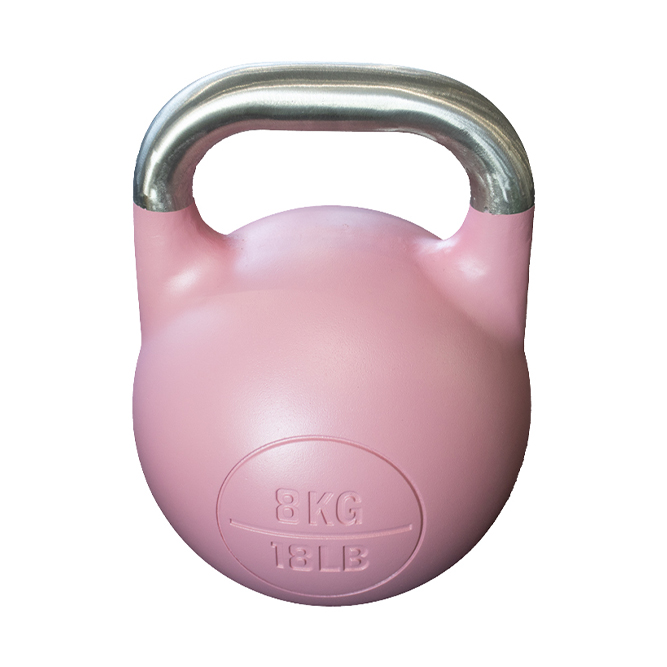
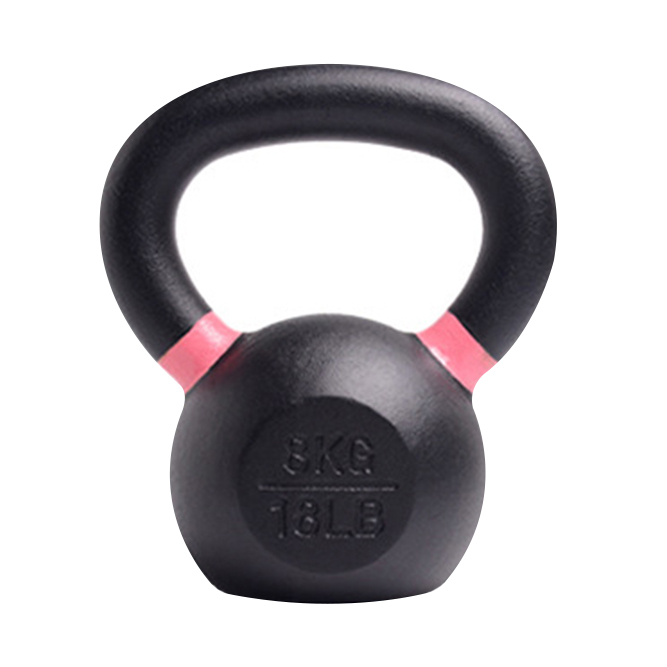
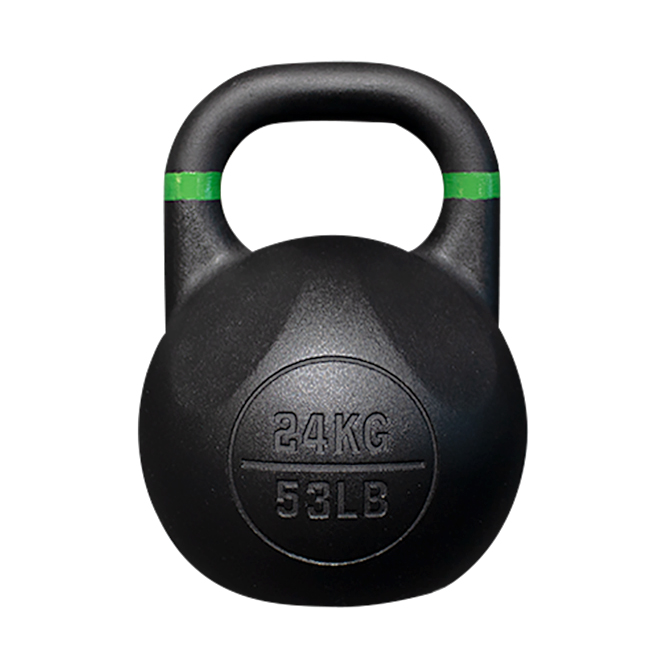
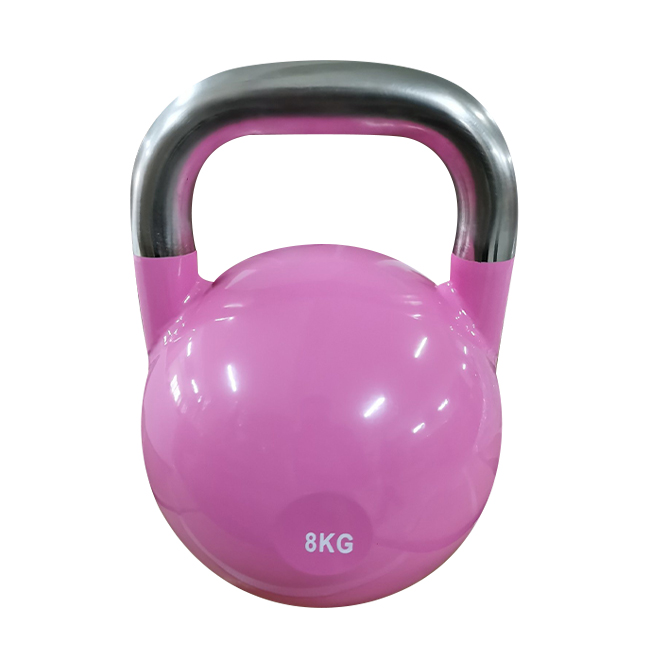
Competition Kettlebell Manufacturer China: Export Ready
The Economics of Sourcing a Competition Kettlebell Manufacturer China
For large-scale fitness distributors or high-end boutique studio chains, the decision to transition from standard cast iron to precision-engineered steel equipment is driven by both performance and long-term asset value. When sourcing a competition kettlebell manufacturer China, professional buyers are not just looking for a lower unit price, but a way to optimize the landed cost of high-performance gear. Moving from basic sand-casting methods to more advanced production lines allows importers to secure equipment that meets international competition standards while maintaining a competitive distributor margin.
The production of high-end bells requires a sophisticated professional kettlebell factory environment where the casting process is strictly controlled. Unlike standard commercial bells, competition-spec units often utilize chrome-manganese steel or high-grade solid steel to ensure perfect concentricity and a consistent handle diameter. This precision is vital for distributors who need to guarantee that every unit in a bulk shipment performs identically, reducing the risk of customer returns or brand damage due to weight discrepancies or handle irregularities.
Optimizing your wholesale competition kettlebells procurement strategy involves understanding the trade-offs between different manufacturing routes. While standard sand casting is cost-effective for general gym use, high-tier competition models require advanced machining and specialized surface finishing to achieve the necessary smoothness and weight accuracy. By working directly with a China factory, procurement leads can better manage their MOQ and lead time requirements, ensuring that seasonal stock replenishments arrive precisely when market demand peaks.
Manufacturing Tier Comparison for Procurement Decisions
Understanding the technical differentiation between standard and professional tiers is essential for accurate budgeting and inventory planning. A professional competition kettlebell manufacturer China will provide distinct manufacturing routes depending on the intended market segment. While standard commercial-grade units focus on durability and cost-efficiency, competition-spec models prioritize precision in weight calibration and surface finishing to meet strict sporting requirements.
The following table outlines the qualitative differences between these two production standards to assist in your sourcing evaluation. This comparison focuses on how material and process choices impact the long-term value and procurement efficiency of your bulk orders.
| Material & Process | Key Component Detail | Commercial Duty Tier | Sourcing & QC Focus |
|---|---|---|---|
| Sand Casting & Paint | Cast iron body with standard handle texture | Budget / General Commercial | High volume, lower MOQ, basic weight tolerance |
| Die Casting & Powder Coating | Smoother surface and consistent handle diameter | Premium Commercial / Studio | Standardized QC, optimized for high-traffic gyms |
| Chrome-Manganese Steel & Precision Machining | High-precision competition window and smooth grip | Professional Competition / Elite | Strict weight calibration, specialized factory QC |
When evaluating a professional kettlebell factory, we recommend inspecting the weight calibration protocols and the handle-to-body junction quality. For distributors, choosing the correct tier ensures that the landed cost aligns with the target end-user's expectations, whether they are operating a standard fitness center or a specialized strength training facility. If you require specific technical data sheets or wish to discuss wholesale pricing for a custom OEM order, please contact our sales team to confirm your MOQ and shipping schedules.
Logistics and Export-Grade Quality Control
Managing the landed cost of high-precision equipment requires more than just a low unit price; it requires rigorous oversight of the final logistics chain. A reliable competition kettlebell manufacturer China must demonstrate sophisticated export-grade packaging and pre-shipment protocols. For distributors, the risk of receiving damaged goods or inconsistent weight batches can significantly erode profit margins and increase warehouse overhead. To mitigate this, professional procurement leads should verify that the factory utilizes reinforced, high-density packaging designed to withstand long-haul maritime transit and heavy stacking in international containers.
A critical component of the export process is the pre-shipment inspection of weight accuracy and surface integrity. In a professional China factory setting, high-tier competition bells undergo a multi-stage verification process. This typically includes a final weight calibration check to ensure every unit stays within a strict tolerance band, as well as a visual inspection of the coating adhesion and handle texture. Ensuring these standards are met before the container is sealed is the most effective way to protect your sourcing investment and ensure that your bulk shipments arrive ready for immediate commercial distribution.
When planning your next inventory replenishment, we recommend discussing specific OEM branding requirements and container loading optimization with your supplier. Whether you are looking to implement custom logo placement or require specific palletization for efficient warehouse management, our team is ready to provide detailed specifications. Please reach out to request a formal quote, confirm your MOQ, or schedule a factory audit to ensure our production standards align with your brand's quality expectations.
Material Standards and Casting Processes for Competition-Grade Bells
Sourcing precision-engineered equipment requires a deep understanding of the technical divergence between standard fitness tools and high-end competition models. For distributors and professional gym operators, selecting a reliable competition kettlebell manufacturer China is critical to ensuring that every unit meets the strict weight tolerances and structural integrity required for sanctioned events and elite training environments.
In the procurement of high-end bells, the distinction between manufacturing routes significantly impacts both the landed cost and the long-term commercial durability of the product. A professional professional kettlebell factory typically utilizes two primary methods: sand casting and die casting (or centrifugal casting). While sand casting is a common, cost-effective method for standard commercial-grade bells, competition-spec models often require more advanced processes to ensure perfect concentricity and a smooth, uniform surface. When evaluating wholesale competition kettlebells, buyers must verify the specific casting route to ensure the handle-to-body junction and the overall shape meet international competition standards.
Technical Specification Comparison for Bulk Sourcing
| Material Type | Primary Process | Key Component Detail | Commercial Duty Tier | MOQ Impact | Factory QC Point |
|---|---|---|---|---|---|
| Chrome-Manganese Steel | Precision Die Casting | Smooth Competition Window | Premium / Competition | Higher | Weight Calibration |
| Solid Steel | CNC Machining | Uniform Knurling Depth | High-End Commercial | Medium | Concentricity Check |
| Gray Iron | Sand Casting | Standard Cast Handle | Standard Commercial | Lower | Base Flatness |
When managing a large-scale sourcing project, it is essential to confirm how the competition kettlebell manufacturer China handles weight calibration. Unlike standard cast iron, which may have larger variance, competition-grade units undergo rigorous post-casting machining and calibration to ensure weight consistency across the entire set. This attention to detail reduces the risk of non-compliance during official grading and ensures a higher ROI for distributors selling to professional sports facilities.
Surface Finishing and Coating Durability
Beyond the internal casting, the surface finish determines the long-term maintenance load and aesthetic value of your inventory. For a professional competition kettlebell factory, the coating process is as vital as the weight itself. High-tier competition models typically feature a chrome finish or specialized plating to ensure a smooth, non-abrasive grip and high resistance to oxidation. In contrast, standard commercial-grade bells often utilize powder coating or vinyl dip coating to provide a durable, high-visibility surface that can withstand high-traffic gym environments.
From a procurement standpoint, the choice between a bare iron finish, powder coating, or a premium plating affects the total cost of ownership (TCO). While powder-coated bells offer excellent durability for general commercial use, they may not meet the specific smoothness requirements of sanctioned competition events. When arranging a bulk order, we recommend requesting a sample to inspect the coating adhesion and the uniformity of the handle texture. This step is crucial to ensure that the surface finish will not peel or degrade under heavy usage, protecting your brand identity and reducing replacement frequency.
Pre-Shipment QC and Export Readiness
For distributors managing high-volume imports, the final stage of production is often where the most significant risks to the landed cost occur. A reliable competition kettlebell manufacturer China must implement a multi-stage QC protocol that extends far beyond basic weight checks. Effective pre-shipment inspection should focus on the handle-to-body junction, the precision of the handle texture, and the absolute concentricity of the bell. Any deviation in these areas can lead to high return rates and damaged professional reputations once the goods reach your warehouse or client site.
When negotiating your next bulk order, ensure the professional kettlebell factory provides clear documentation regarding their weight tolerance bands and surface inspection results. A high-tier competition kettlebell manufacturer China will typically conduct a final audit of the coating adhesion and the smoothness of the competition window to ensure the product is truly export-grade. We recommend that buyers confirm the specific packaging standards used for ocean freight to prevent damage during transit. Understanding the typical lead time and the minimum MOQ for custom-branded or specialized chrome-manganese steel units will allow for more accurate inventory planning and smoother distribution cycles.
Precision Engineering: Comparing Commercial and Competition Specifications
For professional distributors and gym owners, understanding the technical threshold between standard equipment and high-precision units is vital for successful sourcing. A competition kettlebell manufacturer China provides specialized production lines that differ significantly from standard iron casting. While standard commercial units focus on general durability and cost-efficiency, competition-grade equipment requires rigorous weight calibration and strict adherence to dimensional standards to ensure professional-level performance.
The fundamental difference lies in the casting process and the subsequent machining stages. Standard commercial kettlebells often utilize sand casting, which is cost-effective for wholesale orders but may result in slight surface irregularities. In contrast, a professional kettlebell factory producing competition-spec units employs more advanced techniques to ensure the center of gravity remains consistent and the handle dimensions are perfectly uniform. This precision engineering is a critical factor when evaluating the long-term value and professional utility of your bulk inventory.
| Product Tier | Primary Material | Manufacturing Process | Handle Specification | Commercial Duty | Procurement Focus |
|---|---|---|---|---|---|
| Standard Commercial | Cast Iron | Sand Casting | Standard Textured Grip | High-Volume Gyms | Cost-Efficiency |
| Premium Commercial | Steel or Iron | Cast & Powder Coated | Consistent Knurling | Studio & CrossFit | Durability/Aesthetics |
| Competition Grade | Chrome-Manganese Steel | Precision Machining | Standardized Window Size | Professional Sport | Weight Accuracy |
When you partner with a competition kettlebell manufacturer China, you are investing in products that meet strict international standards for weight tolerance and balance. For distributors, choosing between wholesale competition kettlebells and standard commercial-grade units depends on your target market: whether you are supplying local fitness centers that prioritize high MOQ efficiency or high-end training facilities that demand exact specifications. Selecting the right supplier ensures that your landed cost reflects the true quality and functional requirements of your clients.
Selecting the correct manufacturing route is a strategic decision that impacts your total cost of ownership and brand reputation. For high-end distributors, the technical specifications of a product often dictate the potential for long-term wholesale partnerships and client retention. A professional kettlebell factory must demonstrate control over several critical production variables to satisfy professional procurement standards.
Technical Differentiation in Manufacturing Processes
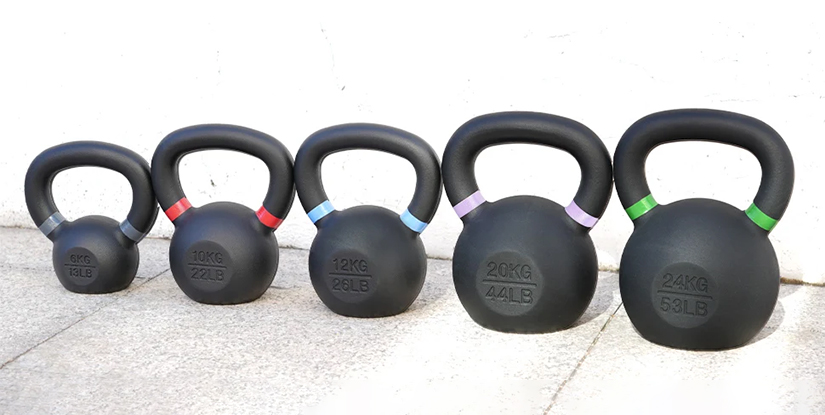
The transition from standard iron casting to precision-engineered competition units involves a shift from basic mold-based production to advanced CNC machining and specialized metallurgy. While sand casting is a standard method for high-volume wholesale competition kettlebells, it lacks the precision required for professional sport. High-tier production requires a more controlled environment to manage the center of gravity and the uniformity of the handle window.
| Material Tier | Primary Process | Key Component Detail | Commercial Duty | QC Focus |
|---|---|---|---|---|
| Cast Iron | Sand Casting | Rough Textured Grip | General Commercial | Surface Uniformity |
| Steel / Iron | Die Casting & Powder Coating | Consistent Knurling | Premium Studio | Coating Adhesion |
| Chrome-Manganese Steel | Precision Machining | Standardized Window Size | Competition Spec | Weight Tolerance |
For importers, the ability to verify these technical distinctions is essential during the pre-shipment phase. When sourcing from a competition kettlebell manufacturer China, we recommend inspecting the handle-to-body junction and the precision of the knurling. High-quality production ensures that the weight tolerance remains within industry-standard bands, reducing the risk of defective batches and ensuring a higher return on investment for your distribution network. Before finalizing a bulk order, we suggest requesting a specification sheet to confirm that the weight calibration and surface finish meet your specific market requirements.
For professional distributors and gym owners, understanding the technical threshold between standard equipment and high-precision units is vital for successful sourcing. A competition kettlebell manufacturer China provides specialized production lines that differ significantly from standard iron casting. While standard commercial units focus on general durability and cost-efficiency, competition-grade equipment requires rigorous weight calibration and strict adherence to dimensional standards to ensure professional-level performance.
The fundamental difference lies in the casting process and the subsequent machining stages. Standard commercial kettlebells often utilize sand casting, which is cost-effective for wholesale orders but may result in slight surface irregularities. In contrast, a professional kettlebell factory producing competition-spec units employs more advanced techniques to ensure the center of gravity remains consistent and the handle dimensions are perfectly uniform. This precision engineering is a critical factor when evaluating the long-term value and professional utility of your bulk inventory.
| Product Tier | Primary Material | Manufacturing Process | Handle Specification | Commercial Duty | Procurement Focus |
|---|---|---|---|---|---|
| Standard Commercial | Cast Iron | Sand Casting | Standard Textured Grip | High-Volume Gyms | Cost-Efficiency |
| Premium Commercial | Steel or Iron | Cast & Powder Coated | Consistent Knurling | Studio & CrossFit | Durability/Aesthetics |
| Competition Grade | Chrome-Manganese Steel | Precision Machining | Standardized Window Size | Professional Sport | Weight Accuracy |
When you partner with a competition kettlebell manufacturer China, you are investing in products that meet strict international standards for weight tolerance and balance. For distributors, choosing between wholesale competition kettlebells and standard commercial-grade units depends on your target market: whether you are supplying local fitness centers that prioritize high MOQ efficiency or high-end training facilities that demand exact specifications. Selecting the right supplier ensures that your landed cost reflects the true quality and functional requirements of your clients.
Factory QC Protocols and Export-Grade Inspection Standards
Maintaining strict precision is the primary challenge for any competition kettlebell manufacturer China supplying global distributors. For professional importers, the risk of receiving batches with inconsistent weight or poor concentricity can lead to high return rates and damaged brand reputation. A professional professional kettlebell factory mitigates these risks by implementing multi-stage verification processes that ensure every unit meets international competition standards before leaving the China factory.
In the sourcing of high-end lifting equipment, weight accuracy is not merely a preference but a critical requirement for professional training. A reliable competition kettlebell manufacturer China must prioritize weight calibration to ensure that a 24kg unit remains consistent across the entire production run. Beyond mass, the concentricity of the bell—the balance between the center of gravity and the handle axis—is vital. If the casting is off-center, it creates an uneven swing, which is unacceptable in a professional setting. High-quality wholesale competition kettlebells undergo rigorous inspection to ensure the weight distribution is uniform and the handle-to-body junction remains perfectly aligned.
For procurement leads, these technical specifications directly impact the total cost of ownership and product longevity. When you engage in sourcing through a direct supplier, you should verify that their quality control protocols include not only weight verification but also surface integrity and handle texture consistency. This level of scrutiny prevents common failure modes, such as coating delamination or uneven knurling, ensuring that your bulk order arrives ready for immediate commercial deployment.
Technical Inspection Sequence: From Casting to Export-Grade Packaging
A high-standard production line follows a logical progression to ensure that the final product survives the rigors of international shipping and heavy commercial use. The process begins with the raw material stage, moving through precision machining and surface treatment before reaching the final verification stages. For professional buyers, understanding this sequence is essential when evaluating the reliability of a professional kettlebell factory for long-term partnerships.
| Production Stage | Core Process | Key Component Focus | Commercial Duty Tier | Factory QC Point |
|---|---|---|---|---|
| Primary Casting | Sand Casting or Die Casting | Bell Body & Handle Symmetry | Premium / Competition | Concentricity & Base Flatness |
| Machining | CNC Machining | Handle Grip & Knurling | Professional / Commercial | Texture Uniformity |
| Surface Treatment | Chrome Plating or Powder Coating | Coating Adhesion Layer | High-End Commercial | Surface Smoothness |
| Final Calibration | Weight Verification | Total Mass Accuracy | Competition Standard | Weight Tolerance Band |
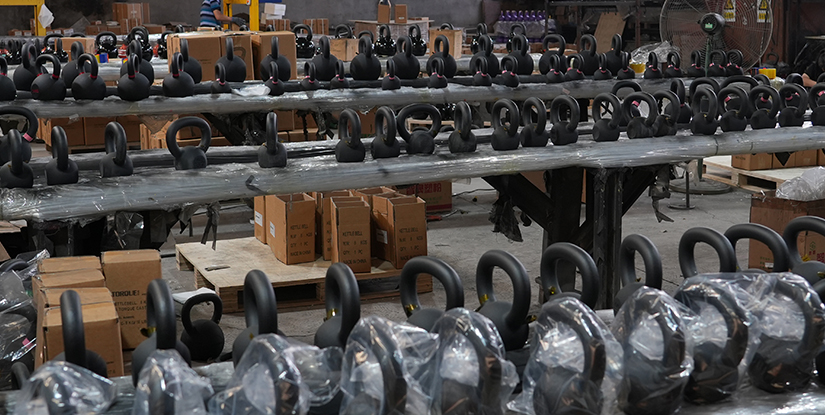
The final stage of the workflow is the pre-shipment inspection, which is a non-negotiable step for any reputable competition kettlebell manufacturer China. Before any bulk orders are cleared for container loading, the units must pass a final visual and physical audit. This includes checking the coating adhesion to prevent chipping during high-intensity use and verifying that the handle texture meets the required specifications. For distributors managing large-scale wholesale competition kettlebells shipments, we recommend requesting a sample approval or a pre-shipment report to confirm that the weight-to-dimension ratio is consistent across the entire batch. This rigorous approach to sourcing ensures that the landed cost remains low by eliminating the need for costly replacements or returns due to manufacturing defects.
To ensure long-term profitability, procurement managers should integrate these inspection points into their formal vendor audit checklists. Whether you are requesting a sample for a single OEM project or managing a large-scale wholesale distribution contract, verifying these technical benchmarks is essential. We recommend confirming specific MOQ requirements and lead times for specialized competition-grade finishes during the initial inquiry to ensure alignment with your market launch timelines.
Optimizing Your Supply Chain: MOQ and OEM Capabilities
For international distributors and large-scale gym operators, the ability to scale a product line depends heavily on the flexibility of a competition kettlebell manufacturer China. Relying on standard stock often limits your ability to differentiate in a crowded market. Effective sourcing requires a partner that understands the balance between high-volume efficiency and the precision required for competition-grade specifications.
A professional competition kettlebell factory provides more than just finished goods; they offer a foundation for your brand identity through OEM and ODM services. Whether you are looking to introduce a custom colorway for a boutique fitness chain or require a specific handle texture for a premium line, these capabilities allow for significant business scalability. However, these custom services are typically tied to a specific MOQ to ensure production line efficiency and cost-effectiveness for the supplier.
Managing these variables is essential for maintaining healthy distributor margins. When you secure wholesale competition kettlebells directly from the source, you gain better control over the lead time and the ability to implement customization that meets your local market's specific demands. This strategic approach reduces the risk of stockouts and ensures that your branded products meet the high standards expected by professional athletes and commercial gym owners alike.
Strategic Sourcing Models: Stock vs. Custom Production
Choosing between rapid replenishment and brand-building through customization is a critical decision for procurement managers. A high-tier competition kettlebell manufacturer China typically offers two distinct paths, each impacting your landed cost and inventory turnover differently. Selecting the right model depends on whether your priority is immediate availability or long-term market differentiation.
| Sourcing Model | Customization Level | Typical MOQ | Lead Time | Primary Business Use |
|---|---|---|---|---|
| Standard Stock Order | Low (Standard colors/logos) | Lower | Short (Ready-to-ship) | Rapid replenishment & inventory buffering |
| Private Label / OEM | High (Custom colors, handles, branding) | Higher | Longer (Production cycle + shipping) | Building brand identity & premium product lines |
| ODM / Full Custom | Maximum (Spec-based dimensions/materials) | Highest | Extended (R&D + manufacturing) | Developing proprietary competition-grade series |
For distributors focused on high-volume turnover, ordering standard wholesale competition kettlebells from existing factory stock minimizes lead time and reduces the complexity of sourcing. This is ideal for maintaining a baseline inventory of essential weights. Conversely, if you aim to establish a premium presence, leveraging OEM or private label services allows you to control the visual and tactile aspects of the product, such as the specific powder coating color or the knurling texture of the handle, effectively turning a generic tool into a branded asset.
Before finalizing your next bulk purchase, we recommend requesting a detailed specification sheet and confirming the MOQ for any custom branding requests. For high-precision requirements, it is also prudent to schedule a factory audit or a sample approval process to ensure the weight calibration and coating adhesion meet your professional standards before full-scale production begins.
Logistics and Export-Grade Quality Assurance
Efficiently managing the transition from a China factory to your local warehouse requires rigorous attention to export packaging and shipping protocols. For professional buyers, the risk of transit damage—such as coating chips or deformed handles—can significantly impact the final landed cost and product reputation. A reliable competition kettlebell manufacturer China implements specialized packaging solutions, such as reinforced corrugated boxes and heavy-duty dividers, to ensure that high-precision steel bells remain secure during long-distance sea freight and multiple handling stages.
Beyond physical protection, the final stage of the competition kettlebell manufacturer China production cycle must include a comprehensive pre-shipment inspection. This process focuses on critical commercial-grade benchmarks: verifying the weight tolerance band through rigorous weight calibration, checking the uniformity of the powder coating, and inspecting the handle-to-body junction for any structural inconsistencies. By ensuring these standards are met at the source, importers can minimize the frequency of returns and maintain higher distributor margins. We recommend that procurement leads request a sample evaluation and a detailed inspection report to confirm that all technical specifications align with your market's professional requirements before authorizing a full bulk order.
Logistics and Export Packaging for Bulk Shipments
When sourcing high-precision equipment, the risk of damage during transoceanic transit is a significant concern for distributors. A professional competition kettlebell manufacturer China must implement rigorous export packaging protocols to ensure that every unit arrives at your warehouse in original condition. Without specialized sea freight protection, high-density metal products can suffer from surface abrasions, coating chips, or structural deformation due to shifting weight within a container. For importers managing large-scale wholesale competition kettlebells, the goal is to maintain weight tolerance preservation and aesthetic integrity from the factory to the final destination.
To guarantee bulk shipment safety, our China factory utilizes heavy-duty reinforced cartons and standardized palletizing techniques. Each pallet is secured with industrial-grade stretch wrap and edge protectors to prevent crushing during vertical stacking. This systematic approach to logistics optimization helps reduce the landed cost by minimizing breakage-related claims and ensuring that your professional kettlebell factory orders are ready for immediate retail or commercial distribution upon arrival.
Shipping Volume and Packaging Optimization Table
Selecting the appropriate logistics tier is critical for balancing shipping volume efficiency with protection. Depending on your MOQ and order scale, the packaging configuration shifts from individual protection for samples to high-density palletization for full container loads. This distinction directly impacts your landed cost and warehouse receiving speed.
| Order Scale | Primary Packaging Type | Load Configuration | Logistics Focus |
|---|---|---|---|
| Sample Order | Reinforced Single Carton | Individual Unit | Product Integrity |
| Wholesale Batch | Standard Export Carton | Manual Palletization | Ease of Handling |
| Full Container Load | Heavy-Duty Industrial Pallet | High-Density Stacking | Maximum Volume Efficiency |
For distributors managing large-scale wholesale competition kettlebells, we recommend full container loading strategies to optimize the competition kettlebell manufacturer China supply chain. By utilizing standardized pallets and optimized weight distribution, we ensure that the high-density load remains stable during maritime transit. We suggest contacting your supplier to confirm specific dimensions and weight limits for your target destination to ensure seamless customs clearance and local transport.
Pre-Shipment Inspection and Container Loading Supervision
A reliable competition kettlebell manufacturer China understands that the final stage of the supply chain is as critical as the production line. To protect your wholesale competition kettlebells from transit-related depreciation, we implement a strict pre-shipment inspection protocol. This process involves a final weight tolerance spot-check and a physical inspection of the coating adhesion and handle-to-body junction. By conducting a thorough commercial procurement QC check before the goods leave the factory, we ensure that no defective units enter your inventory, thereby protecting your distributor margins.
During the container loading supervision phase, our logistics team focuses on high-density stability and moisture protection. For large-scale professional kettlebell factory orders, we utilize heavy-duty pallets with reinforced corner protection to prevent shifting. We apply industrial-grade moisture-proof barriers and vacuum-sealed layers to prevent oxidation or rust during long-duration sea freight. This attention to pallet stability and environmental shielding ensures that your sourcing efforts result in a high-quality arrival, keeping your landed cost predictable and your client satisfaction high.