Cast Iron Fitness Equipment Private Label Manufacturer: Material QC
The Economic Value of Cast Iron Fitness Equipment Private Label Manufacturer Sourcing
A cast iron fitness equipment private label manufacturer provides professional distributors and gym chains with high-density, durable weight solutions under their own brand identity. Sourcing through a China factory allows businesses to leverage industrial scale to minimize the landed cost of heavy iron goods.
For international importers, the primary challenge is balancing product density with shipping efficiency. When managing wholesale orders, the goal is to maximize container utilization while maintaining strict weight tolerances. By working directly with a supplier, buyers can optimize the MOQ requirements for custom branded plates and dumbbells, ensuring that the commercial cast iron weight manufacturing process aligns with their specific margin targets and local market positioning.
Direct sourcing eliminates the middleman markup often found when purchasing through regional trading companies. This direct-to-factory model is essential for private label gym equipment supplier partnerships, where the objective is to build a proprietary product line with high perceived value but low procurement overhead. Whether you are ordering standard iron plates or specialized kettlebells, understanding the relationship between production volume and shipping costs is critical for maintaining a competitive edge in the North American market.
Comparison of Casting and Coating Standards
Selecting the correct production tier is vital for managing long-term maintenance costs and distributor margins. Buyers must distinguish between standard industrial processes and premium finishes to ensure the cast iron plate export quality meets the expectations of high-traffic commercial facilities. Higher-tier finishes often require more complex production steps but offer better protection against oxidation and wear.
| Material Tier | Primary Process | Surface Finish | Commercial Duty | MOQ Impact | Factory QC Point |
|---|---|---|---|---|---|
| Standard Gray Iron | Sand casting | Bare iron or phosphate | Budget / Basic Commercial | Lower | Surface roughness and base flatness |
| Premium Cast Iron | Sand casting + Machining | Powder coating | High-Traffic Commercial | Medium | Coating adhesion and knurling depth |
| Professional Grade | Precision Casting | PU or Rubber coating | Premium Studio / Elite | Higher | Encapsulation integrity and weight tolerance |
When evaluating a cast iron fitness equipment private label manufacturer, procurement leads should inspect the transition between the casting and the finishing stages. For instance, a high-quality powder coating application requires a meticulous surface preparation stage to prevent chipping during heavy use. In many commercial settings, the durability of the finish directly affects the total cost of ownership (TCO) for the end-user. We recommend that buyers request a sample evaluation to verify the coating's resistance to impact and the consistency of the handle texture before committing to a full wholesale container order.
Standardized Pre-Shipment Inspection and Export Logistics
To mitigate the risks of damage or weight discrepancies during long-haul transit, a professional cast iron fitness equipment private label manufacturer implements a multi-stage pre-shipment QC protocol. This process ensures that every unit—from standard plates to specialized kettlebells—adheres to the strict specifications required by North American distributors. For high-volume wholesale buyers, a lack of rigorous inspection at the source often leads to increased replacement costs and diminished distributor margins upon arrival.
Reliable commercial cast iron weight manufacturing involves more than just casting; it requires detailed verification of the final assembly and surface integrity. Before any container is sealed, the factory should conduct spot-checks on weight tolerance bands and coating adhesion. This is especially critical for private label gym equipment supplier orders where brand-specific logos or custom textures must remain consistent across the entire batch. A standard inspection sequence typically includes:
- Weight calibration to ensure consistency within industry-standard tolerances.
- Visual inspection of casting seams, base flatness, and knurling uniformity.
- Surface testing for coating durability and resistance to oxidation.
- Final verification of custom branding and logo plate placement.
Logistics efficiency is the final pillar of successful sourcing. Given the high density of iron products, maximizing container load density is essential to reducing the landed cost per unit. Professional cast iron plate export quality is not only defined by the metal itself but also by the robustness of the export packaging. We recommend using reinforced pallets and heavy-duty corrugated dividers to prevent movement and friction damage during ocean freight. Before finalizing your next bulk order, we encourage you to request a detailed lead time schedule and confirm the MOQ for your specific OEM or ODM requirements to ensure seamless inventory planning.
Material Composition and Surface Treatment Standards
Selecting a reliable cast iron fitness equipment private label manufacturer requires a deep understanding of the base material quality and the resulting durability of the finished goods. For professional distributors and gym owners, the consistency of the raw material directly impacts the long-term TCO (Total Cost of Ownership) and the frequency of replacement cycles in high-traffic commercial environments.
Most high-quality commercial cast iron weight manufacturing relies on the use of gray iron. This specific material is favored in the industry because it offers excellent machinability and a stable structure, which is essential for maintaining a consistent weight tolerance across large bulk orders. When sourcing from a professional China factory, importers should verify that the production utilizes traditional sand casting methods. This process ensures the density required for heavy-duty use while allowing for the precise molding of logos and textures that define a premium private label gym equipment supplier.
The surface treatment is just as critical as the iron itself. A standard cast iron plate export quality specification typically involves a multi-stage finishing process—starting with a phosphate treatment to prevent oxidation, followed by a durable powder coating or enamel finish. This prevents the premature rusting often seen in lower-tier products, protecting your brand identity and ensuring the equipment remains aesthetically professional for years of commercial service.
Surface Finishing: Powder Coating vs. Pu Coating
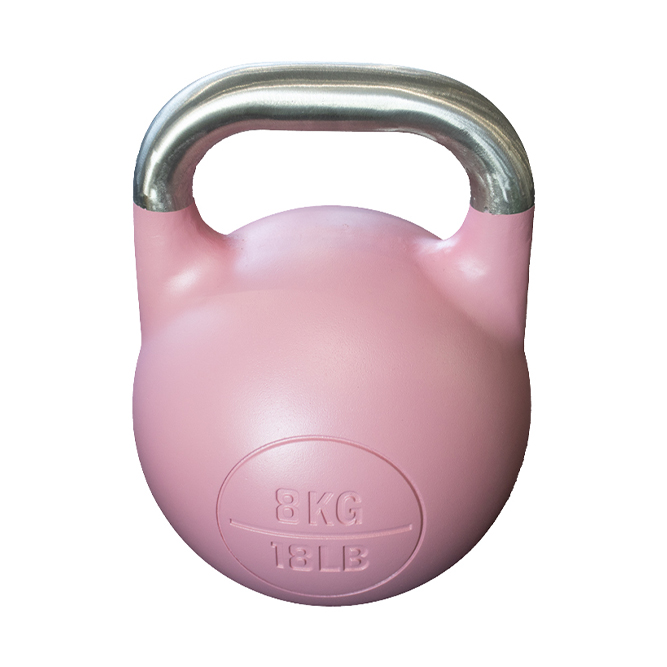
In the commercial procurement process, the choice between different surface finishes significantly affects the maintenance load and the long-term appearance of the equipment. While a standard powder coating offers a rugged, matte finish that is highly effective for heavy-duty weight plates and traditional kettlebells, many premium distributors are now opting for PU coating (polyurethane) to meet the demands of boutique studios and high-end fitness centers. This decision should be made during the initial sourcing phase to ensure the final product aligns with the target facility's aesthetic and durability requirements.
A common pain point for importers is receiving batches where the coating fails to adhere or chips under heavy use, leading to rust and high replacement costs. To mitigate this, a professional cast iron fitness equipment private label manufacturer will implement strict adhesion testing. When evaluating your next bulk order, consider the following qualitative differences between the two most common commercial-grade finishes:
| Material/Finish Type | Primary Process | Commercial Duty Tier | Maintenance Profile | Procurement Context |
|---|---|---|---|---|
| Powder Coating | Electrostatic spray & heat curing | Standard Commercial | Low; highly resistant to scratches | Ideal for high-volume wholesale |
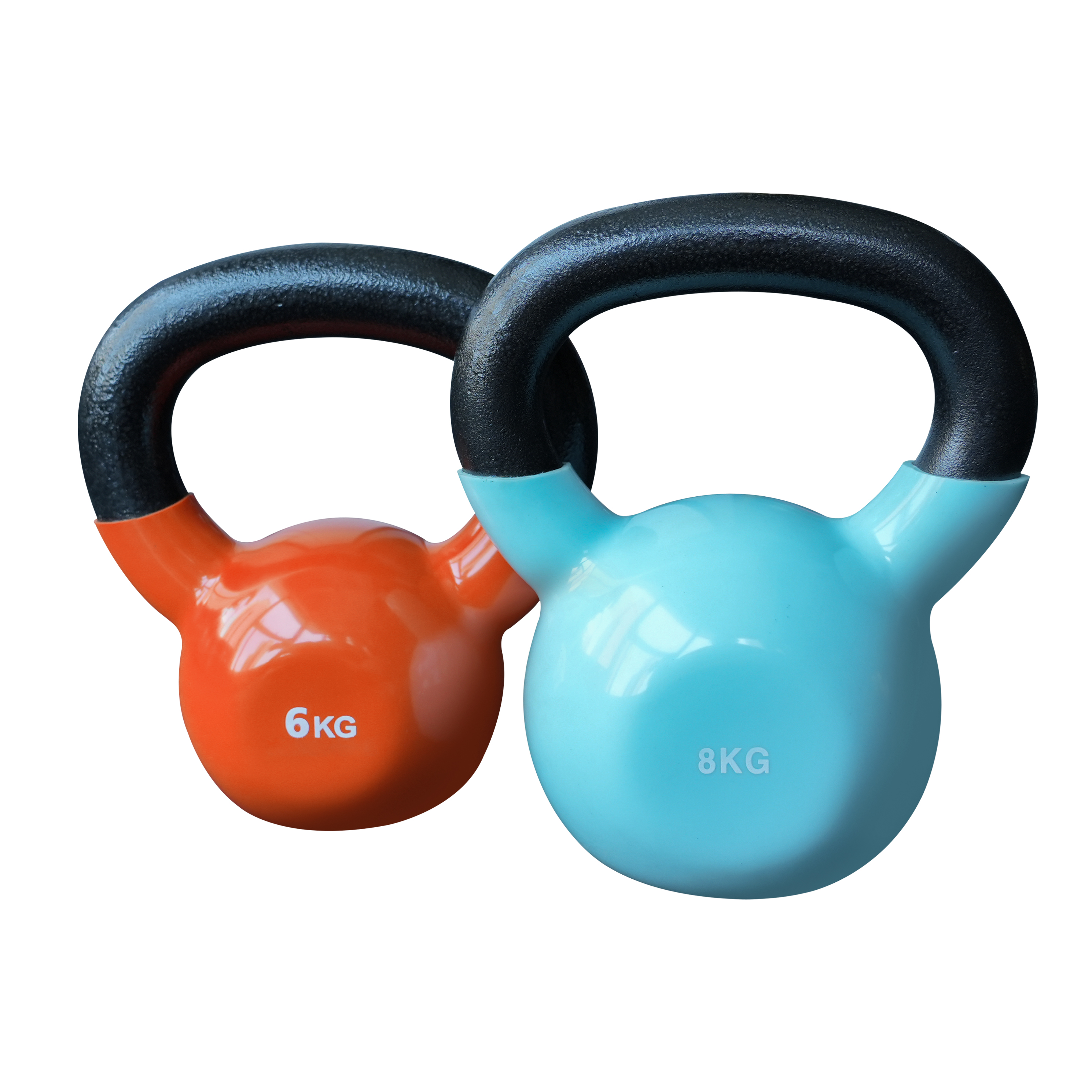
| PU Coating | Polyurethane dip or molding | Premium/Boutique | Moderate; provides floor protection | Preferred for high-end studio branding |
| Enamel/Paint | Liquid spray application | Budget/Entry-Level | Higher; prone to chipping | Lower MOQ/cost-sensitive orders |
When finalizing your specifications with a supplier, we recommend requesting a sample to verify the coating thickness and texture. Whether you require the industrial look of a powder-coated finish or the smooth, protective layer of a PU coating, ensuring these standards are met during pre-shipment QC will protect your distributor margins and enhance your brand's reputation for quality.
Manufacturing Processes and Commercial Duty Validation
When sourcing high-volume inventory, professional buyers must distinguish between standard production and the rigorous standards required by a professional cast iron fitness equipment private label manufacturer. For distributors and gym equipment importers, material consistency is the foundation of long-term brand reputation and low maintenance costs. A reliable China factory utilizes established metallurgical sequences to ensure that every unit meets the structural demands of high-traffic commercial environments.
The most common production route for high-durability weight plates and bells involves high-quality sand casting. This process uses gray iron, a material favored in commercial cast iron weight manufacturing for its excellent vibration damping properties and structural density. The process typically follows a strict sequence: pattern making, sand mold preparation, molten iron pouring, cooling, and subsequent machining to refine the dimensions and surface finish. This systematic approach ensures that the weight tolerance remains within industry-standard acceptable ranges for professional use, reducing the risk of uneven weight distribution in bulk shipments.
Understanding these manufacturing nuances allows procurement leads to better manage their MOQ and lead time expectations while ensuring the landed cost reflects true commercial-grade quality. Whether you are developing a private label line or sourcing cast iron plate export quality units, the choice of casting method directly impacts the durability and surface finish of the final product.
| Material Type | Primary Process | Commercial Durability | Typical Application | Procurement Focus |
|---|---|---|---|---|
| Gray Iron | Sand Casting | High (Standard Commercial) | Traditional Gyms / Strength Training | Cost-efficiency & Mass Volume |
| Ductile Iron | Precision Casting | Premium (High Impact) | High-End Boutique Studios | Structural Integrity & Precision |
| Steel Core | Forging/Machining | Extreme (Competition) | Olympic/Professional Training | Strict Weight Consistency |
Surface Finishing and Coating Durability
A critical point of failure for many distributors is the quality of the surface treatment. In a high-traffic commercial setting, the coating must withstand constant friction and environmental moisture. A professional private label gym equipment supplier will offer various finishing tiers to match your brand identity and target market segment. For instance, a basic phosphate treatment is often used to provide an initial layer of oxidation resistance before any secondary coating is applied, which is a standard step in professional commercial cast iron weight manufacturing.
For premium product lines, the application of high-grade powder coating is the industry standard. This process ensures a much thicker, more resilient layer than traditional liquid paint, significantly improving the adhesion and resistance to chipping or peeling. When evaluating your next batch, consider how different finishes impact the total cost of ownership. While a basic bare iron finish might lower the initial landed cost, a high-quality surface finishing process like advanced powder coating or polyurethane encapsulation provides better long-term protection, reducing the frequency of replacement and maintenance for your clients.
When conducting a factory audit or reviewing samples, procurement officers should pay close attention to the coating adhesion at high-friction points, such as the handle-to-body junction. A reliable cast iron fitness equipment private label manufacturer will ensure that the coating remains uniform and does not crack under standard temperature fluctuations or physical impact. This level of detail is what separates a budget-tier product from a true commercial-duty unit capable of surviving years of heavy use in professional strength facilities.
Pre-Shipment Inspection and Export Standards
Before any bulk order leaves the China factory, a rigorous pre-shipment inspection is mandatory to prevent the high costs of after-sales returns and distributor dissatisfaction. For importers, the risk of receiving a shipment with inconsistent dimensions or surface defects can severely impact profit margins and brand reputation. A professional cast iron fitness equipment private label manufacturer implements a multi-point QC checklist that goes beyond simple visual checks to ensure every unit meets the specific requirements of your brand's technical spec sheet.
During the final inspection phase, technicians focus on several critical technical benchmarks. First, the base flatness and concentricity are verified to ensure that plates and bells sit stable during high-intensity training. Second, the knurling consistency on handles is checked to ensure the texture is uniform and provides the necessary grip without being overly abrasive, which is a common failure point in lower-tier production. Finally, the coating adhesion is tested to confirm that the surface finish can withstand the mechanical stress of commercial use without premature peeling or oxidation.
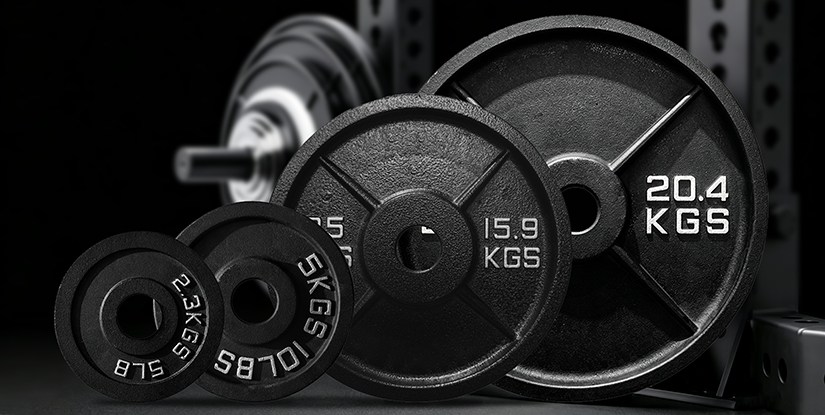
Beyond the product itself, the export packaging protocol is a vital component of the quality control process. To protect the integrity of the cast iron during long-distance ocean freight, high-density foam, reinforced corner protectors, and heavy-duty corrugated cartons are typically used. For large-scale wholesale orders, palletization must be optimized for container loading efficiency to minimize movement and prevent impact damage. We recommend that all procurement leads confirm the specific packaging standards and request a sample of the shipping crate to ensure the landed cost is not undermined by transit-related breakage. If you are ready to finalize your sourcing strategy, please contact us to request a detailed spec sheet, confirm your MOQ, or arrange a sample approval process.
Critical Inspection Points for China Factory Export Quality
Maintaining high standards during the procurement of heavy iron goods is essential for distributors looking to minimize returns and maximize product lifespan. A professional cast iron fitness equipment private label manufacturer implements rigorous checkpoints to ensure that every unit meets international commercial standards. From the initial sand casting stage to the final weight calibration, every step is designed to mitigate the risks of structural failure or dimensional inconsistency during bulk shipping.
For importers, understanding the technical nuances of commercial cast iron weight manufacturing helps in setting realistic expectations for product durability. Quality control must go beyond visual aesthetics; it must validate the internal integrity of the metal and the precision of the surface treatments. When sourcing high-volume orders, verifying these specific inspection points can prevent the high landed costs associated with defective batches and substandard replacement cycles.
Technical Validation in the Production Sequence
The manufacturing journey begins with high-quality sand casting, where the molten iron is poured into precisely shaped molds. During this stage, the primary focus is on preventing internal voids or air pockets that can compromise the structural integrity of the weights. A professional China factory will typically conduct visual and physical inspections to ensure the mold density is consistent, preventing brittle edges or uneven weight distribution.
Following the casting process, the units undergo several critical quality checks to ensure they are fit for professional environments:
- Surface Integrity: Inspecting for surface defects such as pits, cracks, or uneven textures that could interfere with the coating adhesion or user grip.
- Dimensional Precision: Checking the concentricity and diameter of the center holes to ensure compatibility with standard barbell sleeves.
- Weight Tolerance: Performing a weight tolerance spot-check across a sample batch to ensure the actual mass aligns with the declared weight, which is vital for maintaining professional gym standards.
- Coating Adhesion: Testing the bond of the paint or powder coating to prevent peeling or chipping during heavy usage.
For a private label gym equipment supplier, the pre-shipment inspection is the final line of defense. This stage involves a comprehensive review of the finished products, including the stability of the base and the quality of the branding or logo application. Ensuring these standards are met before the goods leave the factory helps distributors maintain a reputation for excellence and reduces the need for after-sales support or replacement planning.
Comparison of Coating and Surface Finishing Standards
When evaluating a cast iron plate export quality standard, procurement leads must distinguish between basic finishes and high-durability coatings. The choice of surface treatment directly impacts the long-term maintenance load and the overall durability of the equipment in high-traffic commercial settings. Selecting the correct process is a strategic decision for distributors to optimize their TCO (Total Cost of Ownership) and ensure consistent product appearance over time.
The following table outlines the typical manufacturing routes and quality requirements for different commercial-grade finishes often provided by a professional supplier.
| Material / Finish Type | Primary Process | Key Component / Focus | Commercial Duty Tier | MOQ Impact | Factory QC Point |
|---|---|---|---|---|---|
| Bare Iron | Sand Casting & Cleaning | Surface Texture | Budget / Basic | Lower | Oxidation & Surface Pits |
| Phosphate Treatment | Chemical Pre-treatment | Corrosion Resistance | Standard Commercial | Moderate | Chemical Uniformity |
| Powder Coating | Electrostatic Application | Surface Adhesion | Premium Commercial | Higher | Coating Thickness & Peeling |
| PU Coated | Polyurethane Injection | Floor Protection | High-End / Specialized | Highest | Encapsulation Integrity |
For distributors managing high-volume imports, the distinction between a simple paint job and a professional powder coating is critical. A high-quality cast iron fitness equipment private label manufacturer ensures that the coating is not merely a visual layer but a durable shield that maintains high surface adhesion even under heavy impact. Failure to verify these technical specifications during the manufacturing process can lead to premature chipping, which increases maintenance costs and diminishes the perceived value of your brand in the professional market.
Logistics Optimization and Export Packaging Standards
Beyond the technical precision of the weights themselves, the final stage of the procurement cycle involves securing the goods for long-distance transit. For an overseas distributor, the risk of transit-related damage—such as dented edges or compromised coatings—can significantly increase the total landed cost. A professional cast iron fitness equipment private label manufacturer prioritizes specialized export packaging to mitigate these logistical variables, ensuring that bulk orders arrive in a condition that preserves your brand identity and professional reputation.
Effective logistics management requires more than just standard boxing; it involves a systematic approach to shipping safety and container loading efficiency. When managing a large bulk order, the way products are palletized and secured within a sea container directly impacts both the safety of the shipment and the utilization of container volume. A high-tier supplier will implement standardized protocols to optimize space while protecting the structural integrity of the cast iron units.
Standard operating procedures for professional export-grade logistics typically include:
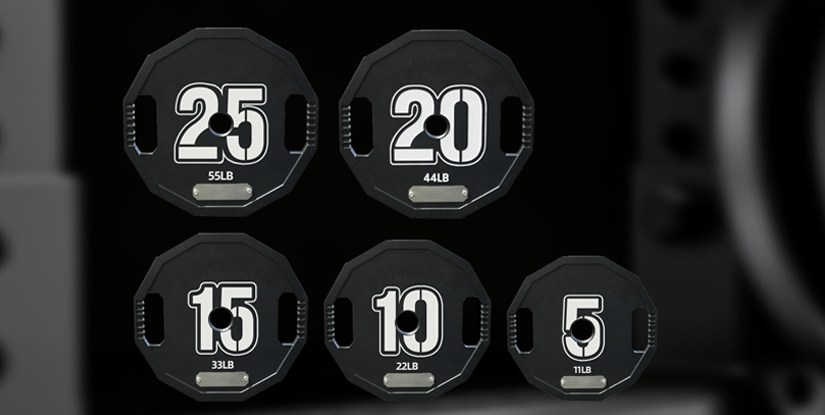
- Reinforced Palletization: Using heavy-duty pallets and industrial-grade shrink wrap to prevent shifting during sea transit.
- Edge Protection: Utilizing corner protectors or thick cardboard buffers to shield the cast iron edges from impact during container loading and unloading.
- Moisture Control: Including desiccants or moisture-resistant liners within the packaging to prevent oxidation and rust during long-duration ocean freight.
- Container Loading Optimization: Strategic arrangement of weights to ensure weight distribution is balanced, reducing the risk of container instability.
For procurement leads, transparency regarding lead time and shipping readiness is vital for accurate inventory planning. A reliable private label gym equipment supplier provides clear documentation regarding the transition from the production line to the shipping port. By coordinating closely with a factory that understands the complexities of international freight, importers can better predict arrival windows, manage warehouse space, and ensure a consistent supply chain for their local markets. Before finalizing your next shipment, we recommend requesting a detailed packaging specification sheet to confirm that the export packaging meets your specific regional durability requirements.
OEM and Private Label Capabilities for Global Distributors
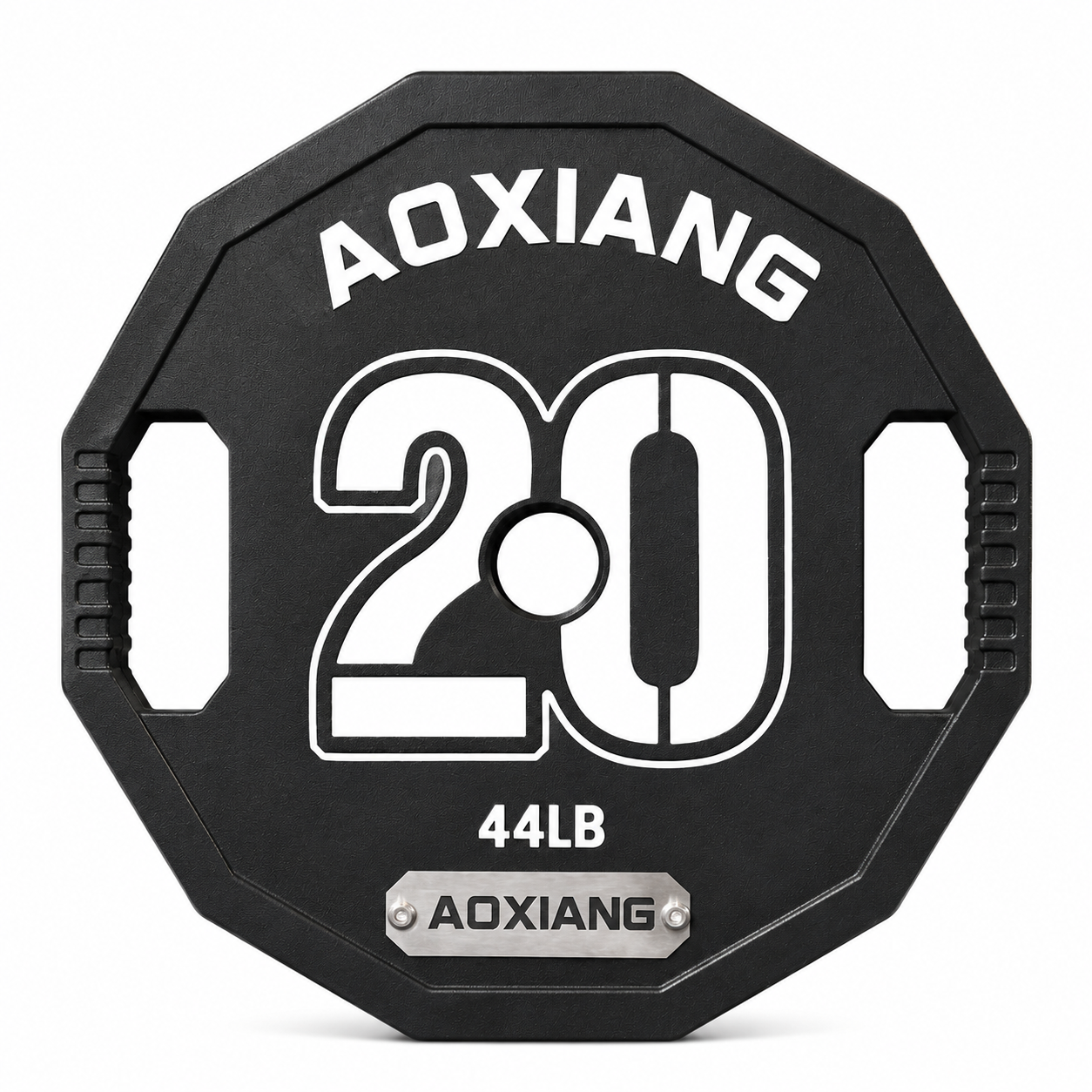
For distributors seeking to strengthen their brand identity, a professional cast iron fitness equipment private label manufacturer provides the necessary infrastructure for market differentiation. Beyond standard wholesale, high-tier OEM and ODM services allow you to transition from a mere importer to a branded equipment provider. This involves precise custom branding, ranging from embossed logo placement on the cast iron body to specific color-coded powder coating finishes that align with your corporate identity.
Effective commercial cast iron weight manufacturing must balance aesthetic customization with strict technical standards. When sourcing, professional buyers must ensure that weight tolerance remains within industry-standard margins, even when requesting unique shapes or specialized handle textures. Whether you are developing a boutique studio line or a high-volume retail collection, a reliable private label gym equipment supplier will manage the complexities of mold adjustments and surface finishing to ensure your branded products meet commercial-grade durability expectations.
Depending on your MOQ and product roadmap, a China factory can support various stages of development, from initial 3D prototyping to mass production. This capability ensures that your cast iron plate export quality remains consistent across all customized SKUs, protecting your brand reputation in the global market.
Commercial Finishing and Branding Selection Matrix
Selecting the appropriate surface treatment is a critical decision for distributors managing long-term product lifecycle and maintenance costs. A professional cast iron fitness equipment private label manufacturer offers various finishing tiers to match different market segments, from budget-friendly gym setups to premium studio environments. The choice of finish directly impacts the landed cost and the long-term durability of the equipment in high-traffic commercial settings.
The following table provides a technical comparison of common finishing options to assist in your procurement planning. When evaluating a private label gym equipment supplier, consider how these material treatments affect the final weight tolerance and the overall maintenance load for your end users.
| Material & Finish Type | Primary Process | Commercial Duty Tier | Branding Method | MOQ Impact | Typical Application |
|---|---|---|---|---|---|
| Bare Iron / Phosphate | Sand Casting & Acid Wash | Budget / Entry-Level | Embossed/Raised Logo | Low | Standard Commercial Gyms |
| Powder Coating | Electrostatic Spraying | Standard Commercial | Color-Coded Paint | Medium | Boutique Studios & Retail |
| PU Coated | Polyurethane Dipping | Premium / High-End | Embedded Brand Identity | High | Luxury Fitness Clubs |
| Rubber Coated | Vulcanized Molding | Heavy-Duty / Durable | Integrated Surface Logo | Medium-High | High-Impact Training Zones |
For high-volume wholesale orders, the choice between a simple paint application and a more durable powder coating or PU coating can significantly alter your product's competitive edge. While bare iron remains a cost-effective option for mass-market commercial cast iron weight manufacturing, premium distributors often opt for specialized coatings to enhance floor protection and reduce noise levels. Always confirm the specific coating adhesion standards and the MOQ requirements for custom color requests with your factory to ensure alignment with your distribution timeline and budget.
Logistics, Export Packaging, and Lead Time Management
Reliable logistics management is a cornerstone of successful bulk procurement. For international distributors, the risk of transit damage or delayed arrival can significantly impact the landed cost and inventory turnover. A professional cast iron fitness equipment private label manufacturer must demonstrate expertise in high-density loading and robust export packaging to mitigate these risks during long-haul sea freight.
When managing bulk orders, the complexity of container utilization increases. To optimize shipping efficiency, a seasoned supplier will employ standardized palletization and reinforced corner protection. This ensures that heavy cast iron units remain stable and secure, preventing structural deformation or surface coating scratches during heavy handling. Proper shipping safety protocols—such as using heavy-duty moisture-resistant wrapping and reinforced crates—are essential to maintain the integrity of the cast iron plate export quality from the China factory to your local warehouse.
Effective lead time planning is equally critical for maintaining a consistent supply chain. Procurement leads should account for the entire production-to-delivery cycle, including casting, surface treatment, and pre-shipment QC. Because large-scale wholesale runs require significant drying and curing time for specialized coatings, we recommend confirming production schedules and MOQ-related timelines well in advance of peak seasons. Proactive coordination with your factory ensures that your inventory levels remain optimized and that your distribution commitments are consistently met.
Optimizing Landed Cost and Logistics for Bulk Orders
For professional importers and distributors, the total landed cost of a shipment is often more critical than the initial unit price. When sourcing from a cast iron fitness equipment private label manufacturer, procurement professionals must look beyond the factory-direct price to account for shipping efficiency, container utilization, and protection against transit damage. Optimizing these variables ensures higher distributor margins and reduces the risk of costly returns or damaged inventory upon arrival.
Efficient bulk orders require a strategic approach to export packaging and container loading. Because cast iron products are high-density and heavy, maximizing the weight-to-volume ratio is essential to reduce the per-unit freight cost. A professional China factory will implement specialized palletization and reinforced crate structures to prevent movement during sea freight. By optimizing the stacking height and utilizing heavy-duty corrugated dividers, a supplier can ensure that the MOQ requirements for a full container load (FCL) are met with maximum spatial efficiency, directly lowering the landed cost for the buyer.
Effective commercial cast iron weight manufacturing also involves rigorous pre-shipment protocols to ensure that the cast iron plate export quality remains intact throughout the global supply chain. This includes inspecting the structural integrity of export-grade pallets and ensuring that the private label gym equipment supplier provides comprehensive loading plans. Proper documentation and optimized logistics planning reduce lead time volatility, allowing distributors to maintain consistent stock levels and predictable retail pricing.
Logistics Configuration and Shipping Optimization
Selecting the appropriate configuration is a vital step in the sourcing process. Depending on your warehouse capacity and target market, you may choose between standard bulk pallets for maximum weight density or customized wooden crates for high-end retail-ready displays. A professional cast iron fitness equipment private label manufacturer will provide detailed loading plans to help you balance volume efficiency against shipping expenditures.
| Shipping Configuration | Packaging Type | Volume Efficiency | Weight Density | Cost Impact |
|---|---|---|---|---|
| Standard Bulk Pallet | Heavy-duty Corrugated Box | High | Maximum | Lowest (Optimized for FCL) |
| Reinforced Wooden Crate | Multi-layer Export Crate | Medium | High | Moderate (Increased Protection) |
| Retail-Ready Display | Custom Branded Color Box | Low | Medium | Higher (Premium Branding) |
| LCL Consolidation | Standard Export Carton | Variable | Medium | Higher Per-Unit Freight |
When evaluating your next batch, consider how different commercial cast iron weight manufacturing packaging methods affect your final cast iron plate export quality. For instance, while standard pallets offer the best return on investment for high-volume distributors, specialized crates provide necessary protection for premium private label gym equipment supplier orders intended for high-end studio distribution. We recommend requesting a detailed loading specification and a sample of the export packaging to confirm it meets your local warehouse handling standards before finalizing your MOQ.
Branding Integration and Customization Capabilities
Beyond physical logistics, a competitive advantage for distributors lies in the ability to implement seamless branding through OEM or ODM services. A high-tier cast iron fitness equipment private label manufacturer does more than just produce weight; they serve as a platform for your brand identity. This includes precision laser engraving, high-durability stencil painting, or custom metal plate attachments that withstand heavy commercial use without peeling or fading.
For buyers looking to scale, the transition from generic stock to a proprietary product line requires a partner who understands the technical nuances of private label gym equipment supplier workflows. This involves coordinating the design of custom molds or specialized surface finishes to ensure your logo remains legible and professional throughout the product's lifecycle. Whether you are requesting a small-batch wholesale run for a boutique studio or a full container for a regional distribution network, the ability to integrate custom aesthetics into the standard commercial cast iron weight manufacturing process is essential for building long-term brand equity and protecting your distributor margins.