Weight Plate Custom Color Manufacturer: Top China Factory
Strategic Sourcing for Custom Color Weight Plates
When professional gym owners and equipment distributors initiate wholesale procurement, they must evaluate three critical checkpoints: the risk of inconsistent color batches, the precision of weight specifications, and the complexity of international logistics. Relying on a standard weight plate custom color manufacturer ensures that your facility avoids the visual mismatch of mixed-batch orders. For high-end studios, maintaining a professional aesthetic is not just about looks; it is about the long-term value of your facility's brand identity. A specialized China factory provides the technical capacity to align your visual identity with high-performance standards, ensuring that every set of custom color weight plates remains cohesive across multiple sourcing cycles.
Standardizing equipment through a reliable commercial gym equipment manufacturer mitigates the long-term operational costs associated with mismatched replacements. When a facility utilizes a consistent color-coded system, it simplifies inventory management and enhances the user experience through intuitive weight identification. By partnering with an experienced supplier, distributors can ensure that the color-coding protocols—whether through powder coating or specialized dip processes—are durable enough to withstand high-traffic commercial environments without premature chipping or fading.
Technical Comparison of Coating Processes and Material Durability
Selecting the correct finish is a vital decision for distributors managing the total cost of ownership for their clients. The choice between different surface treatments directly impacts the long-term maintenance load and the frequency of replacement orders. A professional weight plate custom color manufacturer will offer a range of options, each suited to specific commercial tiers and budget constraints.
The following table outlines the industry-standard options available through a China factory to help you determine the best fit for your wholesale requirements and target market segments.
| Material Base | Coating Process | Key Component / Feature | Commercial Duty Tier | MOQ Impact | Factory QC Point |
|---|---|---|---|---|---|
| Cast Iron | Powder Coating | Textured surface finish | Standard Commercial | Moderate | Coating adhesion and thickness |
| Steel Hub | PU Coating | Polyurethane encapsulation | Premium / High-End | High | Layer uniformity and density |
| Cast Iron / Steel | Rubber Coating | Impact-resistant outer layer | Full Commercial / Bumper | Moderate | Rubber-to-metal bond strength |
| Gray Iron | Enamel / Paint | Smooth, hard finish | Budget / Entry-Level | Low | Surface smoothness and chip resistance |
For high-traffic facilities, the durability of the custom color weight plates depends heavily on the adhesion between the core material and the outer layer. In many commercial settings, a high-quality rubber coating or PU coating is preferred because it provides both visual distinction and essential floor protection. When conducting a sourcing audit, it is recommended to verify the application method—such as whether the coating is applied via a dip process or specialized injection—to ensure the finish will not peel under heavy usage. If your project requires specific brand colors, confirm that the manufacturer can maintain color consistency across different production batches to avoid issues with your private label identity.
Optimizing Bulk Procurement: OEM, MOQ, and Export Logistics
Scaling a fitness brand or a retail distribution network requires more than just a visual identity; it requires a predictable supply chain. For importers, the complexity of bulk orders often hinges on how effectively a weight plate custom color manufacturer manages the transition from design to container loading. A professional China factory does not just produce units; they manage the entire lifecycle of a wholesale contract, from the initial technical drawings to the final pre-shipment inspection. Understanding these variables is essential for calculating your true landed cost and maintaining healthy distributor margins.
A sophisticated commercial gym equipment manufacturer typically offers both OEM and ODM capabilities to meet diverse market demands. Whether you are looking to apply a specific color-coded branding to existing plate molds or require a completely unique silhouette and texture, these services allow for deep market differentiation. However, these customized services are often tied to a specific MOQ. For example, standard color-coated plates may have a lower threshold, whereas highly specialized custom color weight plates involving unique chemical formulations or specialized injection molding may require larger volumes to ensure production efficiency and cost-effectiveness for the buyer.
Beyond production, the reliability of your supplier is proven during the logistics and quality control phases. To mitigate the risk of receiving damaged or substandard goods, it is standard practice to request a detailed pre-shipment QC report. This should include visual checks on coating adhesion, weight tolerance verification, and the integrity of the export packaging. Robust packaging is a non-negotiable requirement for international sourcing; high-quality pallets and reinforced cartons are necessary to protect the product during ocean transit and to reduce the risk of breakage upon arrival at your warehouse or client's facility. When planning your next procurement cycle, always factor in the typical lead time for customized runs, as specialized coating processes can extend the production window compared to stock items.
Material Selection and Coating Processes for Commercial Durability
Selecting a reliable weight plate custom color manufacturer requires a deep understanding of how base materials interact with surface treatments to ensure long-term commercial utility. For distributors and gym operators, the choice between cast iron and specialized coatings directly impacts the total cost of ownership and maintenance cycles. A professional China factory typically offers several finishing routes to balance aesthetic branding with heavy-duty performance.
The structural integrity of the unit begins with high-density cast iron or gray iron. However, raw iron is susceptible to oxidation in humid gym environments. To prevent rust and enhance visual appeal, a commercial gym equipment manufacturer will apply advanced surface finishing techniques. The two most common professional standards are powder coating and PU coating, each serving different market segments and durability requirements.
Powder coating is an industry-standard process where dry resin powder is electrostatically applied and then cured under heat. This creates a hard, durable shell that is excellent for custom color weight plates, providing high scratch resistance and a consistent matte or gloss finish. In contrast, PU coating (polyurethane) involves a thicker, more elastic layer that offers superior impact absorption and a premium tactile feel, often used for high-end studio equipment.
| Material Base | Surface Process | Commercial Duty Tier | Maintenance Requirement | Sourcing Advantage |
|---|---|---|---|---|
| Cast Iron | Powder Coating | Standard Commercial | Low - Periodic Wipe | High Volume/Low Cost |
| Cast Iron | PU Coating | Premium/Studio | Moderate - Avoid Sharp Impact | Brand Identity/Aesthetics |
| Steel Hub | Rubber Coating | High-Impact/Bumper | Minimal - High Durability | Floor Protection/Noise |
When evaluating a wholesale weight plate supplier, buyers should consider how these coatings affect the durability of the product under constant use. While powder coating provides a cost-effective way to implement custom color weight plates for a specific brand identity, PU coating offers a more sophisticated finish that can justify higher distributor margins in premium boutique settings. Understanding these material-to-coating relationships helps importers optimize their sourcing strategy and minimize replacement costs.
Technical Comparison of Coating Durability and Usage Scenarios
To ensure long-term ROI, procurement officers must distinguish between surface treatments that offer mere aesthetic variety and those that provide genuine mechanical protection. A professional weight plate custom color manufacturer provides different specifications based on the intended gym environment—ranging from high-traffic strength centers to premium boutique studios. Selecting the correct process during the sourcing stage prevents premature peeling or oxidation, which can damage a distributor's reputation.
| Material | Coating Type | Durability Level | Best Use Case | Maintenance Requirement | Sourcing Impact |
|---|---|---|---|---|---|
| Cast Iron | Powder Coating | High (Scratch Resistant) | Standard Commercial Gyms | Low (Routine Cleaning) | Cost-Effective Bulk Order |
| Gray Iron | Enamel/Paint | Moderate (Impact Sensitive) | Budget-Oriented Facilities | Moderate (Rust Check) | Optimized for High MOQ |
| Steel Hub | Rubber Coated | Very High (Impact Absorbing) | Crossfit/High-Drop Areas | Minimal | Premium Tier Pricing |
| Cast Iron | PU Coated | Premium (Elastic/Smooth) | Boutique Fitness Studios | Low (Gentle Care) | High Brand Identity Value |
For importers working with a wholesale weight plate supplier, the choice of coating is a critical lever for managing landed costs and product longevity. While custom color weight plates using powder coating offer the best balance of color consistency and impact resistance for large-scale distribution, specialized PU finishes are essential for high-end clients prioritizing tactile quality. A reliable commercial gym equipment manufacturer will provide technical data sheets to confirm that the coating adhesion meets the expected usage volume of your target market.
Ensuring Precision Through QC and Export Readiness
Beyond aesthetic customization, the technical reliability of a shipment depends on rigorous calibration and standardized inspection. A professional weight plate custom color manufacturer must manage the transition from casting to final packaging with extreme precision to ensure that every unit meets commercial weight tolerances. For distributors, any deviation in weight or coating integrity can lead to increased returns and higher long-term maintenance costs.
During the production sequence, a high-standard China factory implements a strict weight calibration step after the initial machining phase. This ensures that the final product—whether it is a standard cast iron plate or a premium coated version—remains within industry-standard tolerances. Furthermore, a critical checkpoint in the OEM process is testing for coating adhesion. This prevents the common failure mode where paint or powder flakes off during high-impact usage, which would otherwise degrade the product's professional appearance and increase the maintenance load for the end-user.
Before any container is loaded, a comprehensive pre-shipment QC protocol is executed. This includes a weight tolerance spot-check, a visual inspection of the color uniformity, and a verification of the base flatness to ensure the plates sit securely on barbell sleeves. For large-scale wholesale orders, the quality of the export packaging is just as vital as the product itself. Utilizing reinforced cartons and moisture-resistant wrapping is essential to protect the coating during long-distance maritime transit, ensuring the goods arrive in a condition that preserves your distributor margins and brand reputation.
When planning your next procurement cycle, we recommend requesting a detailed technical spec sheet and confirming the specific MOQ for your custom color requirements. Our team can provide guidance on the typical lead time for specialized finishes and assist with sample approval to ensure the final product aligns with your quality standards. Contact us to discuss bulk pricing or to initiate a factory audit for your upcoming project.
Custom Color Weight Plates: Aesthetic Value vs. Long-Term Maintenance
For distributors and gym operators, selecting a weight plate custom color manufacturer involves balancing visual branding with the long-term Total Cost of Ownership (TCO). While high-end facility design often demands custom color weight plates to establish a unique brand identity, the procurement decision must prioritize how these finishes perform under heavy commercial use. A mismatch between aesthetic ambition and coating durability can lead to high maintenance costs and premature replacement cycles.
When sourcing from a commercial gym equipment manufacturer, buyers must evaluate the relationship between surface treatment and physical wear. Premium aesthetics often rely on advanced powder coating or specialized polymer layers, but the actual long-term ROI depends on the adhesion strength of these layers to the base material, typically cast iron or steel. If the coating fails due to poor application during the manufacturing process, the resulting chipping and oxidation can degrade the facility's appearance and lower the resale or secondary market value of the equipment.
To mitigate these risks, professional sourcing teams should request technical details regarding the coating adhesion process. A reliable factory will utilize industry-standard pre-treatment steps, such as sandblasting or chemical degreasing, before applying the color layer to ensure the finish survives the constant impact and friction of high-traffic training environments. Evaluating these technical variables ensures that your investment in custom branding remains a durable asset rather than a recurring maintenance expense.
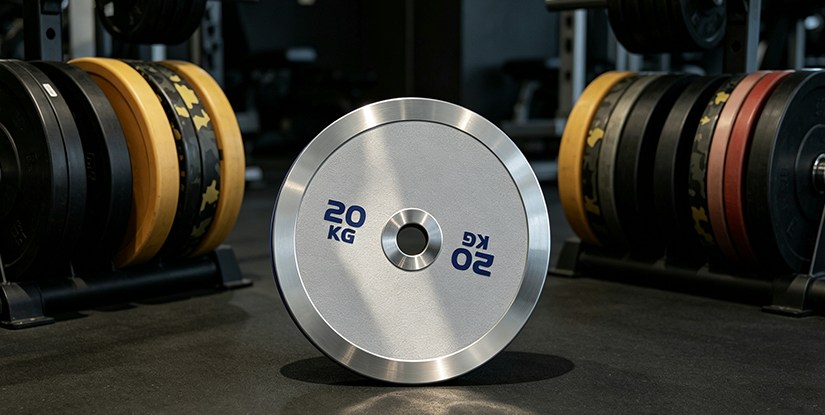
Technical Comparison of Coating Processes for Procurement Optimization
Understanding the technical trade-offs between different finishes is essential when working with a wholesale weight plate supplier to manage long-term operational expenditures. Each coating method offers a different balance of impact resistance, surface texture, and cost-effectiveness, which directly influences the maintenance frequency required for your facility. For example, while a rubber coating provides superior floor protection and noise reduction, it may require more rigorous cleaning protocols compared to high-durability powder coating or high-gloss paint finishes.
When evaluating a weight plate custom color manufacturer, it is critical to consider how the manufacturing route affects the final product's longevity. A China factory specializing in export-grade equipment will typically offer several tiers of finishing to accommodate different budget levels and usage intensities. A higher-tier coating process often involves a more rigorous multi-stage application—moving from the initial casting and machining stages to a specialized surface preparation step—to ensure high coating adhesion. This prevents common failure modes like peeling or bubbling that can occur in lower-quality production runs.
| Material Base | Primary Coating Process | Commercial Duty Tier | Typical Usage Scenario | Procurement Focus |
|---|---|---|---|---|
| Cast Iron | Paint / Enamel | Budget / Entry-Level | Standard Commercial Gyms | Low Initial Landed Cost |
| Cast Iron / Steel | Powder Coating | Standard Commercial | High-Traffic Training Centers | Durability & Color Consistency |
| Steel Hub / Iron Core | Rubber Coating | Premium / High-Impact | CrossFit & Weightlifting Studios | Floor Protection & Noise Reduction |
| Steel / Iron | PU Coated | Premium / Boutique | Luxury Fitness & Studio Design | Aesthetic Precision & Texture |
To ensure the best return on investment, we recommend that buyers request a sample evaluation for any custom color weight plates order before proceeding with full-scale production. This allows your quality control team to inspect the coating thickness and the quality of the transition points between the color layer and the metal base. Confirming these technical specifications during the initial sourcing phase helps prevent unexpected replacement costs and ensures your branded equipment remains a premium asset for years.
OEM and Private Label Capabilities of a Leading China Factory
For international distributors and gym equipment importers, a professional weight plate custom color manufacturer provides more than just products; they provide a competitive edge through specialized OEM and ODM services. Relying on a China factory with advanced surface treatment lines allows you to transition from selling generic commodities to building a recognizable brand. This strategic shift is essential for maintaining high distributor margins in a crowded market.
Standardized equipment often leads to price wars, but offering custom color weight plates allows you to target specific market segments, such as boutique studios or premium home gyms, that prioritize aesthetics alongside durability. By leveraging a commercial gym equipment manufacturer that offers custom branding, you can implement a unique color-coding system. This system can signify different weight increments or align with a client's specific interior design, effectively increasing the perceived value of your entire product catalog.
The wholesale advantage extends beyond simple color selection. When you engage in bulk procurement, you can negotiate specific brand identity requirements, including custom logo placement via silk-screening or laser etching on the plate surface. This level of customization ensures that your sourcing strategy supports long-term market differentiation, moving your business away from low-margin generic sales toward high-value, branded solutions.
Technical Execution: Powder Coating vs. Pu Coating
Selecting the right finish is a critical decision for procurement leads aiming to balance aesthetic appeal with long-term durability. A professional weight plate custom color manufacturer typically offers two primary industrial solutions: powder coating and polyurethane (PU) coating. While both methods enhance the visual identity of your catalog, they serve different commercial use cases and impact the total cost of ownership.
Powder coating is a standard industry-grade process where dry powder is applied electrostatically and then cured under heat. This method is highly effective for cast iron plates, providing a rugged, matte, or textured finish that is exceptionally resistant to chipping and abrasion in high-traffic commercial environments. It is a cost-effective choice for wholesale orders where high-volume production and durability are the primary concerns. The process ensures strong coating adhesion, preventing the premature peeling often seen in lower-tier factory-direct products.
In contrast, PU coating (polyurethane) provides a seamless, high-end finish that is often preferred for premium bumper plates or boutique studio equipment. This process involves a liquid coating that creates a smooth, impact-resistant shell around the core. While the material cost and MOQ for PU-coated units are typically higher than powder-coated options, the resulting product offers superior floor protection and a more sophisticated tactile feel. For distributors targeting high-end fitness centers, investing in PU-coated options can justify a higher retail price point and improved brand positioning.
| Material/Process | Common Application | Commercial Duty Tier | Procurement Advantage | Typical QC Focus |
|---|---|---|---|---|
| Powder Coating | Cast Iron/Steel Plates | Commercial/Budget | High volume/Low cost | Coating adhesion & surface evenness |
| PU Coating | Bumper Plates/Premium Sets | Premium/Boutique | High perceived value/Impact resistance | Encapsulation integrity & surface smoothness |
| Rubber Coating | Standard Bumper Plates | Standard Commercial | Floor protection/Durability | Edge thickness & material density |
When finalizing your sourcing plan, we recommend requesting a sample evaluation to inspect the coating adhesion and surface finish under various lighting conditions. A reliable supplier will provide clear documentation regarding the manufacturing process and be able to confirm the lead time for custom color runs based on your specific volume requirements.
| Material/Finish Type | Coating Process | Visual Appeal | Commercial Durability | Typical Application | Sourcing/Cost Level |
|---|---|---|---|---|---|
| Cast Iron + Powder Coating | Electrostatic Spray & Heat Cure | Matte or Textured Solid Colors | High (Scratch & Chip Resistant) | Standard Commercial Gyms | Budget to Mid-Tier |
| Steel + Enamel/Paint | Liquid Spray Application | Glossy or Semi-Gloss Finish | Moderate (Prone to Surface Scuffs) | General Fitness Studios | Economical/Bulk |
| Bumper Plate + PU Coating | Liquid Polyurethane Encapsulation | Smooth, High-End Aesthetic | Premium (High Impact/Floor Protection) | Boutique Studios & High-End Gyms | Premium Tier |
| Cast Iron + Black Oxide | Chemical Oxidation Treatment | Classic Industrial Black | Standard (High Corrosion Resistance) | Traditional Strength Training | Base/Standard Cost |
Navigating these options is essential for procurement managers to optimize their landed cost and product lifecycle. When selecting a weight plate custom color manufacturer, the choice between a rugged powder-coated finish and a high-end PU coating directly impacts both your initial MOQ negotiations and your long-term distributor margins. For example, while powder coating offers a highly durable and cost-effective solution for high-traffic facilities, a PU-coated finish provides the premium tactile experience required for upscale boutique environments.
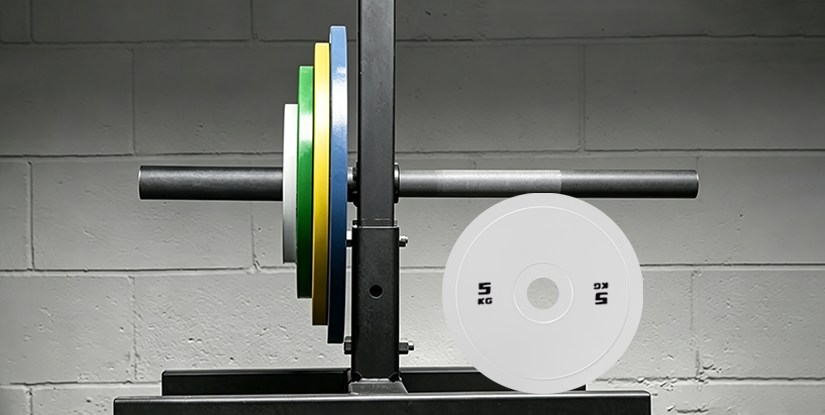
Before finalizing a bulk order, we recommend conducting a pre-shipment inspection or requesting a sample to evaluate coating adhesion and weight tolerance. A professional supplier will provide detailed specifications for each finish, ensuring that your wholesale procurement aligns with your target market's expectations for both aesthetics and commercial-grade performance.
Factory QC Protocols and Export Packaging Standards
For distributors and large-scale importers, the final landed cost is determined not just by the unit price, but by the integrity of the shipment upon arrival. A reliable weight plate custom color manufacturer must implement rigorous quality control protocols to ensure that customized coatings do not chip during transit and that weight tolerances remain consistent. Without standardized inspection, a single damaged batch can erode your profit margins and damage your reputation with end-users.
In a professional commercial gym equipment manufacturer environment, the process begins with raw material verification and extends through specialized export packaging. We focus on shipping damage prevention by utilizing heavy-duty, reinforced pallets and multi-layer protective wrapping. This ensures that whether you are ordering a small MOQ for a boutique studio or a full container load for a warehouse, the custom color weight plates arrive in showroom condition. High-standard wholesale logistics are essential to minimizing the risk of replacement claims and optimizing your supply chain efficiency.
Standardized Inspection and Export-Grade Packaging
To maintain high service levels for global clients, our factory implements a multi-stage verification sequence. This process ensures that every batch of custom color weight plates meets the structural and aesthetic requirements of premium commercial facilities. We focus on critical failure points such as coating adhesion and weight precision to prevent costly returns for our partners.
| Inspection Point | Standard Requirement | Commercial Duty Tier | Common Failure Mode |
|---|---|---|---|
| Weight Tolerance | Consistent mass calibration | Commercial / Premium | Significant variance in cast iron density |
| Coating Adhesion | High-bond surface integrity | Standard / Premium | Chipping during high-impact use |
| Inner Ring Diameter | Smooth concentricity | All Tiers | Improper fit on Olympic barbell sleeves |
| Surface Finish | Uniform color distribution | Custom Color / OEM | Uneven pigment density or spotting |
Effective sourcing requires more than just finding a supplier; it requires a partner who understands sea freight protection. Our China factory utilizes reinforced wooden pallets and heavy-duty corrugated dividers to secure each unit. This specialized wholesale packaging method prevents friction damage and prevents the crushing of bottom-tier plates within a container. When managing large-scale bulk orders, these protocols ensure that your landed cost remains predictable by eliminating the need for immediate replacement of damaged goods upon arrival.
We invite distributors to request a detailed technical spec sheet or discuss specific MOQ requirements for custom color weight plates. Contact us to initiate a sample evaluation or to schedule a remote factory audit to verify our production standards.
Optimizing Your Procurement: MOQ and Lead Time Management
Effective inventory management requires a clear understanding of how weight plate custom color manufacturer operations affect your supply chain. For distributors and large-scale importers, the transition from standard black iron to custom color weight plates involves specific production variables that impact both your landed cost and warehouse turnover. Managing these expectations is critical to maintaining healthy distributor margins and ensuring consistent stock availability for your clients.
When sourcing from a China factory, the production cycle for specialized orders is naturally longer than for standard stock items. This is due to the additional steps in the color coating process, such as specialized surface preparation, multi-stage powder coating application, and dedicated curing times required to ensure high-durability adhesion. Because these customized runs often require separate production scheduling, a higher MOQ is typically required to offset the setup costs of the specialized coating lines. Failure to account for these nuances can lead to unexpected delays in your wholesale replenishment cycles or increased shipping costs due to split shipments.
To optimize your sourcing strategy, we recommend a tiered approach to procurement. For high-volume seasonal restocks, initiating OEM requests early allows you to secure production slots and mitigate the impact of extended lead time windows. By aligning your purchase orders with the factory's standard production windows, you can maintain a stable supply of premium, branded equipment while optimizing your capital expenditure.
Customization Tiers and Procurement Specifications
Navigating the complexities of customized production requires a structured comparison of different customization levels. As a professional weight plate custom color manufacturer, we provide various tiers of customization that balance aesthetic branding with logistical efficiency. For many commercial gym equipment manufacturer partners, choosing the right tier depends on the desired balance between high-end visual appeal and total landed cost.
The following table outlines the typical differences in production requirements and supply chain impact when working with a wholesale weight plate supplier. This reference is designed to assist procurement managers in evaluating how different finish options affect their MOQ and overall inventory planning.
| Customization Tier | Typical Process | Key Component Focus | Commercial Application | MOQ Impact |
|---|---|---|---|---|
| Standard Commercial | Sand casting and basic phosphate treatment | Base iron flatness and weight accuracy | Standard commercial gyms and weight rooms | Lower; standard stock availability |
| Premium Color-Coded | Multi-stage powder coating and curing | Coating adhesion and color consistency | Boutique studios and high-end fitness centers | Moderate; requires scheduled production runs |
| Full Brand Identity | Custom color coating with silk-screen or laser marking | Logo precision and brand-specific color matching | Premium franchises and private label distributors | Higher; optimized for bulk wholesale orders |
Understanding these tiers allows you to better manage your sourcing budget. While premium finishes increase the initial unit cost and require more rigorous pre-shipment QC, they often provide higher long-term value through improved brand recognition and differentiation in competitive markets. We recommend reviewing your specific branding requirements with your supplier during the initial OEM consultation to ensure all technical specifications align with your projected lead times and delivery schedules.
Streamlining Export Logistics and Quality Assurance
Efficient international procurement extends beyond the production line to the final stages of export readiness. For distributors managing high-volume shipments, the complexity of a weight plate custom color manufacturer workflow often culminates in the critical phase of container loading and pre-shipment verification. Ensuring that customized equipment arrives without surface defects or packaging failures is essential for protecting your distributor margins and reducing the frequency of costly returns or claims.
A professional China factory must implement rigorous protocols to protect the integrity of colored coatings during long-distance maritime transit. This involves standardized export packaging, which typically includes heavy-duty corrugated boxes, reinforced corner protectors, and palletization optimized for container space efficiency. To mitigate the risk of coating chips or oxidation during shipping, we utilize industry-standard protective layers that withstand varying humidity levels within a sea container. A thorough pre-shipment QC process is non-negotiable; this includes spot-checking the color consistency of the powder coating and verifying the weight tolerance of the finished plates to ensure they meet the exact specifications of your wholesale order.
To ensure a seamless landing, we recommend a formal sample evaluation before finalizing any large-scale bulk orders. Requesting a physical sample allows you to inspect the coating adhesion, the precision of the custom branding, and the durability of the packaging under your specific local import conditions. By coordinating closely with your supplier on these logistical details, you can accurately calculate your total landed cost and optimize your warehouse replenishment cycles, ensuring that your branded equipment arrives ready for immediate commercial deployment.