Rubber Coated Kettlebell Made in China: Production and QC
Commercial Utility of Rubber Coated Kettlebell Made in China
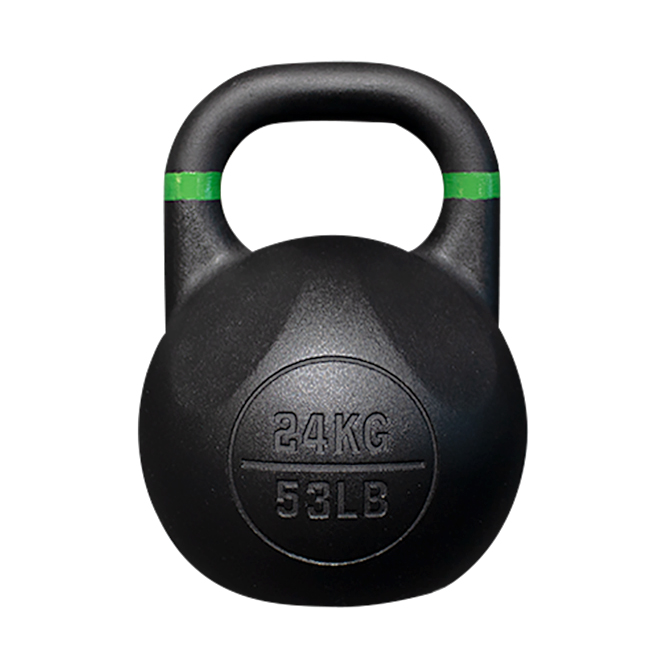
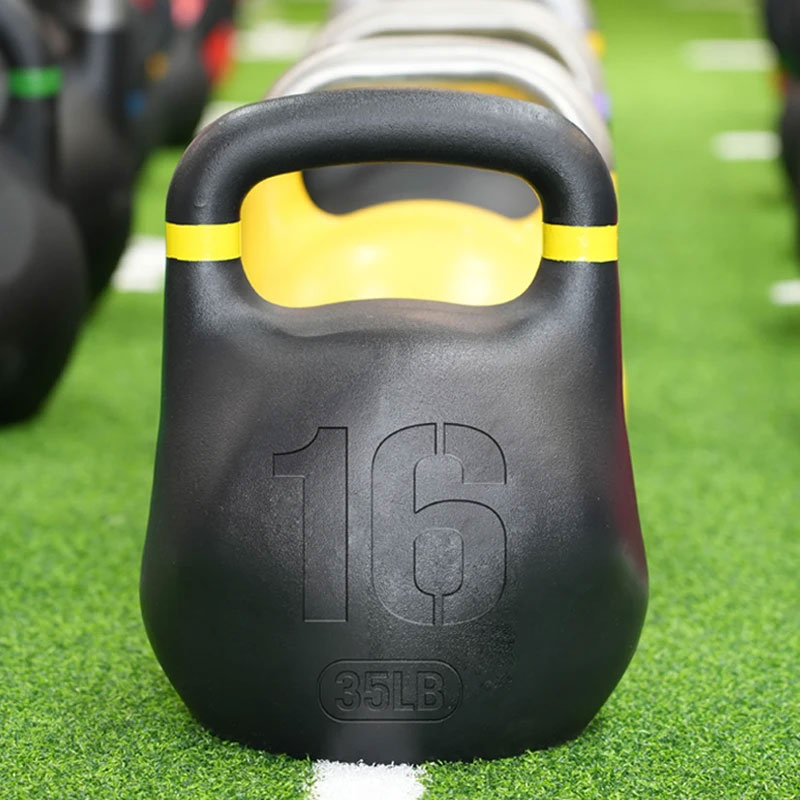
Many procurement professionals fail by sourcing low-grade cast iron units that lack protective layers, leading to high replacement costs and floor damage in high-traffic zones. A more strategic approach involves securing a rubber coated kettlebell made in China through a direct factory to ensure the equipment meets the rigorous demands of professional commercial gym applications. By prioritizing high-density encapsulation, distributors can significantly reduce long-term maintenance loads and protect facility flooring.
For large-scale fitness centers and boutique studios, the primary concern is the total cost of ownership. Utilizing a rubber coated kettlebell manufacturing workflow allows for a more durable finish that mitigates the impact of frequent drops and heavy usage. When sourcing from China factory networks, buyers can access specialized production lines that focus on the seamless integration of the rubber layer with the internal iron core, ensuring the coating does not peel or crack under thermal expansion or mechanical stress.
The wholesale advantage of this specific product type extends beyond initial landed cost; it provides a reliable solution for high-volume environments where equipment durability is non-negotiable. Whether you are managing a global distributor network or stocking a single premium facility, the ability to implement custom branding on a high-durability surface adds significant value to your brand identity and product longevity.
Comparing Kettlebell Formulations for Commercial Procurement
Selecting the correct weight format is critical for managing long-term capital expenditure. While bare iron is common for budget-focused settings, the rubber coated kettlebell made in China offers a superior balance of durability and floor protection. For distributors, choosing the right material tier directly impacts the return rate and customer satisfaction levels in high-traffic commercial environments.
The following table outlines the primary differences in material, production, and procurement suitability to assist in your rubber coated kettlebell export QC assessment and inventory planning.
| Material Type | Core Process | Key Component Focus | Commercial Duty Tier | MOQ Impact | Primary QC Point |
|---|---|---|---|---|---|
| Bare Cast Iron | Sand Casting | Handle Texture | Budget / Entry-Level | Low | Weight Tolerance |
| Powder Coated | Casting + Coating Line | Coating Adhesion | Standard Commercial | Medium | Surface Uniformity |
| Rubber Coated | Casting + Injection/Dip | Encapsulation Layer | Premium / High-Traffic | Higher | Base Flatness |
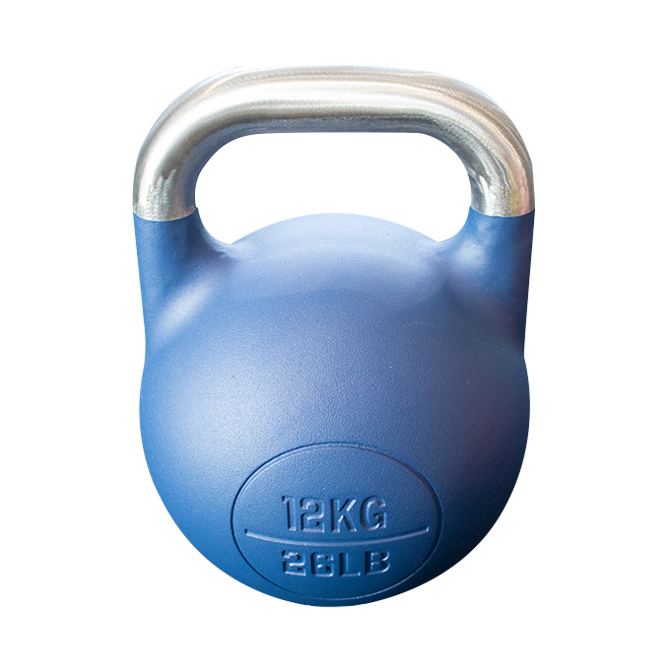
| Steel/Competition | Machining / CNC | Handle-to-Body Junction | Elite / Professional | High | Concentricity |
When evaluating a commercial kettlebell supplier, it is essential to understand that the rubber coated kettlebell manufacturing process requires more rigorous quality control than simple paint applications. A professional rubber coated kettlebell made in China should undergo strict inspection of the encapsulation layer to prevent delamination. We recommend requesting a sample evaluation or a detailed spec sheet to confirm that the rubber density and handle-to-body junction meet your specific facility requirements before proceeding with a bulk order.
For procurement specialists, the technical integrity of the product directly dictates the long-term maintenance costs and replacement cycles. A reliable commercial kettlebell supplier ensures that the internal casting and external coating are engineered for high-impact environments. This level of detail is a core component of a rigorous rubber coated kettlebell export QC protocol, where inspectors verify the adhesion of the rubber layer to the iron core to prevent premature peeling or cracking during heavy use.
Optimizing your inventory strategy requires a partner capable of meeting high standards for both volume and precision. By working directly with a professional rubber coated kettlebell manufacturing facility, distributors can secure consistent weight tolerances and superior finish quality. We suggest that buyers initiate a factory audit or request a sample approval process to validate that the product's durability aligns with their specific commercial or premium retail standards before committing to large-scale procurement.
Material Selection and Casting Standards for Durability
High-performance training environments require equipment that withstands rigorous daily use without structural failure. For distributors and gym owners, understanding the engineering behind a rubber coated kettlebell made in China is essential to minimizing replacement costs and maximizing long-term ROI. A premium build begins with a high-density cast iron core, which provides the necessary mass and impact resistance required for commercial settings.
The production of a professional-grade rubber coated kettlebell made in China typically follows a precise sequence starting with sand casting. This traditional method ensures a robust, heavy-duty foundation for the bell. After the initial casting, the core undergoes machining to ensure concentricity and a smooth handle-to-body junction. This foundational stage is critical for maintaining consistent weight tolerance across a full set, a key metric for wholesale buyers managing inventory precision. Once the core is calibrated, the application of the outer layer must ensure permanent coating adhesion to prevent peeling or cracking during high-intensity movement. This multi-step process is a standard requirement for any reputable commercial kettlebell supplier looking to meet international durability benchmarks.
Comparison of Coating Technologies for Commercial Use
Selecting the appropriate finish is a strategic decision for importers, as the coating type directly impacts the lifespan of the equipment and the maintenance load of the facility. For example, while a standard powder coating offers a cost-effective solution for budget-conscious distributors, a high-grade PU coating provides superior durability and a more premium tactile feel for high-end boutique studios. When evaluating a rubber coated kettlebell manufacturing partner, it is vital to understand how these materials affect the total cost of ownership and the long-term protection of gym flooring.
| Material Layer | Manufacturing Process | Key Component Focus | Commercial Duty Tier | MOQ Impact | Factory QC Point |
|---|---|---|---|---|---|
| Cast Iron Core | Sand Casting | Handle-to-body junction | Standard Commercial | Low | Base flatness |
| Powder Coating | Electrostatic Spray | Surface adhesion | Budget/Commercial | Low | Coating uniformity |
| PU Coating | Polyurethane Molding | Grip texture/Smoothness | Premium/Boutique | Medium | Encapsulation integrity |
| Rubber Coating | Rubber Molding | Impact/Floor protection | High-Intensity/Commercial | Medium | Coating thickness/Bonding |
For procurement professionals, the choice between these options often depends on the target market. A rubber coated kettlebell made in China is often preferred for high-traffic functional training zones because the thick outer layer absorbs impact and protects the facility's flooring. If you are looking to optimize your rubber coated kettlebell export QC protocols, we recommend requesting sample evaluations to inspect the thickness and elasticity of the coating. A professional commercial kettlebell supplier should be able to provide detailed specifications on how they manage the bonding process between the iron core and the outer layer to prevent delamination during bulk shipments. We suggest confirming the specific MOQ and lead times for custom colors or specialized branding via a direct inquiry to ensure your procurement schedule remains on track.
The Multi-Stage Production and Coating Process
Achieving the high durability required for commercial gym environments starts with a rigorous technical sequence. For distributors sourcing a rubber coated kettlebell made in China, understanding the transition from raw iron to a finished, shock-absorbent unit is critical for assessing long-term value and reducing replacement costs. A reliable China factory must demonstrate control over both the internal weight consistency and the external protective layer to ensure the product meets international commercial standards.
The manufacturing sequence typically begins with high-quality sand casting to form the core iron body, ensuring a stable center of gravity. Following the casting phase, the units undergo precision machining to refine the handle profile and ensure the handle-to-body junction is smooth. This stage is vital for maintaining the concentricity required for high-end commercial use. Once the iron core is calibrated, the rubber molding process is initiated, where a high-grade polyurethane or synthetic rubber layer is applied to encapsulate the bell, providing the necessary impact resistance and floor protection.
A professional commercial kettlebell supplier will implement a strict weight calibration step after the casting but before the final coating to ensure each unit adheres to the specified weight class. This prevents the common issue of weight discrepancies that can undermine a distributor's reputation. Finally, the rubber coated kettlebell manufacturing process concludes with a specialized curing stage to ensure optimal coating adhesion, preventing the peeling or cracking often seen in lower-tier production lines.
| Material/Process Type | Core Construction | Coating Method | Commercial Duty Tier | Procurement Focus |
|---|---|---|---|---|
| Standard Cast Iron | Sand Casting | Powder Coating | Budget/Entry-Level | Low MOQ/High Volume |
| Premium Rubber Coated | Sand or Centrifugal Casting | Rubber Molding/Encapsulation | High-End Commercial | Durability & Floor Protection |
| Competition Spec | Precision Die Casting | Chrome or PU Finish | Professional/Elite | Weight Precision & Aesthetics |
When managing rubber coated kettlebell export QC, importers should request documentation regarding the coating adhesion and the weight tolerance levels. For those looking for a rubber coated kettlebell made in China, verifying these technical stages ensures that the landed cost remains low due to a reduced rate of returns and high product longevity in high-traffic facilities.
Selecting the right production method directly impacts the total cost of ownership for fitness distributors. While basic powder-coated options offer a lower initial price point, the advanced encapsulation techniques used in professional rubber coated kettlebell manufacturing provide superior long-term value by protecting both the iron core from oxidation and the gym flooring from impact damage. This distinction is a key factor when evaluating a commercial kettlebell supplier for high-traffic facility contracts.
A critical technical detail to inspect during a factory audit is the integrity of the handle-to-body junction and the consistency of the outer layer. In many commercial settings, inferior coating processes lead to premature peeling or cracking, which increases maintenance frequency and reduces the lifespan of the equipment. By prioritizing a manufacturing route that includes a dedicated curing stage for the rubber or polyurethane layer, buyers can ensure high coating adhesion and a more durable finish that withstands heavy daily use.
For procurement professionals managing bulk orders, understanding these manufacturing nuances helps in calculating the true landed cost. A higher-tier production process might involve a slightly higher MOQ, but it significantly reduces the risk of quality-related returns and enhances the reliability of your brand identity in the market. We recommend requesting a sample to verify the weight tolerance and the tactile feel of the coating before finalizing any large-scale sourcing agreements.
Achieving the high durability required for commercial gym environments starts with a rigorous technical sequence. For distributors sourcing a rubber coated kettlebell made in China, understanding the transition from raw iron to a finished, shock-absorbent unit is critical for assessing long-term value and reducing replacement costs. A reliable China factory must demonstrate control over both the internal weight consistency and the external protective layer to ensure the product meets international commercial standards.
The manufacturing sequence typically begins with high-quality sand casting to form the core iron body, ensuring a stable center of gravity. Following the casting phase, the units undergo precision machining to refine the handle profile and ensure the handle-to-body junction is smooth. This stage is vital for maintaining the concentricity required for high-end commercial use. Once the iron core is calibrated, the rubber molding process is initiated, where a high-grade polyurethane or synthetic rubber layer is applied to encapsulate the bell, providing the necessary impact resistance and floor protection.
A professional commercial kettlebell supplier will implement a strict weight calibration step after the casting but before the final coating to ensure each unit adheres to the specified weight class. This prevents the common issue of weight discrepancies that can undermine a distributor's reputation. Finally, the rubber coated kettlebell manufacturing process concludes with a specialized curing stage to ensure optimal coating adhesion, preventing the peeling or cracking often seen in lower-tier production lines.
| Material/Process Type | Core Construction | Coating Method | Commercial Duty Tier | Procurement Focus |
|---|---|---|---|---|
| Standard Cast Iron | Sand Casting | Powder Coating | Budget/Entry-Level | Low MOQ/High Volume |
| Premium Rubber Coated | Sand or Centrifugal Casting | Rubber Molding/Encapsulation | High-End Commercial | Durability & Floor Protection |
| Competition Spec | Precision Die Casting | Chrome or PU Finish | Professional/Elite | Weight Precision & Aesthetics |
When managing rubber coated kettlebell export QC, importers should request documentation regarding the coating adhesion and the weight tolerance levels. For those looking for a rubber coated kettlebell made in China, verifying these technical stages ensures that the landed cost remains low due to a reduced rate of returns and high product longevity in high-traffic facilities.
Selecting the right production method directly impacts the total cost of ownership for fitness distributors. While basic powder-coated options offer a lower initial price point, the advanced encapsulation techniques used in professional rubber coated kettlebell manufacturing provide superior long-term value by protecting both the iron core from oxidation and the gym flooring from impact damage. This distinction is a key factor when evaluating a commercial kettlebell supplier for high-traffic facility contracts.
A critical technical detail to inspect during a factory audit is the integrity of the handle-to-body junction and the consistency of the outer layer. In many commercial settings, inferior coating processes lead to premature peeling or cracking, which increases maintenance frequency and reduces the lifespan of the equipment. By prioritizing a manufacturing route that includes a dedicated curing stage for the rubber or polyurethane layer, buyers can ensure high coating adhesion and a more durable finish that withstands heavy daily use.
For procurement professionals managing bulk orders, understanding these manufacturing nuances helps in calculating the true landed cost. A higher-tier production process might involve a slightly higher MOQ, but it significantly reduces the risk of quality-related returns and enhances the reliability of your brand identity in the market. We recommend requesting a sample to verify the weight tolerance and the tactile feel of the coating before finalizing any large-scale sourcing agreements.
Critical Inspection Points for Rubber Coated Kettlebell Export QC
Maintaining high standards during rubber coated kettlebell export QC is essential for distributors to avoid the high cost of replacement and damaged reputation. When sourcing in bulk, importers must ensure that the rubber coated kettlebell made in China meets strict durability requirements to withstand high-traffic commercial gym environments. A failure in coating integrity or weight accuracy directly impacts your landed cost through increased return rates and customer dissatisfaction.
A professional commercial kettlebell supplier focuses on two primary technical pillars during the final inspection: the bond between the core and the outer layer, and the precision of the final mass. Without a rigorous factory inspection, batches may suffer from peeling or inconsistent weights, which are common failure modes in low-tier production.
Evaluating Coating Adhesion and Weight Tolerance
The first critical check involves testing the coating adhesion of the rubber coated kettlebell made in China. This process ensures the rubber layer is seamlessly bonded to the cast iron core, preventing delamination during heavy use. Inspectors typically check for any bubbles, uneven thickness, or loose edges around the handle-to-body junction. For a wholesale order, ensuring this bond is intact is vital for long-term commercial durability, as it protects the internal metal from oxidation and prevents the rubber from cracking under impact.
Secondly, a strict weight tolerance protocol must be implemented. In a professional rubber coated kettlebell manufacturing workflow, each unit or sample from a batch is weighed to ensure it stays within the industry-standard deviation. For importers, this consistency is non-negotiable; uneven weight distribution can lead to uneven wear in a commercial setting and complicates inventory management. A reliable China factory will provide weight verification reports as part of the pre-shipment QC to guarantee that the bulk shipment matches the purchase order specifications exactly.
Structural Integrity and Export Readiness
Beyond the surface, technical audits must extend to the physical geometry and assembly of the unit. A high-quality rubber coated kettlebell made in China must demonstrate perfect base flatness to ensure stability during ground-impact exercises. Inspectors should verify the handle-to-body junction for any structural inconsistencies that might suggest a weak casting or a poorly applied coating layer. If the handle grip or the junction shows signs of unevenness, it can lead to premature wear or grip failure in high-intensity training environments.
Finally, the export packaging process is a vital component of the final quality check. For wholesale distributors, the risk of transit damage—such as crushed corners or coating scuffing—can significantly increase the landed cost. A professional supplier will utilize heavy-duty reinforced cartons and optimized palletization techniques to ensure that the bulk shipment remains secure during ocean freight. We recommend that buyers confirm the specific packaging dimensions and protection protocols during the sample approval stage to ensure the goods arrive in a condition ready for immediate retail or commercial distribution.
Tier-Based Production Standards for Bulk Sourcing
To effectively manage your procurement strategy, it is necessary to differentiate between various production tiers. Understanding these qualitative differences helps distributors evaluate the trade-offs between initial investment and long-term commercial utility. When evaluating a rubber coated kettlebell made in China, the following comparison provides a framework for assessing the technical and logistical value of your potential order.
| Material & Process | Key Component Focus | Commercial Duty Tier | Typical MOQ Impact | Critical QC Point |
|---|---|---|---|---|
| Cast Iron Core + Standard Dip | Basic Handle Texture | Budget / Entry-Level | Lower MOQ / Faster Lead Time | Surface Uniformity |
| Cast Iron Core + Precision Molding | Handle-to-Body Junction | Standard Commercial | Moderate MOQ / Standard Lead Time | Coating Adhesion |
| Ductile Iron + High-Grade Polyurethane | Ergonomic Grip & Base Flatness | Premium / Professional | Higher MOQ / Extended Lead Time | Weight Deviation & Packaging Durability |
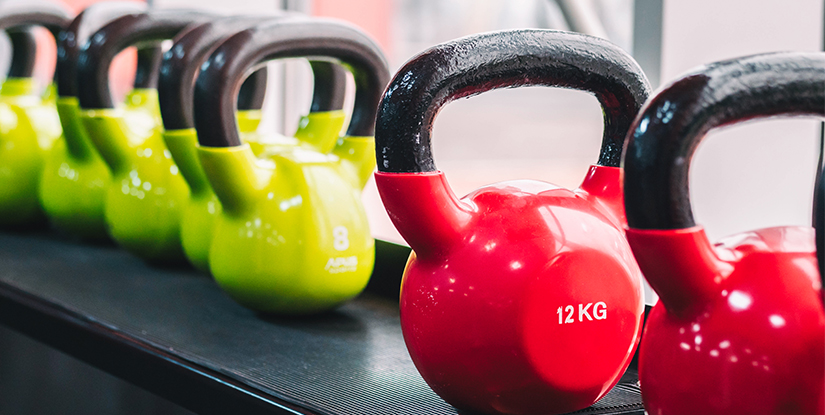
Selecting the appropriate tier is a strategic decision that impacts your total landed cost and distributor margins. While budget options may offer lower upfront costs, premium tiers often reduce the long-term maintenance load and replacement frequency in high-traffic facilities. We recommend requesting a detailed spec sheet or a sample evaluation from your commercial kettlebell supplier to verify that the production standards align with your specific market positioning and client requirements.
Sourcing Strategy: MOQ, Lead Time, and Inventory Management
For professional importers, managing the logistics of a rubber coated kettlebell made in China requires a balance between inventory turnover and capital efficiency. Unlike small-scale retail purchasing, B2B sourcing focuses on how MOQ requirements and lead time fluctuations impact the total landed cost and warehouse capacity. A well-structured bulk order strategy ensures that you maintain sufficient stock levels to meet market demand without overextending your storage footprint or cash flow.
Effective inventory management is the difference between a high-margin distributor and a disrupted supply chain. When negotiating with a commercial kettlebell supplier, it is essential to align your procurement cycles with the factory production capacity. If your wholesale volume is high, you may be able to negotiate lower MOQ thresholds for OEM or ODM requests, which provides greater flexibility for seasonal stock adjustments. Understanding the typical lead time for a rubber coated kettlebell made in China—including the time required for casting, the specialized rubber coating process, and shipping logistics—allows you to plan your product launches and warehouse intake with precision, protecting your distributor margin from unexpected stockouts or excessive freight costs.
Custom Branding and Private Label Capabilities
To differentiate your product line in competitive markets, leveraging OEM and ODM services is a vital strategy. A professional commercial kettlebell supplier can facilitate custom branding, allowing you to integrate your unique logo or brand identity directly onto the kettlebell body or the rubberized surface. This might involve laser etching the iron core before the coating process or utilizing specialized molds to ensure your brand is seamlessly part of the product's aesthetic. For distributors looking to build long-term brand equity, these factory-direct customization options are more cost-effective than third-party labeling and ensure a cohesive look across your entire commercial equipment catalog.
When negotiating custom branding or specialized designs, it is important to discuss how these changes affect the rubber coated kettlebell manufacturing workflow. For instance, adding a custom logo to the handle or the base may slightly adjust the lead time due to additional tooling or specialized quality inspection steps required to ensure the branding does not compromise the coating's integrity. By coordinating closely with your China factory partner, you can balance the desire for a premium, branded appearance with the necessity of maintaining high-volume wholesale efficiency and predictable shipping logistics.
Comparison of Sourcing Models for Global Importers
Selecting the right procurement path depends on your specific volume requirements and the degree of market differentiation you seek. For many, a rubber coated kettlebell made in China is sourced via two primary methods: purchasing standard stock or investing in a full OEM production run. While stock orders offer speed, custom manufacturing allows for a more distinct brand presence in the commercial sector.
| Sourcing Model | Typical MOQ | Customization Level | Standard Lead Time | Primary Benefit |
|---|---|---|---|---|
| Standard Stock | Low to Medium | Minimal (Logo only) | Short (Ready to ship) | Rapid replenishment |
| OEM / Private Label | High | High (Color/Shape/Logo) | Extended (Production + QC) | Brand differentiation |
| ODM / Custom Design | Very High | Full (Complete Specification) | Longest (Tooling + Casting) | Unique market position |
When evaluating a rubber coated kettlebell made in China, buyers should weigh the lower unit cost of stock orders against the long-term value of a custom rubber coated kettlebell manufacturing partnership. A commercial kettlebell supplier can provide significant advantages through rubber coated kettlebell export QC protocols tailored to your specific branding requirements. We recommend requesting a detailed specification sheet and confirming the MOQ for any custom branding requests to ensure your sourcing plan aligns with your target lead time and warehouse intake schedule.
Optimizing Logistics and Export Packaging for Bulk Orders
For international distributors and gym equipment importers, the total landed cost is determined as much by logistics as it is by the initial unit price. When sourcing a rubber coated kettlebell made in China, professional buyers must account for the high density and weight-to-volume ratio of the product. Inefficient packing strategies or substandard protection can lead to high shipping surcharges or, more critically, damaged inventory upon arrival at your warehouse.
To maintain healthy distributor margins, working with a commercial kettlebell supplier that prioritizes export packaging is essential. High-quality rubber coated kettlebell manufacturing involves more than just the casting and coating stages; it requires a specialized approach to shipping efficiency. Utilizing heavy-duty corrugated cartons and reinforced palletizing ensures that bulk orders remain stable during sea freight and container transit, significantly reducing the risk of dented handles or compromised coating integrity.
Optimized warehouse management begins at the factory level. By standardizing dimensions for seamless pallet stacking, a China factory can help you maximize container loadability, effectively lowering the per-unit shipping cost. This attention to damage prevention and volumetric optimization is a critical component of a professional rubber coated kettlebell export QC protocol, ensuring that your inventory reaches its destination in a retail-ready state.
Logistics and Packaging Tier Comparison
The following table outlines how different procurement volumes typically impact packaging configurations. Choosing the correct tier is vital for balancing initial MOQ requirements against long-term landed cost and warehouse storage efficiency.
| Order Volume Tier | Standard Packaging Configuration | Palletization Method | Primary Logistics Focus | Typical Commercial Use |
|---|---|---|---|---|
| Small Batch / Sample | Individual reinforced cartons | Loose carton stacking | Unit protection | Studio/Boutique testing |
| Medium Wholesale | Multi-unit inner boxes | Standardized wooden pallets | Stacking stability | Regional distributor stock |
| High-Volume Container | Optimized bulk master cartons | Heavy-duty heat-treated pallets | Container loading optimization | Large-scale gym procurement |
A professional supplier will often recommend specific palletization standards depending on whether you are shipping via LCL (Less than Container Load) or FCL (Full Container Load). For large-scale wholesale distributions, we recommend a configuration that prioritizes vertical stability and corner protection. This ensures that the heavy density of the kettlebells does not cause crushing or shifting during long-distance sea freight. Effective container loading optimization—aligning carton dimensions to minimize empty headspace—is the most direct way for a distributor to maximize ROI per shipment and reduce overall freight expenses.
Final Inspection and Pre-Shipment Protocols
Before any bulk order leaves the facility, a rigorous pre-shipment inspection is mandatory to mitigate the risks of long-distance transit. For a rubber coated kettlebell made in China, the inspection goes beyond simple visual checks. Technicians perform a weight tolerance spot-check to ensure consistency across the entire batch, alongside a specialized assessment of coating adhesion. This step is vital to ensure the rubber layer remains intact and does not peel or crack under the stress of temperature fluctuations during sea freight.
The final stage of rubber coated kettlebell export QC involves a comprehensive audit of the physical integrity of each unit. This includes checking the handle-to-body junction for any structural weaknesses and verifying that the base remains flat for stability. Once individual units pass, the focus shifts to container loading efficiency. We implement strict protocols for stacking and securing the load to prevent shifting. By ensuring that every pallet is properly wrapped and braced, we safeguard the product against the mechanical vibrations and movement common in maritime shipping, protecting your margins and ensuring your inventory arrives in premium condition.