Cast Iron Fitness Equipment Casting Manufacturer Supply
Optimizing Inventory with a Cast Iron Fitness Equipment Casting Manufacturer
Many distributors fail by sourcing from fragmented traders who lack direct control over production, leading to inconsistent weight tolerances and high replacement costs. A professional cast iron fitness equipment casting manufacturer provides a more stable solution by integrating standardized manufacturing with direct logistics. By working with a China factory, importers can align production schedules with market demand, ensuring that high-volume SKUs remain available without the burden of excessive safety stock.
Selecting a specialized cast iron fitness equipment casting manufacturer allows you to optimize your inventory turnover through predictable lead time management and scalable production. Instead of managing multiple small-scale vendors, professional buyers consolidate their sourcing through a single supplier capable of handling both high-volume wholesale cast iron gym equipment and specialized OEM requests. This approach reduces the landed cost by optimizing container utilization and streamlining the export documentation process.
Efficient commercial cast iron weight manufacturing relies on a balanced MOQ that supports both rapid replenishment and healthy distributor margins. When you secure a partnership with a factory that understands the nuances of wholesale distribution, you can better predict your warehouse requirements and avoid the capital tie-up associated with unpredictable shipping delays or inconsistent product quality.
Evaluating Sourcing Models: Specialized Manufacturer vs. General Trader
To maximize your profitability, it is essential to understand how different supply structures impact your bottom line. While general traders may offer low-barrier entry, they often lack the technical oversight required for high-standard commercial cast iron weight manufacturing. A direct cast iron fitness equipment casting manufacturer offers a distinct advantage in maintaining consistent quality and protecting your brand reputation.
The following table outlines the key operational differences between sourcing via a specialized production facility versus a general trading company, specifically focusing on the fitness equipment casting process and long-term profitability.
| Sourcing Dimension | Specialized Manufacturer (Direct) | General Trading Company |
|---|---|---|
| Production Control | Direct oversight of casting and coating | Third-party production management |
| Customization Capability | Full OEM and ODM support | Limited to existing stock items |
| Quality Assurance | Integrated QC and pre-shipment inspection | Dependent on vendor reports |
| Typical MOQ | Scalable based on production runs | Highly variable based on stock |
| Distributor Margin | Higher potential due to direct pricing | Compressed by multiple middle-layers |
| Supply Chain Stability | Predictable lead times for bulk orders | High risk of sudden stockouts |
For distributors aiming to scale, the ability to request custom branding or specific weight configurations is vital. A specialized supplier can integrate your brand identity directly into the casting or coating stage, whereas a trader often relies on surface-level labeling. By choosing a direct manufacturing partner, you secure better control over the total landed cost and ensure that your warehouse replenishment remains consistent with global market trends.
Protecting Brand Integrity Through Customization and QC
Beyond simple procurement, high-tier distributors leverage a cast iron fitness equipment casting manufacturer to build a proprietary product line. The ability to integrate custom branding—such as embossed logos within the iron mold or specialized color-coded powder coating—allows you to move from a generic commodity seller to a recognized brand provider. This level of differentiation is only achievable when working directly with a factory that manages the entire production sequence from the initial sand casting to the final surface finish.
To ensure that your brand reputation remains intact during bulk shipments, rigorous pre-shipment QC is non-negotiable. A professional manufacturer implements standardized inspection points, focusing on critical areas such as coating adhesion, handle-to-body junction integrity, and weight tolerance consistency. This technical oversight prevents the high return rates and customer dissatisfaction that often plague lower-tier sourcing. Furthermore, robust export packaging protocols—including heavy-duty reinforced cartons and optimized palletization—are essential to protect your inventory during long-haul ocean freight, ensuring that the products arriving at your warehouse match the high standards of your brand.
The Technical Standard of Commercial Cast Iron Weight Manufacturing
For professional distributors and gym equipment importers, precision in the cast iron fitness equipment casting manufacturer workflow determines the long-term reliability of a product line. High-quality commercial cast iron weight manufacturing relies on controlled sand casting techniques to ensure structural integrity and consistent density across large production runs. When sourcing from a China factory, buyers must prioritize a supplier that maintains strict weight tolerance standards and rigorous quality control to prevent uneven weight distribution or surface defects in bulk shipments.
The engineering of high-grade weights involves a multi-stage process: from initial mold creation and molten iron pouring to secondary machining for handle precision and final surface treatment. A professional cast iron fitness equipment casting manufacturer ensures that the transition from the casting stage to the coating stage does not compromise the dimensional accuracy of the product. This technical oversight is essential for maintaining high margins during wholesale distribution, as it reduces the frequency of returns and client complaints regarding product consistency.
| Material Type | Primary Process | Surface Finish | Commercial Duty Tier | Procurement Benefit |
|---|---|---|---|---|
| Gray Cast Iron | Sand Casting | Powder Coating | Standard Commercial | High durability and cost-efficiency for large wholesale orders |
| Ductile Iron | Precision Casting | Enamel or Paint | Premium Commercial | Increased impact resistance for high-traffic training environments |
| Solid Steel | Machining/Forging | Chrome/Polished | Elite/Competition | Maximum precision for specialized strength training applications |
Understanding these technical distinctions allows procurement leads to better manage their landed cost and product positioning. Whether you are looking for high-volume wholesale cast iron gym equipment or specialized OEM solutions, verifying the fitness equipment casting process at the factory level is a critical step in a successful sourcing strategy.
Optimizing Durability Through Surface Engineering
Surface treatment is a critical variable in the total cost of ownership for commercial gym operators. A standard fitness equipment casting process must include a rigorous cleaning and preparation phase before any coating is applied. Without proper surface preparation, even high-grade iron can suffer from premature oxidation or coating delamination. For distributors managing large-scale deployments, selecting a cast iron fitness equipment casting manufacturer that utilizes a multi-stage finishing route is essential for maintaining brand reputation and minimizing maintenance-related replacement costs.
In many professional settings, the choice between a basic paint finish and a high-grade powder coating depends on the intended environment. A high-quality powder coating provides a much thicker, more resilient layer that is better suited for high-traffic commercial facilities where equipment undergoes frequent impact and heavy handling. To ensure maximum adhesion, top-tier manufacturers often incorporate a phosphate treatment. This chemical pre-treatment creates a microscopic surface texture that anchors the coating to the iron, significantly reducing the risk of chipping and rust in humid or high-use gym environments.
For buyers evaluating their next batch of inventory, the technical specification of the finish should be treated as a core component of the wholesale procurement checklist. When negotiating OEM or ODM contracts, it is advisable to request details regarding the pre-treatment stages and the type of coating used. A manufacturer that provides a documented, multi-step finishing process—moving from raw casting to surface degreasing, chemical treatment, and finally specialized coating—is better positioned to deliver the long-term durability required for commercial-grade certifications. We recommend requesting a sample evaluation or a detailed technical spec sheet to confirm that the coating adhesion and surface texture meet your specific market requirements before finalizing a bulk order.
Advanced Fitness Equipment Casting Process and Surface Finishing
For distributors and importers sourcing high-volume inventory, understanding the technical workflow of a cast iron fitness equipment casting manufacturer is essential for ensuring long-term product reliability. A professional fitness equipment casting process begins with high-grade sand casting to create a durable, uniform core. This foundational step determines the structural integrity of the unit, ensuring it can withstand the high-impact environments typical of commercial gym settings. Managing these technical requirements early in the sourcing phase helps prevent common issues like structural cracks or uneven weight distribution in bulk shipments.
Once the initial shape is achieved, the production moves into precision commercial cast iron weight manufacturing, which includes essential machining to refine the handle texture and base flatness. Following the shaping stage, a rigorous surface finishing protocol is applied. Most professional wholesale cast iron gym equipment undergoes a multi-step treatment, typically involving a phosphate wash followed by a high-grade powder coating. This layer is critical for preventing oxidation and ensuring the finish does not chip during heavy use. Finally, every batch undergoes strict weight calibration and a final quality control inspection to verify that the physical mass matches the declared specification, ensuring your factory-direct orders meet the strict standards required for international distribution.
Finishing Methods and Total Cost of Ownership (TCO)
When evaluating your next bulk order, the choice of surface treatment directly impacts the maintenance load and the long-term landed cost for your clients. While a bare iron finish offers the lowest initial cost, it often requires more frequent upkeep to prevent rust in humid environments. For distributors seeking to offer premium durability, selecting the right coating is a strategic decision that affects product lifespan and brand reputation.
| Material Finish | Primary Process | Durability Tier | Maintenance Requirement | Typical Sourcing Context |
|---|---|---|---|---|
| Bare Iron | Phosphate Treatment | Standard Commercial | Moderate (Oxidation Risk) | Budget-conscious wholesale |
| Powder Coating | Electrostatic Spray | High Commercial | Low (Chip Resistant) | Standard OEM/ODM orders |
| PU Coating | Polyurethane Dip | Premium Commercial | Minimal (High Protection) | High-end studio distribution |
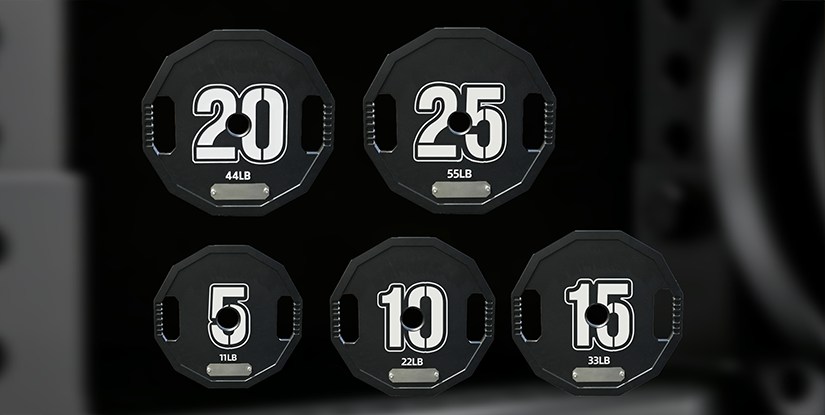
Choosing between these options allows you to align your inventory with specific market segments. A cast iron fitness equipment casting manufacturer can typically accommodate different finish requirements based on your MOQ. For instance, high-end boutique studio clients often prefer the smooth, impact-resistant feel of a PU coating, whereas large-scale commercial distributors may opt for standard powder coating to balance durability with competitive wholesale pricing. We recommend requesting a sample evaluation to confirm how each coating adheres to the cast iron core before finalizing your large-scale procurement plan.
Factory QC and Export Readiness Protocols
Reliability in international trade depends on more than just the initial pour; it requires a rigorous pre-shipment QC protocol to ensure every unit arrives in perfect condition. For a professional China factory, the inspection process extends beyond the casting itself to include the assembly and packaging stages. A standard quality check involves a physical weight tolerance spot-check to ensure mass consistency, followed by a visual inspection of the handle-to-body junction and the coating adhesion to prevent peeling during transit or heavy use.
To mitigate the risks of damage during long-distance ocean freight, specialized export packaging is mandatory for bulk shipments. This typically involves heavy-duty corrugated boxes, reinforced corner protection, and palletization to stabilize the load within the container. When planning your logistics, it is vital to confirm the expected lead time and container loading capacity with your supplier. Understanding these variables allows distributors to accurately calculate the landed cost and optimize their inventory replenishment cycles, ensuring a seamless transition from the factory floor to the end-user's facility.
Quality Control and Pre-Shipment Inspection for Wholesale Cast Iron Gym Equipment
Maintaining strict oversight during the production of weight sets is essential to minimize B2B sourcing risks such as dimensional inconsistencies or surface defects. For distributors and importers, a single batch of substandard weights can lead to high return rates and damaged brand reputation. A professional cast iron fitness equipment casting manufacturer mitigates these issues by implementing a multi-stage validation process that ensures every unit meets commercial-grade standards before leaving the factory.
The commercial cast iron weight manufacturing workflow must include rigorous checkpoints to protect your margins. During the initial casting stage, technicians monitor the molten iron quality to prevent structural voids. Once the shapes are cast, the fitness equipment casting process moves into precision machining and surface treatment. It is during these stages that a supplier must verify the weight tolerance and surface finish to ensure the products are suitable for high-traffic commercial environments. Without these standardized quality control protocols, bulk orders may arrive with uneven weight distribution or peeling coatings, significantly increasing your landed cost through replacements.
To ensure reliability in wholesale cast iron gym equipment shipments, a comprehensive pre-shipment inspection is mandatory. This typically involves a visual audit of the coating adhesion, a check of the handle texture or knurling consistency, and a random sample weight verification to confirm accuracy. For large-scale OEM or ODM orders, we recommend that buyers coordinate a formal inspection or request detailed batch reports to confirm that the finished goods align with the agreed-upon technical specifications.
Standardized Inspection Checklist for Bulk Procurement
To prevent the high costs associated with defective inventory, professional importers utilize a standardized checklist during the final stages of the fitness equipment casting process. A reliable cast iron fitness equipment casting manufacturer will provide transparency regarding these critical checkpoints. For procurement leads, verifying these specific technical attributes is the most effective way to ensure long-term durability and minimize the total cost of ownership (TCO) for your clients.
The following inspection points are industry-standard for high-volume orders. We recommend that distributors request specific documentation or photos of these elements during the pre-shipment phase to confirm compliance with your brand's quality requirements:
| Inspection Category | Key Technical Focus | Commercial Impact | Verification Method |
|---|---|---|---|
| Weight Accuracy | Weight calibration and tolerance | Ensures compliance with commercial weight standards | Random sample weighing |
| Surface Integrity | Knurling depth and handle texture | Prevents grip failure and user discomfort | Tactile and visual inspection |
| Coating Quality | Coating adhesion and finish consistency | Reduces rust risk and peeling in high-humidity gyms | Scratch and impact testing |
| Structural Form | Base flatness and concentricity | Prevents wobbling or uneven movement during use | Surface plane alignment check |
| Export Readiness | Export packaging and container loading | Minimizes transit damage and optimizes landed cost | Drop test and pallet stability check |
Beyond technical specs, logistics efficiency is a vital part of the sourcing process. When managing large-scale wholesale cast iron gym equipment shipments, the factory must ensure that the export packaging is robust enough for sea freight. This includes heavy-duty corrugated boxes or reinforced wooden crates to protect the cast iron surfaces from impact. Furthermore, optimizing container loading density is essential for reducing your per-unit shipping costs. We suggest discussing your specific MOQ and lead time requirements early in the negotiation to ensure that both production schedules and shipping windows are aligned for your inventory replenishment cycles.
Customization and OEM/ODM Capabilities for Global Distributors
Expanding a product catalog requires more than just sourcing standard stock; it demands a strategic partner capable of high-level OEM and ODM services. For global distributors looking to differentiate their offerings, transitioning from generic items to a private label model is a proven method to build brand identity and long-term customer loyalty. A professional cast iron fitness equipment casting manufacturer provides the technical infrastructure to move beyond basic shapes into specialized, high-margin products.
The challenge for many importers is finding a factory that can balance custom branding with strict commercial grade standards. Whether you require specific handle textures, unique colorways via powder coating, or specialized weight increments, the sourcing process must be tightly controlled. We assist partners in navigating these complexities by offering scalable solutions that meet specific market demands while maintaining a manageable MOQ for diverse product lines.
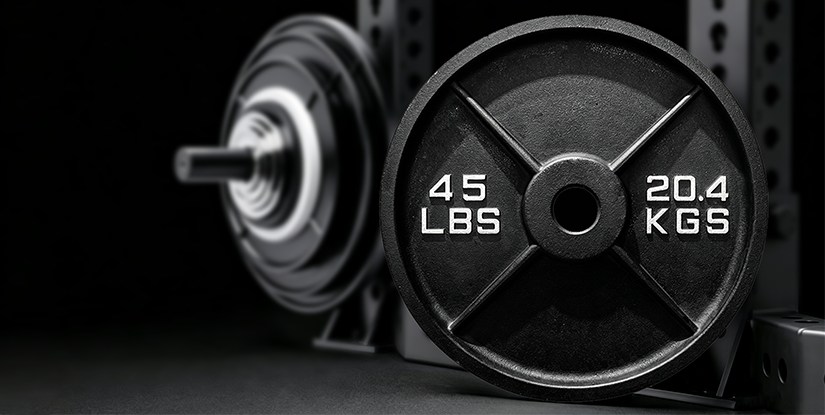
Working with a specialized cast iron fitness equipment casting manufacturer allows you to control the entire lifecycle of your product, from the initial sand casting stage to the final branding of the weight plate or kettlebell. This vertical integration ensures that your proprietary designs are executed with precision, reducing the risk of deviations in weight distribution or surface finish that often plague lower-tier wholesale suppliers.
Comparison of Sourcing Models and Customization Tiers
Selecting the right procurement strategy depends on your current inventory goals and brand positioning. A professional cast iron fitness equipment casting manufacturer typically offers two distinct paths: high-efficiency stock replenishment or high-value customized production. While stock items offer rapid turnaround, commercial cast iron weight manufacturing through specialized orders allows for a much higher degree of market differentiation.
The following table outlines the operational differences between standard procurement and advanced OEM/ODM workflows to assist in your sourcing decision-making. Understanding these variables helps in calculating the true landed cost and managing distributor margins effectively.
| Procurement Type | Customization Options | Weight Tolerance | Surface Finish | Branding/Logo | Typical MOQ Impact | Lead Time & Logistics |
|---|---|---|---|---|---|---|
| Standard Stock | Fixed shapes and sizes | Industry-standard | Basic paint or bare iron | Generic or no branding | Low MOQ requirements | Short; ready for immediate export |
| OEM Customization | Specialized handles or shapes | High-precision calibration | Advanced powder coating or PU | Custom private label or embossed | Higher MOQ per SKU | Extended; includes mold/tooling time |
| ODM Development | Full structural design control | Strict commercial-grade spec | Multi-layer premium finishes | Full brand identity integration | Highest MOQ for new builds | Longest; involves R&D and QC cycles |
When managing wholesale cast iron gym equipment, it is vital to evaluate how customization options affect your warehouse turnover. While ODM projects require a larger initial commitment and longer lead time, they provide the unique product features necessary to secure premium commercial contracts. We recommend reviewing technical spec sheets and confirming MOQ levels early in the sourcing phase to ensure your factory production schedule aligns with your regional distribution needs.
Technical Workflow: From Design to Export
A reliable fitness equipment casting process must be a sequence of controlled technical stages to prevent the common failure modes seen in low-tier production. For a professional cast iron fitness equipment casting manufacturer, the workflow begins with high-fidelity mold creation, followed by sand casting to ensure structural integrity. Once the raw casting is complete, the components move into precision CNC machining to refine critical dimensions and surface contact points. This stage is essential for maintaining the tight tolerances required for commercial-grade stability and balance.
Following the machining phase, the products undergo specialized surface treatments, most commonly a durable powder coating application to enhance corrosion resistance and aesthetic appeal. To ensure the highest level of accuracy for professional distributors, every batch undergoes rigorous weight calibration. This is followed by a comprehensive pre-shipment QC protocol, where inspectors check for coating adhesion, dimensional consistency, and physical defects. Finally, the products are secured in heavy-duty export packaging designed to withstand long-haul sea freight, ensuring that your bulk shipment arrives at your warehouse in optimal condition, ready for immediate distribution.
Sourcing Strategies for High-Volume Cast Iron Orders
For distributors and large-scale gym developers, calculating the true landed cost is a critical component of procurement success. When engaging a cast iron fitness equipment casting manufacturer, the price per unit is only one variable in a complex equation that includes shipping weight, container optimization, and local duties. Efficient wholesale procurement requires a deep understanding of how physical dimensions and material density influence your final budget.
High-density products like cast iron weight plates and kettlebells present unique logistical challenges. Because these items possess a high shipping weight relative to their size, the cost of freight can quickly erode distributor margins if not managed through professional sourcing strategies. To maintain a competitive edge, professional buyers must look beyond the factory price and evaluate the total cost of bringing goods from a China factory to their local warehouse.
Optimizing bulk orders involves more than just increasing volume; it requires precision in container optimization. A skilled supplier will assist in calculating the most efficient loading patterns to maximize the utility of a 20ft or 40ft container, ensuring that the ratio of volumetric weight to actual weight does not result in paying for empty space. By focusing on commercial cast iron weight manufacturing standards that allow for stackable and secure packaging, importers can significantly reduce the per-unit freight expense.
Comparison of Shipping and Packaging Strategies for Bulk Procurement
Choosing the correct logistics model is essential for managing the landed cost of heavy metal goods. A professional cast iron fitness equipment casting manufacturer provides various levels of protection and shipping methods to suit different budget requirements and storage needs. Whether you are prioritizing low-cost volume or high-end protection for premium distribution, selecting the appropriate tier ensures that your wholesale shipment arrives without surface damage or structural issues.
| Shipping Method | Packaging Type | Weight Impact | Cost Efficiency | Typical MOQ | Lead Time | Export Packaging Standard |
|---|---|---|---|---|---|---|
| LCL (Less than Container Load) | Standard Single Carton | Low (Minimal extra bulk) | High for small batches | Low | Short | Basic protective film |
| FCL (Full Container Load) | Reinforced Palletized Case | Medium (Pallet volume) | Optimized for large volume | Medium to High | Standard production cycle | Heavy-duty pallet & shrink wrap |
| Air Freight (Express) | Individual Reinforced Box | High (Dimensional weight) | Low (High freight cost) | Very Low | Immediate/Rapid | Premium multi-layer protection |
| Custom OEM Branding Package | Custom Color/Branded Box | Medium (Custom dimensions) | Variable (Based on design) | High (Specific to ODM) | Longer (Due to printing) | Full branding & high-grade QC |
When evaluating your next fitness equipment casting process, consider that more robust packaging often correlates with lower damage rates during long-sea transit. For example, using reinforced pallets in FCL shipments can protect the integrity of the iron casting and the coating adhesion during heavy handling. We recommend that procurement managers confirm the specific export packaging requirements with their supplier during the initial sourcing phase to prevent unexpected surcharges or damaged inventory upon arrival.
To move forward with your procurement plan, we suggest you contact us to request a detailed spec sheet, confirm the current MOQ for your specific weight classes, or schedule a factory audit to review our pre-shipment QC protocols.
| Shipping Method | Packaging Type | Weight Impact | Cost Efficiency | Typical MOQ | Lead Time | Export Packaging Standard |
|---|---|---|---|---|---|---|
| LCL (Less than Container Load) | Standard Single Carton | Low (Minimal extra bulk) | High for small batches | Low | Short | Basic protective film |
| FCL (Full Container Load) | Reinforced Palletized Case | Medium (Pallet volume) | Optimized for large volume | Medium to High | Standard production cycle | Heavy-duty pallet & shrink wrap |
| Air Freight (Express) | Individual Reinforced Box | High (Dimensional weight) | Low (High freight cost) | Very Low | Immediate/Rapid | Premium multi-layer protection |
| Custom OEM Branding Package | Custom Color/Branded Box | Medium (Custom dimensions) | Variable (Based on design) | High (Specific to ODM) | Longer (Due to printing) | Full branding & high-grade QC |
When evaluating your next fitness equipment casting process, consider that more robust packaging often correlates with lower damage rates during long-sea transit. For example, using reinforced pallets in FCL shipments can protect the integrity of the iron casting and the coating adhesion during heavy handling. We recommend that procurement managers confirm the specific export packaging requirements with their supplier during the initial sourcing phase to prevent unexpected surcharges or damaged inventory upon arrival.
To move forward with your procurement plan, we suggest you contact us to request a detailed spec sheet, confirm the current MOQ for your specific weight classes, or schedule a factory audit to review our pre-shipment QC protocols.