One Piece Casting Kettlebell Casting Manufacturer Supply
The High Cost of Low-Quality Sourcing: Why One Piece Casting Kettlebell Casting Manufacturer Selection Matters
Many importers mistakenly prioritize the lowest unit price, failing to account for the hidden expenses of defective batches. Selecting a professional one piece casting kettlebell casting manufacturer ensures that your procurement focuses on long-term commercial utility rather than immediate, low-cost savings that lead to high return rates. A reliable China factory provides stability through consistent weight calibration and structural integrity, whereas low-tier suppliers often deliver units with inconsistent density or surface flaws.
In the commercial fitness sector, the financial impact of poor commercial kettlebell production extends far beyond the initial landed cost. When a distributor receives a shipment with substandard cast iron kettlebell QC, the resulting durability issues—such as uneven weight distribution or handle-to-body structural weaknesses—can trigger expensive replacement planning cycles. For gym owners and large-scale distributors, these failures translate into lost revenue, damaged brand reputation, and increased operational overhead during client negotiations.
Technical Breakdown: Single-Piece Casting vs. Assembly Methods
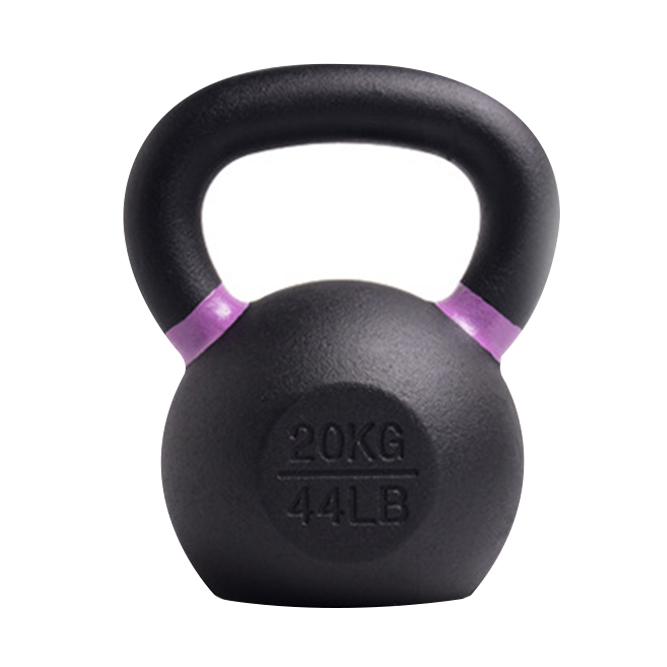
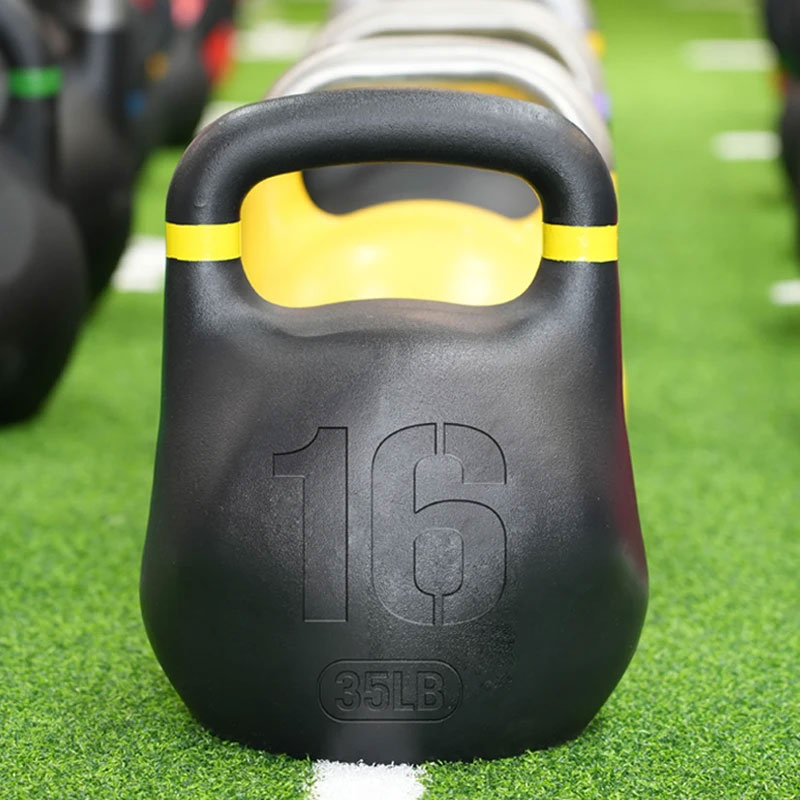
The fundamental difference between premium and budget inventory lies in the manufacturing route. A professional one piece casting kettlebell casting manufacturer utilizes specialized sand casting to create a single, monolithic structure. This method ensures that the handle and the body are one continuous piece of gray iron, eliminating the structural weak points found in two-piece assembly models. When evaluating your next batch, it is vital to distinguish between these manufacturing standards to protect your distributor margins.
Low-quality alternatives often rely on welding a separate handle to a pre-cast body. While this may reduce initial production costs, it introduces a critical failure point at the handle-to-body junction. In high-volume commercial settings, these joints are prone to stress fractures under heavy use. Furthermore, inferior units frequently suffer from poor powder coating adhesion, leading to premature rust and surface degradation. By prioritizing a single-piece casting process, you ensure superior handle integrity and a more consistent surface finish across your entire SKU range.
| Material/Process | Key Component | Commercial Duty | Sourcing Risk | Factory QC Point |
|---|---|---|---|---|
| Single-Piece Sand Casting | Monolithic Handle | Premium/High-Volume | Low (High Reliability) | Handle-to-body junction integrity |
| Two-Piece Welded Assembly | Welded Handle Joint | Budget/Entry-Level | High (Structural Failure) | Weld seam and joint strength |
| Standard Powder Coating | Surface Layer | Standard Commercial | Moderate (Peeling/Rust) | Coating adhesion and thickness |
To avoid these procurement pitfalls, we recommend requesting a sample to inspect the weight tolerance and the texture of the knurling. A qualified one piece casting kettlebell casting manufacturer will provide clear documentation regarding their production-line calibration. When negotiating your bulk order, always confirm that the powder coating process is integrated into the standard production sequence to ensure long-term durability for your end-users.
When calculating the total cost of ownership, professional buyers must look beyond the invoice. A failure to vet your one piece casting kettlebell casting manufacturer can lead to a high replacement rate, which erodes the profit margins of any serious distributor. Whether you are managing a single large-scale facility or a global wholesale operation, the goal is to secure a stable supply chain that minimizes maintenance-related downtime and logistics-related headaches.
A high-tier China factory understands that a single defective shipment can damage a distributor's reputation. Therefore, our production protocols integrate rigorous cast iron kettlebell QC at multiple stages—from the initial sand casting and weight calibration to the final surface finishing. This focus on technical precision ensures that every unit meets the structural demands of high-traffic commercial environments, protecting your investment and ensuring consistent commercial kettlebell production standards for every bulk order.
Material Integrity and Casting Processes for Commercial Durability
For distributors and gym equipment importers, the structural integrity of a kettlebell determines the long-term TCO (Total Cost of Ownership) and brand reputation. A professional one piece casting kettlebell casting manufacturer utilizes specialized sand casting techniques to ensure the bell and handle are a single, inseparable unit. This method typically uses high-grade gray iron, a material standard in the industry for its excellent density and impact resistance. Unlike multi-part assembly models that may suffer from handle-to-body separation under heavy use, a single-piece pour guarantees maximum commercial durability for high-traffic strength facilities.
When managing wholesale procurement, understanding the technical nuances of the manufacturing route is vital to avoid high return rates. The process begins with precision sand molds, followed by the molten iron pour, and concludes with rigorous machining of the handle area to ensure consistent knurling depth and grip texture. Choosing a one piece casting kettlebell casting manufacturer with established commercial kettlebell production lines ensures that every unit meets the concentricity and weight stability requirements expected in professional settings. This level of cast iron kettlebell QC is essential for maintaining consistent margins during sourcing from a China factory.
| Material Type | Primary Process | Key Component Focus | Commercial Duty Tier | Sourcing Benefit | Factory QC Point |
|---|---|---|---|---|---|
| Gray Iron | Sand Casting | Handle-to-body junction | Premium Commercial | High durability/Low maintenance | Weight tolerance spot-check |
| Ductile Iron | Centrifugal Casting | Base flatness | High-End Professional | Superior impact resistance | Surface smoothness |
| Standard Cast Iron | Basic Sand Casting | Coating adhesion | Standard Commercial | Cost-effective bulk order | Handle texture consistency |
Surface Finishing and Coating Standards for Export
The final stage of commercial kettlebell production involves surface treatments that protect the metal from oxidation and enhance the user grip. For professional buyers, the quality of the powder coating or enamel layer is a primary indicator of long-term product value. A high-standard one piece casting kettlebell casting manufacturer will implement a multi-step finishing route, typically starting with a phosphate treatment to prepare the gray iron surface before the coating application. This ensures high coating adhesion and prevents the premature chipping or peeling that often leads to high replacement costs for distributors.
When evaluating one piece casting kettlebell casting manufacturer options, it is crucial to inspect how the coating interacts with the handle and the weight marking area. In many commercial settings, a consistent coating thickness is required to maintain the intended weight tolerance and grip feel. Professional sourcing teams should verify if the factory utilizes automated powder coating lines to ensure uniformity across the entire batch. This attention to detail in the final cast iron kettlebell QC process—specifically checking for surface smoothness and handle texture consistency—minimly reduces the risk of defective units arriving at your warehouse, thereby protecting your distributor margins and reducing the landed cost of any replacement claims.
Technical Comparison of Kettlebell Production Standards
For distributors and gym equipment importers, understanding the engineering distinction between assembly-based units and a one piece casting kettlebell casting manufacturer is vital for long-term product reliability. While some low-cost suppliers utilize two-piece assembly methods to reduce manufacturing complexity, these often suffer from structural weaknesses at the handle-to-body junction. In contrast, high-standard commercial kettlebell production relies on single-piece cast iron construction. This method ensures a monolithic structure where the handle and bell are a single, unbroken piece of metal, providing the essential structural integrity required for high-traffic commercial environments.
When sourcing professional-grade strength equipment, buyers must evaluate the manufacturing process to mitigate the risk of handle failure or weight shifting. A professional China factory specializing in sand casting will produce units that maintain consistent density throughout the bell. This precision is critical for meeting weight tolerance standards, ensuring that a 24kg unit remains a 24kg unit across an entire wholesale shipment, which protects your margins and prevents customer returns.
| Production Type | Construction Method | Commercial Duty | Durability Profile | Procurement Risk |
|---|---|---|---|---|
| Single-Piece Casting | Monolithic Sand Casting | Premium/High-Traffic | Highest (Unbroken Structure) | Low (Consistent Weight) |
| Two-Piece Assembly | Handle-to-Body Welding | Standard/Mid-Tier | Moderate (Weld Point Stress) | Medium (Potential Failure) |
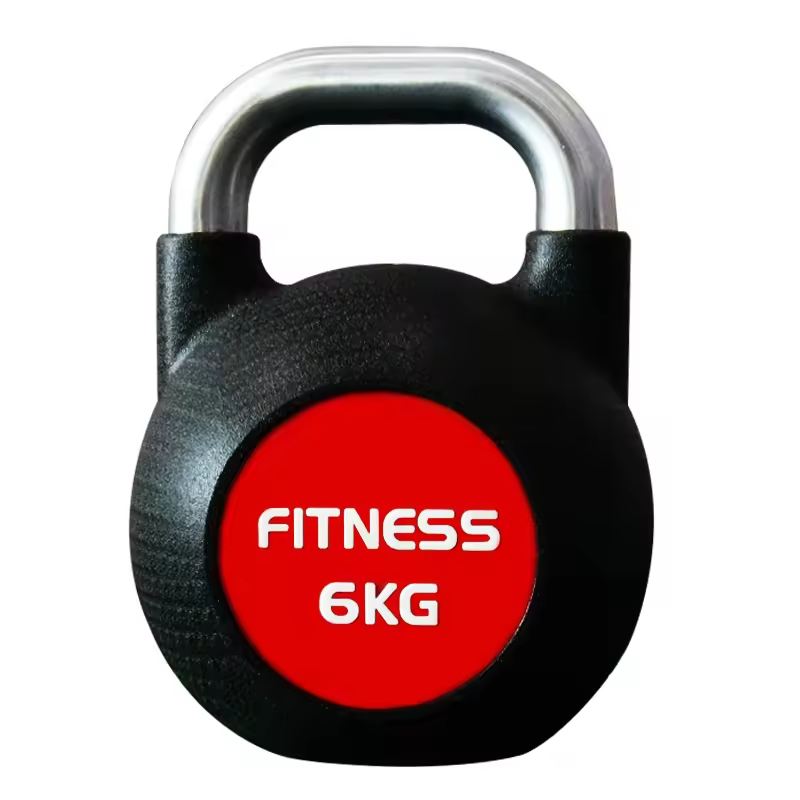
| Injection/Molded | Core with Outer Shell | Budget/Light Use | Lower (Shell Integrity) | High (Weight Variance) |
Selecting a one piece casting kettlebell casting manufacturer allows your brand to offer products that withstand the rigors of intense training without the threat of structural separation. For large-scale wholesale orders, prioritizing cast iron kettlebell QC—specifically checking the handle-to-body junction and the base flatness—is the most effective way to ensure a high-quality landed cost and long-term distributor satisfaction.
The distinction between production tiers directly impacts the total cost of ownership (TCO) for fitness facilities. When evaluating a one piece casting kettlebell casting manufacturer, procurement leads must look beyond the initial unit price to consider the long-term maintenance and replacement cycles. A failure in a two-piece assembly or a poorly executed weld can lead to significant liability and increased replacement costs for your clients.
Evaluating Surface Finish and Handle Durability
A critical component of cast iron kettlebell QC involves the inspection of the surface finish and the handle texture. In professional commercial kettlebell production, the transition from the casting mold to the final coating determines the longevity of the product. High-quality manufacturers typically follow a sequence of sand casting, followed by precision machining of the handle area to ensure consistent knurling depth. This prevents the common issue of "smooth spots" that can occur with inferior molds, which often leads to grip failure during high-intensity training.
Furthermore, the coating adhesion is a vital metric for importers. Whether the finish is a simple phosphate treatment or a heavy-duty powder coating, the application must be uniform to prevent premature oxidation or chipping. When managing wholesale procurement, we recommend requesting samples to test the coating's resistance to impact and environmental moisture. This step ensures that your landed cost remains optimized by reducing the frequency of defective or rusted units arriving at your warehouse.
To ensure the highest standards for your next bulk order, we suggest a formal inquiry to confirm the specific MOQ for custom branding or private label requirements. Our team can provide detailed technical specifications and a full factory audit report to support your sourcing decisions. Please contact us to request a formal quote or to discuss custom OEM/ODM development for your specific market needs.
For distributors and gym equipment importers, understanding the engineering distinction between assembly-based units and a one piece casting kettlebell casting manufacturer is vital for long-term product reliability. While some low-cost suppliers utilize two-piece assembly methods to reduce manufacturing complexity, these often suffer from structural weaknesses at the handle-to-body junction. In contrast, high-standard commercial kettlebell production relies on single-piece cast iron construction. This method ensures a monolithic structure where the handle and bell are a single, unbroken piece of metal, providing the essential structural integrity required for high-traffic commercial environments.
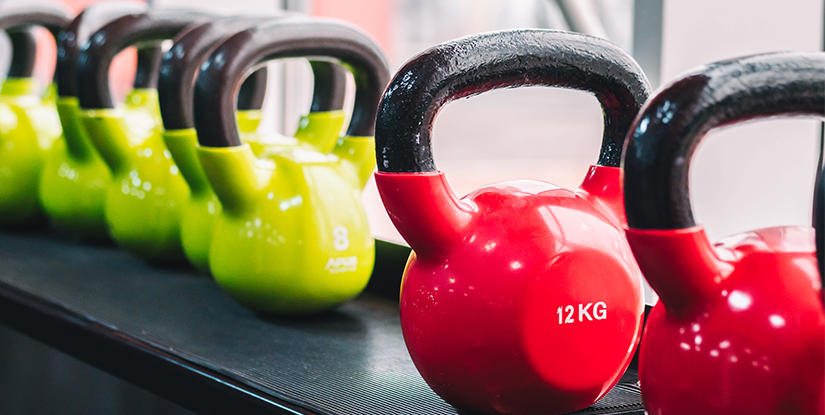
When sourcing professional-grade strength equipment, buyers must evaluate the manufacturing process to mitigate the risk of handle failure or weight shifting. A professional China factory specializing in sand casting will produce units that maintain consistent density throughout the bell. This precision is critical for meeting weight tolerance standards, ensuring that a 24kg unit remains a 24kg unit across an entire wholesale shipment, which protects your margins and prevents customer returns.
| Production Type | Construction Method | Commercial Duty | Durability Profile | Procurement Risk |
|---|---|---|---|---|
| Single-Piece Casting | Monolithic Sand Casting | Premium/High-Traffic | Highest (Unbroken Structure) | Low (Consistent Weight) |
| Two-Piece Assembly | Handle-to-Body Welding | Standard/Mid-Tier | Moderate (Weld Point Stress) | Medium (Potential Failure) |
| Injection/Molded | Core with Outer Shell | Budget/Light Use | Lower (Shell Integrity) | High (Weight Variance) |
Selecting a one piece casting kettlebell casting manufacturer allows your brand to offer products that withstand the rigors of intense training without the threat of structural separation. For large-scale wholesale orders, prioritizing cast iron kettlebell QC—specifically checking the handle-to-body junction and the base flatness—is the most effective way to ensure a high-quality landed cost and long-term distributor satisfaction.
The distinction between production tiers directly impacts the total cost of ownership (TCO) for fitness facilities. When evaluating a one piece casting kettlebell casting manufacturer, procurement leads must look beyond the initial unit price to consider the long-term maintenance and replacement cycles. A failure in a two-piece assembly or a poorly executed weld can lead to significant liability and increased replacement costs for your clients.
Critical Quality Control Benchmarks for Bulk Imports
For professional importers and distributors, the cost of a single defective batch can erode entire annual margins. When sourcing through a one piece casting kettlebell casting manufacturer, the risk of receiving inconsistent weights or uneven surfaces is a primary concern. Relying on a China factory that lacks standardized protocols leads to high return rates and damaged reputations among gym owners and commercial facilities.
Rigorous commercial kettlebell production requires more than just basic casting; it demands strict adherence to weight tolerance and surface finish standards. Without a professional cast iron kettlebell QC process, bulk procurement risks include structural flaws in the handle-to-body junction or peeling coatings. To protect your landed cost and ensure long-term commercial durability, every one piece casting kettlebell casting manufacturer must implement a multi-stage inspection covering weight calibration, knurling consistency, and coating adhesion before any wholesale shipment leaves the facility.
Essential Inspection Checklist for Procurement Professionals
To minimize the risk of faulty inventory, importers should require a detailed inspection report before final payment. A reliable one piece casting kettlebell casting manufacturer must demonstrate control over the following technical benchmarks during pre-shipment audits.
| Inspection Focus | Technical Requirement | Commercial Impact | QC Verification Method |
|---|---|---|---|
| Casting Integrity | Uniform sand casting density | Reduces structural cracks | Visual scan for surface voids |
| Surface Finish | Consistent powder coating adhesion | Prevents peeling in high-use gyms | Physical friction/scratch test |
| Handle Ergonomics | Smooth handle ergonomics and texture | Ensures user safety and grip | Manual tactile inspection |
| Base Stability | Perfect base flatness | Prevents wobbling or tipping | Surface plane level check |
| Final Logistics | Standardized export packaging | Protects weight integrity in transit | Box strength and pallet check |
When managing large-scale wholesale orders, we recommend requesting a sample approval and a formal factory audit. This ensures the one piece casting kettlebell casting manufacturer can meet your specific OEM branding requirements and volume-based MOQ without compromising on the technical precision required for global distribution.
Optimizing Your Supply Chain with OEM and Private Label Services
For international distributors and large-scale fitness importers, relying solely on generic stock products limits your ability to scale a premium brand. Engaging a professional one piece casting kettlebell casting manufacturer allows you to move beyond simple resale and into high-value brand building. By utilizing OEM and ODM capabilities, you can transition from a simple importer to a recognized equipment provider with a distinct market presence.
The strategic implementation of private label services provides a significant advantage in protecting your brand identity. Instead of competing on price alone against generic commodity sellers, you can offer products that carry your unique logo and specific weight markings. This level of custom branding fosters customer loyalty and allows you to command a premium in the commercial fitness market, significantly increasing your distributor margin compared to standard wholesale trading of unbranded goods.
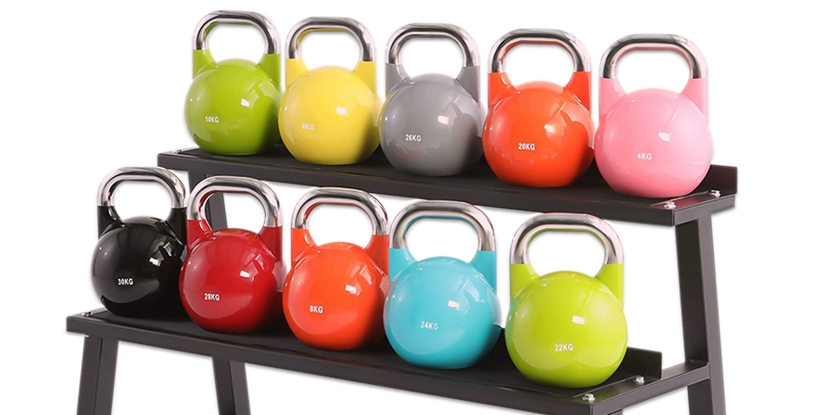
Working directly with a China factory that specializes in commercial kettlebell production ensures that your custom specifications—from handle knurling texture to specific coating colors—are integrated during the initial casting phase. This direct involvement reduces the risk of mismatched product expectations and ensures that your one piece casting kettlebell casting manufacturer can meet your specific MOQ requirements for a tailored product line.
Evaluating Sourcing Models: Wholesale vs. Custom Services
Choosing the correct procurement path depends on your business scale and long-term market positioning. While standard wholesale orders offer speed, customized services allow for greater differentiation. Below is a comparison to assist your sourcing decision-making process.
| Service Tier | Product Specification | Branding Options | Typical MOQ | Lead Time | Landed Cost Impact |
|---|---|---|---|---|---|
| Standard Wholesale | Industry-standard cast iron specs | Generic or factory logo | Lower/Standard | Short/Ready-to-ship | Lower per-unit cost |
| Customized OEM | Specific handle texture & coating | Your brand/Private label | Higher/Volume-based | Extended (Production + QC) | Moderate (Premium positioning) |
| Full ODM Solutions | Complete custom mold/design | Full brand identity integration | Highest/Contract-based | Longest (Design to Export) | Highest (Niche market value) |
When evaluating your next batch, consider that one piece casting kettlebell casting manufacturer capabilities often vary between these tiers. A standard wholesale approach is ideal for rapid inventory replenishment, whereas OEM or ODM paths are essential for distributors aiming to build a proprietary product line. Always verify how each tier affects your total landed cost, including the potential for custom packaging and specialized cast iron kettlebell QC protocols to ensure your brand standards are met before the container leaves the factory.
Standardizing Quality via Pre-Shipment Inspection
To mitigate the risks of high return rates and damaged inventory, professional importers must look beyond simple production and focus on the final stages of the supply chain. A reliable one piece casting kettlebell casting manufacturer integrates rigorous cast iron kettlebell QC protocols that address the specific failure modes of heavy cast iron products. This includes checking for surface imperfections, handle-to-body junction integrity, and the adhesion of the powder coating to ensure long-term durability in high-traffic commercial environments.
Effective commercial kettlebell production must also include precision-driven steps such as weight calibration and specialized export packaging. For distributors, ensuring that every unit falls within acceptable industry-standard weight tolerances is critical for maintaining professional credibility. Furthermore, since these products are high-density and heavy, the packaging must be optimized for container loading to prevent crushing or surface damage during sea freight. By confirming these technical details with your supplier before the final payment, you protect your distributor margin and ensure a seamless arrival at your warehouse.
Logistics and Export Readiness for Global Distributors
Managing the total landed cost is a primary concern for distributors and gym equipment importers. When sourcing directly from a one piece casting kettlebell casting manufacturer, procurement professionals can significantly reduce the hidden overhead associated with multi-stage middleman markups. By establishing a direct line to a China factory, buyers gain control over the entire supply chain, from initial casting to final container loading, ensuring higher margins for wholesale distribution.
Effective shipping optimization is critical when moving heavy iron goods across oceans. A professional one piece casting kettlebell casting manufacturer understands that weight-to-volume ratios directly impact your freight expenses. Whether you are managing a small MOQ for a boutique studio or a massive bulk order for a commercial gym chain, optimizing how units are nested and palletized within a 20ft or 40ft container is essential to protecting your bottom line.
Standardized commercial kettlebell production protocols allow for more predictable sourcing schedules. By working with an experienced supplier, you can align your procurement cycles with factory lead time realities, reducing the risk of stockouts during peak seasons. Furthermore, integrating cast iron kettlebell QC into the pre-shipment stage ensures that the goods arriving at your warehouse meet the structural integrity required for high-traffic commercial environments, preventing costly returns or replacement claims.
Optimizing Freight and Total Procurement Costs
The choice between different transport modes significantly influences the final landed cost of your inventory. For high-volume distributors, sea freight remains the industry standard due to its cost-effectiveness for heavy, high-density goods like cast iron. However, the logistical planning required for bulk orders is more complex, as container utilization must be maximized to offset ocean transit times. For smaller, time-sensitive wholesale replenishment, air freight offers speed but often becomes cost-prohibitive for heavy kettlebells due to high weight-based surcharges.
To mitigate damage during long-distance transit, professional export packaging is non-negotiable. A reliable one piece casting kettlebell casting manufacturer will utilize reinforced cartons and palletized stacking methods to protect the coating and handle integrity. This level of preparation reduces the risk of surface abrasions or structural issues upon arrival, ensuring that the commercial kettlebell production standards are maintained from the factory floor to your local warehouse.
| Logistics Model | Primary Transport | Best Use Case | Packaging Requirement | Impact on Margin |
|---|---|---|---|---|
| Small Batch / Sample | Air Freight | Testing quality or small studio orders | Standard reinforced box | Higher per-unit cost |
| Standard Distribution | Sea Freight (LCL) | Regular stock replenishment | Palletized with edge protection | Balanced cost/speed |
| High-Volume Wholesale | Sea Freight (FCL) | Large-scale gym or retail distribution | Full container load optimization | Maximum margin efficiency |
Before finalizing your shipment, we recommend confirming the specific MOQ and current lead time for your desired weight range. Our team can provide detailed packing lists and container loading plans to assist with your sourcing calculations. We invite you to request a formal quote or discuss OEM branding requirements to ensure your next shipment aligns perfectly with your commercial distribution strategy.
Managing the total landed cost is a primary concern for distributors and gym equipment importers. When sourcing directly from a one piece casting kettlebell casting manufacturer, procurement professionals can significantly reduce the hidden overhead associated with multi-stage middleman markups. By establishing a direct line to a China factory, buyers gain control over the entire supply chain, from initial casting to final container loading, ensuring higher margins for wholesale distribution.
Effective shipping optimization is critical when moving heavy iron goods across oceans. A professional one piece casting kettlebell casting manufacturer understands that weight-to-volume ratios directly impact your freight expenses. Whether you are managing a small MOQ for a boutique studio or a massive bulk order for a commercial gym chain, optimizing how units are nested and palletized within a 20ft or 40ft container is essential to protecting your bottom line.
Standardized commercial kettlebell production protocols allow for more predictable sourcing schedules. By working with an experienced supplier, you can align your procurement cycles with factory lead time realities, reducing the risk of stockouts during peak seasons. Furthermore, integrating cast iron kettlebell QC into the pre-shipment stage ensures that the goods arriving at your warehouse meet the structural integrity required for high-traffic commercial environments, preventing costly returns or replacement claims.