Kettlebell MOQ Manufacturer: Export Ready China Factory
Understanding the Kettlebell MOQ Manufacturer Landscape
Successful procurement begins with identifying the correct kettlebell MOQ manufacturer to ensure your inventory meets both quality standards and profit targets. For professional importers, the primary challenges involve managing the risks of inconsistent weight tolerances, navigating complex shipping logistics, and ensuring the technical specifications match the requirements of high-traffic commercial gyms. Selecting a direct China factory rather than a trading company allows for tighter control over the production sequence, from the initial sand casting phase to the final coating adhesion inspection, ultimately securing a more reliable distributor margin for your business.
Distributors often face the dilemma of balancing stock breadth with capital efficiency. While a wholesale kettlebell supplier might offer immediate availability for standard SKUs, working directly with a commercial kettlebell manufacturer provides the ability to customize product features such as knurling depth or handle-to-body junction integrity. This strategic sourcing approach helps mitigate the long-term costs associated with product returns or client dissatisfaction due to subpar casting quality. By optimizing your MOQ and understanding the typical lead time for customized OEM orders, you can better manage warehouse turnover and maintain a competitive edge in the professional fitness market.
Comparison of Sourcing Models for Commercial Inventory
To maximize profitability and minimize the risk of defective shipments, professional buyers must evaluate the structural differences between direct production and intermediary models. A China kettlebell factory OEM offers the highest degree of technical control, particularly when your brand requires specific surface finishes or unique weight sets. Conversely, working with a general wholesale entity may offer lower entry barriers but often results in higher landed cost due to the added markups and reduced visibility into the actual quality control steps performed during the casting and coating phases.
| Sourcing Model | Primary Advantage | Customization Capability | Typical MOQ Tier | Primary QC Focus |
|---|---|---|---|---|
| Factory-Direct (OEM/ODM) | Highest margin potential | High (Custom branding & specs) | Moderate to High | Weight tolerance & casting integrity |
| Specialized Supplier | Rapid replenishment | Limited (Standard SKUs only) | Low to Moderate | Surface finish & packaging |
| General Trading Company | Low initial barrier | Very Low | Low | Basic visual inspection |
When evaluating a kettlebell MOQ manufacturer, the objective is to secure a partnership that stabilizes your supply chain. For distributors managing high-volume bulk orders, the ability to implement private label solutions directly at the factory level ensures that your brand identity is consistently applied to every unit, from the knurling texture to the final protective coating. We recommend requesting a detailed specification sheet and confirming the specific MOQ for any customized OEM requests to ensure your sourcing strategy aligns with your projected warehouse turnover and retail pricing models.
Selecting a professional kettlebell MOQ manufacturer requires a strategic focus on how production scale influences your long-term profitability. For many distributors, the primary tension lies in balancing the lower unit costs of high-volume wholesale orders against the capital requirements of maintaining diverse SKU depth. A direct China factory capable of handling large-scale bulk orders provides the necessary stability to scale your business without the constant volatility of small-batch procurement.
Effective inventory management depends on the predictability of your supplier. When sourcing for commercial use, the goal is to optimize the relationship between the MOQ and the landed cost per unit. While a lower MOQ might seem attractive for testing new product lines, it often results in higher per-unit costs and less influence over the OEM customization process. Conversely, committing to higher volumes with an established commercial kettlebell manufacturer allows for better negotiation of terms and more rigorous oversight of the manufacturing and export-grade quality control protocols, ultimately protecting your distributor margins in a competitive market.
Material Selection and Casting Processes for Commercial Durability
When sourcing from a professional kettlebell MOQ manufacturer, understanding the relationship between base material and surface finish is critical for managing long-term replacement cycles. For distributors and gym owners, the choice between different casting methods directly impacts the landed cost and the durability of the inventory in high-traffic environments. Selecting the right commercial kettlebell manufacturer ensures that the units can withstand heavy impact without structural failure or coating degradation.
Most high-volume orders rely on sand casting techniques to produce reliable, heavy-duty units. This process typically involves pouring molten metal into a sand mold, which is the industry standard for creating the robust, single-piece bodies required for commercial gym use. While the initial sourcing phase might focus heavily on the MOQ, the long-term value of the order depends on how the weight is calibrated and how the surface is treated to prevent rust and handle wear.
Comparing Material and Production Tiers
| Material Type | Production Process | Primary Finish | Commercial Duty Tier | Sourcing Benefit |
|---|---|---|---|---|
| Cast Iron | Sand Casting | Powder Coating | Standard Commercial | High durability and cost-efficiency |
| Ductile Iron | Advanced Casting | Vinyl or PU Dip | Premium/High-End | Superior impact resistance |
| Solid Steel | Machined/Forged | Chrome Finish | Competition/Specialty | Precision and aesthetic appeal |
For a wholesale kettlebell supplier, managing the weight tolerance during the casting and machining stages is a vital part of the China kettlebell factory OEM workflow. A typical production sequence involves casting the raw bell, machining the handle for consistent grip texture, and applying a protective layer such as powder coating. This multi-step approach ensures that the product remains functional and visually intact even under constant commercial use, protecting the distributor's margins by reducing the need for early-stage replacements.
Selecting the correct material-to-finish combination is a strategic decision for any importer. While basic cast iron units are standard for budget-conscious facilities, premium distributors often look for advanced casting and coating methods to reduce long-term maintenance and replacement costs. A reliable China kettlebell factory OEM will provide transparency regarding the specific casting route and the adhesion quality of the exterior layer, as these factors dictate how the equipment performs under heavy, repetitive use in high-traffic gym environments.
Technical Specifications and Surface Integrity
The durability of a kettlebell is not just determined by the density of the metal, but by the precision of the handle-to-body junction and the quality of the surface treatment. For example, a wholesale kettlebell supplier must ensure that the transition from the handle to the bell body is smooth and free of casting defects to prevent structural weaknesses. During the pre-shipment inspection, professional buyers often focus on the uniformity of the knurling depth and the thickness of the coating to ensure it does not peel or crack under heavy usage.
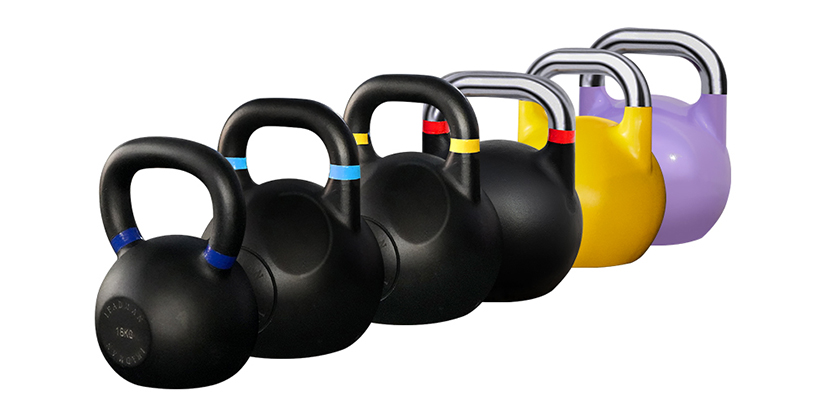
When you evaluate a kettlebell MOQ manufacturer, you should consider the specific manufacturing sequence: starting with the raw casting, followed by CNC machining for the grip, and ending with a specialized surface finish. Whether the end goal is a rugged powder-coated finish for strength training or a smooth, color-coded PU coating for boutique studios, the consistency of these layers is what maintains the product's professional appearance and structural integrity over several years of commercial service.
Critical QC Benchmarks for High-Volume Sourcing
For distributors and gym equipment importers, the risk of high return rates stems from inconsistent manufacturing standards. When sourcing from a kettlebell MOQ manufacturer, the focus must shift from simple aesthetics to technical compliance. A failure to verify weight tolerances or surface integrity during the initial China factory audit can lead to significant landed cost increases and damaged distributor margins due to defective shipments.
A professional wholesale kettlebell supplier implements a multi-stage inspection process to ensure every unit meets commercial-grade specifications. This process begins at the casting stage to identify structural weaknesses and continues through to final packaging. Without rigorous commercial kettlebell manufacturer oversight, common issues such as casting defects, uneven coating adhesion, or improper handle-to-body junction integrity can compromise the durability required for high-traffic fitness environments.
To maintain high wholesale quality standards, the China kettlebell factory must perform systematic checks on the following critical production areas:
- Weight Calibration: Ensuring consistent mass across the entire production batch to meet specified weight bands.
- Casting Integrity: Inspecting for air bubbles, cracks, or surface irregularities that could affect the structural longevity of the iron.
- Coating Adhesion: Testing the bond of powder coating or rubber layers to prevent peeling during heavy commercial use.
- Handle Ergonomics: Verifying knurling depth and handle concentricity for consistent grip performance.
By prioritizing these technical benchmarks during sourcing, procurement leads can secure reliable inventory that meets the durability demands of professional strength facilities.
Technical Inspection Matrix for Bulk Procurement
Distributors must differentiate between manufacturing tiers to align their inventory with specific market segments. A professional kettlebell MOQ manufacturer will provide clear documentation regarding the materials and processes used for different product lines. Understanding whether a unit is a single-piece cast iron model or a multi-part assembly is vital for calculating long-term maintenance loads and potential replacement cycles for your clients.
The following table outlines the typical technical differences encountered when sourcing through a China kettlebell factory OEM workflow. This comparison helps procurement leads determine which specification best fits their target commercial or premium home-gym retail channels.
| Material Type | Primary Process | Key Component Focus | Commercial Duty Tier | MOQ Impact | Factory QC Point |
|---|---|---|---|---|---|
| Cast Iron | Sand Casting | Handle-to-body junction | Budget / Standard Commercial | Lower | Base flatness and surface smoothness |
| Powder Coated Iron | Casting + Coating Line | Coating adhesion | Premium Commercial | Moderate | Color uniformity and grip texture |
| Rubber Coated | Casting + Injection Molding | Encapsulation layer | High-End / Durable Commercial | Higher | Bond strength and thickness consistency |
| Competition Steel | Precision Machining | Knurling depth | Elite / Competition | Highest | Weight tolerance and concentricity |
When conducting a wholesale order evaluation, we recommend requesting a sample to verify the handle texture and the durability of the powder coating. A reliable wholesale kettlebell supplier should be able to provide detailed specifications regarding their weight calibration methods and their process for preventing casting defects during high-volume production runs.
Pre-Shipment Logistics and Export-Grade Packaging
Beyond the physical integrity of the product, the final stage of the pre-shipment inspection focuses on the stability of the load for long-haul transit. For professional importers, the risk of damaged goods arriving at a warehouse is a direct threat to distributor margins. A high-tier China kettlebell factory OEM must implement standardized export packaging that accounts for the high density and potential impact of iron weights during sea freight.
Standardized export packaging protocols typically involve reinforced corrugated cartons and heavy-duty dividers to prevent movement within the container. During the final QC check, inspectors verify the base flatness of each unit to ensure they sit securely in shipping crates, reducing the risk of shifting. Furthermore, verifying the durability of the surface finish and coating adhesion under transit-simulated stress is essential. Ensuring that your bulk order arrives in pristine, retail-ready condition requires a factory that prioritizes both structural quality and logistics-ready presentation, protecting your long-term sourcing investment.
Customization and OEM Capabilities for Brand Identity
For distributors looking to transition from generic stock to a proprietary product line, engaging a professional kettlebell MOQ manufacturer is a strategic move to build long-term brand equity. Beyond basic bulk purchasing, high-level OEM and ODM services allow you to differentiate your catalog in a crowded market by controlling every physical touchpoint of the product.
A specialized China kettlebell factory OEM can translate your brand identity into high-performance hardware. This process goes far beyond simple custom branding; it involves precise technical control over the product's tactile and visual characteristics. For example, you can specify the exact handle texture or knurling depth to meet specific grip requirements for your target demographic, ensuring your branded units feel premium during high-intensity use.
Advanced customization options typically include:
- Logo Placement: Options for sandblasted, etched, or high-durability color-filled logos on the bell body or handle.
- Color/Coating Options: Selecting between standard powder coating, specialized PU coating, or custom color-matched vinyl dips to align with your brand colors.
- Surface Finishes: Choosing between matte, gloss, or textured finishes to manage both aesthetics and grip friction.
Working with a dedicated wholesale kettlebell supplier ensures that these custom specifications do not compromise the structural integrity of the cast iron or the weight calibration. Whether you are developing a niche studio line or a full-scale commercial distribution brand, these sourcing capabilities allow you to scale your product offerings while maintaining a consistent, professional appearance across your entire inventory.
Comparison of Customization Tiers for Bulk Procurement
Understanding the distinction between standard stock orders and advanced customization is vital for managing your landed cost and inventory complexity. Most commercial kettlebell manufacturer operations offer two distinct paths: a standard wholesale model and a high-tier customization model. The choice depends on whether your priority is rapid replenishment of proven SKUs or building a unique, premium brand identity that justifies a higher price point in your local market.
A lower MOQ typically applies to standard products, where you select from existing molds and colors. However, as you move toward a full OEM or ODM partnership, the technical depth increases. For instance, while standard orders use existing sand casting molds, premium customization may require the creation of a new proprietary mold to achieve a specific handle-to-body ratio or a unique aesthetic silhouette. This level of development requires a more rigorous factory audit and a longer lead time to ensure the new mold meets your brand's precision standards.
| Customization Tier | Typical Product Profile | Branding Depth | Material & Process Focus | Typical MOQ Impact |
|---|---|---|---|---|
| Standard Wholesale | Stock cast iron or powder-coated units | Single-color logo or sticker | Standard sand casting and coating | Lower MOQ for rapid stock |
| Premium OEM | Custom color PU or specialized coating | Etched or embossed logo on bell | Precision knurling and custom molds | Moderate MOQ for brand consistency |
| Full ODM | Proprietary design and weight sets | Integrated 360-degree branding | Advanced CNC machining and finish | Higher MOQ for specialized production |
When evaluating your next sourcing project, consider the long-term maintenance and durability of your custom choices. A wholesale kettlebell supplier can advise on whether a custom color-filled logo will maintain its clarity under heavy usage or if a standard embossed design is more cost-effective for a high-traffic commercial environment. Always request a sample approval for any custom coating or branding before committing to a large-scale production run to verify adhesion and visual fidelity.
Logistics and Quality Control for Custom Orders
Navigating the complexities of custom production requires a clear understanding of how technical specifications influence your bottom line. When working with a kettlebell MOQ manufacturer, it is essential to recognize that highly customized orders—such as those involving proprietary molds or specialized finishes—will inherently impact both the initial lead time and the overall production schedule. A standard bulk order of stock items can often be fulfilled through rapid replenishment, but a full OEM project involves additional stages of mold engineering, calibration, and specialized surface treatment that must be accounted for in your procurement timeline.
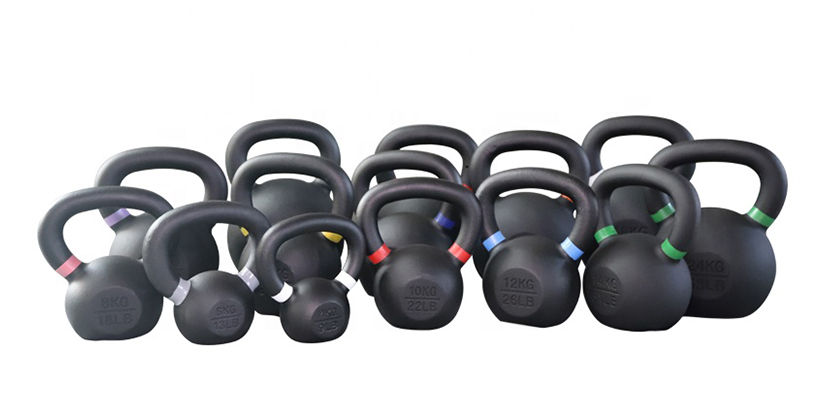
To mitigate the risk of receiving sub-standard batches, professional importers must implement a rigorous sample evaluation phase before authorizing full-scale production. This stage is critical for testing the adhesion of custom coatings, such as PU or rubber, and ensuring the knurling depth meets your brand's tactile standards. A reliable China kettlebell factory OEM will provide these samples for your inspection to confirm that the weight tolerance and handle-to-body junction integrity align with your commercial-grade requirements.
Quality assurance does not end at the production line. For high-volume wholesale shipments, the final inspection must include a comprehensive check of the QC standards regarding both the physical product and the shipping readiness. This includes verifying the uniformity of the casting, the durability of the branding, and the resilience of the export-grade packaging. High-quality, reinforced packaging is a non-negotiable requirement for international transit to prevent damage to the coating or structural deformation during sea freight, ultimately protecting your landed cost and ensuring your product arrives in a distributor-ready state.
Optimizing Logistics and Export Packaging for Container Loading
For professional distributors and gym equipment importers, the total landed cost is often dictated more by logistics efficiency than by the unit price of the product itself. When sourcing from a kettlebell MOQ manufacturer, failing to account for shipping volume and weight density can erode distributor margins during transit. Effective procurement requires a partner who understands how to balance high-density weight with optimized spatial footprints to maximize container utility.
Efficient container loading efficiency is a critical lever in reducing the per-unit freight expense. Because kettlebells are high-density items, the primary constraint is often weight capacity rather than volume. A professional wholesale kettlebell supplier will utilize specialized palletizing and stacking strategies to ensure that the weight limit of a 20ft or 40ft container is reached precisely without exceeding it, thereby minimizing wasted sea freight potential. Without these optimized packing protocols, importers often pay for "empty air," significantly increasing the landed cost of each shipment.
To mitigate the risks of high volumetric weight and shipping damage, a China kettlebell factory OEM must implement rigorous export-grade packaging. This includes using reinforced corrugated cartons and heavy-duty pallets designed to withstand the immense pressure of stacked cast iron units. By coordinating closely with a commercial kettlebell manufacturer regarding dimensions and weight tiers, buyers can optimize their sea freight optimization strategies, ensuring that every cubic meter of the container contributes to a more profitable bulk order.
Packaging Tier Comparison for Bulk Sourcing
Selecting the appropriate packaging method is a strategic decision for any procurement manager. While the goal is to minimize the landed cost, the method chosen must prevent surface oxidation and structural damage during long-distance maritime transit. A professional kettlebell MOQ manufacturer provides various tiers of protection to suit different budget and durability requirements.
| Packaging Method | Protective Layering | Primary Use Case | Shipping Density | Logistics Impact |
|---|---|---|---|---|
| Standard Bulk Carton | Single-wall corrugated cardboard | Entry-level wholesale orders | High | Lowest cost; minimal spatial footprint |
| Reinforced Export Box | Double-wall heavy-duty corrugated | Standard commercial kettlebell manufacturer stock | Medium | Balanced protection for long-haul sea freight |
| Premium Industrial Crate | Reinforced pallet with multi-layer wrap | High-end China kettlebell factory OEM orders | Low/Optimized | Maximum protection against impact and moisture |
When calculating bulk shipping budgets, importers should evaluate the trade-off between protection and shipping density. For instance, using reinforced export-grade packaging may slightly increase the volumetric footprint, but it drastically reduces the risk of dented handles or chipped coatings. A reliable wholesale kettlebell supplier will provide detailed packing lists and dimensions prior to shipment, allowing your logistics team to plan palletization and container loading with precision to avoid unexpected port storage fees.
Strategic Sourcing Checklist for Global Distributors
For professional importers and gym equipment distributors, transitioning from simple retail purchasing to professional procurement requires a structured approach. Identifying a reliable kettlebell MOQ manufacturer is the first step in securing consistent margins and high-quality inventory. A formal sourcing strategy ensures that your bulk orders meet international commercial standards while optimizing landed costs.
Relying on a standard wholesale kettlebell supplier without a technical checklist often leads to high return rates or damaged reputation. Professional procurement involves evaluating the China kettle factory through the lens of scalability and technical precision. You must verify the casting process to ensure uniformity and confirm that the weight tolerance meets commercial-grade specifications. Without these controls, a commercial kettlebell manufacturer might provide units that vary significantly in density or balance, complicating your inventory management and client satisfaction.
Effective procurement goes beyond just finding a low price; it requires a deep dive into quality control protocols and production capabilities. A professional factory should provide transparent data regarding their OEM and ODM services, ensuring your brand identity is integrated seamlessly into the final product. By establishing these technical benchmarks early, distributors can mitigate the risks of receiving substandard batches and ensure long-term profitability in the competitive fitness market.
Technical Material and Manufacturing Comparison
Understanding the structural differences between various production methods is essential for calculating long-term replacement costs and inventory turnover. When engaging with a kettlebell MOQ manufacturer, distributors must distinguish between basic utility and high-performance commercial-grade units to protect their brand reputation.
| Material | Manufacturing Process | Key Component Focus | Commercial Duty Tier | MOQ Impact | Factory QC Point |
|---|---|---|---|---|---|
| Cast Iron | Sand Casting | Handle-to-body junction | Budget/Standard | Lower | Weight calibration |
| Cast Iron | Powder Coating | Coating adhesion | Commercial | Moderate | Surface uniformity |
| Cast Iron | PU Coating | Encapsulation layer | Premium | Higher | Handle texture |
| Solid Steel | Machining/CNC | Knurling depth | Competition/Elite | Highest | Concentricity check |
The selection of a wholesale kettlebell supplier often depends on whether your target market requires durability or aesthetic precision. For instance, a China kettlebell factory OEM specializing in sand casting can offer highly competitive pricing for large-scale gym fit-outs, whereas manufacturers utilizing specialized powder coating lines provide the surface durability required for high-traffic studio environments. Always confirm the weight calibration protocols and the integrity of the handle-to-body junction during your initial sourcing phase to ensure every unit meets the expected commercial-grade standard.
Pre-Shipment Inspection and Export Standards
To mitigate the risk of high landed costs due to shipping damages or substandard batches, distributors must establish a rigorous pre-shipment inspection protocol. A professional kettlebell MOQ manufacturer should provide detailed documentation regarding their export-grade QC. This includes verifying the handle texture for consistency, testing the coating adhesion to prevent peeling in high-humidity environments, and checking base flatness to ensure stability on commercial flooring. A single faulty batch of poorly cast iron can lead to significant replacement costs and damage your brand reputation among professional gym owners.
Beyond the physical product, the logistical reliability of your China kettlebell factory OEM is determined by their export packaging and shipping efficiency. High-density weight products require reinforced, moisture-resistant packaging to survive long-distance sea freight without structural compromise. When negotiating with a commercial kettlebell manufacturer, always request a clear breakdown of the lead time, including production, calibration, and container loading phases. Clear communication regarding palletization and volume optimization will ensure that your wholesale orders arrive on schedule and with maximum space efficiency, protecting your distributor margins and inventory turnover rates.