Cast Iron Fitness Equipment Export Manufacturer: Commercial
Total Cost of Ownership for Cast Iron Fitness Equipment
For a boutique fitness studio or a regional gym chain, the procurement decision extends far beyond the initial invoice. While a low unit price might appear attractive during a bulk order, the true expense is found in long-term operational overhead. When sourcing from a cast iron fitness equipment export manufacturer, professional buyers must evaluate the total landed cost, which includes shipping, duties, and the eventual replacement cycle driven by product durability.
In many commercial settings, purchasing low-grade commercial cast iron weights leads to premature surface degradation or uneven weight distribution, forcing distributors to deal with frequent returns and customer dissatisfaction. A high-quality China factory focuses on the longevity of the casting and the adhesion of the finish to ensure that the wholesale gym equipment manufacturing process results in a product that survives high-traffic environments without constant maintenance. By prioritizing structural integrity and standardized coating processes, importers can achieve a much higher return on investment through reduced replacement frequency and lower long-term maintenance requirements.
Evaluating Material Finishes and Long-Term ROI
The choice of surface treatment is a critical variable in the long-term profitability of a fitness facility. For distributors and gym owners, the initial savings of a budget-tier finish are often erased by the increased labor costs required for upkeep. When evaluating a cast iron fitness equipment export manufacturer, it is essential to understand how different coating methods affect the lifespan and maintenance frequency of the inventory.
A high-quality China factory typically offers several finishing tiers to meet different commercial duty requirements. For example, while bare iron is cost-effective for short-term projects, it is highly susceptible to oxidation in humid environments. Conversely, advanced options like high-grade powder coating or specialized PU coating provide a robust barrier that protects the underlying iron, significantly extending the product life cycle. Choosing the correct specification during the wholesale gym equipment manufacturing phase ensures that the equipment remains aesthetically professional and structurally sound for years, maximizing the ROI for the end-user.
| Material Finish | Process Type | Commercial Duty Tier | Maintenance Frequency | Sourcing ROI Potential |
|---|---|---|---|---|
| Bare Iron | Phosphate Treatment | Budget / Entry-Level | High (Requires frequent oiling) | Low (Short lifespan in high-humidity) |
| Powder Coated | Multi-coat Electrostatic | Standard Commercial | Low (Standard cleaning) | Moderate (Durable and cost-effective) |
| PU Coated | Polyurethane Encapsulation | Premium / High-Traffic | Very Low (Highly resistant) | High (Maximum durability/longevity) |
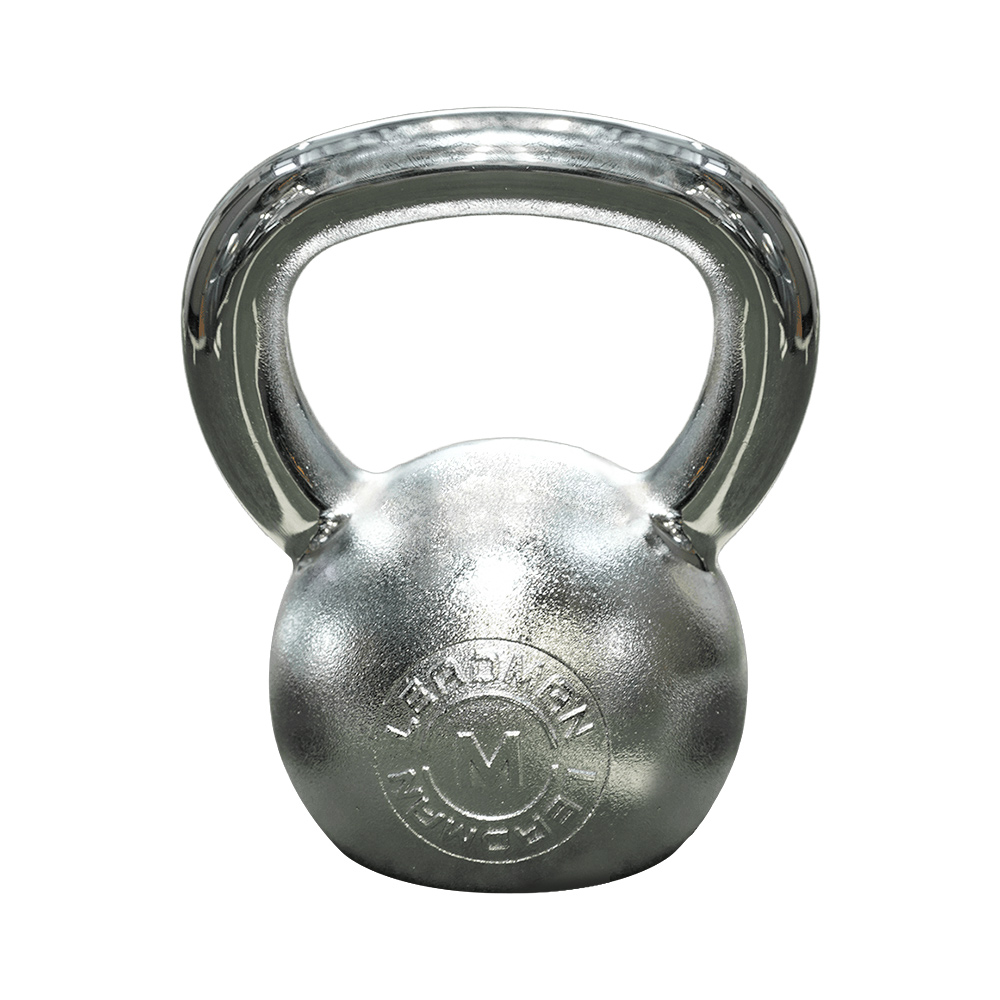
| Chrome Finish | Electroplating | Competition / Boutique | Low (Surface polishing) | Variable (High initial cost) |
When conducting sourcing for large-scale gym installations, we recommend requesting a sample to verify coating adhesion and texture. A reliable supplier will provide transparent details regarding the coating layers to ensure the product meets the expected commercial standards. For those looking to optimize their landed cost, matching the finish to the specific environmental conditions of the destination market is the most effective way to prevent premature depreciation of assets.
Optimizing Logistics and Supply Chain Efficiency
Beyond the physical product, professional procurement involves managing the complexities of international shipping and inventory turnover. A professional cast iron fitness equipment export manufacturer understands that the total landed cost is heavily influenced by how effectively goods are prepared for long-haul transit. Inefficient packaging or poor container loading strategies can lead to damaged goods, increased insurance claims, and ultimately, a higher cost per unit for the distributor.
To maintain high margins, importers should prioritize a China factory fitness equipment export partner that utilizes standardized, heavy-duty export packaging. This includes reinforced corner protection for cast iron units and high-strength corrugated boxes designed to withstand the rigors of sea freight. Furthermore, understanding the relationship between MOQ and lead time is vital for maintaining a steady stock level without overextending capital. A reliable supplier will offer clear communication regarding production cycles and shipping windows, allowing distributors to plan their inventory arrivals with precision. By optimizing both the physical protection of the weights and the logistical flow, buyers can reduce unexpected expenses and ensure a predictable, scalable supply chain for their commercial clients.
Material Selection and Surface Finishing Standards
Selecting a reliable cast iron fitness equipment export manufacturer requires a deep understanding of how raw material composition affects long-term commercial utility. For distributors and gym operators, the primary concern is not just the initial purchase price, but the total cost of ownership and the durability of the product under high-frequency usage. A professional China factory typically utilizes high-quality gray iron to ensure density and structural integrity, which minimizes the risk of cracking or structural failure during heavy lifting sessions.
The manufacturing process begins with precision sand casting to achieve the desired weight distribution and shape. Once the casting is complete, the component undergoes machining and surface treatment to ensure a consistent finish. For commercial cast iron weights, the choice between a bare iron finish, phosphate treatment, or multi-coat powder coating significantly impacts the maintenance load and the lifespan of the equipment in a commercial environment.
When managing wholesale gym equipment manufacturing, importers must evaluate how different finishes perform against oxidation and physical abrasion. A high-quality powder coating provides a protective barrier that is essential for maintaining the aesthetic and structural value of the inventory in humid or high-traffic gym settings.
| Material / Process Type | Surface Treatment | Commercial Duty Tier | Durability Profile | Procurement Advantage |
|---|---|---|---|---|
| Gray Iron (Sand Casting) | Bare Iron / Phosphate | Budget / Entry-Level | Standard | Lowest landed cost for high-volume orders |
| Gray Iron (Sand Casting) | Single-Coat Powder | Standard Commercial | Moderate | Balanced cost and visual appeal |
| Gray Iron (Sand Casting) | Multi-Coat Powder Coating | Premium Commercial | High | Minimized maintenance and oxidation risk |
| Gray Iron (Sand Casting) | PU / Rubber Coating | Elite / High-End | Very High | Superior floor protection and grip |
Understanding these technical distinctions allows a professional supplier to better align product specifications with their specific market positioning, whether they are targeting budget-friendly fitness centers or premium boutique studios. Evaluating these material-driven variables during the sourcing phase is critical to ensuring that the delivered goods meet the rigorous demands of the international commercial market.
Technical evaluation of surface finishes is a critical step in the procurement process for professional importers. The longevity of the equipment is directly tied to how the manufacturer manages oxidation and physical wear. For example, while a basic phosphate treatment is effective for standard use, a professional cast iron fitness equipment export manufacturer will often offer advanced options like high-grade
powder coating
orPU coating
to meet the demands of high-traffic commercial environments. These advanced layers provide superior resistance to moisture and heavy handling, which reduces the long-term maintenance load for the end-user and protects the distributor's reputation for quality.When vetting a China factory fitness equipment export partner, importers should inquire about the specific application methods used for these coatings. A multi-coat application process typically ensures better adhesion and a more uniform aesthetic, which is essential for premium branding and private label projects. Choosing the correct tier of finishing—whether it is a standard industrial coating or a premium polyurethane encapsulation—allows a buyer to optimize their landed cost based on the target market's expected durability requirements and maintenance capacity.
Technical evaluation of surface finishes is a critical step in the procurement process for professional importers. The longevity of the equipment is directly tied to how the manufacturer manages oxidation and physical wear. For example, while a basic phosphate treatment is effective for standard use, a professional cast iron fitness equipment export manufacturer will often offer advanced options like high-grade powder coating or PU coating to meet the demands of high-traffic commercial environments. These advanced layers provide superior resistance to moisture and heavy handling, which reduces the long-term maintenance load for the end-user and protects the distributor's reputation for quality.
When vetting a China factory fitness equipment export partner, importers should inquire about the specific application methods used for these coatings. A multi-coat application process typically ensures better adhesion and a more uniform aesthetic, which is essential for premium branding and private label projects. Choosing the correct tier of finishing—whether it is a standard industrial coating or a premium polyurethane encapsulation—allows a buyer to optimize their landed cost based on the target market's expected durability requirements and maintenance capacity.
Critical Component Inspection and Quality Control
For professional importers and distributors, the risk of sourcing substandard equipment lies in invisible manufacturing flaws. When selecting a cast iron fitness equipment export manufacturer, technical scrutiny must extend beyond simple weight verification to include the structural integrity of the casting itself. Substandard production often results in casting defects such as air pockets, cracks, or uneven density, which can compromise the safety of the unit during high-volume commercial use. Relying on a China factory fitness equipment export model requires a rigorous pre-shipment inspection protocol to ensure that every batch meets the necessary commercial durability standards required for gym environments.
Surface imperfections also present a significant procurement risk. Improper surface finishing can lead to premature oxidation or coating failure, increasing the total cost of ownership for the end-user. A professional wholesale gym equipment manufacturing partner will implement a systematic approach to quality control, moving from the initial casting stage through to final weight calibration. This ensures that the commercial cast iron weights delivered to your warehouse are free from sharp edges, uneven textures, or structural inconsistencies that could lead to client complaints or high replacement rates.
To mitigate these risks, we recommend that buyers focus on the following technical checkpoints during the sourcing and audit process:
- Verification of the casting process to prevent internal voids or structural weaknesses.
- Inspection of the surface finish to ensure high adhesion and resistance to environmental wear.
- Weight tolerance spot-checks to ensure consistency across bulk orders.
- Physical inspection of the knurling and handle texture for uniformity and safety.
Before finalizing your bulk order, we suggest requesting a detailed specification sheet or arranging a sample evaluation to confirm that the production standards align with your brand's requirements. Our factory can also provide specific details regarding OEM customization and MOQ tiers to assist in your inventory planning.
Technical Checklist for Pre-Shipment Inspection
A rigorous pre-shipment QC protocol is the most effective way for a distributor to protect their margins. When managing large-scale procurement, the focus must shift from individual unit aesthetics to technical compliance. A reliable cast iron fitness equipment export manufacturer will provide verifiable data on weight tolerance and surface integrity before any container is loaded. For example, while single-unit variance is expected in sand casting, a professional wholesale gym equipment manufacturing facility maintains strict internal standards to ensure that the deviation remains within industry-standard commercial limits. This consistency is vital for maintaining the reputation of your brand in the local market.
Beyond weight, the durability of the surface treatment is a frequent point of failure in lower-tier production. Buyers should prioritize the assessment of coating adhesion. In many commercial settings, the constant friction of handling can cause thin or low-quality finishes to flake, leading to rust and high maintenance costs. We recommend inspecting the bond between the cast iron body and the final finish—whether it be powder coating or enamel—to ensure it can withstand heavy commercial use. This level of detail in the pre-shipment QC process is what differentiates a high-tier China factory fitness equipment export partner from a basic low-cost supplier, directly impacting your long-term landed cost and product reliability.
To ensure your next shipment meets all technical requirements, we suggest the following steps: request a detailed material specification sheet, confirm the weight tolerance range for your specific order, and arrange for a sample approval or a third-party factory audit to verify the coating adhesion and casting quality.
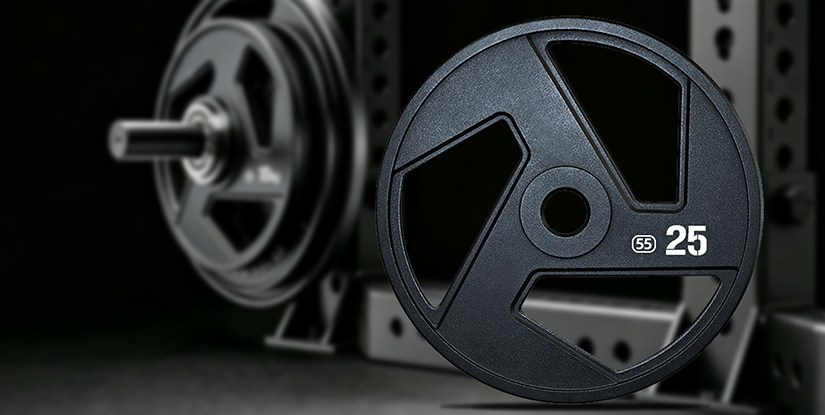
Standardized Inspection Comparison for Procurement Decisions
To facilitate an efficient sourcing process, procurement managers must distinguish between budget-tier production and professional-grade commercial outputs. The following table outlines the qualitative differences in production standards that impact long-term durability and your total cost of ownership. When evaluating a cast iron fitness equipment export manufacturer, use these benchmarks to assess whether the supplier's technical capabilities align with your market positioning.
| Material & Process Focus | Budget Tier (Standard Retail) | Commercial Grade (Professional) | Procurement Impact |
|---|---|---|---|
| Casting Integrity | Basic sand casting with higher risk of surface voids or uneven density. | High-density gray iron casting with controlled cooling to ensure structural stability. | Reduces replacement rates and liability in high-traffic gyms. |
| Surface Finishing | Single-coat thin paint or basic enamel; prone to flaking under friction. | Multi-coat powder coating or high-adhesion enamel for superior durability. | Lowers maintenance frequency and protects brand reputation. |
| Weight Accuracy | High variance; inconsistent weight distribution across bulk orders. | Strict adherence to industry-standard commercial weight tolerances. | Ensures professional training consistency for end-users. |
| Handle & Texture | Variable knurling depth; potential for sharp edges or uneven grip. | Uniform, precision-molded handle textures for ergonomic safety. | Critical for user safety and long-term commercial utility. |
| Sourcing Model | Often low MOQ; focus on single-unit sales or small-scale retail. | Structured for wholesale, OEM, and ODM bulk distribution. | Supports scalable business growth and predictable inventory. |
Selecting the right commercial cast iron weights requires looking past the initial unit price to the technical reliability of the manufacturing route. A professional China factory fitness equipment export partner will provide transparency regarding their casting, machining, and coating sequences. We recommend that distributors request a detailed inspection report or a physical sample to verify that the surface finish and weight consistency meet your specific market requirements before proceeding with a full-scale wholesale order.
Sourcing Strategy from a China Factory Fitness Equipment Export
For professional distributors and large-scale gym developers, the selection of a cast iron fitness equipment export manufacturer is a critical decision that directly impacts the total cost of ownership and long-term profitability. When sourcing commercial cast iron weights in bulk, the focus must shift from the initial purchase price to the long-term durability of the finish and the reduction in maintenance-related overhead.
A low-quality surface finish often leads to premature oxidation or peeling, which increases the maintenance burden for the end-user and damages your reputation as a supplier. By prioritizing wholesale gym equipment manufacturing partners that utilize advanced powder coating techniques, importers can ensure that the equipment remains visually pristine even under heavy commercial use. High-quality coating adhesion provides a protective barrier that preserves the durability of the iron core, effectively lowering the frequency of replacement and stabilizing the landed cost over the product's lifecycle. For a China factory, providing these high-standard finishing options is essential to maintaining a competitive distributor margin in the North American market.
Technical Comparison of Casting and Finishing Options
Selecting the correct production method is essential for balancing market positioning with shipping efficiency. For distributors, the choice between sand casting and more advanced processes often dictates the unit's durability and the eventual MOQ requirements. A high-quality China factory will typically offer tiered options to help you match the product to specific commercial environments, from budget-friendly training centers to premium strength facilities.
| Material Base | Surface Finishing | Key Component Detail | Commercial Duty | MOQ Impact | Factory QC Point |
|---|---|---|---|---|---|
| Gray Iron | Sand Casting & Paint | Standard handle texture | Budget / Entry-level | Lower MOQ | Base flatness check |
| Cast Iron | Multi-coat powder coating | Enhanced knurling depth | Standard Commercial | Standard wholesale | Coating adhesion test |
| Premium Iron | Advanced PU or Rubber | Precision molded grip | High-end / Premium | Higher MOQ | Weight tolerance spot-check |
Understanding these technical trade-offs allows for more accurate sourcing strategies. For instance, while sand casting is a cost-effective method for high-volume wholesale gym equipment manufacturing, opting for a multi-coat powder coating process significantly improves the product's resistance to moisture and high-traffic wear. When evaluating your next batch, we recommend requesting a sample to verify the surface finishing quality and the consistency of the handle texture before finalizing your bulk order.
Optimizing Export Logistics and Replacement Planning
Efficient China factory fitness equipment export depends heavily on the synergy between robust manufacturing and specialized export packaging. For a professional supplier, the goal is to minimize damage during long-distance ocean freight while maximizing container density. This is why we implement rigorous protocols for weight tolerance and structural integrity. A high-standard cast iron fitness equipment export manufacturer ensures that every unit meets a consistent weight specification, reducing the risk of discrepancies that can lead to costly customs disputes or client dissatisfaction during bulk deliveries.
Beyond the weight check, the durability of the commercial cast iron weights is protected through reinforced packaging. We utilize heavy-duty, multi-layered protective materials designed to withstand the rigors of international shipping and multi-point handling. This proactive approach to export packaging reduces the need for replacement parts or full-unit returns, protecting your distributor margin and ensuring a predictable lead time for your clients. When planning your next wholesale order, we recommend discussing customized palletization and container loading plans to optimize your total landed cost and warehouse receiving efficiency.
OEM and Private Label Customization Capabilities
For distributors and large-scale importers, standard inventory often fails to differentiate a brand in a competitive market. Partnering with a professional cast iron fitness equipment export manufacturer allows you to transition from a mere reseller to a brand owner. Through specialized OEM and ODM services, we provide the technical infrastructure necessary to move beyond generic stock and build a unique product identity that commands higher distributor margins.
Customization scope extends far beyond simple surface marking. When you engage in wholesale gym equipment manufacturing through our facility, you gain control over the physical identity of your product line. This includes mold customization for unique weight shapes, specific handle textures, and specialized dimensions that meet your regional market demands. Whether you require a specific aesthetic for a boutique studio chain or a rugged, industrial look for a heavy-duty strength facility, our technical team manages the transition from concept to finished unit.
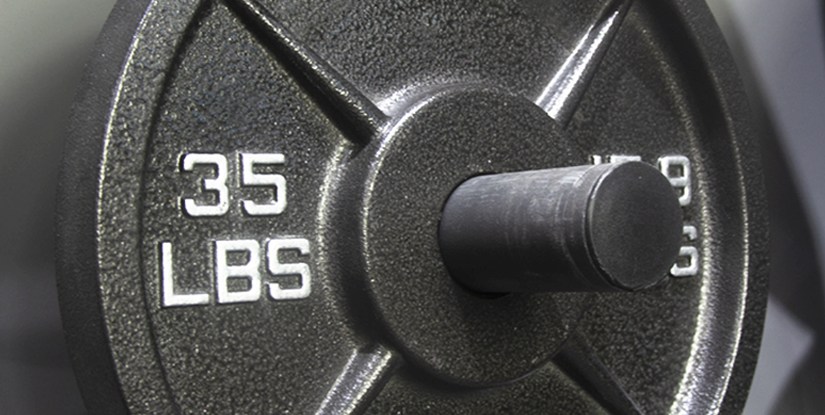
Branding requirements are handled with precision to ensure long-term durability. We offer various branding solutions, ranging from high-visibility custom logo applications—such as precision sandblasting, raised relief casting, or high-durability paint stencils—to integrated metal logo plates. These methods ensure your brand identity remains intact even after years of heavy commercial use and high-impact training. Because every private label project involves specific production setups, we work closely with you to define the MOQ and lead time requirements for both standard and custom-molded commercial cast iron weights.
Working directly with a China factory fitness equipment export specialist ensures that your custom specifications are integrated into the production flow early, preventing costly late-stage changes. From the initial casting phase to the final coating application, every step of your custom order is documented to ensure the final product aligns with your brand's quality standards and technical requirements.
Customization Tiers and Technical Specifications
To assist in your procurement planning, the following table outlines the different levels of customization available. Choosing the correct tier is essential for balancing your brand identity with your target landed cost and inventory turnover goals. Most distributors select a mid-tier option to maintain a professional appearance while managing the MOQ effectively.
| Customization Level | Branding Method | Surface Finish Options | Typical Application | MOQ Impact |
|---|---|---|---|---|
| Standard Wholesale | Standard Paint Stencil | Black Powder Coat or Bare Iron | General Commercial Gyms | Low / Standard |
| Professional Tier | Raised Relief Casting | Enamel or High-Gloss Paint | Premium Fitness Studios | Moderate |
| Premium Private Label | Integrated Metal Logo Plate | Full PU or Rubber Encapsulation | High-End Boutique Chains | High |
| Full Customization | Custom Mold Shape/Handle | Multi-color Specialized Coating | Exclusive Brand Collections | Significant |
When evaluating a cast iron fitness equipment export manufacturer, it is vital to understand how these choices affect your long-term maintenance and replacement planning. While higher-tier finishes like full encapsulation provide superior protection and a premium feel, they also require more complex production cycles. We recommend reviewing these technical tiers during your initial sourcing phase to ensure your chosen specification aligns with your projected distributor margins and the durability requirements of your target market.
Logistics, Quality Control, and Export Efficiency
The complexity of international shipping requires more than just a reliable product; it requires a predictable supply chain. For importers managing large-scale distribution, the risk of receiving damaged or non-compliant units can devastate a seasonal launch or a retail rollout. As a dedicated cast iron fitness equipment export manufacturer, we mitigate these risks through a structured approach to pre-shipment protocols and robust export packaging designed for the rigors of ocean freight.
Our quality control process is integrated into every production stage, rather than being treated as a final step. Before any wholesale gym equipment manufacturing run is cleared for shipment, the units undergo a rigorous multi-stage inspection. This includes weight tolerance spot-checks to ensure consistency across the batch, surface adhesion testing for powder-coated finishes, and a physical inspection of the casting integrity to prevent structural defects. This level of scrutiny ensures that your commercial cast iron weights arrive at your warehouse meeting the exact specifications defined in your purchase order.
To protect your investment during transit, we implement industry-standard export packaging. This involves heavy-duty corrugated boxes, reinforced corner protectors, and palletization optimized for container loading density. Proper palletization is critical for reducing the landed cost per unit, as it maximizes the volume utilization of a 20ft or 40ft container. By optimizing the stacking patterns and securing the load with high-strength strapping, we minimize the movement of heavy iron goods, reducing the likelihood of dented finishes or broken packaging upon arrival at your destination port.
Managing a global supply chain requires transparency regarding lead times and shipping readiness. Whether you are placing a standard wholesale order or a complex OEM project, we provide clear documentation throughout the process. From the moment the MOQ is met and production begins, we maintain focus on the final delivery timeline. This allows you to plan your local marketing, warehousing, and distributor fulfillment with confidence, knowing that your shipment is being prepared with the precision expected from a leading China factory fitness equipment export partner.
Optimizing Logistics and Export Packaging for Bulk Orders
Managing the transit of heavy, high-density weight sets requires more than standard shipping protocols. For distributors managing high-volume inventory, any oversight in the export packaging process can lead to significant damage claims and eroded profit margins. When sourcing from a cast iron fitness equipment export manufacturer, the structural integrity of the product must be matched by the durability of the shipping solution to ensure a safe arrival at your warehouse.
Standard logistics often fail to account for the extreme impact forces encountered during sea freight or long-haul trucking. A professional China factory specialized in heavy metal goods will implement multi-layered protection strategies. This typically includes reinforced corrugated cartons, heavy-duty palletizing, and customized corner protectors to prevent denting or surface coating fractures. By prioritizing shipping damage prevention, importers can effectively lower their landed cost by reducing the need for replacement shipments and minimizing logistical friction.
For those managing bulk orders, the efficiency of the packaging directly impacts warehouse efficiency and container utilization rates. Optimized stacking patterns and standardized pallet dimensions allow for maximum volume density, ensuring that every cubic meter of your shipping container is utilized effectively. This level of detail in the wholesale gym equipment manufacturing process ensures that your sourcing strategy remains profitable and that your inventory arrives ready for immediate distribution to end-users.
Shipping Mode Comparison for Global Importers
Selecting the correct transport method is a critical decision for procurement professionals evaluating the total cost of ownership. While air freight offers speed, the high volumetric weight of commercial cast iron weights often makes it economically unfeasible for large-scale inventory replenishment. For most distributors, sea freight remains the industry standard due to its ability to handle high-density cargo at a much lower cost per unit, provided the wholesale gym equipment manufacturing partner utilizes professional-grade protection.
| Shipping Mode | Typical Use Case | Packaging Requirement | Impact on Landed Cost |
|---|---|---|---|
| Sea Freight | High-volume replenishment / Full container loads | Heavy-duty palletization and moisture protection | Lowest cost for bulk sourcing |
| Air Freight | Urgent sample approval or small SKU testing | Reinforced cartons and high-impact padding | Highest cost; limited by density |
| LCL (Less than Container Load) | Diversifying inventory with multiple suppliers | Strict moisture-proof wrapping and crate reinforcement | Moderate; depends on volume and weight |
To mitigate risks during long-distance transit, a reliable cast iron fitness equipment export manufacturer will integrate moisture protection, such as desiccants or specialized liners, to prevent oxidation during transit through humid maritime environments. When negotiating your next bulk order, we recommend confirming the specific MOQ for customized palletized configurations. This ensures that your China factory production schedule aligns with your logistics provider's requirements, optimizing both the lead time and the overall efficiency of your supply chain.
Container Loading Optimization and Weight Tolerance Verification
Effective container loading is a technical discipline that directly influences your final landed cost. For professional importers, maximizing the density of a 20ft or 40ft container is essential to justify the freight expense of heavy goods. A professional China factory fitness equipment export partner does not simply fill space; they utilize calculated stacking patterns to ensure that the weight distribution remains balanced, preventing container tilt or structural stress during ocean transit. This optimization process ensures that your wholesale shipments achieve the highest possible volume-to-weight ratio, maximizing the value of every shipment.
Beyond spatial efficiency, rigorous weight tolerance checks are a non-negotiable part of the pre-shipment inspection. In the high-density weight sector, even minor deviations can accumulate across a bulk order, leading to discrepancies in your inventory records and potential compliance issues with commercial gym standards. We implement standardized spot-checks to ensure that every piece of commercial cast iron weights meets the agreed-upon weight specifications before it is palletized. By verifying these tolerances at the source, we help distributors maintain high levels of trust with their end-clients and protect their long-term distributor margin.
Before finalizing your next procurement cycle, we recommend requesting a detailed loading plan and a sample inspection report. Whether you are focusing on OEM custom branding or standard wholesale replenishment, confirming these logistical details—including pallet stability and moisture-proof packaging—will ensure your transition from factory to warehouse is seamless and cost-effective.