Vinyl Kettlebell China Manufacturer: Commercial Material
Vinyl Kettlebell China Manufacturer: Material Standards for Commercial Use
When sourcing high-volume fitness inventory, procurement professionals must evaluate three critical risk factors: material integrity, coating adhesion, and shipping durability. A reliable vinyl kettlebell China manufacturer ensures that the internal core and the outer protective layer are engineered to withstand the high-frequency use typical of commercial fitness environments. Selecting a supplier with standardized manufacturing protocols reduces the risk of weight fluctuations and coating failure, which can negatively impact your long-term distributor margins and product replacement cycles.
The structural foundation of professional-grade equipment begins with a high-density cast iron core. This central component provides the necessary mass and stability required for heavy-duty training. To achieve a premium finish, the vinyl coated kettlebell OEM process involves a specialized vinyl dip coating method. This process ensures the polymer layer encapsulates the iron core uniformly, providing a smooth, ergonomic grip and a protective barrier against moisture and oxidation. This high-grade finish is essential for maintaining a professional aesthetic in high-end studios and commercial gyms.
For distributors managing large-scale inventory, understanding the relationship between core material and surface treatment is vital for calculating total landed cost and durability. The following table outlines the technical tiers commonly used in the industry to assist in your wholesale procurement decisions.
| Material Tier | Surface Process | Key Component | Commercial Duty | MOQ Impact | Factory QC Point |
|---|---|---|---|---|---|
| Cast Iron | Vinyl Dip Coating | Solid Core | Premium/Commercial | Moderate | Coating Adhesion |
| Gray Iron | Powder Coating | Standard Core | Standard Commercial | Low | Weight Calibration |
| Steel | Paint/Enamel | Lightweight Core | Budget/Studio | Very Low | Base Flatness |
When evaluating wholesale vinyl kettlebells, it is common practice to inspect the handle-to-body junction and the consistency of the encapsulation layer. A professional commercial gym equipment supplier will typically perform weight tolerance spot-checks and surface inspection to ensure that the vinyl layer does not peel or crack under standard mechanical stress. For buyers looking to scale, confirming these technical specifications during the sample approval stage is a necessary step to ensure the final product meets your brand identity and commercial durability requirements.
Technical Quality Control and Manufacturing Protocols
Maintaining consistent product quality during large-scale production requires a rigorous manufacturing sequence. A professional vinyl kettlebell China manufacturer typically follows a standardized production route: starting with the sand casting of the iron core, followed by precision machining to ensure concentricity, and concluding with the specialized vinyl dip coating. This systematic approach is essential for importers to prevent common failure modes, such as uneven weight distribution or handle-to-body separation, which can increase your after-sales service load and reduce overall ROI.
During the pre-shipment stage, a reliable commercial gym equipment supplier implements specific inspection points to safeguard the landed cost of the shipment. This includes verifying the coating adhesion of the vinyl layer and performing weight tolerance spot-checks across different batches. For high-volume orders, we recommend that your procurement team requests a detailed technical spec sheet or a sample for evaluation. This allows you to confirm the handle texture and the thickness of the polymer layer before the final container loading, ensuring the product aligns perfectly with your commercial-grade standards and brand identity.
Material Composition and Coating Durability in Bulk Procurement
When sourcing from a vinyl kettlebell China manufacturer, understanding the structural bond between the core and the exterior is critical for long-term TCO. A high-quality unit relies on a stable cast iron core that provides the necessary density and weight consistency required for professional gym environments. For distributors, ensuring that the vinyl dip coating is applied through a controlled immersion process is vital to prevent peeling or bubbling during high-volume use.
The primary technical challenge in production is achieving superior adhesion between the metal surface and the polymer layer. If the vinyl coated kettlebell OEM process fails to properly prep the iron surface, the coating may separate under mechanical stress, leading to premature replacement costs. A reliable commercial gym equipment supplier will implement strict quality control protocols to monitor the thickness and grip consistency across every batch. This includes verifying the weight tolerance of the cast components before the dipping stage to ensure the final product meets the exact specifications requested by the wholesale buyer. For large-scale sourcing projects, we recommend requesting sample batches to verify the density of the coating and the seamlessness of the handle-to-body transition.
Comparison of Commercial Coating Specifications
Selecting the appropriate finish depends on the target facility's usage intensity and the desired aesthetic. For professional distributors, choosing between a standard dip coating and a more robust polyurethane option can significantly impact the product's lifespan and the total cost of ownership. A professional vinyl kettlebell China manufacturer typically offers several tiers to accommodate different market segments, from boutique studios to high-traffic commercial gyms.
| Material Tier | Coating Type | Primary Benefit | Commercial Duty | MOQ Impact | Factory QC Point |
|---|---|---|---|---|---|
| Cast Iron | Standard Vinyl Dip | Cost-effective/Smooth | Entry-level Commercial | Lower | Coating Adhesion |
| Cast Iron | PU Coating | High Durability/Grip | Premium Commercial | Moderate | Surface Uniformity |
| Solid Steel | Powder Coating | Rigid/Industrial | Standard Strength Training | Standard | Thickness Consistency |
For high-end wholesale vinyl kettlebells, a PU coating is often preferred due to its ability to maintain structural integrity under heavy mechanical stress. When managing sourcing for large-scale gym installations, buyers should note that the thickness of the coating layer can affect the overall dimensions and weight accuracy of the unit. A reputable supplier will provide detailed specification sheets that outline the typical coating depth and the material density used in the vinyl coated kettlebell OEM process. This transparency allows for better planning regarding equipment spacing and weight-class transitions in a professional facility.
Critical Inspection Points for Bulk Importation
To minimize the risk of returns and logistical friction, professional buyers must focus on the physical integrity of the unit during the pre-shipment QC stage. One of the most frequent failure modes in lower-tier production is poor base flatness, which can cause the kettlebell to wobble or sit unevenly on a gym floor. A professional vinyl kettlebell China manufacturer will perform a surface check on the cast iron core to ensure the base is level and stable before the dipping or molding process begins. This step is essential for maintaining high standards in commercial-grade equipment.
Furthermore, the texture of the handle is a vital safety component that dictates user confidence. While the body is often smooth for aesthetic appeal, the handle requires a specific level of grip consistency. During the vinyl coated kettlebell OEM production, the transition between the handle and the main body must be seamless to prevent sharp edges or weak points. For large bulk orders, we advise distributors to inspect the handle texture and the thickness of the encapsulation layer to ensure it remains durable under heavy use. A thorough factory inspection should also verify that the weight marking area remains legible and that the coating is uniform across the entire circumference. By confirming these technical details during the sampling or pre-shipment QC phase, importers can better manage their landed cost and ensure long-term product reliability for their clients.
Manufacturing Processes: From Casting to Final Encapsulation
Achieving consistent density and structural integrity is the primary challenge for any vinyl kettlebell China manufacturer managing large-scale production. For distributors and gym procurement leads, the value of a bulk order depends on the reliability of the internal core and the permanence of the external layer. A professional China factory follows a rigorous sequence—starting with the raw material and ending with specialized surface treatments—to ensure each unit meets commercial-grade expectations for heavy-duty use.
The production cycle begins with the selection of high-quality gray iron, which is processed through traditional sand casting to create the foundational weight. This method is industry-standard for producing a durable, heavy-duty core that can withstand the high-impact environments of commercial training facilities. Once the raw cast iron shapes are formed, they undergo a precise machining and weight calibration stage. This step is critical for a commercial gym equipment supplier to ensure that the weight variance remains within acceptable commercial tolerances before the expensive coating process begins. After the core is verified, the units move to the encapsulation phase, where the vinyl or polyurethane layer is applied. Maintaining high coating adhesion during this stage is vital to prevent peeling or cracking under frequent use, a common failure mode in lower-tier products.
To help you evaluate the technical trade-offs between different material tiers during your sourcing process, the following table outlines the standard production routes used by a professional vinyl coated kettlebell OEM.
| Material Core | Primary Process | Key Component Focus | Commercial Duty Tier | Procurement Impact |
|---|---|---|---|---|
| Gray Iron | Sand Casting | Base Flatness | Standard Commercial | High Volume / Low Cost |
| Ductile Iron | Precision Casting | Handle-to-Body Junction | Premium Commercial | Durability / Lower Maintenance |
| Steel Shell | Injection Molding | Coating Adhesion | High-End Studio | Premium Pricing / Specialized |
When evaluating a wholesale vinyl kettlebells order, it is essential to confirm that the factory performs a pre-shipment QC check specifically on the handle texture and the coating thickness. A reliable supplier will ensure that the transition between the cast iron core and the vinyl layer is seamless, reducing the risk of structural failure during high-intensity training. We recommend requesting a sample to inspect the weight calibration and the smoothness of the grip before finalizing your bulk order or OEM specifications.
Evaluating Coating Methods for Durability and Maintenance
For procurement specialists, the choice between different surface finishes is not just about aesthetics; it is a decision regarding the total cost of ownership and long-term maintenance. A high-quality vinyl kettlebell China manufacturer will offer various encapsulation methods depending on the target environment—whether it is a high-traffic commercial gym or a specialized boutique studio. Understanding these technical differences helps prevent the common issue of coating degradation, which can lead to increased replacement costs and diminished brand reputation for distributors.
The most common method for high-end units is the vinyl dip coating process. In this method, the cast iron core is submerged in a heated liquid polymer, ensuring a thick, seamless, and highly durable layer that encapsulates the entire body. This provides superior impact resistance and a smooth, comfortable grip. Alternatively, many wholesale vinyl kettlebells are produced using powder coating, which offers a thinner, more textured surface. While powder coating is cost-effective and provides excellent color consistency, it may be more susceptible to chipping in high-impact environments compared to the deeper, more resilient layer of a professional dip-coated unit. For premium studio applications, a PU coating (polyurethane) is often utilized to provide a sophisticated matte finish with enhanced grip characteristics, though it requires a highly controlled application environment at the factory to ensure long-term adhesion.
When managing large-scale sourcing projects, it is critical to assess how these coatings affect the maintenance load of the facility. A seamless vinyl layer is typically easier to clean and more resistant to sweat-induced oxidation than a multi-step powder-coated surface. We suggest that buyers confirm the specific coating application method during the sample approval stage to ensure the finished product aligns with the durability requirements of your specific commercial clients.
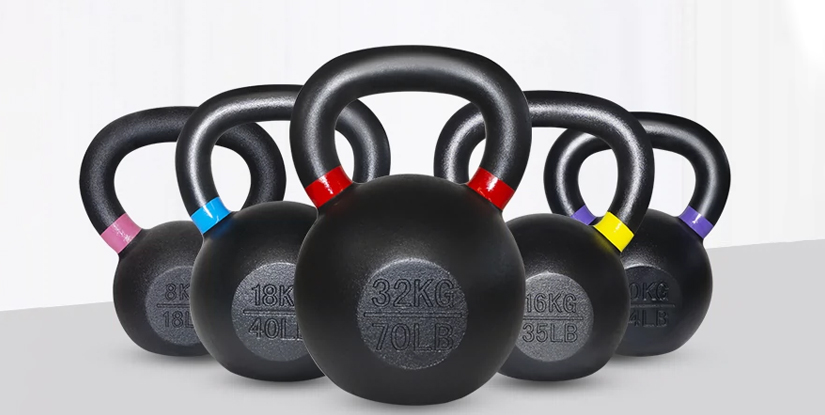
China Factory QC: Critical Inspection Points for Export Orders
When managing large-scale procurement, understanding the specific inspection protocols of a vinyl kettlebell China manufacturer is essential for minimizing replacement costs and ensuring long-term durability. High-volume orders for distributors or gym chains require more than just a visual check; they demand rigorous verification of the internal and external structural integrity to prevent commercial failure in high-traffic environments.
A professional commercial gym equipment supplier must implement a multi-stage quality control process that begins with the raw material and ends with the final export packaging. For vinyl-coated products, the primary risk involves the separation of the outer layer from the inner core, which can lead to hygiene issues or physical hazards during use. Therefore, a reliable factory focuses on the bond between the cast iron and the coating, rather than just the surface aesthetics.
Structural Integrity and Coating Adhesion Standards
The quality of a batch depends heavily on the consistency of the cast iron core and the precision of the subsequent coating application. During pre-shipment QC, technicians should focus on three critical areas to ensure the product meets commercial-grade standards.
First, the weight tolerance must be verified through systematic sampling. Even with high-quality sand casting, slight variations in the iron density can occur. A professional vinyl kettlebell China manufacturer will perform regular weight spot-checks to ensure that the wholesale vinyl kettlebells delivered to your warehouse fall within the acceptable industry-standard deviation. Significant deviations can lead to uneven training loads and customer dissatisfaction in a professional setting.
Second, the coating adhesion is the most vital safety factor. In a high-output China factory, the process typically involves preparing the cast iron surface to ensure the vinyl or polyurethane layer bonds effectively. If the surface preparation is insufficient, the coating may peel or crack under heavy use. This is a common failure mode in lower-tier production, where improper heat or chemical application results in a brittle outer shell. To mitigate this, a reputable commercial gym equipment supplier will inspect the junction where the handle meets the body, as this is often the first point of failure due to stress and movement.
Third, the concentricity of the handle and the smoothness of the grip must be audited. For vinyl coated kettlebell OEM projects, the thickness of the coating must be uniform across the entire bell to prevent "hot spots" or uneven weight distribution. If the coating is too thick in certain areas, it can alter the balance of the kettlebell, making it unsuitable for precision movements in a commercial studio environment.
The Handle-to-Body Junction and Seamlessness Audit
One of the most frequent failure points in high-volume procurement is the interface between the handle and the bell body. When sourcing wholesale vinyl kettlebells, importers must verify that the transition from the handle to the main bell is seamless. In a professional production line, the vinyl layer should encapsulate the handle and the body as a single, cohesive unit. Any visible gaps, sharp edges, or uneven transitions at the handle-to-body junction can lead to premature cracking or peeling during intense commercial use.
A high-tier vinyl kettlebell China manufacturer will ensure that the thickness uniformity of the coating remains consistent even in these high-stress transition zones. If the vinyl layer is too thin at the junction, the weight of the cast iron core may eventually cause the coating to split. Conversely, excessive thickness can create an uncomfortable grip or an unbalanced center of gravity. During your sourcing process, we recommend requesting samples specifically to test the tactile smoothness and the structural continuity of this junction area.
To ensure the highest standards of commercial durability, we recommend that your inspection or third-party audit includes a physical stress test on the coating's elasticity. This helps confirm that the material can withstand the temperature fluctuations and impact typical in professional gym environments. For large-scale projects, understanding these technical nuances will help you manage the total cost of ownership and reduce the frequency of replacement-related complaints from your end-users. Technical Inspection Standards for Coating Types When evaluating a vinyl coated kettlebell OEM partner, procurement managers should move beyond basic aesthetics to analyze the technical specifications of the coating application. The durability of the product in a high-traffic commercial setting is determined by how well the outer layer interacts with the internal core. A professional vinyl kettlebell China manufacturer will provide clear differentiation between coating methods to help you manage your distributor margins and product longevity.
The following table outlines the typical inspection points and qualitative performance tiers used during a standard pre-shipment QC process. This comparison is designed to assist in your sourcing decisions when choosing between different production-grade finishes for your inventory.
| Material & Process | Key Inspection Point | Surface Smoothness | Coating Adhesion | Commercial Grade Tier | Typical MOQ Impact |
|---|---|---|---|---|---|
| Cast Iron + Vinyl Dip | Handle-to-body junction | High / Consistent | Strong / Elastic | Standard Commercial | Lower / Standard |
| Cast Iron + PU Coating | Weight distribution uniformity | Ultra-Smooth | High / Rigid | Premium / Studio | Moderate |
| Cast Iron + Powder Coat | Edge and corner coverage | Textured / Matte | Moderate / Hard | Budget / Entry-Level | Low / High Volume |
For distributors focusing on high-end boutique studios, the PU-coated options often provide the best surface finish and grip consistency. However, for large-scale gym rollouts where durability and cost-efficiency are the primary drivers, a standard vinyl dip process from a reliable factory offers the best balance of protection and value. We recommend requesting a specific sample approval for the coating texture and weight consistency before finalizing any large-scale wholesale purchase to ensure the product aligns with your brand identity and client expectations.
OEM and Private Label Capabilities for Global Distributors
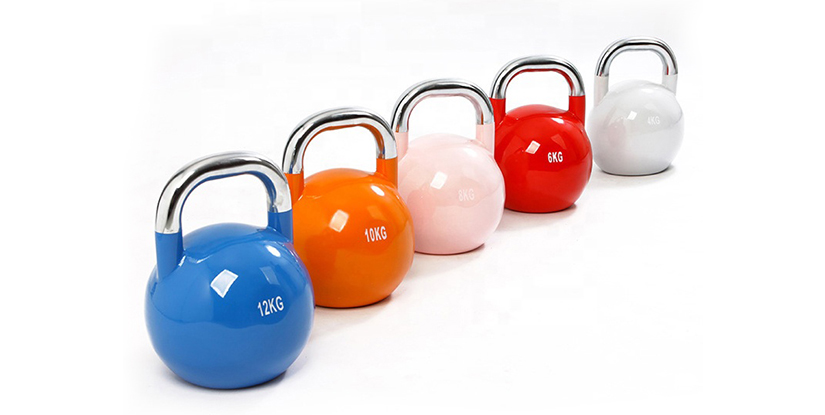
For international distributors and gym equipment importers, sourcing from a professional vinyl kettlebell China manufacturer involves more than just selecting a standard SKU. To maintain a competitive edge in local markets, procurement leads often require high-level vinyl coated kettlebell OEM services to align products with their specific brand identity and regional market demands.
A specialized China factory provides the necessary infrastructure to move beyond generic stock toward high-margin, proprietary product lines. Whether you are expanding a boutique studio brand or supplying a large-scale fitness chain, the ability to execute custom branding—ranging from laser-etched logos to specialized color schemes—is a critical factor in establishing market authority. Our ODM solutions allow for deeper integration into your product catalog, ensuring that every unit reflects your quality standards.
Effective wholesale procurement requires strict adherence to weight specifications and color consistency. We offer extensive color selection options, utilizing industry-standard dip coating processes to ensure the vinyl layer remains durable and uniform across all weight ranges. This level of customization is designed to meet the diverse distributor requirements of global fitness brands, ensuring that your private label offerings remain consistent from the first container to the last.
When managing sourcing for large-scale deployments, we provide clear documentation regarding MOQ and lead times for customized orders. This transparency allows you to plan inventory cycles, manage landed costs, and maintain steady supply chains for your clients without the risk of unexpected delays or specification deviations.
Customization Tiers and Procurement Logistics
Understanding the relationship between customization complexity and supply chain variables is essential for maintaining healthy distributor margins. When sourcing through a commercial gym equipment supplier, the degree of branding and material modification directly influences the MOQ and the total lead time. High-volume buyers must balance the desire for unique product differentiation against the logistical realities of international shipping and production cycles.
The following table outlines the standard commercial tiers for customization, illustrating how different levels of custom branding and production requirements impact your procurement planning.
| Customization Level | Typical Branding Scope | Production Process Focus | Commercial Duty Tier | MOQ Impact |
|---|---|---|---|---|
| Standard Stock | None or standard factory logo | Standardized casting and dip coating | Entry-level Commercial | Lower / Standard |
| Basic Customization | Single-color custom logo (silk screen or pad print) | Standardized color dip coating application | Premium Commercial | Medium |
| Full Private Label | Custom colorway and integrated branding | Precision molding and specialized coating adhesion | Professional / Boutique | Higher |
For complex wholesale vinyl kettlebells orders involving specialized colors or unique handle textures, the production process requires additional time for material preparation and color-matching calibration. A professional vinyl kettlebell China manufacturer will typically integrate these steps into a comprehensive pre-shipment workflow, ensuring that any custom specifications are verified before the final shipping logistics phase begins. We recommend confirming your specific requirements during the initial quote request to ensure accurate timelines for container loading and global delivery.
To ensure long-term reliability in high-traffic environments, we implement a rigorous pre-shipment inspection protocol that targets the most common failure points in coated equipment. For a professional vinyl kettlebell China manufacturer, quality control must extend beyond mere visual checks to include functional testing of the material-to-core interface. This ensures that your wholesale vinyl kettlebells arrive at your warehouse with the structural integrity required for commercial use, reducing the frequency of after-sales claims and protecting your brand reputation.
Our quality assurance process focuses on three critical technical pillars: coating adhesion, weight precision, and structural stability. During the inspection phase, technicians typically evaluate the bond strength between the vinyl layer and the cast iron core to prevent peeling or cracking under heavy use. Furthermore, a weight tolerance spot-check is conducted to ensure that each unit remains within industry-standard deviations, preventing discrepancies in weight-based training sessions. This meticulous approach is standard for any top-tier commercial gym equipment supplier aiming to minimize the total cost of ownership for their clients.
Finally, we prioritize robust export packaging to safeguard your investment during long-distance transit. For bulk order shipments, we utilize reinforced cartons and optimized palletization techniques to prevent crushing and movement within the sea container. This systematic approach to factory output ensures that every piece of your private label inventory is delivered in retail-ready condition, ready for immediate distribution to gyms, studios, or premium retail outlets. We invite you to contact us to request a detailed spec sheet, confirm your specific MOQ, or schedule a remote factory audit to verify our production standards firsthand.
Optimizing Sourcing Strategy and Landed Costs
For professional distributors and gym equipment importers, managing the balance between volume and logistics is critical. When sourcing from a vinyl kettlebell China manufacturer, understanding the interplay between order scale and total landed cost is essential for maintaining healthy distributor margins. High-volume procurement strategies often rely on optimizing shipping density and minimizing per-unit overhead through strategic wholesale vinyl kettlebells purchasing.
A common procurement challenge involves the volatility of shipping schedules and the impact of MOQ on warehouse space. Rely carelessly on low-volume orders, and you may face higher per-unit freight costs; conversely, overstocking without a clear lead time forecast can tie up significant capital. A reliable commercial gym equipment supplier provides transparent production windows to ensure your inventory levels align with seasonal market demand and seasonal shipping availability.
Supply Chain Tiers and Procurement Variables
| Sourcing Model | Typical MOQ | Lead Time Impact | Landed Cost Profile | Best Use Case |
|---|---|---|---|---|
| Stock Order | Low | Short/Immediate | Higher per-unit cost | Small studio replenishment |
| OEM Customization | Medium to High | Extended Production | Optimized for scale | Brand identity development |
| ODM Full Specification | High | Longest/Planned | Lowest unit cost at scale | Large-scale distribution |
When evaluating a vinyl coated kettlebell OEM partnership, buyers should request detailed documentation regarding production cycles and export packaging standards. Efficient sourcing requires a clear understanding of how factory capacity affects your ability to scale during peak procurement seasons. We recommend confirming specific MOQ requirements and requesting a formal quote to assess the total landed cost, including ocean freight and local customs considerations, before finalizing your procurement plan.
Standardizing Quality Control for Commercial Durability
Maintaining a consistent brand reputation requires more than just a high-quality design; it demands rigorous oversight of the manufacturing workflow. For a professional vinyl kettlebell China manufacturer, the distinction between a budget unit and a premium commercial product lies in the precision of the production stages. A reliable vinyl coated kettlebell OEM partner integrates several critical checkpoints to prevent common failure modes, such as coating peeling or weight discrepancies, which can erode distributor margins and increase after-sales service costs.
A robust factory workflow typically begins with the casting of the internal core, followed by precision machining to ensure the handle-to-body junction is smooth and ergonomic. During the dip-coating process, the coating adhesion is the most critical variable. To ensure long-term commercial durability, the vinyl layer must be applied with consistent thickness and heat-set to prevent bubbling or cracking under high-frequency usage. Furthermore, a professional commercial gym equipment supplier implements a strict pre-shipment inspection protocol. This includes a weight tolerance spot-check to ensure every unit in a wholesale shipment meets the specified weight class, alongside a visual audit of the surface finish and base flatness. This level of QC minimizes the risk of receiving defective stock and ensures your custom branding is applied with high fidelity and precision.