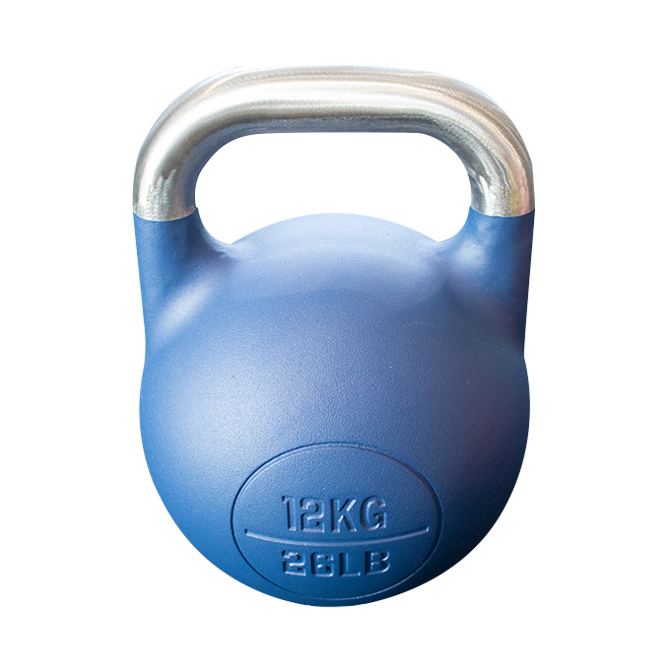
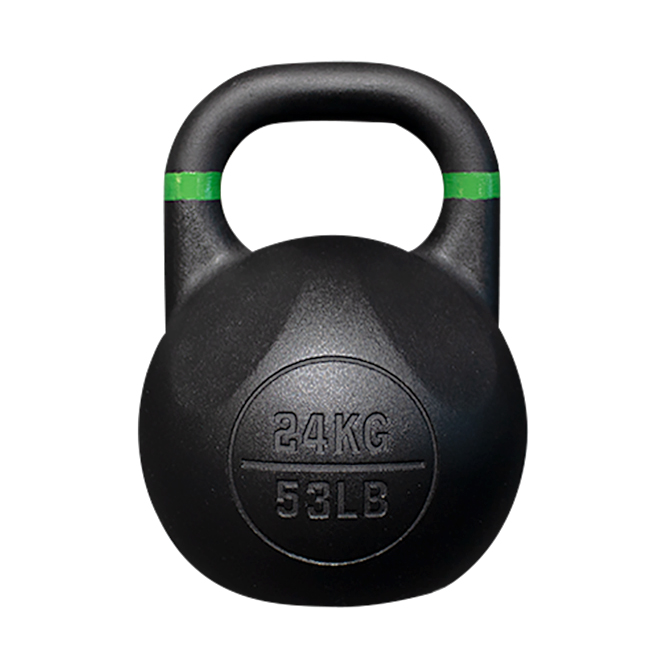
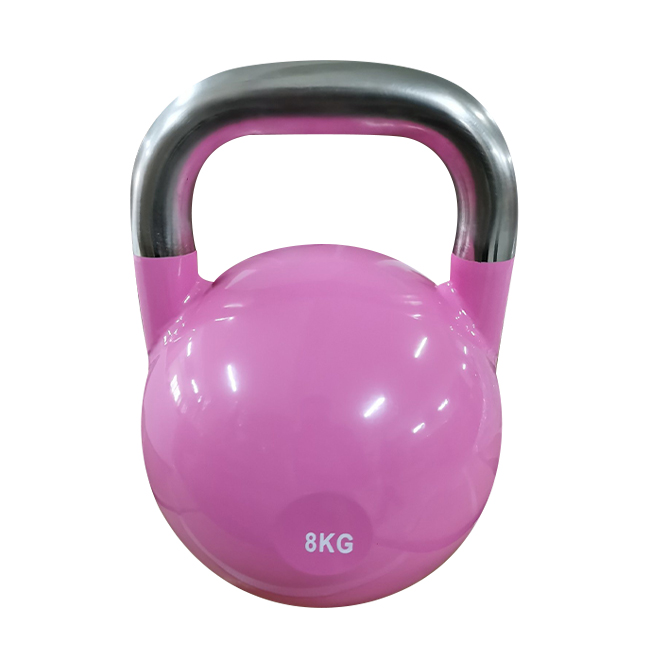
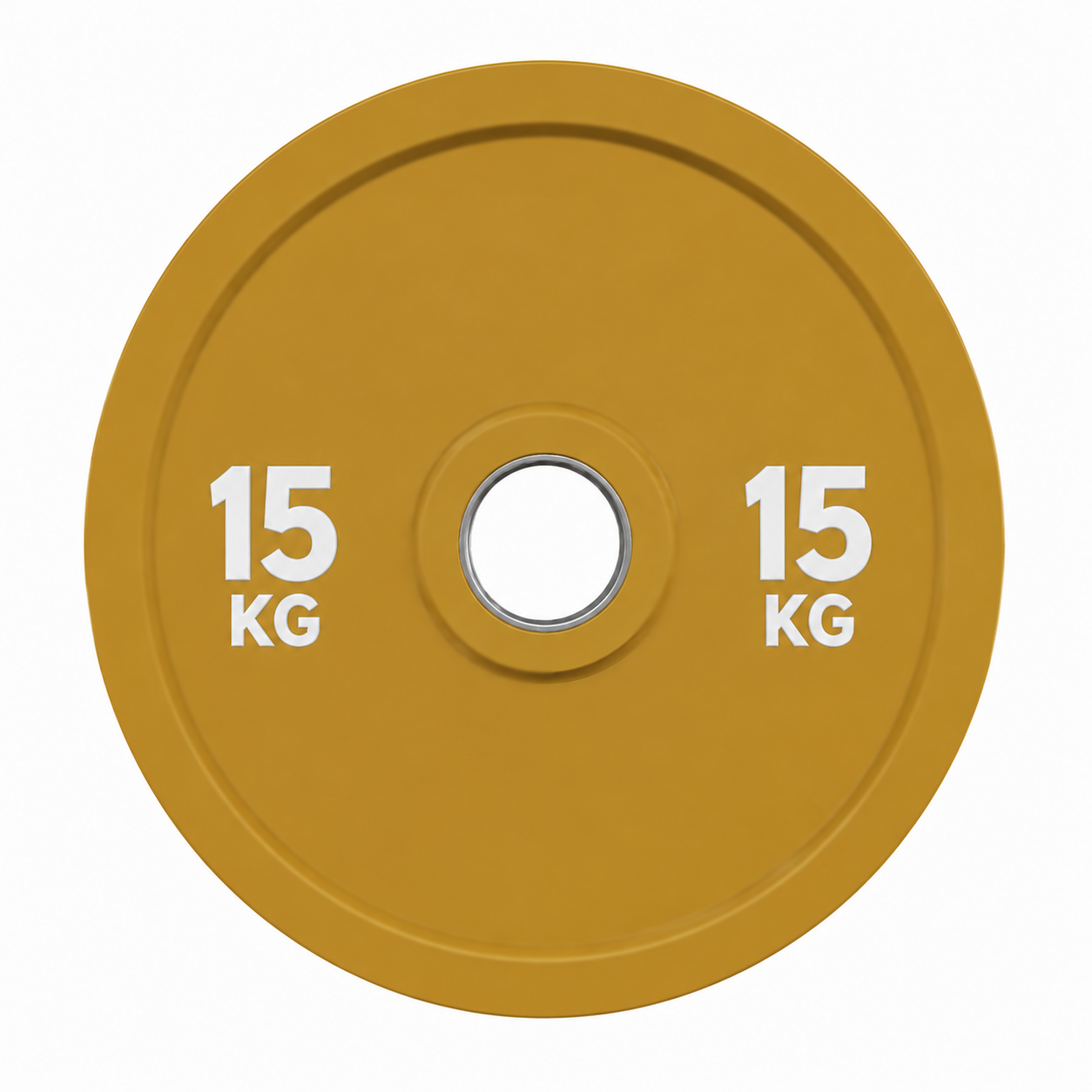
Cast Iron Fitness Equipment Trade Manufacturer: Wholesale
Strategic Sourcing for Cast Iron Fitness Equipment Trade Manufacturer
A professional cast iron fitness equipment trade manufacturer provides specialized production capabilities for high-volume procurement, ensuring that distributors and gym chains receive standardized, durable weight sets. For B2B buyers, transitioning from retail purchasing to direct wholesale fitness iron equipment sourcing optimizes landed costs and ensures long-term equipment consistency.
In the commercial fitness sector, the difference between a standard product and a professional-grade unit lies in the manufacturing rigor. When managing large-scale facility rollouts or distributor inventory, relying on a specialized cast iron fitness equipment trade manufacturer minimizes the risks associated with weight variance and surface degradation. Relying on a China factory with established commercial cast iron weight manufacturing protocols allows importers to secure predictable quality levels that meet the heavy-duty demands of high-traffic training environments.
The primary challenge for procurement leads is often the volatility of material quality and the lack of standardized finishes in lower-tier supply chains. Without strict sourcing protocols, bulk shipments may arrive with inconsistent casting surfaces or uneven coating adhesion, directly impacting your ROI and increasing maintenance overhead. By establishing a direct relationship with an OEM-capable supplier, buyers can implement rigorous pre-shipment inspections to ensure every unit meets the necessary commercial durability standards before it leaves the factory.
Evaluating Material Durability and Production Standards
To optimize long-term maintenance costs, procurement officers must differentiate between basic casting methods and professional surface treatments. Selecting the right cast iron fitness equipment trade manufacturer involves evaluating how much attention is paid to the secondary finishing stages, as these directly influence the lifespan of the equipment in high-traffic environments. A high-quality cast iron gym equipment OEM partner will utilize controlled processes to ensure that the base material is prepared for its final coating, preventing premature rust or chipping.
The following table outlines the standard material and process configurations available when working with a professional wholesale supplier. This comparison helps buyers align their product selection with specific commercial use cases, from budget-conscious studio setups to premium high-end facilities.
| Material | Process | Key Component | Commercial Duty | MOQ Impact | Factory QC Point |
|---|---|---|---|---|---|
| Gray Cast Iron | Sand Casting | Handle Texture | Standard Commercial | Low | Base Flatness |
| Cast Iron | Powder Coating | Coating Adhesion | Premium Commercial | Medium | Surface Uniformity |
| Cast Iron | PU Coating | Encapsulation Layer | High-End/Studio | High | Thickness Consistency |
When conducting a factory audit or reviewing product samples, we recommend focusing on the transition points between the cast body and the coating. For instance, in commercial cast iron weight manufacturing, the adhesion of a powder coating is critical; any weakness in the sand casting surface can lead to peeling under heavy use. For premium requirements, a PU coating provides a smoother, more resilient finish that is highly valued in boutique settings, though it may require a higher MOQ due to the specialized molding steps involved in the production line.
Material Specifications and Casting Processes for Commercial Durability
Selecting a reliable cast iron fitness equipment trade manufacturer requires a deep understanding of how different casting methods impact long-term commercial durability and weight tolerance. For distributors and gym owners, the choice between production routes directly affects the landed cost and the replacement cycle of the equipment in high-traffic environments.
In the global wholesale fitness iron equipment market, two primary manufacturing methods dominate: sand casting and centrifugal casting. Sand casting is the industry-standard approach for high-volume commercial cast iron weight manufacturing, utilizing specialized sand molds to create the fundamental shape of plates and kettlebells. This method is highly efficient for OEM production, allowing for complex geometries and integrated handles. While sand casting is cost-effective for large wholesale orders, it requires rigorous post-casting machining to ensure the base flatness and concentricity meet commercial standards.
For premium tier requirements, centrifugal casting offers a more refined alternative. This process involves rotating the mold at high speeds, which forces the molten iron against the outer walls, resulting in a more dense and uniform molecular structure. This often leads to improved surface consistency and a more predictable weight tolerance across a single batch. While the technical complexity may influence the MOQ for specialized runs, the resulting structural integrity is ideal for high-end boutique studio supplies.
| Material/Process Type | Primary Method | Commercial Duty Tier | Key Manufacturing Detail | Procurement Focus |
|---|---|---|---|---|
| Standard Sand Casting | Sand Mold Casting | Budget to Mid-Tier | High-volume mold efficiency | Cost-effective bulk sourcing |
| High-Density Casting | Centrifugal Casting | Premium/Competition | Increased density and uniformity | Precision and longevity |
| Surface Finishing | Powder Coating | Commercial Standard | Multi-layer adhesion check | Maintenance and rust prevention |
When evaluating cast iron gym equipment OEM capabilities, buyers should focus on the secondary finishing stages. A standard China factory workflow typically moves from casting to CNC machining, followed by a chemical treatment or phosphate wash to prepare the surface. The final coating—whether it is a basic paint or a high-grade powder coating—is a critical factor in preventing oxidation. During a pre-shipment inspection, it is common practice to check the coating adhesion and the smoothness of the handle texture to ensure the product meets the durability expectations of a professional facility.
Surface Finishing and Coating Durability Standards
The final surface treatment determines the long-term maintenance load and the total cost of ownership for a commercial facility. A professional cast iron fitness equipment trade manufacturer must ensure that the coating process is robust enough to withstand heavy daily use, high humidity, and frequent handling. Choosing the correct finish is not just about aesthetics; it is a strategic decision for maximizing procurement ROI through reduced replacement frequency.
For standard commercial gym applications, powder coating is the industry-standard choice. This process involves applying a dry electrostatic powder to the cast iron surface, which is then cured under heat to create a hard, durable, and uniform shell. This layer provides essential protection against oxidation and chipping. In many high-volume wholesale procurement scenarios, a multi-coat application is preferred to ensure maximum adhesion, especially on high-friction areas like handles or weight plates.
Alternatively, for premium boutique studios or high-end home gym distributions, PU coating (polyurethane) offers a different set of advantages. This coating provides a smoother, more ergonomic texture and a higher level of impact resistance. While the production complexity of a PU coating may affect the initial MOQ or the final landed cost, the resulting tactile experience and enhanced durability often justify the investment for luxury-tier branding. When conducting a factory audit or a pre-shipment inspection, we recommend verifying the coating thickness and checking for any unevenness in the surface finish to ensure consistent quality across your entire bulk order.
Comparing Production Routes and Surface Finishes for Bulk Procurement
When sourcing from a cast iron fitness equipment trade manufacturer, understanding the distinction between casting methods is vital for calculating long-term TCO. For high-volume wholesale fitness iron equipment orders, the choice between sand casting and die casting directly affects both the weight tolerance and the initial MOQ requirements. While sand casting is the industry standard for heavy commercial weights due to its structural integrity, die casting offers higher precision for specialized or smaller-scale components.
Distributors must evaluate how these processes impact the final commercial durability of the product. A China factory typically utilizes sand casting for standard plates and kettlebells to ensure consistent density, whereas precision-driven commercial cast iron weight manufacturing may incorporate CNC machining to refine the handle or contact points. Selecting the appropriate route ensures that your cast iron gym equipment OEM specifications align with the intended usage environment, whether it be a high-traffic commercial gym or a premium studio.
| Production Route | Typical Application | Commercial Duty Tier | Procurement Impact |
|---|---|---|---|
| Sand Casting | Standard Plates/Kettlebells | Premium/Commercial | Higher MOQ for custom shapes |
| Die Casting | Small Precision Weights | Standard/Budget | Faster lead time for high volume |
| Machined Casting | Competition/Studio Grade | Elite/Professional | Increased sourcing cost per unit |
Optimizing your sourcing strategy requires balancing these manufacturing variables against your landed cost. For example, while sand casting provides the ruggedness required for heavy-duty commercial environments, the lead time may vary based on mold maintenance and factory throughput. We recommend requesting a technical spec sheet to confirm how each process affects the final weight consistency before finalizing your bulk order.
The surface finish is a decisive factor in the total cost of ownership (TCO) and long-term maintenance cycles. For a professional cast iron fitness equipment trade manufacturer, the selection of a coating or treatment is not merely an aesthetic choice but a strategic decision regarding durability and protection against oxidation in high-traffic environments. A mismatch between the finish and the intended commercial setting can lead to premature rust, higher replacement rates, and reduced distributor margins.
The following table provides a qualitative comparison of common finishing methods used in commercial cast iron weight manufacturing to assist in your procurement planning. This comparison helps clarify how different treatments influence both the initial wholesale price and the long-term maintenance requirements for your clients.
| Surface Finish | Primary Benefit | Commercial Duty Tier | Impact on landed cost |
|---|---|---|---|
| Phosphate Treatment | Basic oxidation resistance | Budget / Entry-Level | Lowest cost per unit |
| Powder Coating | High durability and color options | Standard Commercial | Moderate increase |
| PU Coating | Premium feel and high impact resistance | Premium / Elite Studio | Highest cost per unit |
| Bare Iron | Natural texture and classic look | Traditional / Specialized | Variable based on volume |
When evaluating wholesale fitness iron equipment, we advise importers to consider the environmental variables of the end-use facility. For instance, a high-humidity commercial gym setting typically requires a more robust powder coating or a thick PU coating to prevent surface degradation. If you are pursuing a cast iron gym equipment OEM project for a premium boutique studio, the choice of finish will significantly influence your brand identity and the perceived value of the equipment. We suggest requesting a sample evaluation or a detailed specification sheet to confirm the coating adhesion and thickness standards used by the factory before committing to a large-scale shipment.
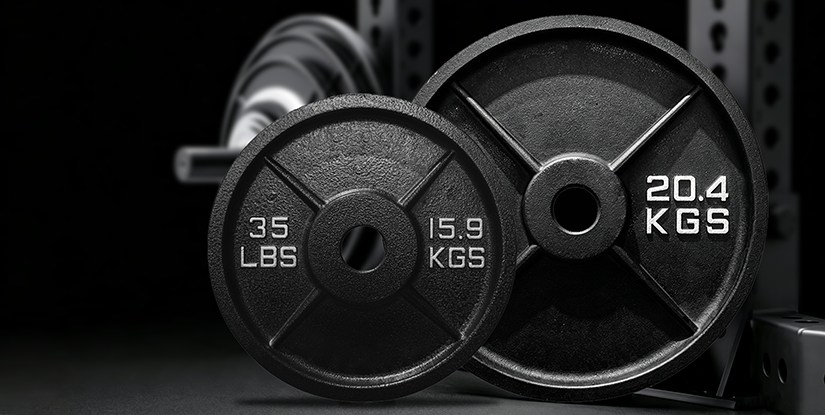
The surface finish is a decisive factor in the total cost of ownership (TCO) and long-term maintenance cycles. For a professional cast iron fitness equipment trade manufacturer, the selection of a coating or treatment is not merely an aesthetic choice but a strategic decision regarding durability and protection against oxidation in high-traffic environments. A mismatch between the finish and the intended commercial setting can lead to premature rust, higher replacement rates, and reduced distributor margins.
The following table provides a qualitative comparison of common finishing methods used in commercial cast iron weight manufacturing to assist in your procurement planning. This comparison helps clarify how different treatments influence both the initial wholesale price and the long-term maintenance requirements for your clients.
| Surface Finish | Primary Benefit | Commercial Duty Tier | Procurement Impact |
|---|---|---|---|
| Phosphate Treatment | Basic oxidation resistance | Budget / Entry-Level | Lowest wholesale cost per unit |
| Powder Coating | High durability and color options | Standard Commercial | Moderate increase in landed cost |
| PU Coating | Premium feel and impact resistance | Premium / Elite Studio | Highest sourcing cost per unit |
| Bare Iron | Natural texture and classic look | Traditional / Specialized | Variable based on MOQ |
When evaluating wholesale fitness iron equipment, we advise importers to consider the environmental variables of the end-use facility. For instance, a high-humidity commercial gym setting typically requires a more robust powder coating or a thick PU coating to prevent surface degradation. If you are pursuing a cast iron gym equipment OEM project for a premium boutique studio, the choice of finish will significantly influence your brand identity and the perceived value of the equipment. We suggest requesting a sample evaluation or a detailed specification sheet to confirm the coating adhesion and thickness standards used by the factory before committing to a large-scale shipment.
Optimizing Inventory and Logistics with a Reliable Supplier
For global distributors and large-scale gym equipment importers, managing the balance between stock availability and capital expenditure is critical. Partnering with a professional cast iron fitness equipment trade manufacturer ensures that your supply chain remains resilient against market fluctuations. By leveraging a direct China factory model, importers can streamline their sourcing workflows, moving from fragmented small-batch orders to a structured wholesale model that maximizes distributor margins through economies of scale.
Efficient logistics management is the backbone of successful international trade. A reliable supplier does more than just manufacture goods; they provide comprehensive support in production planning to ensure predictable lead time cycles. Whether you are managing a high-turnover warehouse or a specialized retail distribution center, understanding how a cast iron fitness equipment trade manufacturer handles inventory management and container optimization is essential for controlling your landed cost. This level of coordination allows you to maintain optimal stock levels without overextending your credit lines or facing unexpected stockouts during peak seasons.
Optimizing the procurement of wholesale fitness iron equipment requires a focus on both volume and variety. When you engage in commercial cast iron weight manufacturing, you must consider how MOQ requirements and shipping configurations impact your total investment. A professional cast iron gym equipment OEM partner will assist in calculating the most efficient container loading patterns—balancing weight limits with volume capacity—to ensure that every cubic meter of shipping space contributes to your bottom line. This strategic approach reduces per-unit transport costs and stabilizes the landed cost for your entire product catalog.
Comparison of Procurement Tiers and Logistics Efficiency
Selecting the correct manufacturing tier directly influences your procurement ROI and long-term warehouse efficiency. High-volume distributors must evaluate whether the cost savings of a budget tier outweigh the potential risks of increased maintenance or shipping inefficiencies. A professional cast iron fitness equipment trade manufacturer provides data-driven options to help you align your stock with your specific market positioning.
| Sourcing Tier | Primary Manufacturing Focus | Packaging & Shipping Efficiency | Standard MOQ Profile | Typical Commercial Use |
|---|---|---|---|---|
| Budget Tier | Basic sand casting and standard paint | Basic carton packaging; higher volume-to-weight ratio | Low to Moderate | Entry-level commercial or budget gym chains |
| Commercial Tier | Precision casting and powder coating | Optimized box sizing for container density | Moderate to High | Standard fitness clubs and distribution centers |
| Premium Tier | Advanced finish (PU/Rubber) and strict calibration | High-protection export packaging; space-optimized | High | High-end fitness studios and specialized retailers |
To maximize your procurement ROI, consider how packaging efficiency affects your container utilization. For instance, high-density cast iron products can reach container weight limits before volume limits are met. A capable cast iron gym equipment OEM will provide optimized stacking configurations and reinforced corner protection to minimize transit damage. When planning your next bulk order, we recommend requesting a detailed packing list and container loading simulation to confirm your final landed cost and ensure your warehouse receives a high-density, cost-effective shipment.
Quality Assurance and Export Readiness
The total cost of ownership for a distributor extends far beyond the initial invoice. Defective units or transit damage can quickly erode your distributor margin through costly returns and replacement logistics. To mitigate these risks, a professional cast iron fitness equipment trade manufacturer implements a rigorous pre-shipment QC protocol. This process typically involves a multi-stage inspection sequence: starting with raw material verification, moving through casting and machining, and concluding with a final weight tolerance spot-check and surface adhesion test. Ensuring that each piece meets industry-standard specifications before it leaves the factory is the most effective way to reduce long-term replacement costs.
Beyond product integrity, specialized export packaging is a non-negotiable requirement for high-volume sourcing. For heavy, high-density items like cast iron weights, standard packaging often fails under the physical stress of maritime transit. A reliable cast iron gym equipment OEM partner utilizes reinforced corrugated cartons, specialized corner protection, and optimized palletization to safeguard against impact and moisture. This focus on durability during transit ensures that your wholesale shipments arrive in a retail-ready state, minimizing the need for complex replacement planning and protecting your reputation with end-users. Before finalizing your next bulk order, we suggest requesting a sample of the export-grade packaging to verify its suitability for your specific regional logistics requirements.
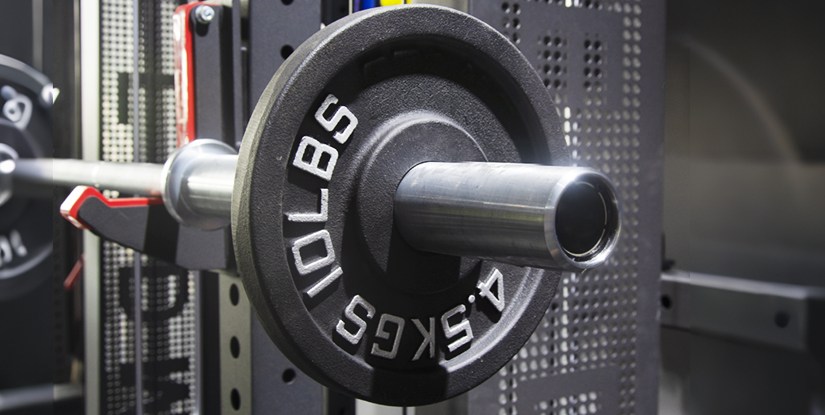
China Factory QC Standards and Export Packaging Protocols
Maintaining consistent product standards is a primary concern for distributors sourcing from a cast iron fitness equipment trade manufacturer. Unlike small-scale retail purchases, bulk procurement requires rigorous oversight of the manufacturing chain to ensure that every unit arriving at your warehouse meets the expected commercial specifications. A professional China factory must implement multi-stage verification to mitigate the risks of weight variance or surface defects that can erode your profit margins.
Effective commercial cast iron weight manufacturing relies on systematic inspection points, beginning with the raw casting phase and extending through the final finishing stages. For instance, a reliable supplier will conduct regular weight tolerance spot-checks to ensure that the cast iron units remain within industry-standard deviations. Furthermore, a thorough surface finish inspection is critical to verify that the wholesale fitness iron equipment exhibits uniform texture and that any powder coating or enamel application adheres strictly to the mold without cracking or peeling.
Beyond the production line, the logistics phase is where many importers face unexpected landed costs due to transit damage. To protect your investment, high-tier cast iron gym equipment OEM services utilize specialized export-grade packaging designed for long-haul sea freight. This typically includes heavy-duty corrugated boxes, reinforced corner protection, and optimized palletization to maximize container density. By ensuring high sea freight durability, a professional cast iron fitness equipment trade manufacturer helps you maintain a predictable MOQ and lead time, reducing the likelihood of costly returns or damaged inventory upon arrival.
Technical Inspection and Packaging Standards for Bulk Sourcing
To ensure high-volume orders meet professional standards, a systematic approach to quality control is essential. Procurement managers should evaluate whether a cast iron fitness equipment trade manufacturer provides detailed inspection reports covering both the physical integrity of the casting and the durability of the surface finish. The following table outlines the critical checkpoints used by a professional factory to ensure product reliability during international transit.
| Inspection Stage | Focus Area | Standard Requirement | Commercial Impact |
|---|---|---|---|
| Raw Casting Verification | Casting Defects | Absence of air bubbles, cracks, or significant surface pits | Reduces replacement rates and improves long-term durability |
| Surface Finishing | Coating Adhesion | Uniform application with no peeling or cracking under standard stress | Protects brand reputation and reduces maintenance frequency |
| Final Calibration | Weight Uniformity | Strict adherence to industry-standard weight tolerances | Ensures professional reliability for gym operators |
| Pre-Shipment QC | Palletization & Protection | Reinforced corners and heavy-duty corrugated boxing | Minimizes transit damage and optimizes container density |
When managing your sourcing strategy, it is highly recommended to request a sample evaluation or a pre-shipment inspection report. This allows you to verify the knurling texture, base flatness, and the quality of the wholesale packaging before the container is sealed. Confirming these technical details early in the process helps stabilize your landed cost and ensures that your OEM or ODM customized orders arrive ready for immediate commercial distribution.
Customization and OEM Capabilities for Global Distributors
Establishing a distinct market presence requires more than just sourcing standard inventory; it demands a strategic partnership with a cast iron fitness equipment trade manufacturer that understands brand positioning. For global distributors and large-scale importers, the ability to transition from a generic wholesale buyer to a recognized brand owner is a critical lever for increasing distributor margins and long-term market share.
Standardized products often lead to price wars and low differentiation. By leveraging professional OEM and ODM services, procurement leads can integrate unique design elements, specialized coatings, or custom weight increments that align with specific regional market demands. Whether you are looking to implement a private label strategy for a premium fitness line or require specific customization capabilities to meet specialized studio requirements, working directly with a China factory ensures your brand identity is built into the physical product itself.
High-level market differentiation is achieved through precise control over the production chain. This includes everything from the initial sand casting geometry to the final application of a signature powder coating or specialized handle texture. A capable cast iron gym equipment OEM provides the technical infrastructure to execute these variations at scale, ensuring that your custom specifications do not compromise the structural integrity or the wholesale cost-efficiency required for bulk international shipping.
Technical Execution of Customization and Mold Precision
A professional cast iron gym equipment OEM must manage the complex interplay between aesthetic branding and structural durability. The customization process begins with the creation of a high-precision custom mold, typically utilizing the sand casting method to ensure the base geometry is robust enough for high-traffic commercial environments. For distributors, the quality of the initial mold determines the consistency of the weight tolerance across a full container load, which is essential for maintaining professional standards in premium gym settings.
Beyond the physical shape, the surface finish serves as the primary touchpoint for your brand identity. We offer diverse surface treatments, ranging from standard phosphate treatments to heavy-duty powder coating, which provides a resilient layer against chipping and oxidation. For clients requiring high-end branding, we can execute seamless logo embossing directly into the iron during the casting stage, or apply precision heat-transfer decals. This technical versatility allows a cast iron fitness equipment trade manufacturer to deliver products that meet both the rugged requirements of a commercial gym and the sophisticated visual standards of a boutique studio.
When evaluating your next bulk order, it is vital to confirm how these customization steps impact your total landed cost and lead time. While specialized finishes or intricate mold designs may influence the initial MOQ, the resulting product differentiation often justifies the investment by securing higher retail margins. We recommend discussing your specific technical requirements—such as knurling texture or coating adhesion preferences—during the initial consultation to ensure a seamless transition from sample approval to mass production.
Strategic Procurement: MOQ, Lead Time, and Supply Chain Planning
For professional importers, the complexity of international sourcing extends far beyond product specifications; it requires a rigorous understanding of the logistical variables that impact total landed cost. Managing a consistent inventory of wholesale fitness iron equipment necessitates a clear framework for volume-based commitments and production timelines. Without a structured approach to MOQ and lead time, distributors risk either excessive warehousing costs or the opportunity cost of stockouts during peak seasonal demand.
A predictable supply chain stability is built upon transparent communication regarding production cycles. Typically, a bulk order for standard cast iron components follows a structured sequence: mold preparation, casting, machining, surface treatment, and final QC. Depending on the complexity of the OEM or ODM requirements, the production window can vary. By coordinating with a reliable supplier, procurement leads can better forecast arrival dates and optimize their inventory turnover ratios.
| Procurement Tier | Typical MOQ Level | Lead Time Profile | Focus Area |
|---|---|---|---|
| Standard Wholesale | Low to Medium | Short / Ready-to-Ship | Stock replenishment and rapid turnover |
| Custom OEM/ODM | Medium to High | Extended / Production-Driven | Brand differentiation and specialized specs |
| Large-Scale Distribution | High / Full Container | Scheduled / Optimized | Landed cost reduction and supply stability |
Effective shipping logistics planning is the final pillar of a successful procurement strategy. When sourcing from a China factory, distributors must account for container loading optimization to minimize volumetric waste and reduce the per-unit landed cost. We recommend finalizing technical sign-offs and sample approvals well in advance of your target shipping window to ensure that all pre-shipment inspections and export packaging protocols are strictly followed, securing your margin and your reputation in the commercial market.