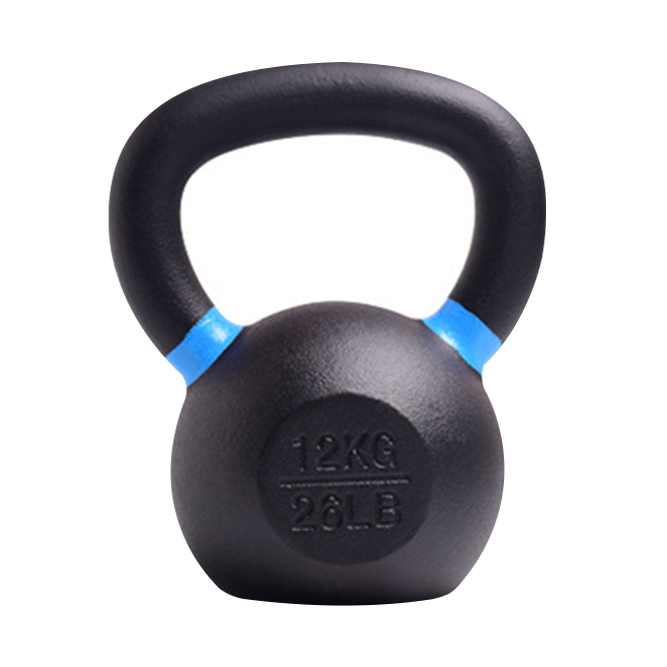
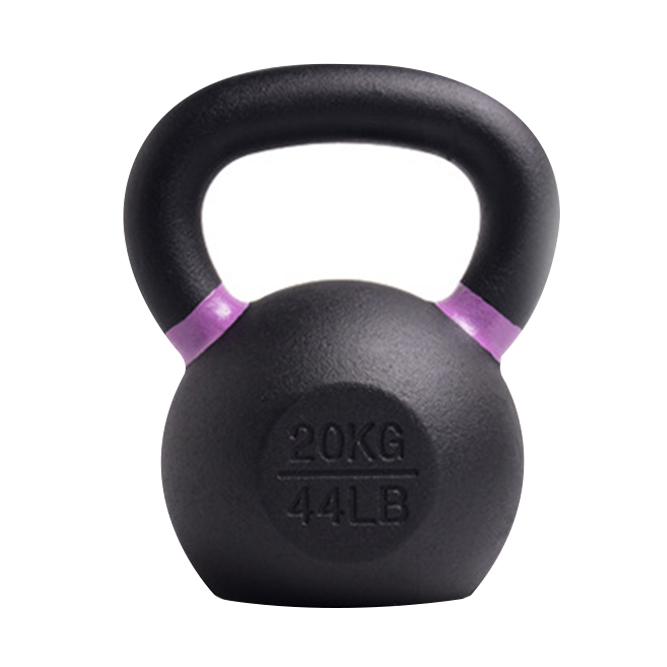
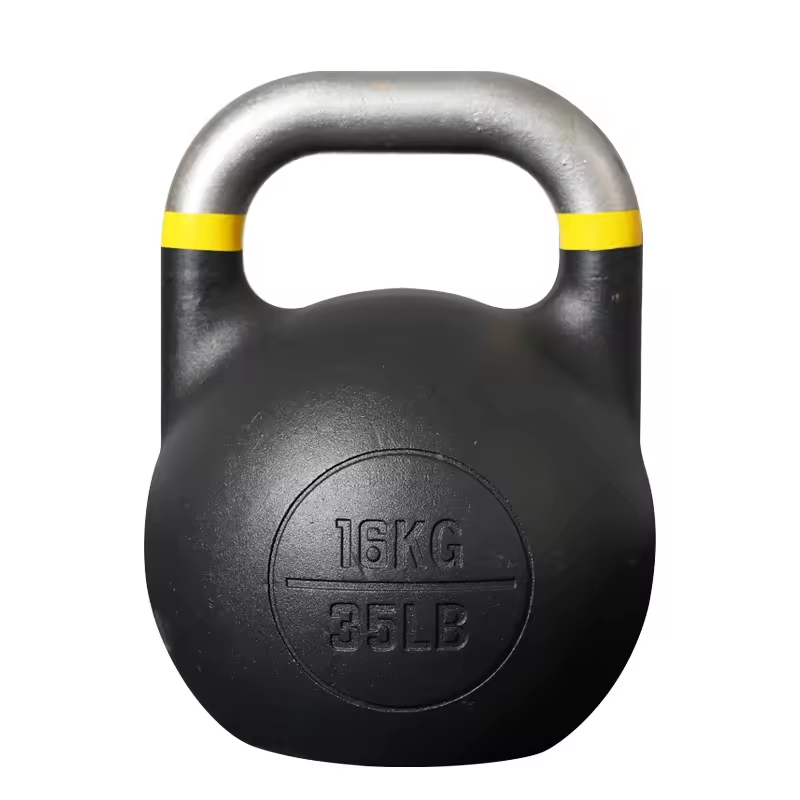
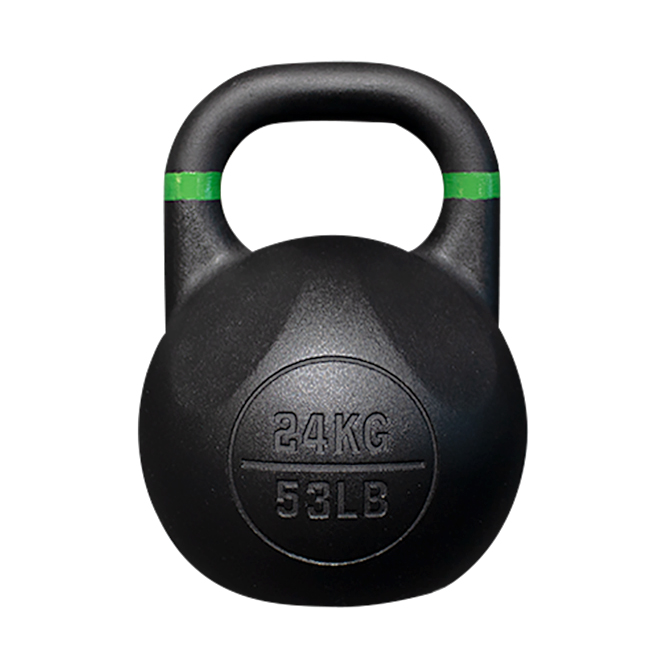
One Piece Casting Kettlebell OEM Manufacturer: OEM
The Economic Value of a One Piece Casting Kettlebell OEM Manufacturer
A one piece casting kettlebell OEM manufacturer provides specialized production services for distributors and gym equipment suppliers looking for high-volume, single-mold iron units. By sourcing directly from a China factory, B2B buyers can eliminate middleman markups, ensuring higher distributor margin and lower landed cost for commercial fitness inventories.
For large-scale distributors, the primary pain point in commercial kettlebell production is the inconsistency of weight and surface quality when dealing with low-tier traders. Inaccurate weight tolerances or poor coating adhesion lead to high return rates and damaged brand reputation. Working with a dedicated one piece casting kettlebell OEM manufacturer solves these issues by providing centralized sourcing and strict control over the entire casting-to-packaging workflow.
Optimizing your supply chain through direct wholesale procurement allows for better management of MOQ requirements and shipping volumes. When you control the production through an OEM or ODM partnership, you can align manufacturing cycles with seasonal demand, ensuring that your warehouse remains stocked without overextending capital on unoptimized inventory.
Strategic Comparison: Sourcing Models for Commercial Distributors
Understanding the structural differences between various procurement routes is essential for maximizing profitability. A direct partnership with a cast iron kettlebell factory offers distinct advantages in terms of weight precision and customization capabilities compared to traditional trading models. For distributors managing large-scale gym deployments, the choice of supply model directly impacts the final landed cost and the ability to scale a private label brand.
| Procurement Model | Primary Focus | Customization Capability | Typical Lead Time | Quality Control (QC) Access |
|---|---|---|---|---|
| Traditional Trading Model | Small Batch/Spot Buy | Low (Stock Items Only) | Short (Ready to Ship) | Limited (Indirect Oversight) |
| Direct OEM Partnership | High-Volume/Private Label | High (Custom Mold & Branding) | Moderate (Production Cycles) | High (Direct Factory Audit) |
| ODM Solutions | Product Development | Very High (New Spec Design) | Long (R&D + Production) | High (Design Validation) |
When evaluating your next batch, consider that the one piece casting kettlebell OEM manufacturer approach provides the most stable path for long-term growth. While trading models may offer speed for small orders, the one piece casting kettlebell OEM manufacturer model ensures that your specific requirements for handle texture, coating adhesion, and weight consistency are baked into the production process, reducing the long-term cost of returns and customer dissatisfaction.
Before finalizing your next bulk order, we recommend requesting a detailed spec sheet, confirming the current MOQ for your specific weight range, and discussing the timeline for sample approval to ensure your sourcing plan remains on schedule.
To maximize the ROI of your specialized inventory, procurement leads must evaluate how manufacturing efficiency affects both shipping volumes and the long-term value of the product. A reliable one piece casting kettlebell OEM manufacturer optimizes the balance between production speed and logistics efficiency, ensuring that bulk orders are processed without the delays often seen in fragmented supply chains. For a professional distributor, the goal is to maintain high turnover rates while minimizing the space required for storage and shipping.
Effective logistics management begins at the cast iron kettlebell factory stage. By integrating manufacturing and export-ready packaging into a single workflow, a factory can improve container loading density, reducing the per-unit landed cost for international shipments. This level of integration is particularly critical when managing high-volume inventory, as it allows for more predictable warehouse planning and prevents the capital tie-up associated with shipping air or inefficiently packed volumes.
Optimizing these commercial-grade supply chains ensures that your wholesale operations remain lean and profitable. We encourage importers to consult with their supplier regarding customized packaging solutions or container-load optimization to ensure that every cubic meter of shipping space is utilized effectively for their specific sourcing needs.
Material Selection and Casting Precision for Commercial Durability
A reliable one piece casting kettlebell OEM manufacturer understands that structural integrity is the foundation of commercial durability. For distributors and gym procurement leads, the primary risk in bulk sourcing is receiving units with inconsistent density or weak handle junctions. Utilizing high-grade cast iron through a refined sand casting process ensures a single, monolithic structure that eliminates the failure points common in multi-piece assemblies. This level of engineering is essential for high-traffic environments where equipment undergoes constant impact and heavy usage.
To maintain high commercial durability, the factory must control the cooling rate and grain structure of the metal to prevent brittleness. Professional commercial kettlebell production requires strict quality control over weight tolerance to ensure every unit in a bulk shipment meets the specified weight class. Without precision machining of the handle and consistent weight calibration, a China factory risks high return rates and diminished distributor margins. A professional one piece casting kettlebell OEM manufacturer integrates these technical checks into the standard OEM workflow to provide a product that withstands the rigors of professional strength training facilities.
Technical Comparison of Surface Finishes and Casting Methods
When evaluating your next batch, the choice between different surface treatments directly impacts the long-term TCO (Total Cost of Ownership) and maintenance load for your clients. A professional one piece casting kettlebell OEM manufacturer provides various finishing options to suit different facility requirements, from high-intensity strength studios to premium boutique environments. Selecting the correct finish during the commercial kettlebell production phase prevents premature degradation caused by oxidation or coating chipping.
The following table provides a qualitative comparison to assist your sourcing strategy based on typical commercial usage scenarios and budget tiers.
| Material/Process Type | Surface Finish | Primary Use Case | Commercial Duty Tier | Procurement Advantage |
|---|---|---|---|---|
| Sand Casting | Bare Iron / Phosphate | Standard Strength Training | Budget/Standard | Lowest landed cost |
| Sand Casting | Powder Coating | High-Traffic Commercial Gyms | Commercial | High durability and color options |
| Sand Casting | PU Coating | Boutique Studios & Hotels | Premium | Superior grip and floor protection |
| Die Casting | Chrome Finish | Competition/Specialized Training | Premium | High precision and aesthetics |
For distributors focused on high-volume turnover, powder coating remains the industry standard due to its excellent adhesion and ability to mask minor imperfections in the base metal. Conversely, for premium fitness brands seeking a high-end tactile experience, a high-quality PU coating offers enhanced grip and a smoother profile. Understanding these nuances allows you to align your product catalog with your target market's specific needs, whether you are ordering for a mass-market gym chain or a high-end luxury wellness center. We recommend requesting a sample evaluation to verify the coating adhesion and handle texture before finalizing your bulk order.
Critical Inspection Points for Bulk Procurement
Successful wholesale purchasing depends on more than just the initial price; it requires a rigorous pre-shipment inspection protocol to ensure that every unit arriving at your warehouse meets commercial-grade expectations. A professional cast iron kettlebell factory focuses on several critical tactile and structural benchmarks that impact both user safety and long-term replacement costs. If these elements are neglected during the commercial kettlebell production stage, distributors face the high cost of returns and diminished brand reputation.
When performing a quality audit or reviewing a sample, procurement leads should prioritize the following technical specifications:
- Base Flatness: Ensuring the bottom of the bell is perfectly level to prevent wobbling or instability during floor-based exercises, which is a common failure mode in lower-tier manufacturing.
- Handle Texture: Verifying that the knurling or surface texture is consistent and lacks sharp edges, providing a reliable grip without causing skin irritation during high-repetition sets.
- Coating Adhesion: Testing the bond of the powder or PU layer, especially around the handle-to-body junction, to ensure the finish does not chip or peel under heavy use.
- Weight Uniformity: Confirming that the cast iron density is consistent across the entire bell to meet the specified weight class within industry-standard tolerances.
By focusing on these specific physical attributes, a one piece casting kettlebell OEM manufacturer helps you minimize the Total Cost of Ownership (TCO) for your end-users. High-quality control on these details reduces the need for premature replacement and ensures a smoother lifecycle for the equipment. We suggest that all importers confirm these specific QC parameters with their supplier during the sample approval stage to ensure the final product aligns with your commercial distribution standards and optimizes your total landed cost.
Manufacturing Workflow: From Sand Casting to Final Coating
Establishing a reliable supply chain begins with understanding the technical precision required in one piece casting kettlebell OEM manufacturer operations. For distributors and gym equipment importers, the transition from raw sand casting to a finished, high-performance product determines the long-term durability and the total cost of ownership for the end-user. A professional one piece casting kettlebell OEM manufacturer ensures that the structural integrity of the bell remains intact through every stage of the production cycle.
The process starts with high-quality gray iron poured into sand molds to create the foundational shape. While sand casting is the industry standard for creating the robust, seamless body of a kettlebell, the raw casting often requires secondary machining to achieve professional-grade standards. This stage is critical for ensuring the handle remains ergonomic and the base maintains proper flatness for stable placement on gym floors. Precise commercial kettlebell production relies heavily on these calibration steps to manage weight tolerance, ensuring that each unit delivered in a bulk order meets the expected specifications for commercial use.
| Material/Process Tier | Primary Process | Durability Level | Commercial Application | Sourcing Consideration |
|---|---|---|---|---|
| Standard Cast Iron | Sand Casting | High | General Commercial Gyms | Best for high-volume wholesale |
| Premium Powder Coated | Casting + CNC Machining | Very High | Premium Studios / Hotel Gyms | Requires higher MOQ for custom finish |
| Competition Grade | Precision Casting + Chrome | Extreme | Professional Training Facilities | Longer lead time for precision steps |
When managing commercial kettlebell production, a China factory must prioritize the sequence of surface treatment to prevent premature oxidation or coating failure. After the initial machining phase to smooth the handle and body, the unit undergoes a thorough cleaning and treatment process before the final coating is applied. This ensures maximum adhesion, which is essential for a supplier looking to minimize after-sales issues regarding chipped paint or rust in high-humidity environments. For a wholesale buyer, verifying these specific process steps during a factory audit is a vital part of the sourcing strategy to protect distributor margins.
The final stage of the workflow focuses on long-term surface protection through professional surface finishing. To meet the rigorous demands of high-traffic training environments, a leading cast iron kettlebell factory typically utilizes a specialized powder coating application. This process involves an electrostatic spray of fine powder particles that are subsequently baked in a controlled oven, creating a hard, durable layer that is significantly more resilient than standard liquid paint. For an OEM partner, ensuring high coating adhesion is paramount; a failure in this step leads to chipped surfaces and oxidation, which can increase maintenance costs and degrade the aesthetic value of a gym's inventory.
Beyond aesthetics, the quality of the powder coating directly impacts the durability of the product during heavy-duty commercial use. A well-executed coating protects the underlying iron from moisture and friction, preserving the knurling and the integrity of the handle area. When evaluating a one piece casting kettlebell OEM manufacturer, professional buyers should inquire about the specific pre-treatment and drying stages used. A robust surface treatment strategy reduces the frequency of replacements and minimizes the total cost of ownership, making it a critical factor for distributors managing large-scale facility deployments or long-term stock replenishment.
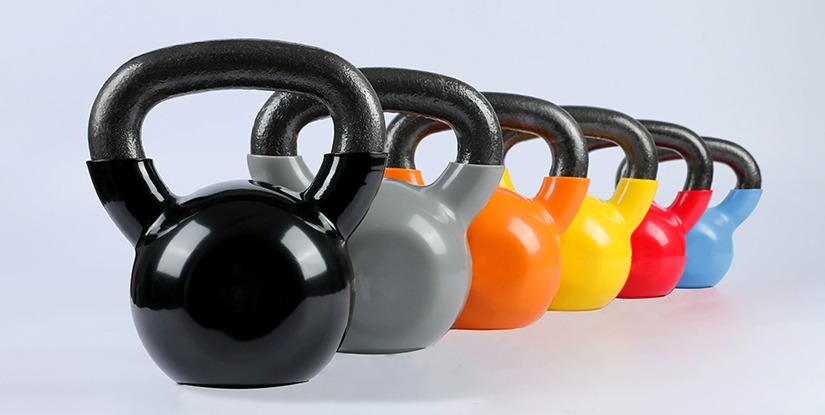
The final stage of the workflow focuses on long-term surface protection through professional surface finishing. To meet the rigorous demands of high-traffic training environments, a leading cast iron kettlebell factory typically utilizes a specialized powder coating application. This process involves an electrostatic spray of fine powder particles that are subsequently baked in a controlled oven, creating a hard, durable layer that is significantly more resilient than standard liquid paint. For an OEM partner, ensuring high coating adhesion is paramount; a failure in this step leads to chipped surfaces and oxidation, which can increase maintenance costs and degrade the aesthetic value of a gym's inventory.
Beyond aesthetics, the quality of the powder coating directly impacts the durability of the product during heavy-duty commercial use. A well-executed coating protects the underlying iron from moisture and friction, preserving the knurling and the integrity of the handle area. When evaluating a one piece casting kettlebell OEM manufacturer, professional buyers should inquire about the specific pre-treatment and drying stages used. A robust surface treatment strategy reduces the frequency of replacements and minimizes the total cost of ownership, making it a critical factor for distributors managing large-scale facility deployments or long-term stock replenishment.
Quality Control Protocols for High-Volume Export Orders
For professional importers and distributors, the cost of a bad batch far exceeds the initial savings of a low-cost supplier. Managing risk in commercial kettlebell production requires a rigorous verification system to prevent high return rates and protect your brand reputation. Whether you are sourcing small volumes or managing large-scale container shipments, relying on a one piece casting kettlebell OEM manufacturer with established inspection protocols is the only way to ensure consistent landed costs and product reliability.
In high-volume cast iron kettlebell factory environments, quality failures often stem from unmonitored weight variances or poor surface adhesion. A professional one piece casting kettlebell OEM manufacturer implements multi-stage checks to mitigate these risks. This involves verifying the weight tolerance of each unit, ensuring the surface finish consistency across the entire batch, and confirming the structural integrity of the handle-to-body junction. Without these strict standards, distributors face significant headaches regarding batch uniformity and customer dissatisfaction.
Pre-Shipment Inspection Checklist for B2B Sourcing
When conducting a factory audit or arranging a third-party inspection, buyers should focus on specific physical attributes that impact commercial durability. A reliable China factory will provide documentation or allow for spot checks on the following critical points:
- Weight Calibration: Verifying that the casting density remains within industry-standard tolerance bands to ensure every unit meets the labeled weight.
- Handle and Grip Integrity: Inspecting the knurling depth and the smoothness of the handle-to-body transition to prevent grip failure or discomfort.
- Coating Adhesion: Testing the bond of the powder coating or paint to ensure it does not chip or peel under heavy commercial use.
- Base Flatness: Ensuring the bell sits stable on gym flooring without wobbling, which is a common failure point in inferior casting molds.
- Logo and Branding Precision: Confirming that any OEM or ODM embossed logos are crisp and correctly positioned for your private label requirements.
By prioritizing these technical checkpoints during your sourcing process, you can secure higher margins and reduce the long-term maintenance load for your clients. We recommend requesting a sample approval or a detailed technical spec sheet before finalizing any high-volume wholesale order to confirm these standards meet your specific market needs.
Technical Verification and Export Readiness
To maintain high distributor margins, a professional one piece casting kettlebell OEM manufacturer must move beyond simple visual checks. Reliable procurement relies on a structured pre-shipment inspection (PSI) that validates the physical properties of the cast iron. During the final stages of commercial kettlebell production, technical teams focus on the intersection of material density and surface integrity to ensure the product can withstand high-traffic commercial gym environments.
A standard cast iron kettlebell factory should implement a systematic approach to weight calibration and surface durability. This is especially critical for wholesale orders where batch consistency determines your ability to fulfill large-scale distributor contracts. For example, verifying the base flatness and the consistency of the handle ergonomics ensures that every unit delivered to your warehouse meets the expected commercial-grade specifications. If your sourcing involves custom branding, the inspection must also confirm that the embossed or printed logo remains intact after the final powder coating application.
Before finalizing your next container shipment, we suggest contacting our team to request a formal sample evaluation or to discuss your specific MOQ. Whether you require standard commercial weights or a specialized OEM solution, our pre-shipment protocols are designed to minimize your landed cost risks and ensure your brand identity is protected through high-quality, export-ready manufacturing.
Technical Comparison of Quality Control Standards
Professional buyers must differentiate between varying tiers of manufacturing quality to protect their bottom line. A structured comparison of inspection stages helps you evaluate the capability of a one piece casting kettlebell OEM manufacturer and understand how specific QC focus areas directly impact your total landed cost and potential return rates.
| Inspection Stage | Focus Area | Commercial Standard | Impact on Landed Cost/Returns |
|---|---|---|---|
| Raw Material Verification | Casting Density & Gray Iron Purity | Consistent density within industry-standard weight tolerance bands | Reduces weight discrepancy claims and shipping weight disputes |
| Post-Machining Check | Handle Ergonomics & Base Flatness | Smooth handle-to-body junction and stable base sitting | Prevents product returns due to wobbling or grip discomfort |
| Surface Finishing | Coating Adhesion & Knurling Depth | Consistent powder coating bond and uniform knurling texture | Lowers long-term maintenance costs and prevents chipping issues |
| Pre-Shipment QC | Logo Precision & Branding Integrity | Crisp, undamaged OEM or ODM embossed branding | Ensures high brand value for private label distributors |
Understanding these qualitative tiers allows you to select a supplier that aligns with your market positioning. For high-end studio deployments, prioritize manufacturers that emphasize handle-to-body junction refinement and coating durability to ensure long-term commercial-grade performance.
Custom Branding and OEM/ODM Capabilities for Global Distributors
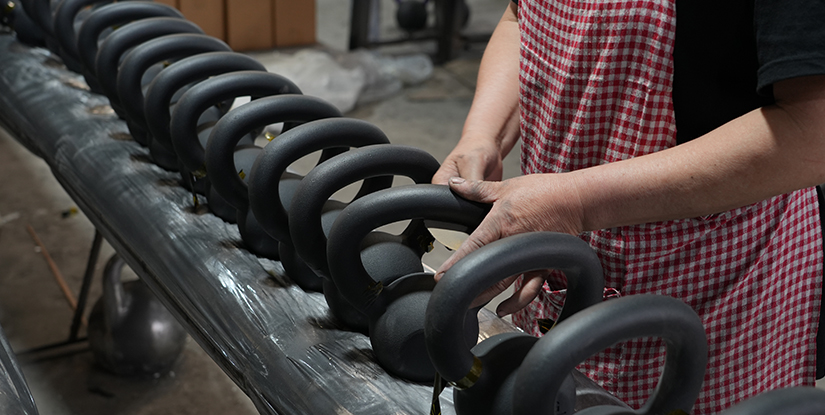
For international distributors and gym equipment importers, the ability to differentiate a product line is critical for securing long-term market share. Partnering with a professional one piece casting kettlebell OEM manufacturer allows you to move beyond generic white-label products and establish a distinct brand identity in competitive regions. Whether you require precise logo placement or specific weight configurations, high-tier commercial kettlebell production ensures your brand is associated with professional-grade durability and consistent manufacturing standards.
Working directly with a China factory provides the technical infrastructure necessary for advanced private label solutions. Unlike sourcing from trading companies, direct OEM and ODM partnerships allow for granular control over the product's physical attributes, such as the specific texture of the handle knurling or the thickness of the powder coating layer. This level of customization is essential for distributors looking to optimize their wholesale catalogs with high-margin, branded strength equipment.
Strategic sourcing through a specialized cast iron kettlebell factory also facilitates better control over your MOQ and landed cost. By integrating custom branding—such as embossed logos directly into the cast iron mold—you reduce the risk of coating wear or label peeling, ensuring your brand remains visible even after heavy commercial use. This approach helps maintain your distributor margin by providing a high-perceived-value product that meets the rigorous demands of global fitness facilities.
Technical Customization Matrix for Professional Importers
Selecting the correct customization tier is a vital part of the procurement process to ensure the finished product aligns with your target market's price point and durability requirements. A professional one piece casting kettlebell OEM manufacturer can provide various levels of customization, ranging from basic color changes to complex structural branding. When evaluating your next batch, it is essential to understand how these options affect both the aesthetic value and the long-term maintenance load for the end-user.
| Customization Tier | Branding Method | Typical Surface Finish | Key Component Detail | Commercial Duty | MOQ Impact |
|---|---|---|---|---|---|
| Standard Wholesale | Standard Sand Casting | Black Powder Coating | Basic Knurling | Commercial/Budget | Lower |
| Premium Private Label | Raised Logo Embossing | High-Adhesion Enamel | Precision Texture | Premium Commercial | Medium |
| Elite Professional | Integrated Mold Identity | Multi-Layer Coating | Smooth/Ergonomic Handle | High-End Studio | Higher |
The choice between a simple surface print and a permanent logo embossing affects the long-term branding efficiency. For high-traffic commercial environments, we recommend utilizing the logo embossing method within the casting process itself. This ensures that even if the surface coating experiences wear over time, your brand identity remains visible and intact. This technical detail is a key factor when calculating the total cost of ownership (TCO) and long-term brand prestige for your distribution network.
Before finalizing a bulk order, we encourage partners to request a sample approval or a detailed specification sheet. This allows you to inspect the coating adhesion, the precision of the handle-to-body junction, and the consistency of the weight tolerance across your specific weight range. Confirming these technical details during the sample stage helps mitigate risks related to pre-shipment quality and ensures a smooth export process to your destination warehouse.
Optimizing your global supply chain requires more than just selecting a product; it requires a partner who understands the intricacies of professional export and logistics. A specialized one piece casting kettlebell OEM manufacturer provides the structural reliability and manufacturing transparency needed to scale a fitness brand successfully. To ensure your inventory arrives in peak condition and maintains its value, professional procurement teams should focus on the following logistics and quality assurance pillars.
Logistics, Lead Time, and Export Standards
Managing the lead time for bulk orders is a critical component of inventory planning for any major distributor. Because the production cycle for high-quality cast iron involves several strictly sequenced stages—including sand casting, machining for handle smoothness, and multi-layer coating—it is essential to coordinate with your supplier well in advance of peak seasons. A professional China factory will provide a clear production schedule that accounts for both the manufacturing window and the time required for rigorous pre-shipment QC.
To protect your long-term distributor margin, the quality of export packaging must be non-negotiable. Heavy, single-piece cast iron items are subject to significant kinetic energy during sea freight. We implement industry-standard heavy-duty packaging protocols, often involving reinforced corner protection and specialized palletizing, to prevent damage to the coating or the base flatness of the kettlebells. This attention to detail ensures that your landed cost is not inflated by unexpected breakage or replacement requests upon arrival at your warehouse.
When planning your next procurement cycle, we recommend engaging with our technical team to confirm the specific MOQ for your customized branding requirements. Whether you are looking to expand an existing product line or launch a new private label series, securing a formal specification sheet and a documented inspection plan will ensure your shipment meets every commercial standard expected in the North American and global markets.
Optimizing Logistics and Landed Costs for Bulk Sourcing
For distributors and gym equipment importers, the final price of a product is not just the factory ex-works price; it is the total landed cost that determines your eventual profit margin. When sourcing heavy iron goods, the one piece casting kettlebell OEM manufacturer must account for the high weight-to-volume ratio, which significantly impacts international logistics and container utilization. Managing these variables effectively ensures that your bulk sourcing strategy remains competitive in the North American market.
Effective shipping volume management is critical because kettlebells are high-density products. While they do not take up much physical space, they reach the maximum weight capacity of a shipping container long before the container is physically full. A professional one piece casting kettlebell OEM manufacturer will provide expertise in weight optimization and specialized palletization to maximize container loading efficiency. By optimizing how units are stacked and securing them within the container, a factory can reduce the number of shipments required for a high-volume wholesale order, thereby lowering the per-unit cost of sea freight.
Comparison of Shipping and Packaging Strategies for Wholesale Orders
Selecting the correct logistics model is a decisive factor in managing the landed cost of your inventory. Depending on your MOQ and the scale of your distribution, different packaging configurations will impact both the safety of the goods and the storage efficiency in your warehouse. A professional one piece casting kettlebell OEM manufacturer can adapt these methods to suit your specific market entry requirements, whether you are importing full containers or smaller LCL shipments.
| Shipping Method | Packaging Type | Volume Impact | Cost Level | Lead Time | Suitability for Wholesale |
|---|---|---|---|---|---|
| FCL (Full Container Load) | Standard Industrial Palletization | Low (Optimized for weight) | Most Efficient | Standard Factory Lead Time | High-volume distributors |
| LCL (Less than Container Load) | Reinforced Individual Export Boxes | Moderate | Mid-Range | Variable by Port | Mid-sized studio operators |
| Air Freight | Lightweight Protective Crating | High (Weight-sensitive) | Premium | Fastest | Urgent sample or low-volume stock |
| Express Courier | Single Unit Retail-Ready Box | Very High | Highest | 3–7 Days | Small scale boutique replenishment |
When evaluating commercial kettlebell production for a large-scale deployment, we typically recommend FCL via sea freight with heavy-duty palletization. This approach minimizes the risk of coating damage during transit and provides the best wholesale value by maximizing the weight capacity of the container. During the pre-shipment phase, our China factory ensures that all pallets are secured with industrial-grade strapping to prevent shifting, which is essential for maintaining the integrity of the one piece casting kettlebell OEM manufacturer standards upon arrival at your facility.
Beyond the physical product, the reliability of your cast iron kettlebell factory is often judged by its ability to navigate complex international trade requirements. To avoid costly delays at the port, a professional one piece casting kettlebell OEM manufacturer integrates comprehensive export packaging and rigorous customs documentation into the standard production workflow. This ensures that your bulk order transitions smoothly from the production floor to your local warehouse without unexpected compliance friction.
To maintain high warehouse efficiency, we utilize specialized palletization techniques designed for high-density iron goods. This involves using reinforced wooden or plastic pallets and industrial-grade stretch wrap to protect the powder coating and prevent metal-on-metal friction during sea freight. By standardizing these steps, we help distributors manage their lead time more predictably, allowing for better inventory planning and a more stable landed cost when scaling your commercial fitness brand.