One Piece Casting Kettlebell Manufacturer: OEM Manufacturing
One Piece Casting Kettlebell Manufacturer: Essential Procurement Criteria
Distributors often face the risk of high replacement costs when sourcing low-grade, multi-part assembly units that fail under high-volume use. A professional one piece casting kettlebell manufacturer provides a superior solution by producing single-mold iron bodies that eliminate structural weak points. For gym owners and large-scale facility managers, selecting a one piece casting kettlebell manufacturer ensures long-term durability, consistent weight distribution, and significantly lower maintenance overhead across a full commercial use scenario.
In a high-traffic commercial use scenario, equipment reliability directly impacts your facility's operational efficiency and total cost of ownership. Relying on a cast iron kettlebell production process that utilizes high-quality gray iron ensures that each unit maintains its structural integrity despite heavy daily use. When managing bulk orders, procurement teams must prioritize commercial kettlebell OEM factory standards to ensure that weight tolerances and handle textures remain consistent across every shipment, protecting your profit margins and brand reputation.
Technical Manufacturing Standards and Quality Benchmarks
To mitigate the risk of weight discrepancies or surface failure in large-scale deployments, professional procurement teams must evaluate the specific manufacturing workflows of their one piece casting kettlebell manufacturer. Unlike lower-tier alternatives, a high-standard commercial kettlebell OEM factory utilizes a rigorous sequence of sand casting, precision machining, and specialized coating to ensure each unit meets rigorous commercial-grade expectations. For distributors and importers, verifying these technical layers is essential for minimizing post-delivery claims and optimizing landed costs.
| Material Tier | Manufacturing Process | Key Component Focus | Commercial Duty | MOQ Impact | Factory QC Point |
|---|---|---|---|---|---|
| Gray Iron | Sand Casting | Handle-to-body junction | Standard Commercial | Lower | Base flatness |
| High-Grade Iron | Precision Machining | Knurling depth | Premium Studio | Medium | Coating adhesion |
| Specialized Steel | Centrifugal Casting | Weight distribution | Competition/Elite | Higher | Weight tolerance |
During the cast iron kettlebell production cycle, the integrity of the handle texture and the consistency of the powder coating are the primary indicators of factory capability. A reliable supplier will implement a standardized calibration and pre-shipment inspection to check for surface imperfections or uneven coating layers. When negotiating a bulk order, we recommend requesting a sample evaluation or a formal factory audit to confirm that the production output aligns with your specific branding and durability requirements.
Critical QC Checkpoints for B2B Importers
For professional importers, the difference between a profitable shipment and a costly return lies in the rigor of the pre-shipment inspection. A reliable one piece casting kettlebell manufacturer must demonstrate control over specific high-failure zones that typically impact commercial durability. Procurement teams should focus on three critical areas during the sourcing process to ensure long-term value and minimize the total cost of ownership.
First, the handle texture and knurling must be inspected for uniformity; inconsistent depth can lead to grip issues in high-intensity studio settings. Second, the coating adhesion is a vital metric, as poor bonding in the powder coating or paint layer leads to premature chipping and rust, increasing maintenance loads for the end-user. Finally, logistics safety and base flatness are essential for efficient storage and stable movement during transport. By verifying these standards with a professional commercial kettlebell OEM factory, distributors can ensure that every unit in a bulk order meets the structural and aesthetic expectations of premium fitness facilities.
Material Integrity and Casting Processes for Commercial Durability
When sourcing high-volume strength equipment, understanding the structural foundation is critical for minimizing replacement cycles. A professional one piece casting kettlebell manufacturer utilizes single-piece sand casting to ensure the handle and body exist as a single, continuous unit of gray iron. This method eliminates the weak points found in assembly-style alternatives, providing the high level of structural integrity required for high-traffic commercial environments.
For distributors and gym procurement leads, prioritizing this manufacturing route directly impacts the Total Cost of Ownership (TCO). Unlike multi-part designs that may fail at the handle-to-body junction under heavy use, cast iron kettlebell production via single-piece casting prevents catastrophic separation. This reliability reduces long-term maintenance loads and replacement costs, making it a superior choice for wholesale orders intended for long-term deployment in commercial fitness centers.
Selecting a commercial kettlebell OEM factory that specializes in these high-durability casting methods ensures that every unit can withstand the rigors of daily professional training. Whether you are managing a large-scale distributor margin or a direct gym installation, the stability of the single-piece mold translates to a more predictable and professional product lifecycle.
Technical Specification Comparison for B2B Procurement
To optimize your sourcing strategy, it is essential to distinguish between different manufacturing grades. Choosing the correct specification prevents the high replacement costs and maintenance issues associated with lower-tier products. The following table provides a qualitative overview of common manufacturing options available through a professional one piece casting kettlebell manufacturer to assist in your selection for various market segments.
| Material & Casting Method | Surface Finish | Key Component Detail | Commercial Duty Tier | MOQ Impact | Factory QC Point |
|---|---|---|---|---|---|
| Single-Piece Gray Iron | Powder Coating | Standard Commercial Handle | Premium Commercial | Medium | Base Flatness |
| Single-Piece Gray Iron | Enamel / Paint | Standard Commercial Handle | Standard Commercial | Low | Coating Adhesion |
| Single-Piece Gray Iron | Bare Iron (Phosphate) | Textured Grip | Budget / High-Volume | Very Low | Weight Tolerance |
| Steel / Competition Spec | Chrome Finish | Precision Knurling | Elite / Competition | High | Concentricity |
When evaluating cast iron kettlebell production, we recommend assessing the base flatness and handle-to-body junction during your factory audit. For large-scale wholesale distribution, a powder-coated finish offers the best balance of durability and aesthetic appeal, protecting the iron from oxidation in humid gym environments. If your target market focuses on high-volume, budget-friendly solutions, the phosphate-treated bare iron option provides the lowest landed cost while maintaining professional standards. We suggest requesting a sample evaluation to confirm the knurling depth and coating quality before finalizing your bulk order.
Rigorous Quality Control and Export Standards
Maintaining consistent standards across large-scale shipments requires a strict pre-shipment QC protocol. For a professional one piece casting kettlebell manufacturer, quality control must extend beyond simple visual inspections to include critical functional checkpoints. A reliable commercial kettlebell OEM factory implements a multi-stage verification process to ensure that every unit meets the rigorous demands of international commercial deployment.
The first critical checkpoint is the weight calibration process. In high-volume cast iron kettlebell production, even minor deviations in the casting mold can lead to significant weight discrepancies. Our factory conducts regular weight tolerance spot-checks to ensure that each weight class remains within industry-standard margins. This precision is vital for distributors to maintain brand reputation and avoid customer disputes regarding product accuracy.
Following weight verification, we execute a detailed concentricity check. This ensures the center of gravity remains stable and the handle is perfectly aligned with the bell's axis. Any eccentricity can lead to uneven wear or user instability, which is unacceptable for premium commercial-grade equipment. Additionally, we perform a coating adhesion test to ensure that the powder coating or enamel remains intact under friction, preventing premature oxidation and peeling.
To protect your wholesale investment during long-distance transit, we utilize specialized export packaging. This includes heavy-duty corrugated boxes and reinforced dividers to prevent metal-on-metal impact. For large-scale bulk shipments, we optimize container loading configurations to maximize volume efficiency and reduce the landed cost per unit. We recommend that buyers confirm the specific MOQ and lead time requirements during the initial inquiry to ensure seamless logistics planning for your upcoming inventory replenishment.
Comparing Production Standards: Commercial vs. Competition Tiers
When sourcing for large-scale gym deployments or distributor stock, understanding the distinction between production tiers is essential for calculating long-term TCO. A professional one piece casting kettlebell manufacturer typically produces two distinct categories: standard commercial-grade units and high-precision competition-spec models. For bulk importers, selecting the correct tier depends on whether the end-user requires high-volume durability or extreme weight precision.
The primary driver of cost and durability in cast iron kettlebell production is the complexity of the manufacturing route. While standard commercial units focus on high-volume throughput and robust surface finishes, competition models require tighter control over the handle-to-body junction and concentricity. For many distributors, the commercial tier offers the best balance of low landed cost and long-term reliability for high-traffic strength facilities.
| Tier Level | Primary Material | Surface Finish | Typical Use Case | Procurement Focus |
|---|---|---|---|---|
| Commercial Grade | Gray Iron | Powder Coating or Enamel | Commercial Gyms / CrossFit Boxes | Durability & TCO |
| Competition Spec | Steel / Chrome-Manganese | Chrome or Specialized PU | Sanctioned Events / Elite Studios | Precision & Weight Tolerance |
| Standard Wholesale | Cast Iron | Bare Iron / Phosphate | Budget Retail / Home Gym Kits | Low MOQ & Unit Cost |
For distributors looking to establish a premium brand identity, working with a commercial kettlebell OEM factory allows for the customization of these tiers. You can specify different coating adhesion levels or handle textures to differentiate your product line. When evaluating your next batch, always consider how the manufacturing complexity affects your replacement planning and overall distributor margins.
| Tier Category | Material Base | Manufacturing Process | Key Component Detail | Commercial Duty | MOQ Impact | Factory QC Point |
|---|---|---|---|---|---|---|
| Premium Performance | Chrome-Manganese Steel | Precision Casting & Machining | Uniform Handle Texture | Elite Training Centers | Higher | Concentricity Check |
| Standard Commercial | Gray Iron | Sand Casting & Powder Coating | Robust Handle Junction | High-Traffic Gyms | Moderate | Coating Adhesion |
| Economy Wholesale | Cast Iron | Standard Casting & Enamel | Basic Grip Profile | Budget Retail/Home Use | Lower | Base Flatness |
Selecting the appropriate production path directly influences your landed cost and long-term replacement cycles. A specialized one piece casting kettlebell manufacturer can adjust the manufacturing route based on your target market. For example, while a standard gray iron body with powder coating provides excellent durability for high-traffic commercial environments, a precision-machined steel version offers the extreme weight consistency required for sanctioned events. Understanding these technical trade-offs ensures that your bulk order aligns with your intended ROI and brand positioning.
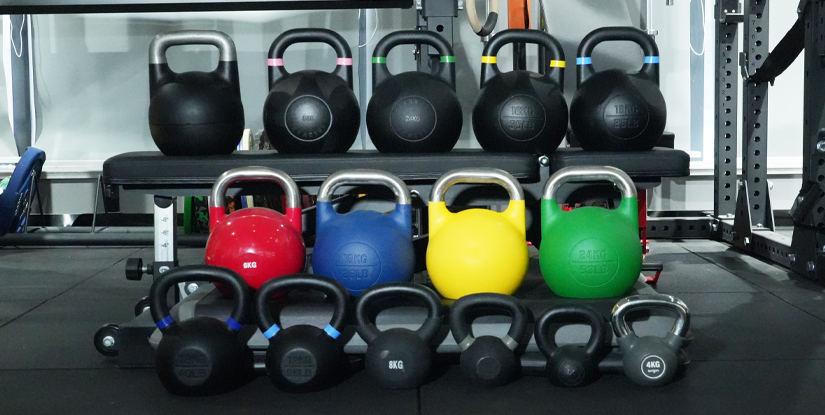
When conducting a factory audit or reviewing samples, procurement leads should focus on the transition points between the handle and the bell body. In many commercial settings, the quality of the handle-to-body junction determines the long-term structural integrity under heavy use. We recommend requesting a detailed spec sheet to confirm how the manufacturer handles weight calibration and surface finishing across different tiers to ensure your distributor margins remain protected.
Optimizing the Manufacturing Workflow: From Casting to Coating
For distributors and gym equipment importers, the technical integrity of a single unit determines the long-term maintenance load of an entire shipment. A professional one piece casting kettlebell manufacturer must manage a precise sequence of industrial steps to ensure that every unit meets commercial-grade durability standards. This structured workflow reduces the risk of surface chipping or weight inconsistencies that can negatively impact your landed cost and customer satisfaction.
The production cycle begins with high-quality sand casting, where molten gray iron is poured into specialized molds to create the fundamental bell shape. This traditional method is industry-standard for producing the robust, heavy-duty profiles required for high-traffic commercial environments. Following the initial cooling phase, the raw castings undergo rigorous CNC machining. This stage is critical for refining the handle-to-body junction and ensuring the concentricity of the bell, which directly affects the balance and user experience during high-intensity training.
Once the physical dimensions are stabilized, the units move to weight calibration. In a professional cast iron kettlebell production environment, each piece is verified to ensure weight deviations remain within acceptable commercial tolerances. Finally, the surface finishing process—typically involving a multi-stage powder coating or specialized enamel application—is executed. This final layer provides the essential protection against oxidation and wear, ensuring the equipment maintains its professional appearance even under heavy usage in commercial settings.
Selecting the Right Finish for Your Market Segments
When sourcing in bulk, the choice between different surface treatments is a critical decision for a distributor's margin and product positioning. A single one piece casting kettlebell manufacturer typically offers various finishing options to cater to different end-user requirements, from high-intensity strength studios to premium boutique fitness environments. Selecting the wrong coating can lead to high return rates due to poor coating adhesion or premature oxidation, ultimately increasing your total cost of ownership.
The following comparison assists in wholesale decision-making by aligning technical specifications with target market expectations. Whether you are prioritizing low-cost high-volume distribution or high-end retail, understanding these material trade-offs is essential for successful commercial kettlebell OEM projects.
| Material & Finish Type | Primary Process | Key Component Detail | Commercial Duty Tier | MOQ Impact | Factory QC Point |
|---|---|---|---|---|---|
| Bare Iron | Sand Casting & Polishing | Natural Texture | Budget / Basic | Lower | Base Flatness |
| Powder Coating | Electrostatic Spray | Uniform Layer | Standard Commercial | Medium | Coating Adhesion |
| PU Coated | Polyurethane Dip | Smooth Grip Surface | Premium / Boutique | Higher | Encapsulation Integrity |
For mass-market distribution, a standard powder coating offers the best balance of durability and cost-efficiency, providing a reliable barrier against rust. However, for premium studio clients, PU coating is often preferred due to its superior tactile feel and floor protection properties. When evaluating a China factory for your next order, we recommend requesting a sample to inspect the thickness and durability of these layers before finalizing your sourcing agreement.
China Factory Capabilities: OEM, ODM, and Lead Time Management
For international distributors and large-scale gym developers, selecting a reliable one piece casting kettlebell manufacturer is a decision rooted in supply chain stability and margin protection. A professional commercial kettlebell OEM factory provides more than just physical products; they offer scalable manufacturing solutions that bridge the gap between standard stock availability and high-margin custom branding requirements. Whether you are sourcing high-volume wholesale orders or specialized boutique lines, understanding the operational capacity of your supplier is critical for maintaining consistent inventory levels across global markets.
Efficient procurement relies on clear parameters regarding MOQ, lead time, and technical flexibility. While standard production runs focus on high-speed cast iron kettlebell production for existing SKUs, specialized OEM and ODM services allow importers to integrate proprietary logos, specific handle textures, or unique coating colors into the manufacturing workflow. This distinction is vital for distributors looking to build a distinct brand identity rather than competing solely on commodity pricing. A mature China factory will provide transparent timelines that account for both the casting cycle and the subsequent surface finishing stages to ensure your landed cost remains predictable.
Sourcing Tiers and Production Complexity
When evaluating a one piece casting kettlebell manufacturer, procurement professionals must distinguish between standard inventory and customized production runs. The complexity of the manufacturing route directly influences the MOQ and the eventual landed cost of your shipment. For instance, high-volume wholesale orders of standard bare iron units offer the fastest lead time, whereas specialized orders involving advanced powder coating or custom handle textures require additional scheduling for the finishing lines.
The following table outlines the typical sourcing variations found when working with a professional commercial kettlebell OEM factory to help optimize your procurement strategy.
| Material & Process | Key Component / Detail | Commercial Duty Tier | MOQ Impact | Factory QC Point |
|---|---|---|---|---|
| Gray Iron (Sand Casting) | Standard handle texture | Budget / High-Volume | Lowest | Base flatness & weight tolerance |
| Cast Iron (Powder Coating) | Smooth grip / Color finish | Commercial / Standard | Moderate | Coating adhesion & surface uniformity |
| Premium Steel (Competition Spec) | Precision knurling / Machined handle | Premium / Boutique | Highest | Concentricity & handle-to-body junction |
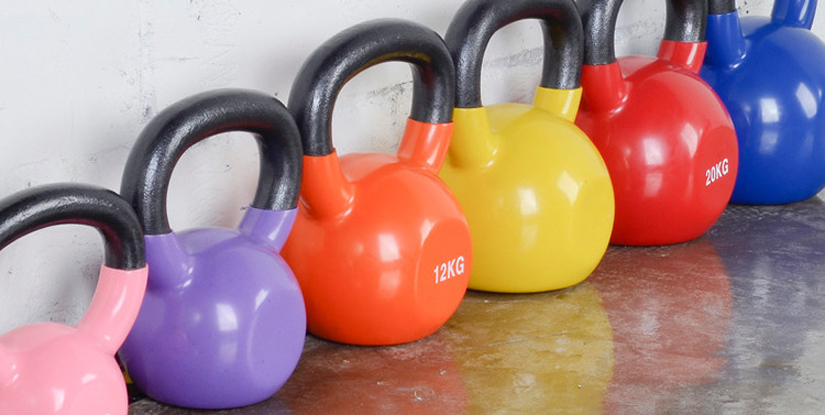
To ensure optimal sourcing results, we recommend requesting a detailed specification sheet and confirming the specific cast iron kettlebell production timeline for your desired finish. A transparent supplier will provide a clear breakdown of how custom requirements affect both the production cycle and the final export packaging requirements.
Optimizing Logistics and Quality Assurance for Global Distribution
Risk mitigation in bulk procurement requires rigorous oversight of the final manufacturing stages. A professional one piece casting kettlebell manufacturer must implement a multi-stage pre-shipment QC process to prevent costly returns or distributor dissatisfaction. This begins with weight calibration to ensure every unit meets the specified weight tolerance, followed by a thorough inspection of coating adhesion to prevent peeling in high-use commercial environments. For distributors, these technical checkpoints are essential to maintaining a high-quality brand reputation and protecting long-term margins.
Beyond the physical product, shipping efficiency and export packaging are critical components of the total landed cost. High-density loading protocols and reinforced export packaging are standard for a capable commercial kettlebell OEM factory, ensuring that heavy cast iron units remain secure during ocean transit. By coordinating closely with your factory regarding container loading optimization and pre-shipment inspection schedules, importers can reduce transit-related damage and ensure that large-scale wholesale shipments arrive at the warehouse ready for immediate commercial deployment.
Pre-Shipment QC and Export Packaging Standards
Maintaining consistent profit margins requires more than just low unit costs; it demands rigorous oversight of the final production stages. For distributors and warehouse managers, the greatest threat to landed cost is receiving a shipment of damaged or out-of-spec inventory. A professional one piece casting kettlebell manufacturer mitigates these risks by implementing strict inspection protocols before any container is sealed. This ensures that the bulk order reliability expected by international importers is met without the need for costly returns or local replacements.
Effective cast iron kettlebell production must include a final calibration phase to manage weight tolerance. In a high-volume commercial kettlebell OEM factory, this typically involves spot-checking batches to ensure the gray iron bodies meet the declared weight class. Beyond weight, the one piece casting kettlebell manufacturer must verify the integrity of the surface finish—checking for coating adhesion or casting imperfections that could lead to premature rust or grip failure during commercial use. Without these QC standards, importers face the high cost of damaged goods and diminished brand reputation.
To ensure shipping damage prevention, specialized export packaging is mandatory for heavy iron goods. Standard practice involves heavy-duty corrugated boxes and reinforced palletizing to withstand the mechanical stresses of sea freight and container loading. For wholesale buyers, the quality of the factory packaging directly impacts the stability of the sourcing process, ensuring that the first pallet opened at the destination matches the quality of the last.
Standardized Inspection and Export Logistics
For professional importers, the final stage of the one piece casting kettlebell manufacturer workflow determines the total landed cost and inventory reliability. A single instance of a cracked casting or a poorly adhered coating can lead to significant losses in a retail or gym deployment setting. Therefore, a reliable commercial kettlebell OEM factory must implement a multi-point inspection checklist that covers every critical physical attribute before the goods are cleared for sea freight.
The following table outlines the typical inspection and packaging tiers used by a professional one piece casting kettlebell manufacturer to ensure product integrity during long-distance transit and high-volume wholesale distribution. This standardizes the sourcing process for global distributors.
| Inspection Point | Technical Focus | Commercial Duty Tier | MOQ Impact on Customization | Factory QC Protocol |
|---|---|---|---|---|
| Weight Accuracy | Gray iron density consistency | Standard Commercial | Higher MOQ allows tighter weight tolerances | Random batch sampling and weight calibration |
| Handle & Grip | Knurling depth and junction smoothness | Premium / Competition | Low MOQ limits custom handle texture options | Manual tactile check and visual inspection |
| Surface Coating | Adhesion and rust-prevention layer | Standard / Premium | Custom color/coating available at higher MOQ | Visual check for chips or uneven thickness |
| Base Flatness | Stability on gym flooring | All Tiers | Standardized for all bulk orders | Surface leveling check on inspection table |
| Export Packaging | Sea freight durability and pallet stability | Standard Export | Custom branded boxes available via OEM | Reinforced corrugated box and pallet strapping |
Effective cast iron kettlebell production concludes with rigorous palletization. To protect the investment of the factory and the buyer, units are typically organized in reinforced cartons, then secured onto heavy-duty pallets with shrink wrap and edge protectors. This prevents shifting during container loading and protects the product from the humidity and mechanical vibrations common in maritime shipping. For a supplier, providing these standardized export protocols is essential to reducing the risk of damage-related claims and ensuring smooth warehouse receipt for the distributor.
Strategic Sourcing: Finalizing Your Bulk Order
Optimizing your supply chain requires more than finding a product; it requires identifying a reliable one piece casting kettlebell manufacturer that understands the complexities of international logistics. For distributors and large-scale gym operators, the goal is to minimize the landed cost while maximizing the distributor margin through high-volume efficiency. Sourcing directly from a China factory allows you to bypass middleman markups, providing a direct line to production capacity and specialized OEM capabilities.
When managing a bulk order, professional buyers must evaluate the total cost of ownership, including shipping density and weight-to-volume ratios. A professional commercial kettlebell OEM factory will provide optimized export packaging and clear MOQ tiers to help you balance inventory turnover with shipping costs. By establishing a direct relationship with a one piece casting kettlebell manufacturer, you gain better control over wholesale pricing structures and can better predict lead times for seasonal restocking or new facility deployments.
Successful sourcing strategies often involve negotiating specific terms regarding cast iron kettlebell production cycles to ensure consistent availability. Whether you are looking for a supplier for a single studio launch or a long-term partner for global distribution, understanding the relationship between order volume and unit price is essential for maintaining a competitive edge in the commercial fitness market.
Sourcing Model Comparison for Global Importers
To maximize your procurement efficiency, it is necessary to distinguish between different supply chains. Choosing between a direct one piece casting kettlebell manufacturer and a trading company can significantly impact your long-term profitability and product consistency. Most high-volume distributors prefer working directly with a factory to secure better control over technical specifications and customization.
| Procurement Model | Primary Focus | Customization (OEM/ODM) | Lead Time Predictability | Typical MOQ | Primary Advantage |
|---|---|---|---|---|---|
| Direct Factory-Direct | Production Efficiency | High (Full Branding) | High (Direct Control) | Higher | Lowest Landed Cost |
| Specialized OEM Factory | Product Development | Very High (Custom Specs) | Moderate (R&D Dependent) | Variable | Market Differentiation |
| Trading/Wholesale Agent | Catalog Variety | Low (Standard Stock) | Fast (Ready to Ship) | Lower | Ease of Sourcing |
When evaluating your next batch, consider how the cast iron kettlebell production workflow aligns with your warehouse capacity. A specialized commercial kettlebell OEM factory can offer more granular control over the handle texture and coating adhesion, which are critical for high-traffic commercial environments. We recommend requesting a formal spec sheet and a detailed MOQ breakdown during your initial inquiry to confirm that the production schedule meets your deployment timeline.
Before finalizing a large-scale purchase, professional buyers should always initiate a sample approval process and, if possible, a pre-shipment inspection to verify weight calibration and base flatness. Establishing these protocols early ensures that your partnership with a one piece casting kettlebell manufacturer remains focused on quality and long-term reliability.