Weight Disc OEM Manufacturer: Private Label OEM Factory
The True Cost of Low-Quality Sourcing in Weight Disc Procurement
When managing high-volume imports, professional distributors must evaluate more than just the initial unit price; a reliable weight disc OEM manufacturer provides value through consistent specifications and streamlined logistics. Successful procurement requires a rigorous audit of three critical checkpoints: the precision of material density, the strictness of weight tolerances, and the reliability of the export packaging to prevent transit damage. Neglecting these factors often leads to significant disruptions in the supply chain and diminished distributor margins.
Sourcing from an unverified commercial weight disc supplier introduces substantial operational risks that extend far beyond a single shipment. One of the most frequent issues encountered in bulk procurement is the presence of material defects, such as uneven casting or structural air pockets within the iron. These flaws do not just impact the aesthetics of the product; they create dangerous imbalances that can lead to premature cracking or failure under heavy commercial use. When a wholesale gym equipment OEM fails to maintain strict control over the casting and finishing stages, the resulting product inconsistency can damage your brand reputation and increase customer churn.
Furthermore, failing to account for weight tolerance during the custom weight plate manufacturing process creates a hidden financial burden. In a commercial setting, even slight deviations in weight across a full set can lead to uneven loading on machines and barbell bars, causing mechanical wear and potential liability issues. For importers, these discrepancies often manifest as high return rates and increased customer service overhead. When calculating the long-term TCO, buyers must realize that a low-cost factory that lacks rigorous pre-shipment calibration actually increases the landed cost through frequent replacements and lost trust. Relying on a low-tier China factory without a structured QC protocol is a high-risk strategy that often results in much higher operational expenses over the product lifecycle.
Comparison of Sourcing Tiers and Procurement Impact
To avoid the pitfalls of unverified sourcing, procurement professionals should evaluate potential partners based on qualitative performance tiers rather than just the lowest quote. The following table outlines how variations in production standards directly influence your brand's commercial viability and long-term landed cost.
| Material & Process Tier | Casting Quality | Coating Adhesion | Weight Accuracy | Commercial Durability | Typical Sourcing Profile |
|---|---|---|---|---|---|
| Premium OEM Standard | High-density, uniform casting with minimal air pockets | Multi-coat powder coating or high-grade PU for long-term resistance | Strict calibration with minimal deviation across batches | High; optimized for heavy-duty gym environments | Professional weight disc OEM manufacturer |
| Standard Commercial | Consistent sand casting with standard surface finish | Single-layer powder coating or enamel finish | Standard industry-level weight tolerances | Moderate; suitable for standard fitness centers | Reliable commercial weight disc supplier |
| Budget/Unverified | Irregular casting with potential structural voids | Thin or inconsistent coating prone to chipping | High variance in weight per unit | Low; high risk of premature wear or failure | Low-tier wholesale gym equipment OEM |
Selecting a high-tier partner for custom weight plate manufacturing ensures that your inventory remains a reliable asset rather than a liability. While a budget-tier factory may offer a lower initial price, the lack of rigorous quality control often leads to increased replacement costs and higher maintenance loads for your end-users. For distributors and large-scale importers, investing in a partner that prioritizes structural integrity and coating durability is the most effective way to protect your margins and maintain a premium brand identity in the competitive fitness market.
Critical Checkpoints for Quality Assurance
To mitigate these procurement risks, a professional weight disc OEM manufacturer must implement a multi-stage production sequence that prioritizes structural and aesthetic consistency. A reliable manufacturing route typically begins with high-density sand casting to eliminate internal voids, followed by precision machining of the center bore to ensure concentricity. For commercial-grade reliability, the surface treatment is just as vital as the core material. A high-tier China factory will utilize a multi-coat powder coating process or specialized plating to ensure high coating adhesion, preventing the chipping and oxidation that often plague lower-quality imports.
Beyond material and finish, the most critical phase for any commercial weight disc supplier is the final calibration stage. A professional facility integrates systematic weight calibration and pre-shipment QC to ensure every unit meets the specified weight tolerance. This prevents the uneven loading issues that can damage high-end barbell bars and gym machinery. For importers managing bulk orders, requesting a detailed inspection report that covers surface finishing, weight accuracy, and packaging integrity is a non-negotiable step. By verifying these technical standards before the shipment leaves the factory, you protect your landed cost and ensure your brand delivers the durability expected in professional fitness environments.
Material Selection and Manufacturing Standards for Commercial Weight Discs
For professional importers and distributors, the long-term durability of a product directly dictates the total cost of ownership and replacement cycles. Selecting a reliable weight disc OEM manufacturer involves evaluating how base materials and surface treatments withstand high-volume usage in commercial gym environments. A professional China factory focuses on structural integrity to prevent chipping or weight degradation over time.
The foundation of commercial-grade weight plates typically relies on high-density cast iron. During the sand casting process, the metal must achieve consistent density to avoid internal air pockets that lead to structural failure. Following the casting and machining phase, the application of a high-grade powder coating is standard for ensuring the surface remains resistant to oxidation and physical impact. For those engaged in custom weight plate manufacturing, choosing the correct coating thickness and adhesion quality is vital to avoid premature peeling, which can increase maintenance costs and diminish the perceived value of your private label.
Understanding these material tiers allows a commercial weight disc supplier to provide better options for different market segments, from budget-friendly training facilities to premium strength centers. This technical alignment ensures that your wholesale gym equipment OEM orders meet the rigorous demands of heavy-duty training without unexpected replacement expenses.
| Material Type | Surface Finish | Commercial Duty Tier | Durability Profile | Procurement Context |
|---|---|---|---|---|
| Cast Iron | Basic Enamel Paint | Budget/Standard | Moderate; prone to minor chipping under extreme impact | High-volume wholesale/Entry-level gyms |
| Cast Iron | Industrial Powder Coating | Commercial/Premium | High; excellent resistance to abrasion and moisture | Standard for professional distributor branding |
| Solid Steel | Chrome/Hardened Finish | High-End/Competition | Maximum; optimized for precision and long-term aesthetics | Specialized boutique studio sourcing |
Material and Surface Finish Comparison for Procurement
When evaluating a weight disc OEM manufacturer, the distinction between material tiers determines the long-term maintenance load for your end clients. For instance, while standard cast iron with basic enamel is cost-effective for high-volume wholesale distribution, it lacks the impact resistance required for high-traffic strength centers. In contrast, high-density iron paired with advanced surface treatments offers a superior way to protect your brand identity and reduce replacement frequency.
A professional commercial weight disc supplier will differentiate between basic coatings and high-performance options like polyurethane (PU) or specialized rubber encapsulation. These advanced finishes are not just aesthetic; they serve a functional purpose by dampening sound and protecting flooring—a critical factor for commercial facility operators. When managing custom weight plate manufacturing, we recommend aligning the material choice with the target facility's intensity level to optimize the landed cost and ensure customer satisfaction.
| Material Base | Surface Treatment | Durability Level | Primary Commercial Use | Procurement Focus |
|---|---|---|---|---|
| Cast Iron | Enamel Paint | Standard | General Fitness/Commercial Gyms | Low MOQ/Budget-friendly |
| Cast Iron | Industrial Powder Coating | High | Professional Strength Centers | Durability & Brand Aesthetics |
| Solid Steel | Chrome/Hardened Finish | Premium | Boutique Studios/Competition | Precision & Long-term Value |
| Steel/Iron Core | Polyurethane (PU) Coating | Maximum | High-Impact/Premium Facilities | Noise Reduction & Floor Protection |
To ensure quality, a reputable wholesale gym equipment OEM partner must implement strict pre-shipment QC. This includes checking the adhesion of the coating to the metal base and verifying the concentricity of the center hole. We suggest requesting a sample evaluation or a detailed specification sheet to confirm that the weight tolerances and surface finishes meet your specific commercial-grade requirements before finalizing a bulk order.
Ensuring Precision Through Rigorous Quality Control
For professional importers, the risk of receiving inconsistent batches is a significant threat to distributor margins. A high-tier weight disc OEM manufacturer mitigates this by implementing a systematic production sequence: from initial casting and machining to final calibration. A critical point of failure in low-cost sourcing is often the weight tolerance; even minor deviations can lead to uneven loading in commercial racks, affecting the user experience and your brand reputation.
Beyond structural mass, the integrity of the surface finish is a non-negotiable standard. During the coating phase, a professional China factory performs adhesion checks to ensure the finish does not flake or peel under high-impact usage. This is especially vital when managing custom weight plate manufacturing for premium clients who expect long-lasting aesthetics. A reliable commercial weight disc supplier will prioritize a multi-stage coating process to ensure the surface remains intact through years of heavy-duty training.
To protect your investment and ensure long-term reliability, we recommend a thorough pre-shipment inspection protocol. This process should include spot-checks for weight accuracy, visual inspections of the coating adhesion, and a verification of the center hole concentricity. By establishing these technical benchmarks during the sourcing phase, you can better manage your lead time and ensure that every bulk shipment meets international export standards, ultimately lowering the total cost of ownership for your clients.
Critical QC Checkpoints for Weight Disc OEM Manufacturer Production
For distributors and gym equipment importers, the cost of a single faulty batch can exceed the entire margin of a shipment. A professional weight disc OEM manufacturer must implement rigorous quality control to mitigate the risks of material fatigue, uneven weight distribution, and surface degradation. Relying on a commercial weight disc supplier that lacks standardized inspection protocols often leads to high replacement costs and damaged brand reputation in the competitive fitness market.
Effective custom weight plate manufacturing begins with strict material integrity audits. During the sourcing phase, a reputable factory ensures that the raw cast iron or steel meets density requirements to prevent air pockets or structural flaws. Without these foundational checks, the finished product may fail during high-volume commercial use, leading to costly returns and logistics issues for the wholesale buyer.
Beyond the raw material, maintaining precise weight tolerance is a critical production standard. In a professional China factory setting, this involves a multi-stage calibration process—typically moving from the initial casting stage through machining and final weight verification. A reliable supplier utilizes standardized calibration to ensure that every unit in a bulk order meets the specific weight class requested, preventing discrepancies that could lead to client disputes or compliance issues during international sourcing.
Technical Inspection Points in Production
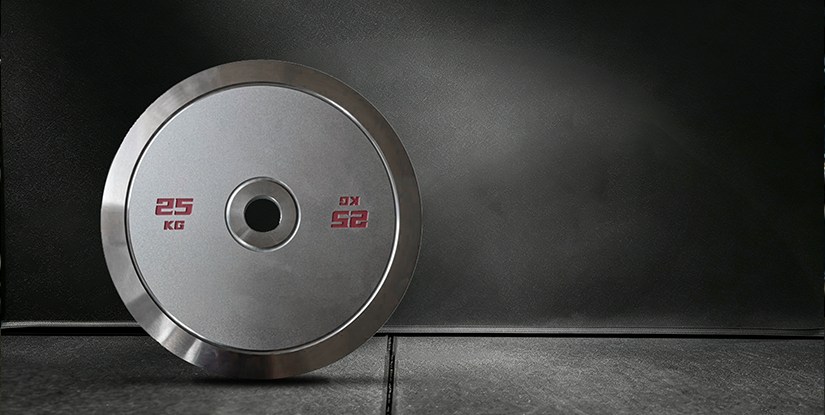
Precision in custom weight plate manufacturing requires more than just a final scale check; it demands oversight at every manufacturing stage. High-quality production typically begins with sand casting, where the mold integrity must be verified to prevent surface imperfections. A professional weight disc OEM manufacturer monitors the casting process to ensure the density of the gray iron or steel remains consistent, preventing the structural weaknesses that often plague lower-tier production lines.
Once the base shape is achieved, the focus shifts to surface durability and dimensional accuracy. A critical inspection point involves checking the powder coating adhesion to ensure the finish can withstand the high-impact environment of a commercial gym. If the coating is poorly applied, it will chip or peel, increasing the maintenance load for the end-user and devaluing your brand. Furthermore, the wholesale buyer should look for evidence of concentricity checks. Ensuring the disc is perfectly circular and balanced is essential for preventing wobbling or uneven wear on barbell sleeves, which is a common failure mode in substandard units.
Final pre-shipment protocols at a reputable China factory must include a comprehensive weight calibration and dimensional audit. This ensures that the diameter and thickness of every plate fall within industry-standard tolerances. For professional importers, verifying these technical specifications before the container is loaded is the most effective way to secure a stable landed cost and minimize the risk of receiving non-compliant stock. If you are planning a large-scale order, we recommend requesting a detailed specification sheet or a sample evaluation to confirm these manufacturing standards meet your brand's requirements.
Technical Comparison of QC Standards for Bulk Procurement
To assist procurement managers in evaluating vendor capability, the following table outlines the qualitative differences between standard and high-tier production. When managing wholesale gym equipment OEM orders, understanding these tiers helps in calculating the long-term value and potential maintenance load of your inventory.
| Inspection Stage | Key Metric | Commercial Impact | Procurement Focus |
|---|---|---|---|
| Raw Material Casting | Material Density & Uniformity | Prevents structural cracks or internal air pockets | Ensuring high-grade gray iron or steel integrity |
| Machining & Shaping | Concentricity & Diameter Tolerance | Prevents barbell wobbling and uneven wear | Dimensional accuracy for smooth plate transitions |
| Surface Finishing | Powder Coating Adhesion | Reduces chipping and rust in high-traffic gyms | Durability of the visual and protective layer |
| Final Calibration | Weight Consistency | Ensures batch-wide uniformity for professional use | Mitigating discrepancy risks in bulk shipments |
| Pre-shipment QC | Packaging & Loading Integrity | Reduces transit damage and landed cost fluctuations | Protection of product surface and edge stability |
Choosing a specialized weight disc OEM manufacturer means prioritizing these technical checkpoints to protect your distributor margins. A rigorous inspection protocol at the source ensures that your private label products meet the durability expectations of professional gym operators worldwide. We recommend discussing specific inspection frequency and documentation requirements with your supplier during the initial sourcing phase to ensure full transparency before production begins.
Custom Branding and Private Label Capabilities for Global Distributors
For distributors and large-scale importers, a professional weight disc OEM manufacturer provides more than just hardware; they provide a foundation for your brand identity. When sourcing in bulk from a China factory, the ability to transition from generic products to a specialized line is a critical lever for increasing distributor margins and market positioning.
Establishing a private label program allows you to control the aesthetic and perceived value of your inventory. Whether you require precision-molded logos or specific color-coded finishes, a reliable commercial weight disc supplier ensures that your custom branding remains consistent across every shipment. This level of custom weight plate manufacturing transforms a standard commodity into a proprietary asset, helping you build long-term loyalty within the professional fitness sector.
Effective wholesale gym equipment OEM partnerships focus on high-level quality control to protect your reputation. A professional supplier manages the entire lifecycle—from the initial mold design to the final pre-shipment inspection—ensuring that your branded plates meet rigorous manufacturing standards. By managing the complexities of OEM production and ODM technical specifications, the factory allows you to focus on market expansion while they handle the technical precision of your product line.
Technical Execution of Customization and Branding
A high-tier weight disc OEM manufacturer must master the technical integration of brand assets into the production workflow. For professional importers, customization is not merely about aesthetics; it is about durability and precision. We offer various methods to ensure your brand remains intact through heavy commercial use, ranging from high-relief logo embossing directly into the cast iron molds to precision laser engraving on steel-core plates. This ensures that your branding does not peel or fade like low-quality paint over time.
To meet the diverse needs of global distributors, our custom weight plate manufacturing capabilities extend to advanced surface treatments. Beyond standard paint, we utilize industrial-grade powder coating to provide a resilient, textured finish that resists chipping and oxidation in high-traffic environments. This process is essential for maintaining a premium look for your private label products. Depending on your target market, we can also provide PU coating or rubber encapsulation to enhance both the tactile feel and the durability of the unit.
Precision in weight is non-negotiable for professional-grade equipment. Our production line includes a dedicated calibration phase to ensure strict weight tolerance standards are met across every batch. This prevents the common failure mode of uneven weight distribution, which can damage client equipment and lead to high return rates. We recommend that buyers confirm their required tolerance levels during the initial sourcing phase to ensure the final product aligns with your brand's quality promise.
To mitigate the risks of international shipping, we implement a structured pre-shipment inspection protocol. This includes a comprehensive check of the logo adhesion, coating uniformity, and dimensional accuracy. For high-volume wholesale orders, we also conduct rigorous packaging audits to ensure that export-ready containers are loaded efficiently and that the products are protected against moisture and physical impact during long-haul transit. We invite distributors to request a sample evaluation or a detailed factory audit to confirm our technical capabilities before finalizing any MOQ or bulk order.
Customization Tiers and Procurement Variables
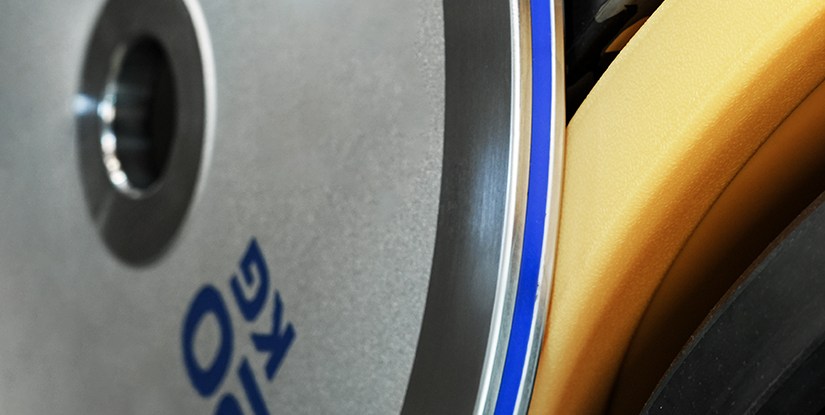
Navigating the complexities of wholesale procurement requires a clear understanding of how customization depth affects your total landed cost and logistical planning. When working with a weight disc OEM manufacturer, the level of specification you request will directly influence the MOQ and the overall lead time. A professional supplier provides tiered options to help you balance brand exclusivity with inventory turnover efficiency.
The following table outlines the typical procurement variables encountered when managing custom weight plate manufacturing orders. This comparison is designed to assist distributors in deciding between rapid stock replenishment and long-term proprietary brand building.
| Customization Level | Branding Options | Material/Finish | Typical MOQ | Lead Time Impact | Best For |
|---|---|---|---|---|---|
| Standard Wholesale | Generic or Minimal Logo | Cast Iron / Powder Coating | Low | Minimal | Rapid stock replenishment and general fitness retail. |
| Professional OEM | Embossed Logo / Color Coding | High-Grade Steel / PU Coating | Medium | Moderate | Established distributors building a consistent private label. |
| Premium ODM | Full Custom Mold / Bespoke Finish | Specialty Alloys / Precision Coating | High | Significant | Tier-one commercial gym chains and specialized equipment brands. |
Understanding these tiers allows you to optimize your sourcing strategy. While high-level ODM requests offer maximum market differentiation, they require longer production windows for mold calibration and specialized material preparation. We recommend that buyers evaluate their target market's price sensitivity and brand positioning before finalizing their OEM specifications to ensure an optimized return on investment.
Optimizing Logistics and Export Packaging for Bulk Shipments
For international distributors and gym equipment importers, the total landed cost of a shipment is determined by more than just the unit price from a weight disc OEM manufacturer. Efficient logistics management requires a strategic focus on volume density and protection to ensure that high-density steel or iron products arrive in perfect condition. When managing bulk shipments, failing to account for the weight-to-volume ratio or inadequate protection can lead to significant losses through shipping damage or inflated freight bills.
Professional wholesale gym equipment OEM services prioritize high-standard export packaging to mitigate these risks. This involves standardized palletization and reinforced crate structures designed to withstand the rigors of sea freight. By optimizing how weight plates are stacked and secured, a commercial weight disc supplier can maximize container utilization, directly improving warehouse efficiency upon arrival and reducing the overall landed cost for the buyer. A reliable custom weight plate manufacturing partner will offer various packaging tiers to balance protection with shipping economy, ensuring your inventory remains intact from the factory to your local distribution center.
Shipping Mode and Packaging Standard Comparison
Selecting the appropriate logistics strategy is essential for maintaining distributor margins. The following table outlines how a professional weight disc OEM manufacturer manages packaging density and protection across different shipping requirements to optimize your sourcing efficiency.
| Shipping Mode | Typical Packaging Structure | Moisture Protection | Primary Use Case | Volume Impact |
|---|---|---|---|---|
| Sea Freight | Heavy-duty palletized crates with reinforced cartons | Industrial grade shrink wrap and moisture barriers | Bulk wholesale orders for long-distance import | High density / Low volume ratio |
| Air Freight | Lightweight reinforced cartons with minimal pallet base | Standard protective film | Urgent small-batch OEM restocking | High volume / High cost per kg |
| LCL (Less than Container Load) | Standardized wooden crates or reinforced cardboard | Basic moisture-resistant lining | Mid-sized commercial weight disc supplier orders | Moderate density |
When calculating your final budget, remember that the weight plate density significantly affects container loading patterns. A competent custom weight plate manufacturing partner will provide detailed packing lists and dimensions to help you calculate the most cost-effective sea freight arrangement, ensuring the highest possible utility of every container space.
Maximizing Container Density and Lead Time Management
Effective procurement planning requires a deep understanding of how containerization affects your bottom line. A professional weight disc OEM manufacturer does not simply ship products; they engineer a loading plan that maximizes CBM (Cubic Meters) utilization. Because weight plates are high-density items, the primary constraint is often weight capacity rather than volume. A skilled supplier will coordinate with your logistics team to ensure the load is perfectly balanced, preventing shifting during sea transit and optimizing the total weight-to-volume ratio.
To maintain a competitive edge, distributors must also account for the impact of MOQ and production cycles on their inventory turnover. A streamlined factory process integrates production scheduling with shipping windows to minimize total lead time. Whether you are sourcing through wholesale channels or a specialized custom weight plate manufacturing order, understanding the relationship between batch size, packaging dimensions, and vessel availability is crucial for reducing the total landed cost and ensuring consistent stock availability for your clients.
Strategic Sourcing: Partnering with a Reliable Weight Disc OEM Manufacturer
For international distributors and gym equipment importers, the decision to partner with a professional weight disc OEM manufacturer is a fundamental driver of long-term profitability. Sourcing high-volume orders from a China factory requires more than just finding a low price; it requires a partner capable of maintaining strict consistency across thousands of units to protect your distributor margin.
The financial risks of low-quality sourcing are substantial. When a commercial weight disc supplier fails to manage material selection or ignores rigorous QC protocols, the resulting defects—such as uneven weight distribution, coating delamination, or structural cracks—lead to high return rates and damaged brand reputation. These hidden costs quickly inflate your landed cost and erode the net profits of your wholesale gym equipment OEM programs. By prioritizing a factory that integrates custom weight plate manufacturing with standardized pre-shipment inspections, you ensure that every batch delivered to your warehouse meets the durability standards expected by commercial fitness facilities.
| Material Tier | Manufacturing Process | Key Component | Commercial Duty | MOQ Impact | Factory QC Point |
|---|---|---|---|---|---|
| Cast Iron | Sand Casting & Machining | Central Bore | Standard Commercial | Lower MOQ | Weight Tolerance Spot-check |
| Solid Steel | Precision Machining | Knurling Texture | Premium Commercial | Higher MOQ | Concentricity Check |
| Steel with PU/Rubber | Injection Molding/Dip Coating | Encapsulation Layer | High-End/Studio | Variable MOQ | Coating Adhesion Test |
Evaluating these tiers helps procurement leads balance upfront wholesale costs against total lifecycle value. A professional weight disc OEM manufacturer will provide clear documentation regarding their casting and surface finishing methods to ensure your brand identity remains intact during heavy commercial use. We recommend requesting a detailed spec sheet or a sample approval process to verify the thickness of the coating and the precision of the central bore before finalizing your bulk order.
Technical Inspection Standards for Bulk Procurement
To mitigate the risk of inconsistent batches, a professional weight disc OEM manufacturer must implement a multi-stage inspection sequence that addresses the specific failure modes of cast and coated steel. For distributors, the primary concern is not just the initial price, but the reliability of the weight tolerance and the durability of the finish across a full container load. A lack of standardized custom weight plate manufacturing protocols often results in uneven weight distribution or peeling surfaces, which directly increases your after-sales service liabilities.
During the pre-shipment phase, a reliable commercial weight disc supplier focuses on three critical technical checkpoints: weight calibration, coating adhesion, and packaging integrity. First, a weight tolerance spot-check is performed to ensure every unit falls within industry-standard deviations for commercial-grade equipment. Second, for urethane or rubber-coated units, the factory must verify the coating adhesion to prevent delamination during high-impact use. Finally, because wholesale gym equipment OEM orders involve significant volume, the export packaging must be robust enough to withstand sea freight vibrations and stacking pressures. This level of scrutiny ensures that your MOQ requirements are met with high-quality units that arrive at your warehouse ready for immediate distribution, protecting your brand's reputation and long-term profitability.