Custom Kettlebell: Top China Factory for OEM Buyers
Sourcing High-Quality Custom Kettlebell Solutions for Commercial Use
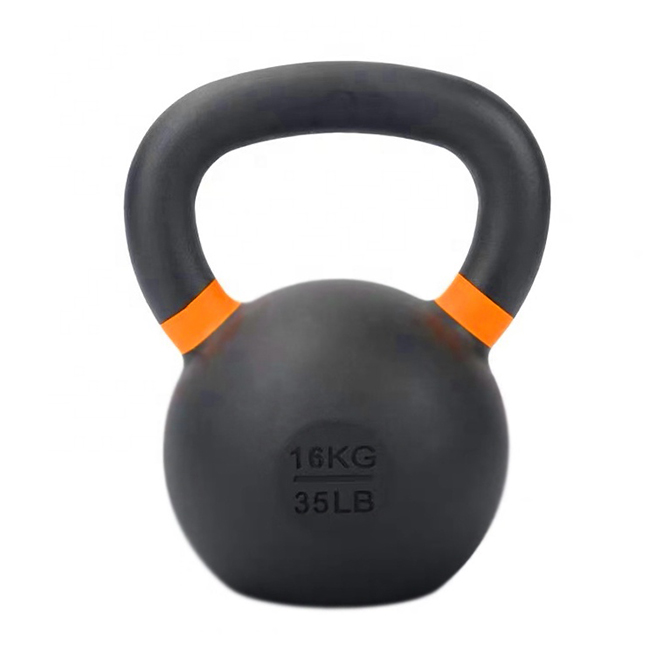
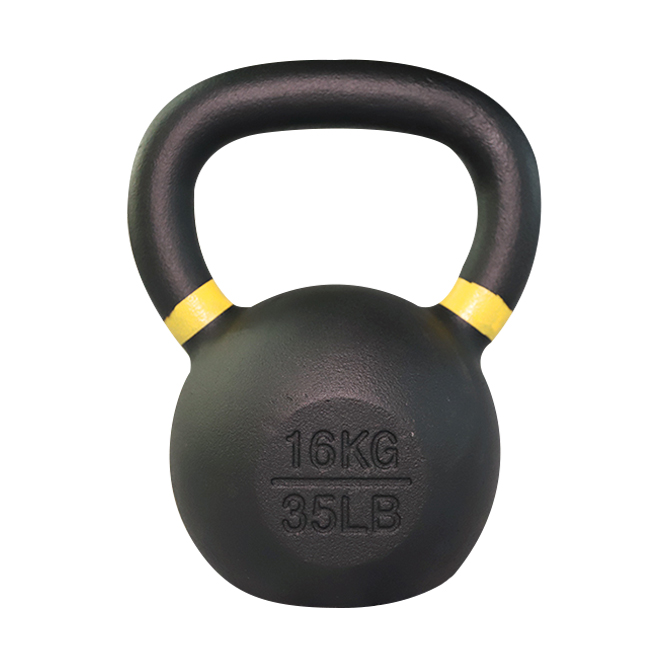
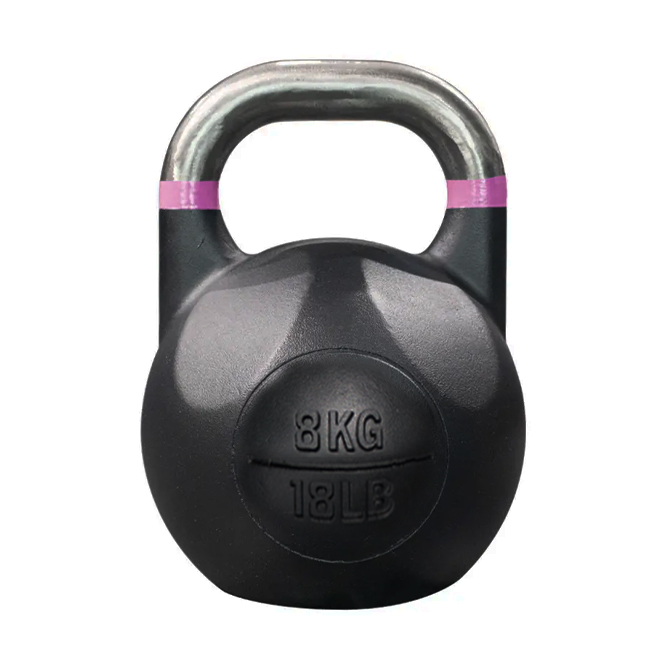
Selecting a reliable custom kettlebell requires professional buyers to navigate three critical checkpoints: structural integrity under high-frequency use, precise weight consistency, and long-term coating durability. For gym owners and distributors, the risk of sourcing sub-standard cast iron units often results in increased maintenance costs or premature replacement cycles. Effective sourcing strategies must prioritize a factory that understands the rigorous demands of high-traffic commercial environments, ensuring that every batch meets the expected weight tolerances and ergonomic standards required for professional training.
In high-intensity studio settings or large-scale commercial gym deployments, the necessity for a custom kettlebell extends beyond simple weight increments. Procurement leads must account for the total cost of ownership, where the initial wholesale price is often offset by the long-term durability of the product. Low-quality casting or poor surface finishing can lead to grip failure or uneven wear, which negatively impacts the user experience and the facility's reputation. Therefore, identifying a supplier capable of maintaining strict quality control over handle-to-body junctions and surface adhesion is essential for professional facility management.
When managing wholesale custom kettlebell orders, distributors often face the complexity of balancing diverse weight requirements with efficient shipping volumes. A professional China factory capability allows for greater flexibility in meeting specific commercial gym requirements, such as specialized handle textures or branded logo embossing. By establishing direct communication with an OEM kettlebell supplier, buyers can better manage custom kettlebell manufacturing timelines and ensure that the final products align with their brand identity and the specific durability needs of their target market.
Technical Standards in Custom Kettlebell Manufacturing
The distinction between consumer-grade items and professional-grade custom kettlebell manufacturing lies in the precision of the initial casting and the subsequent surface treatment. For bulk orders, most professional distributors specify sand casting for the gray iron body to ensure a robust, dense structure. A high-quality custom kettlebell must undergo a rigorous manufacturing sequence: starting with precision sand casting, followed by CNC machining of the handle area to ensure concentricity, and concluding with a multi-stage surface finishing process. This sequence is vital for maintaining consistent weight tolerance across a full set, which is a key metric during a factory pre-shipment inspection.
Surface durability is another critical failure point in lower-tier products. In a professional custom kettlebell manufacturing workflow, the application of powder coating is not merely aesthetic; it is a functional requirement for grip stability and corrosion resistance. A reliable supplier ensures high coating adhesion, particularly around the handle-to-body junction and the embossed logo areas, where peeling is most common in substandard units. For high-traffic commercial facilities, the coating must withstand constant friction and environmental moisture without chipping or degrading, protecting the underlying iron and extending the product's lifecycle.
| Material Tier | Primary Process | Key Component Focus | Commercial Duty | QC Inspection Point |
|---|---|---|---|---|
| Cast Iron | Sand Casting | Handle Texture | Standard Commercial | Base Flatness |
| Powder Coated Iron | Multi-stage Coating | Coating Adhesion | High-Traffic Gym | Logo & Grip Integrity |
| Premium Steel | Precision Machining | Concentricity | Professional/Competition | Weight Tolerance |
When evaluating a wholesale custom kettlebell order, procurement specialists should request specific details regarding the weight calibration and the durability of the finish. A professional China factory will typically provide documentation or clear process descriptions regarding their surface treatment and how they manage weight deviations during the casting stage. Understanding these technical nuances allows distributors to mitigate the risk of receiving batches with inconsistent grip textures or uneven weight distribution, ensuring a higher standard of quality for their end-users.
Material Selection and Procurement Decision Matrix
The final procurement decision for a commercial facility often hinges on the specific training environment. For instance, a high-impact functional training zone requires different material properties than a controlled studio setting. A professional OEM kettlebell supplier will typically offer a range of finishes—from bare cast iron to advanced PU coated or rubber coated options—to balance durability, floor protection, and aesthetic requirements. Understanding these material-driven trade-offs is essential when calculating the long-term value and maintenance load of a wholesale order.
For distributors, selecting the right material tier directly impacts the landed cost and the ability to meet various client needs. While cast iron remains the industry standard for cost-effective bulk sourcing, premium options like PU coated units provide enhanced grip and better floor protection in boutique settings. By working directly with a China factory, buyers can customize these specifications—such as the specific texture of the handle or the thickness of the coating—to ensure the product meets the exact commercial-grade standards required for their specific market segment.
Material and Manufacturing Standards for Commercial Weight Tiers
When sourcing a custom kettlebell, procurement professionals must distinguish between standard commercial weights and high-end competition models to optimize long-term TCO. A reliable China factory typically offers two distinct manufacturing paths: sand casting for durability and precision machining for performance. Choosing the correct tier ensures your inventory meets the specific durability requirements of your facility or client needs.
For high-volume distribution and budget-conscious gym deployments, sand casting with a gray iron body is the industry standard. This process provides a robust, heavy-duty profile that handles high-frequency use in commercial settings. Conversely, for premium studios or professional training environments, sourcing competition-spec steel ensures higher precision in balance and handle-to-body junction integrity. Understanding these material-process tiers is essential for successful custom kettlebell manufacturing.
| Material Tier | Manufacturing Process | Key Component Focus | Commercial Duty | MOQ Impact | Factory QC Point |
|---|---|---|---|---|---|
| Cast Iron | Sand casting | Base flatness | Standard Commercial | Lower | Weight calibration |
| Competition Steel | CNC machining | Handle texture | Premium/Professional | Higher | Concentricity check |
| Coated Iron | Powder coating | Coating adhesion | High-Traffic Studio | Medium | Surface finish |
The durability of a wholesale custom kettlebell order often depends on the quality of the surface treatment. While bare iron is cost-effective, a professional OEM kettlebell supplier will often provide powder coating to prevent oxidation and improve grip stability. During pre-shipment inspection, importers should verify the coating adhesion at the handle-to-body junction to prevent premature peeling in high-humidity environments. For distributors, selecting the right coating and casting method directly impacts the landed cost and the replacement cycle of the equipment.
Technical Inspection and Material Verification
A critical failure mode in high-volume procurement is uneven coating or poor handle texture, which can compromise safety and increase maintenance costs. To mitigate these risks, a professional OEM kettlebell supplier implements a multi-stage verification process. This ensures that the weight distribution remains consistent and the surface finish can withstand the friction typical of high-traffic commercial environments.
During the pre-shipment QC phase, we recommend that buyers focus on three specific technical areas: the handle-to-body junction, the base flatness, and the coating adhesion. For wholesale custom kettlebell orders involving powder coating, the adhesion test is vital to ensure the finish does not flake under heavy use. For distributors, verifying these details through a sample approval or a remote factory audit can significantly reduce the risk of defective landed goods and improve long-term reliability for your end-users.
Comparing Manufacturing Processes and Commercial Duty Tiers
For professional distributors and gym equipment importers, selecting the right custom kettlebell involves balancing initial procurement costs against long-term maintenance cycles. When sourcing from a China factory, understanding the relationship between the casting method and the surface finish is critical to ensuring a high Return on Investment (ROI). A lower upfront cost often results in higher Total Cost of Ownership (TCO) if the coating fails prematurely under heavy commercial use.
The manufacturing route directly dictates the durability of the unit. For example, a standard custom kettlebell manufacturing process involving sand casting provides a robust, heavy-duty base, but the secondary coating process determines how long the product remains aesthetically and functionally viable in a high-traffic studio. Choosing a high-quality wholesale custom kettlebell with superior adhesion prevents common failure modes like chipping or rusting, which can lead to expensive replacement cycles for your clients.
| Material Base | Primary Process | Surface Finish | Commercial Duty Tier | Maintenance Profile |
|---|---|---|---|---|
| Gray Iron | Sand Casting | Bare Iron / Phosphate | Standard Commercial | Low (Requires periodic oiling) |
| Cast Iron | Sand Casting | Powder Coating | Premium Commercial | Minimal (High impact resistance) |
| Steel / Iron | Die Casting | PU / Rubber Coating | High-End Studio | Very Low (Maximum floor protection) |
When evaluating an OEM kettlebell supplier, procurement leads should request technical details regarding the coating adhesion at the handle-to-body junction. In many commercial settings, the transition point between the cast iron body and the grip is where wear occurs first. A professional supplier will provide options that ensure the coating remains intact even after repeated high-volume use, protecting your distributor margins and client satisfaction.
To optimize your procurement strategy, consider how these tiers impact your long-term landed cost and stock replacement planning. While basic sand-cast models offer the lowest entry point for high-volume distribution, specialized coatings like polyurethane or advanced powder coating significantly extend the product lifecycle in high-traffic environments. We recommend that buyers perform a sample evaluation to inspect the knurling depth and the thickness of the encapsulation layer before committing to large-scale bulk orders.
Before finalizing your purchase, ensure your OEM or ODM specifications include clear requirements for base flatness and handle-to-body junction integrity. A thorough pre-shipment QC process should include a weight tolerance spot-check and a visual inspection of the logo plate or branding area to ensure your custom identity remains intact during transit and long-term deployment. For high-volume importers, we suggest confirming the specific manufacturing route and coating adhesion standards to mitigate the risk of premature wear in a commercial setting.
For professional distributors and gym equipment importers, selecting the right custom kettlebell involves balancing initial procurement costs against long-term maintenance cycles. When sourcing from a China factory, understanding the relationship between the casting method and the surface finish is critical to ensuring a high Return on Investment (ROI). A lower upfront cost often results in higher Total Cost of Ownership (TCO) if the coating fails prematurely under heavy commercial use.
The manufacturing route directly dictates the durability of the unit. For example, a standard custom kettlebell manufacturing process involving sand casting provides a robust, heavy-duty base, but the secondary coating process determines how long the product remains aesthetically and functionally viable in a high-traffic studio. Choosing a high-quality wholesale custom kettlebell with superior adhesion prevents common failure modes like chipping or rusting, which can lead to expensive replacement cycles for your clients.
| Material Base | Primary Process | Surface Finish | Commercial Duty Tier | Maintenance Profile |
|---|---|---|---|---|
| Gray Iron | Sand Casting | Bare Iron / Phosphate | Standard Commercial | Low (Requires periodic oiling) |
| Cast Iron | Sand Casting | Powder Coating | Premium Commercial | Minimal (High impact resistance) |
| Steel / Iron | Die Casting | PU / Rubber Coating | High-End Studio | Very Low (Maximum floor protection) |
When evaluating an OEM kettlebell supplier, procurement leads should request technical details regarding the coating adhesion at the handle-to-body junction. In many commercial settings, the transition point between the cast iron body and the grip is where wear occurs first. A professional supplier will provide options that ensure the coating remains intact even after repeated high-volume use, protecting your distributor margins and client satisfaction.
To optimize your procurement strategy, consider how these tiers impact your long-term landed cost and stock replacement planning. While basic sand-cast models offer the lowest entry point for high-volume distribution, specialized coatings like polyurethane or advanced powder coating significantly extend the product lifecycle in high-traffic environments. We recommend that buyers perform a sample evaluation to inspect the knurling depth and the thickness of the encapsulation layer before committing to large-scale bulk orders.
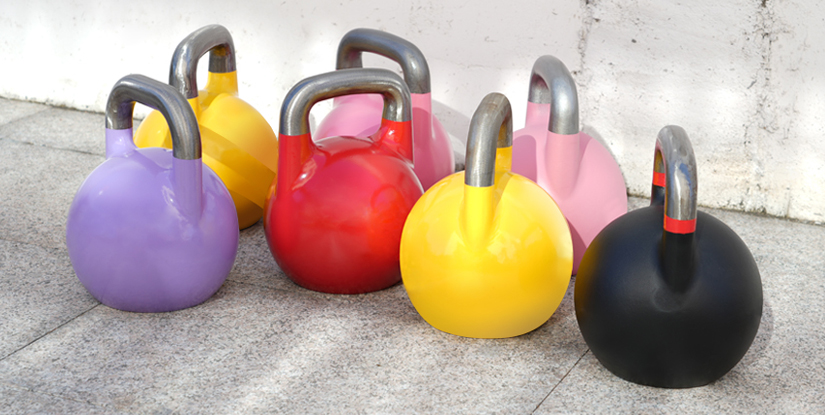
Before finalizing your purchase, ensure your OEM or ODM specifications include clear requirements for base flatness and handle-to-body junction integrity. A thorough pre-shipment QC process should include a weight tolerance spot-check and a visual inspection of the logo plate or branding area to ensure your custom identity remains intact during transit and long-term deployment. For high-volume importers, we suggest confirming the specific manufacturing route and coating adhesion standards to mitigate the risk of premature wear in a commercial setting.
Factory QC Protocols for Bulk Export Orders
For distributors and gym owners, the cost of a single defective batch can outweigh the initial savings of a low-cost custom kettlebell. Relying on a China factory with rigorous oversight is the most effective way to mitigate the risk of high return rates and client dissatisfaction. Professional custom kettlebell manufacturing must move beyond simple visual checks to include systematic inspections of structural integrity and surface durability.
A reliable OEM kettlebell supplier implements multi-stage verification to ensure every unit meets commercial-grade standards before leaving the facility. This process typically begins with raw material inspection of the gray iron or cast iron, followed by a sequence of casting, machining, and coating. By establishing strict manufacturing standards, a factory ensures that the weight distribution and handle ergonomics remain consistent across a wholesale order, protecting your brand reputation and long-term distributor margins.
Critical Inspection Points for Commercial Durability
During sourcing, professional buyers should demand transparency regarding specific inspection stages. A standard custom kettlebell production line must address the following technical checkpoints to ensure the product survives high-traffic commercial environments:
- Casting and Weight Calibration: Verifying the concentricity of the bell and ensuring the weight tolerance is consistent across the entire batch.
- Handle and Knurling Integrity: Inspecting the handle-to-body junction and the depth of the knurling to ensure grip reliability and prevent premature wear.
- Coating Adhesion: Testing the bond of the powder coating or paint to ensure it does not chip or peel during heavy usage.
- Base Flatness: Checking the stability of the base to prevent wobbling or uneven movement during training.
When managing wholesale custom kettlebell procurement, we recommend requesting a pre-shipment inspection report that covers these specific components. This level of China factory oversight ensures that your MOQ requirements are met with high-quality, durable units that reduce your total cost of ownership and maintenance load.
Technical Inspection Checklist for Importers
To minimize the risk of receiving inconsistent inventory, procurement leads should verify that the custom kettlebell manufacturing process includes a standardized pre-shipment inspection. A professional OEM kettlebell supplier will not only check for visual flaws but will also perform specific technical evaluations on the physical properties of the iron and the surface finish.
The following table outlines the essential inspection criteria that professional buyers should request during a factory audit or when reviewing a batch report to ensure the highest commercial durability:
| Inspection Focus | Technical Requirement | Commercial Impact | QC Verification Point |
|---|---|---|---|
| Weight Accuracy | Standard weight tolerance compliance | Consistency in training progression | Batch sample calibration |
| Surface Finish | High coating adhesion strength | Long-term aesthetic and rust resistance | Scratch and chip resistance test |
| Handle Texture | Uniform knurling and grip depth | Ergonomic safety during heavy use | Tactile grip and texture check |
| Structural Form | Base flatness and bell concentricity | Stability on gym flooring | Surface leveling inspection |
By prioritizing these technical checkpoints, distributors can ensure that their wholesale custom kettlebell orders arrive ready for immediate deployment in high-traffic environments. We suggest confirming these specific pre-shipment inspection protocols with your supplier during the initial sourcing phase to ensure all quality benchmarks align with your brand identity and commercial standards.
Export Packaging and Logistics Readiness
The final stage of the procurement cycle is often where unexpected costs arise. Even a perfectly manufactured custom kettlebell can suffer damage if the export packaging is insufficient for long-distance maritime or containerized transport. For a wholesale buyer, the goal is to minimize the landed cost by maximizing container utilization while ensuring zero breakage upon arrival at your warehouse or distribution center.
A professional China factory specializes in heavy-duty packing solutions designed for high-density weight. This typically involves heavy-duty corrugated cartons, reinforced corner protectors, and palletization that meets international shipping standards. We recommend that during your sourcing discussions, you confirm the specific pallet dimensions and stacking limits to optimize your container load plan. High-quality export packaging prevents the metal-on-metal friction that can lead to chipped coatings or damaged handles during transit, ensuring your wholesale custom kettlebell inventory arrives in showroom condition, ready for immediate retail or gym deployment.
OEM and Private Label Capabilities for Global Distributors
For distributors and fitness brands looking to expand their product lines, a professional custom kettlebell service provides the necessary competitive edge. Scaling a brand requires more than just bulk procurement; it demands a reliable OEM kettlebell supplier capable of translating a client's brand identity into physical high-performance equipment. Whether you are launching a boutique studio line or supplying a major commercial gym chain, the ability to control material specifications and visual branding is essential for long-term market positioning.
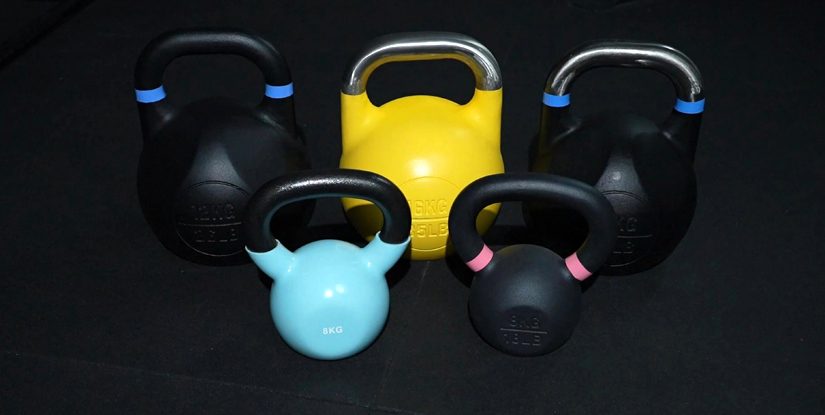
Our China factory specializes in high-tier ODM solutions that go beyond simple logo placement. We offer comprehensive custom kettlebell manufacturing services that allow importers to dictate specific product attributes. This includes selecting specialized material finishes such as high-durability powder coating for a textured grip or premium PU coating for a sleek, color-coded aesthetic often required in high-end boutique environments. By managing the production from the initial casting stage through to the final surface treatment, we ensure your private label products meet strict commercial gym requirements for both durability and brand consistency.
Navigating the complexities of sourcing becomes more efficient when the factory can handle both structural design and aesthetic customization under one roof. From adjusting the handle-to-body junction profile to ensuring consistent branding across different weight increments, our processes are optimized for wholesale clients who prioritize brand equity and product reliability. This vertical integration helps mitigate the risks of inconsistent quality that often arise when working with fragmented supply chains.
Customization Tiers and Procurement Specifications
To assist procurement managers in evaluating the best fit for their budget and brand requirements, we provide a clear breakdown of the different service levels available. Selecting the appropriate tier is a critical decision in the sourcing process, as it directly impacts the MOQ, the complexity of the custom kettlebell manufacturing, and the final landed cost for your distribution network.
| Customization Level | Typical Features | Branding Options | MOQ Impact | Target Market |
|---|---|---|---|---|
| Standard Wholesale | Cast iron body, standard black powder coating, basic handle texture | Standard laser-etched logo or single-color pad printing | Lower MOQ; optimized for rapid wholesale turnover | Budget-friendly commercial gyms and fitness studios |
| Premium Private Label | High-grade gray iron, enhanced powder coating, precision knurling | Multi-color branding, embossed logos, or custom color-coded weights | Moderate MOQ; requires advanced production scheduling | Premium fitness franchises and high-end boutique studios |
| Full OEM/ODM Solution | Custom handle geometry, specialized PU coating, or bespoke weight increments | Full brand identity integration, custom packaging, and unique material specs | Higher MOQ; involves extensive pre-production sample approval | Global distributors and large-scale fitness equipment brands |
When evaluating a custom kettlebell, it is vital to understand how these tiers influence your long-term maintenance load and product durability. For instance, while standard powder coating offers excellent adhesion for general use, a full OEM request for a specific PU coating or a custom handle texture requires more rigorous pre-shipment QC to ensure the finish remains consistent across high-volume batches. We recommend requesting a sample evaluation or a detailed spec sheet to confirm that your chosen customization level aligns with your intended commercial application and distributor margins.
Logistics and Quality Control for Global Distribution
Managing the logistics of a wholesale custom kettlebell order requires more than just selecting a product; it requires a partner who understands the complexities of international shipping and the necessity of strict QC. For professional importers, the risk of receiving a shipment with inconsistent weight tolerances or damaged finishes can lead to significant losses in distributor margins. To mitigate these risks, our China factory implements a standardized production and inspection sequence—from the initial sand casting of the gray iron body to the final application of the coating layer—ensuring every unit meets commercial-grade expectations before leaving the facility.
Our custom kettlebell manufacturing workflow is designed to provide transparency throughout the entire sourcing cycle. We focus on critical control points, such as checking the base flatness and the adhesion of the powder coating, to prevent common failure modes in commercial environments. Before any bulk order is cleared for export, a rigorous pre-shipment inspection is conducted. This process includes a weight tolerance spot-check and a visual audit of the handle-to-body junction and logo embossing. This level of oversight ensures that your custom kettlebell arrives at your warehouse ready for immediate deployment in high-traffic gyms or retail environments.
To ensure efficient global distribution, we utilize specialized export packaging designed to withstand the rigors of long-distance sea freight. Each unit is secured to prevent movement and impact damage, protecting the integrity of the coating and the structural geometry of the bell. When calculating your total landed cost, please consider the lead time required for your specific OEM or ODM customization, as bespoke branding or specialized coatings may extend the production schedule. We recommend contacting us to confirm the current MOQ and to request a detailed shipping and packaging specification sheet for your next bulk procurement.
Optimizing Logistics and Landed Cost for Bulk Shipments
Calculating the true landed cost is a critical step for distributors and gym owners when planning bulk orders. Beyond the initial unit price, the final budget must account for shipping methods, export packaging, and local duties. For professional buyers, understanding how weight and volume affect freight is essential to maintaining healthy distributor margins when sourcing from a China factory.
The total cost of a custom kettlebell shipment is heavily influenced by the density of the load. Because cast iron products are high-density and heavy, the choice between sea freight options can significantly shift your procurement budget. Most wholesale buyers utilize containerized shipping to maximize efficiency and lower the per-unit freight cost.
Shipping Methods and Container Optimization
Selecting the right shipping methods depends on your order volume and lead time requirements. For large-scale custom kettlebell manufacturing projects, full container loads are the industry standard for cost-effectiveness. Small to mid-sized distributors often utilize LCL (Less than Container Load) services, though this can increase the risk of handling damage if the packaging is not sufficiently reinforced.
| Shipping Type | Typical Usage | Logistics Advantage | Impact on Landed Cost |
|---|---|---|---|
| FCL (Full Container Load) | Large wholesale distributions | Maximum volume efficiency and security | Lowest per-unit freight cost |
| LCL (Less than Container Load) | Small OEM test batches | Lower upfront capital requirement | Higher per-unit handling and freight fees |
| Air Freight | Urgent sample or small custom kettlebell orders | Rapid delivery for immediate needs | Highest cost; not recommended for bulk iron |
To ensure the highest packaging durability, a reliable supplier will implement heavy-duty export standards. This includes reinforced cartons, palletization, and corner protection to prevent denting or coating scratches during sea transit. When managing custom kettlebell shipments, always confirm the pallet dimensions and weight limits with your factory to ensure compatibility with your local warehouse receiving protocols.
Effective logistics management is a cornerstone of profitable custom kettlebell manufacturing. For many importers, the primary concern is not just the product quality, but how the weight-to-volume ratio impacts the final arrival price. Since cast iron is a high-density material, optimizing the loading pattern within a shipping container is vital to prevent unnecessary air-freight costs and ensure your wholesale custom kettlebell order arrives in pristine condition.
When you work with a professional OEM kettlebell supplier, the discussion should extend beyond the unit price to include specific packaging configurations. A well-planned loading strategy can minimize the risk of surface abrasion and coating damage, which are common issues in high-density bulk shipments if the packaging is insufficient.
Packaging and Freight Configuration Comparison
| Configuration Type | Best For | Volume/Weight Impact | Cost Efficiency |
|---|---|---|---|
| Standard Export Carton | Mid-sized wholesale orders | Higher volume per unit; standard stacking | Moderate; good for general distribution |
| Reinforced Palletization | High-volume custom kettlebell shipments | Optimized weight distribution; stable for sea freight | High; reduces breakage and handling labor |
| Custom Wooden Crating | Premium or specialized OEM projects | Maximum protection; higher weight overhead | Lower; prioritized for high-value/fragile coatings |
Before finalizing your procurement plan, we recommend requesting a detailed packing list and a 3D loading simulation from your supplier. This allows you to verify the total CBM (Cubic Meter) and gross weight, ensuring your local customs broker and warehouse teams are prepared for the arrival of your custom kettlebell shipment. Confirming these details early helps prevent unexpected storage fees and optimizes your overall sourcing budget.
Before finalizing your procurement plan, we recommend requesting a detailed packing list and a 3D loading simulation from your supplier. This allows you to verify the total CBM (Cubic Meter) and gross weight, ensuring your local customs broker and warehouse teams are prepared for the arrival of your custom kettlebell shipment. Confirming these details early helps prevent unexpected storage fees and optimizes your overall sourcing budget.