Custom Bumper Plates: Coating and Material Selection
The High Cost of Substandard Material Selection
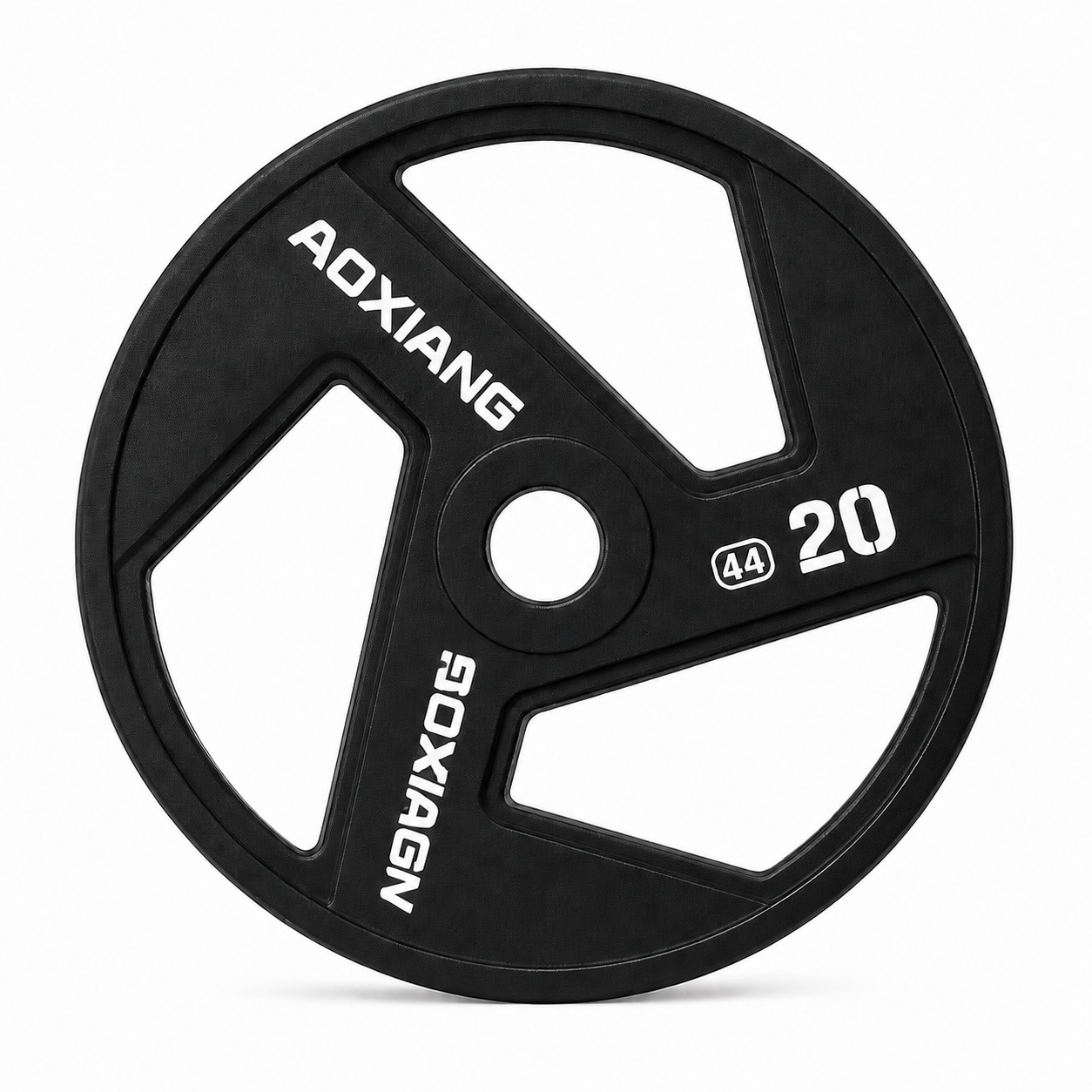
Custom bumper plates are specialized weightlifting discs engineered with a high-density rubber or urethane core and a reinforced internal structure to withstand repeated high-velocity drops. For distributors and gym owners, sourcing high-quality custom bumper plates from a reliable China factory is essential to ensure long-term durability and equipment safety in high-traffic environments.
When procurement managers prioritize low initial unit prices over material integrity, they often encounter the hidden expenses of substandard material selection. Choosing low-grade rubber compounds or inconsistent casting cores leads to premature cracking, uneven weight distribution, and surface degradation. For a commercial facility, these failures result in a high replacement frequency that disrupts training schedules and creates unpredictable capital expenditure cycles.
Beyond the physical breakdown of the equipment, the operational impact of poor commercial grade bumper plates extends to the total cost of ownership. Frequent replacements increase increased maintenance costs and labor requirements for facility staff. Furthermore, inconsistent weight tolerances in cheap wholesale custom bumper plates can lead to uneven loading on barbell sleeves, potentially damaging more expensive barbell sets. When calculating the landed cost, professional buyers must account for these long-term depreciation risks rather than just the initial sourcing price to protect their profit margins and brand reputation.
Identifying failure modes during sample evaluation is a critical step in the procurement process. One of the most common issues seen in low-tier production is the use of non-virgin rubber or low-density fillers, which results in a noticeable chemical scent and rapid surface peeling. In a high-volume commercial setting, a rubber/urethane quality that is too soft can lead to excessive bouncing and poor shock absorption, which directly impacts floor protection. If the density is insufficient, the impact force will transmit through the plates to the subfloor, leading to costly structural damage in your facility.
When auditing an OEM specification sheet, look for descriptions of the encapsulation process. Substandard units often suffer from poor bonding between the internal weight core and the outer coating, leading to edge separation or "cracking" during heavy drops. To mitigate these procurement risk factors, we recommend requesting a sample to test for coating adhesion and scent neutrality. A professional supplier should be able to provide details on the rubber compound grade and how it handles high-impact stress. Before finalizing any wholesale order, ensure your factory audit includes a check on the thickness and uniformity of the outer layer to avoid the long-term headaches of premature equipment degradation.
The risk of purchasing substandard custom bumper plates OEM products often stems from a lack of transparency in the manufacturing stages. Many importers fail to realize that the durability of the outer shell is entirely dependent on the precision of the internal weight-to-coating bond. Without a rigorous QC inspection at the source, you may receive units where the rubber or urethane layer begins to delaminate or crack within months of heavy use. This is particularly common when a factory utilizes recycled fillers or inconsistent molding techniques to reduce costs, which ultimately compromises the durability and safety of the equipment.
To ensure a successful bulk order reliability, procurement teams must demand a structured pre-shipment check that goes beyond simple visual inspections. A professional custom bumper plates OEM partner should provide documentation or verification of several critical technical benchmarks. This includes a weight tolerance check to ensure uniformity across the entire set, a density verification of the rubber compound, and a thorough examination of the inner core-to-shell adhesion. If the QC inspection does not explicitly cover the concentricity of the center hole or the thickness uniformity of the outer coating, the risk of uneven wear and premature replacement increases.
Investing in high-specification custom bumper plates is a strategic decision focused on long-term ROI. While the initial sourcing cost might be slightly higher for premium-grade materials, the reduction in replacement frequency and maintenance overhead significantly lowers the total cost of ownership for commercial facilities. For distributors managing large-scale projects, the ability to verify these technical standards through a direct factory audit or detailed sample approval process is the best way to protect your margins and ensure your clients receive equipment that meets industry-standard commercial expectations.
Material and Coating Specifications for Commercial Use
Selecting high-quality custom bumper plates requires a deep understanding of how core materials and surface treatments interact with high-impact environments. For distributors and gym owners sourcing from a China factory, the choice between internal density and external coating directly dictates the long-term durability and total cost of ownership. A failure to align material density with coating resilience often leads to premature cracking or delamination, increasing maintenance overhead for the end-user.
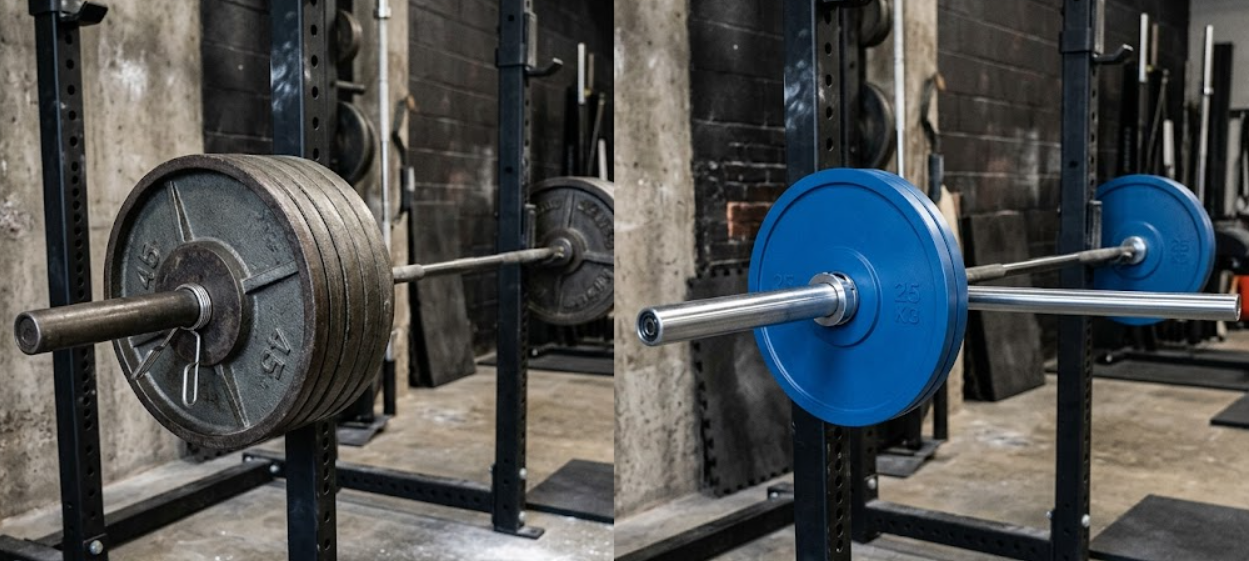
In professional procurement, the distinction between budget and premium tiers often rests on the quality of the rubber or polyurethane (PU) used to encapsulate the core. While basic commercial grade bumper plates may use standard recycled rubber, high-performance wholesale custom bumper plates often utilize high-density virgin rubber or specialized PU to ensure consistent bounce and edge integrity during heavy drops. Understanding these technical baselines is essential when evaluating custom bumper plates OEM solutions to ensure your brand identity remains associated with reliability.
| Material Core | Primary Coating | Commercial Duty Tier | Durability Profile | Procurement Focus |
|---|---|---|---|---|
| Cast Iron | Vinyl/Paint | Budget/Entry | Moderate; prone to chipping | Low MOQ/Cost-efficiency |
| Solid Rubber | Standard Rubber | Commercial | High; excellent impact absorption | Bulk volume/Standard Spec |
| High-Density Polyurethane | PU Coating | Premium/Competition | Maximum; high abrasion resistance | Custom Branding/High Margin |
When managing sourcing workflows, importers should note that the transition from a standard rubber coating to a high-grade PU molding process typically impacts both the lead time and the MOQ. A specialized factory capable of precision injection or advanced dip-coating will provide a more consistent finish, which is critical for maintaining the professional aesthetic required by high-end fitness facilities.
Technical Comparison of Material and Coating Performance
A critical factor in the longevity of your inventory is the adhesion between the core and the outer layer. During pre-shipment QC, a professional factory will typically monitor for edge separation or surface unevenness. For high-volume wholesale orders, ensuring the coating process—whether it be high-pressure molding or advanced dip-coating—is optimized for the specific core material is vital to reducing replacement rates and protecting your distributor margins.
The following table outlines the technical trade-offs between common material configurations to assist in your sourcing decisions and quality control planning:
| Material Core | Process/Coating Type | Key Component Focus | Commercial Duty | MOQ Impact | Factory QC Point |
|---|---|---|---|---|---|
| High-Density Rubber | Compression Molding | Edge Integrity | Standard Commercial | Moderate | Rubber/Core Bonding |
| Polyurethane (PU) | Precision Injection | Surface Smoothness | Premium/Competition | Higher | Coating Adhesion |
| Standard Rubber | Dip Coating | Impact Absorption | Budget/Entry-Level | Lower | Thickness Consistency |
When evaluating a supplier, it is recommended to request technical spec sheets that detail the specific rubber or PU compounds used. For those pursuing custom bumper plates OEM partnerships, confirming the factory's ability to perform weight calibration and concentricity checks alongside coating adhesion tests will ensure your landed cost remains optimized by minimizing defective returns.
The Role of Coating Quality and Pre-Shipment QC in Long-Term Maintenance
For professional importers and distributors, the total cost of ownership is often determined by the quality of the surface finishing. In the production of custom bumper plates, the bond between the internal weight core and the outer layer is a primary failure point. Poor coating adhesion can lead to unsightly peeling or edge cracking under heavy use, which directly increases maintenance costs and diminishes the professional image of the gym facility. When managing bulk orders, ensuring that your supplier utilizes advanced molding or high-grade dip-coating processes is essential for protecting your reputation and long-term margins.
To mitigate these risks, a rigorous pre-shipment QC protocol is non-negotiable. A professional factory should perform specific inspections that go beyond basic weight checks. This includes verifying the uniformity of the surface finishing, checking for any air bubbles or voids in the rubber/PU layer, and testing the edge integrity to ensure the coating can withstand high-impact drops. For those engaged in wholesale custom bumper plates procurement, requesting a detailed report on these quality control steps can prevent the high cost of defective returns and shipping replacements.
Furthermore, the reliability of the export packaging directly impacts your final landed cost. High-density plates require specialized, reinforced carton structures and corner protection to prevent damage during ocean transit. A well-structured packaging plan ensures that the commercial grade bumper plates arrive at your warehouse in pristine condition, ready for immediate distribution or retail, without the need for costly re-work or replacement planning.
Precision Machining and Weight Calibration Standards
For professional distributors and gym procurement managers, the technical integrity of custom bumper plates determines the long-term operational cost of a facility. High-volume wholesale custom bumper plates must undergo rigorous production sequences—starting from high-density rubber molding to precision CNC machining of the central bore—to ensure consistent performance. When sourcing directly from a China factory, understanding the calibration process is vital for maintaining professional standards.
Reliable commercial grade bumper plates rely on strict weight calibration and concentricity checks to prevent uneven wear on barbell sleeves and training equipment. A professional OEM manufacturer typically utilizes a multi-stage process: casting or molding the core, followed by precision machining of the inner diameter to ensure a perfect fit, and finally, a secondary calibration to verify weight accuracy. Without these standardized QC steps, a shipment may arrive with inconsistent weight distribution, leading to increased maintenance loads and potential equipment damage for your end-users.
Technical Comparison of Manufacturing Methods
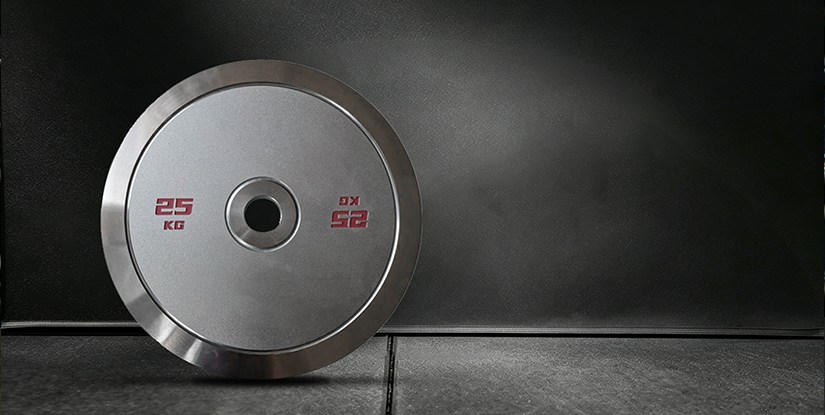
When evaluating the technical specifications for your next bulk order, it is essential to distinguish between the manufacturing routes used for different tiers of production. A professional supplier will differentiate between standard molding and high-precision machining to meet specific facility requirements. For example, while basic rubber-encapsulated plates are common for standard gym setups, high-performance custom bumper plates often require advanced CNC machining to ensure the central bore remains perfectly concentric. This precision reduces the friction and lateral movement that can damage expensive barbell sleeves over time.
| Material / Process Tier | Primary Manufacturing Route | Key Component Detail | Commercial Duty | MOQ Impact | Factory QC Point |
|---|---|---|---|---|---|
| Budget Commercial | Standard Rubber Molding | Single-piece cast core | General fitness use | Low | Surface smoothness |
| Professional Tier | Molding + Precision Machining | Machined central bore | High-traffic training | Medium | Bore concentricity |
| Premium Competition | Advanced CNC + Multi-layer Coating | High-density internal filler | Professional lifting | High | Weight tolerance spot-check |
For importers managing a complex sourcing strategy, the trade-off between production speed and precision is a critical factor in calculating the total landed cost. While standard molding processes offer a faster lead time, opting for CNC-machined precision ensures a higher level of durability and professional consistency. We recommend that procurement officers request a sample evaluation or a detailed technical spec sheet to verify that the weight calibration and bore fit meet the specific standards required for your distribution or facility needs.
Optimizing Total Cost of Ownership Through Pre-Shipment Inspection
For a global distributor or large-scale gym operator, the true cost of a shipment is not just the initial invoice, but the long-term maintenance and replacement cycle. If the custom bumper plates OEM production line lacks rigorous oversight, even minor deviations in weight or bore diameter can lead to catastrophic failures in high-traffic environments. This is why a professional China factory must implement a multi-stage pre-shipment inspection protocol that goes beyond simple visual checks.
A high-standard quality control process for custom bumper plates focuses on three critical areas: weight accuracy, concentricity, and structural integrity. During the final stage of production, a qualified supplier should perform regular weight spot-checks on finished units to ensure they fall within the industry-standard tolerance bands. Furthermore, inspecting the bond between the rubber coating and the internal core is essential to prevent delamination during heavy use. By verifying these technical details before the goods are loaded into containers, importers can significantly reduce the risk of expensive returns and ensure a predictable landed cost for their entire project.
Custom Bumper Plates OEM and Private Label Capabilities
Transitioning from a standard distributor to a recognized equipment authority requires more than just stock availability; it requires a distinct brand identity. For professional gym owners and large-scale distributors, utilizing custom bumper plates allows for the integration of proprietary logos and specialized color schemes that differentiate a facility from the competition. By working directly with a China factory, buyers can move beyond generic off-the-shelf products to create high-value assets that build long-term brand loyalty.
The strategic advantage of OEM and ODM services lies in the ability to control the entire specification chain—from the thickness of the rubber encapsulation to the precision of the center hole. Whether you are developing a high-end competition line or a durable training set, professional sourcing through a specialized supplier ensures that your custom specifications are met with industrial consistency. This level of customization is essential for commercial gym procurement leads looking to provide a premium, branded experience to their members while maintaining optimized wholesale margins.
Navigating the complexities of private label production often involves balancing aesthetic requirements with functional durability. A professional factory can accommodate various requests, such as specific color-coded weight increments or unique branding on the face of the plate, provided the MOQ requirements are met. This approach transforms a simple piece of equipment into a signature element of a fitness brand's ecosystem.
Technical Specifications for Custom Branding and Production
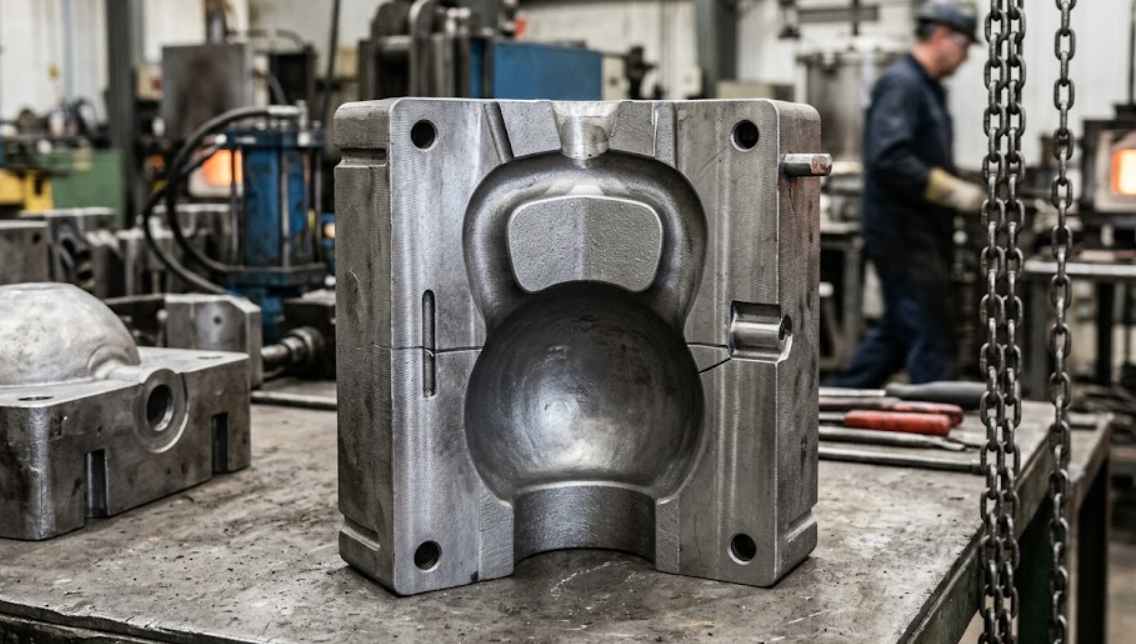
High-tier customization goes beyond simple aesthetics; it requires precision in the manufacturing sequence to ensure branding does not compromise structural integrity. For high-volume orders, a professional custom bumper plates OEM partner typically utilizes advanced rubber molding or high-grade polyurethane (PU) coating to achieve a seamless finish. This ensures that your logo remains legible and intact even after repeated high-impact drops in a heavy-use environment. The process often begins with a precise mold for the plate face, followed by the integration of the branding through logo embossing or high-adhesion surface printing before the final encapsulation process.
To maintain the highest standards for commercial grade bumper plates, the production flow must include rigorous calibration steps. This includes a weight tolerance check to ensure each plate meets the specified weight within industry-standard margins, and a concentricity test to prevent uneven wear on barbell sleeves. When ordering wholesale custom bumper plates, procurement leads should verify that the factory handles the entire sequence—from the initial casting or molding to the final surface treatment—to minimize the risk of coating delamination or uneven weight distribution.
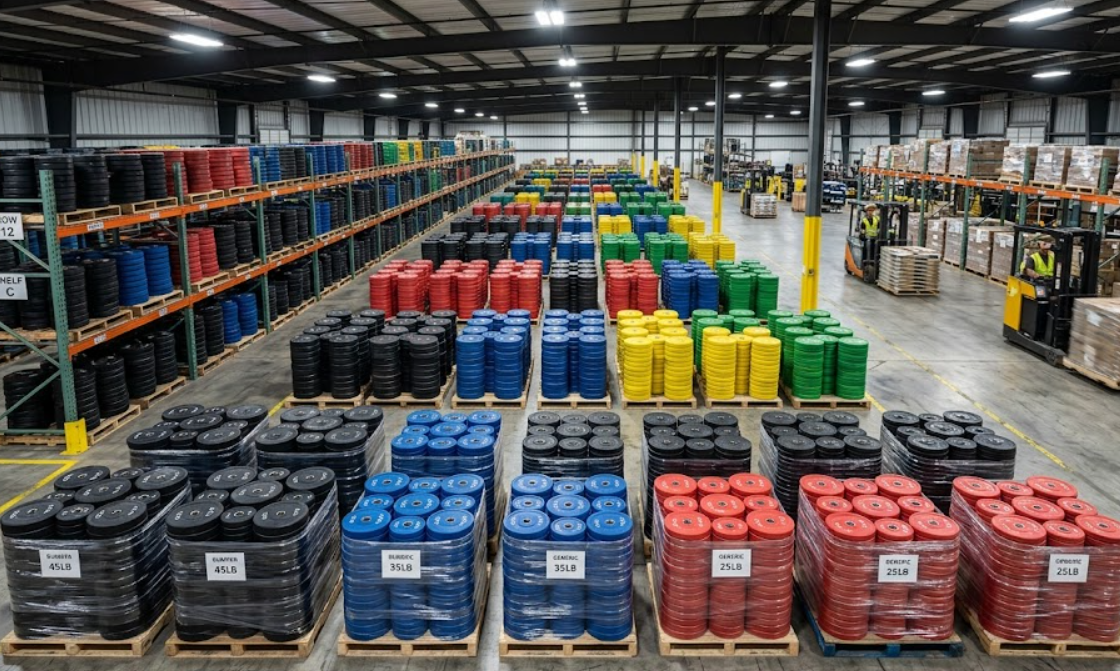
Efficiency in the supply chain is further secured through professional export packaging and logistical planning. A reliable China factory will implement specialized export packaging, such as heavy-duty reinforced cartons or customized palletization, to protect the integrity of the coating and the internal rubber structure during long-distance sea freight. This attention to detail reduces the risk of transit damage, ensuring that your landed cost remains optimized and your inventory arrives ready for immediate commercial deployment. We recommend discussing your specific MOQ and lead time requirements early in the sourcing process to ensure seamless integration into your distribution or facility launch schedule.
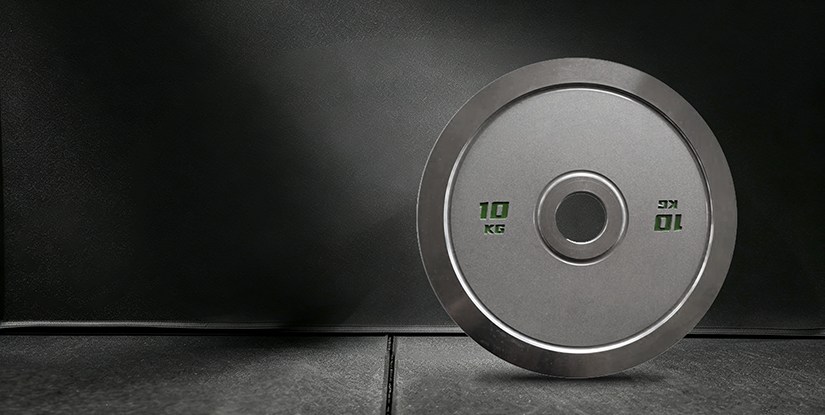
China Factory QC and Export Packaging Protocols
For international distributors and gym equipment importers, the final stage of the supply chain is where profit margins are either protected or lost to replacement costs. A professional China factory must implement a rigorous pre-shipment QC protocol to ensure that every batch of custom bumper plates meets the structural demands of high-traffic training environments. Without strict oversight, issues like uneven weight distribution or surface peeling can lead to expensive returns and damaged brand reputation.
Standard inspection routines for commercial grade bumper plates typically involve a multi-stage verification process. First, technicians perform a weight tolerance spot-check to ensure consistency across the entire production run. Following this, a critical coating adhesion test is conducted to verify that the outer layer can withstand repeated impacts without delaminating. For wholesale custom bumper plates, this stage is vital to prevent the premature wear that often plagues lower-tier manufacturing. Quality control also extends to the physical dimensions, checking the central bore fit and the concentricity of the plate to ensure it sits perfectly on a barbell during use.
Beyond the physical product, the OEM production process must include specialized export packaging. Because these units are heavy and prone to edge damage during sea freight, high-density cardboard dividers and reinforced corner protection are industry standards. This ensures that when your custom bumper plates arrive at your warehouse, they are ready for immediate distribution without the need for secondary sorting or handling of damaged goods.
To maintain a low landed cost and ensure high distributor margins, the palletization of custom bumper plates must follow strict logistics standards. Standard shipping methods for heavy-duty weight equipment often fail to account for the lateral pressure exerted during long-distance sea freight, which can lead to structural deformation or crushed edges if not handled correctly. A reliable supplier will utilize heavy-duty cartons and reinforced corner protectors to isolate each unit, preventing the friction-induced surface damage common in bulk shipments.
For large-scale wholesale custom bumper plates orders, the palletization process is a critical component of the export packaging protocol. We recommend that importers verify the following logistics specifications before finalizing a shipment: the use of heat-treated wooden pallets (ISPM 15 compliant), heavy-duty shrink wrapping to prevent shifting, and industrial-grade edge protectors to maintain the stack integrity within a shipping container. By investing in high-standard packaging, you mitigate the risk of damaged inventory, ensuring that your commercial grade bumper plates arrive in pristine condition, ready for retail or immediate installation.
To ensure long-term durability and minimize the risk of high replacement costs, procurement managers should request a detailed inspection report or schedule a remote audit before any bulk order is dispatched. A professional custom bumper plates OEM partner will provide transparency regarding their internal quality control steps. We suggest verifying the following technical checkpoints during your quality inspection to ensure the product meets high-tier commercial standards:
Critical Inspection Checklist for Importers
- Concentricity and Bore Alignment: Verify that the central hole is perfectly centered and the inner diameter remains consistent across the entire batch to prevent barbell wobble.
- Surface Finish and Coating Adhesion: Inspect for any unevenness in the rubber or PU layer. A high-quality finish should show no signs of bubbling, peeling, or cracking under standard handling.
- Weight Calibration Consistency: Ensure the manufacturer performs regular spot-checks to maintain weight tolerances within industry-standard ranges for a consistent wholesale shipment.
- Edge and Rim Integrity: Check that the perimeter of the plate is smooth and free of sharp edges or molding imperfections that could cause injury or damage flooring.
- Logistics and Packaging Strength: Confirm that the export packaging includes reinforced corners and heavy-duty dividers to withstand the rigors of international sea freight and container loading.
By establishing these specific requirements during the sourcing phase, distributors can significantly reduce the risk of receiving damaged or non-compliant inventory. We recommend requesting a sample approval and a pre-shipment video of the palletization process to confirm that your custom bumper plates are secured for long-distance transit. This proactive approach protects your landed cost and ensures your clients receive the premium quality they expect from a professional fitness facility.
Optimizing Your Sourcing Strategy and Lead Times
Navigating the procurement of custom bumper plates requires a clear understanding of how manufacturing complexity dictates your inventory turnover. For distributors and gym equipment importers, managing the balance between specialized OEM requests and standard production cycles is essential to maintaining a stable supply chain from a China factory.
The relationship between MOQ and lead time is often non-linear in commercial manufacturing. When ordering standard commercial grade bumper plates, production cycles are relatively predictable. However, as you introduce high-level customization—such as specific color-coded urethane thickness, unique branding, or specialized center hole diameters—the manufacturing complexity increases. These bespoke requirements often necessitate additional stages in the production line, such as custom mold adjustments or specialized coating applications, which can extend the lead time beyond standard wholesale windows.
For professional sourcing agents, it is vital to account for these variables when planning seasonal stock or large-scale facility launches. High-volume orders for custom bumper plates may benefit from economies of scale, but highly intricate OEM specifications will always require a buffer in your procurement timeline to ensure thorough QC and export readiness.
Comparing Sourcing Models for Bulk Procurement
To maximize your distributor margins and maintain consistent inventory levels, you must decide between purchasing ready-to-ship stock or investing in a full production run. While standard stock offers the fastest way to replenish your warehouse, choosing wholesale custom bumper plates through a dedicated production cycle allows for much higher control over the final product identity and material specifications.
| Sourcing Model | Customization Depth | Typical Lead Time | Primary Advantage | Typical MOQ |
|---|---|---|---|---|
| Standard Stock | Minimal (Standard Colors/Sizes) | Short (Ready for Export) | Rapid Inventory Turnover | Lower than OEM |
| custom bumper plates OEM | High (Branding, Colors, Specs) | Extended (Production + QC) | Brand Identity & Differentiation | Higher Volume Required |
| wholesale custom bumper plates | Moderate (Standard Material Variations) | Medium (Scheduled Production) | Cost-Effective Bulk Scaling | Tiered by Volume |
When evaluating your next batch, consider that a pure OEM approach provides the most significant long-term value for established distributors, despite the longer lead time. A customized production run allows you to align the product with your specific brand standards, ensuring that your commercial grade bumper plates meet the exact expectations of your high-end gym clients. We recommend requesting a detailed specification sheet and confirming the current MOQ for your desired weight increments before finalizing your procurement schedule to avoid unexpected logistics delays.
Logistics Planning and Total Landed Cost Control
Beyond the initial production cycle, professional buyers must focus on the final stages of the supply chain to protect their margins. Effective procurement of custom bumper plates does not end at the factory gate; it ends when the goods arrive at your warehouse in pristine condition. A significant portion of your total landed cost is determined by how efficiently the product is packed and how well it survives the international transit process.
To ensure high shipping efficiency, a reputable China factory will implement rigorous export packaging protocols. For heavy, high-volume items like commercial grade bumper plates, this typically involves heavy-duty reinforced cartons and standardized palletization to prevent shifting during sea freight. Neglecting these details can lead to damaged edges or deformed coatings, which directly increases your replacement costs and diminishes your distributor margins. We advise all importers to coordinate closely with their supplier to confirm that pre-shipment inspection and packaging standards meet the specific durability requirements of long-distance ocean freight.
To mitigate risk, we recommend scheduling a formal pre-shipment inspection to verify weight tolerances, coating adhesion, and packaging integrity before the container is sealed. By aligning your sourcing strategy with these technical QC checkpoints, you can ensure that your bulk orders arrive ready for immediate distribution, maintaining a predictable and cost-effective supply chain.