Exercise Equipment Manufacturers List: Sourcing & TCO Guide
Optimizing Facility Deployment via Strategic Sourcing
Distributors often mistake low initial unit prices for high margins, failing to account for the heavy landed cost of frequent replacements. A professional exercise equipment manufacturers list should not just be a catalog of low-cost SKUs, but a directory of partners capable of delivering factory-direct durability. When sourcing in bulk, the goal is to minimize downtime and maximize the lifespan of every unit deployed in a commercial setting.
Impact of Manufacturing Standards on Lifecycle TCO
Selecting a high-tier fitness equipment supplier ensures that your procurement strategy accounts for extended maintenance cycles. While low-quality components may reduce upfront wholesale costs, they inevitably lead to higher long-term operational expenses due to premature wear. By vetting the China factory quality standards of your partners, you can ensure that structural integrity remains intact under heavy commercial use, ultimately securing a much higher long-term ROI for your end clients and protecting your brand reputation.
Sourcing Model vs. TCO Impact
Distributors must decide between rapid stock replenishment and long-term brand differentiation. Choosing between standard wholesale and specialized production affects your total landed cost, logistics complexity, and product uniqueness. Use the following comparison to align your procurement model with your facility deployment goals.
| Model | Customization Level | Lead Time | Maintenance/Durability | Best For |
|---|---|---|---|---|
| Standard Wholesale | Low (Stock Items) | Short (Ready to Ship) | Standard Commercial Grade | Rapid Inventory Turnover |
| OEM | Medium (Branding/Specs) | Moderate (30–60 Days) | High (Specified Materials) | Established Distributors |
| ODM | High (Full R&D) | Long (90+ Days) | Premium (Custom Engineering) | Exclusive Brand Ownership |
When reviewing an exercise equipment manufacturers list, verify if the MOQ for customized orders aligns with your warehousing capacity. High-tier sourcing requires balancing the initial investment of custom parts against the long-term savings of reduced replacement frequency.
Rigorous Quality Control and Logistics Management
Effective gym equipment sourcing extends far beyond the initial purchase order; it requires strict oversight of the entire supply chain to protect your margins. To mitigate the risks of importing heavy, high-precision machinery, professional buyers must mandate comprehensive QC protocols. This includes a multi-stage verification process where a pre-shipment inspection is performed on a randomized sample of the batch to ensure mechanical tolerances and upholstery finishes meet commercial standards before the container is sealed.
Furthermore, optimizing your landed cost calculation requires attention to detail in export packaging and container loading efficiency. High-quality exercise equipment manufacturers list members will provide heavy-duty, moisture-resistant packaging designed to withstand long-haul sea freight. By focusing on logistics optimization—such as maximizing volumetric weight and ensuring secure palletization—importers can reduce the frequency of damaged goods and prevent the hidden costs of transit-related repairs. Before finalizing any bulk shipment, always request a detailed packing list and confirm that the export packaging specifications are sufficient for your specific regional transit routes.
Evaluating Long-Term Value Beyond Initial Purchase Price
When distributors and large-scale gym operators review an exercise equipment manufacturers list, the focus often shifts from the unit price to the total cost of ownership. For professional importers, sourcing directly from a China factory offers significant savings, but these margins can be erased if the equipment lacks structural integrity. High-performance commercial gear must withstand heavy daily usage cycles without frequent component failure.
A low initial landed cost is deceptive if the maintenance cycles are too frequent. Reliable wholesale sourcing requires prioritizing durability to ensure that replacement parts and technician labor costs do not exceed the original procurement savings. High-quality steel gauges and premium upholstery are essential to maximizing long-term value.
| Procurement Factor | Low-Cost/Generic Sourcing | Premium Factory-Direct Sourcing |
|---|---|---|
| Initial Unit Price | Low (High Margin) | Moderate (Balanced Margin) |
| Maintenance Frequency | High (Frequent downtime) | Low (Optimized cycles) |
| Component Lifespan | Short/Consumer-grade | Extended/Commercial-grade |
| Long-term TCO | High (Due to repairs) | Low (Sustainable operation) |
Material Specifications and Durability Tiers
Distributors must differentiate between tiers to avoid high replacement costs. A reliable fitness equipment supplier should provide detailed material specifications for every order. For instance, high-traffic commercial facilities require heavy-duty steel frames and reinforced bearings, whereas lightweight equipment may suffice for boutique studio models. Understanding these technical requirements during the sourcing phase prevents unexpected downtime.
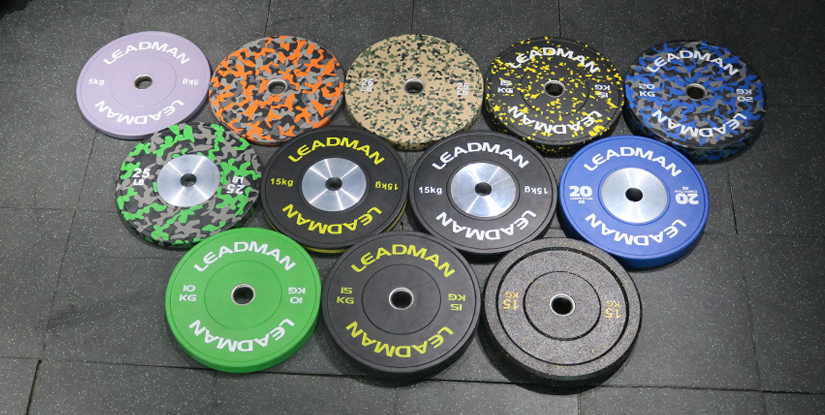
| Feature/Spec | Standard/Light Commercial | Heavy-Duty Commercial Grade |
|---|---|---|
| Steel Gauge | 14-16 Gauge (Thinner) | 11-12 Gauge (Reinforced) |
| Upholstery Type | Standard PU Leather | High-Density Reinforced Vinyl |
| Maintenance Cycle | Quarterly/Monthly | Bi-Annually/Annually |
| Typical Use Case | Home Gyms/Small Studios | High-Volume Commercial Gyms |
| Wholesale Impact | Lower MOQ/Lower Price | Higher MOQ/Lower TCO |
To secure the best long-term value, we recommend that buyers request a full technical spec sheet and confirm the factory QC protocols for heavy-duty components. Always verify the OEM customization options for reinforced parts before finalizing your bulk order.
Verifying Longevity Through Technical Documentation and QC
Rigorous gym equipment sourcing requires more than just price comparisons; it demands verification of manufacturing standards. To mitigate the risk of premature wear, professional buyers should demand comprehensive OEM/ODM specifications for all critical moving parts, such as bearing diameters and motor torque ratings. A transparent fitness equipment supplier will provide detailed technical drawings and material test reports to prove compliance with international commercial standards.
Before finalizing any bulk shipment, a formal pre-shipment inspection is a non-negotiable step for high-volume importers. This process should include a functional stress test and a thorough check of spare parts availability to ensure that common wear items, such as cables or upholstery, can be sourced easily in the future. Effective QC (Quality Control) protocols must be established at the factory level to prevent substandard batches from increasing your long-term maintenance liabilities. Always confirm that the exercise equipment manufacturers list you are utilizing includes vendors capable of providing both high-grade components and reliable technical support for long-term operations.
Analyzing China Factory Capabilities and OEM Customization
When vetting an exercise equipment manufacturers list, professional importers must look beyond basic catalogs to evaluate technical depth. High-tier China factory operations offer more than just standard production; they provide advanced OEM/ODM customization that directly impacts the long-term durability of your inventory. For distributors, selecting a partner capable of high-spec engineering is critical to minimizing warranty claims and maximizing product lifespans in high-traffic commercial environments.
Linking Material Specifications to Durability
The quality of an exercise equipment manufacturers list is often defined by the manufacturer's ability to adhere to strict high-use commercial grade standards. Robust sourcing requires verifying that the factory-direct production process utilizes heavy-duty steel gauges, reinforced welding techniques, and industrial-grade coatings. Relying on a supplier with sophisticated OEM/ODM capabilities ensures that material specifications for durability—such as high-density foam or heavy-duty bearing systems—are integrated during the design phase rather than added as afterthoughts. This technical precision reduces the frequency of maintenance cycles and protects your landed cost by preventing premature equipment failure in global markets.
Sourcing Tiers: Standard vs. Customized Solutions
Distributors must align their procurement strategy with their specific market positioning. When reviewing an exercise equipment manufacturers list, it is essential to distinguish between high-volume stock orders and specialized technical development. Choosing the right wholesale model affects both your initial MOQ requirements and your long-term maintenance obligations.
| Model Type | Customization Level | Maintenance Frequency | Typical MOQ | Target Use Case |
|---|---|---|---|---|
| Standard Wholesale Models | Low (Color/Logo only) | Moderate (Standard parts) | Lower (Container load) | Home Gym / Boutique Studio |
| Custom OEM/ODM Solutions | High (Full Engineering) | Low (Optimized for heavy use) | Higher (Project-based) | Full-Scale Commercial Gyms |
For buyers targeting the premium commercial sector, prioritizing ODM capabilities allows for the integration of reinforced components that extend service life. We recommend requesting a detailed technical spec sheet and confirming the factory's ability to meet specific tolerance standards before finalizing any bulk purchase order.
Implementing Rigorous Quality Control and Inspection Protocols
To safeguard your total cost of ownership, professional gym equipment sourcing must include a strict multi-stage verification process. A reliable China factory should not only provide standard certifications but also offer documented evidence of pre-shipment inspection (QC) and rigorous stress testing for durability. For high-volume distributors, a single failure in a batch of heavy-duty machines can drastically increase landed cost through unexpected shipping of replacement parts or high warranty claim ratios.
Effective procurement requires verifying that factory-direct specifications are consistently applied across every production run. This includes checking the integrity of load-bearing welds, the smoothness of mechanical movements, and the resistance of upholstery to high-frequency use. We advise buyers to implement a pre-shipment protocol that includes a physical sample audit and a third-party inspection of a random production unit. Before finalizing your wholesale order, always confirm that the supplier can provide detailed test reports for mechanical components to ensure that the exercise equipment manufacturers list you are working with meets the rigorous demands of the international commercial market.
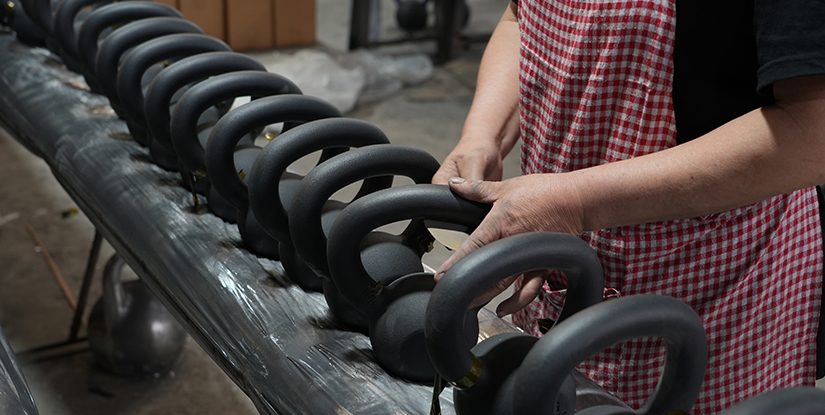
Standardizing Quality Control and Pre-Shipment Inspections
For high-volume distributors, the long-term Total Cost of Ownership (TCO) is dictated by mechanical reliability rather than initial purchase price. When vetting an exercise equipment manufacturers list, professional importers must prioritize partners who integrate rigorous factory-direct QC into their production cycles. Relying solely on basic OEM/ODM quality control is insufficient for commercial-grade durability; instead, procurement teams should mandate strict adherence to international durability standards to prevent costly field failures and warranty claims.
To mitigate the risks of bulk importing, a structured pre-shipment inspection protocol is essential. This process ensures that every unit meets the structural and electronic specifications required for commercial use. By verifying China factory compliance through third-party audits or standardized testing, importers can ensure that the exercise equipment manufacturers list they rely on provides products capable of withstanding high-intensity usage cycles, ultimately protecting their distributor margins and brand reputation.
Technical Inspection Checklist for Bulk Procurement
A superficial visual check is insufficient for high-stakes wholesale orders. To ensure long-term structural integrity, procurement specialists must implement a technical audit that examines the physical properties of the machine's core components. A failure in any single metric—such as insufficient material thickness or weak welding—can trigger a massive lead time impact due to necessary replacement cycles or total shipment rejection.
Use the following criteria when conducting a factory audit or a third-party pre-shipment inspection to verify that your exercise equipment manufacturers list meets commercial-grade benchmarks:
| Inspection Category | Critical Technical Parameter | Verification Method |
|---|---|---|
| Material Integrity | Steel/Alloy Material Thickness | Digital Micrometer Verification |
| Structural Strength | Weld Penetration & Strength | Visual & Destructive Stress Test |
| Mechanical Function | Load-Bearing Capacity | Weight-Loaded Cycle Testing |
| Logistics Readiness | Export-Grade Packaging | Drop Test & Moisture Barrier Check |
Before finalizing any sourcing contract, request a detailed specification sheet for all metal gauges and welding standards. We recommend requesting a sample approval and booking a professional inspection to confirm that the China factory can maintain these tolerances across the entire production run.
To optimize your long-term sourcing strategy, procurement timelines must account for more than just production speed. Integrating specific inspection milestones—such as sample approval and mid-production audits—is critical to preventing unexpected landed cost spikes. For large-scale orders, a failure to validate MOQ vs. quality consistency during the initial stages often results in high replacement costs and logistical delays.
Beyond physical testing, ensure that all shipping documentation and export certifications are verified well before the container is sealed. This prevents costly customs hold-ups and ensures full supplier accountability regarding compliance. We advise importers to finalize a detailed pre-shipment checklist that includes verifying export-grade packaging durability, ensuring that high-density commercial units arrive without structural damage, thereby protecting your overall landed cost and distributor margins.
Logistics Management: from Export Packaging to Landed Cost
For distributors managing an exercise equipment manufacturers list, the total landed cost is often dictated more by logistics than by the unit price itself. When sourcing heavy machinery, professional China factory logistics must prioritize high-density container optimization to prevent profit erosion. Efficiently managing bulk shipping requires more than just stacking crates; it requires a strategic approach to volume and weight.
Optimizing Volume and Protection
High-quality export packaging standards are non-negotiable for heavy-duty gym equipment. Manufacturers must utilize reinforced steel frames or heavy-duty corrugated cardboard to mitigate volumetric weight penalties. Improperly packed shipments increase the risk of structural damage, leading to costly returns and lead time impact during replacement cycles. To maximize your wholesale margins, ensure your supplier provides detailed packing lists and 3D load plans. This allows you to calculate the exact number of units per 40HQ container, ensuring you are not paying to ship empty air while maintaining strict QC standards for transit durability.
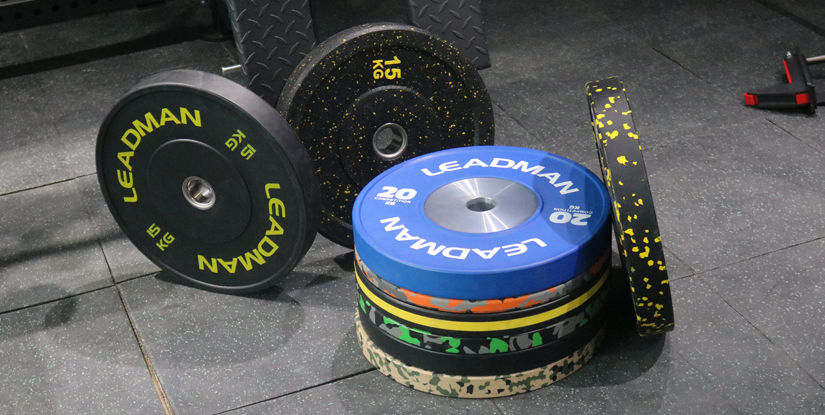
Shipping Method and Packaging Comparison
Selecting the correct freight mode is critical for a precise landed cost calculation. While sea freight remains the standard for high-volume wholesale orders, the choice between palletization and specialized crating can significantly alter your final margin. Importers must weigh the speed of air freight against the high volumetric costs of bulky fitness machinery to maintain a competitive exercise equipment manufacturers list.
| Shipping Method | Standard Packaging Type | Cost & ROI Impact |
|---|---|---|
| Sea Freight (LCL/FCL) | Heavy-duty carton + Palletization | Lowest unit cost; ideal for high-volume bulk orders. |
| Sea Freight (FCL) | Reinforced Wooden Crate | Maximum protection for heavy steel frames; reduces transit damage. |
| Air Freight | Compressed/Modular Packaging | High cost; used for urgent sourcing of small components. |
When reviewing an exercise equipment manufacturers list, always confirm the MOQ requirements regarding packaging customization. We recommend requesting a detailed packing specification and a sample crate design to ensure your distributor margins are protected against transit-related losses.
The Impact of Pre-Shipment QC on Maintenance Cycles
A reliable fitness equipment supplier understands that durability begins long before the product reaches the gym floor. The relationship between pre-shipment QC and long-term operational costs is direct: rigorous inspection of weld integrity, coating thickness, and mechanical tolerances prevents premature failure. For large-scale importers, investing in strict damage prevention protocols during the manufacturing stage is a vital sourcing strategy. High-quality control reduces the frequency of maintenance cycles and minimizes the need for emergency replacement parts, directly protecting your long-term ROI. When managing a high-volume wholesale inventory, even minor defects in structural components can lead to cascading failures in high-traffic commercial environments, making factory-level inspection a non-negotiable step in your procurement process.
Procurement Checklist for Bulk Fitness Equipment Importers
When vetting an exercise equipment manufacturers list, distributors must prioritize long-term reliability over initial unit price. For high-volume importers, the durability vs. landed cost equation is often misunderstood; a lower upfront price from a low-tier supplier frequently results in higher maintenance overhead and premature replacement cycles. To protect your margins, ensure your sourcing strategy emphasizes heavy-duty commercial specifications and rigorous factory-direct quality control protocols.
Durability and Long-Term TCO
High-traffic commercial environments demand equipment that meets strict heavy-duty commercial specifications to minimize downtime. When evaluating an exercise equipment manufacturers list, verify that the China factory utilizes high-grade steel gauges and industrial-strength bearings. Relying on a wholesale partner that lacks standardized factory-direct quality control increases the risk of structural fatigue, ultimately driving up the total cost of ownership through frequent repairs and lost rental or membership revenue.
Technical Verification Checklist
To mitigate risk during gym equipment sourcing, importers must move beyond surface-level aesthetics and demand technical specification sheets. A professional fitness equipment supplier should provide documented proof of material integrity and component lifespans. Use the following technical benchmarks to audit your potential partners before finalizing bulk orders.
- Structural Integrity: Verify steel gauge thickness (typically 11-gauge or 12-gauge for heavy frames) and welding standards to ensure structural stability under load.
- Upholstery Grade: Confirm high-density foam density and high-grade, sweat-resistant upholstery that meets commercial abrasion standards.
- Maintenance Cycles: Request detailed maintenance intervals for moving parts, such as bearing lubrication requirements and cable replacement schedules.
- Customization Capabilities: Ensure the OEM process allows for customization for durability, such as reinforced pivot points or specialized coatings for high-humidity environments.
- Inspection Protocols: Validate that the factory implements strict QC inspection protocols, including load-bearing stress tests and component fatigue testing, prior to container loading.
Before proceeding, request a detailed technical spec sheet and confirm the MOQ for customized heavy-duty components to ensure your specific durability requirements are met.
| Sourcing Model | Typical Material Grade | Maintenance Frequency | High-Traffic Suitability |
|---|---|---|---|
| Standard Wholesale | Standard 14-16 Gauge Steel | Moderate (Quarterly) | Low to Medium (Boutique/Home) |
| Custom OEM | Heavy-Duty 11-12 Gauge Steel | Low (Bi-Annually) | High (Commercial/Full-Scale Gym) |
Selecting the right model from your exercise equipment manufacturers list depends heavily on your target market's usage density. While standard wholesale options offer lower entry costs, they often lack the reinforced components required for 24/7 commercial environments. Conversely, investing in OEM production allows you to dictate specific material grades and reinforcement points, significantly lowering long-term maintenance overhead and protecting your brand reputation in high-traffic sectors.