Weight Lifting Equipment Manufacturers: Wholesale & MOQ
Optimizing Distributor Margins via Bulk Weight Lifting Equipment Procurement
For large-scale gym chains and regional distributors, the difference between a profitable fiscal year and a loss often hinges on the precision of their sourcing strategy. When scaling a product line, relying on mid-tier traders can erode your margins through inflated markup. To maintain a competitive edge, high-volume importers must work directly with weight lifting equipment manufacturers to control the entire cost structure. By bypassing unnecessary intermediaries, you gain direct access to China factory pricing, which is essential for maintaining healthy retail margins in the North American market.
Strategic bulk procurement allows distributors to mitigate the volatility of shipping and raw material costs. When you partner with a professional weight lifting equipment supplier, you aren't just buying products; you are managing the landed cost of your entire inventory. This includes optimizing container loadability and negotiating better terms on high-density items like iron plates or heavy dumbbells. Efficiently managing these variables ensures that your final weight lifting equipment manufacturers selection supports both high-quality standards and long-term profitability.
To maximize your ROI, you must evaluate the economic trade-offs between different procurement models. Choosing between a trading company and a direct weight lifting equipment manufacturers partnership often determines your ability to offer competitive pricing while maintaining a robust profit margin. While traders offer convenience, direct factory-sourcing provides the scale and customization necessary for professional distributors.
| Procurement Model | Typical MOQ | Customization (OEM/ODM) | Margin Potential | Supply Chain Control |
|---|---|---|---|---|
| Trading Company | Low to Moderate | Limited | Lower (Higher Markup) | Indirect (Via Agent) |
| Direct Factory | Higher/Volume-Based | High Capability | Maximum (Cost-Direct) | Direct (Control QC/Lead Time) |
When negotiating weight lifting equipment wholesale contracts, always account for the cost of OEM services. While a direct manufacturer may require a higher MOQ for custom-branded plates or racks, the long-term benefit of a proprietary product line often outweighs the initial volume requirement. Before finalizing your order, request a detailed breakdown of the unit price versus the total landed cost to ensure your distributor economics remain sound.
Mitigating Risk via Lead Time and Quality Oversight
Even with a low unit price, unforeseen delays in the production cycle can devastate a distributor's cash flow. Unmanaged lead time fluctuations—whether caused by raw material shortages or production bottlenecks—can lead to stockouts and missed seasonal demand. To protect your bottom line, it is vital to select a weight lifting equipment supplier that provides transparent production schedules and predictable shipping windows.
Furthermore, failing to implement rigorous pre-shipment QC protocols can result in expensive returns or complete inventory rejection upon arrival. Relying on a reputable China factory to conduct thorough inspections ensures that every barbell, plate, and rack meets your specific tolerance standards before leaving the floor. Additionally, ensure the factory utilizes reinforced export packaging designed for long-haul maritime logistics. High-quality, durable packing prevents transit damage, effectively safeguarding your margins from the unexpected costs of damaged goods and subsequent claims.
Navigating MOQ Tiers and Lead Times with China Factories
When sourcing from weight lifting equipment manufacturers, distributors must balance inventory turnover against procurement costs. Most China factory operations utilize tiered MOQ structures to manage production efficiency. While smaller orders allow for rapid market testing, scaling up via bulk procurement is the most effective way to drive down the unit cost and maximize distributor margins.
Understanding Volume vs. Cost Trade-Offs
Selecting the right wholesale strategy depends on whether you are launching a new product line or replenishing established SKUs. High-volume orders typically grant access to private label customization and lower landed costs, whereas smaller batches offer lower capital risk.
| Procurement Model | Typical MOQ | Unit Cost Impact | Lead Time Profile |
|---|---|---|---|
| Standard Stock | Low (1-5 units) | Higher | Fast (Ready to Ship) |
| Custom Private Label | Medium (50+ units) | Moderate | Standard Production |
| Full OEM Production | High (200+ units) | Lowest | Extended (Custom Build) |
Before finalizing your purchase, we recommend you request a detailed spec sheet to confirm weight lifting equipment manufacturers can meet your specific tolerance requirements and verify the current MOQ for your desired SKU.
Effective sourcing requires a clear understanding of how different production cycles impact your local inventory availability. When managing weight lifting equipment wholesale orders, you must account for both the manufacturing duration and the international logistics window to avoid stockouts during peak seasons.
Production Cycles and Shipping Logistics
The lead time for a standard order is significantly shorter than custom builds. For example, standard weight lifting equipment manufacturers often maintain ready-to-ship stock for high-demand items. However, if your procurement involves complex ODM specifications—such as custom steel gauges or unique upholstery—you must factor in an extended production cycle. This period includes raw material procurement, fabrication, and a rigorous pre-shipment quality control phase. Once production concludes, allow additional time for container loading and sea freight transit to ensure your landed cost calculations remain accurate for your regional distribution.
Ensuring Quality Through Rigorous Inspection
To protect your margins, a professional weight lifting equipment supplier must implement strict QC protocols. Because complex mechanical components are prone to fabrication errors, we highly recommend scheduling a formal pre-shipment inspection before the container is sealed. This step mitigates the risk of receiving defective goods that could spike your landed cost through returns or local replacements. Furthermore, verify that your factory-direct partner utilizes reinforced export packaging designed for heavy-duty maritime transit to prevent structural damage during long-haul shipping.
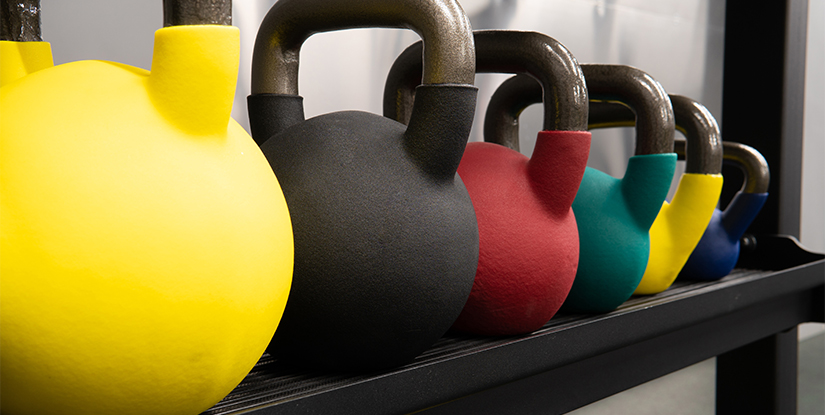
Customization Potential: OEM and ODM Capabilities for Private Label Brands
For distributors looking to scale brand equity, understanding the technical nuances of weight lifting equipment manufacturers is essential. High-tier China factory partners offer two distinct pathways for product differentiation: basic branding and full-scale engineering.
Distinguishing OEM vs. ODM Services
Most weight lifting equipment manufacturers provide OEM services, which focus on aesthetic customization. This typically involves applying your company logo, selecting specific frame colors, or adjusting upholstery textures to match your existing product lines. This is a cost-effective way to establish private label presence without altering the core mechanical structure.
Conversely, ODM services allow for deeper sourcing advantages through structural innovation. This level of customization process involves working with the factory's engineering team to modify dimensions, adjust weight plate increments, or integrate unique ergonomic features. While ODM often requires higher MOQ thresholds and longer lead times, it enables distributors to launch proprietary, market-leading products that competitors cannot easily replicate.
Customization Complexity and Procurement Requirements
To optimize your weight lifting equipment wholesale strategy, you must align your budget with the required level of technical involvement. The following table illustrates how customization depth influences your total landed cost and logistical planning.
| Service Level | Customization Scope | Typical MOQ | Lead Time Impact | Branding Level |
|---|---|---|---|---|
| Standard Wholesale | Stock items only | Low (Per container/pallet) | Minimal (Standard shipping) | Generic or Small Logo |
| OEM | Colors, Upholstery, Logo | Medium (Per SKU) | Moderate (+30-45 days) | Full Private Label |
| ODM | Structural & Mechanical Design | High (Per Model/Tooling) | Significant (+60-90 days) | Proprietary Brand Identity |
Before finalizing your order, we recommend requesting a detailed technical spec sheet and a formal quote to confirm how specific sourcing adjustments will affect your final unit price and shipping schedules.
Technical Precision and Quality Control Protocols
Successful branding requires more than just a logo; it demands rigorous technical alignment. Professional weight lifting equipment manufacturers rely on detailed technical drawings and precise material specifications to ensure custom orders meet international safety standards. When requesting bespoke designs, you must provide exact tolerances for steel gauge, coating thickness, and upholstery density to avoid discrepancies during mass production.
To mitigate risk, the sample approval process is the most critical phase for any importer. We advise requesting a functional prototype to verify that custom colors and logo applications remain durable under heavy use. Furthermore, a reliable weight lifting equipment supplier should implement strict pre-shipment QC protocols. This includes verifying that custom branding does not compromise the structural integrity of the equipment and ensuring that the final product matches the approved technical blueprints exactly. Failing to verify these details can lead to a significant increase in your total landed cost due to potential returns or compliance issues at customs.
Comparing Sourcing Models: Factory-Direct vs. Trading Companies
For distributors aiming to maximize margins, choosing between weight lifting equipment manufacturers and trading companies is a pivotal decision. While trading companies offer simplified logistics and smaller order volumes, sourcing directly from a China factory typically yields a lower landed cost and greater control over product specifications.
| Procurement Factor | Factory-Direct Sourcing | Trading Company Sourcing |
|---|---|---|
| Unit Price | Lowest (Direct wholesale) | Moderate (Markup included) |
| OEM/ODM Capability | High (Full customization) | Limited (Standard SKUs) |
| MOQ Requirements | Higher (Volume-based) | Lower (Flexible/Small batch) |
| Quality Oversight | Direct sourcing & QC | Indirect/Third-party managed |
Engaging directly with weight lifting equipment manufacturers allows importers to bypass middleman margins, though it requires more robust internal expertise in managing weight lifting equipment wholesale logistics and technical specifications.
Selecting the right procurement channel depends on your current scale and technical requirements. While a trading company may reduce the complexity of initial sourcing, a direct partnership with weight lifting equipment manufacturers is essential for long-term scalability and brand differentiation through private label development.
| Feature | Factory-Direct (Manufacturer) | Trading Company |
|---|---|---|
| MOQ | Higher (Volume-dependent) | Lower (Small batch/Mixed) |
| Unit Price | Lowest (Direct wholesale) | Moderate (Markup included) |
| Product Variety | Specialized/Deep | Broad/Generalist |
| QC Control | Direct/On-site | Indirect/Limited |
| Lead Time | Stable/Production-linked | Variable (Sourcing-dependent) |
To optimize your weight lifting equipment wholesale strategy, we recommend requesting a detailed specification sheet and a formal factory audit report before finalizing any bulk purchase orders.
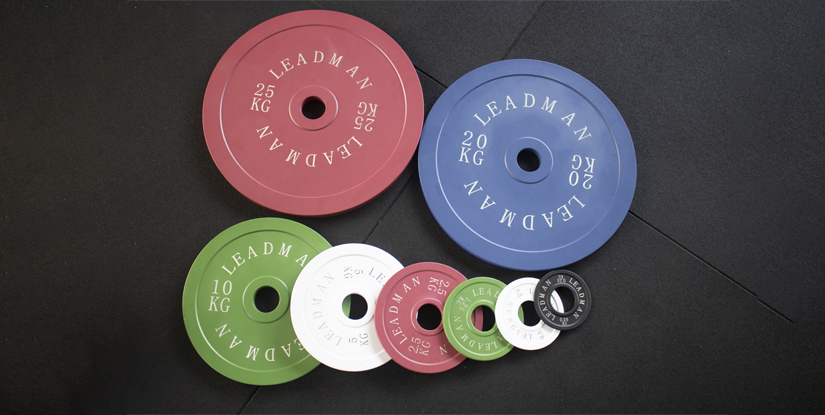
Optimizing Your Sourcing Strategy Based on Business Scale
Strategic gym equipment sourcing requires matching your business model to the appropriate supply tier. For distributors managing high-volume retail or commercial gym installations, prioritizing a direct weight lifting equipment supplier is essential for maintaining competitive margins. This model is best suited for established importers who possess the internal capacity for complex logistics management and technical oversight.
Conversely, smaller distributors or boutique fitness brands may find value in working with agents who specialize in bulk procurement of diverse SKUs. While this reduces the immediate burden of customization and high minimums, it often limits your ability to implement unique private label branding. For those scaling rapidly, transitioning from a trader to a direct-to-factory relationship is the standard path to achieving higher profitability and product exclusivity.
Quality Control Protocols and Pre-Shipment Inspection Standards
For professional distributors, relying on weight lifting equipment manufacturers who lack rigorous quality oversight is a high-risk procurement strategy. When sourcing heavy iron plates, barbells, and steel racks, even minor deviations in metal density or coating thickness can lead to catastrophic failure and liability issues for the end-user.
Ensuring Structural Integrity and Material Compliance
Top-tier weight lifting equipment manufacturers must implement strict factory-direct quality standards that go beyond basic visual checks. High-volume importers should mandate comprehensive material testing, specifically verifying the steel grade and powder coating adhesion to prevent premature oxidation during maritime transit. To mitigate the risk of receiving substandard batches, we recommend scheduling a formal pre-shipment inspection to verify that all heavy steel components meet the original OEM/ODM compliance documentation. This level of scrutiny ensures that your wholesale order maintains consistent density and structural durability, protecting your brand reputation and long-term profit margins.
Pre-Shipment Inspection Checklist for Bulk Orders
To protect your landed cost and minimize returns, distributors should utilize a standardized quality control checklist before the container is sealed. Relying on a third-party inspector or a rigorous internal protocol ensures that your weight lifting equipment wholesale order aligns with the approved sample specifications.
| Inspection Category | Key Verification Parameters | B2B Sourcing Focus |
|---|---|---|
| Visual/Aesthetic | Welding smoothness, coating uniformity, surface scratches | Brand-standard finish |
| Functional | Bearing rotation, barbell knurling grip, weight plate balance | Operational durability |
| Safety/Structural | Bolt torque, steel thickness, weld penetration depth | Liability mitigation |
| Packaging/Loading | Pallet stability, moisture protection, carton strength | Transit damage prevention |
Final shipment readiness must include a full bulk procurement verification of the total piece count and weight distribution. Before authorizing the final payment, always request a final high-resolution photo report of the loaded container to confirm that the weight lifting equipment manufacturers have adhered to your specific export loading instructions.
Export Packaging and Container Loading Optimization
Managing the logistics of heavy iron and steel requires more than standard boxing; it demands specialized export-grade packaging to safeguard your investment. A reliable weight lifting equipment supplier must utilize reinforced heavy-duty cartons, moisture-absorbent silica gel, and high-density foam padding to prevent metal oxidation and surface abrasions during long-haul maritime transit.
Effective container loading optimization is critical for distributors to maximize volume while ensuring shipping safety. Improperly stacked barbells or unbraced racks can lead to structural shifts and damaged goods, significantly increasing your landed cost through insurance claims and returns. We advise that your sourcing team mandates a strict palletization protocol and provides a detailed loading plan to the factory. This ensures that the weight distribution remains balanced, protecting both the cargo and the container integrity throughout the global supply chain.
Optimizing Logistics: Export Packaging and Container Loading Efficiency
For professional distributors, the final landed cost is heavily influenced by how effectively weight lifting equipment manufacturers manage the transition from factory floor to sea freight. Efficient bulk shipping requires more than just a standard box; it demands specialized export packaging designed to withstand the rigors of long-distance maritime transit.
To mitigate the risk of structural deformation or surface scratches, high-tier weight lifting equipment manufacturers implement heavy-duty protection, such as reinforced steel crates or multi-layer corrugated cardboard. Beyond damage prevention, optimizing container loading efficiency is critical for maximizing your wholesale margins. By utilizing precision-engineered palletization and nested dimensions, a reliable supplier ensures that every cubic meter of space is utilized, reducing the per-unit shipping cost and ensuring sea freight safety for high-density iron and steel components.
Packaging &Amp; Loading Optimization Matrix
Calculating an accurate landed cost requires understanding how different product geometries impact container utilization. While high-density items like dumbbells optimize weight-to-volume ratios, bulky items like racks require strategic nesting to prevent excessive air shipment costs. Consult the following comparison to align your sourcing strategy with your logistics budget.
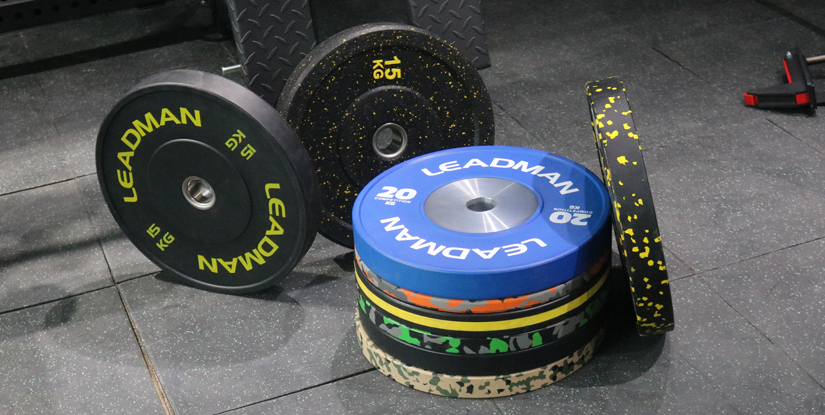
| Product Type | Standard Packaging Method | Volume/Weight Optimization Strategy | Logistics Impact on Margin |
|---|---|---|---|
| Dumbbells & Plates | Reinforced Cartons / Wooden Crates | High density; heavy weight/low volume | Maximizes weight capacity; minimizes volume |
| Weight Benches | Multi-layer Corrugated Box | Medium density; moderate volume | Requires careful stacking to prevent crushing |
| Power Racks & Stations | Custom Wooden Crates / Steel Frames | Low density; high volume (nested) | Critical for structural integrity during transit |
Before finalizing your purchase, we recommend requesting a detailed packing list and 3D loading diagram from your weight lifting equipment manufacturers. Confirming the exact dimensions and MOQ-related pallet configurations will allow your freight forwarder to provide a more precise quote, ensuring your wholesale procurement remains profitable.
Quality Assurance and Logistics Coordination
Effective procurement extends beyond the initial order; it requires rigorous oversight of the production lifecycle. A professional weight lifting equipment supplier must provide comprehensive logistics coordination to bridge the gap between production completion and port departure. To ensure your shipment meets international standards, we recommend scheduling a formal pre-shipment inspection. This process allows your team to verify material grades, welding integrity, and finish consistency before the goods leave the China factory.
Furthermore, specialized loading supervision is essential for high-density cargo. During the container stuffing process, a dedicated technician should oversee the placement of heavy steel components to prevent shifting. This oversight minimizes the risk of transit damage and ensures the lead time is not extended by preventable loading errors. By integrating these sourcing protocols, distributors can maintain predictable landed costs and protect their long-term inventory margins.
Strategic Next Steps for Global Importers
Transitioning from initial inquiry to a long-term partnership with weight lifting equipment manufacturers requires rigorous validation to protect your distributor margins. Once you have identified a potential supplier, you must move beyond superficial catalogs to verify physical build quality and logistical reliability.
Validation and Procurement Checklist
Before issuing a formal purchase order, execute these critical steps to ensure your wholesale orders meet international commercial standards:
- Sample Testing: Order functional samples to test weld strength, coating durability, and ergonomic stability under load.
- Formalizing Specifications: Document exact tolerances, steel gauges, and finish requirements to prevent discrepancies during mass production.
- Contract Terms: Explicitly define Incoterms (e.g., FOB or CIF), payment milestones, and liability clauses regarding transit damage.
- QC Protocols: Establish mandatory pre-shipment inspection points, focusing on weight consistency and structural integrity.
Finalize your procurement by requesting a detailed technical spec sheet, confirming the final MOQ for custom colors, and scheduling a third-party factory audit to validate weight lifting equipment manufacturers' production capacity.
Comparing Sourcing Models: Wholesale vs. Customization
Distributors must decide between rapid stock replenishment and long-term brand building. Selecting the right approach with your weight lifting equipment manufacturers depends on your current inventory turnover and capital availability.
| Model | Typical MOQ | Customization Level | Lead Time | Branding Options |
|---|---|---|---|---|
| Standard Wholesale | Low to Medium | Minimal (Standard Colors/Specs) | Short (Ready-to-ship) | Manufacturer Logo Only |
| OEM/ODM | High (Volume-based) | High (Full Spec Control) | Longer (Production + Customization) | Full Private Labeling |
Standard procurement is ideal for testing new markets with low risk, whereas OEM strategies allow for higher margins through unique market positioning and proprietary designs.
Optimizing Final Logistics and Landed Cost
To protect your profitability, do not rely on estimated shipping costs. A professional importer must calculate the true landed cost by accounting for ocean freight, port fees, customs duties, and local drayage. When negotiating weight lifting equipment wholesale contracts, ensure your shipping logistics plan accounts for the high density and weight of steel products to avoid unexpected surcharges.
Efficiency in the final stage of gym equipment sourcing relies heavily on container loading optimization. Work with your weight lifting equipment manufacturers to confirm if products are stackable or require specialized palletizing. A well-executed loading plan maximizes volume utilization, reducing the per-unit shipping cost. Finally, always mandate a rigorous pre-shipment inspection to verify that the cargo matches your technical specifications before it leaves the China factory, preventing costly returns and damage claims.