Top Exercise Equipment Manufacturers: Sourcing & Procurement
Optimizing Inventory Turnover and SKU Breadth in Fitness Distribution
Distributors sourcing from top exercise equipment manufacturers must balance product variety against capital efficiency. When managing a diverse catalog, procurement professionals must evaluate three critical checkpoints: technical specification alignment, logistical complexity, and the impact of high MOQ requirements on cash flow. Neglecting these factors can lead to overstocking or excessive landed cost overheads during international transit.
Managing SKU Proliferation and Capital Efficiency
Expanding your product line through a China factory often involves a trade-off between variety and volume. While a broad range of wholesale fitness equipment attracts more clients, every additional SKU increases the complexity of your sourcing strategy. High minimum order quantities typically lower the unit price, but they also risk slowing your inventory turnover if specific models do not move as quickly as predicted. To maintain healthy margins, importers should prioritize high-demand core products while utilizing OEM capabilities to test niche categories with smaller, more controlled batches.
Cost-Efficiency Comparison: Specialized vs. Commodity Sourcing
Understanding the economic distinction between high-volume commodity products and customized orders is vital for optimizing your procurement budget. When negotiating with an OEM gym equipment supplier, buyers must weigh the benefits of high-speed production against the long-term value of brand differentiation.
| Feature | High-Volume Commodity Goods | Customized OEM Solutions |
|---|---|---|
| Cost Structure | Low unit price via economies of scale | Higher initial setup and tooling costs |
| SKU Breadth | Limited to standard factory catalog | High flexibility for unique branding |
| Lead Time | Short; often available from stock | Extended due to custom fabrication |
| Sourcing Strategy | Focus on factory-direct speed | Focus on long-term brand equity |
For distributors, the choice depends on whether your goal is rapid market penetration with standard items or building a premium, proprietary line. We recommend requesting a detailed specification sheet and a tiered MOQ breakdown before committing to large-scale custom production runs.
Optimizing your logistics and stock management requires a strategic approach to container utilization. When ordering bulk shipments, even a slight mismatch in SKU dimensions can lead to wasted volume and inflated shipping costs per unit. To prevent capital tie-up in slow-moving inventory, procurement teams should coordinate closely with their exercise equipment factory to align production cycles with seasonal demand. Instead of over-extending across too many niche categories, focus on a core selection of high-turnover items and use smaller, agile shipments for specialized gear to maintain a lean, profitable supply chain.
Evaluating China Factory Capabilities for High-Volume Orders
When sourcing wholesale fitness equipment, distributors must recognize that production scale directly dictates your margins. For large-scale importers, the ability of top exercise equipment manufacturers to leverage economies of scale is the most critical factor in reducing the total landed cost per unit. High-volume procurement allows for more efficient raw material procurement and optimized container loading, which mitigates the impact of shipping overheads.
Scale vs. Cost Efficiency Comparison
| Procurement Model | Production Volume | Cost Impact | Typical Advantage |
|---|---|---|---|
| Small Batch / Stock | Low | Higher Unit Price | Fast Lead Time |
| Standard Wholesale | Medium | Moderate | Balanced Margins |
| Custom High-Volume | High | Lowest Unit Price | Maximum Bulk Discounts |
To optimize your budget, always request a tiered pricing structure from your top exercise equipment manufacturers. Understanding how bulk discounts are applied to specific SKUs ensures you can negotiate effectively based on your projected sourcing volume and long-term inventory needs.
Direct Sourcing Model Comparison
To determine whether to engage an exercise equipment factory directly or utilize a trading entity, procurement managers must weigh the trade-offs between price and operational complexity. While direct sourcing offers the best margins for high-volume importers, it requires more rigorous oversight of the OEM gym equipment supplier to ensure specifications are met.
| Sourcing Model | Unit Price | Customization Capability | MOQ Requirement | Shipping Efficiency |
|---|---|---|---|---|
| Direct China factory | Lowest | High (Full OEM/ODM) | Higher | Optimized Container Loading |
| Trading Company | Moderate | Limited (Stock-based) | Lower / Flexible | Consolidated Small Shipments |
When negotiating with top exercise equipment manufacturers, always clarify if the MOQ applies to a single SKU or a total container volume. This distinction is vital for calculating your final landed cost and managing warehouse capacity effectively.
Accounting for Hidden Procurement Expenses
A realistic total procurement budget must extend far beyond the initial factory invoice. High-volume sourcing involves several non-negotiable operational costs that can erode distributor margins if overlooked. For instance, specialized export packaging is essential for heavy steel frames to prevent transit damage, yet it adds weight and volume to your shipment.
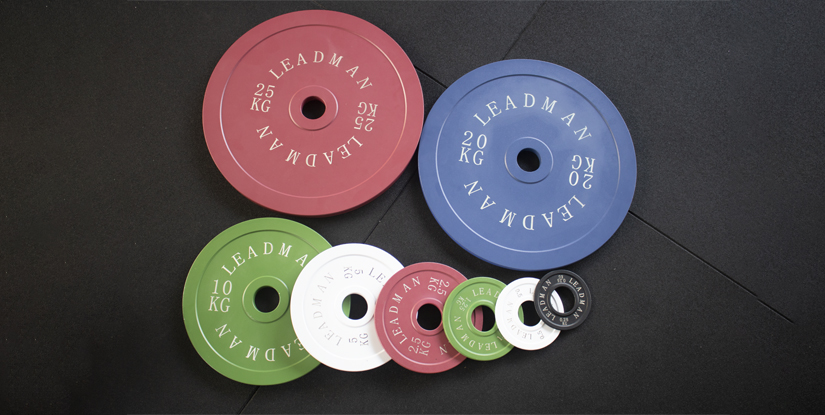
Furthermore, professional pre-shipment inspection and third-party QC services are indispensable. While they represent an upfront cost, they prevent the massive financial loss of receiving defective bulk orders. You must also account for fluctuating shipping costs and the impact of lead time delays on your local inventory availability. Budgeting for these variables ensures your wholesale operation remains profitable despite global logistics volatility.
Navigating MOQ and Lead Time Variables in Global Procurement
When sourcing from top exercise equipment manufacturers, understanding the interplay between volume and unit price is critical for maintaining distributor margins. High MOQ requirements typically unlock lower wholesale fitness equipment pricing tiers, as bulk production optimizes raw material utilization and reduces machine downtime.
Optimizing Landed Cost Through Volume
A higher order volume does more than just lower the base price; it significantly reduces the landed cost per unit by optimizing container utilization. Sourcing via a China factory allows importers to leverage economies of scale in both production and international logistics. While small orders may face higher per-unit overhead, scaling up ensures that shipping costs and customs clearances are amortized across a larger shipment, maximizing your competitive edge in the local market.
The decision between purchasing off-the-shelf inventory or commissioning custom production directly impacts your capital allocation and delivery schedule. Depending on whether you engage an OEM gym equipment supplier for bespoke designs or a standard exercise equipment factory for stock items, your procurement strategy must account for significant shifts in both time and budget.
Comparison of Procurement Models and Cost Structures
| Procurement Type | Typical MOQ | Lead Time | Cost Impact |
|---|---|---|---|
| Standard Wholesale | Low to Medium | Short (Ready-to-ship) | Lower upfront, higher per-unit cost |
| Custom OEM/ODM | High | Long (Production + Tooling) | Lower per-unit, higher initial R&D |
| Private Labeling | Medium | Moderate | Balanced; optimized for branding |
To mitigate risks during this stage, we recommend that buyers request a spec sheet and confirm MOQ levels before finalizing any proforma invoice. Always ensure you book an inspection to verify that the finished goods align with your custom requirements before the shipping deadline.
Managing Lead Time Risks and Hidden Costs
Unpredictable production cycles can drastically inflate your total landed cost. When working with an exercise equipment factory, even a minor delay in raw material arrival or machine maintenance can push shipments past scheduled windows. Such variability often results in increased demurrage fees at the port or missed seasonal sales opportunities, directly eroding your profit margins. To protect your investment, it is vital to factor a buffer into your procurement timeline.
Beyond logistics, the lack of rigorous pre-shipment QC is a major financial risk. Identifying defects after the container has left the China factory is often too late and far too expensive. Implementing a strict inspection protocol ensures that any deviations in welding, coating, or mechanical function are addressed on-site. By prioritizing professional sourcing and quality verification, you prevent the high costs associated with returns, replacements, and damaged brand reputation.
Customization Strategies: Selecting an OEM Gym Equipment Supplier
When managing high-volume imports, distributors must look beyond standard catalogs to ensure long-term product viability. Working with a professional OEM gym equipment supplier allows you to specify exact tolerances that prevent premature wear in high-traffic commercial environments. To protect your landed cost and reduce replacement frequency, you should prioritize factory-direct customization regarding structural integrity.
Optimizing Material Specifications for Durability
To secure a competitive edge, request that top exercise equipment manufacturers utilize high-grade steel with specific wall thicknesses for all heavy-duty components. For bulk orders, the finish is as vital as the frame; insist on advanced powder coating processes to prevent corrosion and surface chipping. By defining these technical requirements during the sourcing phase, you ensure that your wholesale fitness equipment meets the rigorous demands of international commercial gym standards.
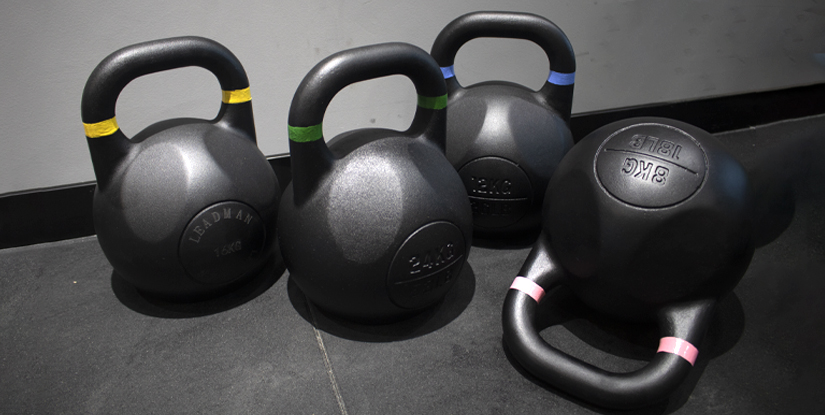
Selecting the appropriate customization tier is essential for balancing your budget with product longevity. When negotiating with a China factory, you must distinguish between standard stock and high-spec custom builds to avoid unexpected maintenance costs. The following table outlines the typical differentiation in durability tiers based on material and manufacturing rigor.
| Specification Detail | Standard Wholesale Tier | Premium OEM/ODM Tier |
|---|---|---|
| Material Thickness | Standard gauge steel (approx. 2.0mm) | Reinforced heavy-duty steel (2.5mm - 3.0mm+) |
| Welding Quality | Standard MIG welding | Full-penetration, precision robotic welding |
| QC Standards | Basic batch inspection | Rigorous multi-stage pre-shipment testing |
| Customization Options | Limited to color and basic branding | Full structural and mechanical private label design |
Before finalizing your purchase, always request a detailed technical spec sheet and confirm the MOQ for premium configurations to ensure your wholesale fitness equipment order aligns with your distributor margins.
Validation Through Rigorous Testing Protocols
Structural failure during transit or early operation can devastate a distributor's reputation. To mitigate these risks, a reputable exercise equipment factory must implement strict mechanical validation. Beyond visual checks, demand documented load-bearing tests to verify that custom frames can withstand peak commercial stress without deformation.
A critical step in the sourcing workflow is the pre-shipment inspection. This stage should include stress-testing high-wear components and verifying durability certification for all moving parts. While extensive testing protocols may slightly increase the lead time impact, the cost of a single defective container far outweighs the investment in quality assurance. For long-term sourcing reliability, ensure your supplier provides batch-specific test reports before the final FOB or CIF handover.
Standardizing Quality Control and Pre-Shipment Inspection Protocols
For distributors managing high-volume imports, relying on a top exercise equipment manufacturers reputation is insufficient without verified QC protocols. When sourcing from a China factory, the technical integrity of the hardware determines your long-term replacement costs and brand reliability.
Material Verification and Structural Integrity
Rigorous durability testing must be a prerequisite for any bulk order. A professional OEM gym equipment supplier should provide detailed material specifications to prove compliance with international standards. Buyers must verify the steel gauge of frames to ensure they can withstand heavy commercial usage without deformation. Furthermore, components subject to constant friction or impact must demonstrate high high-impact resistance. We recommend requesting independent lab reports to confirm that the coatings and mechanical parts meet the structural requirements of your specific market before finalizing the wholesale shipment.
Mechanical Precision and Fatigue Testing
Beyond static frame strength, the longevity of moving parts is critical for high-traffic commercial environments. During the pre-shipment inspection, technical buyers should mandate a stress test on all moving assemblies. This includes checking the load-bearing capacity of pulleys, cables, and weight stacks to prevent premature failure. A reliable exercise equipment factory will provide data on fatigue testing results for mechanical components such as bearings and bushings. Ensuring consistent motion and zero structural vibration is essential to protect your distributor margins and minimize warranty claims. Always verify that the weld strength at all pivot points meets the technical specifications outlined in your original purchase order.
Technical Inspection Parameters for Bulk Procurement
To mitigate the risk of high return rates, importers should utilize a standardized inspection matrix. The following table compares technical requirements to help you evaluate the capabilities of top exercise equipment manufacturers during your factory audit.
| Inspection Parameter | Standard Requirement | High-end OEM Specification | Failure Mode | Landed Cost Impact |
|---|---|---|---|---|
| Frame Coating | Powder Coat (Uniform) | Electrostatic UV-Resistant | Chipping/Oxidation | High Replacement Cost |
| Cable Tensile Strength | Nylon Coated Steel | Stainless Steel/Polymer | Fraying/Snap | High Liability/Warranty |
| Bearing Smoothness | Standard Precision | Sealed Industrial Grade | Seizing/Noise | Reduced Asset Life |
| Weld Integrity | Standard MIG Welding | Full-Penetration TIG | Stress Cracks | Structural Failure |
Use this sourcing checklist to verify that your wholesale orders meet the necessary durability benchmarks. Before finalizing any bulk shipment, ensure you have received signed spec sheets and confirmed the MOQ for any custom OEM modifications.
Mitigating Logistics Risks with Specialized Export Packaging
When importing bulk orders, the structural integrity of your shipment depends heavily on the export-grade packaging protocols used by your top exercise equipment manufacturers. For distributors, a single damaged component from a container can significantly impact the landed cost and profit margins of a wholesale shipment.
Ensuring Durability via Heavy-Duty Crating
High-end commercial units require more than standard cardboard; they necessitate heavy-duty crating to withstand the rigors of maritime transit. Reliable top exercise equipment manufacturers implement multi-layered protection to safeguard high-value assets. This includes rigorous moisture protection, such as vacuum-sealed polybags and desiccant packs, to prevent oxidation during long-haul sea freight. By prioritizing bulk shipping safety through reinforced wooden frames and edge protectors, a professional China factory ensures that heavy steel frames and sensitive electronic consoles arrive at your warehouse in showroom condition, reducing the need for costly after-sales claims or replacements.
Packaging Specifications by Equipment Type
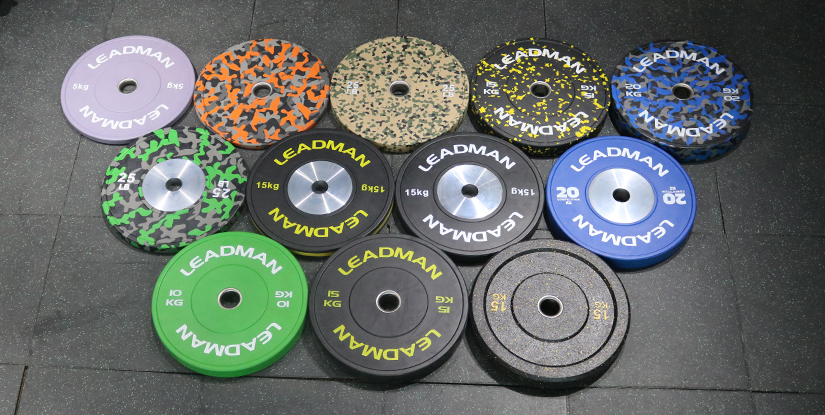
To maintain strict quality control, procurement managers must verify that the OEM gym equipment supplier adheres to specific volumetric and weight-bearing standards. Standardizing these requirements during the pre-shipment inspection phase prevents structural damage caused by improper stacking or sea freight vibrations.
| Equipment Category | Standard Packaging | Protection Focus | Recommended for Wholesale/Bulk |
|---|---|---|---|
| Strength Machines (Racks/Stations) | Reinforced Wooden Crates | Impact & Structural Rigidity | High-Value Container Loads |
| Cardio Equipment (Consoles/Motors) | Double-Wall Corrugated Box + EPE Foam | Vibration & Moisture Control | Standard Wholesale Shipments |
| Free Weights (Dumbbells/Plates) | Heavy-Duty Palletized Skids | Weight Distribution & Friction | Full Container Load (FCL) |
| Small Accessories (Bells/Bands) | Polybag + High-GSM Cardboard | Dust & Surface Abrasion | Mixed Container Consolidation |
Before finalizing your order, request a detailed packaging spec sheet and confirm that the sea freight durability meets your local logistics requirements. Always book inspection services to verify that the actual packing matches the approved prototype to avoid unexpected landed cost increases.
Effective maintenance strategies begin long before the equipment reaches the gym floor. For importers, the relationship between packaging quality and long-term operational costs is direct: subpar protection leads to micro-fractures and component misalignment during transit. A professional exercise equipment factory understands that high-quality shielding is a form of logistics risk mitigation. By ensuring damage-free delivery through reinforced structural supports, suppliers help distributors avoid the high costs of reverse logistics and parts replacement, ultimately optimizing the total landed cost for every unit in a bulk order.
Final Procurement Checklist for Top Exercise Equipment Manufacturers
Successful procurement extends beyond identifying top exercise equipment manufacturers; it requires a rigorous transition from initial sourcing to long-term ROI optimization. For distributors, a low initial unit price is meaningless if high landed cost or unexpected defects erode profit margins during transit. To protect your bottom line, you must implement strict control over the entire supply chain, from the moment wholesale fitness equipment leaves the China factory to its arrival at your warehouse.
True profitability is secured through proactive QC protocols and mandatory pre-shipment inspection. By validating product specifications and packaging durability before the container is sealed, you mitigate the risks of shipping damage and technical non-compliance. Use the following checklist to ensure your chosen supplier meets the high standards required for professional commercial deployment.
Evaluating Sourcing Models for Maximum ROI
Choosing between direct stock procurement and custom production significantly impacts your distributor margins. While buying from a wholesale fitness equipment catalog offers speed, scaling a unique brand requires moving up the value chain. Use this comparison to align your procurement strategy with your capital availability and market positioning.
| Feature | Stock Wholesale Model | OEM / ODM Customization |
|---|---|---|
| Typical MOQ | Low (per SKU/Unit) | High (Per Model/Color) |
| Lead Time | Short (Ready-to-ship) | Long (Production + Tooling) |
| Customization | Minimal (Standard Specs) | High (Private Label/Design) |
| Profit Potential | Moderate (High Competition) | High (Brand Differentiation) |
| Risk Level | Low (Proven Designs) | Moderate (Spec Validation Required) |
To finalize your selection, request a detailed technical spec sheet for all top exercise equipment manufacturers under consideration. Before committing to bulk volumes, ensure you confirm the exact MOQ for customized components and schedule a formal factory audit or third-party inspection to validate production capacity.
To finalize your selection, request a detailed technical spec sheet for all top exercise equipment manufacturers under consideration. Before committing to bulk volumes, ensure you confirm the exact MOQ for customized components and schedule a formal factory audit or third-party inspection to validate production capacity.
Final Verification and Risk Mitigation
Avoid common sourcing mistakes by prioritizing physical validation over digital catalogs. Start with a rigorous sample validation process to test mechanical tolerances and material durability under load. Once the sample is approved, demand high-standard export packaging protocols to prevent structural damage during ocean freight. Finally, verify that the exercise equipment factory provides complete shipping documentation, including certificates of origin and compliance reports, to ensure seamless customs clearance and protect your long-term distribution margins.