Cast Iron Weightilfting Plates | Optimizing Cast Iron
Lifecycle Value and Total Cost of Ownership for Iron Weight Plates
Evaluating the procurement of cast iron weightlifting plates requires a shift in perspective from simple unit pricing to a holistic view of lifecycle value. Professional buyers must balance the immediate CAPEX against long-term OPEX, specifically monitoring how material density, coating quality, and manufacturing tolerances influence replacement frequency and maintenance cycles. A failure to account for these variables often leads to unexpected costs in heavy lifting area layout adjustments or premature equipment turnover.
Beyond the Initial Purchase Price
While low-cost, unbranded iron options may seem attractive for small-scale setups, they frequently present hidden costs in high-traffic commercial gym floor planning. Low-grade casting often results in uneven thickness or surface imperfections that accelerate wear on barbell sleeves and storage racks. When sourcing at scale, distributors should prioritize manufacturers that maintain strict quality control to ensure consistent dimensions, as even slight deviations can complicate weight plate storage solutions and disrupt standardized barbell loading patterns.
| Cost Driver | Budget-Tier Iron | Premium Commercial Grade |
|---|---|---|
| Initial CAPEX | Lower per unit cost | Higher upfront investment |
| Maintenance Frequency | Frequent (rust/chipping) | Minimal (durable coatings) |
| Lifespan in High-Volume Gyms | Moderate to Short | Extended/Long-term |
| Operational Impact | Higher replacement/labor costs | Predictable replacement cycles |
Ultimately, the most cost-effective strategy involves selecting cast iron weightlifting plates that offer high durability and minimal maintenance requirements. By investing in superior finishes and robust casting, facility managers reduce the frequency of logistics and restocking interventions, ensuring a more stable ROI over the equipment's functional life.
Technical Performance and Durability Metrics
When calculating the true cost of ownership, technical specifications such as dimensional tolerance and surface integrity are non-negotiable. Standard iron often suffers from significant weight loss due to surface oxidation or chipping, which complicates precise training and complicates inventory management. In contrast, high-grade precision casting ensures that the diameter and thickness remain consistent, allowing for seamless integration into high-density weight plate storage solutions and standard weight trees.
| Specification Metric | Standard Cast Iron | High-Grade Precision Cast Iron |
|---|---|---|
| Dimensional Tolerance | Higher variance (±3-5%) | Tight tolerance (±1-2%) |
| Surface Coating Durability | Basic paint/powder; prone to rust | Advanced protective finish/UV resistance |
| Weight Stability | Potential weight loss via wear | High density; stable mass over time |
| Storage Efficiency | Irregular edges may obstruct stacking | Uniform edges for streamlined layout |
For distributors managing large-scale commercial gym floor planning, these technical differences directly impact the heavy lifting area layout. Precision-engineered plates allow for tighter, more organized storage configurations, maximizing the utility of every square foot. Selecting higher-grade options mitigates the risk of uneven barbell loading and reduces the long-term necessity for frequent re-orders or replacement of damaged inventory.
Optimizing Procurement ROI Through Logistics and Scale
Strategic sourcing extends beyond the product itself to the efficiency of the entire supply chain. Procurement managers can significantly improve ROI by aligning order volumes with logistics and storage realities. For instance, optimizing weight plate storage solutions begins at the factory level; requesting consistent dimensions ensures that products stack predictably, reducing the footprint required in your warehouse or facility.
When negotiating with suppliers, consider the interplay between MOQ considerations and shipping volume efficiency. High-density casting is an advantage here—compact, uniform plates allow for more units per container, effectively lowering the landed cost per kilogram. Rather than focusing solely on small, frequent orders, distributors should evaluate how bulk procurement affects the heavy lifting area layout and long-term inventory turnover. A well-planned purchase strategy that accounts for both shipping density and specialized storage hardware will ultimately safeguard your margins against rising freight and labor costs.
Optimizing Heavy Lifting Area Layout for High-Traffic Zones
Effective commercial gym floor planning requires more than just allocating square footage; it demands a strategic approach to how cast iron weightlifting plates are staged and moved. In high-traffic zones, the weight and density of iron equipment can lead to rapid surface degradation if not managed through precise spatial logic.
Strategic Placement and Floor Protection
When designing a heavy lifting area layout, procurement managers must account for the kinetic energy of heavy iron. Placing cast iron weightlifting plates directly on standard flooring without specialized shock absorption increases the risk of subfloor cracking and structural vibration. To maximize spatial efficiency and protect your investment, we recommend integrating high-density rubber matting or recessed platforms within these high-stress areas. This not only provides essential floor protection but also defines clear boundaries for heavy lifting, preventing equipment drift and ensuring a professional, organized workflow for facility users.
Comparing Storage Configurations for Spatial Efficiency
Selecting the right weight plate storage solutions depends heavily on your facility's specific footprint and the intended flow of movement. While vertical configurations are often preferred for boutique studios with limited floor space, heavy-duty commercial training centers frequently rely on horizontal systems to handle higher volume and more frequent plate transitions during peak hours.
The following comparison assists procurement managers in evaluating the trade-offs between accessibility and the total floor footprint required for a heavy lifting area layout:
| Configuration Type | Primary Benefit | Space Requirement | Best Use Case |
|---|---|---|---|
| Vertical Plate Trees | Minimal floor footprint | Low (Verticality focused) | Small studios or corner placement |
| Horizontal Racks | High accessibility/speed | Medium to High (Linear depth) | High-traffic strength zones |
| Wall-Mounted Racks | Maximum floor clearance | Low (Zero floor footprint) | Tight spaces with structural support |
When sourcing for large-scale distribution, consider the durability of the storage hardware itself. A high-quality vertical plate tree must feature reinforced steel construction to prevent tipping as more heavy cast iron plates are added, ensuring both user safety and long-term inventory stability.
Maintaining Clearance and Safety Protocols
A common oversight in a commercial gym layout is failing to account for the dynamic clearance required during active use. When heavy lifting is occurring, the movement of weight bars and the physical presence of users demand a wide berth. To ensure long-term durability of both the facility and the equipment, procurement teams must enforce strict safety protocols regarding movement pathways. Avoid placing dense storage units directly in the strike zone of a barbell. Maintaining a minimum 1.5-meter clearance around lifting platforms prevents congestion and reduces the risk of accidental collisions. By prioritizing clear movement corridors, you mitigate the risk of impact damage to walls or neighboring equipment, effectively extending the lifecycle of your total facility assets.
Strategic Weight Plate Storage Solutions for Facility Managers
Efficient commercial gym floor planning requires more than just allocating square footage; it demands a strategic approach to how cast iron weightlifting plates are staged and accessed. In high-traffic environments, improper placement leads to cluttered walkways and increased safety risks for members.
Optimizing Footprint and Accessibility
A well-executed heavy lifting area layout prioritizes footprint optimization to ensure that heavy iron remains within reach of the lifting platforms without obstructing movement. Distributors and facility owners must balance the density of inventory against the need for clear circulation paths. When sourcing for large-scale facilities, consider how different storage configurations impact the operational flow and the long-term accessibility of specific weight increments.
| Storage Configuration | Space Efficiency | Member Accessibility | Ideal Use Case |
|---|---|---|---|
| Wall-Mounted Racks | High | Moderate | Small boutique studios |
| Vertical Plate Trees | Medium | High | Dedicated lifting zones |
| Horizontal Floor Racks | Low | Very High | High-volume strength floors |
Evaluating Configuration Durability and Workflow
Selecting the right weight plate storage solutions depends heavily on your facility's specific weight density and floor load capacities. While wall-mounted storage maximizes floor area by utilizing vertical space, it requires structural verification of the wall studs to handle the concentrated load of cast iron. This is a critical procurement step for distributors outfitting older buildings with less robust wall assemblies.
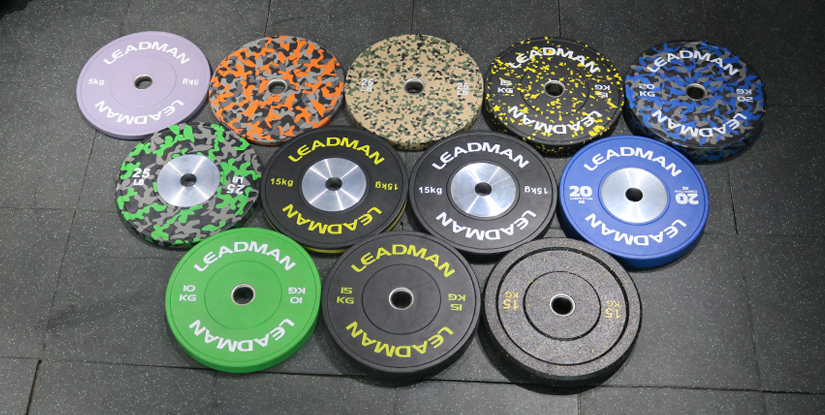
For high-output strength zones, vertical plate trees offer a centralized hub that minimizes the footprint in a heavy lifting area layout. However, these units must be engineered with heavy-duty steel bases to prevent tipping during rapid loading. Conversely, horizontal racks provide the highest level of durability and ease of use for heavy increments, as they allow users to slide plates on and off without lifting them vertically, though they consume significant floor real estate. When calculating your total cost of ownership, factor in the structural requirements of each system to ensure your storage can withstand years of heavy commercial use.
Beyond the immediate footprint, successful commercial gym setup relies on long-term floor protection and maintenance protocols. Constant movement of heavy iron against a surface can cause structural degradation of the subfloor if the layout is not carefully managed. To maximize workflow efficiency, place storage units directly adjacent to the primary lifting stations to reduce transit distance, but ensure a minimum buffer zone of 3 to 5 feet to prevent congestion during peak hours.
When sourcing equipment, procurement managers should prioritize storage systems that include integrated rubberized contact points or heavy-duty steel bases. This prevents the vibration and impact of cast iron weightlifting plates from transferring directly to the floor, reducing the frequency of expensive floor repairs. A disciplined heavy lifting area layout—where heavy plates are stored on low-profile horizontal racks and lighter increments are kept on vertical trees—ensures both user safety and the longevity of your facility's high-value assets.
Installation Standards and Structural Load Considerations
When planning high-density strength zones, facility managers must account for the concentrated weight of cast iron weightlifting plates to prevent long-term structural fatigue. Unlike lighter cardio equipment, heavy iron loads create significant static and dynamic stress on the subfloor, requiring specialized commercial gym floor planning to mitigate damage.
Managing Structural Load and Impact Resistance
In heavy lifting areas, the primary concern is the structural load exerted during high-impact movements. High-quality cast iron weightlifting plates are durable, but the kinetic energy from dropped plates can damage even reinforced concrete if the layout is insufficient. To protect the facility, procurement specialists should ensure that high-traffic zones are equipped with high-density rubber matting or specialized platform systems. Effective floor protection is not just about surface aesthetics; it is a critical requirement for impact resistance to prevent micro-fractures in the foundation. We recommend integrating thick, shock-absorbent flooring under all heavy lifting stations to extend the lifecycle of the building's substrate and reduce maintenance overhead.
Flooring Specifications and Impact Mitigation
Selecting the correct surface is a critical procurement decision that affects the total cost of ownership for a facility. Depending on the intensity of the heavy lifting area layout, different substrates will offer varying levels of protection against the high kinetic energy released by cast iron weightlifting plates. A mismatch between plate density and flooring thickness can lead to premature floor degradation or structural vibration issues.
| Flooring Type | Shock Absorption | Durability Rating | Maintenance Level |
|---|---|---|---|
| High-Density Rubber Matting | Moderate | High | Low (Routine cleaning) |
| Multi-Layer Lifting Platforms | High | Very High | Medium (Surface care) |
| Reinforced Concrete (Subfloor) | Low | Extreme | High (Crack monitoring) |
For distributors and gym owners, investing in specialized lifting platforms provides the best long-term ROI for high-impact zones. While rubber matting is a versatile solution for general weight areas, dedicated platforms offer superior shock absorption, effectively neutralizing the impact of heavy cast iron weightlifting plates and protecting the building's structural integrity during intensive training sessions.
Optimizing Storage and Space Utilization
Efficient space management is a critical factor in professional facility design. When sourcing weight plate storage solutions, buyers must evaluate the footprint requirements of their selected equipment to ensure a streamlined heavy lifting area layout. Choosing between vertical and horizontal configurations depends heavily on the available square footage and the intended flow of the gym floor.
Vertical storage, such as tiered plate trees or wall-mounted racks, is ideal for maximizing floor space in boutique or high-traffic environments. However, procurement managers must verify the load-bearing capacity of racks before bulk ordering. Overloading a vertical tree with heavy cast iron weightlifting plates can lead to structural bowing or catastrophic failure if the steel gauge is insufficient. Conversely, horizontal storage or low-profile racks offer greater stability and ease of access for high-volume training centers but require a larger footprint. We suggest conducting a thorough assessment of both weight-to-stability ratios and daily user turnover to determine which configuration offers the best durability for your specific inventory.
Protecting Long-Term Asset Value
Effective management of cast iron weightlifting plates requires a proactive approach to mitigate the natural risks of environmental exposure. For distributors and facility managers, implementing a rigorous maintenance schedule is essential to safeguard the Total Cost of Ownership (TCO) and ensure that high-density inventory remains in premium condition for years.
Oxidation Prevention and Environmental Control
The primary threat to iron inventory is surface oxidation, which can degrade the aesthetic and structural integrity of the equipment. To maintain professional standards, facility design must incorporate strict humidity control within the heavy lifting area. High moisture levels accelerate rust, making commercial gym floor planning a critical step in the procurement process. By integrating climate-controlled ventilation and ensuring that weight storage is kept in dry, temperature-stable zones, buyers can significantly extend the lifespan of their stock.
Routine Inspection Standards
Rather than waiting for visible decay, procurement specialists should establish a standardized inspection frequency. In high-traffic commercial environments, a quarterly visual audit is recommended to check for early signs of oxidation or coating failure. During these checks, staff should verify that storage racks are not trapping moisture against the plates, as stagnant air is a common catalyst for rust in dense weight rooms.
To streamline facility operations, we recommend a tiered inspection framework. This schedule ensures that your weight plate storage solutions remain functional and that the inventory preserves its professional finish. Adopting these intervals helps prevent minor surface issues from escalating into costly replacements.
| Inspection Interval | Primary Focus Area | Required Action / Treatment |
|---|---|---|
| Monthly | Surface & Dust | Remove debris and moisture; check for loose storage pegs. |
| Quarterly | Surface Coating Integrity | Inspect for oxidation; apply light oil or specialized rust inhibitors. |
| Bi-Annually | Heavy Lifting Area Layout | Audit weight plate storage solutions for structural stability and weight distribution. |
When executing these checks, pay close attention to the contact points between the plates and the storage racks. If metal-on-metal friction is high, it can compromise the coating. For large-scale distributors, integrating these maintenance cycles into standard operating procedures ensures that the inventory maintains high resale and utility value.
Optimizing Spatial Layout and Surface Protection
Strategic heavy lifting area layout goes beyond mere organization; it is a fundamental component of asset preservation. Improper placement can lead to accelerated wear from impact and environmental friction. To maximize the lifespan of your inventory, prioritize high-quality floor protection, such as high-density rubber matting, to absorb kinetic energy and prevent micro-fractures in the cast iron over time.
Furthermore, selecting the correct weight plate storage solutions is vital for maintaining long-term durability. Avoid low-grade metal racks that may trap condensation or facilitate rust. Instead, source moisture-resistant storage systems that allow for airflow between individual plates. By implementing these professional-grade moisture-resistant storage protocols, gym owners and wholesalers can effectively minimize the frequency of surface treatments and ensure a lower maintenance overhead.
Sourcing and Quality Control for Bulk Wholesale Orders
For commercial distributors and facility owners, the long-term ROI of a strength training inventory is determined by the precision of the manufacturing process. Substandard batches can lead to uneven loading, increased equipment wear, and costly replacement cycles that disrupt commercial gym floor planning and budget forecasting.
Mitigating Risks Through Technical Specifications
When sourcing cast iron weightlifting plates in high volumes, procurement specialists must move beyond visual inspections to demand strict technical documentation. High-quality production requires rigorous control over manufacturing tolerances to ensure that every unit meets specific dimensional accuracy standards. Without this precision, plates may not sit flush on barbells, causing uneven weight distribution and potential structural instability during heavy lifts.
Furthermore, verifying density consistency across an entire production run is critical. Discrepancies in iron density can result in weight deviations that undermine the professional integrity of a high-performance training environment. By prioritizing suppliers with proven factory capability in maintaining these granular standards, buyers protect their capital investment and ensure the longevity of their strength equipment inventory.
Analyzing Total Cost of Ownership (TCO)
Optimizing your procurement strategy requires a nuanced understanding of the trade-offs between immediate unit savings and long-term operational efficiency. While factory-direct sourcing offers the lowest per-unit cost, it demands higher expertise in managing logistics and the complexity of a heavy lifting area layout. Conversely, domestic distributors provide localized support and faster replenishment but at a premium price point.
When planning your space, consider how your weight plate storage solutions will interact with your inventory replenishment cycles. Efficiently managing these variables ensures that your investment in cast iron weightlifting plates translates into high uptime for your facility.
| Sourcing Model | Typical Lead Time | Unit Cost Profile | QC Control Level |
|---|---|---|---|
| Factory Direct | High (30–60+ Days) | Lowest (Bulk/Wholesale) | Direct Oversight Required |
| Regional Distributor | Low (7–14 Days) | Moderate (Markup Applied) | Standardized Compliance |
| Local Wholesale | Immediate | Highest (Retail/Margin) | Pre-vetted Quality |
For large-scale commercial gym floor planning, a hybrid approach is often most effective: sourcing the bulk of your core inventory directly from the manufacturer to maximize margins, while maintaining local vendor relationships for rapid-response replenishment of high-turnover denominations.
Verifying Supplier Scalability and Logistics Reliability
A robust procurement strategy must account for more than just the unit price; it must address the logistical complexities of moving high-density cargo. When negotiating large-scale orders, explicitly confirm the supplier's MOQ requirements and their ability to scale production without compromising durability or weight precision. A vendor capable of handling large-volume shipments demonstrates superior factory capability and stability.
Beyond manufacturing, prioritize logistics reliability to prevent bottlenecks in your facility setup. Heavy shipments are prone to transit damage or unexpected surcharges; therefore, verify that your partner utilizes standardized palletization and reinforced packaging. This focus on shipping stability ensures that your cast iron weightlifting plates arrive with consistent weight distribution and zero structural defects, protecting your initial capital outlay and streamlining the installation of your heavy lifting area layout.