Cast Iron Plates for Dumbbells | Optimizing Dumbbell Plate
Defining Procurement Standards for High-Frequency Training Environments
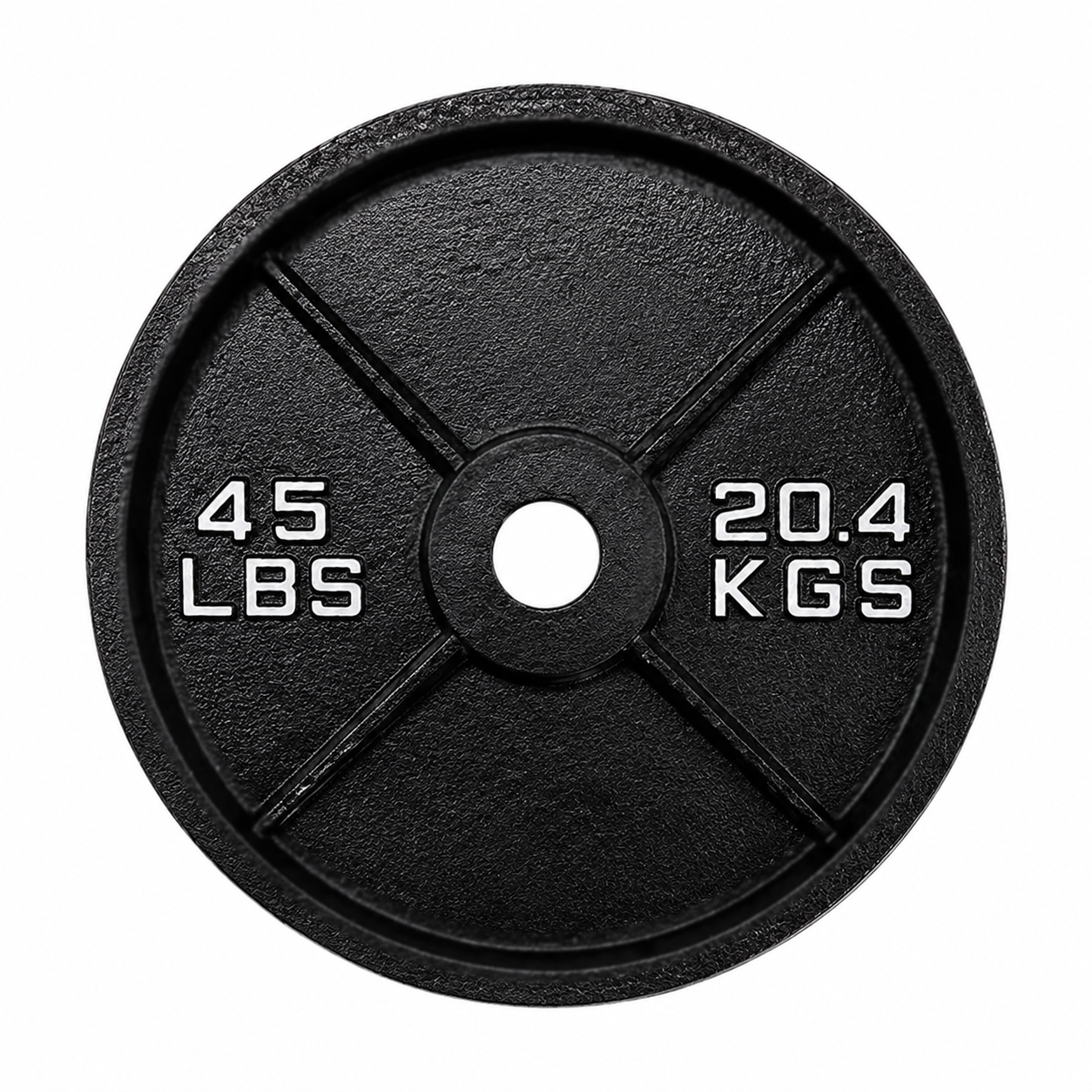
High-quality cast iron plates for dumbbells serve as the foundational weight component for professional strength training. B2B buyers prioritize these over alternative materials due to their predictable density, superior durability under heavy impact, and long-term structural integrity during rigorous commercial use.
Analyzing Total Cost of Ownership (TCO)
When sourcing for high-traffic facilities, the procurement logic must shift from unit price to total cost of ownership. While budget-grade cast iron may offer a lower initial investment, these options often suffer from inconsistent density or brittle edges. In high-frequency training environments, such imperfections lead to premature cracking or uneven wear, necessitating frequent replacement cycles.
Investing in premium cast iron plates for dumbbells ensures consistent weight increments and enhanced commercial gym durability. High-grade manufacturing processes reduce the risk of structural failure during intense group fitness sessions, effectively lowering long-term replacement costs and minimizing downtime for gym inventory management.
| Selection Metric | Standard Grade Cast Iron | Premium Commercial Grade |
|---|---|---|
| Initial Sourcing Cost | Lower | Moderate to High |
| Impact Resistance | Moderate (Risk of chipping) | High (Optimized for drop resistance) |
| Lifespan in High-Frequency Settings | Limited | Extended |
| Weight Precision | Variable | Strict Tolerance |
Evaluating Sourcing Models: Wholesale vs. Retail Procurement
Optimizing a facility budget requires a clear understanding of how procurement channels impact your bottom line. While small-batch purchasing offers immediate gratification for boutique studios or small fitness centers, it often lacks the economies of scale necessary for large-scale commercial dumbbell weight sets. For distributors and large-scale gym operators, moving toward factory-direct models is essential for maintaining competitive margins and predictable inventory levels.
The following comparison outlines the trade-offs between these two common sourcing paths to assist in your group fitness equipment sourcing decisions.
| Metric | Small Batch / Retail | Wholesale / Factory Direct |
|---|---|---|
| Unit Cost | Higher per unit | Significantly lower via volume |
| Shipping Efficiency | Low (Parcel/LTL focus) | High (Full Container/Palletized) |
| MOQ & Customization | Low MOQ; Standardized only | Higher MOQ; High customization potential |
For managers focused on long-term gym inventory management, the wholesale model provides better control over specialized weight increments and custom branding. Although this requires more significant upfront capital and longer lead times, the reduction in per-unit cost and streamlined logistics typically results in a much higher ROI for expanding commercial facilities.
Optimizing Inventory Through Strategic Weight Increments
Efficient gym inventory management relies on selecting a weight profile that maximizes utility while minimizing footprint. Instead of purchasing a wide variety of low-demand, niche weights, procurement managers should focus on optimizing dumbbell sets through standardized, high-utility weight increments. By prioritizing common increments—such as 2.5kg, 5kg, and 10kg—you can effectively serve a broader range of user profiles without reducing redundant stock. This strategic approach ensures that your storage solutions remain organized and your capital is not tied up in underutilized equipment.
Weight Increment Logic for Group Class Programming
Optimizing floor layouts in high-traffic studios requires a strategic approach to weight increments. For distributors and facility managers, selecting the right configuration of cast iron plates for dumbbells is not just about weight availability, but about maximizing space efficiency during rapid transitions between training sessions.
Balancing Inventory Density and Turnover
In high-frequency environments like HIIT or circuit training studios, the speed of equipment turnover directly impacts the facility's flow. A disorganized dumbbell rack with inconsistent plate sizes leads to cluttered floor space and delayed class starts. When group fitness equipment sourcing focuses solely on weight variety without considering physical dimensions, the resulting footprint can become unmanageable.
To maintain a lean operational footprint, procurement specialists should prioritize standardized plate thicknesses. This allows for more predictable stacking and more efficient storage solutions, ensuring that heavy-use zones remain clear and safe for participants.
| Increment Strategy | Space Requirement | Inventory Complexity | Best Use Case |
|---|---|---|---|
| Granular (1–2 lb steps) | High (Large footprint) | High (Many SKUs) | Specialized Strength Studios |
| Standard (5 lb steps) | Moderate | Moderate | General Commercial Gyms |
| Rapid (10 lb+ steps) | Low (Compact storage) | Low (Few SKUs) | High-Intensity/Circuit Training |
Selecting a optimized increment logic ensures that your commercial dumbbell weight sets support fast-paced programming without requiring excessive square footage for storage. This strategic selection reduces long-term clutter and enhances the overall user experience in crowded training environments.
Optimizing Footprint via Increment Density
Effective gym inventory management requires a clear understanding of the trade-off between weight precision and physical volume. While granular increments allow for highly specific progressive overload, they significantly increase the number of unique SKUs a distributor must stock and the total volume occupied by a single dumbbell set. For large-scale facilities, the thickness of the cast iron directly dictates the depth of the storage racks required.
When evaluating commercial dumbbell weight sets, procurement managers must decide if the facility's programming favors micro-loading or rapid-fire transitions. A set utilizing 2.5kg increments will naturally occupy more linear rack space than one using 5kg or 10kg increments. For boutique studios with limited square footage, choosing larger, more robust jumps can drastically reduce the storage footprint while maintaining high throughput for group sessions.
| Configuration Style | Typical Incremental Step | Storage Footprint | Operational Speed |
|---|---|---|---|
| Precision-Focused | 1.25kg / 2.5lb | Extensive | Slow (Transition-heavy) |
| Standard Commercial | 2.5kg / 5lb | Moderate | Balanced |
| High-Volume Circuit | 5kg / 10lb+ | Compact | Rapid (High turnover) |
The decision between these configurations should be driven by the primary user profile. If the facility prioritizes high-intensity interval training (HIIT), a compact, high-weight-jump configuration prevents the clutter often seen during equipment changeovers. Conversely, strength-focused centers may accept a larger footprint to provide the versatility required for advanced trainees.
Strategic Logistics and Storage Density
A sophisticated procurement strategy must account for the physical dimensions of the load, not just the total weight. For distributors, gym inventory management is a game of volume versus value. High-density storage is often the difference between a streamlined facility and a cluttered, unsafe training floor. When sourcing cast iron plates for dumbbells, buyers must evaluate how vertical vs horizontal storage configurations will impact their long-term floor plan.
Vertical storage solutions, such as specialized dumbbell racks or tiered shelving, are essential for maximizing storage density in boutique or high-traffic settings. However, the physical thickness of the cast iron dictates the depth of these racks. A procurement manager should consider if the weight increments selected will require deeper, more heavy-duty racking systems to maintain stability and prevent tipping. For rapid-turnover environments, prioritizing compact, high-density sets allows for quicker equipment resets and more efficient use of expensive square footage.
Compatibility Between Plate Diameter and Dumbbell Handle Types
Successful procurement requires matching the inner diameter of your cast iron plates for dumbbells with the specific gauge of your existing or incoming barbell hardware. Misalignment during the sourcing process leads to incompatible commercial dumbbell weight sets, resulting in uneven weight distribution or unsafe loading during high-intensity training sessions.
Standard vs. Olympic Diameter Specifications
The primary technical distinction lies in the center hole diameter. While standard plates are typically designed for 1-inch (25mm) or 2-inch (50mm) shafts, high-end commercial facilities often transition to Olympic-sized configurations to support heavier loading. Precision machining is critical here; even a slight deviation in the tolerance of the center hole can cause the plate to wobble or fail to seat correctly on the handle.
| Specification Type | Common Inner Diameter | Primary Use Case | Compatibility Note |
|---|---|---|---|
| Standard Dumbbell | 1 inch (25.4 mm) | Boutique studios & light training | Requires slim-profile handles |
| Olympic Dumbbell | 2 inches (50.8 mm) | Full-scale commercial gyms | Compatible with heavy-duty bars |
When managing group fitness equipment sourcing, distributors must verify if the client's dumbbell handles feature threaded collars or smooth sleeves. Ensure your order specifies whether the plates require a tight fit for stability or a slightly larger clearance to accommodate specialized grip collars.
The decision between standard and Olympic configurations impacts long-term facility versatility. Boutique fitness studios often prioritize space-saving 1-inch standard sets for aesthetic and compact storage, whereas large-scale commercial gyms typically demand 2-inch Olympic compatibility to accommodate a wider range of heavy-duty training accessories and higher weight increments.
Strategic Procurement for Facility Layouts
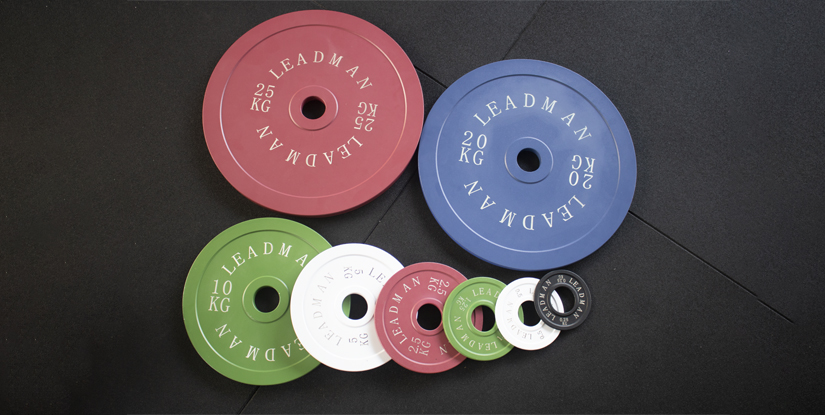
For distributors, matching the diameter to the intended environment is essential for effective gym inventory management. A mismatch between plate hole size and handle thickness can lead to increased mechanical wear on the equipment, heightening maintenance costs and reducing the total lifecycle of the hardware.
Durability and Maintenance in High-Frequency Environments
In high-traffic settings like HIIT studios or commercial strength zones, the structural integrity of your load determines your long-term ROI. When conducting group fitness equipment sourcing, focus on the quality of the casting and the precision of the diameter consistency. Substandard manufacturing often results in uneven thickness or irregular edges, which accelerates wear and tear on both the plates and the dumbbell handles during rapid loading and unloading cycles.
Effective gym inventory management requires more than just counting units; it involves monitoring the physical condition of the metal. High-quality cast iron should feature a smooth, uniform finish to prevent chipping and to ensure that plates sit flush against the handle. For procurement managers, investing in high-grade casting reduces the frequency of replacements and minimizes the labor costs associated with constant equipment upkeep, ultimately protecting the facility's capital expenditure.
Surface Finish and Coating Options for Inventory Longevity
The longevity of cast iron plates for dumbbells in high-traffic commercial gym settings depends heavily on the quality of the surface treatment. Selecting the right finish is a strategic decision that balances initial procurement costs against long-term maintenance requirements and oxidation prevention.
While raw finishes offer a classic aesthetic and lower unit costs, they are highly susceptible to rust if moisture levels are not strictly controlled. Conversely, advanced coatings provide a protective barrier that significantly extends the lifecycle of the equipment, reducing the frequency of replacement and refurbishing cycles for distributors and facility managers.
| Finish Type | Oxidation Resistance | Maintenance Level | Typical Use Case |
|---|---|---|---|
| Raw Cast Iron | Low | High (Requires oiling) | Budget-conscious studios |
| Powder Coating | High | Low (Wipe clean) | Commercial fitness clubs |
| Black Enamel | Very High | Minimal | Premium boutique gyms |
When calculating the Total Cost of Ownership (TCO), procurement managers must weigh the upfront unit price against the long-term labor costs of upkeep. A cheaper, raw finish may reduce initial shipping weight or import costs slightly, but it often results in higher operational expenses due to the need for regular rust prevention treatments.
Evaluating Finish Durability and ROI
For high-frequency group fitness environments, the choice of coating directly impacts inventory turnover and facility aesthetics. Powder coating is often the industry standard for high-volume distribution because it provides a resilient, uniform layer that withstands mechanical impacts and chemical cleaning agents used in daily facility maintenance.
| Finish Option | Durability | Aesthetic Appeal | Cost-Effectiveness |
|---|---|---|---|
| Raw / Natural | Low | Industrial / Rustic | High (Initial) / Low (Long-term) |
| Painted | Moderate | Standard | Moderate |
| Powder Coated | High | Premium / Modern | High (Long-term ROI) |
Distributors sourcing for humid climates or coastal regions should prioritize high-grade powder coatings. While the initial MOQ or unit price might be higher, the reduction in replacement frequency and the prevention of unsightly oxidation ensures the equipment maintains its resale and professional value over multiple years of heavy use.
Optimizing Storage and Environmental Controls
Effective gym inventory management extends beyond the initial purchase; it requires a proactive approach to storage efficiency and environmental monitoring. In high-traffic facilities or regions with high ambient humidity, even coated surfaces can face degradation if stored improperly.
To maximize long-term ROI, facility managers should implement strict humidity control protocols. Storing equipment on elevated, non-porous racking rather than direct concrete floors prevents moisture wicking. For distributors managing large volumes, ensuring adequate airflow between stacked units is essential for rust prevention and maintaining the structural integrity of the inventory across multiple seasonal cycles.
Optimizing Storage Density for Small-Footprint Studios
Boutique fitness environments and small-footprint studios face a constant struggle between expanding class offerings and limited floor area. Efficiently managing commercial dumbbell weight sets requires a strategic approach to equipment density to ensure high-traffic zones remain unobstructed and safe for instructors and clients.
Maximizing Vertical Real Estate
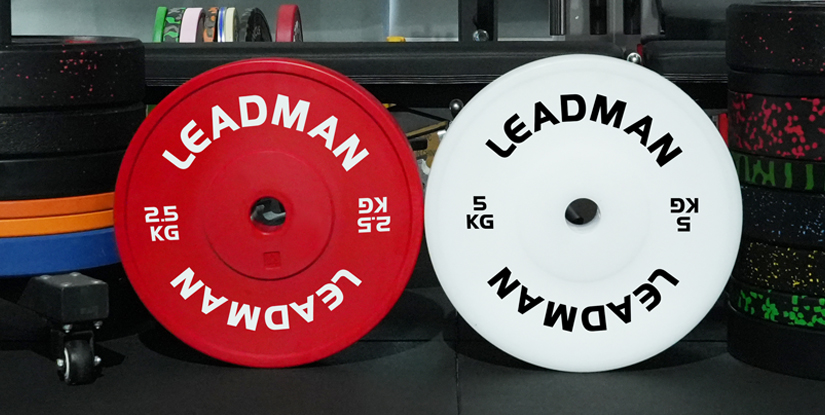
Standard horizontal storage often consumes valuable square footage that could be used for movement patterns or group training zones. For specialized facilities, sourcing high-quality cast iron plates for dumbbells designed for compatibility with vertical storage solutions is essential. Utilizing multi-tier dumbbell racks or specialized wall-mounted systems allows operators to leverage vertical storage, effectively moving the footprint of heavy weight sets upward rather than outward. This transition from horizontal sprawling to vertical stacking optimizes the available square meters, facilitating smoother transitions between different high-frequency training sessions.
When evaluating procurement options, distributors must weigh the trade-offs between storage height, accessibility, and floor-load capacity. Selecting the right configuration depends on whether your facility prioritizes quick-change workflows for group classes or maximizing every inch of usable floor space.
| Storage Configuration | Footprint Efficiency | User Accessibility | Ideal Use Case |
|---|---|---|---|
| Vertical Dumbbell Racks | High (Vertical Focus) | Moderate | Boutique studios with limited floor width |
| Horizontal Weight Trees | Low (Spans Width) | High | High-traffic training zones for rapid access |
| Compact Modular Sets | Very High | Low to Moderate | Small personal training corners or home gyms |
For high-density group fitness equipment sourcing, vertical racks offer the best return on investment for small studios. While horizontal trees allow for faster weight changes during intense intervals, they often create trip hazards in tight spaces. We recommend verifying the weight-bearing capacity of any shelving or rack systems during the procurement phase to ensure they can safely support the total mass of your cast iron inventory.
Strategic Weight Increments and Inventory Density
Efficient gym inventory management relies heavily on the precision of your weight increments. For high-frequency classes, a fragmented selection of odd-sized plates creates clutter and complicates transitions. We suggest prioritizing standardized weight increments—such as 2.5kg or 5lb steps—to ensure a cohesive set that fits seamlessly into compact storage modules.
When engaging in group fitness equipment sourcing, aim for high inventory density by selecting plates with uniform diameters. This uniformity allows for more space-saving configurations, such as nested storage or compact dumbbell trees, which prevent the disorganized "overflow" often seen in budget-focused facilities. A disciplined selection of standardized plates reduces the physical footprint of your weight sets while maintaining professional-grade versatility for diverse training programs.
Prioritizing Structural Integrity and Surface Finish
In high-traffic environments like boutique studios or large-scale fitness clubs, the durability of cast iron plates for dumbbells is non-negotiable. High-frequency usage places immense stress on the material, making structural integrity the primary metric for long-term ROI. Any internal casting flaws or micro-fissures can lead to premature cracking under repetitive impact, increasing replacement frequency and disrupting gym inventory management.
Beyond structural strength, the quality of the surface finish dictates the maintenance lifecycle. Procurement managers must inspect for surface imperfections such as pitting, uneven edges, or rough textures. A standardized, smooth finish ensures that plates stack efficiently and prevents damage to premium dumbbell handles. For distributors, prioritizing batches with rigorous quality control minimizes the risk of client returns and ensures the equipment meets strict commercial gym standards for both safety and aesthetics.
Technical Inspection Parameters for Bulk Procurement
To ensure long-term reliability when sourcing commercial dumbbell weight sets, buyers should implement a standardized inspection protocol. Relying on visual assessment alone is insufficient for high-volume orders; instead, use specific technical benchmarks to evaluate batch consistency and material quality. The following table outlines the critical thresholds required for professional-grade inventory.
| Inspection Metric | Standard Requirement | Procurement Significance |
|---|---|---|
| Weight Tolerance | ±1% to 3% deviation | Ensures balance and training accuracy |
| Coating Thickness | Uniform micron level | Prevents premature oxidation and peeling |
| Edge Smoothness | Zero burrs or sharp points | Protects user skin and handle threads |
Utilizing this procurement checklist allows distributors to vet factory capabilities more effectively. When evaluating a supplier's MOQ or shipping readiness, always confirm if their quality control processes specifically address these three metrics. High-quality casting and consistent coating thickness are the most reliable indicators of a manufacturer's ability to supply durable, long-lasting fitness equipment for the North American market.
Optimizing the logistics chain requires a deep understanding of how material science meets transit durability. Effective group fitness equipment sourcing involves more than selecting a weight; it requires vetting a supplier’s ability to mitigate environmental risks during long-haul shipping. For instance, high-quality oxidation resistance is a critical benchmark, as even minor coating failures can lead to rust during maritime transit, compromising the product's visual and structural integrity before it even reaches your warehouse.
Furthermore, sophisticated inventory management strategies should account for the physical footprint and protection of bulk shipments. When negotiating MOQ considerations with manufacturers, ask about their specialized packaging for heavy cast iron. Ensuring that plates are secured in reinforced, moisture-controlled crates prevents the friction-induced damage often seen in lower-tier shipments. By prioritizing shipping durability and chemical-resistant finishes, distributors can reduce the total cost of ownership and minimize the overhead associated with damaged-in-transit claims.
Maximizing Shipping Density and Reducing Landed Cost
For distributors managing high-volume orders, the primary driver of the total landed cost is rarely the unit price of the cast iron plates for dumbbells, but rather the logistics efficiency. Because iron is a high-density material, the goal is to maximize shipping density to ensure that freight costs are driven by actual weight rather than volumetric weight.
Optimizing freight optimization requires strategic palletization and nested packaging configurations. When sourcing, buyers should prioritize suppliers who utilize standardized crate dimensions that minimize empty air space within containers. Efficiently stacking heavy plates reduces the risk of shifting during transit and prevents paying for "dead space," ensuring your gym inventory management budget is spent on product volume rather than shipping air.
Evaluating Shipping Configurations: Lcl vs. Fcl
Procurement managers must decide between small-batch replenishment and bulk stock acquisition based on the specific scale of their facility or distribution network. Selecting the correct shipping method significantly impacts the total cost of commercial dumbbell weight sets and overall inventory turnover. Small boutique studios often opt for lower MOQs via LCL to preserve cash flow, while large-scale distributors leverage FCL to maximize shipping cost efficiency.
| Configuration Type | Typical Use Case | Logistics Profile | Cost Impact |
|---|---|---|---|
| LCL (Less than Container Load) | Boutique studios or specialized gym replenishment. | Shared container space; higher risk of handling damage. | Lower upfront capital; higher per-unit freight cost. |
| FCL (Full Container Load) | Distributors and large-scale commercial gym chains. | Dedicated container; optimized palletization and stability. | Lowest per-unit cost; requires significant storage space. |
When coordinating group fitness equipment sourcing, always confirm whether the weight increments are pre-palletized. Standardized palletization ensures that your incoming shipment is ready for immediate movement into your warehouse or retail floor, reducing labor costs during the receiving process.
Prioritizing Packaging Durability and Quality Control
Reliable group fitness equipment sourcing extends beyond the manufacturing stage to the final inspection protocols used before departure. High-density iron products are susceptible to surface abrasions or structural stress if not secured correctly. To ensure inventory readiness upon arrival, prioritize suppliers who implement rigorous protective packaging standards, such as reinforced edge guards and heavy-duty corrugated dividers between plates.
Furthermore, pallet stability is a non-negotiable factor for international transit. Professional exporters utilize shrink-wrapping and corner bracing to prevent shifting within the container, which protects both the product finish and the structural integrity of the shipment. Implementing a strict quality control checklist that includes pre-shipment weight verification and visual inspections for coating defects will significantly reduce the risk of costly returns or damaged stock reaching your warehouse floor.