12 32kg Adjustable Competition Style Kettlebell Review
Strategic Procurement Checklist for Adjustable Competition Kettlebells
When evaluating a 12-32kg adjustable competition style kettlebell review, procurement managers must first verify the structural integrity of the internal locking mechanism to mitigate liability risks. Beyond simple weight increments, professional buyers should scrutinize the precision of the weight transition stability to ensure the unit remains balanced during high-velocity movements. Finally, assessing the long-term mechanical wear resistance is essential for maintaining predictable maintenance cycles and protecting your initial capital investment in high-traffic gym environments.
Engineering for High-Traffic Durability
Commercial-grade adjustable equipment faces significantly higher stress than residential models, particularly regarding the frequency of weight changes. A high-quality 12-32kg adjustable competition style kettlebell must feature a reinforced housing that prevents casing deformation under repetitive impact. In many commercial settings, the primary point of failure is not the outer shell, but the internal adjustment interface. If the mechanical wear on the selection pins or dials is too high, the device loses its precision, leading to uneven weight distribution. For distributors and facility owners, prioritizing units with high-tensile steel components ensures that the transition between weight increments remains seamless and secure, even after thousands of cycles.
To accurately calculate the total cost of ownership (TCO), buyers must look beyond the initial purchase price and evaluate how different material configurations affect the product's lifespan. A comparison of housing materials and internal mechanics is necessary to determine if the equipment can withstand the rigors of a high-intensity training floor without frequent replacement or technical failure.
| Material/Mechanism Type | Impact Resistance | Locking Reliability | Maintenance Frequency | Commercial Space Optimization |
|---|---|---|---|---|
| Cast Iron Shell | Very High | Moderate (Mechanical) | Low (Minimal Parts) | Excellent (Single Unit) |
| Steel Shell | High | High (Precision Pins) | Medium (Periodic Inspection) | Excellent (Single Unit) |
| Polymer-coated Mechanism | Moderate | Variable (Sensor/Dial) | High (Moving Parts) | High (Compact Footprint) |
Selecting the right build depends on your facility's specific traffic flow. While steel shells offer superior precision for competitive training, cast iron remains the benchmark for durability in high-impact environments. For distributors managing diverse inventory, understanding these trade-offs ensures that the compact strength training equipment provided meets the rigorous demands of professional athletes and heavy-use commercial gyms alike.
Quality Control and Logistics Optimization
Mitigating risk during international bulk procurement requires a rigorous focus on factory inspection points and technical precision. When sourcing 12-32kg adjustable competition style kettlebells, do not rely solely on certificates; demand specific weight accuracy tolerances. A reputable manufacturer should guarantee a deviation margin of less than 1% to ensure competitive standards are met. We recommend requesting a pre-shipment inspection that specifically tests the mechanical selector's cycle durability and the housing's impact resistance. This step is critical to ensure that your compact strength training equipment arrives ready for immediate high-intensity use without defective units disrupting your facility launch.
From a logistics perspective, optimizing shipping volume efficiency is vital for maintaining healthy margins. Because adjustable models offer a more consolidated footprint than traditional fixed sets, distributors should coordinate with suppliers to maximize container density. When negotiating MOQ considerations for distributors, evaluate whether the packaging allows for nested or stacked configurations that reduce volumetric weight. Efficiently managed freight and strict QC protocols ensure that your inventory management remains streamlined, reducing the hidden costs of damaged goods or weight discrepancies during transit.
Optimizing Floor Plan Density with Variable Weight Systems
Maximizing usable square footage is a critical metric for high-traffic fitness facilities and boutique studios. Transitioning from a traditional fixed kettlebell set to a 12-32kg adjustable competition style kettlebell model allows operators to reclaim significant floor area while maintaining a high-performance training environment.
Spatial Efficiency and Footprint Reduction
In many commercial settings, a standard kettlebell rack for a 12kg to 32kg range requires extensive linear wall space and deep floor clearance. This 12-32kg adjustable competition style kettlebell review highlights how a single unit can replace a dozen individual SKUs, facilitating commercial space optimization. By consolidating weight increments into one compact device, distributors and facility managers can achieve drastic footprint reduction, freeing up room for functional training zones or additional equipment.
| Storage Configuration | Floor Space Requirement | Inventory Complexity | Ideal For |
|---|---|---|---|
| Fixed Kettlebell Set | High (Multiple Racks) | High (Many SKUs) | Large Strength Rooms |
| Adjustable Model | Low (Single Unit/Stand) | Minimal (Single SKU) | Boutique Studios/Small Gyms |
When evaluating the fixed kettlebell set vs. adjustable model trade-off, the primary advantage for the buyer is versatile gym inventory management. Instead of managing the logistics and replacement of multiple worn-out cast iron bells, a single high-quality adjustable unit simplifies the procurement lifecycle and enhances facility traffic flow.
For distributors and facility owners, the transition to compact strength training equipment is often a matter of maximizing revenue per square meter. A single adjustable unit effectively replaces a multi-tier rack system, significantly increasing inventory density without expanding the physical footprint of the strength zone.
Quantitative Space Savings Comparison
The following data illustrates the typical reduction in linear meters and square footage required when switching from traditional fixed sets to high-density adjustable systems. This comparison is vital for procurement officers designing high-traffic boutique studios or optimizing existing commercial layouts.
| Metric | Fixed Kettlebell Set (12kg–32kg) | Adjustable System (12kg–32kg) | Efficiency Gain |
|---|---|---|---|
| Estimated Linear Wall Space | ~1.5 to 2.0 Meters | ~0.4 to 0.6 Meters | ~70% Reduction |
| Typical Floor Footprint | High (Requires Rack Depth) | Minimal (Compact Base) | Significant Area Reclaim |
| SKU Management Load | Multiple Units/Weights | Single Unit | Simplified Logistics |
By implementing these systems, buyers can repurpose reclaimed areas for functional movement or HIIT zones, directly improving the facility's utility. From a wholesale perspective, this reduction in physical volume also streamlines shipping and warehousing costs for distributors managing large-scale inventory.
Long-Term Scalability and Layout Flexibility
A professional gym setup must account for evolving programming trends and changing member demographics. Relying on fixed-weight iron sets can create rigid training zones that are difficult to reconfigure without significant capital expenditure. In contrast, adopting adjustable systems provides a level of scalability that benefits both small boutique studios and large-scale commercial franchises.
As a facility grows, the ability to pivot from heavy strength training to high-intensity functional circuits becomes a competitive advantage. Using compact strength training equipment allows managers to adjust the density of their equipment zones based on seasonal demand or membership shifts. This adaptability ensures that the boutique studio layout remains modern and functional, rather than becoming a cluttered, static environment. For procurement specialists, investing in a single, high-quality adjustable system reduces the long-term burden of tracking and replacing diverse weight increments, ensuring a more streamlined and agile facility architecture.
Mechanical Integrity and Weight Transition Reliability
In any professional strength facility, the 12-32kg adjustable competition style kettlebell review must prioritize the precision of the internal locking mechanism. Unlike standard adjustable weights, competition-style models require absolute structural stability to ensure the center of gravity remains consistent during high-velocity ballistic movements. For distributors and gym owners, the primary concern is whether the internal plates can withstand repetitive impact without shifting.
Weight transition reliability is a critical metric for high-traffic gym settings. A seamless, intuitive adjustment process prevents user error and reduces the risk of mechanical failure during peak hours. When sourcing for commercial space optimization, ensure the mechanism is engineered for rapid, tactile changes. A high-quality build prevents the internal components from loosening over time, maintaining the mechanical integrity required for rigorous commercial use and reducing long-term maintenance overhead.
To accurately assess the Total Cost of Ownership (TCO), procurement managers must look beyond the initial unit price and evaluate the long-term maintenance frequency of different weight delivery systems. While fixed kettlebells offer virtually zero mechanical maintenance, they fail to provide the compact strength training equipment benefits required for modern, high-density studio layouts. High-end adjustable models bridge this gap by offering significant commercial space optimization through a single footprint that replaces multiple individual units.
| Equipment Type | Mechanism Durability | Maintenance Frequency | Space Efficiency |
|---|---|---|---|
| Standard Fixed Kettlebell | Extreme (Solid Cast) | Minimal (Surface Check) | Low (Requires Large Racks) |
| Basic Adjustable Model | Moderate (Plastic/Spring) | Periodic (Part Replacement) | High (Single Unit) |
| Competition-Style Adjustable | High (Steel/Precision Lock) | Low (Annual Inspection) | Very High (Minimal Footprint) |
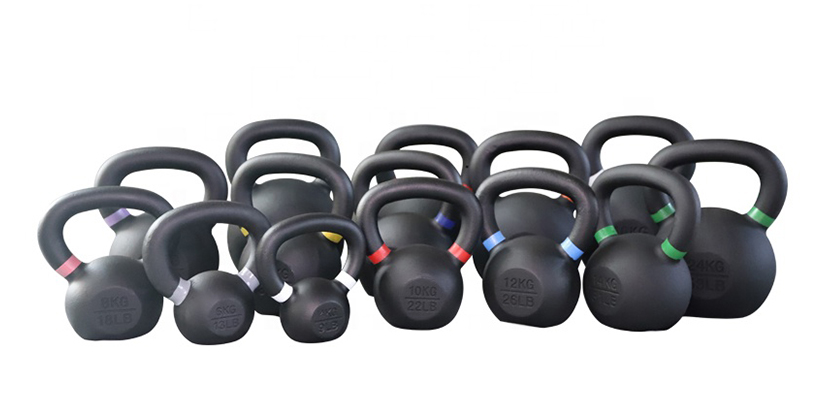
For distributors, selecting a model with a high-grade locking mechanism is essential to prevent client complaints regarding "rattling" or weight shifts. High-end competition-style designs typically utilize steel-on-steel or heavy-duty reinforced interfaces, ensuring the device remains a reliable asset in a high-intensity training environment rather than a recurring maintenance liability.
Durability of Outer Shell and Coating Integrity
Beyond the internal mechanics, the external resilience of the unit dictates its long-term ROI. In high-volume commercial settings, the outer shell must demonstrate superior wear resistance to withstand frequent floor contact and impact. A high-quality powder coating or specialized rubberized finish is essential to prevent chipping or peeling, which can compromise both aesthetics and hygiene standards over time.
For procurement specialists focused on versatile gym inventory management, the precision of weight increments must be matched by the durability of the adjustment interface. If the external dials or selection mechanisms are prone to surface abrasion or mechanical fatigue, the equipment's functional lifespan decreases. Selecting models with reinforced, high-grade coatings ensures that the 12-32kg range remains accurate and visually intact through extensive facility maintenance cycles, protecting your capital investment against the rigors of daily commercial usage.
Inventory Versatility for Multi-Modality Training Facilities
Optimizing floor space is a critical calculation for facility managers looking to maximize revenue per square foot. A thorough 12-32kg adjustable competition style kettlebell review reveals that transitioning from traditional fixed sets to adjustable models significantly improves inventory density and operational efficiency.
Maximizing ROI Through Footprint Reduction
In high-traffic commercial settings, traditional kettlebell racks often create "dead zones" where bulky, single-weight implements consume valuable real estate. By implementing compact strength training equipment, distributors and gym owners can achieve substantial footprint reduction. Replacing a full rack of 12, 14, 16, 18, 20, 22, 24, 26, 28, 30, and 32kg fixed bells with a single set of adjustable units streamlines the layout. This approach facilitates better commercial space optimization, allowing for wider circulation paths or the addition of new training zones without increasing the total facility footprint.
| Metric | Fixed Kettlebell Sets | 12-32kg Adjustable Model |
|---|---|---|
| Storage Footprint | High (Requires multi-tier racks) | Low (Single compact footprint) |
| Inventory Complexity | High (Multiple SKUs to track) | Low (Single unit/SKU) |
| Floor Versatility | Static weight stations | Dynamic, multi-modality zones |
| Transition Speed | Slow (Manual swapping) | Fast (Rapid weight adjustments) |
The logistical advantage extends beyond the gym floor and into the warehouse and procurement cycles. For distributors and large-scale facility operators, managing a single SKU instead of a dozen individual weights simplifies inventory management and reduces the overhead associated with shipping, receiving, and auditing large volumes of heavy iron. This reduction in complexity directly lowers the Total Cost of Ownership (TCO) by minimizing the physical volume required for storage and transport.
Space and Unit Comparison for Facility Planning
The following data illustrates how transitioning to an adjustable system affects the actual physical real estate required for a standard 12kg to 32kg training range. This comparison is vital for procurement managers designing layouts for boutique studios or high-density training zones where every square foot impacts the bottom line.
| Requirement Metric | Traditional Fixed Set (12kg–32kg) | 12-32kg Adjustable Model |
|---|---|---|
| Estimated Footprint | ~12–15 sq ft (Tiered Rack) | ~3–5 sq ft (Compact Base) |
| Unit Count Required | 11 Individual Units | 1 Unit |
| Storage Complexity | High (Multiple SKUs & Racks) | Low (Single SKU/Unit) |
| Shipping Volume | Large/Bulk Volume | Compact/Optimized Volume |
From a sourcing perspective, choosing a single adjustable model over an entire fixed set offers a more predictable logistics model. It simplifies customs declarations and reduces the shipping weight-to-volume ratio, making it a more efficient choice for international wholesale orders and container optimization.
Long-Term Value and Maintenance Efficiency
Beyond immediate floor space gains, the 12-32kg adjustable competition style kettlebell review must address the long-term durability for multi-modality training. In high-use commercial environments—ranging from CrossFit boxes to hotel strength rooms—the mechanical integrity of the weight adjustment mechanism is the primary driver of the total cost of ownership (TCO). Unlike fixed iron bells that may suffer from surface rust or chipped coatings over time, premium adjustable models are engineered to withstand frequent weight transitions and high-impact usage patterns.
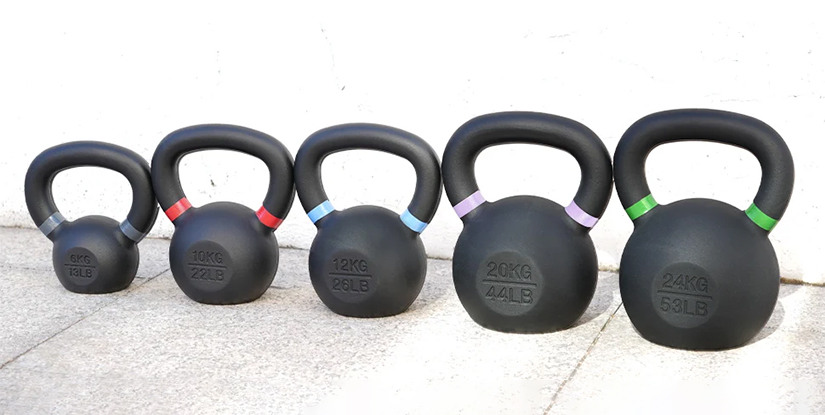
For procurement managers, the reduction in replacement cycles is a significant financial advantage. A single high-quality adjustable unit effectively replaces an entire weight range, meaning fewer items to audit, fewer units to replace when damaged, and a significantly simplified maintenance schedule. This streamlined approach to versatile gym inventory management ensures that facility staff spend less time managing equipment and more time on high-value operations. Furthermore, the logistical efficiency gained by sourcing a single, high-spec SKU rather than a fragmented set of various weights optimizes container loading and lowers the per-unit shipping cost for international distributors.
Maximizing ROI Through Inventory Density
For distributors and facility managers, the economic advantage of a 12-32kg adjustable competition style kettlebell review often centers on the drastic reduction in SKU complexity. Traditional fixed kettlebell sets require significant warehouse volume and floor space to accommodate a full weight progression, whereas a single adjustable unit replaces multiple individual pieces.
By implementing compact strength training equipment, buyers achieve superior commercial space optimization. This shift allows for higher inventory turnover because a single unit serves a wider range of client needs without the logistical burden of managing dozens of separate weights. This footprint reduction directly translates to lower shipping costs per functional weight increment and more efficient retail or gym floor layouts.
Evaluating Total Cost of Ownership and Procurement Value
When calculating the long-term value of a procurement order, distributors must look beyond the initial unit price. While fixed kettlebells often present a lower per-unit entry cost, the cumulative expense of shipping, storage, and managing a full 12-32kg progression can erode margins. An adjustable model offers a more predictable cost structure by consolidating multiple weight increments into a single SKU.
| Metric | Fixed Kettlebell Set (12-32kg) | Adjustable Competition Style Model |
|---|---|---|
| Storage Footprint | High (Requires extensive racking) | Low (Single unit per weight range) |
| Initial Capital Outlay | Moderate (Multiple units required) | Higher (Premium per single unit) |
| Replacement Frequency | High (Due to wear on individual pieces) | Lower (Single high-durability mechanism) |
| Inventory Complexity | Complex (Managing multiple SKUs) | Streamlined (Single SKU per model) |
For high-traffic commercial settings, the primary benefit of this 12-32kg adjustable competition style kettlebell review is the ability to maintain versatile gym inventory management with minimal physical volume. This efficiency supports better commercial space optimization, allowing distributors to offer a complete strength progression without the logistical overhead of a massive, fragmented inventory.
Optimizing Bulk Procurement and Shipping Logistics
Successful wholesale acquisition requires a deep dive into shipping density and manufacturing precision. When ordering high-volume quantities, the primary concern shifts from individual unit features to logistics efficiency and the reliability of the weight mechanism. Unlike standard iron weights, adjustable models contain moving parts that demand strict QC standards to ensure long-term durability in high-traffic environments.
Distributors should prioritize manufacturers that offer optimized packaging to maximize shipping density, reducing the landed cost per unit. Furthermore, verifying weight accuracy is critical; professional-grade adjustable models must maintain precise increments across the entire 12-32kg spectrum to satisfy competition-style requirements. During bulk procurement, requesting detailed technical specifications regarding the locking mechanism and weight calibration protocols will mitigate the risk of receiving inconsistent inventory, ensuring your facility or retail stock remains high-performing and reliable.
Long-Term Maintenance and Lifecycle Assessment
Optimizing the Total Cost of Ownership (TCO) requires looking beyond the initial purchase price. For distributors and facility managers, a 12-32kg adjustable competition style kettlebell review must account for the long-term durability of the internal weight selection mechanism. Unlike fixed cast iron, these units contain moving parts that demand a specific maintenance protocol to ensure mechanical integrity over years of heavy commercial use.
Mechanical Integrity and Routine Inspection
To maintain high standards of safety and functionality, a routine inspection of the locking pins and dial mechanisms is essential. We recommend that gym operators perform a monthly check to ensure the weight selection mechanism remains smooth and free of debris. Regular maintenance prevents the buildup of dust or sweat residue from jamming the adjustment tracks, which is vital for commercial space optimization. By implementing a structured inspection schedule, you reduce the risk of premature equipment failure, ensuring that your investment continues to provide high ROI through extended product lifecycles.
Distributors must weigh the operational simplicity of traditional iron against the mechanical complexity of adjustable systems. While fixed kettlebells are virtually indestructible, adjustable models require a more nuanced approach to inventory management, specifically regarding the protection of internal components and exterior coatings.
Maintenance Frequency and Durability Comparison
| Feature/Metric | Fixed Cast Iron Kettlebells | 12-32kg Adjustable Models |
|---|---|---|
| Primary Maintenance | Surface rust prevention | Mechanism lubrication & debris clearing |
| Wear and Tear Focus | External coating/paint chipping | Dial tension and locking pin integrity |
| Inspection Interval | Quarterly or biannually | Monthly or per high-volume cycle |
| Long-term ROI Drivers | Extreme durability/low upkeep | High versatility/reduced SKU count |
When assessing long-term ROI, the primary trade-off involves the trade-off between mechanical longevity and inventory density. Fixed sets require significant floor space and diverse SKU management, whereas adjustable models offer compact strength training equipment advantages. However, the coating integrity of adjustable units is critical; high-quality powder coating is necessary to prevent moisture from reaching the internal weight selection mechanism, which could otherwise compromise the device's precision and lifespan.
Optimal Storage and Component Care
To protect your investment, the storage environment plays a decisive role in the lifespan of compact strength training equipment. We advise against storing adjustable units in high-humidity outdoor areas or unconditioned loading docks, as moisture ingress can lead to internal oxidation. For professional upkeep, a light lubrication of moving parts—specifically the weight-selection tracks and dial interfaces—every six months can prevent friction-related wear. Additionally, ensuring the surface coating protection remains intact is vital; even minor abrasions can expose the internal chassis to corrosive elements. By maintaining a controlled storage environment and following a disciplined professional upkeep schedule, distributors can maximize the service life of their inventory and ensure reliable performance for end-users.